
Surrey
A 1813 orphan charity in Cobham that still funds bursaries while quietly turning out national tennis talent on its 40-acre campus
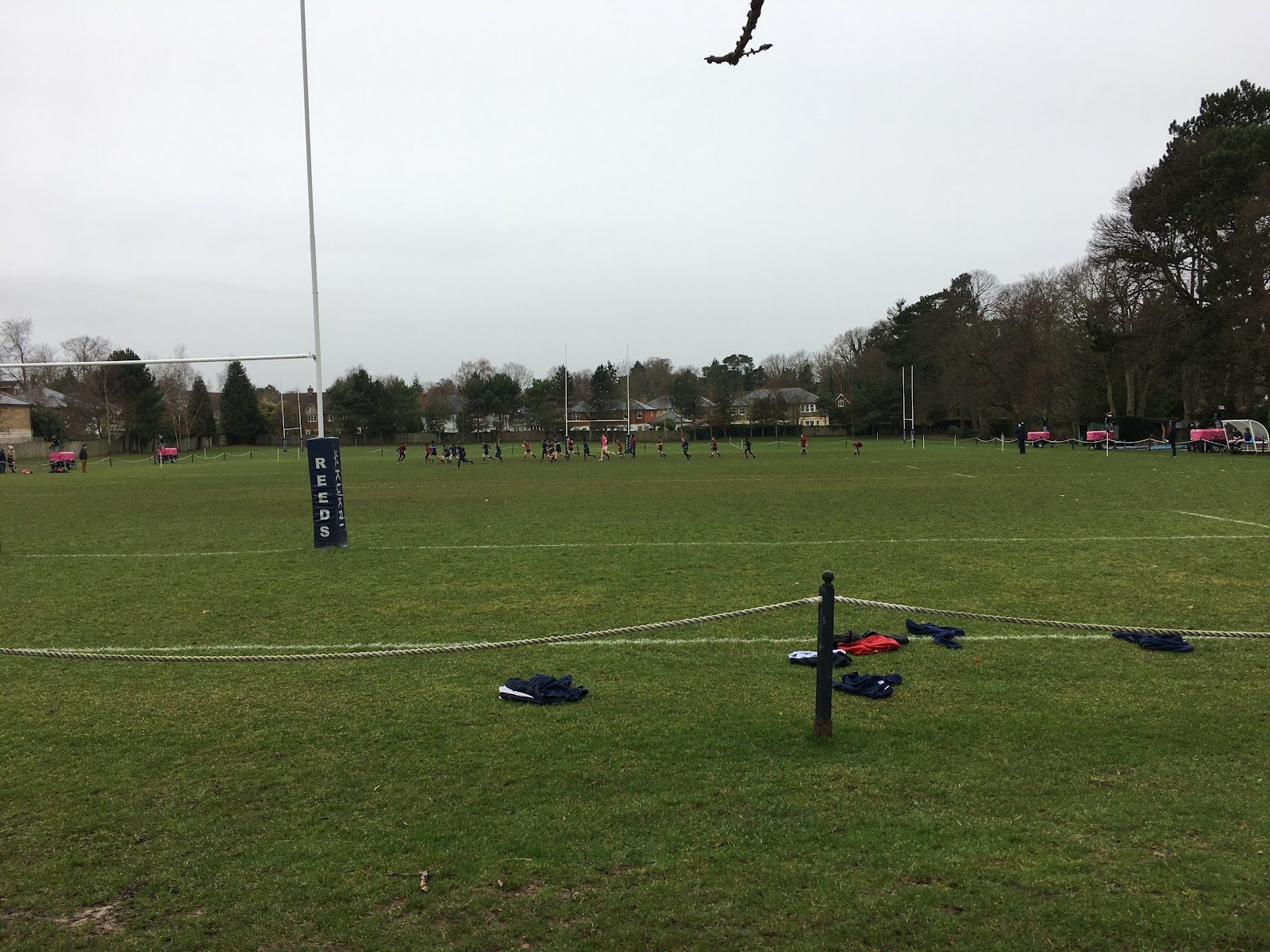
Photo © Julian Curtis via Google Maps
Type
Day + Boarding
Ages
11–18
Curriculum
GCSE · A-Level
Ratio
1:9
The Verdict
Editor's commitment
Right for
Families wanting GCSE and A-Level on a 40-acre Cobham campus, with day and boarding options and a sharp 1:9 staff ratio.
Wrong for
Parents seeking full co-education from 11 now: Reed's stays boys 11–18 until September 2027, with co-educational Sixth Form only.
Watch out for
This is an HMC, ISI-accredited Christian school founded in 1813; tradition runs deep, even as the co-educational shift gathers pace.
Ranking breakdown
Reed's School · #1016 of 1591
Composite score 62.0. 8 weighted criteria.
By criterion
Academic Outcomes
Weight 20%
#1157
of 1529 scored
University Placement
Weight 16%
#1015
of 1529 scored
Prestige & Heritage
Weight 12%
#1259
of 1571 scored
Alumni Network
Weight 12%
#1210
of 1530 scored
Facilities
Weight 12%
#64
of 1533 scored
Transparency & Communications
Weight 8%
#652
of 1532 scored
Peer & Industry Review
Weight 10%
#250
of 1548 scored
Admissions Selectivity & Demand
Weight 8%
#1232
of 1529 scored
Peer & Industry Review
How Reed's School is regarded in the sector
76
Strong · medium confidence
Reed's sits comfortably within the HMC family of headteachers, giving it regular visibility at the same national conferences and benchmarking exercises as better-known Surrey rivals such as Charterhouse, City of London Freemen's and Epsom College, though it is rarely name-checked by their heads as a direct academic competitor. Good Schools Guide's independent review is the most citable industry signal, describing Reed's as something of an 'undiscovered gem' for its pastoral strength and value rather than for hothouse results, a characterisation echoed by WhichSchoolAdvisor's profile, which stresses breadth of co-curricular provision over exam-table dominance. In the Sunday Times/Telegraph Parent Power tables it typically sits in the middle bands for Surrey day-boarding schools, consistent with A-level outcomes around 65-70% A*-B. University destinations skew toward solid Russell Group placements (Bristol, Nottingham, Exeter, Surrey) with a small but real Oxbridge trickle each year, which admissions tutors treat as evidence of a well-prepared, broadly able cohort rather than an elite feeder. ISI inspections have consistently rated it 'excellent' for pastoral care and personal development, reinforcing its reputation as a dependable, well-regarded second-tier independent rather than a nationally top-ranked academic powerhouse.
Award

Elite Sport 80
World's Top School · The Global Ranking
Reed's School is featured on our Global Top 80 ranking at #53. This seal is available for the school's marketing team to use on their website, prospectus and social channels.
- Ben Fogle — Broadcaster, adventurer, TV presenter
Editors' overview
Reed’s School occupies a niche few English independents can match: a Christian foundation school founded in 1813 with a live charitable spine, a substantial bursary tradition and a modern performance culture that reaches well beyond the classroom. This is not a heritage label pasted onto a conventional Surrey day school. The school’s origins in the London Orphan Asylum still shape its identity, and that matters. Parents looking for a school with a clear social purpose, not just polished branding, will find one here. On the academic side, Reed’s offers GCSEs and A Levels, and it publishes strong recent results: 85% of A Level grades at A–B in 2025, with 51% at A/A, and 75% of GCSE grades at 9–7. The published 1:9 staff ratio reinforces the sense of close attention. This is a school with moral seriousness, institutional memory and a habit of turning structure into outcomes.
Its market position is clear. Reed’s sits in the competitive Surrey boarding-day belt, but it avoids the grander, more self-conscious manner of older full-boarding names. It has scale without sprawl, boarding without a factory feel, and ambition without social frostiness. The sporting offer is a major differentiator. Reed’s Tennis School and Tennis Academy are not decorative add-ons; they mark the school out for families who want elite coaching embedded in daily school life. Sport more widely is central to the culture. That will appeal to energetic, competitive pupils who want busy days, strong coaching and serious match play. The school is still boys-only from 11 to 16, with a co-educational sixth form, and it will move to full co-education from Year 7 in 2027. For some families that staged transition adds forward momentum; for others, it removes the certainty of a settled long-term model.
Why shortlist it? Because Reed’s offers a combination that is hard to replicate: strong academics, genuine boarding, visible pastoral intent, and a foundation ethos that gives the place human weight. The best fit is a pupil who thrives with structure, likes being occupied, and wants teachers to know him well. Athletes, especially tennis players, have an obvious reason to look hard. So do academically able boys who want a less grandiose alternative to the best-known Surrey independents, and sixth formers who value a co-educational setting with solid results and a wider elective programme. This is not the school for families chasing metropolitan glamour or maximal social cachet. It is for those who want clear values, competitive energy and a school that still knows why it exists.
An Elite Sport 80 school
Reed's School in Cobham, Surrey, earns its place among elite sport-focused schools because of the breadth and depth of its programme rather than dominance in a single code. Its co-curricular sports score of 9.0 places it firmly in the world-class band, and this is backed by genuine infrastructure rather than marketing: a large multi-purpose sports centre with an indoor pool, sports hall and strength-and-conditioning facilities, extensive floodlit astroturf and grass pitches, and a boat club on the water.
The headline specialisms are rowing, with crews that contest Henley Royal Regatta; hockey and rugby, both run as nationally competitive programmes; and a dedicated golf pathway that supports aspiring competitive players. Cricket, football, tennis and swimming run alongside at strong schoolboy standard, giving athletically minded pupils a wide choice of serious pathways.
The school operates a genuine dual-track model. For most pupils it is a moderately selective boys' day and boarding school following the GCSE and A-Level curriculum; for a significant subset of sporting scholars, it layers an intensive training and fixture calendar on top of the academic timetable, with the school explicitly balancing timetabling to accommodate this commitment. Sport scholarships are available at the main entry points and sit alongside the historic foundation's means-tested bursaries.
For a family relocating to Surrey with an athletically committed son — particularly one focused on rowing, hockey, rugby or golf — Reed's offers a structured route into competitive school and age-group sport alongside mainstream British day and boarding academics. Boarding and sport-scholarship windows typically open early in the calendar year, so overseas families should begin conversations well ahead of the intended entry point and confirm current fees, assessment formats and scholarship terms directly with the admissions office.
Academic Performance
Reed’s publishes headline exam data, and the picture is strong. At A Level, 85% of grades landed in the A–B band, with 51% at A/A. At GCSE, 75% of grades were 9–7, and the school adds a second useful marker: 90% at 9–6. That matters. Plenty of independents stop at the top-line flourish and leave parents guessing about depth lower down the distribution. Reed’s does not. The school also links its results to a specific inspection finding on personalised feedback and sustained improvement. That gives the numbers more weight than a one-off bumper year. This is serious academic output, not a lucky spike.
Relative to peers, Reed’s sits in the upper tier of the broad independent market without entering the rarefied exam territory occupied by the most selective London day schools and a handful of national boarding heavyweights. For a school with a pronounced sporting identity and a less hothouse reputation than some Surrey rivals, those results are impressive. The balance is the point: Reed’s produces strong public-exam performance while still reading as a school with room for athletes, boarders and pupils with wider commitments. Parents chasing a results-at-all-costs culture have other options. Parents who want robust outcomes from a school with a broader operating model will find Reed’s competitive and credible.
Facilities
Reed’s strongest facilities sit where the school has chosen to differentiate itself: sport, boarding and the co-curricular day. The standout asset is the tennis infrastructure, which has its own branded school and academy rather than a token elite pathway bolted onto ordinary PE. In the Surrey market, that puts Reed’s in a small group. Families with a serious junior player will read that as a genuine operational advantage, not brochure filler. Sport more widely also carries real weight here, with dedicated sports fixtures, holiday camps and swim provision visible in the school’s public structure. On a campus of 40 acres, that matters: there is room for activity to feel built in rather than squeezed in. Against peer schools, Reed’s looks stronger for performance sport than many mid-sized independents, even if it does not trade on the country-house scale or architectural drama of the grandest boarding names.
The other important facility is the boarding environment itself. The school makes a point of a “welcoming and homely” ethos, and while that phrase is standard admissions language, it signals an institutional priority: boarders are not an afterthought. For a school with around 100 full-time boarders, that scale can work well. It is large enough to sustain a real boarding culture and small enough to avoid a factory atmosphere. Academic and arts facilities are harder to judge because the school publishes less detail than the strongest communicators in this sector. That is a weakness. Parents can see the school’s sporting plant clearly; they get a thinner picture of labs, library, design spaces and theatre provision.
Plenty of independents stop at the top-line flourish and leave parents guessing about depth lower down the distribution
Prestige
Reed’s carries solid but not top-drawer prestige in the English independent market. It has the markers that matter: HMC membership, a long institutional history, a functioning charitable foundation, boarding, and public exam results strong enough to command respect. The school also benefits from a distinct identity rather than a generic “good all-rounder” profile. Tennis gives it a national point of recognition that many schools of similar size never achieve, and the school’s own structure around bursaries and foundation work adds moral substance that polished Surrey competitors cannot manufacture. Among informed parents, that counts for more than glossy branding. Reed’s has earned standing, not borrowed glamour.
The limit is clear too. This is not one of the small group of British independents whose name alone opens doors across every social and professional circle. It does not carry the automatic cachet of the oldest, grandest public schools, nor the metropolitan sheen of the most selective London day schools. Its reputation rests on performance, pastoral seriousness and a recognisable sporting specialism, not on inherited social dominance. For many families, that is an advantage. A school with around 700 day pupils and 100 full-time boarders can still feel known rather than processed. Add a published staff ratio of 1:9 and a visible foundation ethos, and the prestige lands in the credible, respected, quietly weighty category rather than the stratospheric one.
Reed’s carries solid but not top-drawer prestige in the English independent market
Communications
Reed’s communicates with parents through a busy but coherent digital ecosystem rather than a single polished front door. The public site is well populated: admissions, policies and inspection reports, handbooks, bus routes, calendar dates, fixtures, news, forums, foundation activity and practical parent links all sit in plain view. That breadth matters. Parents can see the school as an operating institution, not just an admissions shop window. The presence of Firefly, a parent message centre and Office 365 login points to a school that runs routine communication through established platforms rather than improvised email chains. There is also enough visible detail to support day-to-day family logistics, from transport to events to sports schedules. For a school with a busy, highly structured culture, that matters more than glossy prose.
The effectiveness is strong, with one clear caveat. Reed’s does a good job on practical information and institutional visibility: inspection material is easy to find, the co-educational transition is signposted clearly, and exam headlines are put front and centre. Parents do not need to dig for the school’s priorities. The weakness is imbalance. Sport, community and outward-facing activity get heavy coverage; academic life beyond headline results gets a thinner public treatment. The site tells you that specialist teaching, careers support and sixth form electives matter, but it gives less concrete texture on classroom life, departments and learning spaces than the best communicators in this market. So the verdict is clear: operationally reassuring, strategically well organised, but not equally strong across every part of the school’s story.
Uniqueness
What sets Reed’s apart is not heritage on its own but heritage with obligations. Many old schools trade on history; Reed’s still ties that history to a working foundation, bursary provision and a public-benefit narrative that runs through the institution rather than sitting in a fundraising brochure. That gives the place a different moral centre from the standard affluent Surrey model. Pupils grow up in a school that talks about integrity, compassion and responsibility as operational values, not decorative words. The effect on students is practical: a stronger sense that privilege carries duties, and that school life extends beyond personal advancement. The move to full co-education from the lower years also gives Reed’s a transitional edge. Families are not buying a static model; they are entering a school actively reshaping itself.
The other clear point of difference is tennis. Reed’s has built an identifiable high-performance pathway into the life of the school, not a token scholarship scheme parked at the margins. That matters for talented players, but it also shapes the wider culture. Sport here carries status, discipline and institutional attention. Combined with the school’s scale and low staffing ratio of 1:9, that produces an environment that is structured, busy and personal. Students get close adult oversight, strong routines and a community with sharper purpose than the polished but interchangeable “all-rounder” schools nearby. Reed’s does not sell social gloss. It offers competitive energy, charitable memory and a school identity with more substance than shine.
This is not a heritage label pasted onto a conventional Surrey day school
Student Profile
The Reed’s pupil is busy, coached and comfortable with structure. This is a strong fit for boys who want a school day with momentum: lessons, fixtures, practices, house activity and adults who keep a close eye on standards. The low staffing ratio of 1:9 points to a place where underperformance gets noticed and effort does not disappear into the crowd. Sport carries real status, so athletic pupils, especially serious tennis players, have a natural home here; boys who dislike competition or resent organised routines will find the culture demanding and at times unforgiving. The Christian foundation and bursary tradition also shape the tone. Reed’s suits families who want a school with moral seriousness and an expectation that pupils contribute to a wider community, not just collect credentials.
Socially, this is not a school built around metropolitan polish or fashionable looseness. It will suit grounded, energetic students who respond well to clear expectations, direct pastoral oversight and a community that values resilience and responsibility in plain terms. The co-educational sixth form broadens the mix and gives older pupils a less single-sex social environment before university, while the planned move to full co-education changes the profile for younger families weighing long-term fit. The pupils who thrive here are purposeful, well-occupied and happy being known well. The weaker fit is the child who wants anonymity, minimal supervision or a more rarefied, purely academic atmosphere.
The school’s origins in the London Orphan Asylum still shape its identity, and that matters
Co-curricular strengths
Arts & sport, on a separate axis
Overall 7.9/10
Scored 0-10 from the school's own published evidence. This axis is editorial-only — it does not feed the main WTS ranking.
Strengths
- +Boys' day and boarding school set on an extensive campus in Cobham, Surrey.
- +Originated as the London Orphan Asylum (founded 1813) and retains a charitable foundation that funds means-tested bursaries for children who have lost a parent.
- +Offers both boarding and day places, giving flexibility to relocating families who may want a boarding option without full boarding commitment.
- +World-class sports provision (co-curricular sports score 9.0), with grounds and outdoor facilities supporting a broad programme alongside GCSE and A-Level study.
- +Long-established school (over two centuries old) with a settled Surrey site rather than a recent conversion or start-up.
Considerations
- −Not among the academically super-selective Surrey or London day schools; entry is assessed rather than fiercely competitive at every point of entry.
- −Cobham location means day pupils travelling from central London or other counties depend on school transport or a car-based commute.
- −Boarding numbers are modest compared with full boarding schools, so weekend and evening boarding life may feel quieter than at larger boarding-focused institutions.
- −Fees sit at the level typical of Surrey independent day and boarding schools, representing a significant multi-year financial commitment for relocating families.
Gallery
Photo © Julian Curtis via Google Maps
Photo © Alison Atkins via Google Maps
Photo © Julian Curtis via Google Maps
Photo © Alison Atkins via Google Maps
Photo © Alison Atkins via Google Maps
Photo © Alison Atkins via Google Maps
Photo © Nobunaga Mikiya via Google Maps
Parent reviews
Have you sent your child here?
Voice reviews carry the strongest trust badge — we transcribe them for you to tidy up before they go live. Prefer to type? A written review is fine too.
Add your voice
In 60 seconds, tell other parents: what's the best thing about Reed's School, and what surprised you when your child joined?
We ask for a Google sign-in so every review has a real face behind it — no anonymous drive-by attacks on schools, and no faked positive reviews. Your email is never shown publicly.
Send this profile to a friend
International parents rely on word-of-mouth. Share this review with someone weighing the same decision.
Schools with places
Similar schools to Reed's School with places available now.
Royal Grammar School, Guildford
Guildford · United Kingdom
- 2026-27
- CLOSEDStandard route closed
- 2027-28
- PLACES OPEN11+ / 13+ / 16+ active
ACS International School Cobham
Cobham · United Kingdom
- 2026-27
- WAITPOOLSpace-dependent
- 2027-28
- PLACES OPENRolling
Charterhouse
Godalming · United Kingdom
- 2026-27
- CLOSEDStandard route
- 2027-28
- PLACES OPEN16+ Active (Closes 23 Sept); 13+ Late
Availability first, then country, area, curriculum, price, co-curricular
Consider also
Also worth looking at alongside Reed's School.
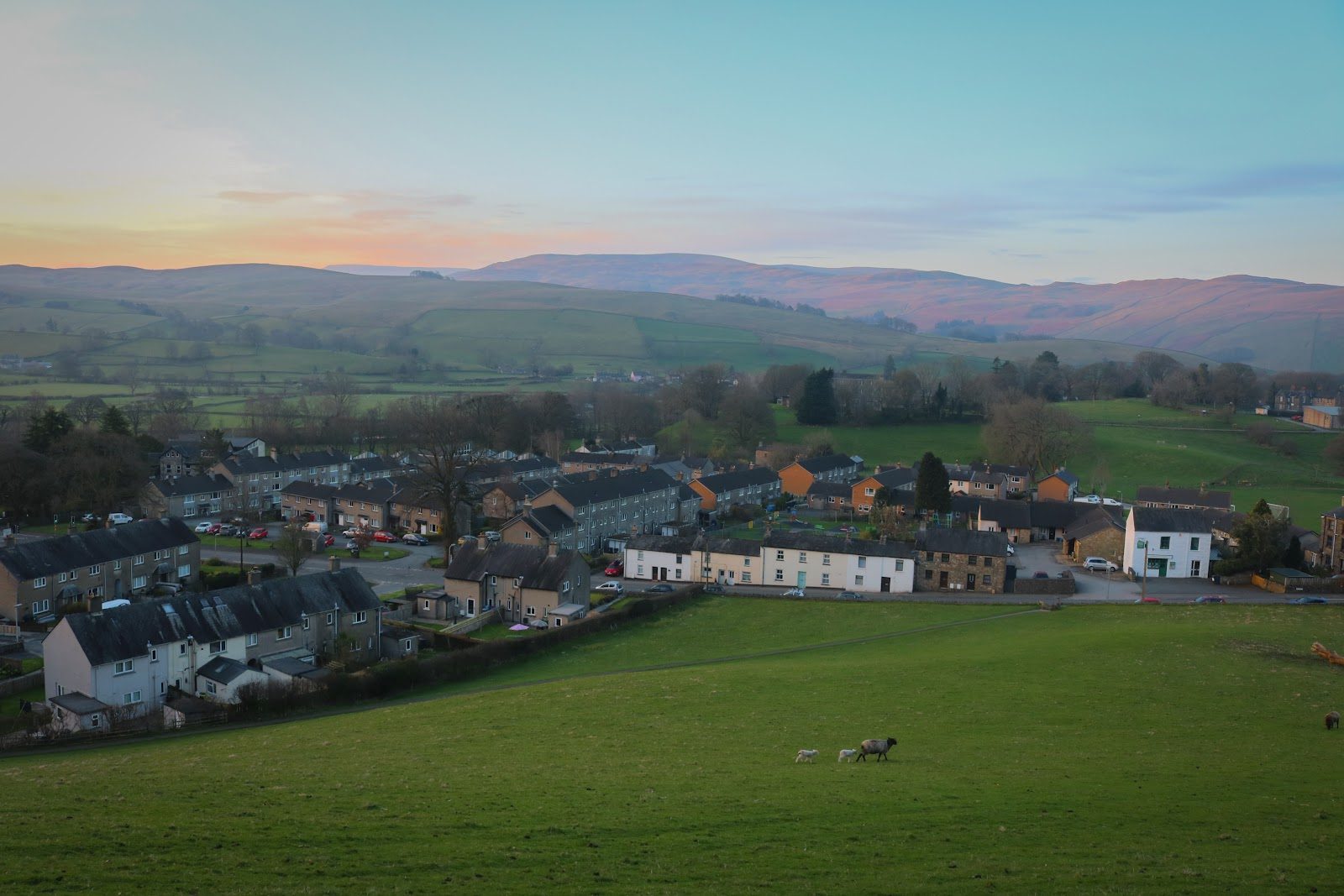
Sedbergh School
Sedbergh, Cumbria · United Kingdom
Beneath the Howgill Fells, five centuries of boarding tradition pairs rugby pedigree with rare GCSE jewellery design and A-level geology.
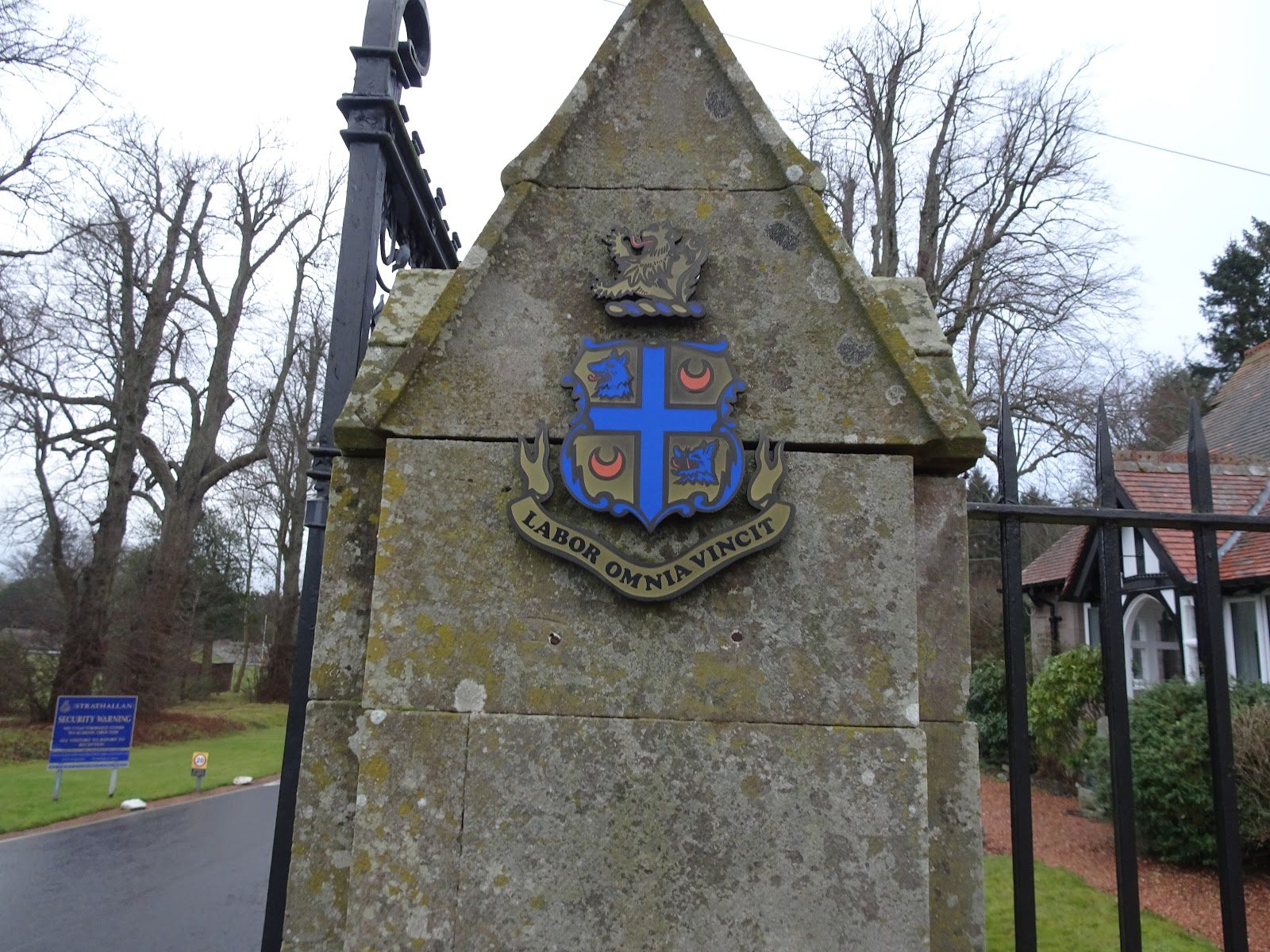
Strathallan School
Perthshire, Scotland · United Kingdom
The only Scottish boarding school running Highers, Advanced Highers and A-Levels side by side across 153 acres of Perthshire countryside.
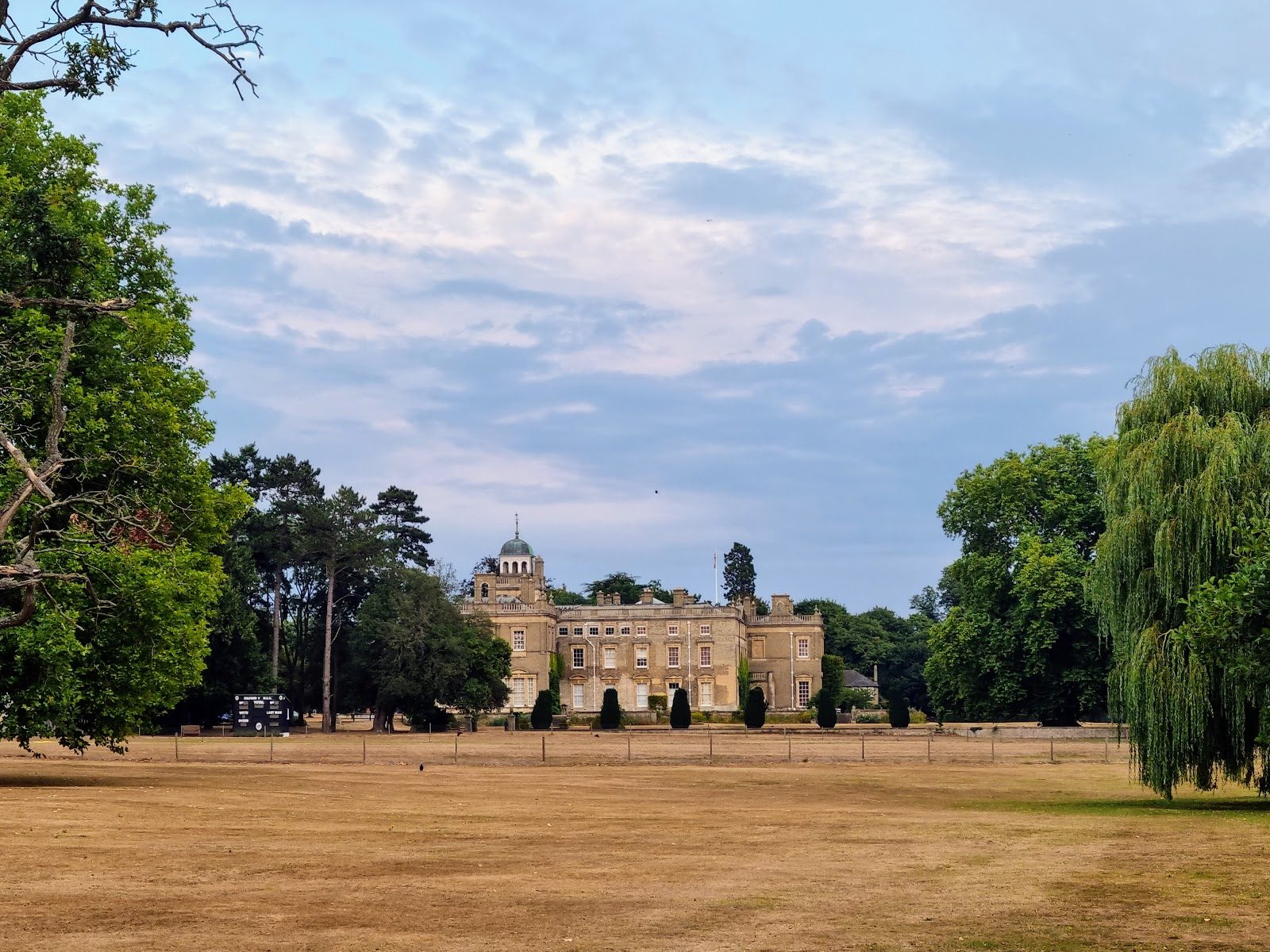
Culford School
Bury St Edmunds · United Kingdom
Set within 480 acres of Repton-landscaped Suffolk parkland around an 18th-century mansion, home to specialist tennis and golf academies.
Ellesmere College
Ellesmere, Shropshire · United Kingdom
Shropshire countryside campus built around six specialist sport academies, from cricket to a new PSG football partnership
Same specialism, country and curriculum — closest matches within ±10 points either way