
New South Wales
On the Tivoli headland above Sydney Harbour, a non-selective girls' school topped the state for pairing IB and HSC results in 2024.
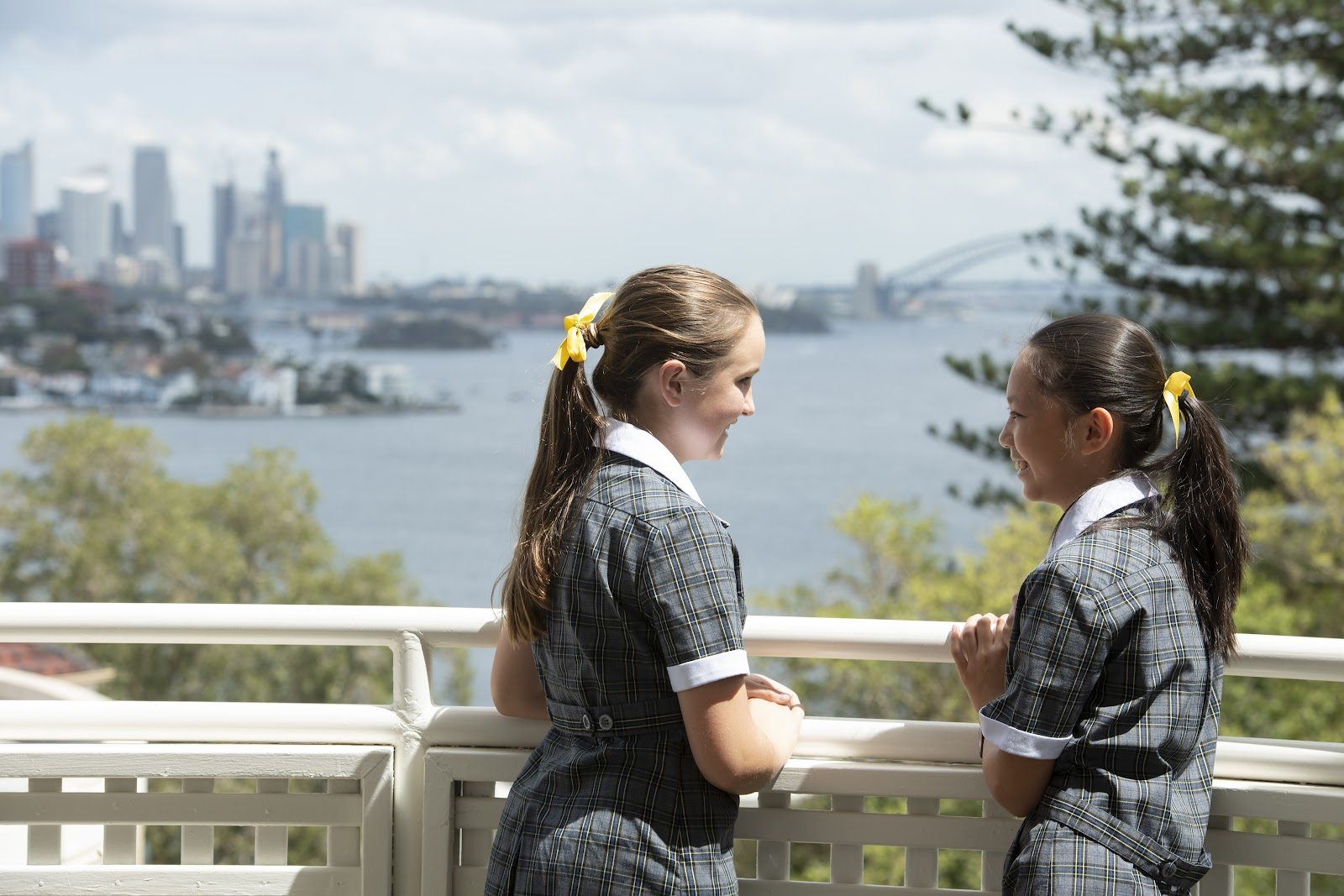
Photo © Kambala School via Google Maps
Type
Both
Ages
3–18
Curriculum
Australian
Qualifications
HSC
Ratio
—
The Verdict
Editor's commitment
Right for
Girls aged 3–18 who want an Anglican school in Rose Bay with both IB and HSC, and a serious academic ceiling.
Wrong for
Families wanting co-education, a single curriculum, or a cheaper Sydney independent: average annual day fees run to AUD 40,899.
Watch out for
Boarding averages AUD 83,496 a year, and Kambala’s 2024 state-leading IB-HSC pairing sets a high-performance culture from a non-selective intake.
Ranking breakdown
Kambala · #1017 of 1591
Composite score 61.9. 8 weighted criteria.
By criterion
Academic Outcomes
Weight 20%
#586
of 1529 scored
University Placement
Weight 16%
#584
of 1529 scored
Prestige & Heritage
Weight 12%
#537
of 1571 scored
Alumni Network
Weight 12%
#1419
of 1530 scored
Facilities
Weight 12%
#666
of 1533 scored
Transparency & Communications
Weight 8%
#688
of 1532 scored
Peer & Industry Review
Weight 10%
#645
of 1548 scored
Admissions Selectivity & Demand
Weight 8%
#438
of 1529 scored
Peer & Industry Review
How Kambala is regarded in the sector
63
Respected · medium confidence
Kambala is consistently featured in Sydney Morning Herald and other independent media HSC league-table coverage of top Sydney private girls' schools, and is recognised within the Alliance of Girls' Schools Australasia network as an established Eastern Suburbs institution alongside SCEGGS and Ascham. It lacks the international press profile (Tatler, Sunday Times Schools Guide) of globally benchmarked schools, but has solid, consistent regional recognition among peer independent schools and in local specialist education press.
Evidence sources
- Lucy Turnbull — Businesswoman and former Lord Mayor of Sydney, Business/Politics
- Deborra-Lee Furness — Actress, Film
- Susan Renouf — Socialite and businesswoman, Business
Editors' overview
On the Tivoli headland above Sydney Harbour, Kambala trades on something more substantial than views: it gives girls a genuine senior choice between the HSC and the IB Diploma Programme, and that matters. In Sydney’s independent market, many schools talk about breadth; fewer give sixth formers two serious exit routes under one roof. The school is Anglican, non-selective and girls-only, with day and boarding provision from ages 3 to 18, and that combination gives it a distinctive lane: a full-through school with a clear single-sex identity, but without the admissions filter that narrows the intake at the city’s exam-selective heavyweights. The result is a school that has to add value, not merely harvest it.
What puts Kambala on a shortlist is the mix of ambition and range. The school stakes its case on girls’ education, “sisterhood”, strong foundations in literacy, numeracy and science, and a full journey from early learning to Year 12. That rhetoric is familiar; the more important point is that Kambala backs it with structural choices that parents can actually use. A girl who wants the conventional New South Wales route has the HSC. A girl with international university plans, or one who wants the breadth and discipline of the diploma, has the IB. That dual-pathway model is a serious advantage, and in 2024 it underpinned a rare result: this non-selective girls’ school topped the state for pairing IB and HSC outcomes. Fees place it squarely in the premium bracket: AUD 40,899 a year on average for day pupils and AUD 83,496 for boarders across the full age range. This is an expensive school, and parents are paying for location, continuity, boarding and programme breadth as much as for raw academics.
The girl who will thrive here is motivated, articulate and comfortable in an environment that puts female leadership front and centre. She does not need a co-ed setting to find her voice; she wants a school that treats girls’ education as the main event rather than a pastoral subtheme. Boarders and day girls who value clear academic direction, visible school culture and the option to choose between two senior qualifications will find a strong fit. Families who want a harder-edged, explicitly selective academic hothouse may look elsewhere. Families who want a high-ambition girls’ school with boarding, an Anglican foundation, ages 3–18 continuity and a credible claim to top-end outcomes should keep Kambala in the frame.
Academic Performance
Kambala’s public case on academics rests on one point that matters: pupils in the senior years can choose between the IB Diploma and the HSC, and the school has converted that structural advantage into elite results. In 2024, it topped the New South Wales girls’ school field for the combined strength of those two programmes. That is not a cosmetic distinction. Plenty of schools offer one pathway and dominate it; far fewer sustain serious performance across both, because dual-track sixth-form provision demands staffing depth, timetabling discipline and students who can thrive under different assessment models. For a non-selective school, that outcome carries extra weight. It places Kambala in the top tier of academically ambitious girls’ schools in Sydney, even if its route there differs from the exam-selective sector.
The caveat is transparency. The school highlights the headline strength of the cohort but does not publish a full set of aggregate public metrics here: no complete IB points profile, no ATAR distribution, no HSC subject tables, and no longer-run trend data. That limits fine-grained comparison with peers that disclose more. Parents can still draw a clear conclusion: current attainment at the top end is hard to dismiss, and the school is competing above the level many non-selective girls’ schools reach. Parents who want exhaustive statistical disclosure will find the picture less open than at some rivals. Parents who want proof that the academic ceiling is high already have it.
Facilities
The decisive facility here is the site itself. Kambala occupies a commanding harbour-side position on the Tivoli headland, and that gives it something many inner-city independents lack: room to stage a full-through school without feeling squeezed into separate fragments. For parents, the practical value lies less in the view than in the continuity. Early learning, junior, senior and boarding sit within one institutional footprint, which supports a coherent school day and a stronger sense of progression than schools split awkwardly across multiple urban campuses. The school also flags specialist provision at both ends of the age range: Reggio Emilia in the early years, then two senior exit routes in the sixth form. That matters for facilities because dual pathways demand proper timetable, study and teaching infrastructure, not a token sixth-form add-on. Against eastern-suburbs peers, the estate reads as well-resourced and socially advantaged rather than sprawling.
The other facility worth noting is the school’s investment in staff development through KITE, its in-house teaching institute. That is not a theatre or aquatics centre parents can tour, but it carries more educational weight than a glossy building if it sharpens teaching across ages 3–18. Kambala also has boarding on site, and that remains a serious differentiator in this part of Sydney, where many prestigious girls’ schools are day-only. What is missing from the public picture is hard detail: no clear published inventory here of standout science labs, performing arts spaces, sports provision or specialist design facilities. On facilities, then, Kambala looks stronger in structure than in disclosure. Parents get a premium setting, integrated provision and boarding; they do not get much public granularity beyond that.
It places Kambala in the top tier of academically ambitious girls’ schools in Sydney, even if its route there differs from the exam-selective sector
Prestige
Kambala has real standing in Sydney’s independent-school market, but its prestige is not built on selectivity. It comes from social geography, longevity, price and the sort of family networks that cluster around established eastern-suburbs girls’ schools. The Tivoli headland setting and the average annual fees — AUD 40,899 for day pupils and AUD 83,496 for boarders — place it in the city’s upper tier by default. Add a full-through girls’ education, Anglican identity and boarding, and you get a school with the markers many families still read as status. That matters in practical ways: peer group, connections, confidence and access to a community that carries weight well beyond the school gates.
What lifts Kambala above mere social cachet is that the prestige now has academic substance behind it. A school can trade on heritage and harbour views for only so long; Kambala has paired those advantages with serious educational credibility. The dual senior pathway gives it a more intellectually flexible profile than many traditional girls’ schools, and its recent results convert reputation into something earned rather than inherited. Still, this is not the city’s most forbidding academic badge. Families chasing the prestige that comes from brutal admissions filtering will rank selective schools higher. Families who want a finished, high-status girls’ school with strong outcomes, a polished culture and an influential parent body will rate Kambala very highly.
What puts Kambala on a shortlist is the mix of ambition and range
Communications
Kambala communicates in a high-control, polished way. The website carries a strong central message and keeps repeating it: girls first, belonging, courage, dual senior pathways, research-led teaching. That gives parents a clear read on what the school wants them to know, and it does the basics well: principal contact points are visible, tours are pushed hard, enquiry routes are easy to find, and the school does not bury its leadership behind generic copy. There is also enough structural information to orient a new family quickly, including the span from 6 months to the end of school and the choice of 2 senior qualifications. For a premium school, that baseline competence is not a bonus; it is the minimum. Kambala clears it comfortably.
Where the communication weakens is depth. The public voice is tightly managed and heavy with institutional rhetoric, especially around “sisterhood”, transformation and thought leadership. Parents get a strong sense of ethos but a weaker sense of operational detail. The school talks far more about values than about concrete delivery: little public granularity on facilities, limited hard academic data, and few specifics that help a parent test the claims. That does not make the communication poor; it makes it carefully curated. Families who want reassurance, tone and a confident line from leadership will find it effective. Families who want raw evidence, disclosure and plain-spoken comparative detail will want more.
Uniqueness
What marks Kambala out is not heritage, harbour frontage or price, though all three shape the experience. It is the school’s insistence that girls’ education is the organising principle rather than a branding line, and that this runs from infancy to the end of school. The public language is heavy on “sisterhood”, but the practical version matters more: a campus and culture built around girls’ voices, girls’ confidence and girls’ leadership without the social drag of co-ed performance. For the right student, that brings a clearer runway for ambition. She does not compete for space in a mixed environment that still, in many schools, defaults to louder male energy; she works in a setting that treats female intellectual and personal authority as normal, expected behaviour. The school starts that journey early too, with provision beginning at 6 months, which gives families unusual continuity and gives pupils a deep-rooted sense of institutional identity.
The second point of difference is the combination of that girls-first culture with genuine senior choice. Many schools talk about personalised pathways; Kambala gives older pupils two recognised exit routes and lets that choice sit within one school community. That has real value for students: less pressure to fit one academic mould, more room to choose a course that suits temperament, strengths and university direction. Add on-site boarding and the school becomes a rare hybrid in this market: socially established, academically ambitious and structurally flexible. The risk is obvious too. A strong internal culture can feel enclosed for girls who want a broader social mix or a looser, less curated atmosphere.
That rhetoric is familiar; the more important point is that Kambala backs it with structural choices that parents can actually use
Student Profile
The pupil who fits Kambala best is ambitious without needing a classroom culture built on overt competition. This is a school for girls who want to speak up, take responsibility and work in an environment where female authority is treated as the norm, not the exception. The language of “sisterhood” runs strongly through the school’s identity, and that carries real implications for fit: girls who value solidarity, visible pastoral structure and a close-knit, high-expectation community will settle more easily than those who want anonymity or a looser social atmosphere. The age span from 3–18 also shapes the student body. In full-through schools, pupils grow up inside a common culture, and families buy heavily into continuity. That suits girls who like belonging and institutional loyalty; it suits independent spirits less if they crave a sharper break between childhood and adolescence.
Older students who thrive here are self-aware enough to make meaningful choices about their final school years. The dual senior pathway gives Kambala room for different academic temperaments, so the strongest fit is not one narrow type of scholar but a girl with clear purpose, decent self-discipline and the confidence to choose her route rather than drift into one. Boarders add another layer: this is a school for girls who can handle living within a highly structured, values-led community. For some, that brings security and momentum. For others, it feels contained. Families looking for a polished, socially assured girls’ school with academic range will find the profile coherent; families wanting a more mixed, rough-edged or low-pressure peer culture will not.
Kambala also has boarding on site, and that remains a serious differentiator in this part of Sydney, where many prestigious girls’ schools are day-only
Co-curricular strengths
Arts & sport, on a separate axis
Overall 9.1/10
Scored 0-10 from the school's own published evidence. This axis is editorial-only — it does not feed the main WTS ranking.
Sports
9.2/10
Drama
9/10
Dance
9/10
Music
9.3/10
Visual Arts
9/10
Editor first-pass · editor-reviewable · 7/30/2026
Strengths
- +Kambala has a non-selective enrolment policy and currently caters for approximately 1,000 students from early learning to Year 12, yet it consistently ranks among the top schools in NSW for HSC results.
- +In Years 11 and 12, girls have the opportunity to complete either the NSW Higher School Certificate or the International Baccalaureate (IB) Diploma Program, giving families a dual academic pathway uncommon among non-selective girls' schools.
- +Kambala offers a family-style Boarding experience for approximately 50 girls from Year 7 to Year 12, in a purpose built Boarding House Fernbank, adjacent to the school, supporting regional and international families.
- +Established in 1887, Kambala is a private early learning, primary, and secondary day and boarding school for girls in Rose Bay, giving it a long institutional history on a single harbourside site.
- +Class sizes average about 20, and the teachers are 'first-rate', according to an independent school-review source.
Considerations
- −Fees are among the highest in the country: fees for Kambala School in Rose Bay have surged past the $50,000 mark for the very first time, effectively making Kambala the most expensive school in the entire country, with a non-refundable and non-transferable enrolment fee of AUD 6,000 required to secure the position once a place is confirmed.
- −The school is single-sex for its core years: it is a private early learning, primary, and secondary day and boarding school for girls, so it does not suit families wanting coeducational schooling beyond the youngest years.
- −Curriculum choice is limited to the NSW/Australian system: in Years 11 and 12, girls have the opportunity to complete either the NSW Higher School Certificate or the International Baccalaureate Diploma Program, with no British, American or other international board on offer.
- −Despite open, non-selective entry, popular intake years are heavily sought after and priority is given to daughters or granddaughters of Kambala Old Girls, to those with sisters already attending and to Boarders, subject to availability, with places offered two years in advance of the year of intended enrolment, which can disadvantage families with no prior school connection.
Availability
Primary entry gate & tests
Academic Record + Interview (Girls)
Gallery
Photo © János Palotás via Google Maps
Photo © Kambala School via Google Maps
Photo © Kambala School via Google Maps
Photo © Dovman via Google Maps
Photo © John karmas via Google Maps
Parent reviews
Have you sent your child here?
Voice reviews carry the strongest trust badge — we transcribe them for you to tidy up before they go live. Prefer to type? A written review is fine too.
Add your voice
In 60 seconds, tell other parents: what's the best thing about Kambala, and what surprised you when your child joined?
We ask for a Google sign-in so every review has a real face behind it — no anonymous drive-by attacks on schools, and no faked positive reviews. Your email is never shown publicly.
Send this profile to a friend
International parents rely on word-of-mouth. Share this review with someone weighing the same decision.
Schools with places
Similar schools to Kambala with places available now.
Pymble Ladies' College
Sydney · Australia
- 2026-27
- WAITPOOLVacancy-dependent
- 2027-28
- PLACES OPEN
Ascham School
Sydney · Australia
- 2026-27
- WAITPOOLVacancy-dependent
- 2027-28
- PLACES OPEN
The King's School (Parramatta)
Parramatta · Australia
- 2026-27
- WAITPOOLVacancy-dependent
- 2027-28
- PLACES OPEN
Sydney Grammar School
Sydney · Australia
- 2026-27
- WAITPOOLYr 7 closed; Yrs 8-11 enquire
- 2027-28
- WAITPOOLYr 7 closed; Yrs 8-11 enquire
Availability first, then country, area, curriculum, price, co-curricular
Consider also
Also worth looking at alongside Kambala.
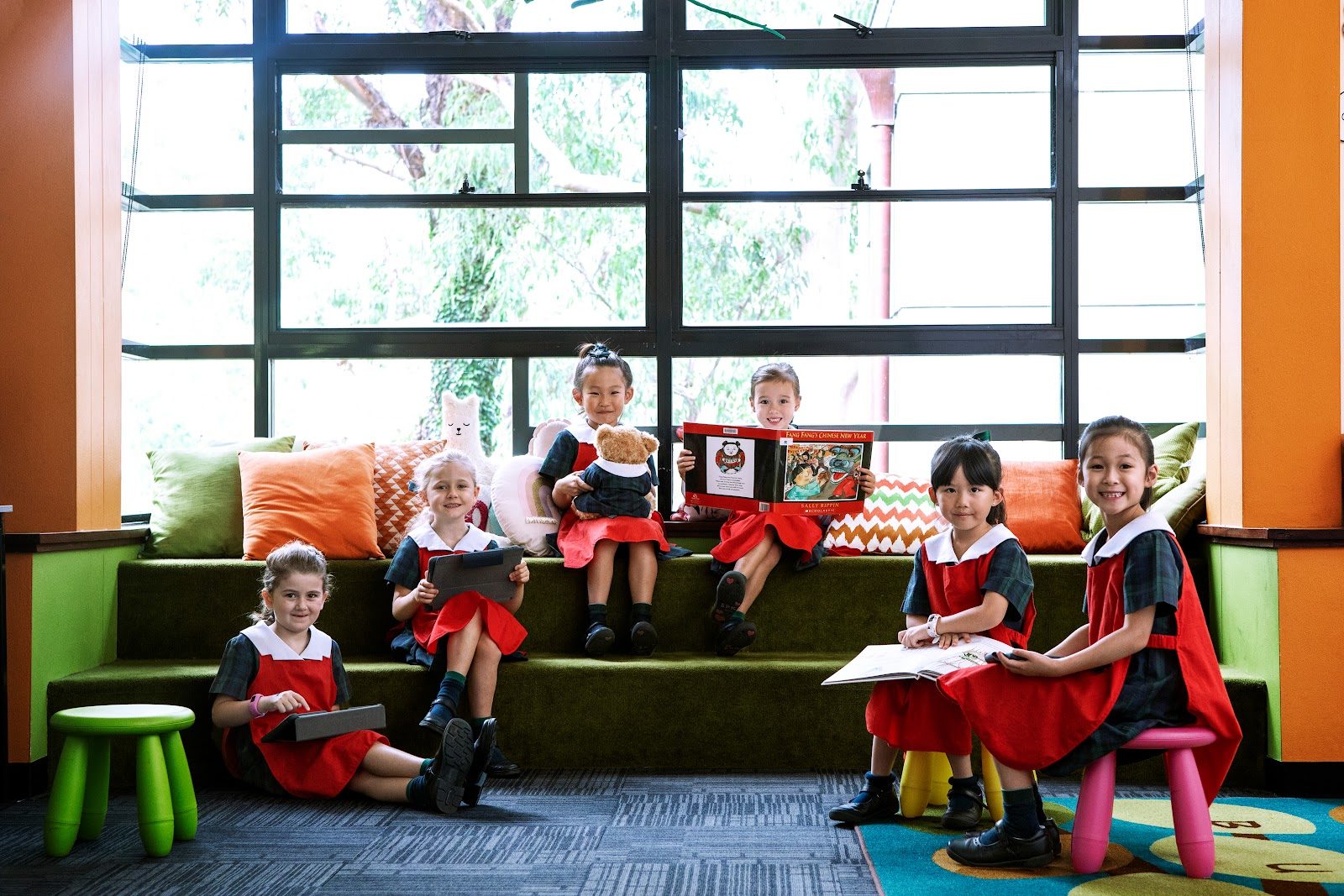
Pymble Ladies' College
Sydney · Australia
On Sydney's Upper North Shore, a non-selective campus of five schools lets girls choose between the IB and HSC pathways.
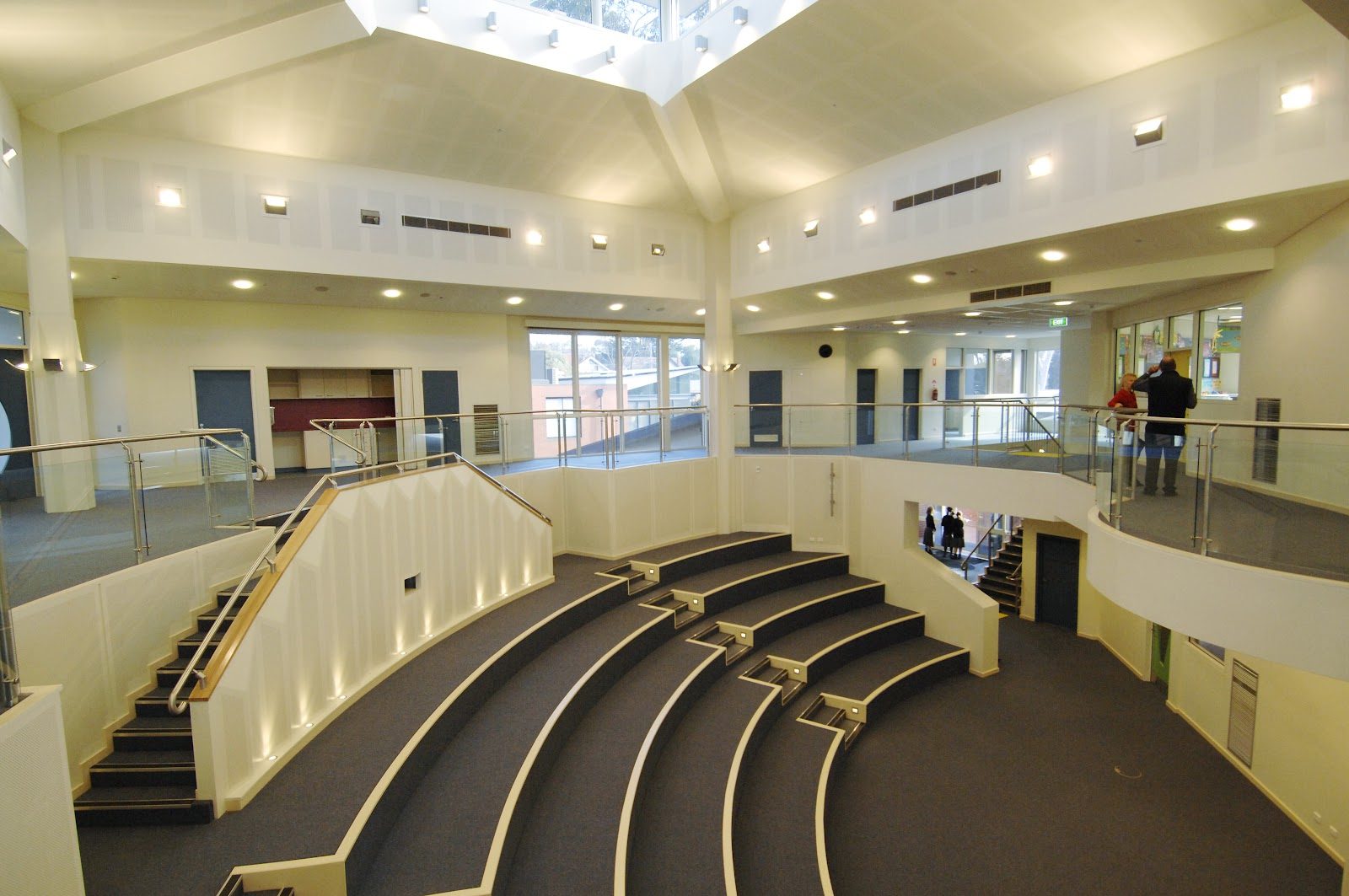
Ivanhoe Grammar School
Melbourne · Australia
A Year 9 campus embedded at La Trobe University anchors a Round Square network across Melbourne's north, offering both VCE and IB pathways.
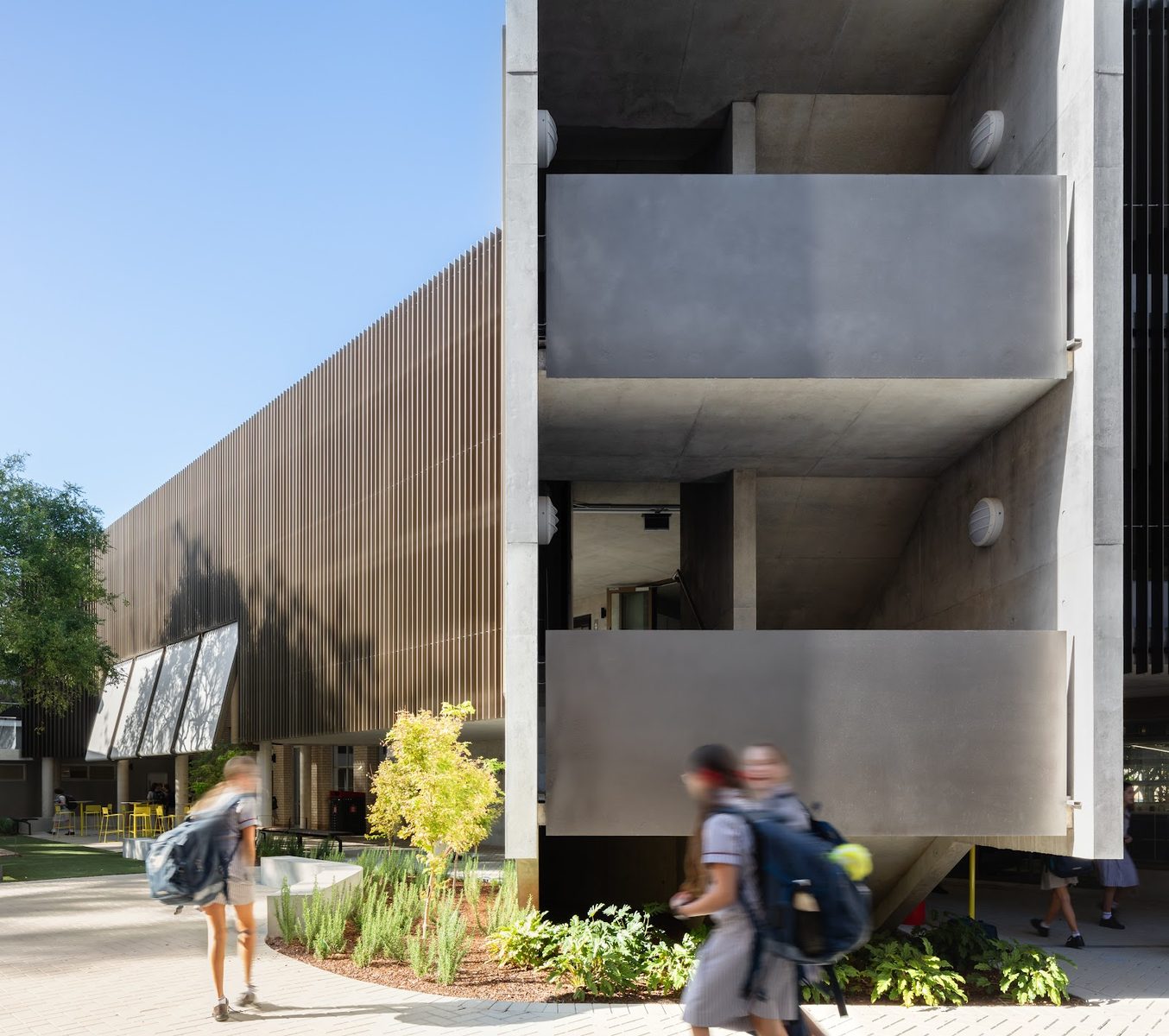
Ascham School
Sydney · Australia
Sydney's storied girls' boarding school, pairing the Dalton Plan with a rigorous HSC pathway.
Victoria International School of Sharjah
Sharjah · United Arab Emirates
A 2005 government pact with the Australian state of Victoria seeded this Sharjah campus, its syllabus culminating in the IB Diploma.
Same country and curriculum — closest matches within ±10 points either way