
Singapore
Eunoia Junior College
A three-school merger reborn in Bishan as Singapore's first high-rise junior college, pairing bicultural studies with 'beautiful thinking'.
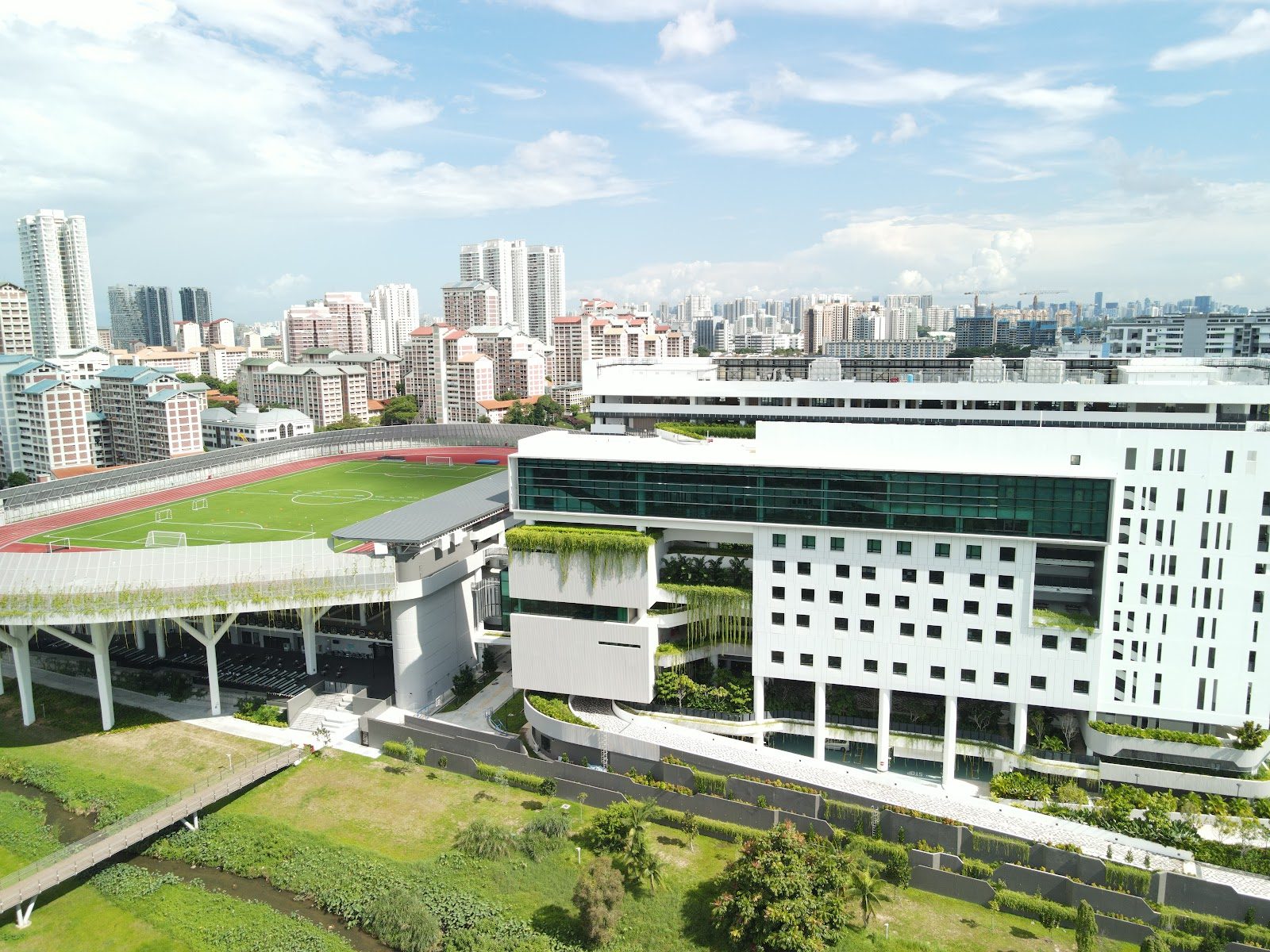
Photo © Derek Q via Google Maps
Type
Day
Ages
13–18
Curriculum
Singapore National
Qualifications
GCE O-Level · GCE A-Level
Ratio
—
The Verdict
Editor's commitment
Right for
Students aged 13–18 who want Singapore National academics with a direct Integrated Programme link to Catholic High, SCGS and CHIJ St Nicholas Girls’.
Wrong for
Families wanting boarding, religious formation or a broad international curriculum mix; Eunoia is a non-religious Singapore MOE day college in Singapore.
Watch out for
Founded in 2017, this Bishan college trades on ambition and partner-school pedigree; the school does not publish outcome data here.
Ranking breakdown
Eunoia Junior College · #1018 of 1591
Composite score 61.9. 8 weighted criteria.
By criterion
Academic Outcomes
Weight 20%
#586
of 1529 scored
University Placement
Weight 16%
#649
of 1529 scored
Prestige & Heritage
Weight 12%
#1054
of 1571 scored
Alumni Network
Weight 12%
#1247
of 1530 scored
Facilities
Weight 12%
#857
of 1533 scored
Transparency & Communications
Weight 8%
#1019
of 1532 scored
Peer & Industry Review
Weight 10%
#1373
of 1548 scored
Admissions Selectivity & Demand
Weight 8%
#489
of 1529 scored
Peer & Industry Review
How Eunoia Junior College is regarded in the sector
60
Respected · medium confidence
Among Singapore's junior college sector, Eunoia JC is discussed as the flagship example of MOE's 'boutique JC' concept, a small, high-selectivity model introduced in 2017 alongside the redesign of the JC landscape. Local press, notably The Straits Times, has tracked its rapid emergence in national A-Level performance tables, placing its early cohorts' results within range of the long-established 'big four' (Raffles Institution, Hwa Chong, National JC, ACJC), a comparison education commentators frequently note given its non-selective-by-legacy, merit-based intake. MOE officials and rival JC principals have cited its interdisciplinary Common Curriculum and Score and Beyond ethos as a reference point in broader curriculum-innovation discussions. University-facing signals are more modest than the legacy JCs: NUS and NTU admissions data are not separately publicised for Eunoia, and independent international reviewers such as WhichSchoolAdvisor or Good Schools Guide have not published a dedicated profile, reflecting its narrower international name recognition compared to Singapore's older, globally marketed institutions. Overall, regard is strong but still regionally bounded, resting on domestic press and policy commentary rather than established global university or independent-press benchmarking.
Editors' overview
Eunoia Junior College occupies a distinct niche in Singapore’s pre-university market. Opened in 2017, it is young by local standards, but it does not operate like a start-up. Its roots run through three established feeder schools — Catholic High School, CHIJ St Nicholas Girls’ School and Singapore Chinese Girls’ School — and that alliance gives EJC a built-in identity, applicant base and academic seriousness. The proposition is clear: a government junior college with a new campus, an Integrated Programme link across those partner schools, and a culture that talks openly about beautiful thinking, bicultural breadth and unconventional wisdom. The school’s site leans hard into aspiration, but the practical point for parents is simpler: EJC offers a recognisable Singapore National route in English, with the institutional backing of the Singapore MOE, in a school that was designed for contemporary teaching rather than inherited piecemeal.
What sets it apart is the combination of scale, age and intent. EJC markets itself as a school “born in the digital age” and located on the edge of Bishan-Ang Mo Kio Park; that pairing of urban vertical campus and access to green space is unusual in land-scarce Singapore. It also carries a clear bicultural thread through its founding partnership with three long-established Chinese mission schools, even though EJC itself is non-religious. For families who value academic discipline with a more forward-looking institutional mood, that matters. This is not a legacy college trading on old buildings and old myths. It is a recent merger-school turned standalone brand, and that gives it a pioneering spirit that older competitors cannot manufacture. The trade-off is equally plain: families who want a century-old junior college with generations of alumni tradition will find a newer, still-settling culture here instead.
Why shortlist it? Because it answers a specific parental brief very well. EJC suits ambitious students who want a rigorous Singapore academic environment without the weariness or rigidity that can creep into older institutions. It will appeal to children who are intellectually confident, comfortable in a high-performing peer group, and interested in shaping a young school culture rather than simply inheriting one. It also fits students drawn to bold and bright company, structured mentoring and a campus experience with a strong sense of design and identity. It is less suited to teenagers who need a very broad, visibly eclectic intake or who want the social certainty of a deeply entrenched school tradition. In market terms, EJC sits as a polished, academically credible, urban day school for ages 13–18: modern, selective in tone, and attractive to families who want new ambition built on old-school educational capital.
Academic Performance
Eunoia’s academic reputation is strong, but the public case rests more on selectivity and feeder-school strength than on transparent outcomes data. The school does not publish consolidated A-Level performance figures on its public site, and no aggregate score profile is in the public domain. That matters. In Singapore’s junior-college market, serious families compare distinctions, university destinations and subject-level strength; Eunoia leaves outsiders to infer quality from intake profile and institutional pedigree. The available facts do support that inference to a point: the college draws from an Integrated Programme shared with 3 established partner schools, which gives it access to a high-attaining internal pipeline before the wider admissions pool even enters the picture.
Relative to peers, that places Eunoia in the upper tier of government junior colleges by market perception, but with less statistical openness than the most scrutinised academic brands. The key distinction is between reputation and published proof. Eunoia benefits from a self-selecting cohort, a hard-driving academic culture and the expectations that follow from its partner-school network. Those conditions usually produce strong external results in Singapore; here, they produce confidence without public numbers. Parents who want a college with a clear, auditable exam record will find the data thin. Parents already comfortable reading Singapore’s admissions hierarchy will understand where Eunoia sits: academically serious, competitive, and judged by many families as a top-bracket pre-university option even without headline results on display.
Facilities
Facilities are one of Eunoia’s clearest competitive advantages. The college occupies a purpose-built high-rise campus at Sin Ming Place, beside Bishan-Ang Mo Kio Park, and that matters in a city where many pre-university schools still work around inherited sites. A vertical layout is never as relaxed as a sprawling ground-level campus; circulation, lifts and shared spaces need to work hard. The upside is coherence. Newer teaching spaces, integrated design and a campus planned as a single institution give Eunoia a more intentional physical environment than older junior colleges patched together over decades. The park edge also softens what could otherwise feel hard-edged and urban, giving students direct access to greenery that many central campuses lack.
Against peers, Eunoia wins on modernity and design clarity, not on acreage or old-world atmosphere. Parents looking for cloisters, playing fields stretching into the distance or heritage buildings will not find them here. Parents looking for a campus built for contemporary school life will. The school itself pushes the line that it was “born in the digital age”, and the campus reads that way: forward-looking, space-conscious and engineered for a dense, high-performing student body. We have not seen a detailed public breakdown of specialist facilities such as laboratories, performance venues or sports provision, so a full room-by-room comparison is not possible. Still, on headline campus quality alone, Eunoia stands above many government peers that trade on reputation while asking students to work in older, less coherent surroundings.
Eunoia Junior College occupies a distinct niche in Singapore’s pre-university market
Prestige
Eunoia carries real prestige in Singapore, but it is a specific kind of prestige. It does not rest on age, cathedral-like tradition or generations of junior-college myth. It rests on selection, association and social signal. The college sits at the end of an Integrated Programme linked to 3 well-established feeder schools, and that matters more than branding language about beautiful thinking or unconventional wisdom. In practical terms, families read Eunoia as a school for students already moving in a high-expectation academic lane, with a peer group shaped in part by those partner institutions. That gives the college status fast. In a market obsessed with hierarchy, Eunoia entered with instant credibility.
The prestige rating stays below the most entrenched names because Eunoia still lacks the old institutional weight that older colleges command automatically. Its public identity is polished and its applicant appeal is strong, but prestige at the top end of Singapore education also depends on deep alumni networks, decades of public exam lore and a settled place in the national imagination. Eunoia has not built that inheritance yet. What it has built is a modern elite profile: selective, ambitious, carefully designed and attractive to families who want strong company without dusty legacy theatrics. That is substantial prestige, not absolute prestige.
Opened in 2017, it is young by local standards, but it does not operate like a start-up
Communications
Eunoia communicates in the formal, centralised style of a Singapore government school. The public-facing site sits on the MOE web infrastructure, with clear navigation for parents, contact routes, leadership pages and a dedicated Parents@Eunoia section. That gives families a clean, official channel, not a patchwork of promotional microsites and social feeds. The tone is controlled and values-heavy. Terms such as beautiful thinking, purpose and mentoring dominate the messaging. That tells parents a lot about the school’s self-image, but less about day-to-day school mechanics. We have not seen much publicly displayed detail on routine parent communication rhythms, response standards, escalation routes or the practical information architecture that matters when a teenager is actually enrolled.
So the verdict is mixed. At brand level, Eunoia communicates with discipline and a strong sense of identity. Parents who want a school that sounds coherent, modern and institutionally aligned will find that here. At operational level, the picture is less transparent. The site does the essentials, but it does not disclose enough to judge how quickly concerns are handled, how much access parents get to teachers, or whether communication runs as a genuine dialogue rather than a one-way broadcast. The founding link with 3 partner schools adds institutional seriousness, yet seriousness is not the same as openness. For prospective families, the school’s communications are polished and credible; for enrolled families, the real test sits in responsiveness, and that is not visible in public.
Uniqueness
Eunoia’s real point of difference lies in how it was built. This is not an old junior college that accumulated habits over decades; it was assembled from 3 powerful feeder schools and given a fresh identity from day one. That creates a rare mix of inherited academic capital and deliberate reinvention. The school’s own idea of “beautiful thinking” is more than slogan-writing: it gives Eunoia permission to push beyond rote prestige and frame intellectual life around reflection, design and cross-disciplinary confidence. The Integrated Programme link tightens that character further. Students do not enter an anonymous sixth-form holding pen; they join a college with a preloaded culture, strong peer expectations and a clear sense of where many of its pupils have come from.
What students gain from that structure is coherence. The partner-school pipeline brings social continuity for some, but the larger benefit is educational: a high-pressure, high-trust environment where ambition is normal and academic seriousness does not need to be explained. The college also draws a bicultural thread from its founding institutions without turning itself into a religious school, which gives it a distinct flavour in Singapore’s pre-university market. Add the striking vertical campus and the result is a school with a new-city sensibility: urban, engineered, self-conscious and confident in its own myth-making. For the right student, that brings momentum, intellectual stretch and the chance to shape a young institution rather than disappear inside an old one.
What sets it apart is the combination of scale, age and intent
Student Profile
The students who fit Eunoia best are academically secure, self-directed and comfortable in a peer group where high standards are normal. This is a strong match for teenagers who enjoy ideas, respond to structure and do not need constant coaxing to work hard. The college’s identity was built with 3 partner schools at its core, and that shapes the intake: many pupils arrive from established, high-expectation environments and carry that tempo with them. The result is a student culture that rewards intellectual confidence, serious ambition and a willingness to engage with the school’s more self-conscious language about purpose, mentoring and “beautiful thinking”. Pupils who want to test themselves against able classmates will find traction here.
It is a weaker fit for students who need a loose, socially sprawling environment or who thrive only when adults soften the edges of competition. Eunoia suits teenagers who can handle a fast-moving, high-pressure setting without mistaking it for hostility. It also suits students interested in bicultural breadth and a more deliberate institutional identity than a generic pre-university campus offers. New joiners from outside the feeder orbit need enough social confidence to enter an existing culture and make their place in it. That is not impossible, but it is real. Families should read Eunoia as a school for pupils who are bright, disciplined and ready to contribute, not just consume. It is not for the passive.
For families who value academic discipline with a more forward-looking institutional mood, that matters
Co-curricular strengths
Arts & sport, on a separate axis
Overall 7.6/10
Scored 0-10 from the school's own published evidence. This axis is editorial-only — it does not feed the main WTS ranking.
Sports
9.3/10
Drama
5/10
Dance
8.8/10
Music
9.4/10
Visual Arts
5.5/10
Strengths
- +Purpose-built Bishan campus (opened December 2019) is Singapore's first high-rise junior college, with a 900-seat auditorium, a duplex library and an elevated eight-lane track and stadium on level five.
- +Offers three MOE-endorsed special programmes -- the Bicultural Studies Programme (Chinese), the Humanities Programme and the Music Elective Programme -- broadening subject choice beyond a standard JC curriculum.
- +2025 Joint Admissions Exercise cut-off points were 5 for the Science course and 6 for the Arts course, reflecting a highly selective, academically strong intake.
- +Functions as the dedicated pre-university stage of the Joint Integrated Programme with Catholic High School, CHIJ St Nicholas Girls' School and Singapore Chinese Girls' School, giving JIP students a seamless six-year pathway without sitting O-levels.
- +Located in Bishan close to Bishan and Bright Hill MRT stations, giving reasonably central, well-connected access across Singapore.
Considerations
- −A young institution, established only in 2017 and moved into its permanent campus in 2019, so it lacks the multi-decade track record and old-boy/old-girl networks of legacy junior colleges.
- −Entry is highly exam-selective: with 2025 cut-off points of 5 (Science) and 6 (Arts), places are effectively closed to students without top-tier O-level results, narrowing accessibility for less academically strong applicants.
- −As a Singapore government day school delivering the national A-Level curriculum, it offers no boarding option and no alternative curriculum (e.g. IB or British A-Levels), which limits appeal for internationally mobile families not settled into the local system.
- −Admission outside the Joint Integrated Programme depends on the annual JAE posting or a competitive Direct School Admission exercise, meaning families arriving from overseas mid-course have a narrower, more procedural route in.
Availability
Primary entry gate & tests
O-Level / DSA Track (JC Only)
Gallery
Photo © Derek Q via Google Maps
Photo © Chen Weizhi via Google Maps
Photo © Eddie Eddie via Google Maps
Photo © Justin Lim via Google Maps
Photo © Othellin Markov via Google Maps
Photo © anim farm via Google Maps
Photo © S L via Google Maps
Parent reviews
Have you sent your child here?
Voice reviews carry the strongest trust badge — we transcribe them for you to tidy up before they go live. Prefer to type? A written review is fine too.
Add your voice
In 60 seconds, tell other parents: what's the best thing about Eunoia Junior College, and what surprised you when your child joined?
We ask for a Google sign-in so every review has a real face behind it — no anonymous drive-by attacks on schools, and no faked positive reviews. Your email is never shown publicly.
Send this profile to a friend
International parents rely on word-of-mouth. Share this review with someone weighing the same decision.
Schools with places
Similar schools to Eunoia Junior College with places available now.
Availability first, then country, area, curriculum, price, co-curricular
Consider also
Also worth looking at alongside Eunoia Junior College.
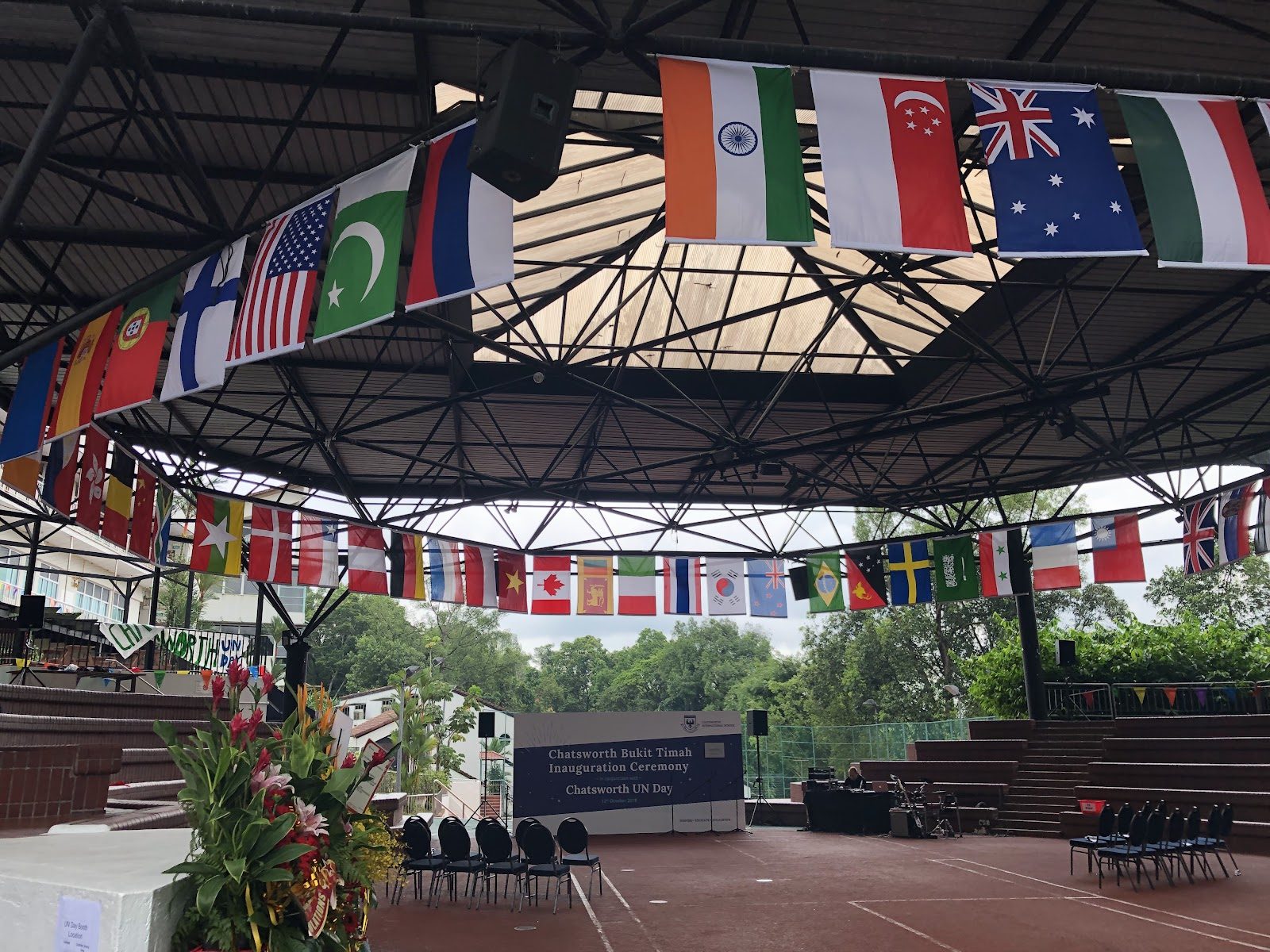
Chatsworth International School
Singapore · Singapore
Set beside Singapore's only tropical rainforest, a non-selective full IB continuum runs through a close-knit, village-like community.
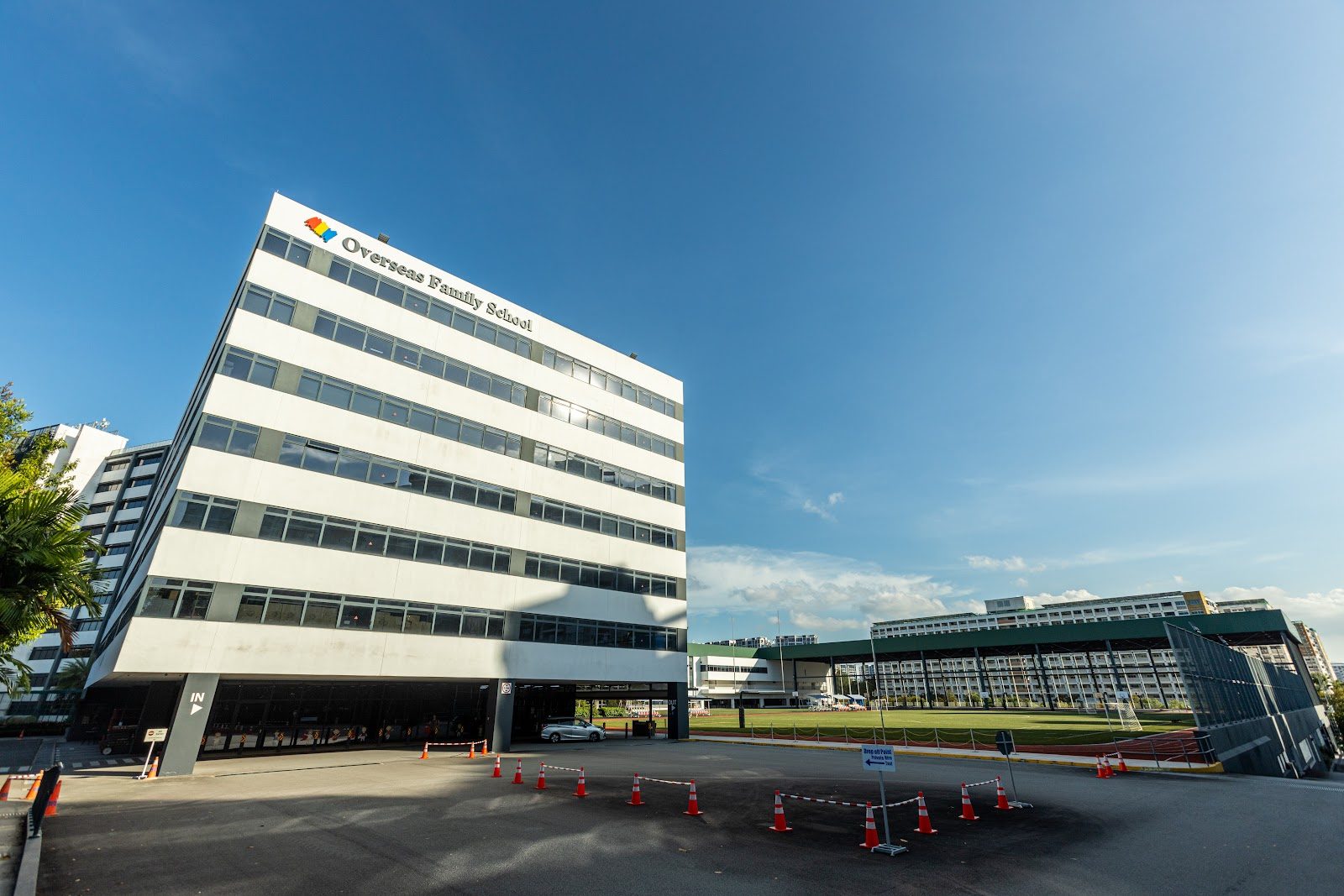
Overseas Family School
Singapore · Singapore
Open-access IB Diploma policy admits every student, no preselection, inside a 70-nation Pasir Ris campus.
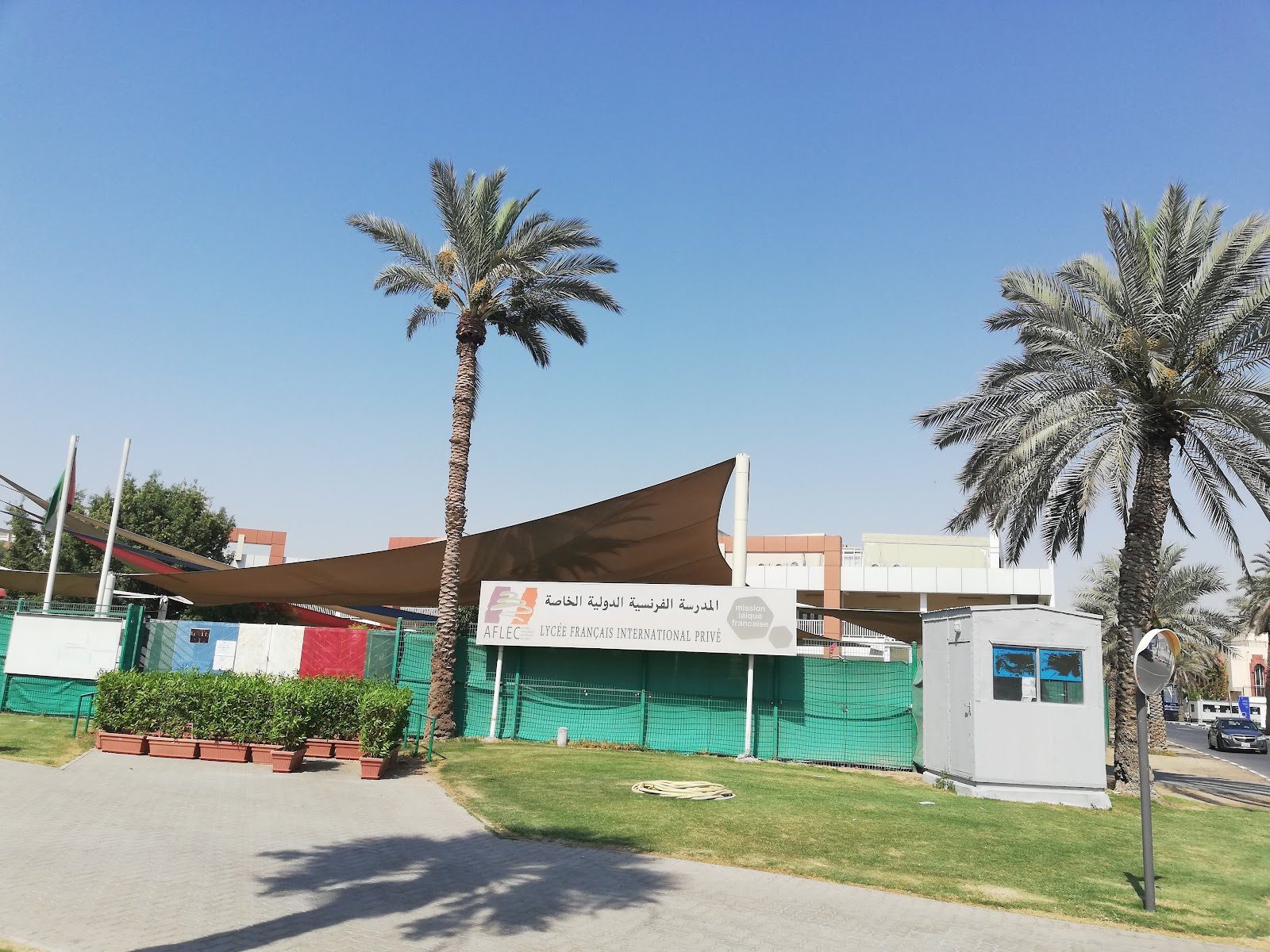
AFLEC Lycée Français International
Dubai · United Arab Emirates
Steps from Dubai Creek's old quarter, this Baccalaureate campus weaves an American section into its French core.
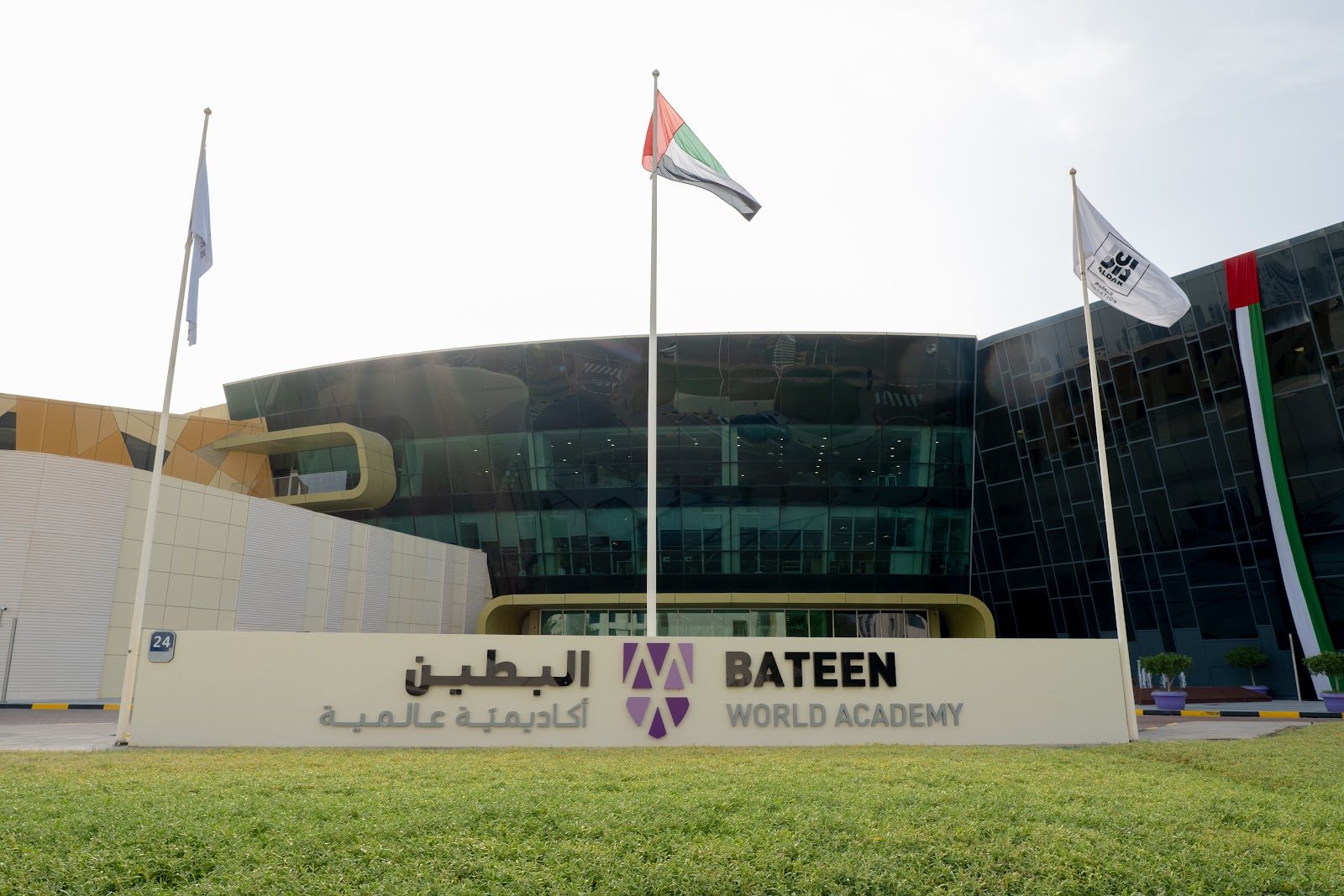
Bateen World Academy
Abu Dhabi · United Arab Emirates
From Reggio Emilia early years through IGCSEs to both the IB Diploma and Career-related routes, strong multiple pathways underpin this well regarded school.
Same country and curriculum — closest matches within ±10 points either way