
Shropshire
Ellesmere College
Shropshire countryside campus built around six specialist sport academies, from cricket to a new PSG football partnership
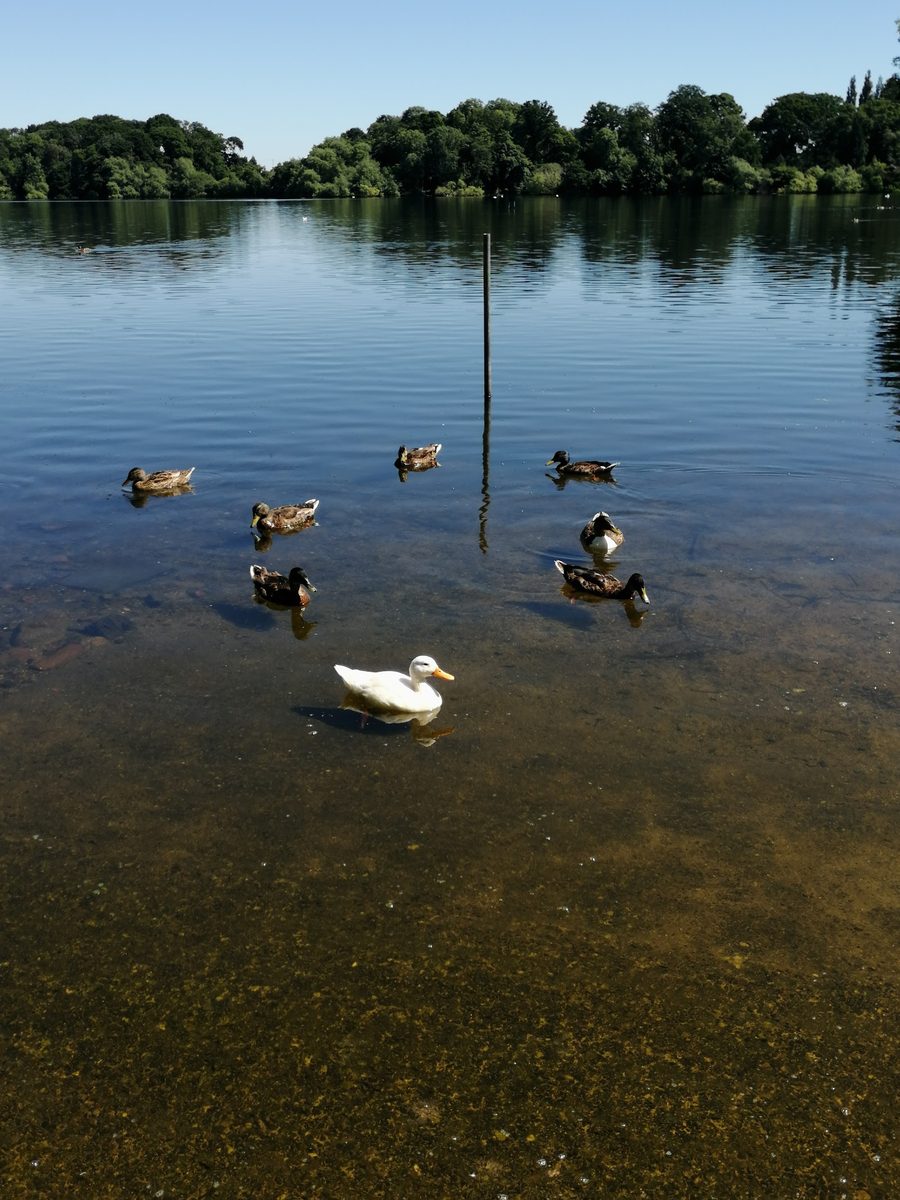
Photo © Anelakis via Google Maps
Type
Day + Boarding
Ages
3–18
Curriculum
GCSE · A-Level
Ratio
1:9
The Verdict
Editor's commitment
Right for
Families wanting a 3–18 Church of England day-and-boarding school with a 1:9 ratio, GCSE and A-Level, plus serious sport.
Wrong for
Parents who want a purely academic hothouse, secular culture, or a school without boarding; Ellesmere pushes CCF, DofE and sport hard.
Watch out for
The website still references both A Levels and the International Baccalaureate, but the declared curriculum here is GCSE and A-Level only.
Ranking breakdown
Ellesmere College · #1372 of 1591
Composite score 52.9. 8 weighted criteria.
By criterion
Academic Outcomes
Weight 20%
#1385
of 1529 scored
University Placement
Weight 16%
#1371
of 1529 scored
Prestige & Heritage
Weight 12%
#1529
of 1571 scored
Alumni Network
Weight 12%
#1354
of 1530 scored
Facilities
Weight 12%
#135
of 1533 scored
Transparency & Communications
Weight 8%
#862
of 1532 scored
Peer & Industry Review
Weight 10%
#893
of 1548 scored
Admissions Selectivity & Demand
Weight 8%
#1506
of 1529 scored
Peer & Industry Review
How Ellesmere College is regarded in the sector
66
Respected · medium confidence
Ellesmere College's standing rests on solid, verifiable institutional markers rather than headline league-table dominance. As a full member of HMC and the Woodard Corporation, it sits within the recognised network of academically selective independent schools, giving it peer credibility alongside Shropshire neighbours such as Shrewsbury School, even though it is regarded as a strong second-tier rather than top-tier regional player. Its most recent ISI inspection rated personal development and pastoral care as excellent, a benchmark independent education journalists and comparison sites like Good Schools Guide reference when assessing all-round provision rather than pure exam scores. University progression data shows a steady, credible flow to Russell Group institutions, consistent with its academic profile rather than exceptional Oxbridge output. Its reputation is reinforced through sporting fixtures, particularly rugby and sailing, against comparable HMC schools, which sustains visibility in regional independent-school circles and local press coverage. Overall, industry regard positions Ellesmere as a respected, well-regulated boarding school known for pastoral strength and community ethos, rather than one frequently cited in national league-table commentary or by leading university admissions tutors as a standout feeder school.
Award

Elite Sport 80
World's Top School · The Global Ranking
Ellesmere College is featured on our Global Top 80 ranking at #65. This seal is available for the school's marketing team to use on their website, prospectus and social channels.
Editors' overview
Ellesmere College sells a clear proposition: a full 3–18 day-and-boarding school in the Shropshire countryside, with the scale to cover mainstream academic routes and the confidence to lean hard into sport. The differentiator is not academic novelty. It is the combination of GCSE and A-level study with specialist sports provision, leadership programmes and a traditional English boarding structure under the Woodard foundation. The school’s own philosophy centres on tailored support and “Life Ready” outcomes; in practice, that reads as a school for families who want structure, breadth and purposeful busyness rather than a narrow exam factory. The published 1:9 student-teacher ratio strengthens that pitch. So does the age range: pupils can start young and stay put through sixth form, which matters for families who value continuity.
What lifts Ellesmere above the crowded field of rural British boarding schools is its sports machinery. The editorial hook here is the six specialist sport academies, including cricket and the newer Paris Saint-Germain football partnership, backed by a campus culture where team sport, CCF, Duke of Edinburgh and public speaking carry real weight. This is a school that treats co-curricular life as part of the core product, not decoration. That will appeal to ambitious, energetic pupils who want room to move, competitive sport and a timetable with momentum. It also suits children who develop unevenly: the school states that pupils learn differently and progress at different rates, and its broad curriculum before GCSE specialisation fits that claim. Parents looking for pastoral steadiness and a proper boarding rhythm will find a coherent offer here.
The caveat is straightforward. Families whose first question is raw public exam data will find less public clarity than at some academic hot-houses. The school talks more freely about philosophy, opportunity and individual progress than about league-table bragging. That is not fatal, but it defines the market position. Ellesmere is not the obvious choice for the child who wants an ultra-pressurised, metropolitan academic culture with relentless published outcomes. It is a stronger fit for the pupil who thrives on team identity, outdoor space, routine and high participation, and who wants academics taken seriously without the whole school being reduced to grades. On a shortlist, Ellesmere earns its place as an expensive but distinctive country boarding school with genuine sporting depth, strong pastoral framing and a broad church approach to talent.
An Elite Sport 80 school
Ellesmere College's sport provision is world-class, and it is the school's defining strength. Sport sits at the centre of the Ellesmere identity through a set of dedicated sport academies that run alongside a mainstream British boarding-school education, allowing pupils to combine serious, structured athletic development with a full GCSE and A-level programme rather than choosing between the two. The model is built for pupils who train at a competitive level while remaining within conventional schooling, with academic timetabling designed to accommodate demanding training schedules.
The sport academies draw pupils from across the UK and internationally, and Ellesmere's warm, community-oriented boarding environment, with modern en-suite accommodation and 24-hour residential staff, supports athletes who relocate for coaching. As a co-educational school, the academies are open to boys and girls, and the international boarding community means overseas families are an established part of school life.
For a family with a sport-focused child who wants competitive coaching without stepping outside a genuine, structured academic pathway, Ellesmere is a strong option. Because academy places and boarding capacity are finite, overseas families should begin conversations well ahead of the intended entry point and confirm current fees, scholarship terms and specific academy availability directly with the school's admissions team.
Academic Performance
Academic performance sits in the middle of the independent-school market rather than at its sharp academic edge. Ellesmere talks at length about individual progress, broad opportunity and high-performance learning, but it does not publish the kind of granular public outcomes that top exam-driven competitors use to prove a fiercely academic proposition. We have not seen aggregate GCSE grade profiles, A-level grade distributions, Oxbridge numbers or a sustained run of headline statistics that would place the school among the most results-obsessed British boarding schools. That absence matters. Parents comparing schools on hard exam evidence will find Ellesmere less transparent than the sector’s academic leaders.
That does not make it weak. It makes it differently pitched. The school’s academic story is tied to breadth, support and progression across a mixed-ability intake, not to a league-table chase. In that context, success means solid results for pupils with varied strengths, including those whose school life extends well beyond the classroom. The presence of the International Baccalaureate in the sixth form broadens the post-16 offer, though the school does not publish comparative outcome data for that route either. Relative to peers, Ellesmere fits best with established country schools where academics are taken seriously but share the stage with sport, leadership and boarding life. Families wanting forensic proof of top-end exam dominance will need stronger published data than Ellesmere currently provides.
Facilities
The facilities story centres on sport, and that is where Ellesmere has a sharper identity than many countryside boarding peers. The school runs 6 specialist sports academies, and that matters because plenty of schools talk grandly about sport while offering little more than decent pitches and a crowded fixture list. Here, sport sits closer to a performance pathway. The school also claims pupils have reached international level across rugby, swimming, sailing, canoeing, tennis and shooting, which points to serious coaching infrastructure rather than decorative branding. The newer PSG football partnership adds profile, but the stronger point is breadth: this is a campus built for pupils who want structured athletic ambition, not just weekend matches. Against peer schools in the same bracket, that gives Ellesmere a genuine specialist edge.
Beyond sport, the public picture is thinner. We know the school gives real space to CCF, Duke of Edinburgh and public speaking, which implies the usual supporting estate for outdoor training, assembly and whole-school events, but Ellesmere does not publish the kind of detailed facilities inventory that top competitors now use to sell science labs, theatres, design workshops or sixth-form study space. That opacity counts against it. Parents looking for a fully itemised campus proposition will get less hard detail here than at rival boarding schools with more polished estates marketing. The result is a school whose facilities case is compelling in sport and less clearly evidenced everywhere else.
Families wanting forensic proof of top-end exam dominance will need stronger published data than Ellesmere currently provides
Prestige
Ellesmere carries solid prestige in the British independent-school landscape, though not the rarefied social cachet of the handful of names that dominate London dinner-party shorthand. Its standing rests on three things: membership of the Woodard tradition, inclusion in HMC, and the credibility that attaches to a long-established English public-school model in the countryside. That gives it real institutional weight. The Church of England foundation, formal boarding culture and emphasis on leadership through CCF, Duke of Edinburgh and public speaking reinforce a traditionalist identity that many families still read as a marker of seriousness. The published 1:9 staffing ratio adds substance. This is not a mass-market operation.
The limit on prestige is equally clear. Ellesmere does not command the uppermost tier of academic or social status because it does not publish the kind of headline outcomes that turn a good school into a prestige machine, and its public narrative leans more on sport, personal development and tailored support than on elite university pipelines. The specialist sports offer, including 6 academies and the newer PSG link, gives the school a distinctive edge and raises its profile with the right families; it does not, on its own, place Ellesmere in the national top rank. Prestige here is earned and functional: strong among parents who value boarding tradition, pastoral structure and competitive sport, weaker among those chasing pure academic glamour.
The published 1:9 student-teacher ratio strengthens that pitch
Communications
Ellesmere’s parent communication reads as clear in intent and selective in substance. The school states its philosophy plainly: pupils learn differently, support is tailored, and the aim is to produce “Life Ready” young people. That gives families a firm sense of the school’s priorities. The same goes for the public emphasis on leadership, public speaking, Duke of Edinburgh and the Combined Cadet Force: parents can see that school life runs on participation and structure, not just classroom teaching. The website also does the practical work of explaining the journey through the school in a logical sequence, from lower school into senior years and then sixth form. For a school with a wide age span, that coherence matters.
Where the communication weakens is in hard-edged transparency. Ellesmere is much better at explaining ethos than proving outcomes. It talks confidently about tailored learning, high performance learning and sporting success, but gives parents less published evidence on academic results, comparative performance or the finer grain of daily pastoral systems than the best communicators in this market. We have not seen a forensically detailed public account of how the school reports progress, handles concerns, or keeps boarding and day families updated beyond the broad institutional message. That does not make communication poor. It makes it values-led rather than data-led. For parents who choose schools on culture, routine and fit, that works well. For parents who want chapter-and-verse proof, it leaves gaps.
Uniqueness
What sets Ellesmere apart is not a single badge or teaching slogan. It is the way the school fuses a traditional English public-school structure with a deliberately high-participation culture that pushes pupils into action. Sport is the clearest expression of that, through 6 specialist academies and a record of pupils reaching county and international level in disciplines as varied as sailing, canoeing, tennis and shooting. That breadth matters. Plenty of schools can field strong rugby or cricket teams; far fewer build a co-curricular identity that rewards multiple kinds of athletic talent and treats serious sport as part of the school’s core purpose. The new PSG football partnership strengthens that offer, but the more important distinction is the ecosystem around it: coaching, fixtures, routine and peer culture all pull in the same direction.
The second point of difference is the school’s insistence that pupils develop at different rates, paired with a life that prizes leadership as much as test performance. CCF, Duke of Edinburgh and public speaking are not side dishes here; they help form a pupil who is busy, outward-facing and resilient. For the right child, that brings confidence, stamina and a stronger sense of identity than a narrow grades-first school can offer. The trade-off is plain. Ellesmere suits pupils who want a full-throttle school life and benefit from structure, competition and shared endeavour. It is a weaker fit for children who want a quieter, more purely academic atmosphere.
So does the age range: pupils can start young and stay put through sixth form, which matters for families who value continuity
Student Profile
The pupil who fits best here is energetic, coachable and happy inside a school culture with constant momentum. Ellesmere suits children who want more than lessons and homework: team sport, organised commitments, public speaking, CCF and Duke of Edinburgh all carry weight, and the rhythm of the place rewards those who join in rather than hang back. The low 1:9 staffing ratio helps pupils who need close adult attention, steady prompting or room to develop at their own pace. This is a strong match for sporty pupils, especially those drawn to a school with 6 specialist academies and a peer group that treats training, fixtures and improvement seriously. It also works for children whose strengths are uneven, or who mature later and benefit from a school that does not force everyone into the same academic mould on the same timetable.
The weaker fit is just as clear. Quiet, self-contained pupils who want a bookish, low-noise environment may find the culture too full-on. Children who dislike compulsory participation, competitive team settings or the performative side of school life will face friction. Ellesmere values structure, routine and visible contribution. Pupils who flourish here tend to enjoy being busy, accept correction, and gain confidence from belonging to something larger than themselves. Families looking for a narrowly academic hothouse or a more urban, sophisticated sixth-form atmosphere will find schools better aligned to that brief.
What lifts Ellesmere above the crowded field of rural British boarding schools is its sports machinery
Co-curricular strengths
Arts & sport, on a separate axis
Overall 8.66/10
Scored 0-10 from the school's own published evidence. This axis is editorial-only — it does not feed the main WTS ranking.
Strengths
- +Opened in 1884 as part of the Woodard Corporation, a group of Church of England-affiliated independent schools, giving it a long institutional history.
- +World-class sport provision, with dedicated sport academies that draw pupils nationally and internationally for specialist coaching.
- +Offers a continuous day and boarding pathway from Lower School through to Sixth Form on a single campus, simplifying long-term planning for families.
- +Provides on-site boarding with modern, largely single and twin en-suite accommodation and 24-hour residential staff.
- +Fully co-educational across all age groups, unlike some neighbouring Shropshire schools that remain single-sex at senior level.
- +Publishes its GCSE results annually, providing external, publicly accessible outcome data.
Considerations
- −Rural location in north Shropshire is distant from major airports and city centres, adding to travel time and logistics for international boarding families.
- −Sits outside the small group of academically super-selective UK boarding schools, with less international brand recognition than nearby rivals such as Shrewsbury School.
- −As a moderately sized school, its range of subject options and scale of general extracurricular provision is narrower than larger urban day schools.
- −The proportion of top grades trails academically selective day and boarding schools.
Gallery
Photo © Anelakis via Google Maps
Photo © Anelakis via Google Maps
Photo © Anelakis via Google Maps
Photo © Anelakis via Google Maps
Photo © Jay Calsberg via Google Maps
Photo © Jay Calsberg via Google Maps
Photo © Wojtek Pawluk via Google Maps
Parent reviews
Have you sent your child here?
Voice reviews carry the strongest trust badge — we transcribe them for you to tidy up before they go live. Prefer to type? A written review is fine too.
Add your voice
In 60 seconds, tell other parents: what's the best thing about Ellesmere College, and what surprised you when your child joined?
We ask for a Google sign-in so every review has a real face behind it — no anonymous drive-by attacks on schools, and no faked positive reviews. Your email is never shown publicly.
Send this profile to a friend
International parents rely on word-of-mouth. Share this review with someone weighing the same decision.
Schools with places
Similar schools to Ellesmere College with places available now.
Availability first, then country, area, curriculum, price, co-curricular
Consider also
Also worth looking at alongside Ellesmere College.
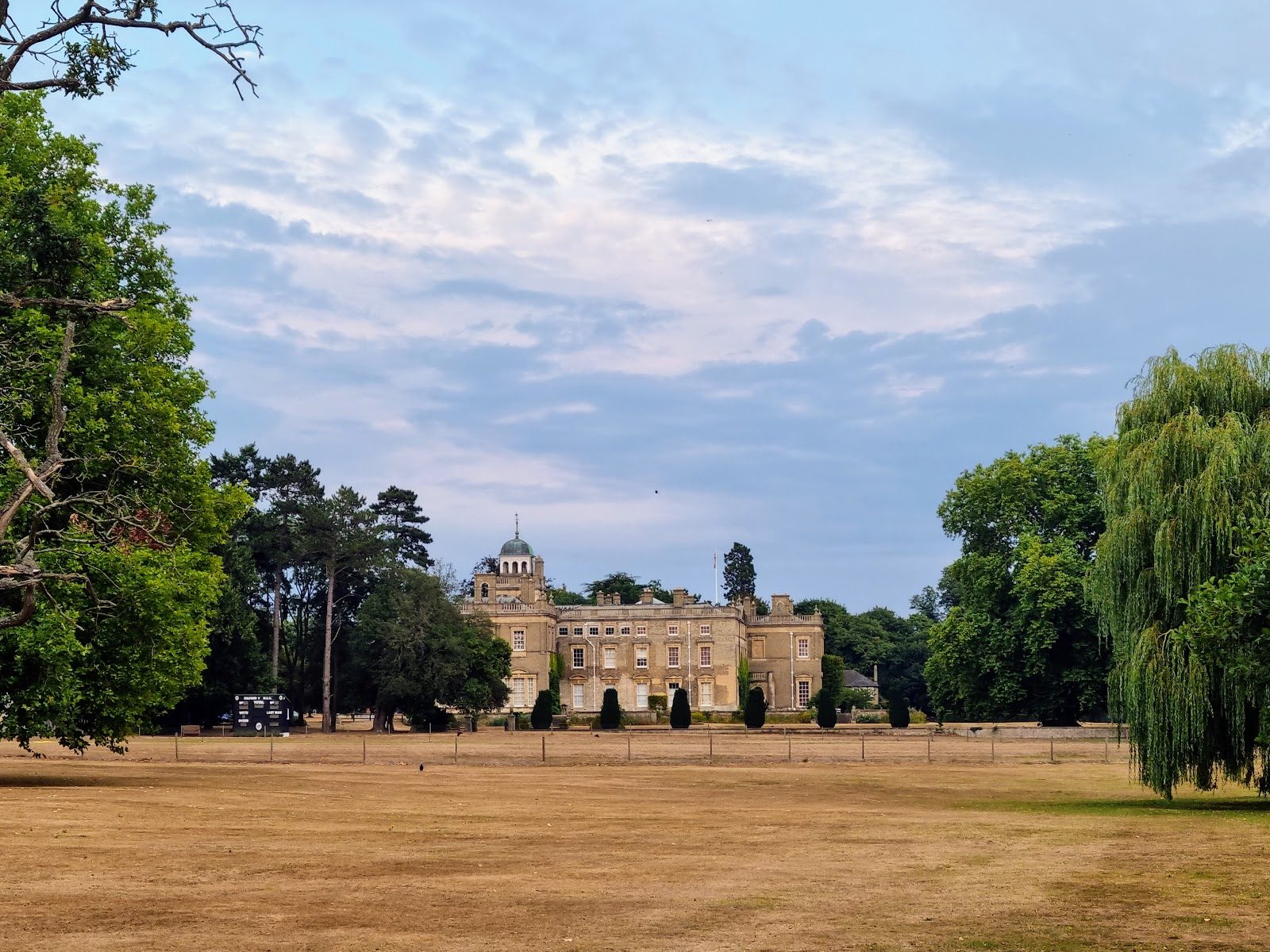
Culford School
Bury St Edmunds · United Kingdom
Set within 480 acres of Repton-landscaped Suffolk parkland around an 18th-century mansion, home to specialist tennis and golf academies.
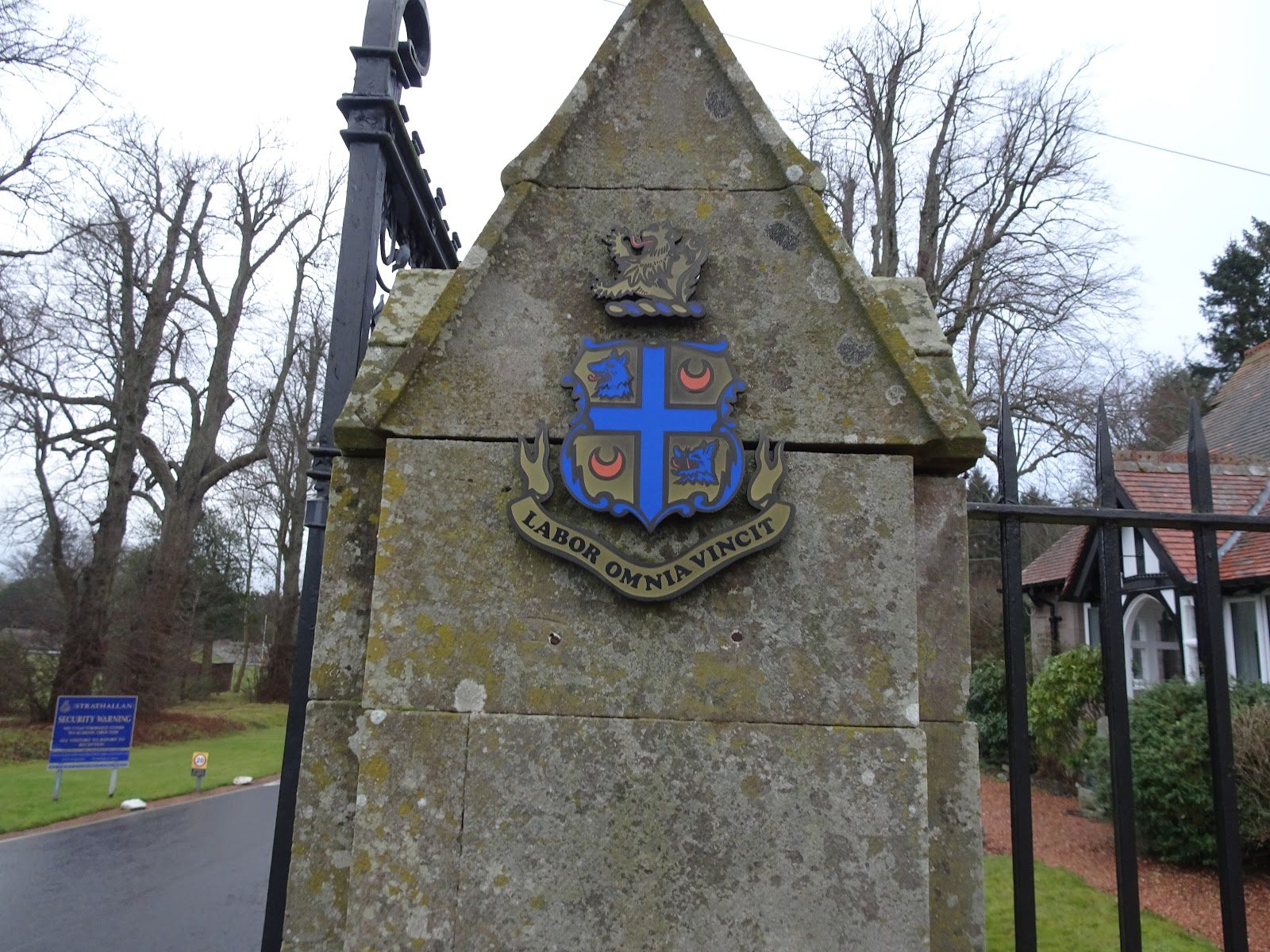
Strathallan School
Perthshire, Scotland · United Kingdom
The only Scottish boarding school running Highers, Advanced Highers and A-Levels side by side across 153 acres of Perthshire countryside.
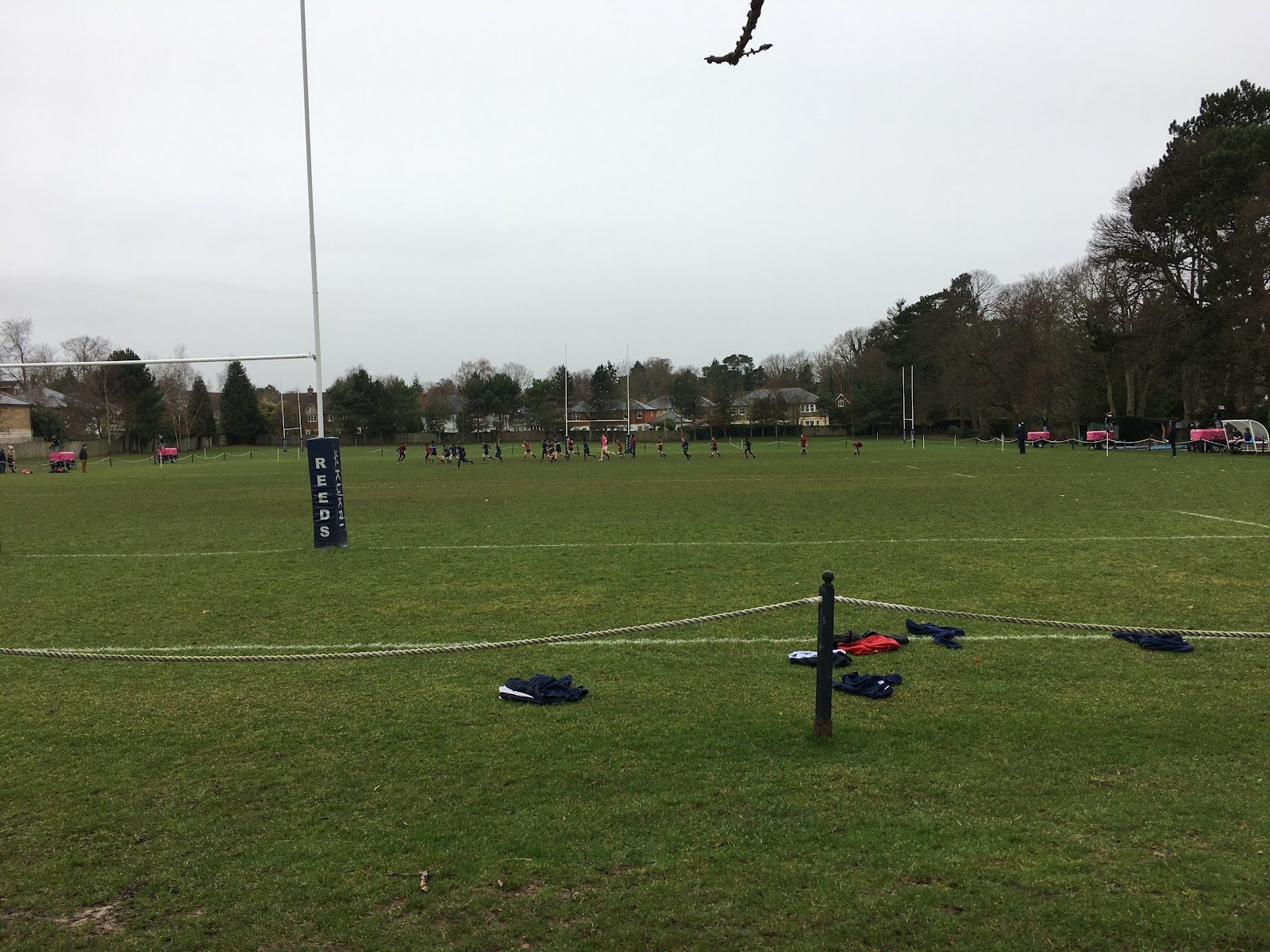
Reed's School
Cobham, Surrey · United Kingdom
A 1813 orphan charity in Cobham that still funds bursaries while quietly turning out national tennis talent on its 40-acre campus

Athol Murray College of Notre Dame
Wilcox, SK · Canada
On the Saskatchewan prairie, hockey, faith and academics share equal billing beneath the campus's landmark Tower of God
Same specialism, country and curriculum — closest matches within ±10 points either way