
Atlántico
Colegio Boston Internacional
From a rented house with 20 pupils in 2002 to Colombia's top-ranked school in the 2025-2026 Col-Sapiens survey
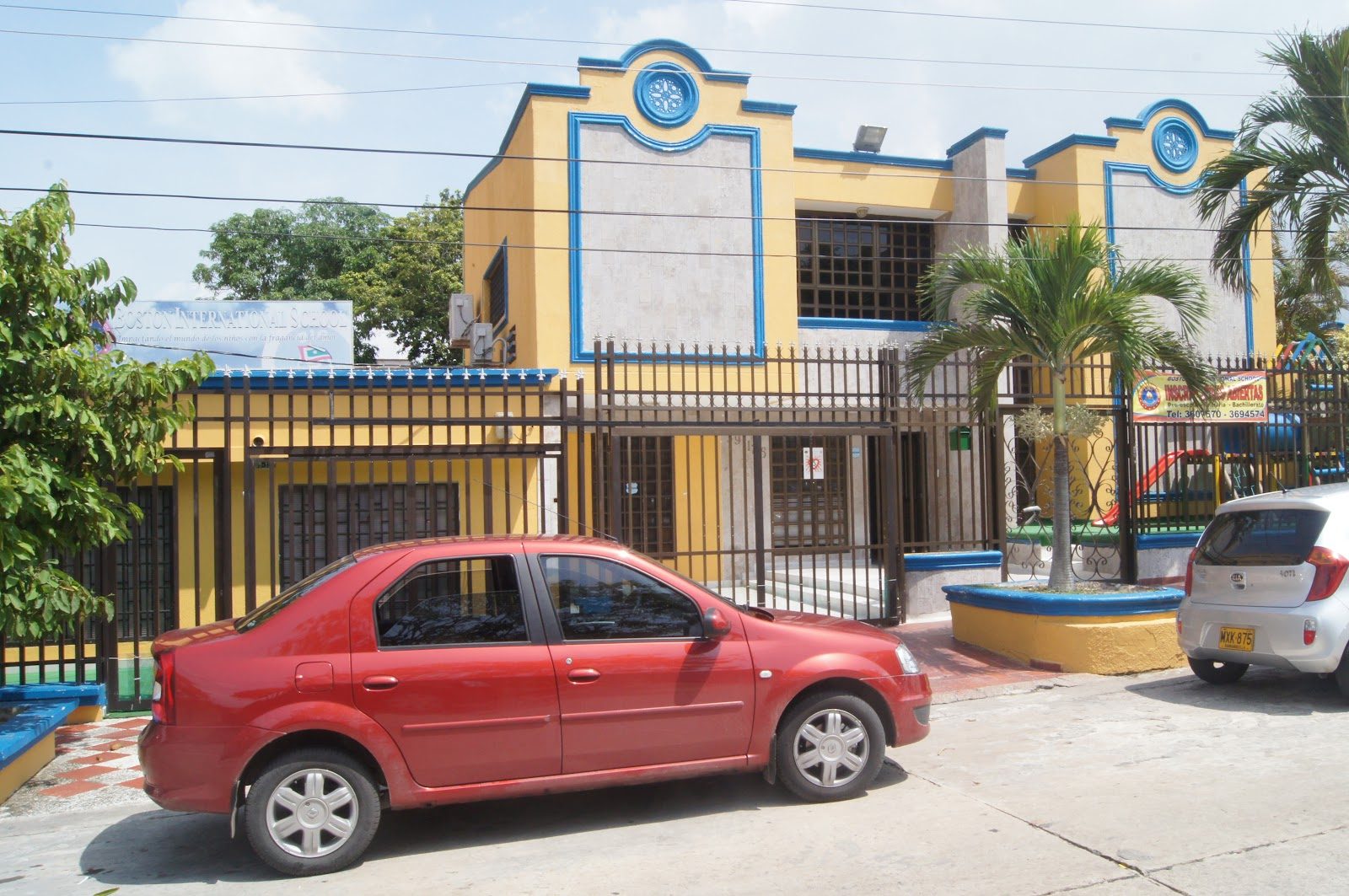
Photo © bostoninternationalschool bis via Google Maps
Type
Day
Ages
3–18
Curriculum
Colombian · American
Qualifications
Colombian national curriculum
Ratio
—
The Verdict
Editor's commitment
Right for
Families in Barranquilla wanting a day school for ages 3–18, with Spanish and English instruction and Colombian plus American curricula.
Wrong for
Parents seeking boarding, a single-curriculum education, or a school outside Barranquilla; Colegio Boston Internacional is a day school founded in 2005.
Watch out for
The 2025–2026 Col-Sapiens top ranking is a powerful headline, but the school does not publish enough here on outcomes behind it.
Ranking breakdown
Colegio Boston Internacional · #1513 of 1591
Composite score 46.5. 8 weighted criteria.
By criterion
Academic Outcomes
Weight 20%
#1376
of 1533 scored
University Placement
Weight 16%
#1414
of 1529 scored
Prestige & Heritage
Weight 12%
#1505
of 1580 scored
Alumni Network
Weight 12%
#1162
of 1530 scored
Facilities
Weight 12%
#1331
of 1540 scored
Transparency & Communications
Weight 8%
#1402
of 1547 scored
Peer & Industry Review
Weight 10%
#1541
of 1564 scored
Admissions Selectivity & Demand
Weight 8%
#1471
of 1529 scored
Peer & Industry Review
How Colegio Boston Internacional is regarded in the sector
44
Regional · medium confidence
Colegio Boston Internacional sits within Barranquilla's competitive bilingual-school tier alongside better-known names such as Karl C. Parrish, Marymount and Colegio Aleman, but it does not appear in the international benchmarking outlets that cover elite schools globally: it has no listing or review on WhichSchoolAdvisor or the Good Schools Guide, and no Colombian national newspaper (El Tiempo, Semana Educacion) league table coverage was found naming it specifically. The most concrete, verifiable regard signal is its ICFES Saber 11 performance category, published annually by the Colombian Ministry of Education, which places it among solid-but-not-flagship private schools in the Atlantico department rather than the national A+ tier occupied by Barranquilla's oldest binational schools. There is no public record of rival heads' quotes, university admissions-officer commentary, or peer-conference presentations referencing the school specifically. In short, its reputation appears to be regional and parent-driven rather than substantiated by independent press, university partnership statements, or cross-school peer commentary, which is consistent with a challenger-tier institution still building an external verification footprint.
Editors' overview
Colegio Boston Internacional has built an unusual record in a short time. Founded in 2005, it moved from a small local start to the top of the 2025–2026 Col-Sapiens survey, a result that puts it firmly in the front rank of Colombian schools. For parents in Barranquilla, that matters. This is not a legacy institution trading on age, land or old-family reputation. It is a modern academic operation with a clear dual offer: Colombian and American curricula, taught in Spanish and English, for pupils aged 3–18. The attraction is straightforward: academic seriousness, speed of ascent, and a school culture built around measurable performance rather than nostalgia.
What sets it apart is the combination of local rootedness and outward ambition. Plenty of schools promise bilingual education; fewer turn that into a coherent all-through proposition from early years to university entry. Boston Internacional’s value sits in that continuity. Families who want children fluent in Colombian expectations but also comfortable in English-language academic settings will find the model compelling. The school’s top survey position gives it market weight, but parents should read that correctly: the point is not prestige for its own sake, it is proof that the school has converted ambition into outcomes that the Colombian market takes seriously. That gives the school hard-won credibility and real competitive force.
It belongs on a shortlist for families who want a disciplined, academically focused day school without the softer edges and social theatre that surround older elite brands. This is a school for students who thrive on structure, pace and clear standards. The best fit is the child who is bright, resilient and comfortable in a demanding bilingual environment; less so the pupil who needs a loose, highly pastoral or low-pressure setting. In market terms, Colegio Boston Internacional sits as a high-performance challenger: younger than the grandees, less ceremonial, and more defined by results. For the right family, that makes it a serious proposition rather than a fashionable one.
Academic Performance
Academic performance is the school’s central claim, and here the public record gives it real weight. The headline is its position at the top of the 2025–2026 Col-Sapiens ranking, a survey that tracks academic quality and reputation across Colombian schools. That does not function as a decorative badge; it places Colegio Boston Internacional in the top competitive tier nationally and marks it out as a school with serious academic traction. In a market crowded with bilingual schools making similar promises, first place gives this school a hard edge. It has moved beyond local success and into the category of institutions that parents across Colombia will compare against the established academic heavyweights.
That said, parents should separate ranking strength from full exam transparency. We have not seen published aggregate external examination data — no complete public breakdown here of cohort-wide scores, university placement distribution, or detailed subject-by-subject outcomes in the way the best-documented schools provide them. That limits fine-grained comparison with peers. The school therefore sits in an interesting position: undeniably strong in national standing, but less open in public reporting than the most data-rich operators. For many families, No. 1 in Col-Sapiens will carry enough force on its own. For rigorous shoppers, the next step is simple: ask for the last 3 years of external results, score distributions, and destination data before treating the school’s academic reputation as fully proven.
Facilities
The school does not publish a detailed facilities inventory, floor plan or specialist-space breakdown, so parents cannot assess the campus with the same precision available at better-documented peers. That matters. At the top end of the bilingual private market, schools now publish science labs, arts spaces, sports provision, libraries, maker facilities and early-years areas in clear detail. Colegio Boston Internacional does not. The absence of that disclosure does not prove weak provision, but it does leave a gap where families need hard facts. For a school with a results-driven reputation, that opacity is a weakness. Serious buyers should ask directly how many laboratories, specialist arts rooms, indoor sports areas and dedicated early-years spaces the school runs, and whether sixth form pupils have facilities distinct from younger year groups.
What can be said with confidence is narrower: this is a day school serving the full age range, so the campus has to support early childhood through university preparation on one site or across connected spaces. That demands careful organisation and serious timetable discipline. In peer terms, the strongest competitors pair academic intensity with visibly high-spec specialist provision; Boston Internacional has public academic heft, but its facilities story is under-explained. If the campus matches the school’s standing, that strengthens the offer considerably. If it does not, then the school’s edge rests more on teaching and culture than on bricks, square metres or headline amenities. For now, facilities remain a key due-diligence question, not a selling point the school has earned in public.
Colegio Boston Internacional has built an unusual record in a short time
Prestige
Prestige here rests on performance, not pedigree. Colegio Boston Internacional does not trade on old-boy mythology, cathedral architecture or inherited social rank. Its status comes from one blunt fact: it sits at No. 1 in the latest Col-Sapiens survey. In the Colombian market, that gives it real cachet with academically driven families and moves it beyond the crowded field of bilingual private schools making interchangeable claims. This is earned prestige, not decorative prestige. Parents who care about league-table standing, competitive admissions and the signal a school sends to universities and peers will read that top placement as a mark of serious institutional credibility.
There are limits to that prestige, and they matter. The school’s name carries weight because of current academic standing, not because it belongs to the country’s old social establishment or a globally recognised heritage brand. That distinction matters in Barranquilla and beyond: the school has high academic prestige, but not the same kind of dynastic or society prestige that older elite institutions command. Its public profile also lacks the fuller disclosure that would strengthen confidence further; we have not seen the depth of published outcomes data that turns reputation into airtight proof. So the rating here is strong but specific: formidable where results matter, less powerful where tradition, alumni networks and institutional mystique drive the conversation.
In market terms, Colegio Boston Internacional sits as a high-performance challenger: younger than the grandees, less ceremonial, and more defined by results
Communications
Parent communication is one of the school’s weaker public-facing areas. The website does the basic institutional work — admissions pathway, contact points, broad school identity — but it does not give parents much depth on day-to-day life, academic reporting rhythms, leadership visibility or the practical mechanics of staying informed once a child is enrolled. There is no rich public archive of newsletters, calendar detail, handbooks, policy summaries or principal updates that would let an outside family judge tone, cadence and clarity. For a school with such a hard-edged academic reputation, that gap matters. Strong schools do not need glossy storytelling, but they do need disciplined, regular communication that tells parents what happens, when it happens and who is accountable.
That does not make the school opaque across the board; it makes it under-explained. Families already inside the system may get efficient communication through internal channels, apps or direct staff contact, but the school does not show that process clearly in public. That leaves prospective parents to infer too much, and serious buyers should not have to infer. Ask to see the annual parent calendar, reporting schedule, sample progress reports, crisis-communication protocol and response expectations for teacher emails. Ask how quickly pastoral or academic concerns are escalated and who owns the answer at each stage. If those systems are tight, communication will feel orderly and high-trust. If they are loose, friction will surface fast in a school that asks a lot of families as well as pupils.
Uniqueness
What makes Colegio Boston Internacional distinct is the speed and clarity with which it has converted ambition into status. Plenty of bilingual schools promise stretch, discipline and international outlook. Very few move from local upstart to national benchmark at this pace, and fewer still do it without the shelter of inherited prestige, religious identity or a famous global chain. That creates a different institutional character. The school’s identity is performance-built, unsentimental and forward-leaning. For students, that usually translates into a culture where standards are not ornamental. Expectations are explicit, competition is real, and achievement carries institutional value rather than brochure value. The top ranking in the latest national survey is not just a badge; it is the school’s defining proof point and the reason families take it seriously.
That uniqueness brings clear benefits and clear trade-offs. Students gain from a school that has had to win its place through execution: tighter academic focus, sharper organisational discipline and less tolerance for drift. In strong schools of this type, children learn to work at pace, handle scrutiny and perform in two educational frames at once. That is excellent preparation for selective university pathways and for environments that reward resilience as much as intellect. The trade-off is equally plain. This is not the obvious choice for families chasing old-guard social prestige, a softer pastoral atmosphere or an expansive public story about campus life. Its distinctiveness lies in one blunt proposition: a school that rose fast, now sits at No. 1, and asks pupils to keep up.
Colegio Boston Internacional does not trade on old-boy mythology, cathedral architecture or inherited social rank
Student Profile
The students who fit best here are the ones who do not need coaxing into effort. This is a school for children who can handle pace, correction and comparison without folding under it. The successful pupil profile is high-drive, thick-skinned and comfortable with standards that are visible rather than vague. Bright children who enjoy being stretched, who recover quickly from setbacks and who can work fluently across two academic cultures will gain the most. Ambition helps, but temperament matters more: the school suits students who accept routine, meet deadlines and do not treat academic pressure as an affront. Parents looking for a serious, results-first environment will find the fit strongest if their child already has self-command as well as ability.
The weaker fit is easy to identify. Children who need constant reassurance, a highly therapeutic atmosphere or a loose classroom culture will struggle if the school runs as its reputation indicates. Equally, pupils whose strengths sit far more in niche creative or sporting identities than in sustained classroom performance need careful scrutiny of whether the school gives those areas enough institutional weight; the public picture does not answer that clearly. Socially, this feels best for families who value discipline over display and progress over pageantry. For the right child, that can be bracing, confidence-building and excellent preparation for competitive university routes. For the wrong one, it will feel hard-edged very quickly.
What makes Colegio Boston Internacional distinct is the speed and clarity with which it has converted ambition into status
Co-curricular strengths
Arts & sport, on a separate axis
Overall 6/10
Scored 0-10 from the school's own published evidence. This axis is editorial-only — it does not feed the main WTS ranking.
Sports
7.5/10
Drama
4.5/10
Dance
4/10
Music
7.5/10
Visual Arts
6.5/10
Strengths
- +Topped Colombia's 2025 Col-Sapiens national school ranking, earning the highest D1 AAA rating among all private and public schools evaluated.
- +Placed third nationally in Colombia's Saber 11 university-entry exams in 2024, with a reported average score of 386.
- +Delivers bilingual Spanish-English instruction alongside a distinctive Christian, values-based (theocentric) pedagogy that parents cite as a core draw.
- +Grew from a 20-pupil operation in a rented house in 2002 into one of Barranquilla's highest-performing private schools within roughly two decades.
- +Runs a dual-enrollment 'Advantage' track and has produced at least one graduate awarded a scholarship to a US university (Oral Roberts University).
Considerations
- −The school's identity is explicitly evangelical Christian, with religious formation woven into daily pedagogy, which will not suit secular or other-faith families.
- −Founded only in 2002, it lacks the multi-generational track record of older Barranquilla international schools such as Marymount (1953) or Karl C. Parrish (1938).
- −No internationally recognised accreditation (e.g. Cognia, NEASC, CIS) was found in public sources, unlike some peer schools in the city.
- −Published fee and tuition figures are not publicly available; prospective families must contact the school directly for pricing.
Availability
Primary entry gate & tests
Academic Record + Interview
Gallery
Photo © Boston International School via Google Maps
Photo © bostoninternationalschool bis via Google Maps
Photo © GUSTAVO CERA via Google Maps
Photo © GUSTAVO CERA via Google Maps
Photo © Boston International School via Google Maps
Photo © Juan Manuel Mendivil Silva via Google Maps
Photo © Juan Manuel Mendivil Silva via Google Maps
Parent reviews
Have you sent your child here?
Voice reviews carry the strongest trust badge — we transcribe them for you to tidy up before they go live. Prefer to type? A written review is fine too.
Add your voice
In 60 seconds, tell other parents: what's the best thing about Colegio Boston Internacional, and what surprised you when your child joined?
We ask for a Google sign-in so every review has a real face behind it — no anonymous drive-by attacks on schools, and no faked positive reviews. Your email is never shown publicly.
Send this profile to a friend
International parents rely on word-of-mouth. Share this review with someone weighing the same decision.
Schools with places
Similar schools to Colegio Boston Internacional with places available now.
Colegio Nueva Granada
Bogotá · Colombia
- 2026-27
- WAITPOOLVacancy-dependent
- 2027-28
- WAITPOOLVacancy-dependent
Colegio Bolívar
Cali · Colombia
- 2026-27
- CLOSEDStandard route
- 2027-28
- WAITPOOL2027/28 enquiries underway
Availability first, then country, area, curriculum, price, co-curricular
Consider also
Also worth looking at alongside Colegio Boston Internacional.
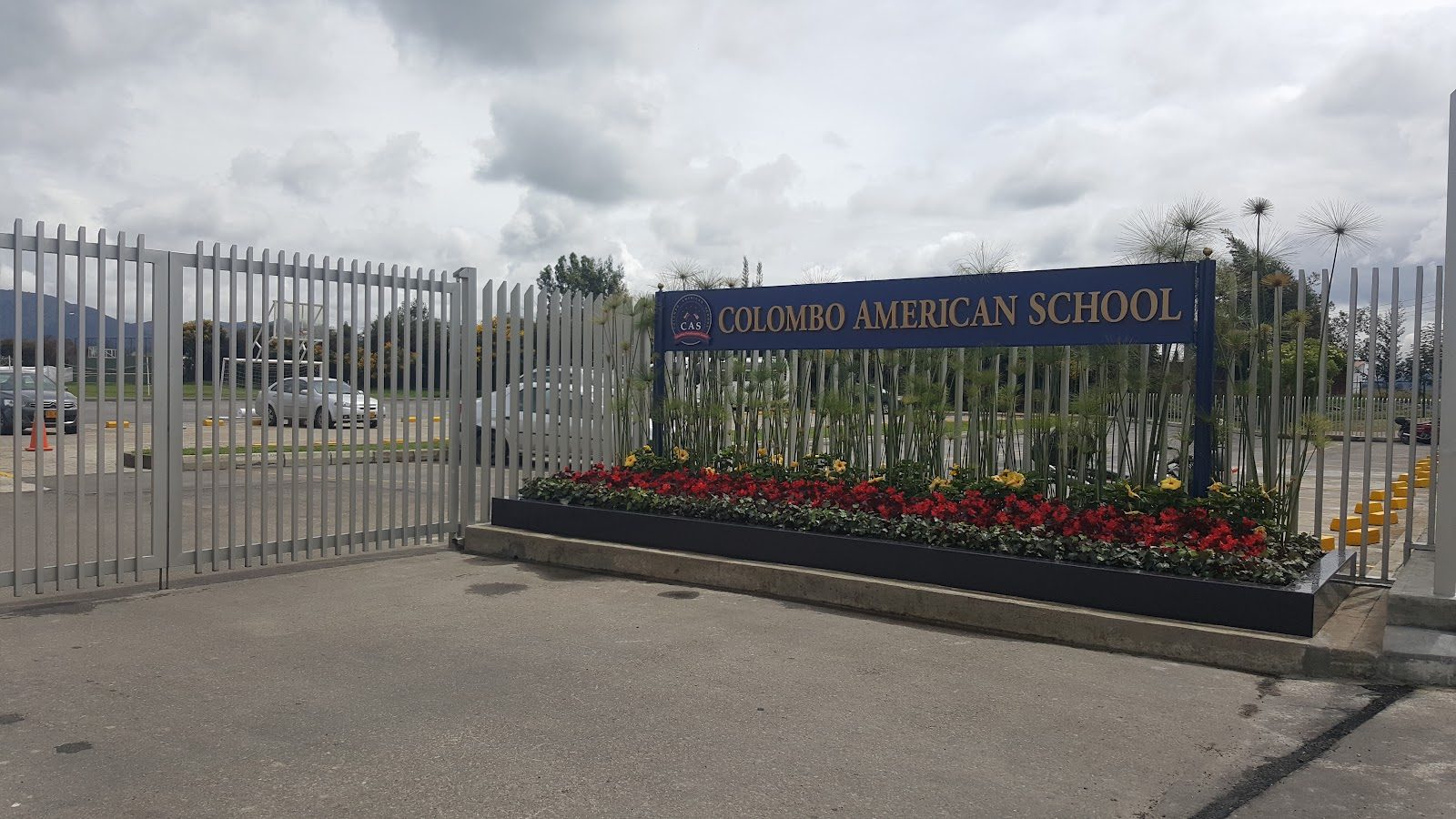
Colegio Colombo Americano CAS
Bogotá · Colombia
In northern Bogota, a Colombian-American day school pairs dual-diploma rigor with a student symphony orchestra streamed to global audiences.
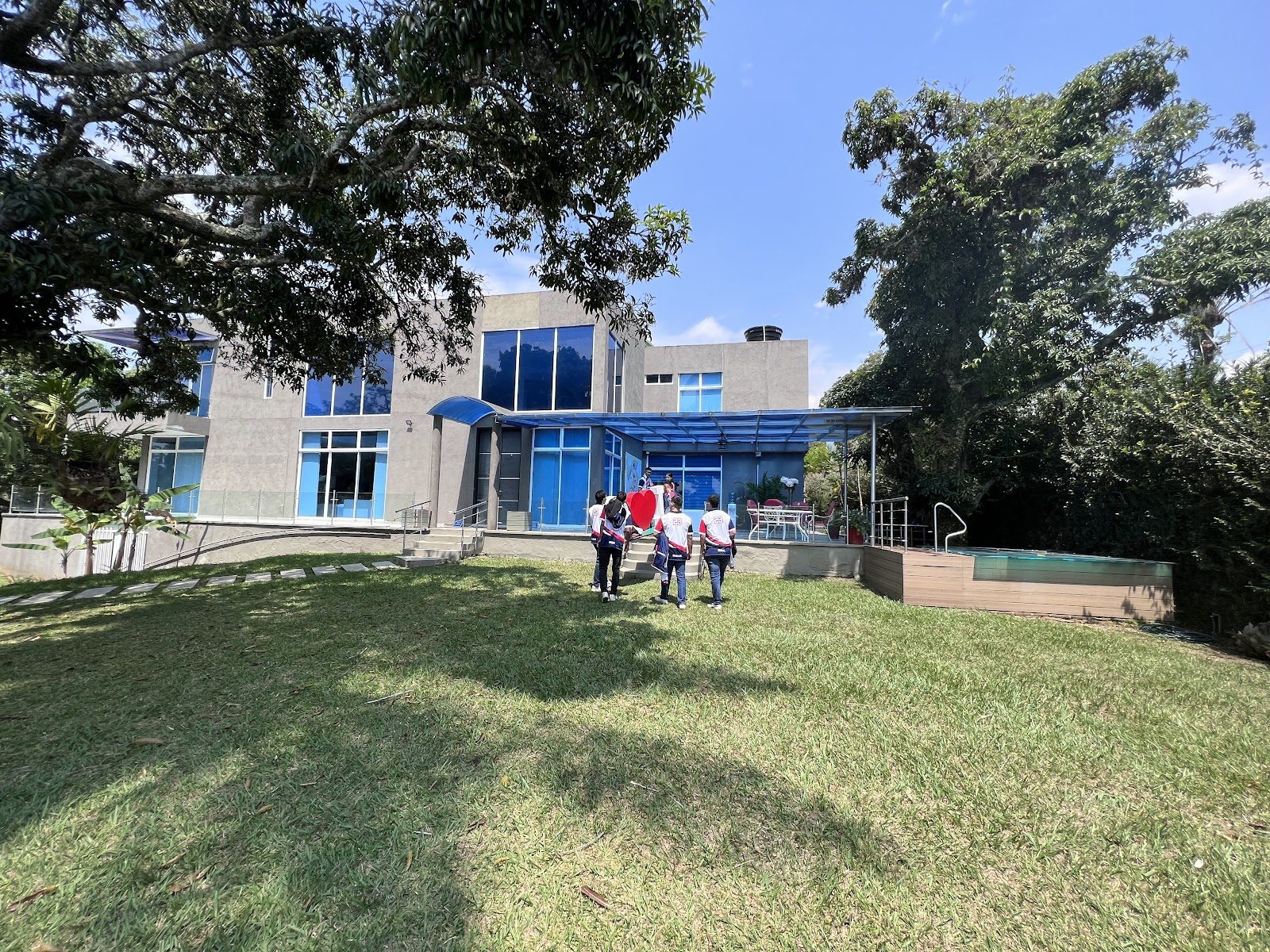
Colegio Bilingüe Diana Oese
Cali · Colombia
On a 3-hectare farm campus in La Buitrera, a sensory bilingual method has topped Colombia's Saber 11 rankings twice.
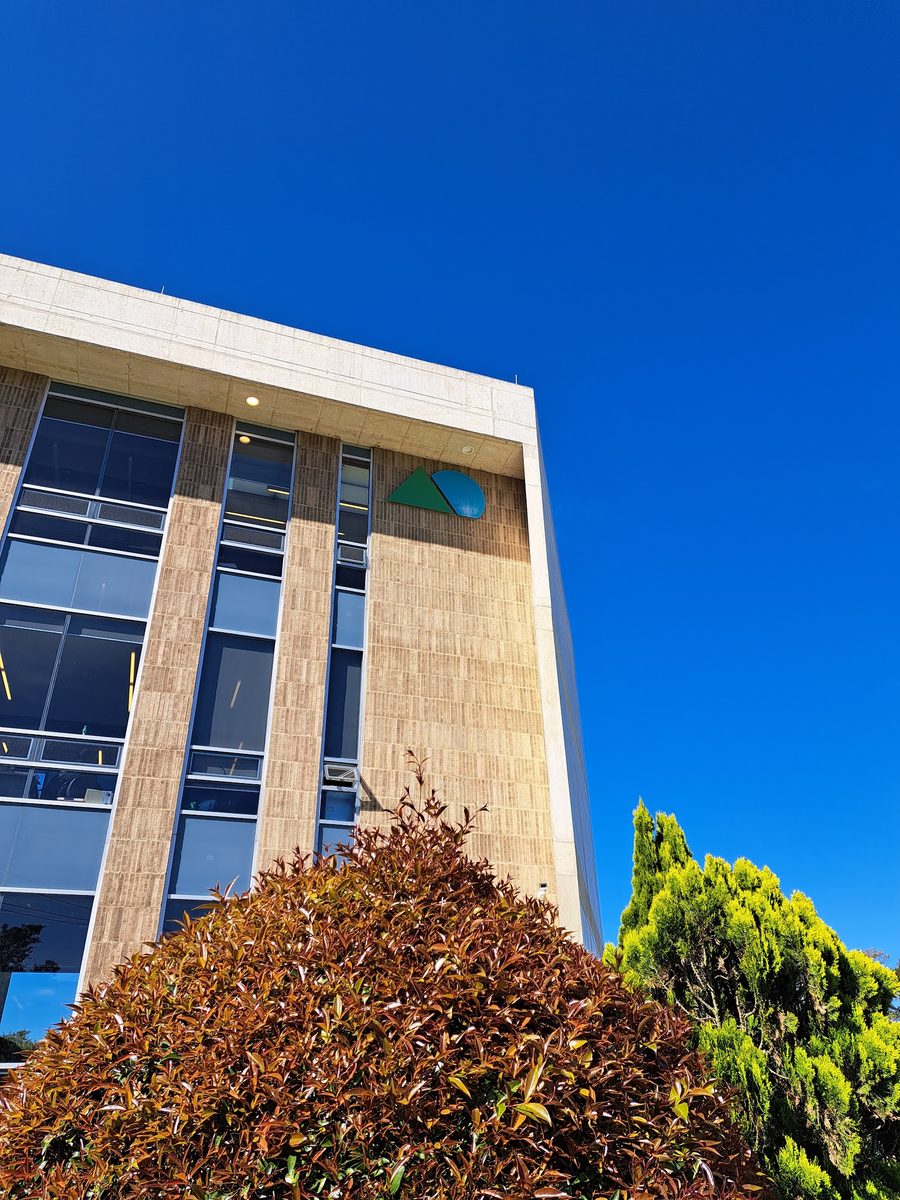
Gimnasio La Montaña
Bogotá · Colombia
Gimnasio La Montaña — Bogotá's respected bilingual holistic school (est. 1968); strong Prestige and Facilities profile above the raw exam-factories.
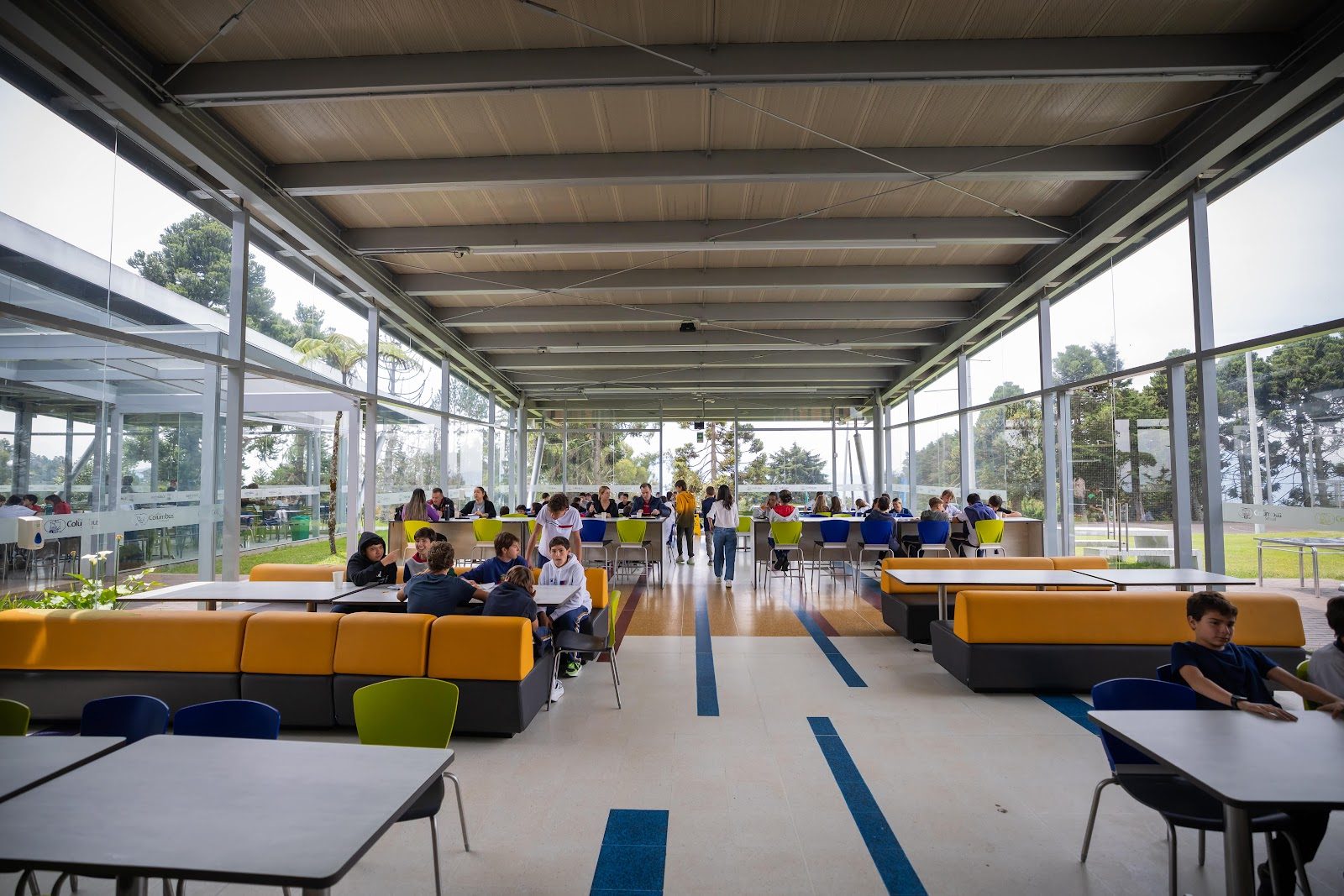
The Columbus School
Medellín · Colombia
Since 1947, an Envigado hillside campus fusing American college-prep with IB primary years amid the Andean valley of Medellin.
Same country and curriculum — closest matches within ±10 points either way