
DKI Jakarta
Singapore's century-old Anglo-Chinese School lineage anchors a Cambridge-to-IB pathway on an eight-hectare East Jakarta campus.
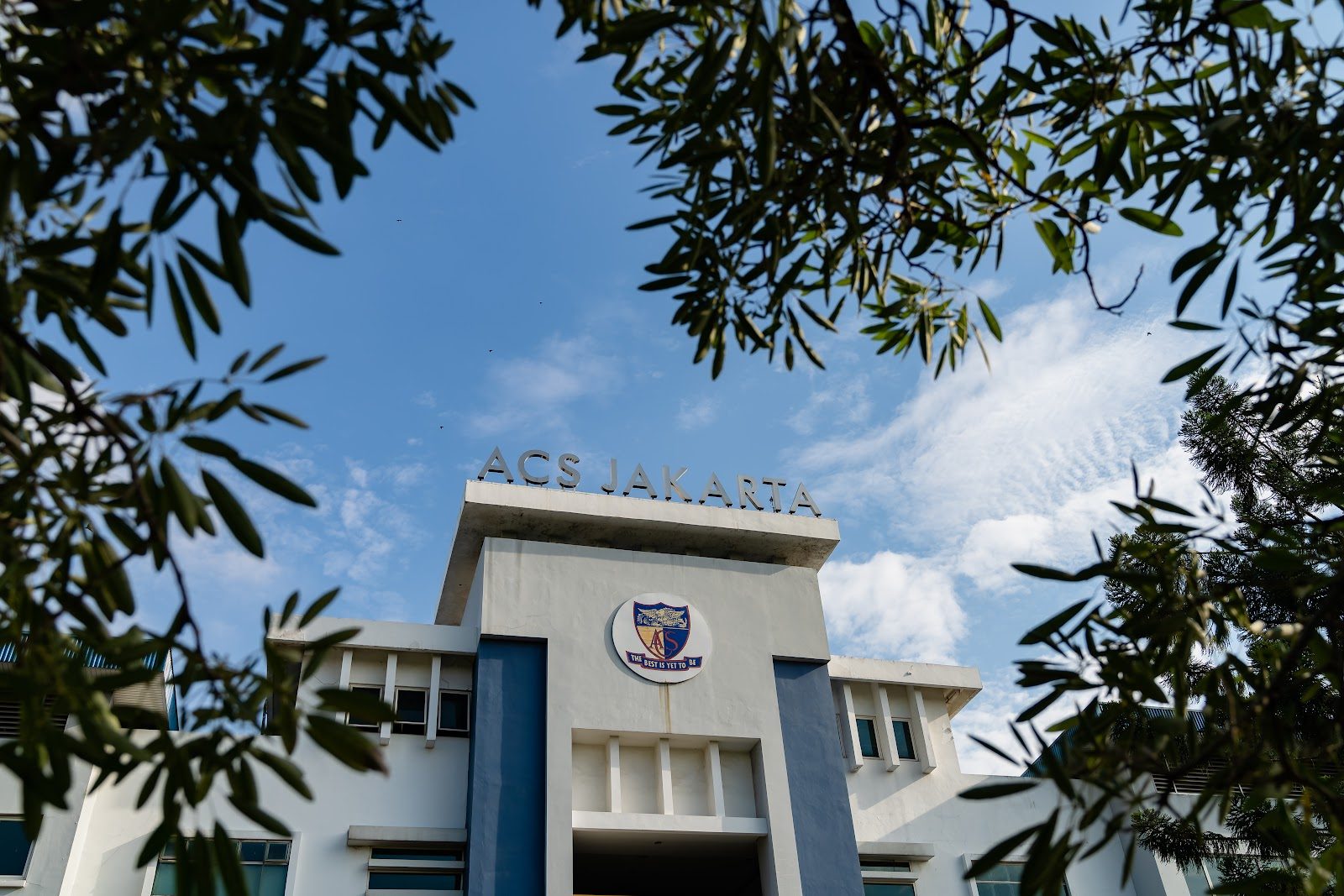
Photo © ACS Jakarta East Campus via Google Maps
Type
Day
Ages
3–18
Curriculum
Singaporean · IB
Qualifications
IGCSE · IB Diploma
Ratio
—
The Verdict
Editor's commitment
Right for
Families wanting English-medium day schooling from ages 3–18, with a Cambridge-to-IB route and CIS and IB accreditation in Jakarta.
Wrong for
Parents after boarding, a secular culture, or a non-Christian ethos; ACS Jakarta is day-only and Methodist by foundation.
Watch out for
Founded in 1996 with campuses in Setu and BSD City, it trades on ACS lineage; university outcomes and cohort-level results are not published.
Ranking breakdown
ACS Jakarta · #1536 of 1591
Composite score 46.3. 8 weighted criteria.
By criterion
Academic Outcomes
Weight 20%
#1382
of 1529 scored
University Placement
Weight 16%
#1414
of 1529 scored
Prestige & Heritage
Weight 12%
#1526
of 1571 scored
Alumni Network
Weight 12%
#1267
of 1530 scored
Facilities
Weight 12%
#1247
of 1533 scored
Transparency & Communications
Weight 8%
#1383
of 1532 scored
Peer & Industry Review
Weight 10%
#1521
of 1548 scored
Admissions Selectivity & Demand
Weight 8%
#1471
of 1529 scored
Peer & Industry Review
How ACS Jakarta is regarded in the sector
45
Credible · medium confidence
ACS Jakarta operates in the shadow of Jakarta's established international-school leaders (Jakarta Intercultural School, British School Jakarta, Global Jaya, Sinarmas World Academy), and it does not yet feature as a named comparator in the qualitative commentary those schools' heads give to outlets like the Jakarta Post or expatriate parent forums. Independent review platforms such as WhichSchoolAdvisor and the Good Schools Guide International, which cover the major Jakarta international schools in some depth, do not carry a dedicated profile or ranking entry for ACS Jakarta, and no verifiable university admissions-office commentary singling out its graduates could be located. There is no evidence of it presenting at regional heads' conferences (e.g., EARCOS) in a way that has generated press coverage. This absence of third-party scrutiny, rather than negative sentiment, is the defining signal: peers and press treat it as a smaller, lower-profile institution outside the tier that draws national league-table or admissions-officer attention, consistent with a challenger-tier standing rather than an established regional benchmark school.
Editors' overview
ACS Jakarta occupies a distinct niche in Indonesia’s international-school market: a Christian day school with direct lineage to Singapore’s Anglo-Chinese School tradition, operating in English and carrying students from the early years to the IB Diploma. That combination matters. Many Jakarta schools offer the IB, many trade on international branding, and many promise values. ACS Jakarta has a clearer identity than most. Its stated mission is explicit—“God, Country and Community”—and the Methodist inheritance is not decorative. Parents who want a school with moral seriousness, a defined faith framework and an academically recognised senior pathway will find a coherent offer here. The campus scale also counts: an 8-hectare East Jakarta site gives the school more physical substance than the city’s tighter urban campuses.
The academic proposition is strongest for families who value structure over experimentation. ACS Jakarta offers a Cambridge-to-IB route: children start in a school culture shaped by Singaporean discipline and then move into the IB Diploma Programme in the senior years. That makes it attractive to ambitious, university-bound students who can handle external assessment and a demanding workload. The school also benefits from continuity across the full 3–18 age range, which gives families a single institutional home rather than repeated school transitions. Its CIS and IB accreditations place it within established international quality frameworks, but the sharper differentiator is the ACS network itself—a school founded in 1996 yet anchored to a lineage dating back to 1886. For some families, that history carries more weight than a newer school’s polished marketing.
Why shortlist it? Because ACS Jakarta offers institutional ballast in a market full of schools with weaker character and looser academic identity. It is for parents who want clear expectations, a faith-shaped culture, and a school that treats leadership and service as central rather than ornamental. It is not the obvious choice for families seeking a secular environment, a progressive free-range classroom culture or a school that downplays religious formation. The best fit is the diligent, outward-facing student who thrives with boundaries, responds to purpose, and wants an education that links academic ambition to conduct. For that child, ACS Jakarta provides a strong sense of belonging and a serious route to university.
Academic Performance
ACS Jakarta does not publish the core data parents need to judge academic performance against serious peers. We have not seen aggregate IGCSE results, average IB Diploma scores, pass rates, subject distributions, or year-on-year university destination tables. The school does maintain an “University Acceptance” page and gives the Diploma Programme prominence, but that is not the same as transparent outcomes reporting. In a market where stronger operators put headline results in the public domain, this gap matters. It leaves families relying on anecdote, graduate quotations and admissions messaging rather than hard academic proof. For an institution with a clear university-facing mission, that is a weak point.
That does not place ACS Jakarta outside the competitive set; it places it in the group of schools whose academic standing rests on programme credibility and institutional reputation rather than published performance metrics. The combination of Cambridge assessments before the Diploma and a full-through school structure gives students a recognised external exam route, and the ACS name carries real weight for families familiar with its Singapore lineage. But without disclosed results, ACS Jakarta does not earn a top-tier academic verdict on evidence. Relative to Jakarta peers, it sits in the credible but opaque bracket: serious enough to merit consideration, not transparent enough to command automatic confidence. Parents with results-driven priorities should press the admissions team for recent cohort data before drawing conclusions.
Facilities
The physical advantage here is scale. In a city where many international schools operate on constrained urban plots, ACS Jakarta has room to function like a real campus rather than a stacked collection of classrooms. The school gives facilities unusual prominence: a dedicated facilities overview, school tour, virtual tour, and separate East and West campus pages all sit close to the front of the site. That tells you something. Space is one of its strongest selling points, and parents should treat that as material, not cosmetic. For children staying through the full age range, an 8-hectare campus supports easier movement between academic, sporting and co-curricular life than Jakarta’s tighter, high-rise competitors. The result is a school with more physical substance than many peers charging in the same bracket.
The weakness is detail. ACS Jakarta talks up facilities but publishes little by way of hard specification on specialist spaces, performance venues, science provision, sports inventory or design standards. We have not seen the kind of granular campus breakdown that top operators use to prove quality rather than gesture at it. That does not mean the campus is weak; it means the school leaves parents to infer too much. Against peers, then, ACS Jakarta scores well on footprint and campus presence, but less well on facilities transparency. Families who care about labs, libraries, studios and competitive sports infrastructure should ask direct questions and insist on a tour. This is a campus with clear potential and visible scale, but the published case stops short of full scrutiny.
But without disclosed results, ACS Jakarta does not earn a top-tier academic verdict on evidence
Prestige
ACS Jakarta carries real prestige in a specific lane, not across every corner of Jakarta’s international market. The weight comes from the ACS name: a Methodist school family with roots in Singapore and a reputation for discipline, institutional continuity and socially recognisable achievement. For many parents, that lineage confers more status than a newer standalone school with sharper branding. The school also benefits from scale and permanence. An 8-hectare campus signals an operation with substance, not a rented-city-campus compromise. Add the full age span from 3–18, and the result is a school that reads as established, ordered and serious-minded. That matters in a market where many schools project polish but lack deep institutional identity.
The limit to that prestige is clear. ACS Jakarta has name value and network credibility, but it does not publish the level of academic outcomes data that would lift it into the city’s most indisputable elite. Prestige built on heritage, values and recognised programmes is still prestige; it is just a different kind. This is a school whose standing rests on trust in the ACS tradition, Christian ethos and university-facing structure, rather than on a stream of public headline results. That places it in the high-respect, not untouchable category: socially solid, educationally credible, and more compelling to families who prize institutional character than to those who rank schools by raw score tables alone.
Because ACS Jakarta offers institutional ballast in a market full of schools with weaker character and looser academic identity
Communications
ACS Jakarta communicates with parents through a broad but uneven mix of channels. The public-facing side is busy: news and events posts, an FAQ, annual fees, enrolment procedures, a downloadable booklet, a parent volunteer route, and access points for Engage and ManageBac. That gives families a functional communications stack rather than a single glossy front door. The school also splits practical information by campus and keeps core navigation visible, which matters for day-to-day usability. For current parents, the presence of dedicated portals signals a more organised back end than many schools manage. The Christian mission is stated with total clarity, so there is no ambiguity about ethos, expectations or the school's moral frame.
The weakness is precision. ACS Jakarta publishes plenty of touchpoints, but less proof of disciplined parent communication in practice. We do not see much by way of detailed policy explanation, leadership correspondence archives, pastoral guidance, or transparent reporting on school decisions. The front page carries updates and open-house notices deep into 2026, which shows the site is maintained, but timeliness alone is not the same as depth. Parent testimonials are plentiful; hard operational detail is thinner. That leaves the impression of a school that communicates confidently on admissions, values and visibility, and less strongly on the granular questions experienced international-school parents ask once a child is enrolled. Effective enough, then, but not best-in-class for openness.
Uniqueness
What sets ACS Jakarta apart is not novelty but inheritance. This school belongs to the Anglo-Chinese School family, a Methodist educational tradition that reaches back to Singapore and carries its own vocabulary of duty, conduct and service. Plenty of schools borrow the language of values; ACS Jakarta ties that language to a living institutional lineage. Its motto-level framing of leadership for “God, Country and Community” is unusually explicit, and that has practical consequences for students: a school culture with clear moral direction, firmer expectations around behaviour, and less ambiguity about what the adults think education is for. For families who want character formation treated as central rather than decorative, that is a genuine differentiator.
The other point of difference is structural continuity. Students can move from the earliest years to the end of school inside one coherent system rather than a loose federation of phases with mismatched priorities. That matters more than brochures admit. It gives children a steadier social environment, a longer runway for pastoral oversight, and a school that can shape habits over time rather than in bursts. Add the East and West campus arrangement and the age span of 3–18, and ACS Jakarta offers something institutionally weighty: not a fashionable start-up, but a school with deep-rooted identity and a stable sense of itself. For the right child, that brings confidence, belonging and a stronger link between academic effort and personal conduct.
For that child, ACS Jakarta provides a strong sense of belonging and a serious route to university
Student Profile
The best fit is the student who responds well to structure, expectation and a school culture with an overt moral code. ACS Jakarta is not built for children who want to test every boundary or disappear into anonymity. It suits pupils who can live comfortably inside a community shaped by Christian principles, adult authority and the language of service. The school’s own framing of leadership for God, country and community gives the profile away: this is a place for families who want education tied to conduct, not separated from it. Children who do well here are purposeful, teachable and able to handle a school environment that treats character as seriously as attainment. The all-through age range from 3–18 also favours families who value continuity and do not want to renegotiate school culture every few years.
Socially, the strongest match is the child who wants belonging more than theatrical individuality. The ACS network connection adds a layer of inherited identity that many students will find grounding and others will find too tradition-bound. This school will appeal to diligent, community-minded students who are comfortable with rituals, shared expectations and a faith-shaped institutional centre. It will be less comfortable for the student who wants a secular atmosphere, a loose behavioural culture or a more experimental classroom ethos. In short: steady high-achievers, service-minded joiners and children who benefit from clear guardrails fit well here. Radically independent spirits fit less well.
ACS Jakarta does not publish the core data parents need to judge academic performance against serious peers
Co-curricular strengths
Arts & sport, on a separate axis
Overall 8.86/10
Scored 0-10 from the school's own published evidence. This axis is editorial-only — it does not feed the main WTS ranking.
Sports
8.8/10
Drama
8.8/10
Dance
8.8/10
Music
9.2/10
Visual Arts
8.7/10
Strengths
- +ACS Jakarta has offered the IB Diploma Programme, authorized since 2007, alongside Cambridge Primary and Cambridge IGCSE for students aged 4 to 18, giving a coherent K-12 academic pathway.
- +ACS Jakarta's 2024 IBDP average score was 35, against a world average of 30.32, with 15% of students scoring 40 points or more.
- +Recent graduates have gained places at Harvard University, University of Oxford, Berkeley University of California, University of Pennsylvania, Imperial College London, Stanford University, among other globally ranked universities.
- +The school sits on a spacious 8-hectare campus in East Jakarta with notable facilities including a 400-seat theatre, sports hall, two swimming pools, six tennis courts, and specialized science, music and dance rooms.
- +School counselors provide support for mental wellbeing in both primary and secondary, and weekly religion classes let students select Moslem, Christian or Catholic classes, or a multi-faith class for those who opt out.
Considerations
- −Admissions are genuinely selective: the school states it is very selective of students coming in and not all who apply and sit the admission tests will be admitted, with tests in English Language and Mathematics plus interview.
- −The main campus is set in a semi-rural environment off the Jorr Tol at Kelurahan Setu, approximately 15 kilometers south-east of central Jakarta, placing it outside the traditional South Jakarta international school hub.
- −Tuition for 2026/27 runs from IDR 254,000,000 to IDR 310,000,000 per year, on top of separate admission fees, a deposit, and mandatory educational camps for Grades 5, 7, 9 and 11 costing the equivalent of USD 700 to USD 1,600 per student.
- −Currently, the school does not offer transport to or from school; students come in their own cars, unlike some rival Jakarta international schools that run bus services.
Availability
Primary entry gate & tests
Academic Record + Assessment
Gallery
Photo © Umar Setiadi via Google Maps
Photo © Rinaldi via Google Maps
Photo © MAMANG DRONE via Google Maps
Photo © Ello Djead via Google Maps
Photo © Rodrick Jayden Simanjuntak via Google Maps
Photo © MAMANG DRONE via Google Maps
Photo © wahyudi yahdi (Yahdi) via Google Maps
Parent reviews
Have you sent your child here?
Voice reviews carry the strongest trust badge — we transcribe them for you to tidy up before they go live. Prefer to type? A written review is fine too.
Add your voice
In 60 seconds, tell other parents: what's the best thing about ACS Jakarta, and what surprised you when your child joined?
We ask for a Google sign-in so every review has a real face behind it — no anonymous drive-by attacks on schools, and no faked positive reviews. Your email is never shown publicly.
Send this profile to a friend
International parents rely on word-of-mouth. Share this review with someone weighing the same decision.
Schools with places
Similar schools to ACS Jakarta with places available now.
Availability first, then country, area, curriculum, price, co-curricular
Consider also
Also worth looking at alongside ACS Jakarta.
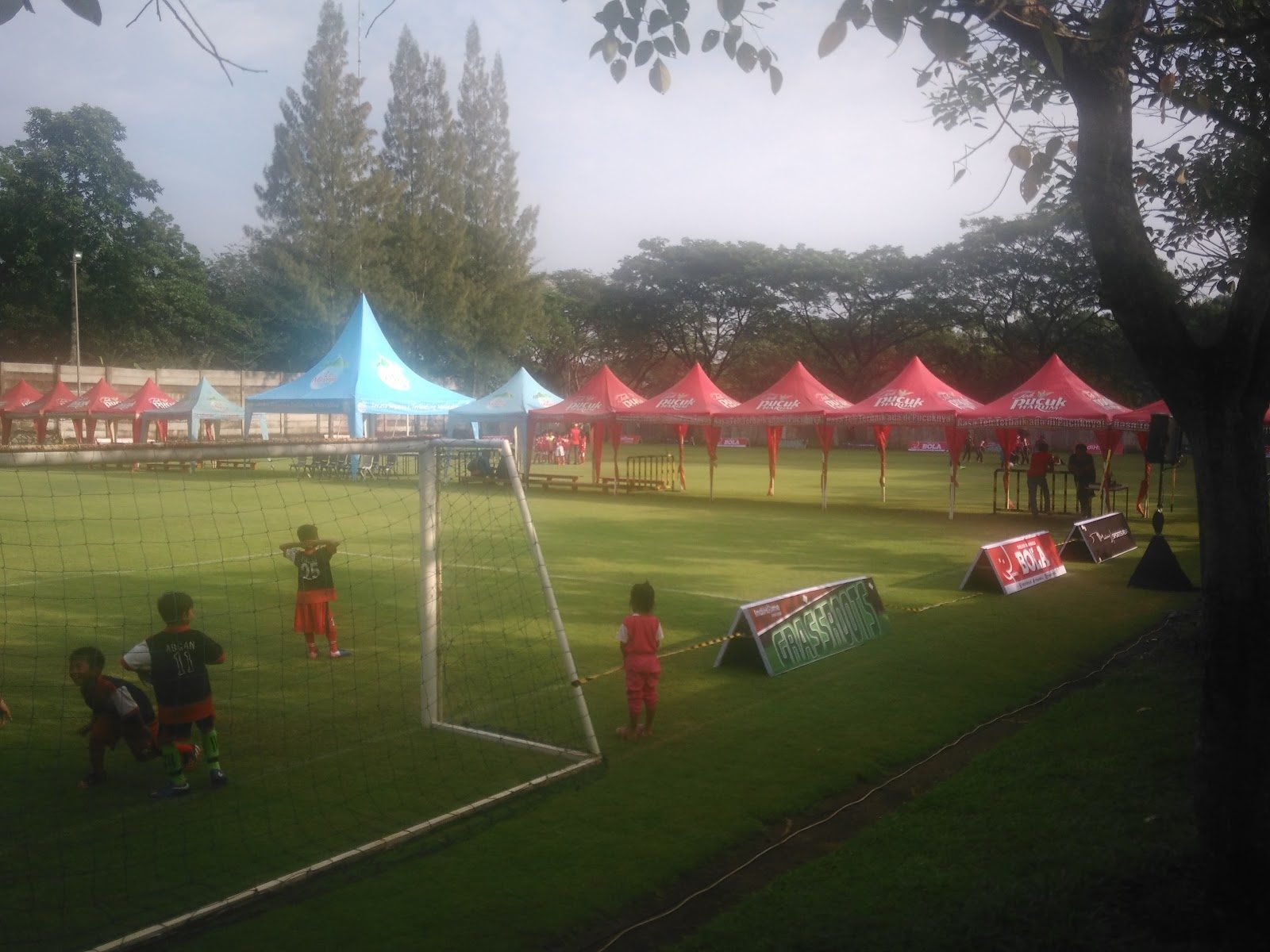
Sinarmas World Academy
Tangerang · Indonesia
In BSD City's business district, 2024 IB Diploma results averaged 38.2 points, eight above the global mean, with a perfect pass rate.
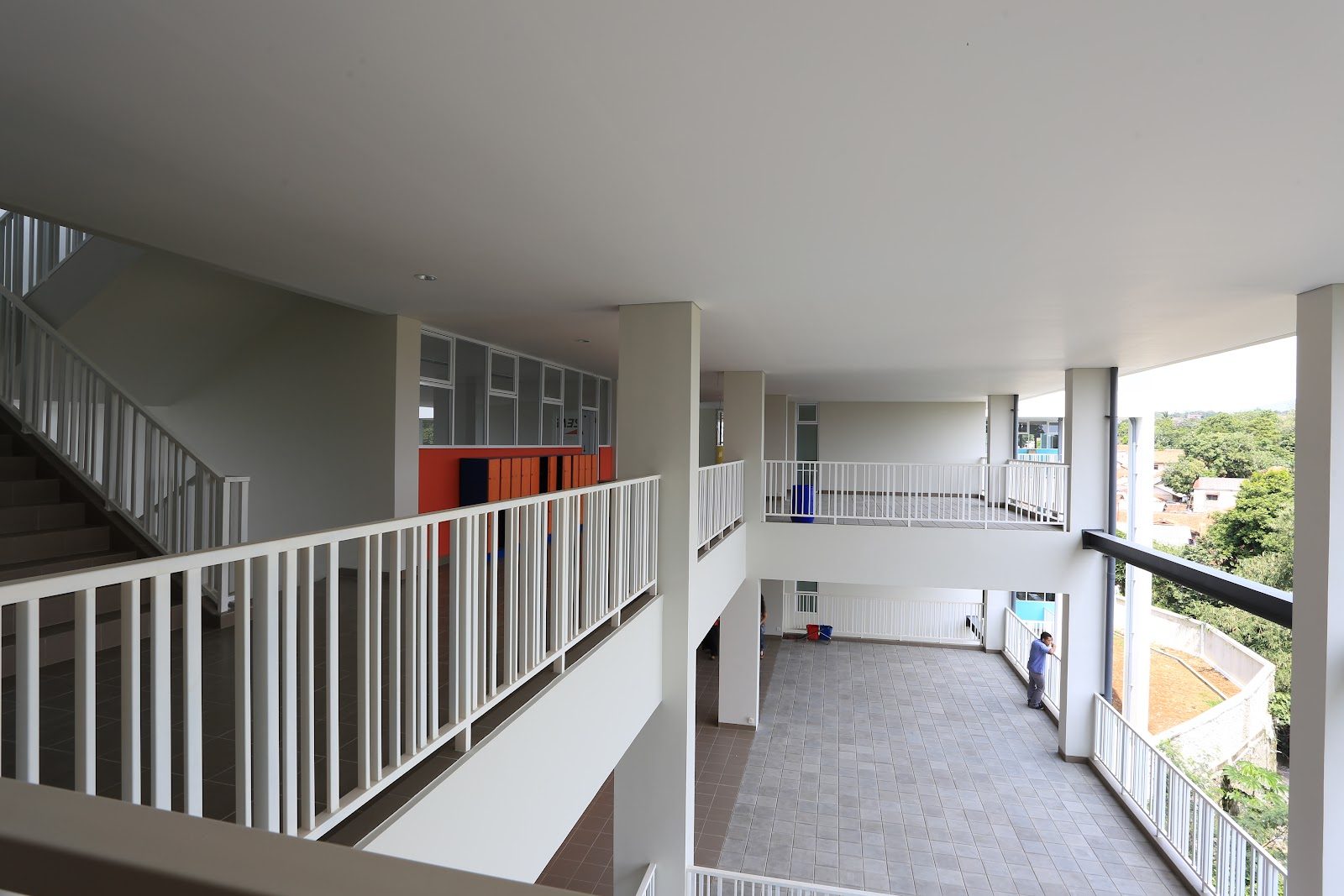
Sekolah Bogor Raya
Bogor · Indonesia
Set beside Bogor's lakeside estate, an SPK school braids the full IB continuum, Cambridge IGCSE and worship across five faiths.
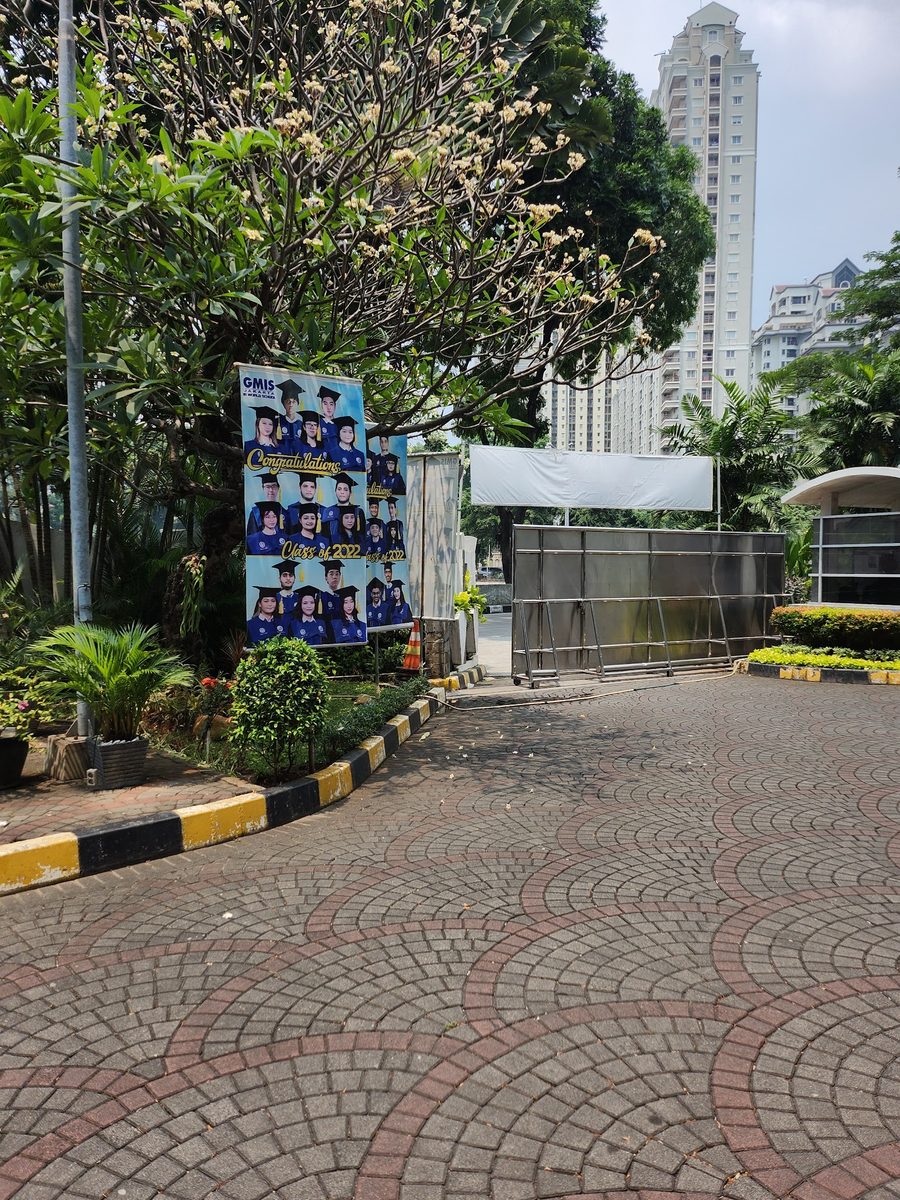
Gandhi Memorial Intercontinental School
Jakarta · Indonesia
Indonesia's oldest international school, where Gandhian ethics meet Pancasila values under an IB banner in central Jakarta.
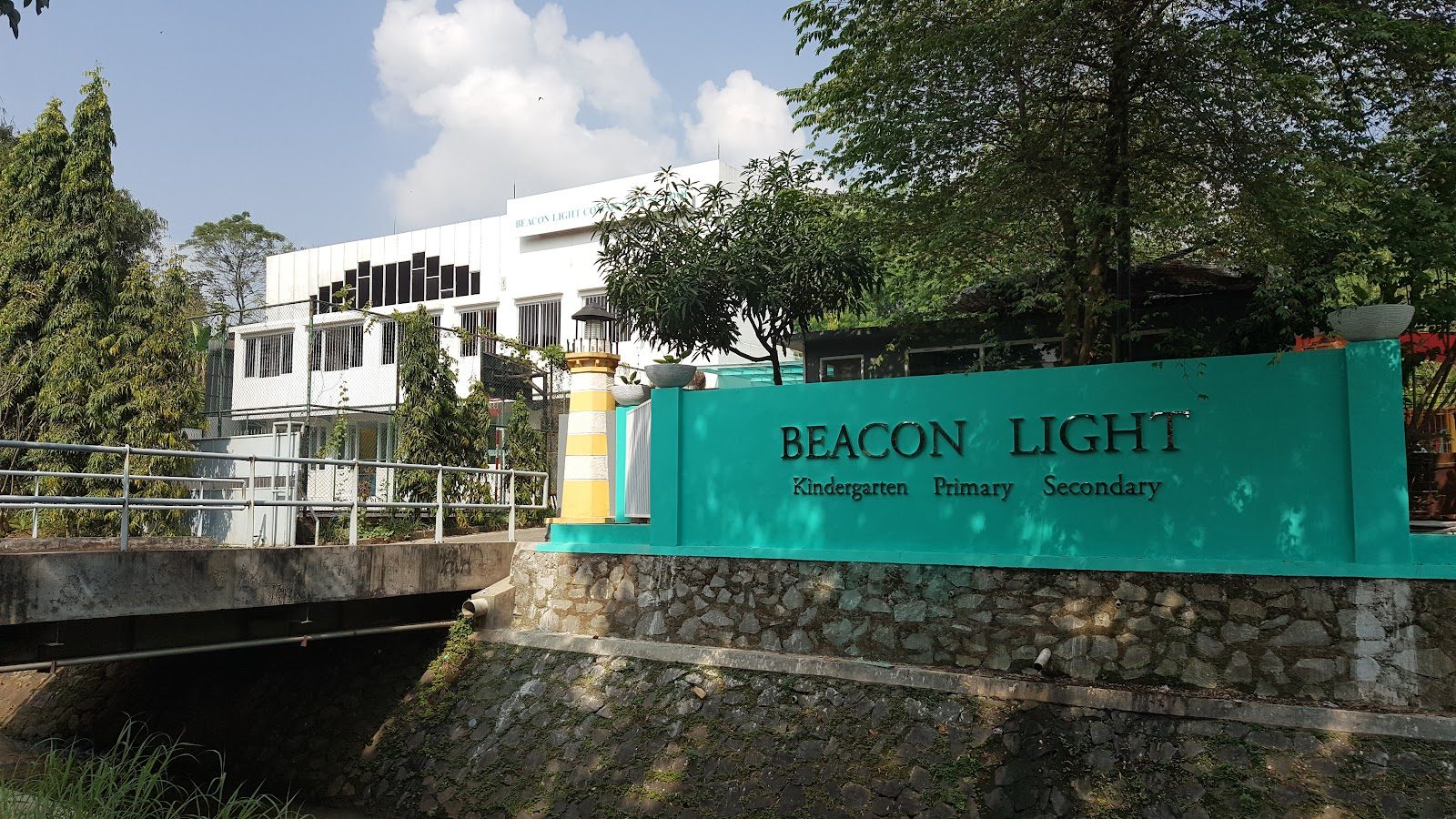
Beacon Academy
South Tangerang · Indonesia
A South Tangerang IB day school built on inquiry-driven learning and a service-first take on student leadership.
Same country and curriculum — closest matches within ±10 points either way