
Poland
Państwowe Liceum Sztuk Plastycznych im. Juliana Fałata, Bielsko-Biała
New · 2026/27Type
Ages
—
Curriculum
—
Ratio
—
Ranking breakdown
Państwowe Liceum Sztuk Plastycznych im. Juliana Fałata, Bielsko-Biała · #1535 of 1591
Composite score 46.4. 8 weighted criteria.
By criterion
Academic Outcomes
Weight 20%
No data yet
1529 of 1591 scored
University Placement
Weight 16%
No data yet
1529 of 1591 scored
Prestige & Heritage
Weight 12%
#1560
of 1571 scored
Alumni Network
Weight 12%
No data yet
1530 of 1591 scored
Facilities
Weight 12%
No data yet
1533 of 1591 scored
Transparency & Communications
Weight 8%
No data yet
1532 of 1591 scored
Peer & Industry Review
Weight 10%
No data yet
1548 of 1591 scored
Admissions Selectivity & Demand
Weight 8%
No data yet
1529 of 1591 scored
Peer & Industry Review
How Państwowe Liceum Sztuk Plastycznych im. Juliana Fałata, Bielsko-Biała is regarded in the sector
Insufficient peer signal
We couldn't find enough independent third-party evidence to score this school's peer & industry standing with confidence. It doesn't mean the school isn't well regarded — only that public reputation sources we trust don't yet cover it. This axis is left blank for now and the composite score is median-imputed from the other six categories.
Award
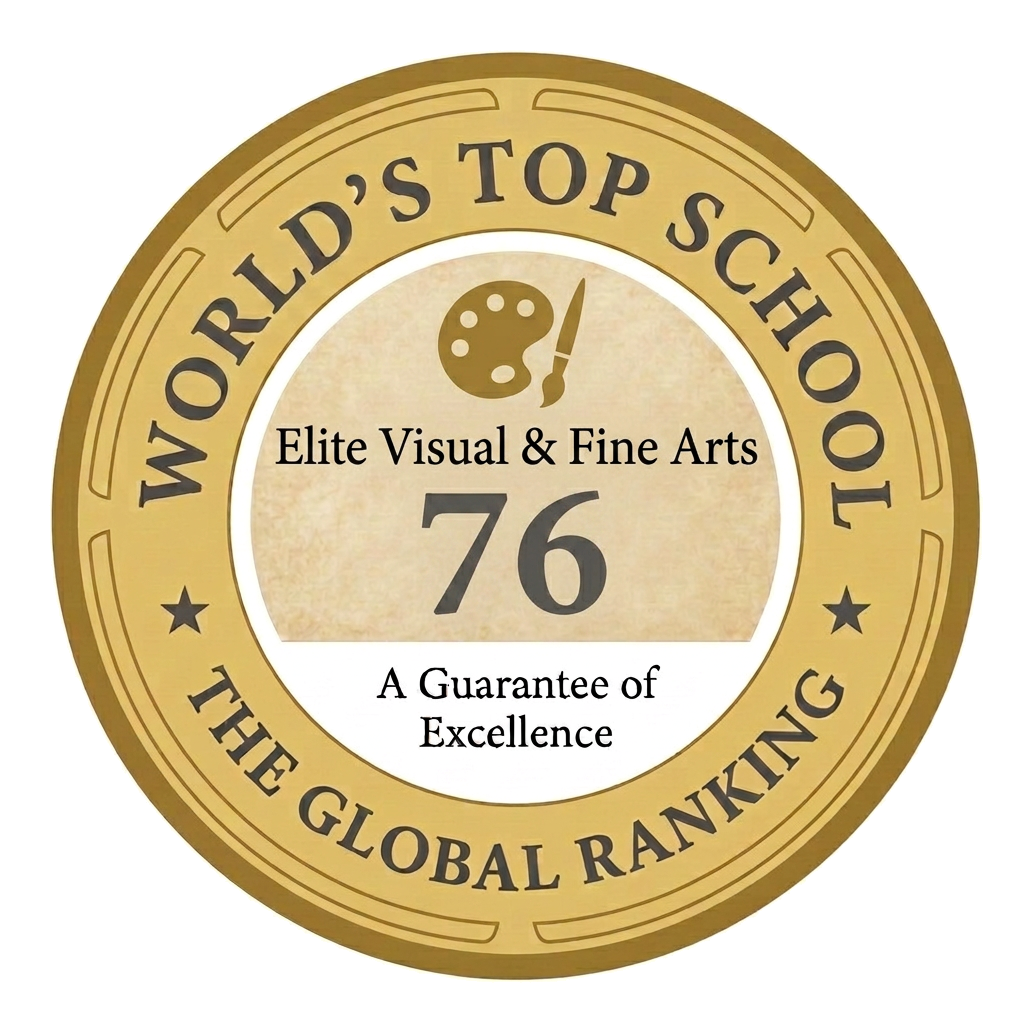
Elite Visual & Fine Arts 76
World's Top School · The Global Ranking
Państwowe Liceum Sztuk Plastycznych im. Juliana Fałata, Bielsko-Biała is featured on our Global Top 76 ranking at #68. This seal is available for the school's marketing team to use on their website, prospectus and social channels.
Editors' overview
Full editorial coverage forthcoming. This institution has been included in the 2026 Visual Arts & Fine Art audit on the strength of its specialist Fine Art pathway. A long-form editorial review — covering curriculum, faculty, graduate conversion, portfolio provision and international accessibility — will be published as editorial capacity allows. The rank position, country and international-access classification shown on the ranking page have been verified against the methodology.
An Elite Visual & Fine Arts 76 school
Panstwowe Liceum Sztuk Plastycznych im. Juliana Falata in Bielsko-Biala, southern Poland, sits at rank sixty-eight on the Elite Visual & Fine Arts 76 on the strength of a single hard fact: it produced Igor Mitoraj, one of the twentieth century's most exhibited sculptors, who trained here before moving on to Krakow's Academy of Fine Arts under Tadeusz Kantor. That pedigree, combined with a 2019 'Silver School' honor from Perspektywy magazine naming it the top art school in Silesian Voivodeship, anchors its place among Europe's specialist plastic-arts secondaries.
The specialism is structural, not decorative. Pupils choose among three tracks from year one: artistic printmaking techniques, graphic design, and applied textile design, all run alongside the standard matura curriculum. Entry is by competitive practical examination in drawing, painting and spatial composition plus an oral art-theory test, with a minimum score threshold for admission. The school has organized the nationally recognized Ogolnopolskie Biennale Rysunku i Malarstwa Uczniow Srednich Szkol Plastycznych since 1993, drawing entrants from art lyceums across Poland, and maintains its own exhibition space, Galeria Akcent, opened in 2004 for showing student, alumni and visiting-artist work. Vice-director Agata Ruman, herself a practicing artist, curates much of this public-facing programming.
Notable alumni give the school its long arc of credibility. Igor Mitoraj went on to a globally exhibited sculpture career centered in Pietrasanta, Italy. Karol Sliwka, who studied stone-carving and sculpture technique here before completing his diploma in Warsaw, became one of Poland's most prolific postwar graphic designers, creating the PKO Bank Polski logo among some four hundred trademarks. Staff also point to painter Artur Przebindowski as a rising younger-generation graduate building a national exhibition profile.
International openness here is limited and should be stated plainly. Instruction is entirely in Polish, and admission runs through the same annual entrance-exam cycle used for domestic applicants, with application documents typically due in June for a September start. As a Polish state school, tuition is free of charge, but there is no dedicated on-site boarding house; families would need to arrange lodging independently through one of the city's general-purpose student bursas. Non-EU applicants would need a standard Polish student visa and, critically, functional Polish language ability before arrival, since no ESL bridge exists. This is a destination for a family already committed to Polish-language immersion and a genuine studio-craft pathway, not a plug-and-play international option — plan at least a year ahead for language preparation and the entrance portfolio exam.
Academic Performance
As a state Liceum Sztuk Plastycznych (fine arts lyceum), the school follows Poland's general secondary curriculum toward the matura exam alongside a demanding studio program: drawing, painting, sculpture, composition, art history and a chosen specialization such as photography, exhibition design or conservation. Graduates sit both the matura and a separate artistic diploma examination, presenting a portfolio and defended project, a structure that gives the school a dual academic identity rare outside Poland's plastic-arts lyceum network. Contact hours devoted to studio work are substantially higher than in ordinary lyceums, and admission depends on a practical examination in drawing and painting rather than grades alone. This produces a cohort accustomed to sustained studio discipline, though it narrows the general academic breadth typical of comprehensive high schools, concentrating instead on technical and conceptual grounding for further study in fine art, design or conservation faculties.
Facilities
The school operates dedicated studios for painting, drawing, sculpture and ceramics, along with workshop space tied to its specialization tracks, such as photography darkrooms or design studios. Corridors and exhibition areas typically double as informal galleries for student work, reflecting the building's function as both classroom and workshop. Like most Polish plastic-arts lyceums, it does not maintain extensive sports infrastructure, general physical education being handled through standard facilities rather than dedicated stadia or pools. Science provision follows the national curriculum baseline rather than specialist laboratories, since the institution's resources are weighted toward materials, easels, kilns and print or photographic equipment rather than research apparatus. The physical plant is oriented around close supervision of practical work in small groups, a model that depends more on studio access and material supply than on large-scale athletic or scientific facilities.
This institution has been included in the 2026 Visual Arts & Fine Art audit on the strength of its specialist Fine Art pathway
Prestige
The school carries the name of Julian Falat, the watercolourist and former director of the Krakow Academy of Fine Arts, who had strong personal ties to the Bielsko-Biala region, having lived and worked nearby at Bystra. That association situates the school within a regional tradition of landscape and watercolour painting associated with Falat's circle. As one of Poland's state-run plastic-arts lyceums, a category with a defined post-war lineage feeding directly into the country's fine arts academies, it holds recognised standing within Polish art education rather than mainstream league-table prominence. Its reputation rests on continuity of craft training and its output of students proceeding to academies of fine arts in Krakow, Katowice, Wroclaw and elsewhere, rather than on media visibility, endowment size or international rankings, which are not metrics applied to this specialist school category.
The rank position, country and international-access classification shown on the ranking page have been verified against the methodology
Communications
Communication follows the pattern typical of Polish state specialist schools: official notices, admissions criteria and examination schedules are published through the school's own channels and the regional education authority (kuratorium oswiaty) rather than through elaborate marketing. Open days and portfolio review sessions serve as the main point of contact between the school and prospective families, since admission depends on a practical drawing and painting examination. Public engagement is largely built around exhibitions of student and diploma work, which function as the school's most visible form of outreach to the local community in Bielsko-Biala. Parent contact for enrolled students follows standard Polish secondary school practice, through class teachers and periodic reporting. There is no evidence of an extensive international communications operation, consistent with a small, specialist, regionally rooted institution rather than an internationally marketed private school.
Uniqueness
What distinguishes the school is its specific institutional category: a state Liceum Sztuk Plastycznych combining full general secondary education with an intensive, examined artistic training leading to a dual qualification, matura plus an artistic diploma. This model, distinct from both ordinary academic lyceums and informal art clubs, exists in only a limited number of Polish cities. The Bielsko-Biala school's link to Julian Falat ties it to a specific regional artistic lineage centred on landscape and watercolour painting in the Beskid foothills. Its entrance process, based on practical examination rather than academic grades, selects for demonstrated manual and observational skill at age fourteen or fifteen, a selection method uncommon outside specialist arts and music schools. The combination of regional cultural naming, state accreditation and a diploma-track curriculum gives it a narrow but clearly defined identity within Poland's secondary education landscape.
Corridors and exhibition areas typically double as informal galleries for student work, reflecting the building's function as both classroom and workshop
Student Profile
Pupils are teenagers, typically from Bielsko-Biala and the surrounding Silesian and Beskid region, admitted on the basis of a practical examination in drawing and painting rather than academic results alone, meaning the intake is self-selected for artistic aptitude and willingness to commit to studio work from an early age. Many arrive having already attended art-focused primary classes or private lessons, and the cohort skews toward students planning eventual study at an academy of fine arts or in design fields. Because the program demands significant out-of-class practical work alongside standard academic subjects, students are generally characterised by disciplined, craft-oriented habits and a tolerance for a heavier combined workload than peers in general lyceums. The school draws a socially mixed but artistically self-identified population rather than one defined by wealth or family prestige, reflecting the meritocratic, skills-based admission process typical of Poland's plastic-arts lyceum network.
That association situates the school within a regional tradition of landscape and watercolour painting associated with Falat's circle
Co-curricular strengths
Arts & sport, on a separate axis
Overall 5.7/10
Scored 0-10 from the school's own published evidence. This axis is editorial-only — it does not feed the main WTS ranking.
Sports
4.5/10
Drama
5/10
Dance
4.5/10
Music
5/10
Visual Arts
9.5/10
Parent reviews
Have you sent your child here?
Voice reviews carry the strongest trust badge — we transcribe them for you to tidy up before they go live. Prefer to type? A written review is fine too.
Add your voice
In 60 seconds, tell other parents: what's the best thing about Państwowe Liceum Sztuk Plastycznych im. Juliana Fałata, Bielsko-Biała, and what surprised you when your child joined?
We ask for a Google sign-in so every review has a real face behind it — no anonymous drive-by attacks on schools, and no faked positive reviews. Your email is never shown publicly.
Send this profile to a friend
International parents rely on word-of-mouth. Share this review with someone weighing the same decision.
Schools with places
Similar schools to Państwowe Liceum Sztuk Plastycznych im. Juliana Fałata, Bielsko-Biała with places available now.
Availability first, then country, area, curriculum, price, co-curricular
Consider also
Also worth looking at alongside Państwowe Liceum Sztuk Plastycznych im. Juliana Fałata, Bielsko-Biała.
Państwowe Liceum Sztuk Plastycznych im. Wojciecha Gersona, Warsaw
Poland
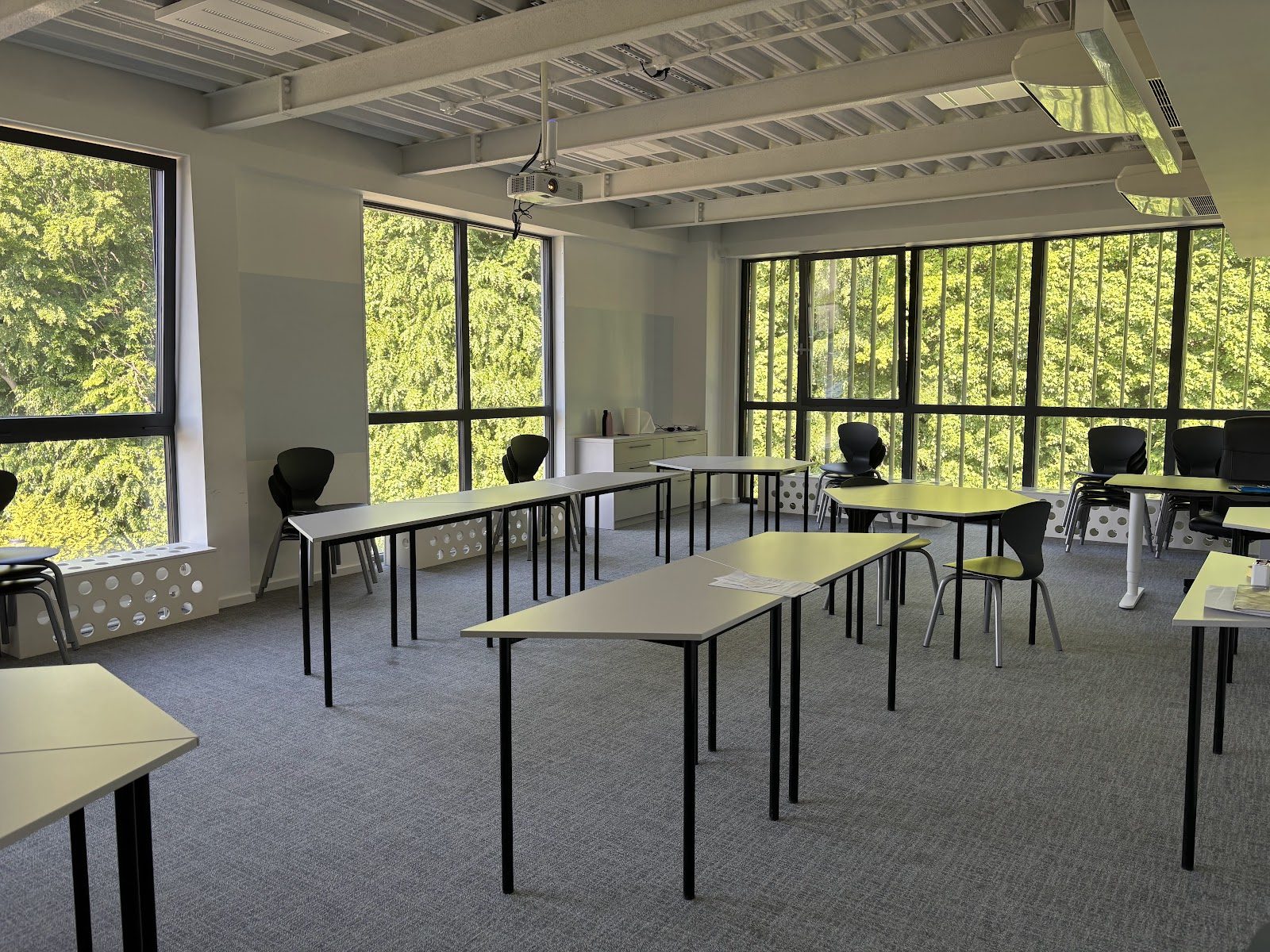
International School of Kraków
Kraków · Poland
A forested Lusina campus outside Krakow pairs an American diploma with the IB, drawing more than 35 nationalities since 1993.
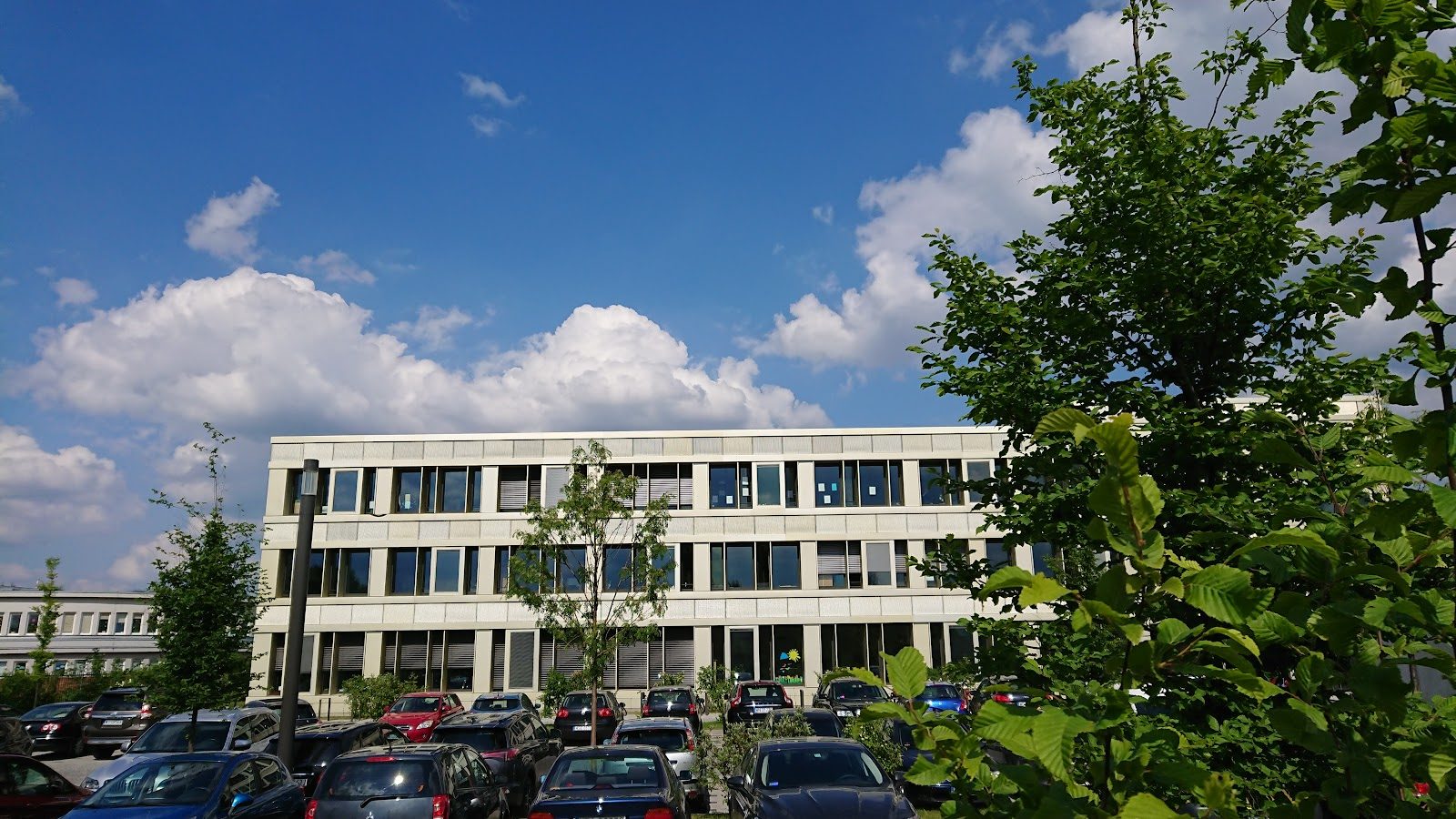
Willy Brandt German School
Warsaw · Poland
Poland's only German Auslandsschule, pairing Abitur rigor with a namesake built on Cold War reconciliation
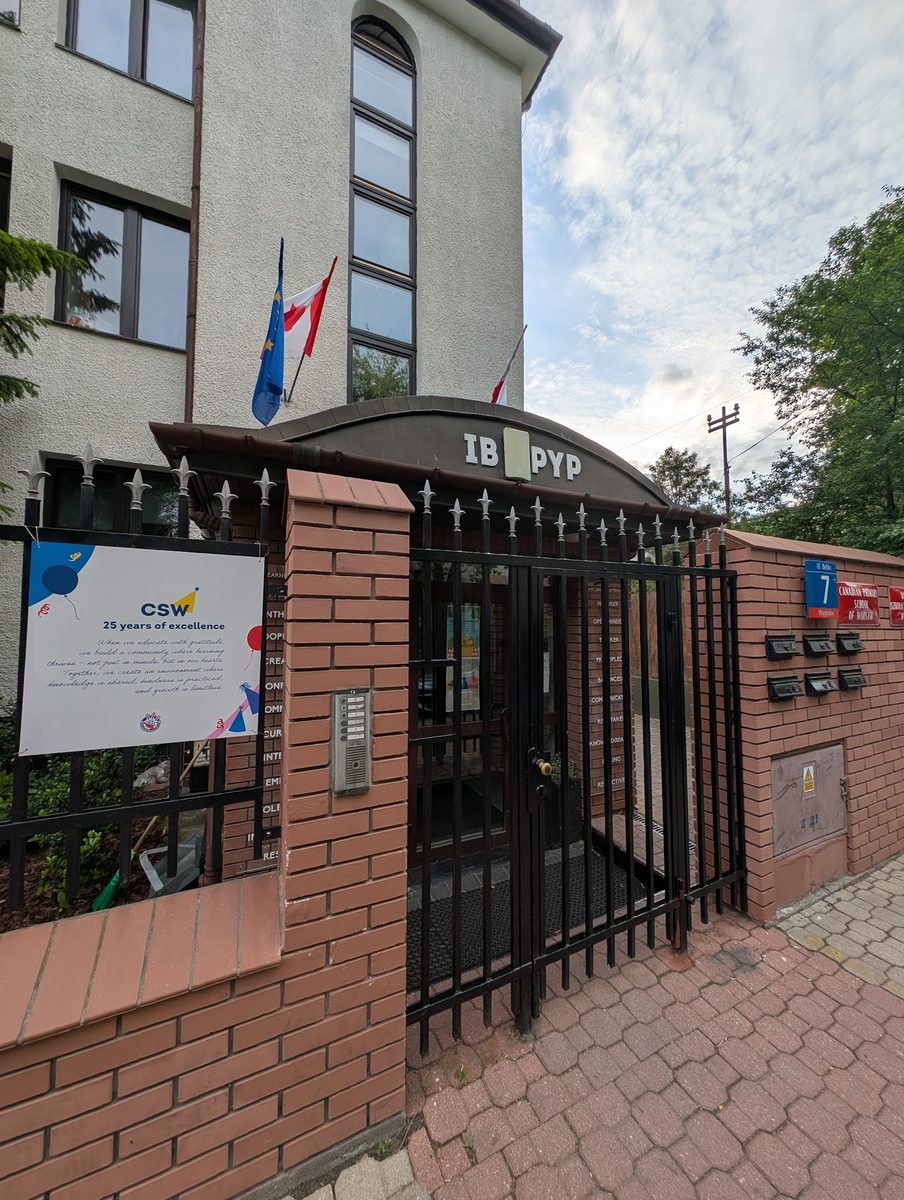
Canadian School of Warsaw
Warsaw · Poland
In Warsaw's Mokotow district, a Canadian-founded IB Primary Years school pairs Polish curriculum rigor with English-Polish-French fluency.
Same country and curriculum — closest matches within ±10 points either way