
Koh Kaew
British International School Phuket
low confidence· 4/6 cats · 1 avg sourcesEight boarding houses and four sport academies sit across a 44-acre tropical campus pairing British curriculum with the IB Diploma.
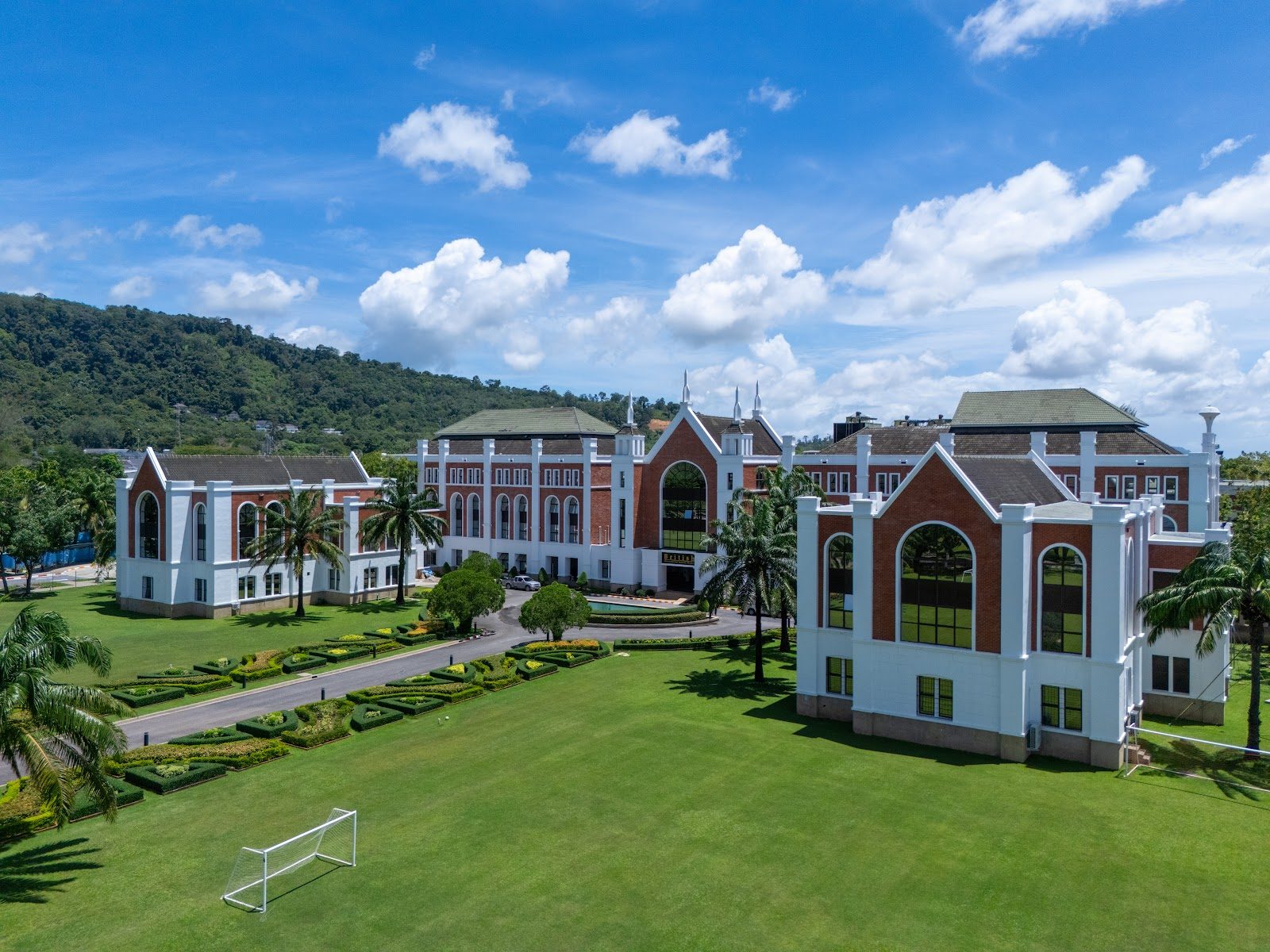
Photo © dengkui wang (普吉摄影师:信佛的鬼โทนี่) via Google Maps
Type
Both
Ages
3–18
Curriculum
British
Qualifications
IGCSE · A-Level
Ratio
—
The Verdict
Editor's commitment
Right for
Families wanting a 3–18 all-through school with British curriculum, IB Diploma, eight boarding houses and four sport academies on 44 acres.
Wrong for
Parents seeking a modest, low-cost setup: average day fees are 969,050 THB, boarding 1,478,350 THB, and the campus is built at scale.
Watch out for
BSO, COBIS, CIS and FOBISIA add credibility, but the school does not publish results figures in the extracts here.
Ranking breakdown
British International School Phuket · #376 of 1591
Composite score 70.9. 8 weighted criteria.
By criterion
Academic Outcomes
Weight 20%
#450
of 1529 scored
University Placement
Weight 16%
#459
of 1529 scored
Prestige & Heritage
Weight 12%
#537
of 1571 scored
Alumni Network
Weight 12%
#338
of 1530 scored
Facilities
Weight 12%
#406
of 1533 scored
Transparency & Communications
Weight 8%
#554
of 1532 scored
Peer & Industry Review
Weight 10%
#604
of 1548 scored
Admissions Selectivity & Demand
Weight 8%
#369
of 1529 scored
Peer & Industry Review
How British International School Phuket is regarded in the sector
70
Respected · medium confidence
British International School Phuket is consistently listed among Thailand's top international schools in Tatler Asia's 'Best Schools' guides and is frequently referenced in expat parent forums (e.g., ExpatDen, Phuket-focused parenting communities) as one of the leading IB/British curriculum options on the island. It holds accreditation from bodies like COBIS and is recognized in regional education directories, though it has less global alumni visibility or specialist press coverage compared to top-tier Bangkok international schools.
Evidence sources
Editors' overview
British International School Phuket trades on scale, and in this case the scale matters. A 44-acre campus in Phuket, eight boarding houses and four sport academies give it a profile closer to a resort-adjacent international boarding school than a standard expat day school. The academic shape is clear: British curriculum through the school, with the IB Diploma in the sixth form and BTEC Level 3 options in sport and business. That mix broadens the runway for students who do not fit a single narrow academic mould. The school has operated since 1996, teaches in English, and carries BSO, COBIS, CIS and FOBISIA accreditation. Those badges do not guarantee brilliance, but they do place the school firmly in the established international-schools market rather than the speculative end of it.
What puts BISP on a shortlist is not just breadth but a specific kind of breadth. The school offers a serious boarding proposition in Thailand, and there are not many of those. The average annual day fee is 969,050 THB and the average annual boarding fee is 1,478,350 THB, so this sits in the premium bracket and competes for families who want a full-service campus, not a stripped-back academic shopfront. The published average class size of 20 points to a school that is big enough to sustain choice without tipping into anonymity. The sport side looks deliberately built, not bolted on: football, swimming, tennis and golf sit alongside aerial arts, flying trapeze and gymnastics, plus expeditions, service and Duke of Edinburgh. Parents looking for a school where high-level sport can coexist with a conventional university-prep route will find a rare proposition here.
The trade-off is obvious. This is not the school for families who want a small, intimate campus, a highly local Thai identity, or a narrowly academic institution organised around exam results alone. BISP suits students who thrive on activity, mobility and range: boarders who want a proper residential community; ambitious athletes who need coaching infrastructure; internationally minded teenagers who want British schooling without giving up the IB at the end; and children who benefit from a large peer group and a busy timetable. It will also suit parents comfortable with a school that has the feel of a self-contained enclave. For the right child, that is the attraction. For the wrong one, it is too much machine.
Academic Performance
BISP puts exam performance front and centre in its public profile: “Results” sits in the main navigation, alongside a formal school profile and university guidance. That matters. Schools with weak or incoherent outcomes do not foreground attainment so openly. The sixth-form offer also has more than one exit route, with the IB Diploma alongside BTEC Level 3 pathways in sport and business. For the right student, that is a practical strength, not a dilution of standards. It widens the school’s academic runway beyond the narrow university-prep script that dominates many British-branded schools in Asia. The question for parents is not whether there is breadth; there is. The question is how strong the aggregate outcomes are across those pathways.
Here the school needs to publish more than menu and intent. We have not seen headline IB averages, top scores, pass rates, IGCSE/GCSE grade distributions, or multi-year trend data in the public domain from the source extract here. That leaves a gap. In a competitive market, serious peers publish the numbers plainly, year by year, and let families judge performance against selective schools, broad-market international schools and specialist boarding campuses. Without that disclosure, BISP reads as academically credible but results-opaque. The structure is well built; the proof points need work. Relative to peers, that places it below the most transparent top-tier operators on academic accountability, even if its programme range is more ambitious than many rivals.
Facilities
Facilities are one of BISP’s strongest arguments. The campus is not just large; it is operationally rich. The headline assets are the residential and sporting ones: eight boarding houses and four sport academies give the school infrastructure that most international schools in Thailand, and many in wider South East Asia, do not match. The sports offer is unusually concrete rather than vaguely aspirational: football, swimming, tennis and golf sit alongside aerial arts, flying trapeze and gymnastics. Add performing arts, drama, music, art and design, expeditions, service and Duke of Edinburgh, and the physical plant reads as a full-scale activity machine rather than a conventional academic campus with a few extras bolted on.
Against peers, that breadth puts BISP ahead of the standard premium day-school model and closer to a destination boarding campus. Schools at a similar fee point often have good pools, pitches and theatres; far fewer sustain specialist academies and residential provision at this scale. That said, parents should separate range from proof. We have not seen hard public detail here on the exact standard of science labs, libraries, maker facilities or sixth-form study spaces, nor on how heavily elite sport shapes access to top-tier coaching resources. The school’s advantage is clear in sport, boarding and outdoor-style enrichment. Families prioritising pure academic facilities over the big-campus, high-motion experience need more granularity than BISP currently publishes.
British International School Phuket trades on scale, and in this case the scale matters
Prestige
BISP carries real regional prestige, but it is a specific kind of prestige. This is not the old-boys glow of a centuries-old British boarding school, nor the exam-dominance prestige of a narrow academic hothouse. Its status rests on scale, visibility and scarcity. In Thailand, a school with eight boarding houses, four sport academies and a 44-acre campus occupies unusual territory. Families notice that. So do universities, agents and rival schools. Add a broad extracurricular machine, formal university guidance and a large-campus residential offer, and BISP lands in the upper tier of name recognition among international schools in the region. For sporty, mobile, internationally minded families, the brand has serious pull.
That prestige has limits. The school’s strongest calling card is the total package: campus, boarding, activities, specialist sport and breadth of pathways. Its weakest point is public academic disclosure. The school gives parents plenty of reasons to believe in the proposition, but prestige at the top end needs more than infrastructure and confidence; it needs hard attainment data in plain view. Without published aggregate results, BISP falls short of the fully bankable academic prestige attached to the most transparent elite operators. The verdict, then, is clear: high-status, expensive, well-known and genuinely distinctive in its niche, but not in the first rank of schools whose academic standing is beyond dispute.
BISP’s uniqueness lies in serving a family that wants scale, motion and options — and is willing to pay for a school built to deliver all three
Communications
BISP communicates like a large institution with many moving parts. The public-facing structure is strong: admissions, fees, scholarships, boarding, learning support, wellbeing, safeguarding, university guidance, sport, enrichment and parent access all sit in clear navigation rather than being buried in vague lifestyle copy. That matters. Parents can identify the school’s priorities fast, and the presence of a parent portal points to a school that treats communication as an operational function, not a decorative extra. The range itself creates pressure, though. A school running eight boarding houses and four sport academies needs *disciplined, high-frequency communication* across academic, pastoral and logistical lines. Anything less turns scale into friction.
Effectiveness is mixed. On breadth, BISP does well: it signals the main channels families need, and it publishes enough category-level information to show that student life is organised in detail. On depth, the picture is less strong. The site gives plenty of menu, but less hard reporting. We have not seen much in these extracts on who exactly leads each area, how parents receive routine progress updates, how concerns are escalated, or how promptly the school publishes whole-school performance data. That gap matters more here than at a smaller school, because complex schools need crisp communication. The verdict: confident and serviceable at the front end, less convincing on accountability. Families who value structure and clear access points will find a well-built system; families who want granular transparency will ask harder questions.
Uniqueness
What separates BISP from its peers is not one feature but a rare combination: a full residential school, a serious sports-development engine and a mainstream university-prep academic route under one roof. Plenty of international schools offer strong sport. Plenty offer boarding. Far fewer build student life around both, then add specialist pathways in business and sport without turning the school into a niche academy. The result is a campus that suits students with non-standard profiles — the child who is ambitious in the pool or on court, the teenager who needs more than a single exam track, the boarder who wants a school that feels busy, social and structured rather than quiet and cloistered. The presence of eight boarding houses and four sport academies gives that claim substance.
For students, that breadth brings real advantages. They get access to a peer group shaped by mobility, ambition and extracurricular commitment, not just classroom performance. They also get more room to grow in public: through performance, competition, service, expeditions and leadership programmes, not only through grades. That can be liberating for confident, energetic children who want a school life with momentum. It can also be too much machine for pupils who need calm, intimacy or a strongly local sense of place. BISP’s uniqueness lies in serving a family that wants scale, motion and options — and is willing to pay for a school built to deliver all three.
The academic shape is clear: British curriculum through the school, with the IB Diploma in the sixth form and BTEC Level 3 options in sport and business
Student Profile
The student who fits best here is energetic, outward-facing and happy in a school that runs at pace. BISP suits children who want more than classroom life: athletes training seriously, boarders who enjoy group living, and pupils who draw confidence from a busy, high-motion social environment. The school’s public architecture points to a cohort with varied ambitions rather than a single academic mould. Sport has unusual weight, scholarships extend beyond academics, and enrichment is built into the identity of the place. A child who wants calm, anonymity or a narrow routine will struggle. A child who likes structure, activity and a strong peer culture will find real traction.
It also suits families comfortable with a self-selecting international crowd. The combination of premium fees, residential scale and specialist programmes pulls in mobile, invested parents who expect a lot from school life and have no objection to intensity. That creates opportunity and pressure in equal measure. Students need to manage a campus with many social worlds, not one small house culture. The published average class size of 20 supports participation without the close containment of a tiny school. The presence of eight boarding houses and four sport academies tells you the same thing in another form: this is a school for children who want room to move, room to compete and room to be seen. For the right student, that is a serious advantage. For the wrong one, it is too much machine.
That mix broadens the runway for students who do not fit a single narrow academic mould
Co-curricular strengths
Arts & sport, on a separate axis
Overall 9.06/10
Scored 0-10 from the school's own published evidence. This axis is editorial-only — it does not feed the main WTS ranking.
Sports
9.7/10
Drama
8.8/10
Dance
9/10
Music
8.8/10
Visual Arts
9/10
Editor first-pass · editor-reviewable · 7/30/2026
Strengths
- +The 44 acre (99 rai) campus includes eight boarding houses, primary and secondary schools, and sports facilities including swimming pools, tennis courts, football pitches, and golf centre.
- +Key stages 1, 2 and 3 are based on the National Curriculum of England and Wales, and students then complete the two-year IGCSE programme in Years 10 and 11, followed by the IB Diploma programme in Years 12 and 13.
- +Established: September 1996, making it one of the longest-running British curriculum schools on the island.
- +The student population consists of 1140 day and boarding students, with 60 nationalities represented.
- +The school offers a number of scholarships for student athletes, including swimming, soccer, tennis, and golf.
Considerations
- −Annual tuition climbs to THB 935,900 in the senior years, and admission also requires a Placement Fee of 200,000 Baht (or 250,000 Baht for a family with more than one student) and a refundable 150,000 Baht Bond, a substantial upfront cost beyond tuition.
- −With 1140 day and boarding students and 100 full-time and five part-time teachers, the school's scale means class sizes and pastoral ratios differ from smaller boutique island schools.
- −Progression into the full IB Diploma is not automatic: for students who have followed the IGCSE programme, the school requires a minimum of 5 (A* to C) grades to enter the full IBDP.
- −The campus sits at Thepkrasattri Road, T. Koh Kaew, Mueang Phuket District, inland from the west-coast beach communities where many expat families choose to live, so commute times can be a factor.
Availability
Primary entry gate & tests
Academic Record + Assessment
Gallery
Photo © dengkui wang (普吉摄影师:信佛的鬼โทนี่) via Google Maps
Photo © dengkui wang (普吉摄影师:信佛的鬼โทนี่) via Google Maps
Photo © Woratat Wuttikorn via Google Maps
Photo © Leela Chihiro via Google Maps
Photo © Thanes Roj (กล้วย) via Google Maps
Parent reviews
Have you sent your child here?
Voice reviews carry the strongest trust badge — we transcribe them for you to tidy up before they go live. Prefer to type? A written review is fine too.
Add your voice
In 60 seconds, tell other parents: what's the best thing about British International School Phuket, and what surprised you when your child joined?
We ask for a Google sign-in so every review has a real face behind it — no anonymous drive-by attacks on schools, and no faked positive reviews. Your email is never shown publicly.
Send this profile to a friend
International parents rely on word-of-mouth. Share this review with someone weighing the same decision.
Schools with places
Similar schools to British International School Phuket with places available now.
NIST International School
Bangkok · Thailand
- 2026-27
- WAITPOOLSpace-dependent
- 2027-28
- PLACES OPENRolling
Bangkok Patana School
Bangkok · Thailand
- 2026-27
- CLOSEDThai closed / Non-Thai open
- 2027-28
- OPENS SOONThai 1 Sept / Non-Thai rolling
Shrewsbury International School Bangkok
Bangkok · Thailand
- 2026-27
- WAITPOOLSpace-dependent
- 2027-28
- PLACES OPENRolling
International School Bangkok
Bangkok · Thailand
- 2026-27
- WAITPOOLSpace-dependent
- 2027-28
- OPENS SOONOpens Sept '26
Availability first, then country, area, curriculum, price, co-curricular
Consider also
Also worth looking at alongside British International School Phuket.

NIST International School
Bangkok · Thailand
Founded in 1992 with United Nations backing, Thailand's first not-for-profit IB World School sits amid downtown Sukhumvit.
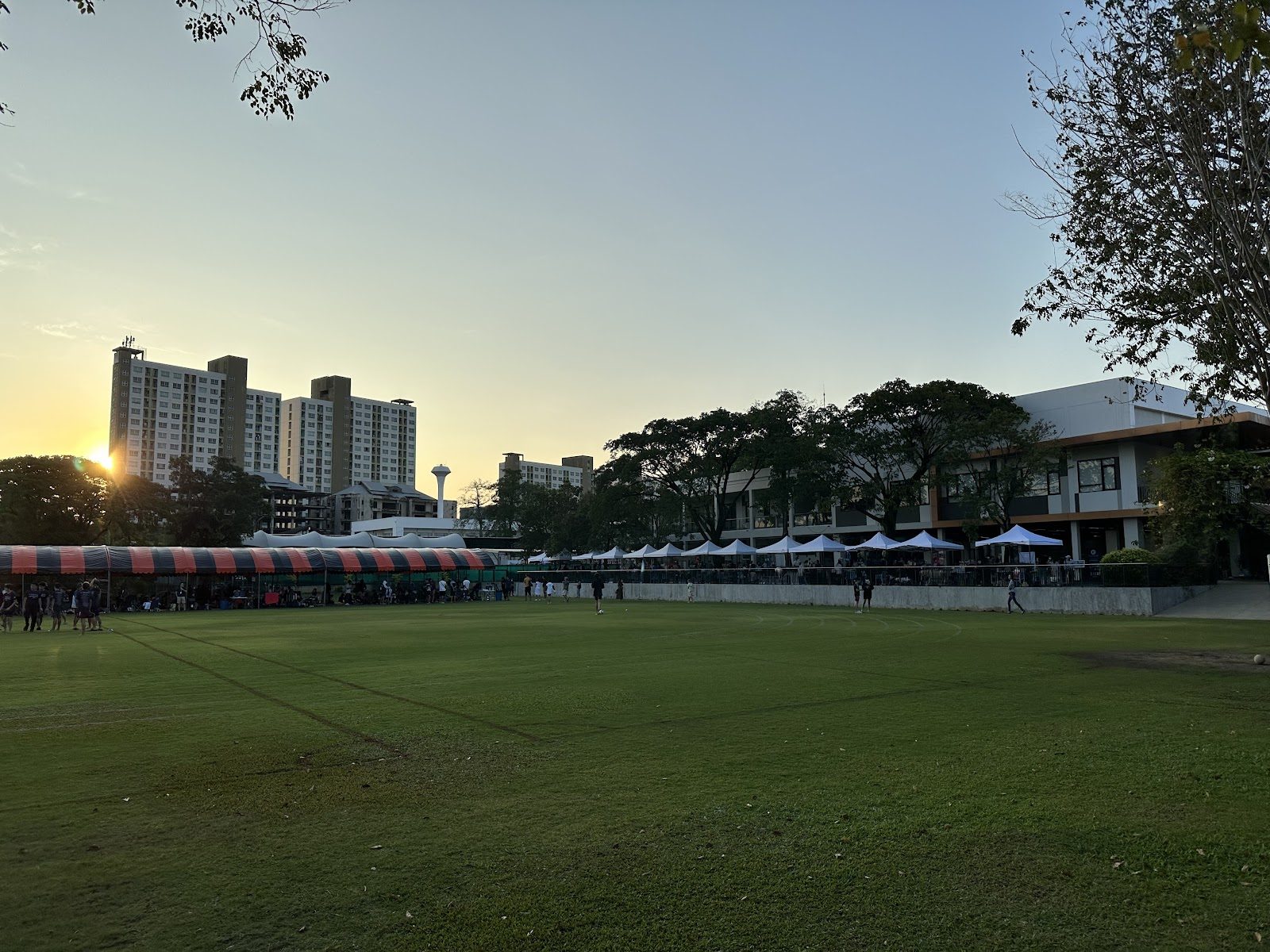
Bangkok Patana School
Bangkok · Thailand
Thailand's first British school, running since 1957, blends English curriculum grounding with IB breadth across a 17-hectare Bang Na campus.
Shrewsbury International School Bangkok
Bangkok · Thailand
A 1552 English public-school pedigree anchors a Chao Phraya riverside campus reachable by its own school boat.
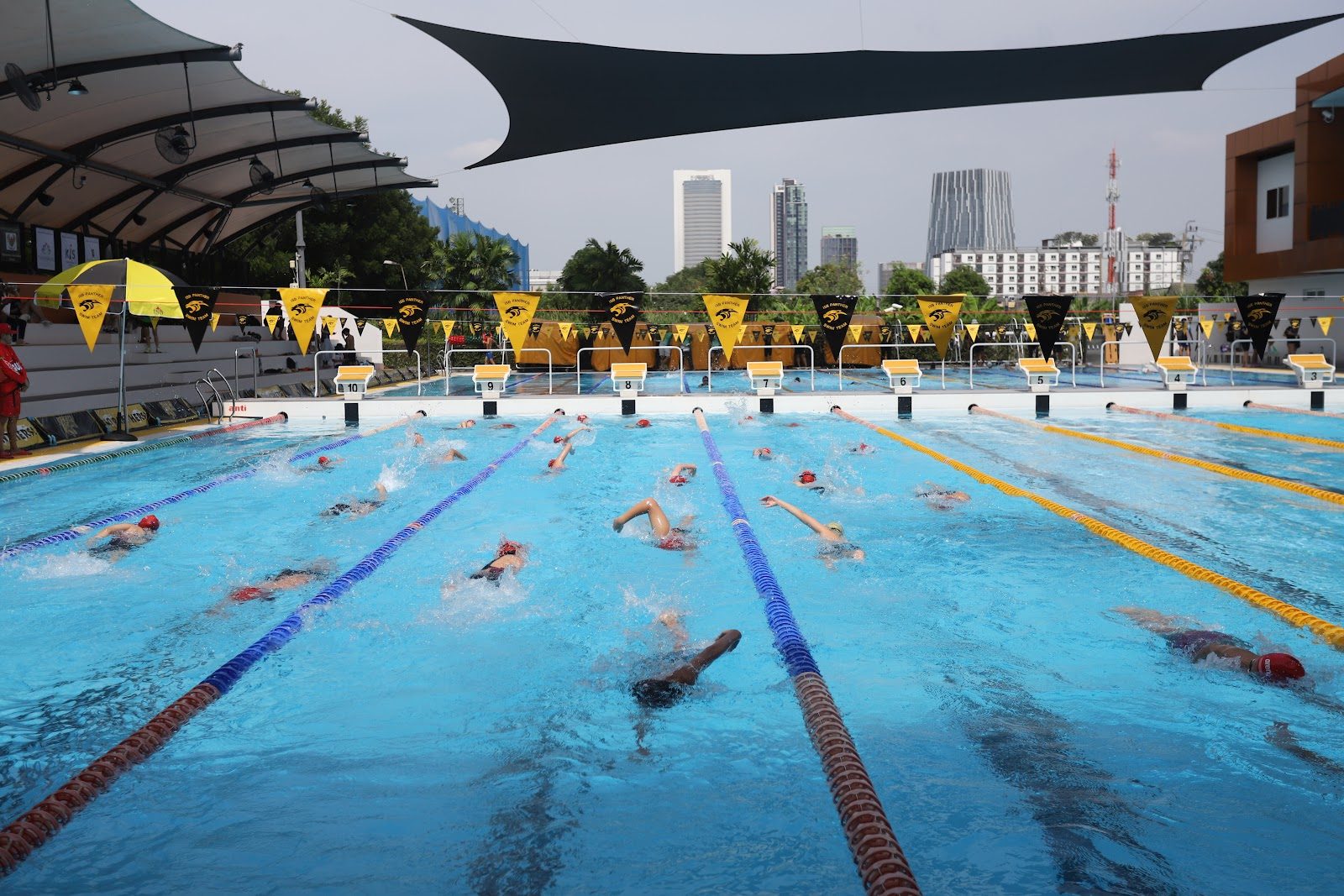
International School Bangkok
Bangkok · Thailand
Opened in 1951 as Thailand's first international school, it pioneered the country's IB Diploma and runs a wilderness campus in Phetchaburi.
Same country and curriculum — closest matches within ±10 points either way