
Essex
Felsted School
low confidence· 6/6 cats · 0 avg sourcesOne of twelve founding HMC schools, pairing a Guildhall music partnership with sixth-form choice between A levels and the IB.
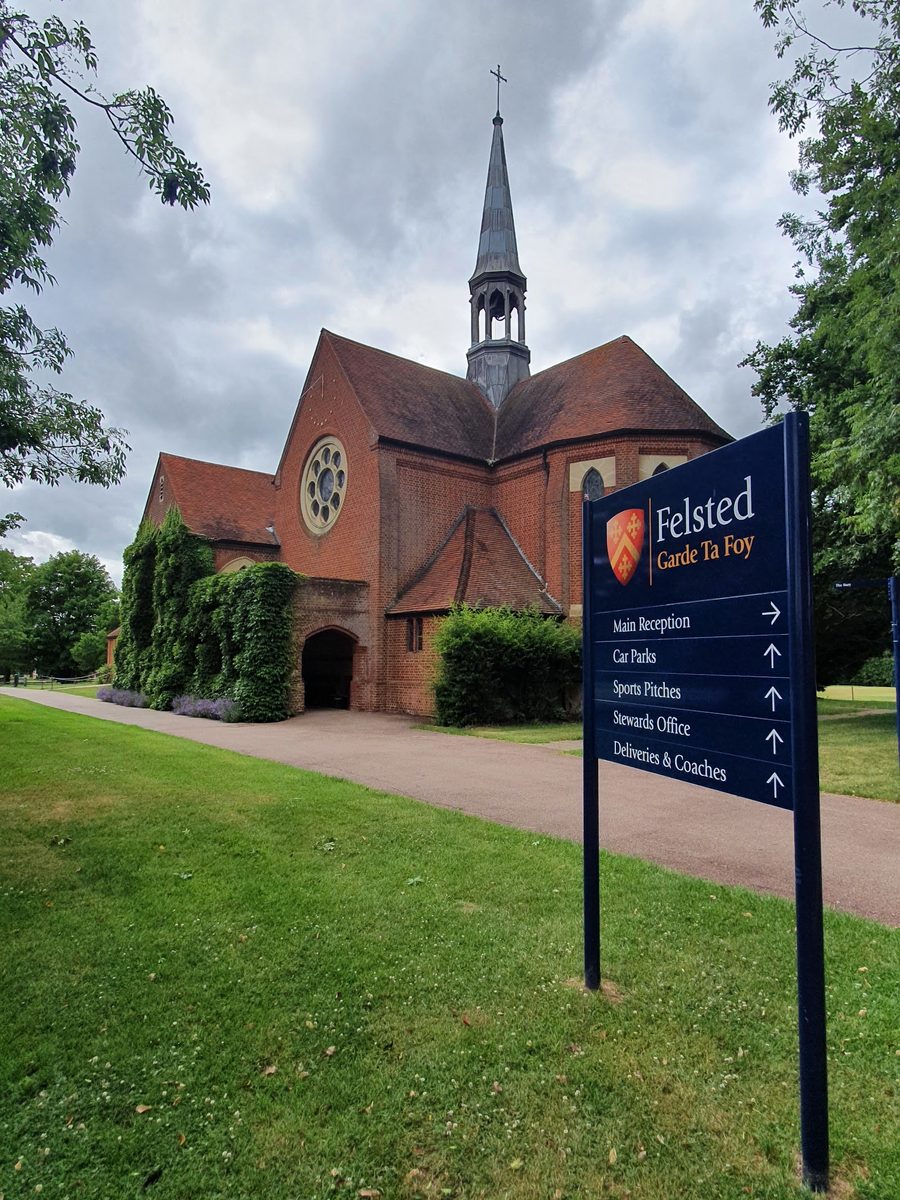
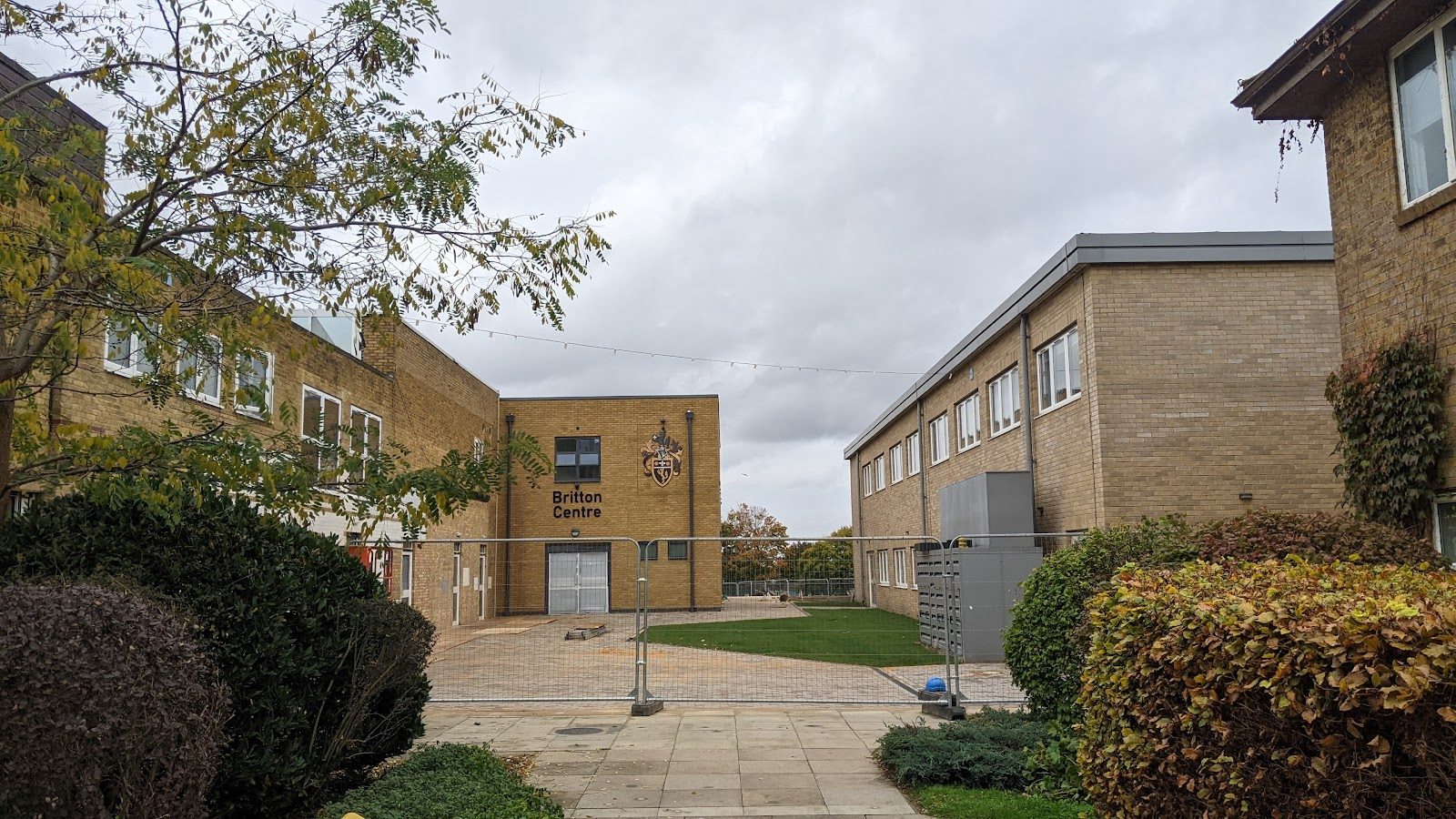
Photo © Dan Rad via Google Maps
Type
Both
Ages
13–18
Curriculum
British
Ratio
8:1
The Verdict
Editor's commitment
Right for
Families wanting a British senior school in Felsted with sixth-form choice between A levels and the IB, plus boarding or day entry.
Wrong for
Parents seeking a cheaper route, a city campus, or schooling before 13: this listing covers ages 13–18 only.
Watch out for
Average fees are £23,000 a year for day pupils and £45,000 for boarders; the 1564 heritage does not make it good value.
Ranking breakdown
Felsted School · #375 of 1591
Composite score 70.9. 8 weighted criteria.
By criterion
Academic Outcomes
Weight 20%
#512
of 1529 scored
University Placement
Weight 16%
#516
of 1529 scored
Prestige & Heritage
Weight 12%
#377
of 1571 scored
Alumni Network
Weight 12%
#234
of 1530 scored
Facilities
Weight 12%
#406
of 1533 scored
Transparency & Communications
Weight 8%
#594
of 1532 scored
Peer & Industry Review
Weight 10%
#604
of 1548 scored
Admissions Selectivity & Demand
Weight 8%
#400
of 1529 scored
Peer & Industry Review
How Felsted School is regarded in the sector
68
Respected · medium confidence
Felsted School holds a consistent place among Britain's recognised independent schools, appearing in the Tatler Schools Guide year after year alongside heavyweight names such as Eton, Harrow and Cheltenham Ladies' College. The Good Schools Guide's independent verdict is notably warm, calling it "a school that's exceptionally easy to like" and praising its commitment to neurodiversity, wellbeing and sport alongside solid academics. As a founding member of the Headmasters' and Headmistresses' Conference and a full member of the Round Square Conference, its institutional standing among peer schools is well established, reinforced by a shortlisting for Boarding School of the Year by the TES. Coverage is thorough rather than sensational: there is no WhichSchoolAdvisor entry for this UK school, but the weight of Tatler and Good Schools Guide attention marks it as a respected, if not globally headline, name in the British boarding sector.
Editors' overview
Felsted’s clearest point of difference sits in the sixth form: pupils can take either A levels or the IB, a serious advantage for families who want breadth of choice at 16 rather than a school that forces one route. That flexibility matters more here because Felsted is not a narrow exam factory. It sells an all-round boarding education on a 90 acre rural campus in Essex, one hour from London and Cambridge, and the proposition is old-fashioned in the best sense: space, structure, co-education and a full boarding-school rhythm without the social strain of a London day school. The school’s history also carries weight. Founded in 1564, it is one of the twelve founding HMC schools, which places it in a select historic tier of English independent schools, even if that status alone does not settle the question of fit.
What puts Felsted on a shortlist is the combination of tradition and range. It is a British school for ages 13 to 18, taught in English, non-religious, and open to both day pupils and boarders. That matters for international families who want classic UK boarding without a confessional overlay, and for local families who want the same infrastructure with contemporary boarding options. The average annual fee is £45,000 for boarding and £23,000 for day pupils across the full senior ladder, which places Felsted in the expensive but not stratospheric bracket of UK independents. The editorial tagline points to another useful distinction: a Guildhall music partnership. That gives the school extra appeal for pupils who are serious about music and want high-level training inside a conventional academic school rather than a specialist conservatoire track.
The student who will want Felsted is not the child hunting an urban, high-pressure, aggressively polished school. Felsted suits pupils who will use the campus, the boarding community and the sixth-form choice properly: grounded, busy, outward-looking teenagers who want solid academics with room for sport, music and a broader school life. It also suits families who value institutional depth and a school with a long-established boarding culture. What the school does not publish here is the hard data that sharpens a final judgement — no public exam outcomes, no destination profile, no inspection rating in this extract. That opacity does not cancel Felsted’s appeal, but it does mean parents should ask direct questions. On the evidence that is public, this is a serious, traditional English boarding school with more flexibility than many of its rivals, and that alone earns it a place on a well-made shortlist.
Academic Performance
Felsted does publish one outcome measure that matters: 90% of leavers gained their choice of university, apprenticeship or employment destination, with places secured through IB, A level or BTEC results. That is a useful destination claim, and it points to a sixth form that gets a strong majority of pupils where they want to go. The weakness is obvious. The school does not publish the aggregate exam data that lets parents judge academic strength properly: no headline GCSE distribution, no A level profile, no IB average, no BTEC summary, and no breakdown by subject. Instead, it offers celebratory news items about GCSE and sixth-form success without the hard numbers behind them. For a school in this market, that is opaque, and serious families should treat it as a gap, not a detail.
Relative to peers, that leaves Felsted in a harder-to-place category academically. The school has enough breadth in the sixth form to serve pupils with different academic profiles, and that usually points away from the single-minded exam-chasing model. There is nothing wrong with that; many families want a broader school. But without published score data, Felsted does not earn a place in the data-secure top academic tier of British independents, because those schools put results into the public domain and let comparison do its work. Here, the public case rests more on destinations, range and school life than on raw examination performance.
Facilities
Facilities are one of Felsted’s stronger selling points because the school has the land to support a full boarding-school programme rather than a compressed day-school version of one. The campus covers 90 acres, which puts it in the proper country-school bracket rather than the space-starved edge of the market. That matters in practice: eight senior boarding houses give the school a substantial residential infrastructure, not a token boarding add-on, and the on-site medical centre and wellbeing centre show that pastoral provision has dedicated physical space behind it. For sport, the school itself pushes its national titles in rugby and hockey, and that claim only carries weight if the pitches, training areas and scheduling capacity are there to sustain it. Against peer schools, this is a well-built, operationally serious estate with the range expected of an established boarding school.
The more distinctive facility angle sits beyond sport. The Guildhall music partnership, flagged in our tagline, gives Felsted an extra layer for musicians that many mid-market boarding schools do not match. That does not turn the campus into a specialist arts conservatoire, but it does strengthen provision for pupils who want high-level music alongside a conventional school life. The weakness is visibility. The school’s public case does not set out its specialist teaching spaces in enough detail — no clear public inventory of theatres, studios, labs or standout academic facilities. At the top end of the sector, schools tend to document those assets precisely; Felsted leaves parents to infer quality from the broader picture. The result is a campus that reads as strong, broad and practical, if not lavishly documented.
At the top end of the sector, schools tend to document those assets precisely; Felsted leaves parents to infer quality from the broader picture
Prestige
Felsted carries real historic standing in British independent education. Founder-member HMC status matters because it places the school inside a small, old guard of established public schools rather than the crowded field of later imitators. That gives it institutional weight, a durable alumni identity and a level of recognition that travels well with British families and many international ones. The boarding reputation adds to that. A TES Boarding School of the Year win is not a trivial line in a prospectus; it is a serious external marker in a sector where many schools make the same pastoral claims. The Round Square membership also lifts the profile, signalling an outward-facing culture rather than a purely local country-school identity. This is earned prestige, not borrowed gloss.
That said, Felsted does not sit in the topmost social stratum of English boarding schools. It has name recognition, history and credibility, but not the automatic cachet of the most selective, most publicly dominant schools in the sector. The absence of published aggregate exam data also caps its prestige with hard-nosed academic families, because elite status in this market rests on outcomes as well as heritage. Where Felsted scores highly is in substantial, rounded prestige: a school known for longevity, proper boarding culture, broad sixth-form pathways and visible extracurricular strength, including 63% boarding and 90% destination success. That makes it high-status without being forbidding — respected, established and serious, but not untouchable.
That said, Felsted does not sit in the topmost social stratum of English boarding schools
Communications
Felsted communicates with parents in a confident, polished independent-school style. The public-facing basics are handled well: the website is easy to navigate, enquiry routes are clear, open events are easy to find, and contact points are visible rather than buried. That matters because schools with complex day and boarding structures can make first contact needlessly confusing; Felsted does not. The school also pushes a steady stream of news, event notices and parent-facing admissions prompts, which keeps the outward message active. Testimonials are everywhere, and they are heavily curated in the way schools use them to reinforce reassurance, pastoral warmth and satisfaction with boarding. That creates a coherent tone, but it also gives the communications an overtly managed feel. Parents get plenty of mood and affirmation; they get less hard operational detail than the strongest schools provide.
That imbalance carries into substance. Felsted talks fluently about wellbeing, boarding culture, character and opportunity, and the scale of the school helps that story land: eight senior houses, an on-site medical centre, an on-site wellbeing centre and a large residential community give the pastoral message real structural backing. Where communication is weaker is accountability. The school does not publish the exam data, destination breakdowns by course, or detailed facility information that serious, comparison-minded parents use to test claims. So the verdict is mixed but clear: day-to-day parent reassurance looks well drilled and institutionally competent; evidence-heavy communication is less transparent than it needs to be.
Uniqueness
Felsted’s distinctiveness lies in combination, not gimmick. Few schools in this part of the market join an old public-school inheritance to a genuinely flexible sixth form and a boarding culture that reaches beyond the pupils who sleep on site. The dual route at sixteen matters because it widens the academic fit: a pupil who thrives with subject specialisation does not need to abandon that path, while one who wants the breadth and structure of the IB has that route too. Add the Guildhall music partnership and Felsted gains a second point of difference: serious musicians can pursue high-level training inside a full-spectrum school rather than splitting life between school and external conservatoire teaching. That produces a student experience with more room in it — more routes, more combinations, fewer dead ends.
The other piece is the social shape of the school. With eight senior boarding houses and 63% of pupils boarding, Felsted runs on a true residential rhythm, not a day-school timetable with boarding attached at the edges. That changes daily life for everyone, including day pupils: evenings, weekends, friendships and activities have more continuity and more structure. For international families, that means a school with a settled boarding core rather than an improvised one. For local families, it means access to the same infrastructure without committing to full-time residence from the outset. The benefit to students is plain: a more integrated, less fragmented school life, with academic choice, music strength and boarding culture working together rather than competing for space.
That flexibility matters more here because Felsted is not a narrow exam factory
Student Profile
Felsted suits pupils who want a full-spectrum school life rather than a narrow academic grind. The fit is strongest for teenagers who like structure, are happy living in a visible community, and will make use of what a residential school offers after lessons as much as during them. Sporty pupils have obvious room here, given the school’s public emphasis on team success, but Felsted is not only for athletes. Musicians with real intent have a stronger case than at many comparable schools because of the Guildhall link, and sixth formers who need choice at sixteen rather than a single academic track also fit well. The social type that does best is engaged, resilient and join-in rather than aloof. With eight senior houses and 63% of pupils boarding, this is a school where communal life is not optional background noise; it shapes the culture.
The weaker fit is easy to define. A child who wants anonymity, urban energy or an intensely intellectual hothouse will find Felsted too contained and too invested in the all-round ideal. It also does not suit families who judge schools primarily by publicly available results data, because the school asks parents to buy into its broader case without laying out the full academic scorecard. Pupils who thrive here are grounded, socially capable and willing to commit to the rhythms of house, team, ensemble and school routine. For the right student, that delivers a stable, confidence-building adolescence.
What puts Felsted on a shortlist is the combination of tradition and range
Co-curricular strengths
Arts & sport, on a separate axis
Overall 9.14/10
Scored 0-10 from the school's own published evidence. This axis is editorial-only — it does not feed the main WTS ranking.
Sports
9.5/10
Drama
9.2/10
Dance
8.5/10
Music
9.3/10
Visual Arts
9.2/10
Strengths
- +One of only 12 founding member schools of the Headmasters' and Headmistresses' Conference (HMC), reflecting a long-established public school pedigree dating to 1564.
- +Offers both A Levels and the International Baccalaureate Diploma within the same sixth form, a dual-pathway option not common among schools of similar size.
- +World-class co-curricular provision, with sport (9.5), music (9.3) and drama (9.2) all scoring in the top band and dance (8.5) rated elite.
- +Named Boarding School of the Year at the TES Schools Awards 2023, alongside a full range of flexible boarding patterns (three, five or seven nights a week).
- +All-through structure on a single 90-acre rural campus in Essex, roughly an hour from London and Cambridge and about 20 minutes from Stansted Airport, easing logistics for international and commuting families.
Considerations
- −Senior full (seven-night) boarding fees stand at £56,100 for 2025/26, placing the school firmly in the premium fee bracket typical of HMC boarding schools.
- −Sixth Form entry is competitive and grade-conditional, requiring a minimum of 32 points across six GCSEs plus grade 6 (grade 7 in maths/sciences) in intended A Level subjects, so weaker academic performers may struggle to secure a place at 16.
- −Rural Essex setting means day pupils rely on school bus routes rather than easy independent transport links, a factor for families without a car or living outside the catchment network.
- −Felsted lacks the national name recognition of the very top academically selective boarding schools, which may matter to families chasing the highest Oxbridge or elite-university placement rates.
Availability
Primary entry gate & tests
13+ ISEB / 16+ Exams
Gallery
Photo © abhimanyu kalita via Google Maps
Photo © abhimanyu kalita via Google Maps
Photo © abhimanyu kalita via Google Maps
Photo © Christine Zeelie via Google Maps
Photo © Christine Zeelie via Google Maps
Photo © Christine Zeelie via Google Maps
Photo © Christine Zeelie via Google Maps
Photo © P Reddy Madadi via Google Maps
Photo © Jonathan Davis via Google Maps
Parent reviews
Have you sent your child here?
Voice reviews carry the strongest trust badge — we transcribe them for you to tidy up before they go live. Prefer to type? A written review is fine too.
Add your voice
In 60 seconds, tell other parents: what's the best thing about Felsted School, and what surprised you when your child joined?
We ask for a Google sign-in so every review has a real face behind it — no anonymous drive-by attacks on schools, and no faked positive reviews. Your email is never shown publicly.
Send this profile to a friend
International parents rely on word-of-mouth. Share this review with someone weighing the same decision.
Schools with places
Similar schools to Felsted School with places available now.
Latymer Upper School
London · United Kingdom
- 2026-27
- CLOSEDStandard route
- 2027-28
- PLACES OPENCloses Nov
City of London School
London · United Kingdom
- 2026-27
- CLOSEDStandard route
- 2027-28
- PLACES OPEN11+/16+ Active
Emanuel School
London · United Kingdom
- 2026-27
- CLOSEDStandard route closed
- 2027-28
- PLACES OPEN11+ / 16+ active
University College School
London · United Kingdom
- 2026-27
- CLOSEDStandard route
- 2027-28
- PLACES OPEN11+ (9 Nov); 16+ (28 Sept)
Availability first, then country, area, curriculum, price, co-curricular
Consider also
Also worth looking at alongside Felsted School.
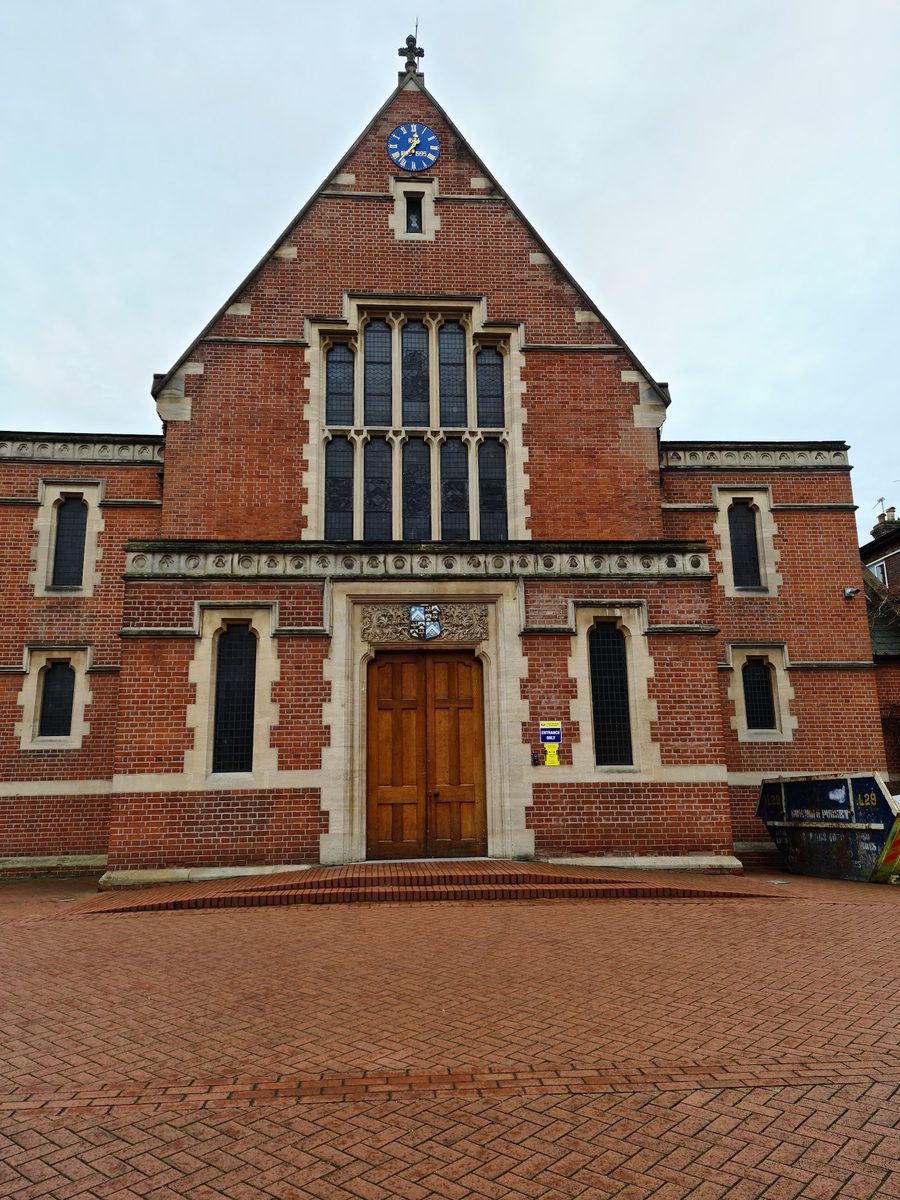
Latymer Upper School
London · United Kingdom
A 1624-founded, non-denominational day school in Hammersmith prized for its stellar Oxbridge and Russell Group outcomes.
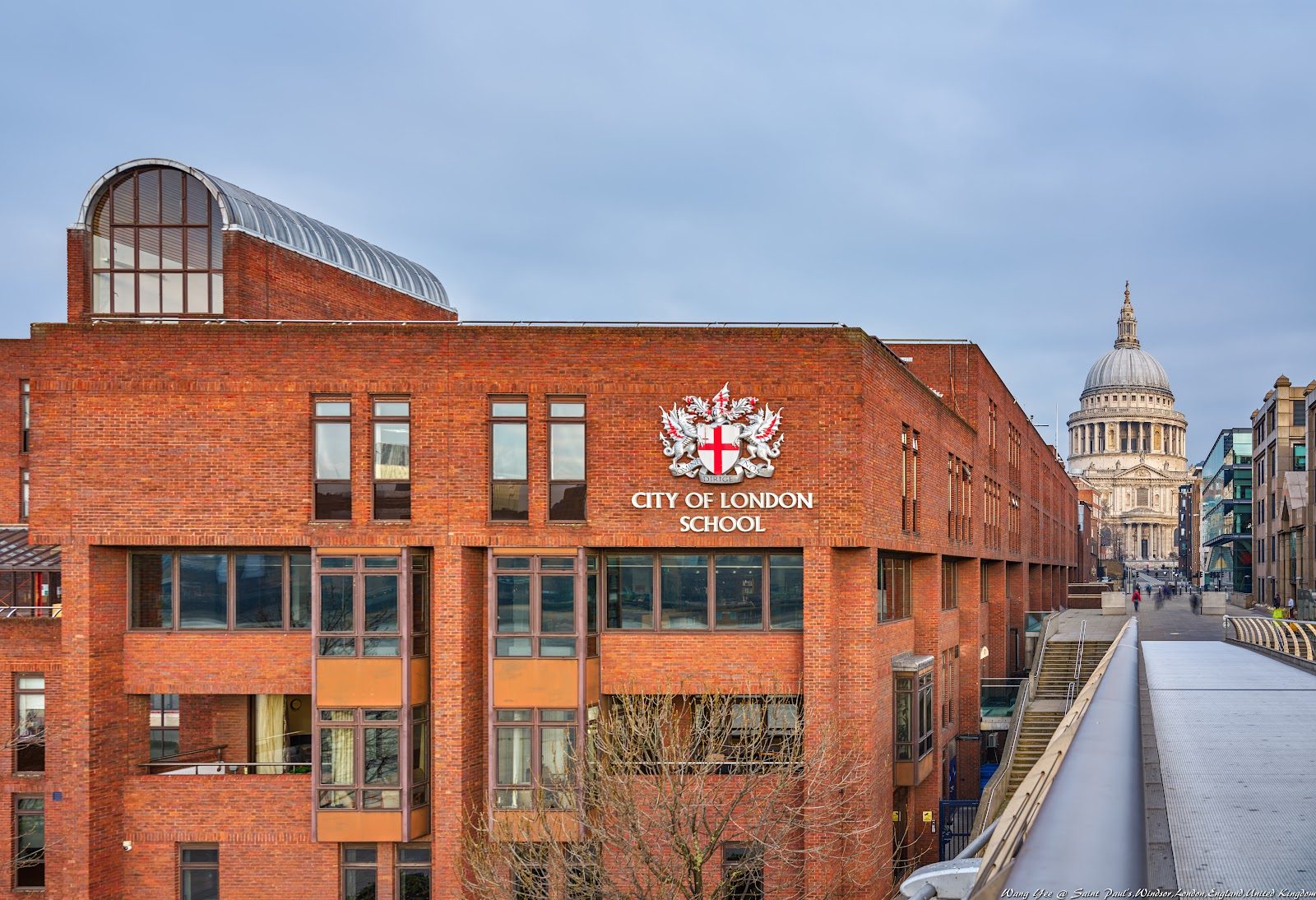
City of London School
London · United Kingdom
A 1442 bequest from the City's own Town Clerk still funds this rigorous day school perched on the Thames at Blackfriars.
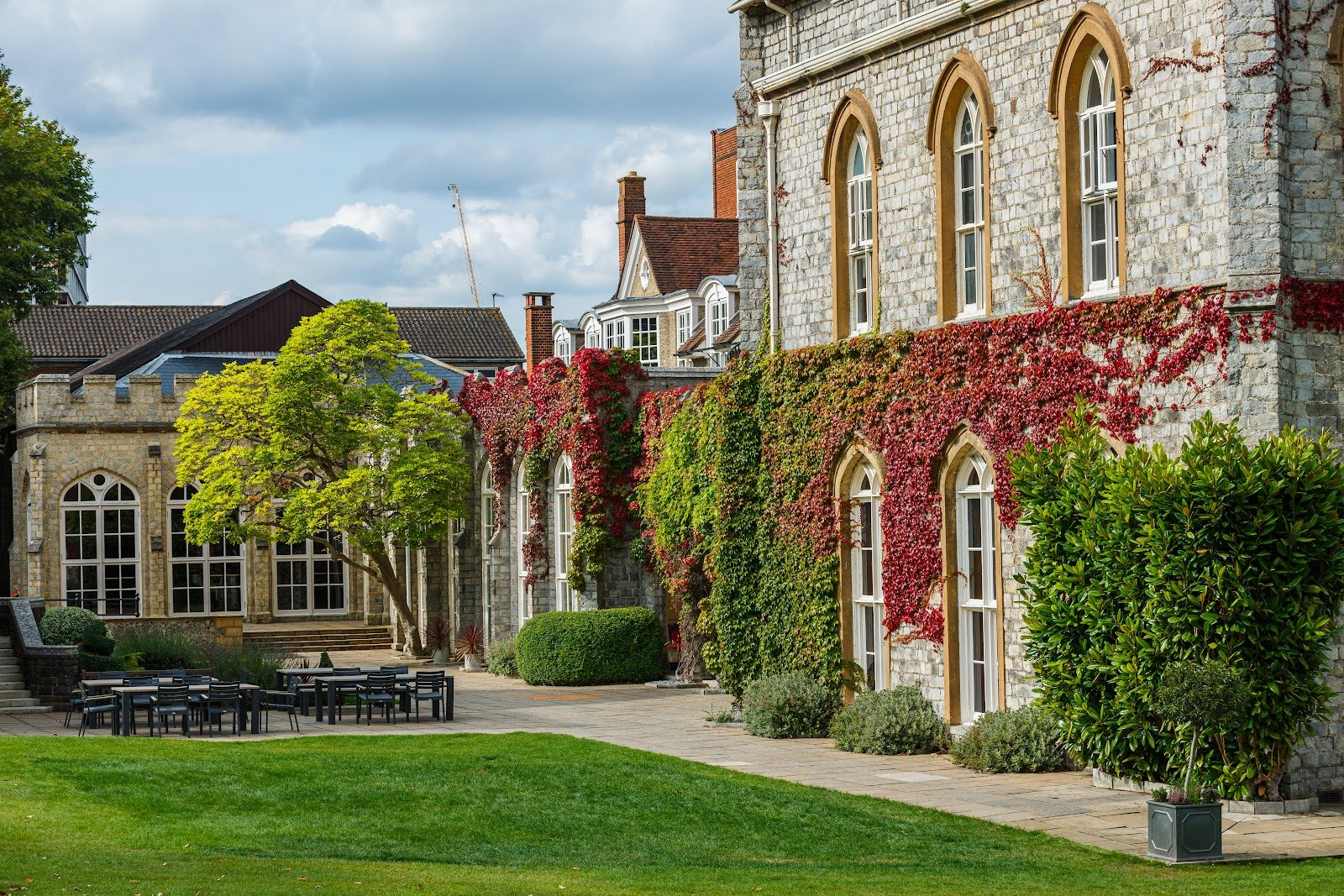
Wycombe Abbey
High Wycombe · United Kingdom
A Victorian pioneer's 1896 foundation, this Chiltern hills estate blends mixed-age boarding houses with one-in-five Oxbridge offers.
Wilson's School
Sutton · United Kingdom
A 1615 charity foundation turned super-selective grammar, thriving on a former Croydon airfield with a sharp focus on maths and computing.
Same country and curriculum — closest matches within ±10 points either way