
Europe
Francis Holland School, Regent's Park
Girls’ day school in the heart of Regent’s Park
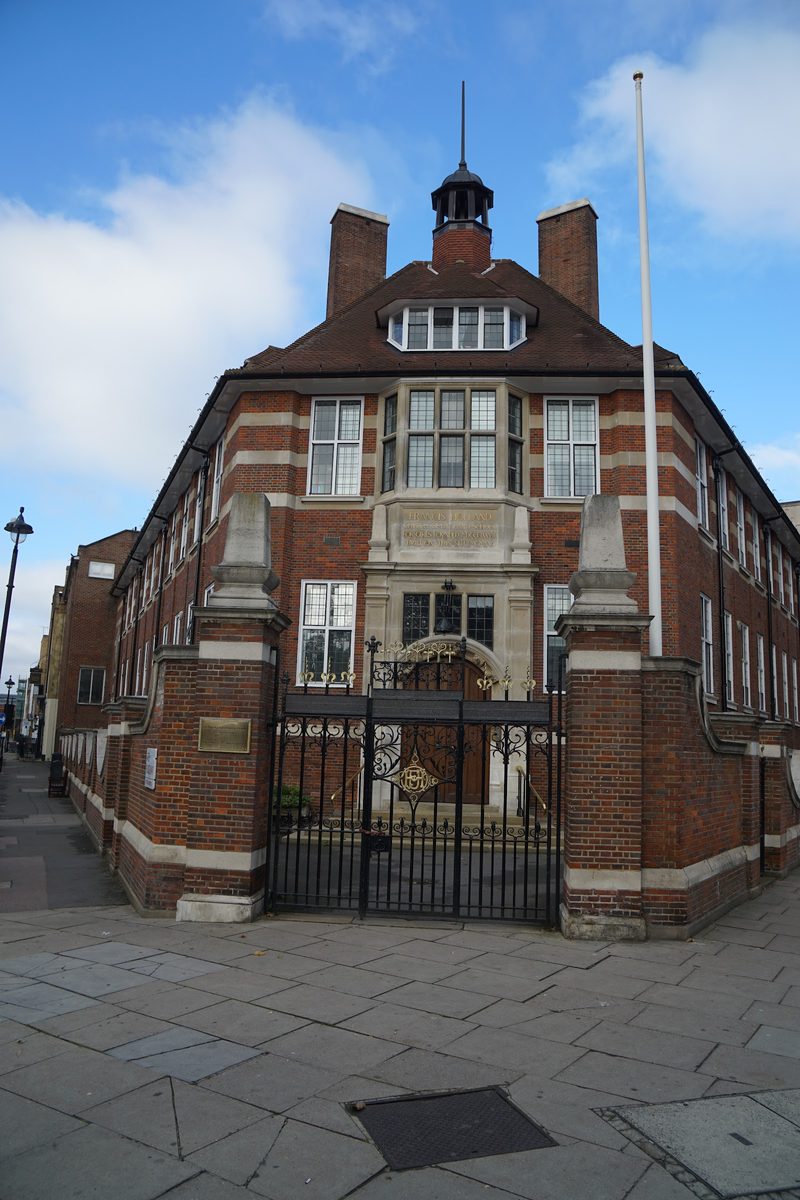
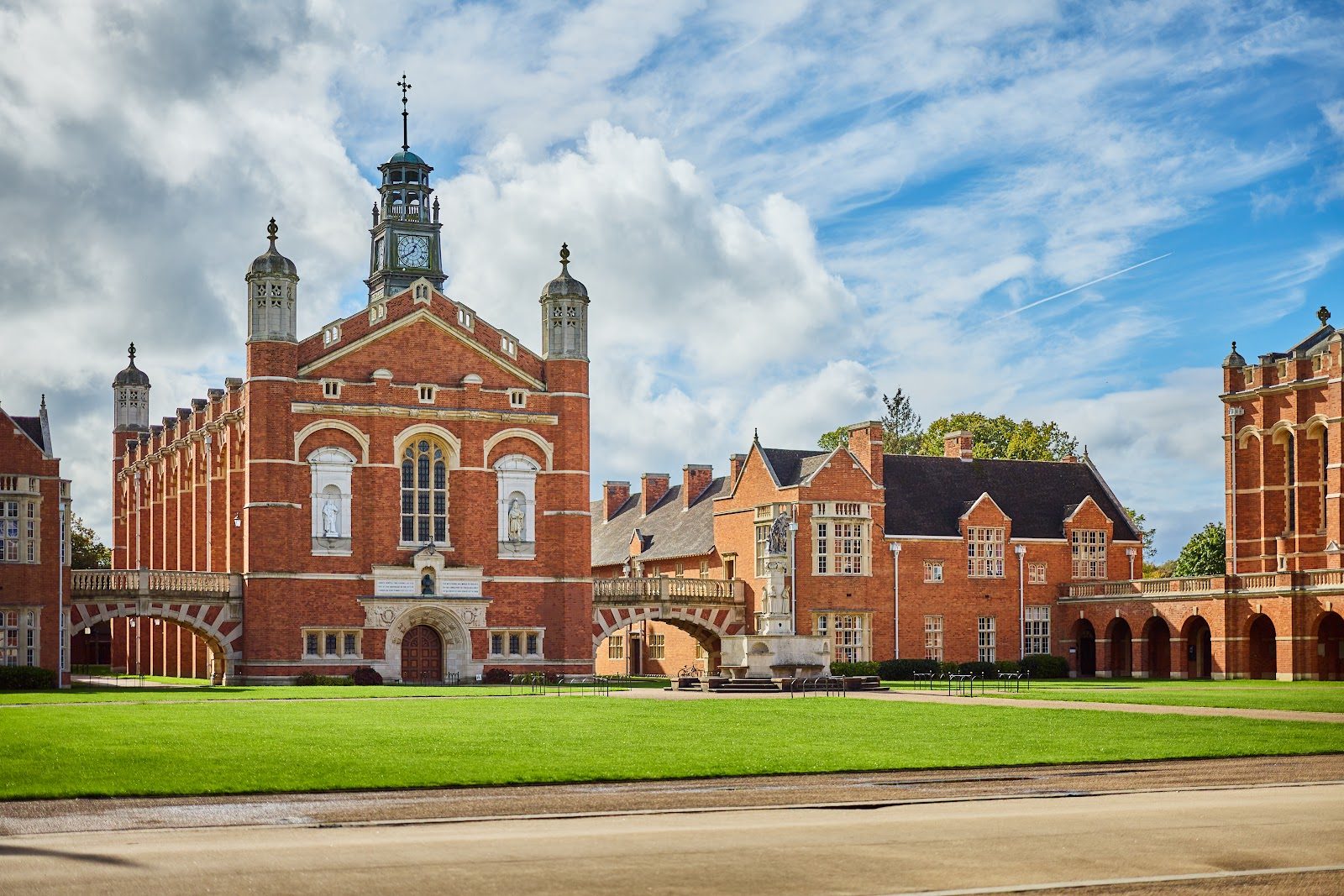
Photo © David Striker via Google Maps
Type
Day
Ages
11–18
Curriculum
British
Ratio
—
The Verdict
Editor's commitment
Right for
Girls 11–18 who want a Church of England day school in Regent’s Park with 64% A*–A at A level.
Wrong for
Families wanting co-education, boarding, or anything beyond a British curriculum in English from age 11 to 18.
Watch out for
At an average £32,535 a year, you are buying central London and 85% GCSE grades 9–7, not breadth of public detail.
Ranking breakdown
Francis Holland School, Regent's Park · #920 of 1591
Composite score 63.4. 8 weighted criteria.
By criterion
Academic Outcomes
Weight 20%
#668
of 1529 scored
University Placement
Weight 16%
#911
of 1529 scored
Prestige & Heritage
Weight 12%
#1289
of 1571 scored
Alumni Network
Weight 12%
#1061
of 1530 scored
Facilities
Weight 12%
#1090
of 1533 scored
Transparency & Communications
Weight 8%
#37
of 1532 scored
Peer & Industry Review
Weight 10%
#1373
of 1548 scored
Admissions Selectivity & Demand
Weight 8%
#686
of 1529 scored
Peer & Industry Review
How Francis Holland School, Regent's Park is regarded in the sector
Insufficient peer signal
We couldn't find enough independent third-party evidence to score this school's peer & industry standing with confidence. It doesn't mean the school isn't well regarded — only that public reputation sources we trust don't yet cover it. This axis is left blank for now and the composite score is median-imputed from the other six categories.
Editors' overview
Francis Holland, Regent’s Park trades on two things that matter and one that schools cannot fake: central London, strong public exam results, and a long-established identity. This is an 11–18 Church of England girls’ day school founded in 1878, teaching the British curriculum in English, with Regent’s Park on the doorstep and the city itself folded into the school’s pitch. The school leans hard into that urban setting. “Our school. Our city. Our future.” is not empty branding here; it defines the offer. For parents who want a cloistered campus with acres of playing fields and a sealed-off adolescent world, this is the wrong school. For families who want girls educated in the middle of London, with all the independence, cultural access and pace that entails, it has a clear metropolitan edge.
The academic case is straightforward. The school publishes *64% A–A at A level and 85% grades 9–7 at GCSE**, and those are strong numbers in a crowded London day-school market. The Good Schools Guide quotation on the homepage adds a sharper point: value added. That matters more than polished rhetoric. A school that lifts girls above baseline predictions is doing real academic work. Francis Holland, Regent’s Park therefore belongs on the shortlist for parents who want a fiercely academic girls’ school without the heavier institutional tone that defines some of London’s older establishments. At an average annual day fee of £32,535, it sits in the expensive end of the London day-school market, but not at the outermost reaches of the sector.
The pupil who will want this school is bright, self-possessed and energised by city life rather than intimidated by it. She does not need a rural campus to feel secure; she wants movement, stimulation and a sixth form with some urban confidence. The school’s public face gives less emphasis to pastoral language than to results, future-facing ambition and sixth-form identity, so parents who want exhaustive published detail on care structures, destinations or wider outcomes will find gaps: the school does not publish destination data in the source here. Still, the shape of the offer is distinctly London: academically serious, all-girls, day-only, and unapologetically embedded in its surroundings. That combination gives Francis Holland, Regent’s Park its niche, and it is a compelling option for families who value smart, ambitious schooling in the thick of the capital rather than at a polite distance from it.
Academic Performance
Externally, Francis Holland, Regent’s Park is operating at a serious academic level. The headline numbers already place it in the upper tier of London girls’ day schools: 64% at the top A-level grades and 85% at the top GCSE bands. Those figures do not put it in the tiny group of schools that post near-blanket clean sweeps, but that is not the right comparison. The more useful reading is that this is a school with genuine academic traction in a crowded, high-performing market, where many competitors also select hard and teach to a strong intake. On that measure, Francis Holland clears the bar comfortably and then pushes beyond it.
The sharper point is value added. The Good Schools Guide quotation cited by the school says pupils average one grade above baseline predictions at GCSE and places the school among the top independent schools nationally on that measure. That matters more than glossy claims of “excellence”. Plenty of London independents recruit able pupils; fewer can show that they move them on decisively. Francis Holland, Regent’s Park therefore fits as a high-output, results-driven school with academic performance that stands up against direct peers, not just weaker local competition. What remains opaque is destinations. The school does not publish university outcomes in the source here, so parents can judge exam strength clearly but not the full conversion of those results into post-school placements.
Facilities
Francis Holland, Regent’s Park sells access to the city more than acreage, and parents need to read the facilities through that lens. The website foregrounds open events, sixth form identity and outcomes; it does not publish a detailed facilities inventory, and that lack of specificity matters. There is no public case here for major sports grounds, expansive outdoor space or the kind of specialist campus infrastructure that some larger London independents use to justify their fees. Against peers with substantial estates, dedicated theatres, indoor pools or on-site pitches, this school looks tighter, more urban and less estate-driven. That is not a flaw in itself. It is the trade-off. Families buying into Regent’s Park are buying proximity, mobility and a city-based school day, not a country-house version of education transplanted into London.
That puts the school in a familiar central-London bracket: facilities matter, but location functions as part of the plant. Regent’s Park itself carries weight for sport, recreation and breathing room in a way many inner-city schools cannot match, even if it does not replace a fully self-contained campus. The school’s news feed points to engineering work, language activity, podcasts and trips, which indicates active use of teaching spaces and a programme not confined to classrooms. Still, compared with peer schools that publish floor-by-floor detail and showcase every lab, studio and performance venue, Francis Holland is less transparent about the physical offer. Parents who prioritise buildings and specialist spaces above all else will want hard answers on science, arts and sports provision before moving further.
The headline numbers already place it in the upper tier of London girls’ day schools: 64% at the top A-level grades and 85% at the top GCSE bands
Prestige
Francis Holland, Regent’s Park carries real London independent-school prestige, but it sits in a specific bracket. This is not the kind of school that trades on mystique, landed grandeur or dynastic social cachet. Its status comes from a more modern and more defensible mix: strong academic delivery, a long-standing name, and a highly marketable central setting. In London’s girls’ day-school hierarchy, that gives it genuine clout. Parents who know the sector will recognise it at once; outside that world, the name has less automatic reach than the very top handful of ancient, ultra-selective brands. That distinction matters. Francis Holland has standing, but not untouchable status.
Why rate it highly? First, the results are strong enough to sustain reputation rather than merely decorate it. 64% top A-level grades and 85% top GCSE grades give the school academic credibility with demanding families, and the quoted value-added praise sharpens that further. Second, the school has a clear social confidence: girls educated here move through one of the world’s most competitive cities as a matter of routine, and that carries its own polish. Third, the fees place it in a premium market, which reinforces exclusivity without pushing it into the most stratospheric tier. The limit to its prestige is plain: it does not project the awe factor of London’s most mythologised schools. Its appeal is more intelligent than grand — serious, polished and metropolitan.
The published top-grade figures — 64% at A level and 85% at GCSE — support the claim that this is not merely a socially polished school with a good postcode
Communications
Francis Holland, Regent’s Park communicates in a clean, high-control way. The website is polished, easy to navigate and built around the actions parents actually need: visit, book, enquire, keep up with news. Open events are pushed hard, with named entry points for both the main intake and sixth form, plus a fallback “Tour and Talk” route for families who cannot make the headline dates. That is sensible admissions communication: direct, practical and conversion-minded. The public-facing tone is also confident to the point of sharpness. It talks more about ambition, identity and outcomes than about hand-holding. For some parents, that reads as refreshingly grown-up; for others, it will feel slightly thin on reassurance.
Effectiveness is mixed, but the strengths are real. The school communicates brand and academic intent with precision, and the news feed is active enough to show a busy institution rather than a dormant website. Parents can see exam headlines, open events and snippets of pupil activity without digging. The weakness is depth. Communication works well for marketing and first contact; it works less well as a full public account of school life. We have not seen detailed destination data, a substantial pastoral explanation or a granular account of facilities, so the picture remains tightly curated. The result is efficient rather than expansive: strong at telling families why to pay attention, weaker at answering every serious question before a visit.
Uniqueness
What marks Francis Holland, Regent’s Park off from other girls’ schools is not a gimmick or a niche specialism. It is the degree to which the school treats London itself as part of the education. Plenty of urban schools use the city as backdrop. This one builds identity around it. “Our school. Our city. Our future.” is blunt, and it tells parents exactly what they are buying: a school for girls who are expected to move through the capital with ease, purpose and independence. That has consequences. The atmosphere reads outward-facing rather than enclosed, and the sixth form pitch carries a grown-up metropolitan confidence that many schools struggle to fake. For the right pupil, that produces maturity early: she learns to handle pace, proximity, public space and the cultural intensity of central London as ordinary parts of school life.
The second point of difference is the mix of that city-centre character with hard academic delivery. Schools often do one of these things better than the other. Francis Holland, Regent’s Park does both at once: a highly urban identity, and public results strong enough to give the school academic authority rather than fashionable gloss. The published top-grade figures — 64% at A level and 85% at GCSE — support the claim that this is not merely a socially polished school with a good postcode. For students, that combination brings a useful kind of formation: ambition without insulation, confidence without theatrical swagger, and an education that feels connected to the world beyond the school gate rather than buffered from it.
Our future.” is not empty branding here; it defines the offer
Student Profile
The girl who fits here has urban confidence and does not need school to cocoon her. She is academically serious, alert, articulate and comfortable with a brisker social tempo than many suburban schools demand. This is a strong match for pupils who enjoy being stretched, who like the idea of sixth form as a step towards adult independence, and who draw energy from a school culture that points outward rather than inward. The published attainment profile sets the tone: 64% top A-level grades and 85% top GCSE grades tell prospective families that diligence is normal here, not exceptional. Girls who want to coast, or who need persistent external pushing to keep up, will feel pressure.
Socially, the best fit is a pupil who is self-possessed without being showy. The school’s public face projects polish, ambition and metropolitan fluency more than softness or overt nurturance. That does not make it cold; it makes it demanding in a sophisticated way. A girl who likes ideas, conversation, culture and the movement of city life will have plenty to work with. A girl who wants acres of campus, a visibly cosy pastoral style, or a more sheltered adolescence will fit less well. Francis Holland, Regent’s Park suits students who want to grow up with pace, standards and a clear expectation that they can handle themselves.
For parents who want a cloistered campus with acres of playing fields and a sealed-off adolescent world, this is the wrong school
Co-curricular strengths
Arts & sport, on a separate axis
Overall 8.38/10
Scored 0-10 from the school's own published evidence. This axis is editorial-only — it does not feed the main WTS ranking.
Sports
8.2/10
Own swimming pool and sports hall, uses Regent's Park and Paddington Recreation Ground, fields competitive squads in nine sports, enters England Schools competitions and runs international sports tours — but without the national sporting outcomes necessary for a 9.
Drama
8.6/10
Runs through GCSE and A-level with the dedicated Helen McCrory Drama Studio, multiple productions and technical theatre.
Dance
7.8/10
Dance and Street Dance with performance opportunities and the Gym and Dance Display — substantial, but not remotely as developed as the sister school's ballet programme.
Music
8.8/10
The standout: 15 ensembles, at least six concerts annually, collaborations with Harrow, and partnerships and workshops with the Royal Academy of Music.
Visual Arts
8.5/10
Properly equipped studios, practising artists and designers on staff, and progression to leading art schools.
Editor-verified · 8/27/2026
Gallery
Photo © Lorna via Google Maps
Photo © Babak Babakinejad via Google Maps
Photo © Francis Holland School, Regent's Park via Google Maps
Photo © Sofía Rosero via Google Maps
Photo © Nicolas Tondeur via Google Maps
Photo © Dominique Van Durpe via Google Maps
Photo © Lyly G. via Google Maps
Photo © Francis Holland School, Regent's Park via Google Maps
Parent reviews
Have you sent your child here?
Voice reviews carry the strongest trust badge — we transcribe them for you to tidy up before they go live. Prefer to type? A written review is fine too.
Add your voice
In 60 seconds, tell other parents: what's the best thing about Francis Holland School, Regent's Park, and what surprised you when your child joined?
We ask for a Google sign-in so every review has a real face behind it — no anonymous drive-by attacks on schools, and no faked positive reviews. Your email is never shown publicly.
Send this profile to a friend
International parents rely on word-of-mouth. Share this review with someone weighing the same decision.
Schools with places
Similar schools to Francis Holland School, Regent's Park with places available now.
Thomas's Battersea
London · United Kingdom
- 2026-27
- CLOSEDStandard route closed
- 2027-28
- PLACES OPENRegistration open for Sept 2027 and beyond
University College School
London · United Kingdom
- 2026-27
- CLOSEDStandard route
- 2027-28
- PLACES OPEN11+ (9 Nov); 16+ (28 Sept)
Emanuel School
London · United Kingdom
- 2026-27
- CLOSEDStandard route closed
- 2027-28
- PLACES OPEN11+ / 16+ active
City of London School
London · United Kingdom
- 2026-27
- CLOSEDStandard route
- 2027-28
- PLACES OPEN11+/16+ Active
Availability first, then country, area, curriculum, price, co-curricular
Consider also
Also worth looking at alongside Francis Holland School, Regent's Park.
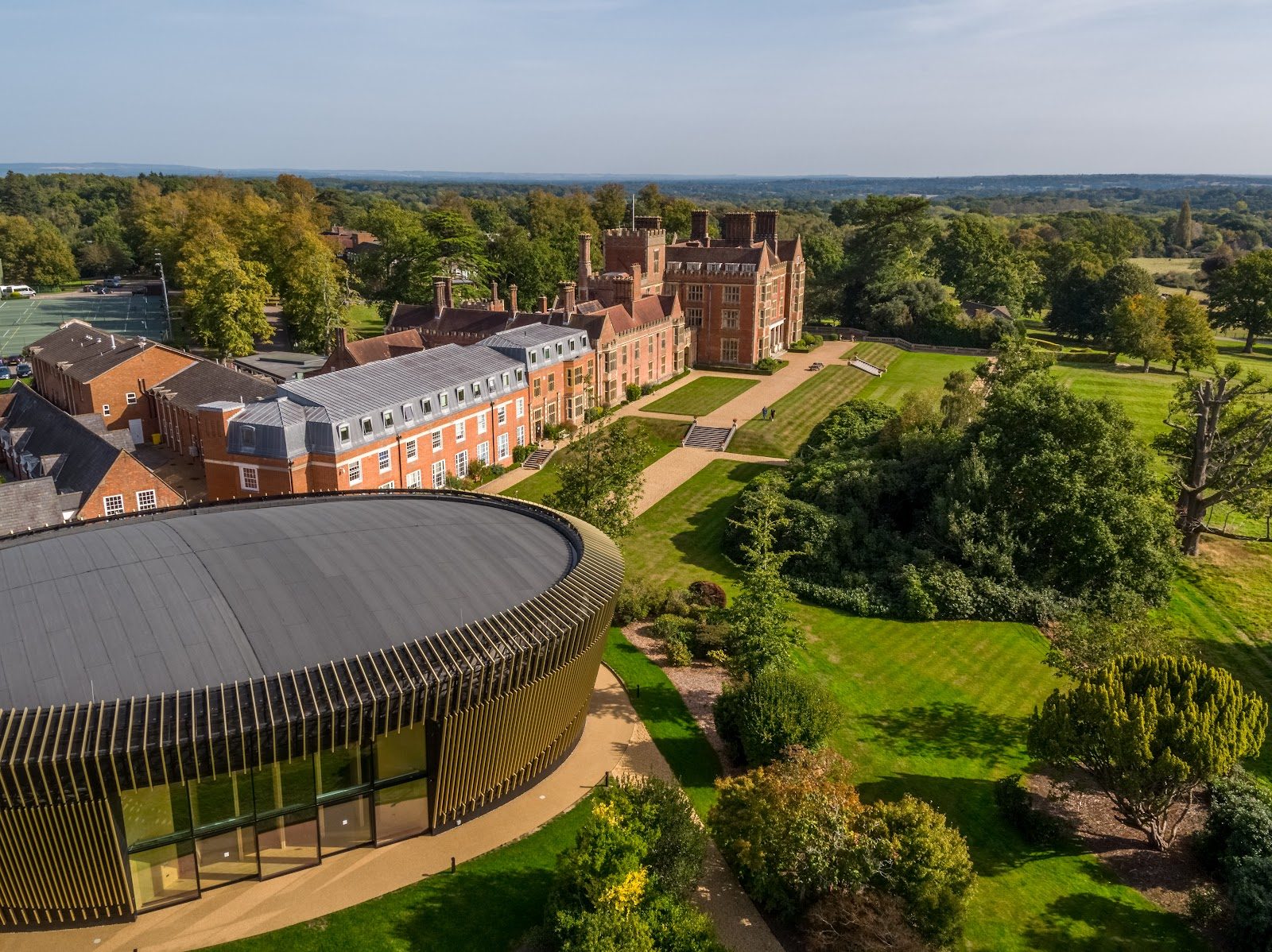
Benenden School
Cranbrook · United Kingdom
Amid 250 acres of Wealden parkland, the full-boarding spirit that inspired Malory Towers still runs through ten close-knit houses
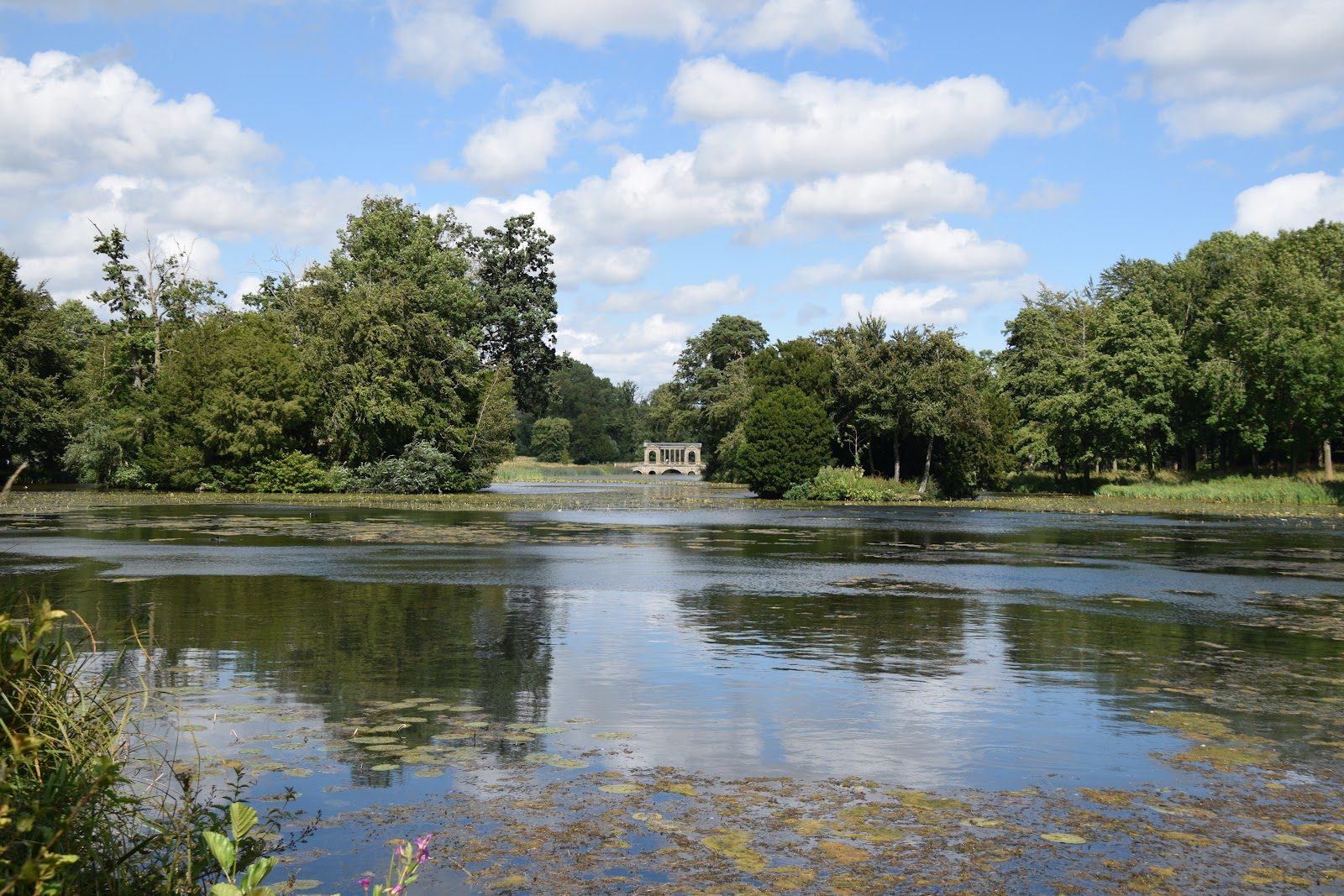
Stowe School
Stowe · United Kingdom
Boarders learn inside a Grade I neoclassical mansion set within an 18th-century landscape garden that shaped English garden design.
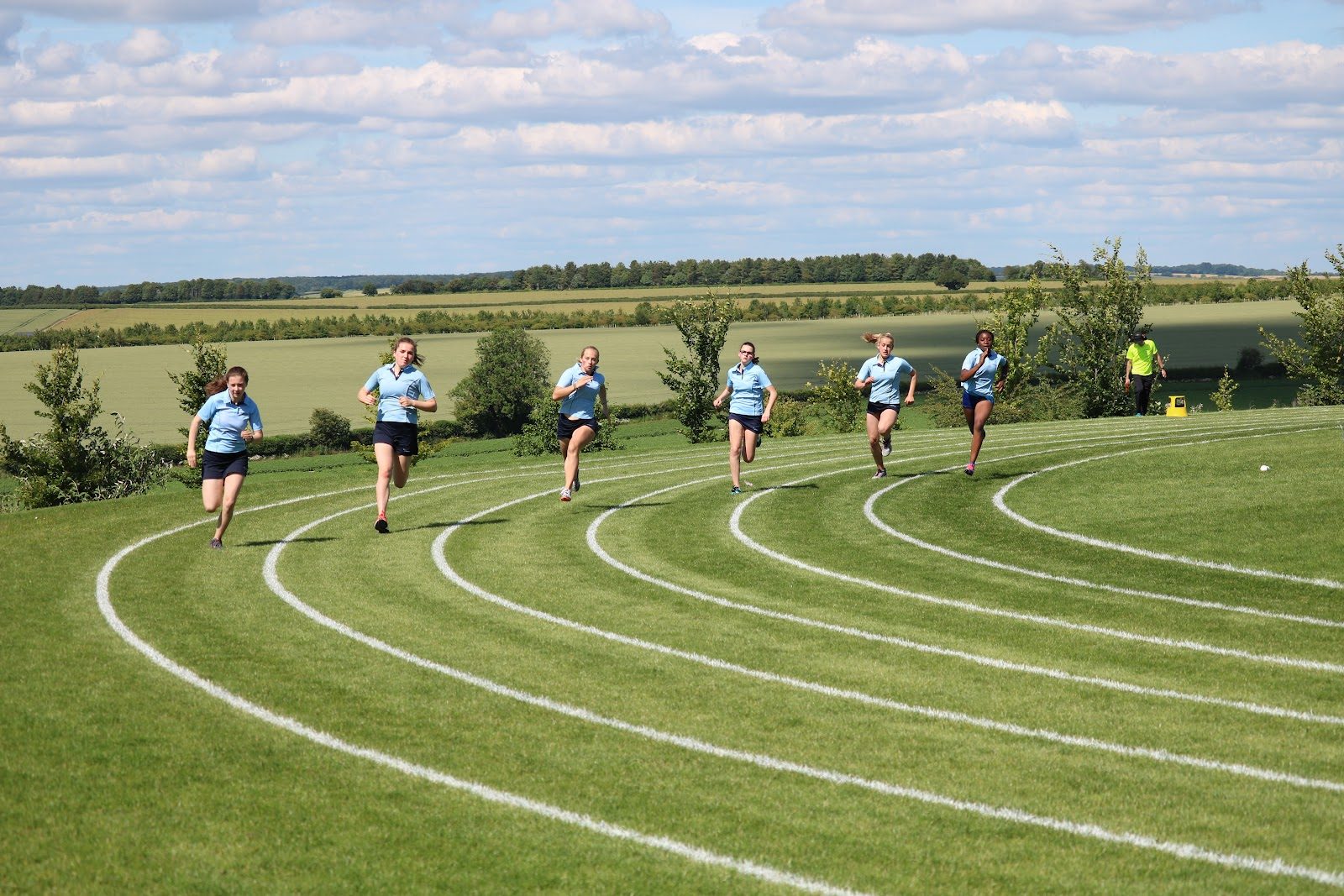
St Swithun's School
Winchester · United Kingdom
Perched above Winchester's chalk downs, this girls' school pairs cathedral choir tradition with a serious grounding in the sciences.
Christ's Hospital
Horsham · United Kingdom
Tudor bluecoat uniforms unchanged since 1552 meet a bursary scheme that funds most pupils, set across 1,200 acres of Sussex countryside.
Same country and curriculum — closest matches within ±10 points either way