
Indiana
Carmel High School
low confidence· 2/6 cats · 3.2 avg sourcesThirty-nine consecutive state swimming titles crown Indiana's largest public campus, home to a 500-voice choral program.
Photo © Jason Schug via Google Maps
Type
Day
Ages
13–18
Curriculum
American
Qualifications
AP
Ratio
1:20
The Verdict
Editor's commitment
Right for
Families wanting Indiana's largest public campus, a 1:20 ratio, and serious scale in swimming and a 500-voice choral programme.
Wrong for
Parents wanting small-school intimacy, boarding, or a faith ethos; this is a secular day school for ages 13–18.
Watch out for
Founded in 1873 and sitting in a 16,000-student district, Carmel offers breadth; individual attention works harder at this size.
Ranking breakdown
Carmel High School · #592 of 1591
Composite score 60.5. 8 weighted criteria.
By criterion
Academic Outcomes
Weight 20%
#450
of 1529 scored
University Placement
Weight 16%
#848
of 1529 scored
Prestige & Heritage
Weight 12%
#912
of 1571 scored
Alumni Network
Weight 12%
#1487
of 1530 scored
Facilities
Weight 12%
#22
of 1533 scored
Transparency & Communications
Weight 8%
#62
of 1532 scored
Peer & Industry Review
Weight 10%
#533
of 1548 scored
Admissions Selectivity & Demand
Weight 8%
#1518
of 1529 scored
Peer & Industry Review
How Carmel High School is regarded in the sector
70
Respected · medium confidence
Among Indiana public schools, Carmel is consistently cited as a benchmark: Niche.com and U.S. News rankings place it near the top statewide, a point regularly referenced by rival Hamilton County districts (Fishers, Westfield) when discussing competitive positioning. Its swim program's dominance is a recurring subject of Indianapolis Star sports coverage, cited by rival coaches as the state standard. The speech and debate team's results at National Speech and Debate Association tournaments and the marching band's Bands of America Grand Nationals appearances give it visibility in national activity-specific press well beyond Indiana, distinguishing it from typical comprehensive publics. University-facing signals are less distinct: Carmel is a known quantity to Indiana University, Purdue, and regional flagships, which recruit heavily from its class, but it does not carry the same individualized admissions-office recognition as elite independent schools. Independent education press (Niche, U.S. News) treats it as a strong public option rather than a nationally elite feeder school, and it is essentially invisible in independent-school-specific outlets like Good Schools Guide or WhichSchoolAdvisor, which focus on private/international markets.
Award

Elite Entrepreneurship, Economics & Finance 60
World's Top School · The Global Ranking
Carmel High School is featured on our Global Top 60 ranking at #23. This seal is available for the school's marketing team to use on their website, prospectus and social channels.
- Todd Young — U.S. Senator, Politics
- Lilly King — Olympic gold medalist, Swimming
- Blake Pieroni — Olympic gold medalist, Swimming
Editors' overview
Carmel High School sits inside Carmel Clay Schools, an Indiana public district serving about 16,000 students across 15 sites, with an A rating from the Indiana Department of Education and 10 National Blue Ribbon Awards at district level. The school’s headline distinction is scale used with intent: this is Indiana’s largest public campus, and it turns size into range. The draw is not intimacy. It is breadth — serious athletics, substantial performing arts, and a menu of activities that gives ambitious teenagers room to specialise early or try several tracks at once. For parents who want a public American high school with real institutional heft, competitive energy and visible extracurricular muscle, Carmel merits a hard look.
What puts it on a shortlist is the concentration of opportunity in one place. Thirty-nine consecutive state swimming titles signal an athletic machine, not a one-off peak. A 500-voice choral programme points to the same pattern in the arts: depth, staffing and enough student demand to sustain work at scale. The district frames its mission around opportunity for all students to realise their potential; at school level, the practical reading is clear enough — pupils get access to a big-stage environment where high performers can chase distinction and busy, capable students can build a crowded timetable. The published student-teacher ratio of 1:20 is workable for a large public school, though families seeking tutorial-style attention or a highly sheltered setting will not find that here.
The best fit is a self-propelled teenager who wants a lot happening around them and has the confidence to use it. Swimmers, singers, committed athletes, performers and students who enjoy the churn of a large campus will thrive in Carmel’s high-output culture. So will pupils who like mainstream American school life at full volume — Friday-night sport, major ensembles, extensive clubs, and a broad peer group. Students who need a quieter social climate, tighter adult oversight, or a deliberately small community may find the place demanding rather than nurturing. Carmel High School suits families who value scale, ambition and momentum over boutique pastoralism.
An Elite Entrepreneurship, Economics & Finance 60 school
Carmel High School, in Carmel, Indiana, sits at rank twenty-three on the Elite Entrepreneurship, Economics & Finance 60 because it produces the largest sustained volume of internationally competitive business students of any school on this list. Carmel's DECA chapter is recognized as one of the largest in the world, and in 2026 its 87-student delegation at the DECA International Career Development Conference in Atlanta returned with five DECA Glass trophies -- DECA's top-three-in-the-world honor -- across entrepreneurship, finance, hospitality and marketing categories, alongside an unprecedented number of top-ten international finalists.
The specialism runs through Carmel's Career and Technical Education department, which houses a Business, Marketing, Information Technology and Entrepreneurship pathway built to feed that competitive pipeline. Roughly 450 students join Carmel DECA each year, and eligibility requires a full year of Business or Computer Science coursework before students may compete in roleplay-based business simulations or written business-plan and research tracks. Carmel also offers IB Business Management alongside standard AP economics options. What Carmel does not have is applied-finance infrastructure of the kind found higher on this list -- no Bloomberg terminal or publicly documented real-money student investment fund -- so its strength is competitive throughput and coaching depth rather than trading-floor simulation.
Notable alumni working specifically in finance or entrepreneurship are still emerging from Carmel's business program; the school's strongest evidence is institutional rather than individual. Since 2015, Carmel DECA members have won ten individual world championships, twenty-four top-three world finishes and sixty-seven top-ten world placements at ICDC, and the 2026 conference alone produced eight new international champions among thirty-one students honored on stage.
International openness is genuinely constrained here, because Carmel is a large public high school rather than a boarding institution. Overseas applicants can only enter on an F-1 visa, which federal law caps at twelve months at a public school, and the district must charge the full unsubsidized per-capita cost of education -- in the range of Carmel Clay Schools' reported per-student spend of roughly thirteen thousand dollars annually. There is no boarding; placement requires a host family living inside the district's attendance boundary, and English-language support is integrated into mainstream classes rather than run as a separate international department. This makes Carmel a strong one-year, competition-season immersion for a DECA-focused overseas student, not a long-term diploma destination. Families should start the I-20 and host-family process at least nine months ahead of the target semester.
Academic Performance
Carmel’s academic reputation rests on district-level strength, not on published school-level exam data. Carmel Clay Schools holds an A rating from the state and counts 10 National Blue Ribbon Awards across the district, which places the system in the upper tier of Indiana public education. That matters, but it is not the same thing as a transparent account of Carmel High School’s own external results. The school does not publish aggregate AP outcomes, SAT or ACT averages, IB data, or university matriculation figures in the public domain supplied here. For a campus of this scale and profile, that gap is conspicuous. Parents comparing academically ambitious American schools need harder numbers than district honours and broad claims about achievement.
Relative to peers, Carmel fits the category of a high-performing mainstream public school with strong institutional backing and a large academic ecosystem, but not one that makes its examination record easy to audit from published headline figures. In practice, that puts it behind the most data-transparent US schools, which disclose score distributions, participation rates, and college outcomes in detail. It still sits ahead of ordinary district comprehensives on reputation and district performance, yet the academic picture remains less crisp than it should be. The school’s standing is strong; the published evidence for external examination success is thinner than serious parents deserve.
Facilities
Carmel’s facilities matter because the school runs at the scale of a civic institution, not a modest neighbourhood high school. The public facts point less to a single signature building than to a campus built to carry heavy extracurricular traffic across academics, sport and the performing arts. A swimming programme with 39 straight state titles does not exist without serious aquatic provision, dependable scheduling and coaching infrastructure that can sustain elite-level training year after year. The same logic applies to a choral operation of 500 voices: rehearsal space, performance capacity and music staffing all need to function at a level above the ordinary American comprehensive. Add a district that serves 15 sites and staffs a large system, and the facilities picture is one of institutional muscle rather than boutique polish.
Against peer public schools, that places Carmel in the upper bracket for breadth and usable scale. Many large US state schools have a gym, a theatre and standard athletic fields; fewer support standout programmes in both swimming and choral work at this intensity. Carmel’s edge lies in infrastructure that is clearly used hard and used well. The trade-off is familiar: families should expect a busy, high-volume environment, not intimate specialist spaces with low student load. For teenagers who want major teams, large ensembles and the rhythms of a full-throttle public campus, the facilities are a real asset. For pupils who need quiet, containment or a more curated physical setting, size cuts the other way.
Carmel High School suits families who value scale, ambition and momentum over boutique pastoralism
Prestige
Carmel High School carries real domestic prestige in the way strong American public schools do: through scale, visibility, and repeated success in public competition. The district’s A rating and 10 National Blue Ribbon Awards give the school a solid institutional halo, and the extracurricular record pushes that further. A run of 39 consecutive state swimming titles is not a decorative accolade; it marks a programme with staying power, coaching depth and a culture of winning. The same applies to the school’s choral life, where a 500-voice programme signals serious reach and critical mass. That combination gives Carmel a high-profile, competition-hardened reputation that travels well with universities, coaches and families who know the American public-school landscape.
Its prestige has limits, and they matter. This is not prestige built on exclusivity, selective admissions, or a published bank of elite academic outcome data. It is prestige built on being a big civic flagship that does some things at exceptional volume and standard. For many families, that is persuasive: the school offers earned local stature rather than boutique cachet. For others, the absence of clear school-level exam and matriculation figures leaves the academic side of its reputation less secure than the athletic and performing arts story. The verdict is clear: Carmel is a serious name in Indiana public education, strongest in public standing, extracurricular dominance and district credibility, weaker where hard academic disclosure should underpin status.
That matters, but it is not the same thing as a transparent account of Carmel High School’s own external results
Communications
Parent communication runs through the district rather than through a sharply defined high-school identity, and that has strengths and weaknesses. The public-facing structure is clear enough: Carmel Clay Schools maintains a central website with standard navigation for enrolment, staff search, Canvas access and quick links, serving a system of 15 sites and about 2,400 staff. That tells parents one important thing straight away: communication is built for scale, routine transactions and district-wide consistency. Families who value orderly systems, centralised information and a single institutional front door will find that efficient and functional. The weakness is equally plain. We have not seen a rich, school-specific communications profile here — no detailed head’s letters, no transparent publication of high-school performance data, and no vivid sense of how the school explains day-to-day life beyond the district frame.
That leaves Carmel sounding like a well-run public system rather than a school with a distinctive parental voice. For many families, that is enough. In a large American district, parents need dependable logistics, clear access points and regular operational updates more than glossy storytelling. Carmel delivers the first part. It does not deliver much warmth, texture or candour in public about the high school’s own academic outcomes, which matters when the campus is this large and competitive. The verdict: communication is serviceable, centralised and administratively competent, but thin where discerning parents want depth — especially on school-level results, strategic priorities and the lived experience inside the high school itself.
Uniqueness
What marks Carmel out is not a single elite niche but a *rare concentration of scale and continuity* inside an ordinary public-school structure. Many large American high schools offer broad menus; fewer convert that breadth into programmes with genuine staying power. Carmel does. The district serves about 16,000 students across multiple sites, and the high school benefits from that system-level heft: staffing, scheduling, feeder strength and a culture that treats competition and participation as normal, not exceptional. For students, that means access to an environment where serious commitment finds a ready-made platform — whether in performance, sport, clubs or academic extension — without the private-school fee barrier that often sits behind this level of range.
The other distinctive trait is institutional ambition at full public scale. Carmel does not trade on intimacy, eccentricity or alternative pedagogy. It offers the opposite: a big-engine model in which teenagers learn to operate in crowded, selective ecosystems inside one campus. That brings real advantages. Students get used to auditioning, trialling, competing for places and managing a timetable with multiple demands; those are useful disciplines before university. The strong district record, including 10 National Blue Ribbon Awards at system level, also gives pupils a more credible academic backdrop than the average comprehensive. The cost is clear enough: students who need close containment or a gentler pace will find Carmel hard-driving and socially busy. Students with appetite and stamina get a school that runs like a small city.
It is prestige built on being a big civic flagship that does some things at exceptional volume and standard
Student Profile
Carmel suits adolescents who want a big-stage adolescence and have the self-direction to use it. The social pool is vast, the timetable crowded, and the opportunities plentiful enough that passive students will drift to the margins. The best fit is a teenager who is comfortable in a large public setting, can advocate for themselves, and does not need adults to orchestrate every step. Competitive athletes, committed musicians, high-output joiners and students who enjoy visible standards will find their tribe quickly. The published staffing ratio of 1:20 reinforces the point: this is not a hand-held environment. It rewards organisation, stamina and a willingness to step forward.
Students who thrive here tend to like momentum. They can handle audition, selection and comparison without folding under them, and they draw energy from peers who are busy, accomplished and hard to ignore. The campus culture suits young people who want mainstream American school life at full volume — major teams, large ensembles, crowded events, and a broad social field with room to reinvent yourself. It suits them less well if they need close adult containment, a quiet peer culture, or the social softness of a small school. Shy students can still do well, but only if they have one strong anchor — a sport, an ensemble, a club, or a friendship group — inside this high-pressure, high-opportunity machine.
That leaves Carmel sounding like a well-run public system rather than a school with a distinctive parental voice
Co-curricular strengths
Arts & sport, on a separate axis
Overall 8.78/10
Scored 0-10 from the school's own published evidence. This axis is editorial-only — it does not feed the main WTS ranking.
Sports
9.2/10
Drama
8.6/10
Dance
8.1/10
Music
9.5/10
Visual Arts
8.5/10
Strengths
- +Public day school, likely lower-cost than private options
- +Serves ages 13–18 in one secondary setting
- +English-medium American curriculum suits US university pathways
- +District serves approximately 16,000 students across 15 sites
Considerations
- −Very large district may feel less personal
- −No boarding; unsuitable for families needing residential provision
- −Only American curriculum stated; no IB or British pathway
Availability
Primary entry gate & tests
District Residency Required
Gallery
Photo © Jennifer Warf via Google Maps
Photo © D J via Google Maps
Photo © Declan Lopez via Google Maps
Photo © Declan Lopez via Google Maps
Photo © Luke Grimm via Google Maps
Parent reviews
Have you sent your child here?
Voice reviews carry the strongest trust badge — we transcribe them for you to tidy up before they go live. Prefer to type? A written review is fine too.
Add your voice
In 60 seconds, tell other parents: what's the best thing about Carmel High School, and what surprised you when your child joined?
We ask for a Google sign-in so every review has a real face behind it — no anonymous drive-by attacks on schools, and no faked positive reviews. Your email is never shown publicly.
Send this profile to a friend
International parents rely on word-of-mouth. Share this review with someone weighing the same decision.
Schools with places
Similar schools to Carmel High School with places available now.
Germantown Friends School
Philadelphia · United States
- 2026-27
- CLOSEDRegular cycle closed
- 2027-28
- OPENS SOONOpens Sept '26
Poly Prep Country Day School
Brooklyn · United States
- 2026-27
- CLOSEDRegular cycle closed
- 2027-28
- OPENS SOONOpens Sept '26
Marymount School of New York
New York City · United States
- 2026-27
- CLOSEDConfirmed full
- 2027-28
- PLACES OPENApplications opened 1 Aug '26
Boston University Academy
Boston · United States
- 2026-27
- CLOSEDRegular cycle closed
- 2027-28
- OPENS SOONOpens Sept '26
Availability first, then country, area, curriculum, price, co-curricular
Consider also
Also worth looking at alongside Carmel High School.

Germantown Friends School
Philadelphia · United States
Rooted in an 1845 Quaker meeting in historic Germantown, where juniors design a month-long independent study of their own.
Poly Prep Country Day School
Brooklyn · United States
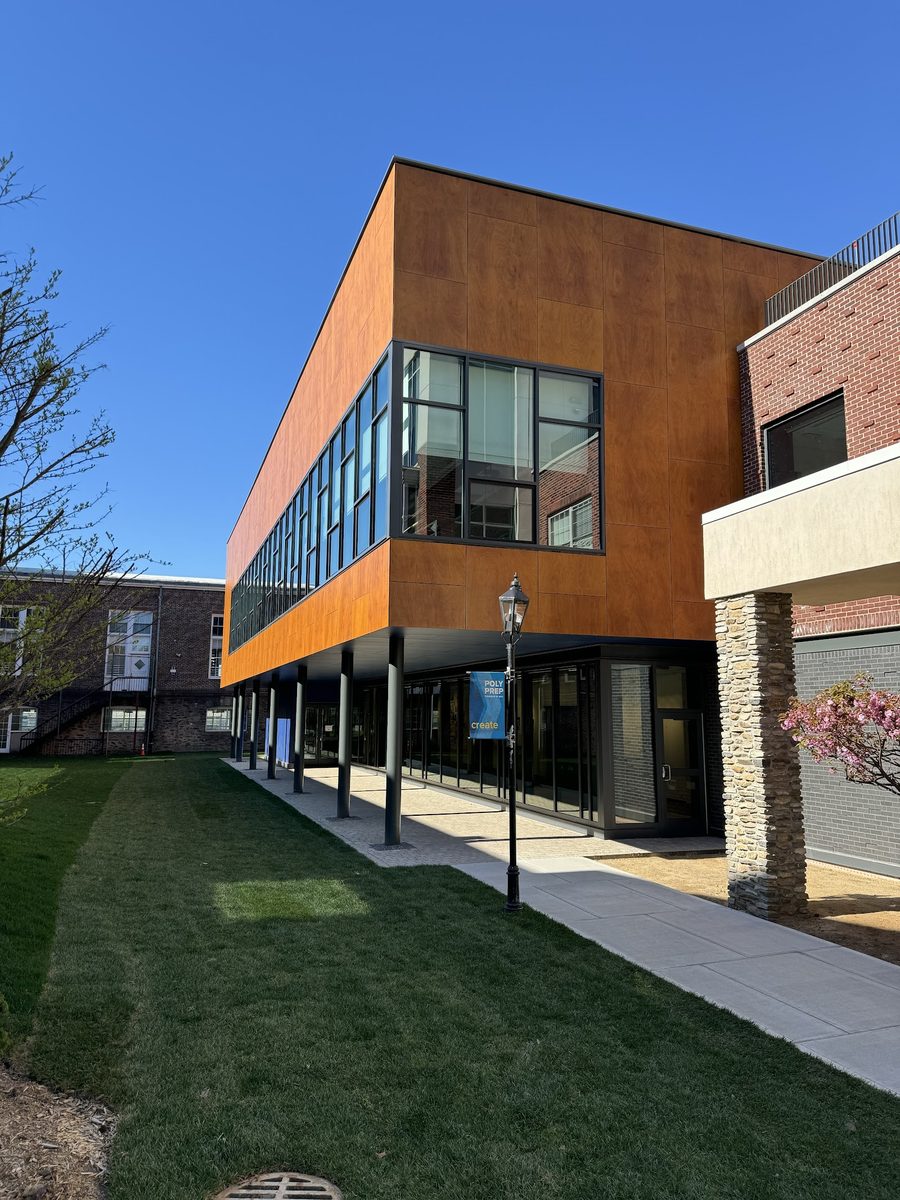
Founded in 1854 as Brooklyn's first boys' school, this day school pairs a Prospect Park mansion with a 25-acre Dyker Heights campus.
Marymount School of New York
New York City · United States
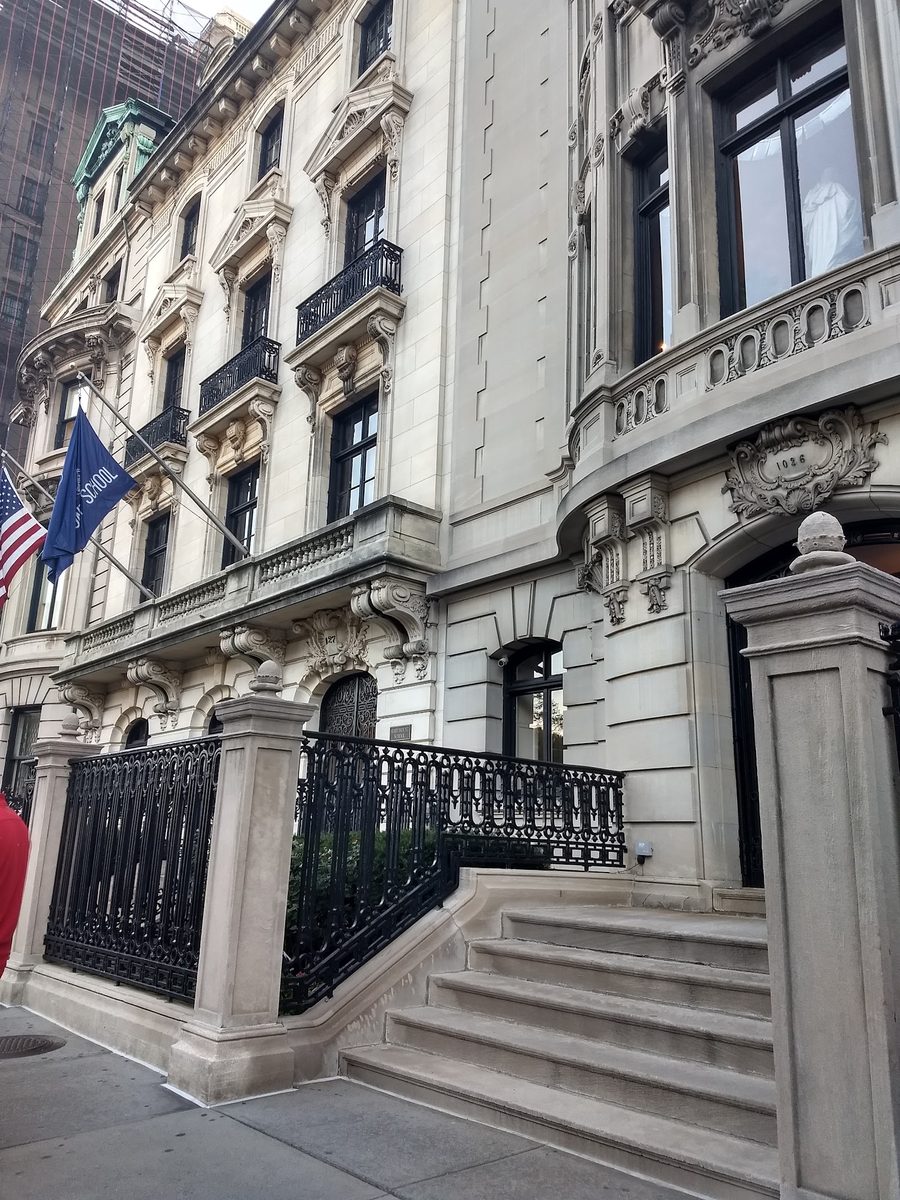
On Fifth Avenue, landmark mansions give way to Bloomberg terminals and classrooms inside the Met.
Boston University Academy
Boston · United States
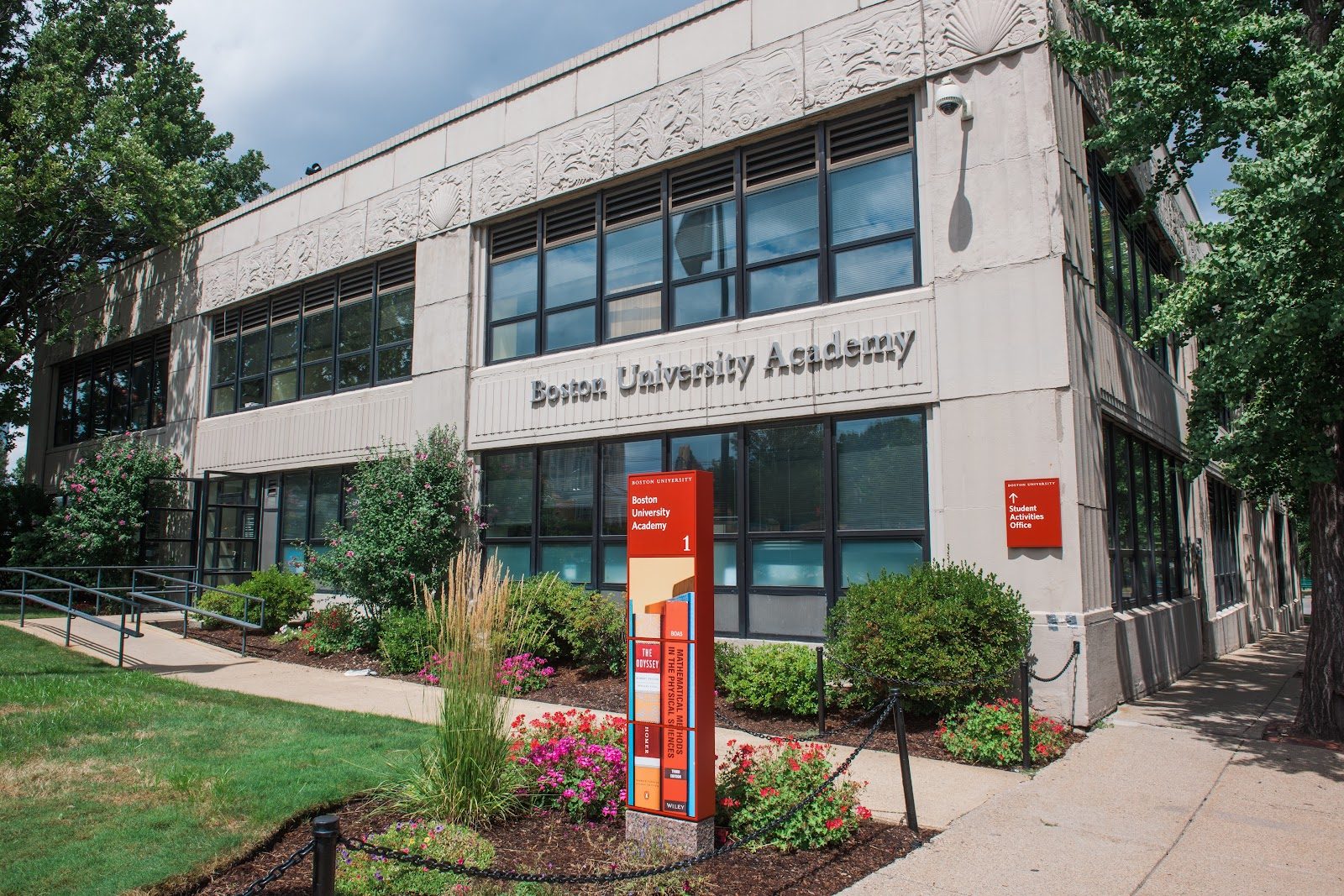
Upperclassmen trade study halls for Boston University lecture halls, banking college credit before graduation.
Same country and curriculum — closest matches within ±10 points either way