
New South Wales
Kincoppal-Rose Bay School
low confidence· 1/6 cats · 2.5 avg sourcesHarbourside campus in Rose Bay blends a co-ed junior school with girls-only senior years, rooted in Sacred Heart tradition since 1882.
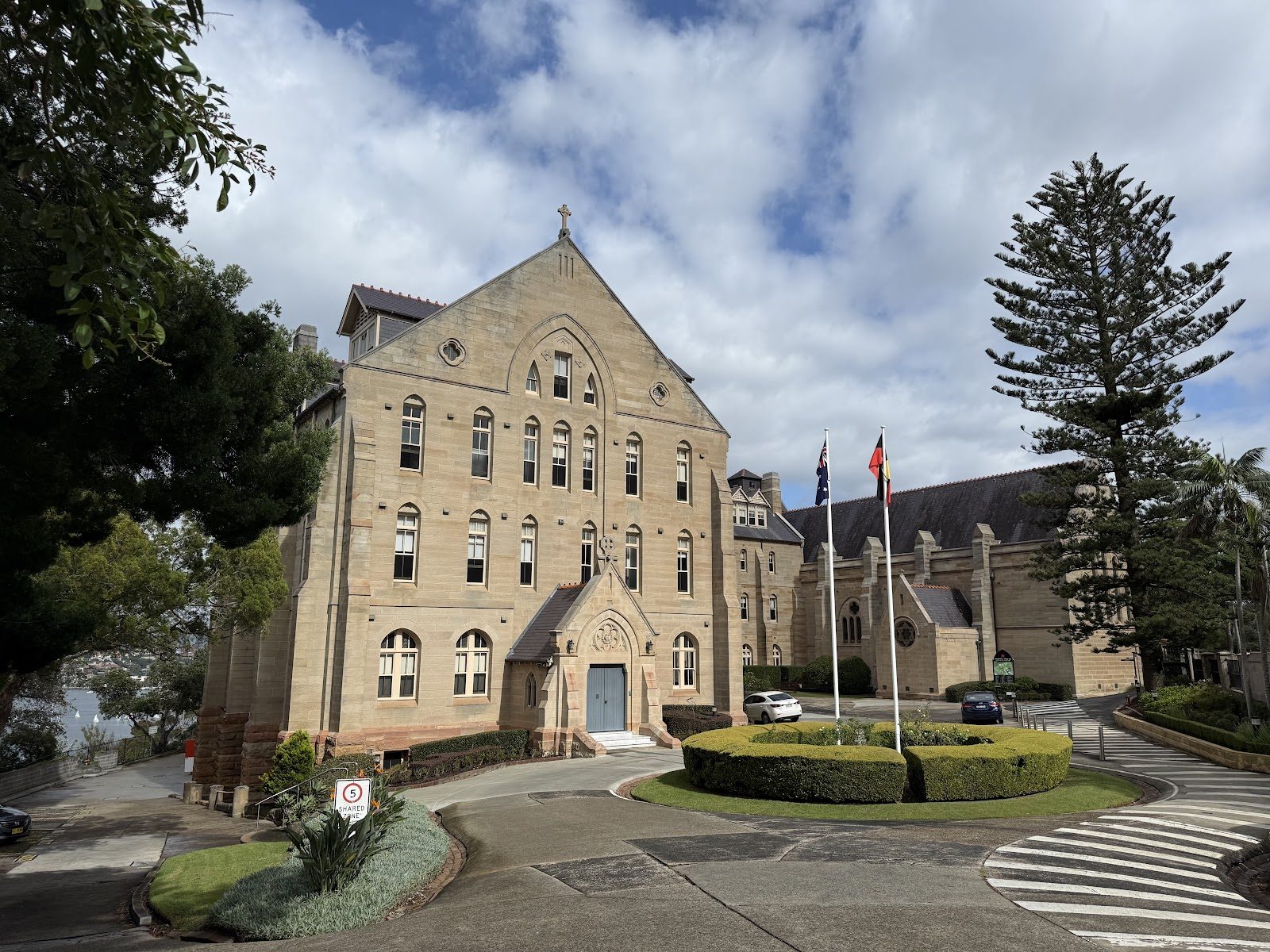
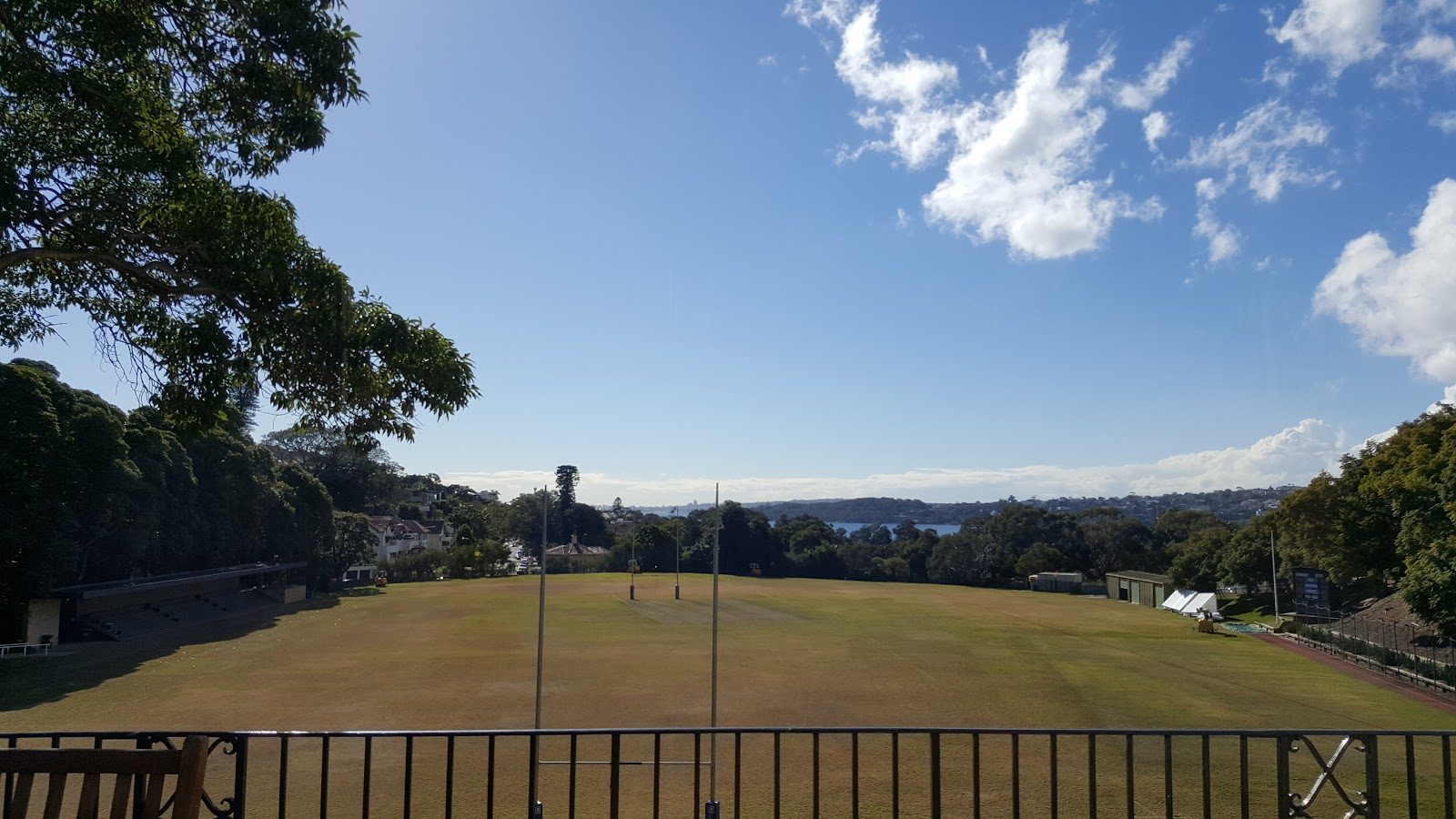
Photo © Wise Boat Soup via Google Maps
Type
Both
Ages
3–18
Curriculum
Australian
Qualifications
HSC · IB Diploma
Ratio
—
The Verdict
Editor's commitment
Right for
Rose Bay families wanting one campus from age 3 to 18: co-ed ELC–6, girls-only Years 7–12, with boarding from Year 7.
Wrong for
Parents who want full co-education beyond Year 6 or a secular education; KRB is Catholic, English-medium, and part of the Sacred Heart network.
Watch out for
Founded in 1882 and accredited by AHISA, KRB trades on heritage; the school does not publish academic outcomes in the public domain here.
Ranking breakdown
Kincoppal-Rose Bay School · #781 of 1591
Composite score 64.1. 8 weighted criteria.
By criterion
Academic Outcomes
Weight 20%
#511
of 1529 scored
University Placement
Weight 16%
#516
of 1529 scored
Prestige & Heritage
Weight 12%
#526
of 1571 scored
Alumni Network
Weight 12%
#1240
of 1530 scored
Facilities
Weight 12%
#559
of 1534 scored
Transparency & Communications
Weight 8%
#592
of 1532 scored
Peer & Industry Review
Weight 10%
#527
of 1548 scored
Admissions Selectivity & Demand
Weight 8%
#547
of 1529 scored
Peer & Industry Review
How Kincoppal-Rose Bay School is regarded in the sector
70
Respected · medium confidence
Kincoppal-Rose Bay is consistently placed in the upper tier of NSW HSC league tables published annually by the Sydney Morning Herald and Daily Telegraph, a benchmark independent schools closely track when assessing academic peers in the eastern suburbs and North Shore corridor. As a member of AHISA and the Alliance of Girls' Schools Australasia, it sits alongside institutions like SCEGGS Darlinghurst, Ascham and Kambala in sector forums, reflecting recognised standing among comparable girls' schools. Its membership of the worldwide Sacred Heart network (Reseau Mondial Sacre-Coeur) gives it distinct international peer accreditation rarely held by rivals. Good Schools Guide International profiles the school favourably for pastoral care and IB/HSC dual pathway offerings, though independent commentary (including WhichSchoolAdvisor-style reviews) notes fees and academic results trail the very top Sydney selective-entry girls' schools. University destinations skew toward Sydney, UNSW and Notre Dame Australia, with periodic Oxbridge and US Ivy offers noted in school newsletters rather than independently audited university data.
- Lucy Turnbull — Businesswoman, former Lord Mayor of Sydney; Chief Commissioner, Greater Sydney Commission
- Isabel Lucas — Actress, Film/TV
- Sarah Murdoch — Media executive, Model
Editors' overview
Kincoppal-Rose Bay occupies a distinctive niche in Sydney: a Sacred Heart school on a harbourside campus, with co-education through the junior years and girls-only education from Year 7 to Year 12, plus boarding in the senior years. That structure matters. It gives families a single school from age 3 to 18, while drawing a clear line at adolescence for those who want an all-girls senior environment. Founded in 1882, KRB trades on history, but the real point of difference is not age alone. It is the combination of Catholic formation, boarding, and a waterfront eastern-suburbs setting that feels serene, grounded and unmistakably Sydney. For parents who want a school with visible tradition and a defined moral framework, KRB earns a place on the shortlist.
What is special here is the blend of breadth and containment. KRB is not a generic big-city day school. It caters for boys from ELC to Year 6, girls from ELC to Year 12, and boarders in Years 7–12. That creates a community with several entry points and a wider social mix than many girls’ schools in the same market. The Sacred Heart affiliation also gives the school a stronger identity than schools that rely on lifestyle branding and harbour views. KRB talks in the language of service, courage, confidence and whole-child education; that can sound formulaic in weaker schools, but here it sits within a long-established religious tradition rather than a marketing script. The attraction is warmth with structure: a school for families who want values to be explicit, pastoral care to be taken seriously, and school life to carry a sense of belonging and purpose.
The school will suit students who thrive in a culture that is relational, faith-inflected and community-minded, rather than aggressively competitive or ultra-modern in tone. A girl who wants the focus of a single-sex senior school, but not the social narrowness that those schools can breed, will find KRB compelling. Boarders who want a home away from home in Sydney also have a clear option here, which narrows the field fast. Younger children get a co-ed start, and the school’s own emphasis on outdoor experience in the early years adds texture beyond the classroom. Students who want an overtly secular environment, or families who want published hard-edged academic data above all else, will need to ask sharper questions: KRB’s public case rests more on ethos, campus and formation than on disclosed outcome metrics. Still, for the right child, this is a confident, heart-led school with a very clear sense of self.
Academic Performance
Kincoppal-Rose Bay does not publish the kind of external-exam data that lets parents place it cleanly against Sydney’s most results-driven independents. We have not seen aggregate HSC outcomes, median ATARs, subject-by-subject distinctions, or a sustained public record of state-ranking performance. That matters. In a market where stronger academic operators put hard numbers into the public domain, silence leaves a gap. The school’s public case leans on ethos, pastoral formation and campus experience, not on a hard-edged academic scoreboard. That does not mean weak results; it means opaque results.
Relative to peers, KRB sits in the group of established independent schools whose reputation rests more on culture and family fit than on a constant stream of top-line exam headlines. Parents comparing it with the city’s fiercely selective girls’ schools, or with independents that trade heavily on HSC league-table visibility, need to ask direct questions: how many students secure ATARs above 90 or 95, which subjects produce Band 6 results, and how outcomes track over time. Until the school discloses those figures, the academic picture stays incomplete. For families who prize formation, stability and a less rankings-obsessed atmosphere, that trade-off will be acceptable. For families buying primarily on exam performance, it is a real constraint.
Facilities
The campus is one of KRB’s strongest assets. The school occupies a harbourside site with a mix of older buildings and open outlooks that many inner-city independents cannot match. That matters in daily school life: space, light and access to the outdoors change the tone of a school. The school itself points to a Wild Time programme for its youngest pupils, which indicates that the grounds are used for more than supervised break-time. For boarders in 7–12, the physical environment also carries extra weight; when a school asks teenagers to live on site, the campus has to work as more than a teaching venue. KRB clears that bar. The setting gives it a rare sense of calm in a market where many campuses feel compressed, traffic-bound or stitched together from separate blocks.
Against peer schools, the advantage is less about specialist spectacle and more about atmosphere and usability. We have not seen a heavily advertised roster of elite labs, theatres or sports complexes that would place KRB at the top of the facilities arms race. Parents who want high-gloss hardware and endless flagship buildings will find stronger contenders elsewhere in Sydney. But many schools with shinier capital projects lack KRB’s cohesive feel and genuine sense of place. The estate supports the school’s character well: traditional, contained, pastoral and well suited to a community that values boarding, outdoor access and a campus that feels like a school rather than a corporate education park.
We have not seen a heavily advertised roster of elite labs, theatres or sports complexes that would place KRB at the top of the facilities arms race
Prestige
Kincoppal-Rose Bay carries real social and institutional cachet in Sydney’s independent-school market, but it does not sit in the city’s most academically dominant tier. Its prestige comes from a different mix: a long-entrenched Sacred Heart identity, an enviable harbourside campus, and a format that folds co-ed early schooling into girls’ senior education with day and boarding provision. That combination is rare. It gives the school reach across several family types and keeps it visible beyond a single neighbourhood intake. The physical setting matters too. Schools with a memorable sense of place hold an advantage in parent perception, and KRB’s waterfront site does a great deal of prestige work before a lesson starts.
I rate it as well-regarded rather than formidable. Among Catholic independents and old-guard eastern-suburbs schools, the name carries weight; among families who rank schools by HSC headlines, selective-entry intensity and public academic bragging rights, it carries less. That distinction matters. KRB sells heritage, formation, pastoral seriousness and social polish more convincingly than it sells raw competitive edge. The boarding offer from 7–12 also adds status, because boarding schools occupy a narrower, more traditional segment of the market. In plain terms: this is a school with genuine standing, strong recognition and a loyal constituency, but not one of Sydney’s fear-inducing academic powerhouses.
Parents who want high-gloss hardware and endless flagship buildings will find stronger contenders elsewhere in Sydney
Communications
Kincoppal-Rose Bay communicates like a school that still expects parents to make contact, book a tour and enter a relationship, not just scroll a feed. The public-facing basics are easy to find: admissions calls to action are prominent, discovery mornings are pushed clearly, key navigational pages sit in plain view, and the annual report is accessible rather than buried. That matters. Schools that value transparency make core documents easy to reach. KRB clears that test. The tone is polished, warm and unmistakably institutional rather than chatty. Parents get a coherent picture of the school’s ethos, age range and structure, including the split between co-ed junior years and girls-only senior years. The messaging is disciplined. It does not sprawl.
The limits are clear too. KRB communicates culture and belonging more strongly than it communicates hard operating detail. The website gives parents plenty of language about heart, mind, service and community, but less that answers the sharper questions experienced families ask: how the school reports progress, how frequently families hear from teachers, how behaviour and wellbeing concerns are escalated, and what data sits behind academic claims. We have seen a visible invitation to visit and enquire, and applications are accepted from birth, which tells you the admissions machine starts early. But communication that depends heavily on tone and personal contact can feel curated and selective. Effective for attraction, yes; less rigorous for scrutiny.
Uniqueness
What marks Kincoppal-Rose Bay out is not one headline feature but a carefully layered structure: co-education in the early years, a girls-only senior school, and boarding folded into the same community from Years 7–12. Very few schools combine those elements on one campus without feeling fragmented. Here, the model gives students a clearer developmental arc. Younger children grow up in a mixed environment; older girls move into a setting with fewer social distractions and more room for female leadership; boarders add depth and range to the community rather than sitting at its edge. For families, that creates a school with more than one identity, but not an incoherent one.
The other distinguishing feature is the Sacred Heart frame, which gives the school a strong moral centre and a vocabulary of service, courage and formation that runs deeper than generic wellbeing talk. That matters because many schools claim to educate the whole child; fewer anchor that claim in a durable tradition with international ties. Add a harbourside campus and early-years outdoor provision through Wild Time, and students get an education that is *contained, relational and place-conscious* rather than anonymous or purely transactional. The gain for the right child is real: a school life with visible structure, a defined ethos, and a community that values belonging as much as performance.
It gives families a single school from age 3 to 18, while drawing a clear line at adolescence for those who want an all-girls senior environment
Student Profile
The best fit is a student who wants school to feel personal, values-driven and socially anchored, not anonymous or relentlessly performative. KRB suits children who respond to clear structure, strong pastoral containment and adults who take character formation seriously. In the junior years, that means boys and girls who benefit from a nurturing environment with visible routines and a community that prizes courtesy, service and participation. In the senior school, it suits girls who want the focus of a single-sex setting without the harsher edge that some high-pressure girls’ schools cultivate. The Sacred Heart tradition will matter to the families who choose it. Students do not need to be pious; they do need to be comfortable in a school where faith, service and moral language are part of everyday life.
It is also a good match for boarders in Years 7–12 who want a settled, pastorally serious environment rather than a rougher or more showy boarding culture. The school’s social tone will suit students who are community-minded, respectful and willing to join in, whether in service, co-curricular life or the ordinary rituals of school belonging. It will not suit every child. Students who want a hard-driving academic hothouse, a more secular ethos, or a culture built around competitive swagger will find a mismatch. Nor is this the place for families chasing a detached, transactional education. KRB works for children who want to be known, guided and held to account.
Founded in 1882, KRB trades on history, but the real point of difference is not age alone
Co-curricular strengths
Arts & sport, on a separate axis
Overall 9/10
Scored 0-10 from the school's own published evidence. This axis is editorial-only — it does not feed the main WTS ranking.
Sports
9.2/10
Drama
8.8/10
Dance
9/10
Music
9/10
Visual Arts
9/10
Strengths
- +Traces its lineage to 1882 as a Convent of the Sacred Heart, making it one of the older Sacred Heart schools in Australia and giving it an unusually long institutional history for the region.
- +Part of the international Society of the Sacred Heart network of schools, described by the school as "a network of 150 schools in 41 different countries", useful for expat families valuing a portable ethos.
- +The 2025 HSC cohort recorded a Sydney Morning Herald rank of 34 in NSW, a top ATAR of 99.55, a median ATAR of 89 and 46 percent of ATARs above 90.
- +Runs an established boarding program of roughly 150-165 girls drawn from rural, interstate and international backgrounds, housed on a single seven-hectare harbourside site.
- +Junior School (ELC to Year 6) is co-educational, giving families with both sons and daughters a shared primary campus before the school becomes girls-only at secondary level.
Considerations
- −From Year 7 the school becomes girls-only, so families with sons must arrange a different secondary school at the end of Year 6.
- −Tuition is in Sydney's upper fee tier: one third-party boarding directory lists day tuition at roughly A$42,076 (Year 7) rising to A$45,660 (Year 12), with boarding an additional cost.
- −As a Catholic school in the Sacred Heart tradition, religious education and Sacred Heart values are embedded in the curriculum, which may not suit families seeking a secular environment.
- −Operates from a single campus in the low-density, high-cost eastern suburbs of Sydney, so there is no alternate location for families based elsewhere in the city.
Availability
Primary entry gate & tests
Academic Record + Interview
Gallery
Photo © Arti Fed via Google Maps
Photo © John karmas via Google Maps
Photo © wolf elf via Google Maps
Photo © Douglas Conceicao via Google Maps
Photo © 김범상 via Google Maps
Parent reviews
Have you sent your child here?
Voice reviews carry the strongest trust badge — we transcribe them for you to tidy up before they go live. Prefer to type? A written review is fine too.
Add your voice
In 60 seconds, tell other parents: what's the best thing about Kincoppal-Rose Bay School, and what surprised you when your child joined?
We ask for a Google sign-in so every review has a real face behind it — no anonymous drive-by attacks on schools, and no faked positive reviews. Your email is never shown publicly.
Send this profile to a friend
International parents rely on word-of-mouth. Share this review with someone weighing the same decision.
Schools with places
Similar schools to Kincoppal-Rose Bay School with places available now.
Pymble Ladies' College
Sydney · Australia
- 2026-27
- WAITPOOLVacancy-dependent
- 2027-28
- PLACES OPEN
Ascham School
Sydney · Australia
- 2026-27
- WAITPOOLVacancy-dependent
- 2027-28
- PLACES OPEN
The King's School (Parramatta)
Parramatta · Australia
- 2026-27
- WAITPOOLVacancy-dependent
- 2027-28
- PLACES OPEN
Sydney Grammar School
Sydney · Australia
- 2026-27
- WAITPOOLYr 7 closed; Yrs 8-11 enquire
- 2027-28
- WAITPOOLYr 7 closed; Yrs 8-11 enquire
Availability first, then country, area, curriculum, price, co-curricular
Consider also
Also worth looking at alongside Kincoppal-Rose Bay School.
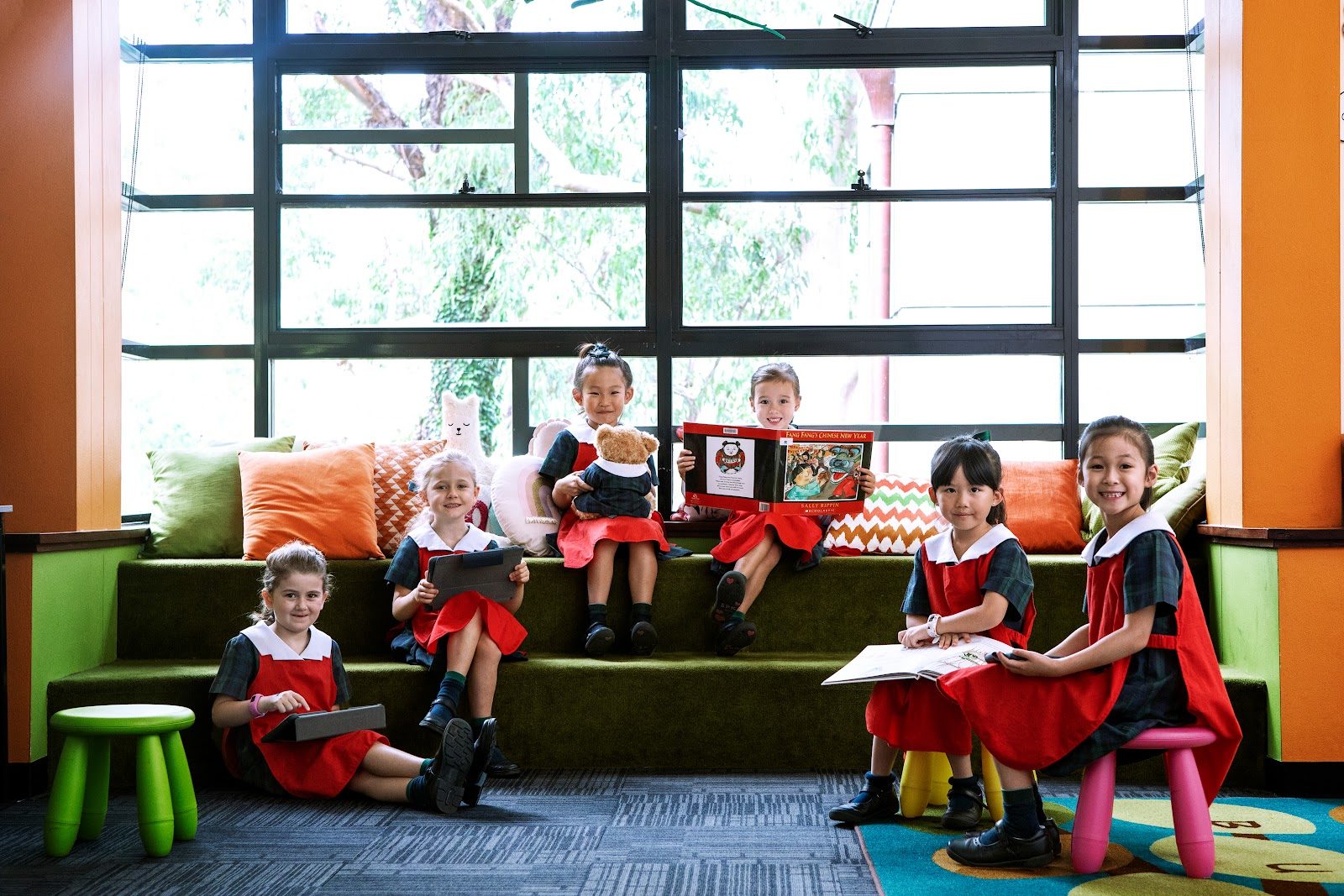
Pymble Ladies' College
Sydney · Australia
On Sydney's Upper North Shore, a non-selective campus of five schools lets girls choose between the IB and HSC pathways.
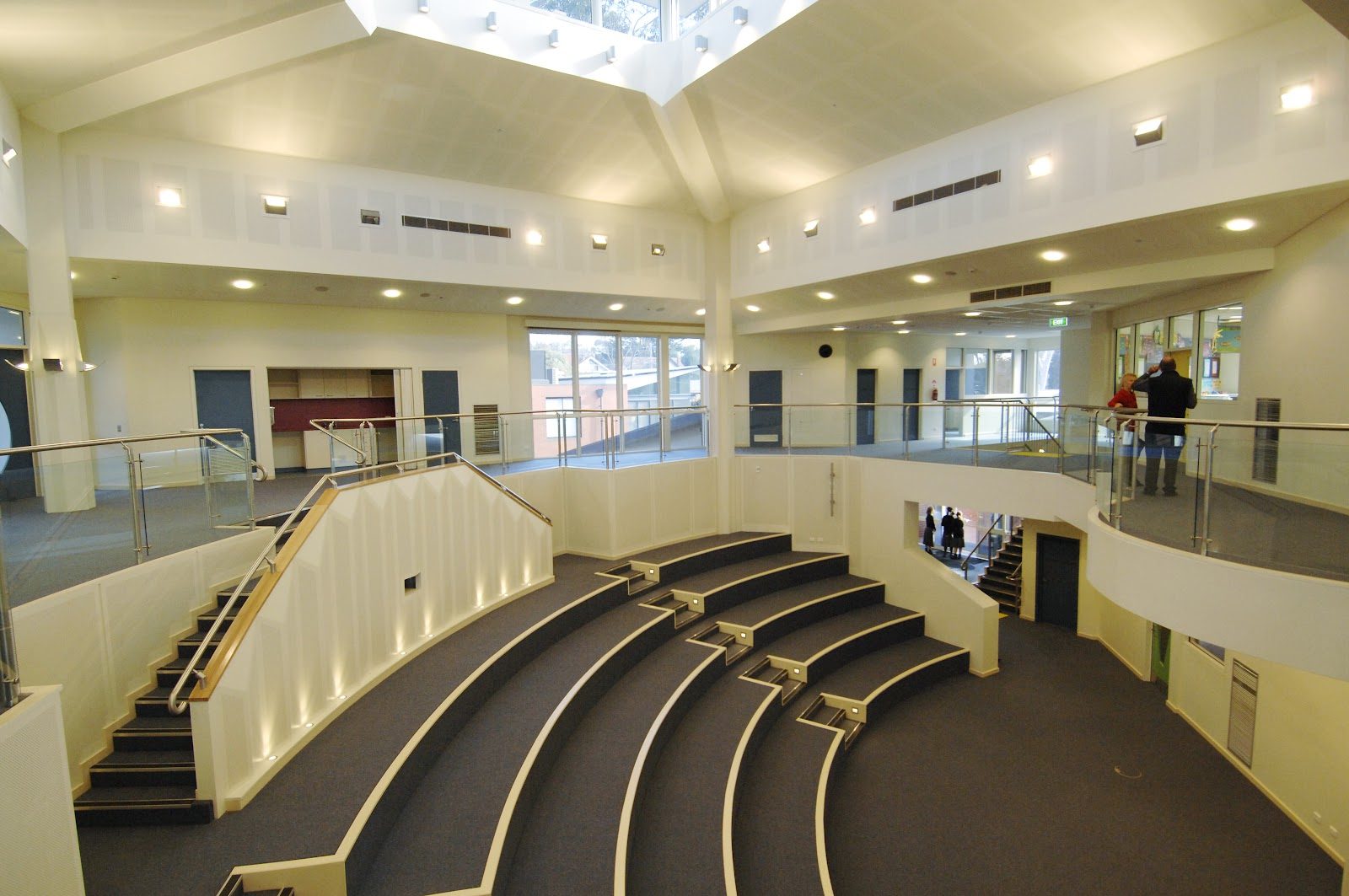
Ivanhoe Grammar School
Melbourne · Australia
A Year 9 campus embedded at La Trobe University anchors a Round Square network across Melbourne's north, offering both VCE and IB pathways.
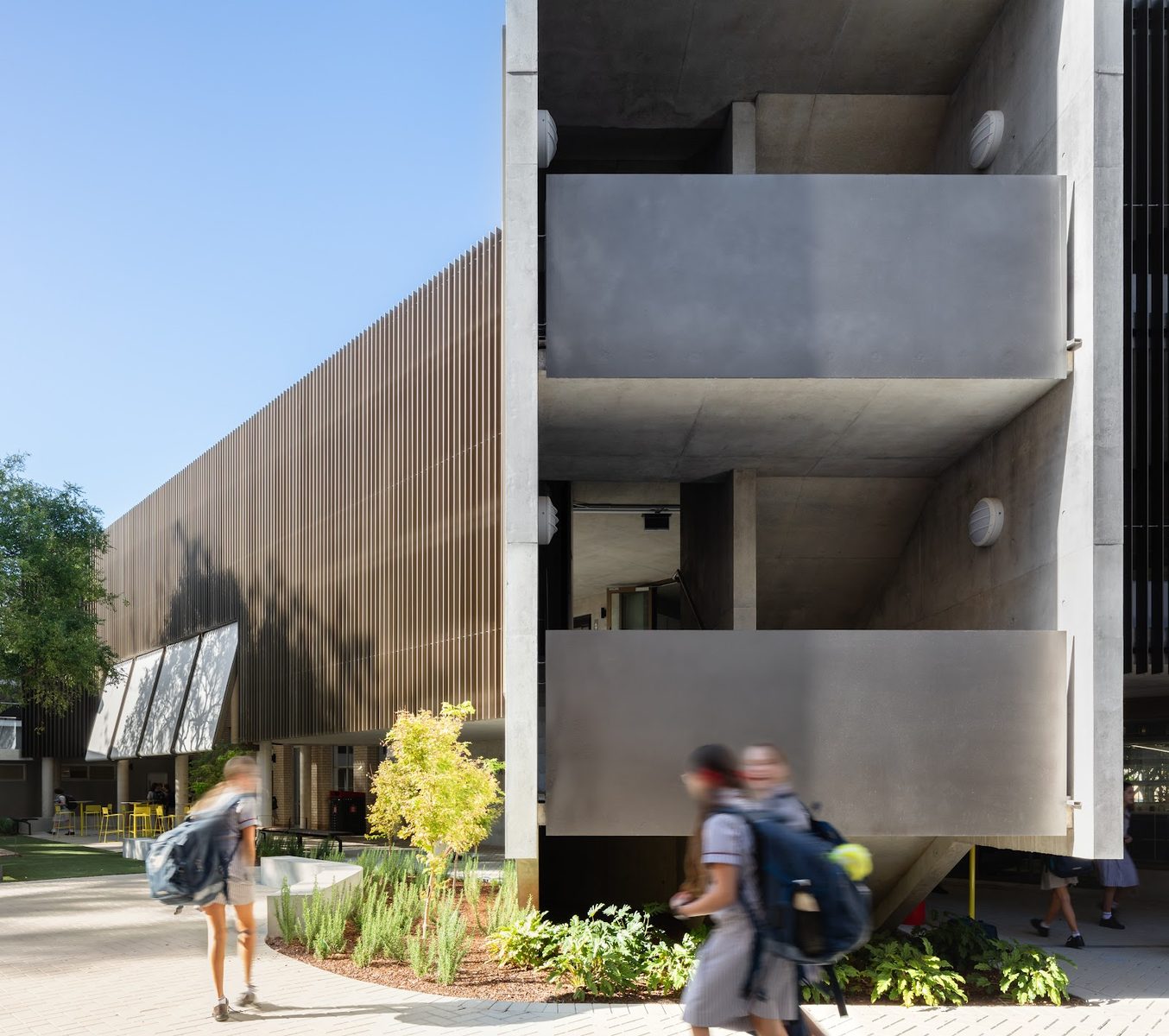
Ascham School
Sydney · Australia
Sydney's storied girls' boarding school, pairing the Dalton Plan with a rigorous HSC pathway.
Cranbrook School
Sydney · Australia
Sydney's first IB Continuum School, pairing Bellevue Hill harbour views with a Blue Mountains bush campus for experiential learning.
Same country and curriculum — closest matches within ±10 points either way