
Virginia
Collegiate School
Rooted in a 1915 girls' school founding, now a 1,600-student JK-12 campus anchored by a 177-acre athletic complex outside Richmond
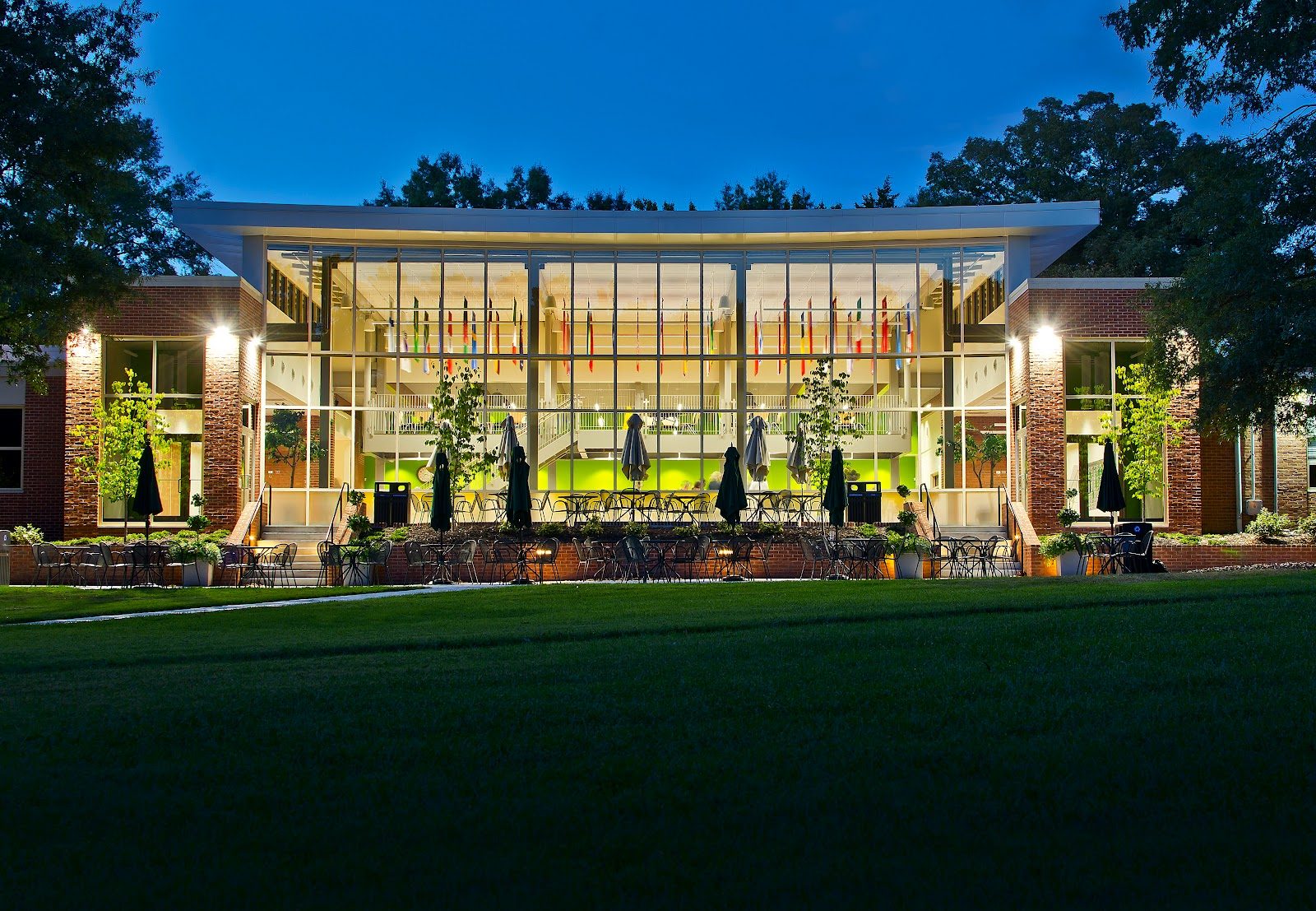
Photo © Collegiate School via Google Maps
Type
Day
Ages
3–18
Curriculum
American
Qualifications
AP
Ratio
8:1
The Verdict
Editor's commitment
Right for
Families wanting a non-religious American JK-12 day school with 1,600 pupils, a 1:8 ratio and 15-pupil classes.
Wrong for
Parents who want boarding, a religious ethos or a compact urban campus; this is a day school on 177 athletic acres outside Richmond.
Watch out for
Founded in 1915 and accredited by NAIS and VAIS, Collegiate has scale and polish; whether that translates into published outcomes is another matter.
Ranking breakdown
Collegiate School · #782 of 1591
Composite score 64.1. 8 weighted criteria.
By criterion
Academic Outcomes
Weight 20%
#791
of 1529 scored
University Placement
Weight 16%
#793
of 1529 scored
Prestige & Heritage
Weight 12%
#1037
of 1571 scored
Alumni Network
Weight 12%
#920
of 1530 scored
Facilities
Weight 12%
#395
of 1534 scored
Transparency & Communications
Weight 8%
#870
of 1532 scored
Peer & Industry Review
Weight 10%
#1319
of 1548 scored
Admissions Selectivity & Demand
Weight 8%
#647
of 1529 scored
Peer & Industry Review
How Collegiate School is regarded in the sector
62
Respected · medium confidence
Collegiate School is consistently grouped with Richmond's other legacy independents (St. Christopher's, St. Catherine's, Trinity Episcopal) as one of the region's most academically rigorous day schools, a status reinforced by its long-standing NAIS and Virginia Association of Independent Schools (VAIS) accreditation and its frequent presence at VAIS/NAIS regional conferences as a benchmark large-enrollment K-12 school. Its college matriculation lists, published annually on its own site and referenced in Richmond media, show sustained placement at University of Virginia, Virginia Tech, University of Richmond, and a steady trickle to Ivy League and other highly selective national universities, which admissions counselors in the region treat as evidence of a strong internal college-counseling operation. Coverage in Richmond Times-Dispatch and Style Weekly education roundups treats Collegiate as a top-tier reference point rather than an aspirant. Independent-school guides that catalog U.S. day schools list it among Virginia's most established options, though it lacks the international press profile (Good Schools Guide, WhichSchoolAdvisor) accorded to UK or globally boarding-focused institutions, reflecting its identity as a strong regional rather than internationally benchmarked school.
Editors' overview
Collegiate School occupies a strong position in the Richmond market: a large, established, non-religious American day school with the scale to offer breadth and the structure to keep standards high. Founded in 1915 as a girls’ school and now serving around 1,600 students from JK to Grade 12, it gives families the full through-school proposition without the institutional sprawl that can weaken community. The headline numbers matter: a 1:8 student-teacher ratio and average class size of 15 point to real classroom access, not a mass-operation model dressed up as personal attention. For parents comparing Richmond independents, Collegiate’s core attraction is clear: serious academic infrastructure, *continuity from early years to graduation*, and a school size that supports choice in arts, athletics and student life.
What sets it apart is the combination of history and physical ambition. The school’s roots stretch back more than a century, which gives it the confidence and donor depth many newer schools lack. The standout feature in practical terms is the 177-acre athletic complex outside Richmond. That scale changes the student experience. It supports a deeper sports programme, more training space and less compromise over facilities than urban campuses with tighter footprints. Families who want a school where sport carries institutional weight, not token billing, will clock that quickly. This is a place with competitive energy, room to stretch, and the resources to back a broad co-curricular life.
It belongs on a shortlist for families who want an academically focused day school without a religious frame, and who value both pastoral familiarity and programme breadth. The best fit is a student who will use the campus fully: one who wants strong teacher access, a busy school day, and the chance to move between classroom, arts and athletics without leaving the same institutional culture. Collegiate suits driven all-rounders, committed team players, and children who thrive in a structured environment with high participation. It is less compelling for families seeking a tiny, progressive school or a highly specialised niche environment. Collegiate’s appeal lies elsewhere: institutional depth, visible resources, and a mature, well-built day-school model that covers a great deal of ground well.
Academic Performance
Collegiate does not publish the kind of exam dashboard that makes hard academic comparison easy. We have not seen aggregate AP score distributions, SAT or ACT means, National Merit totals, or a year-by-year breakdown of university destinations. That leaves a gap. For a school of this scale and market position, stronger public disclosure would be reasonable. Parents can infer that the academic operation is serious from its staffing model and through-school continuity, but inference is not the same as evidence. On external examinations, the school’s public case is less transparent than it should be.
Relative to peers, that matters. Many well-run US independents now publish at least headline testing data or a concise college matriculation list that gives a clear read on academic range and ceiling. Collegiate’s reticence places it behind the most data-confident competitors on academic accountability, even if the underlying outcomes are strong. That does not mark it down as weak; it marks it down as opaque. Families who want a school with clean, inspectable proof of exam performance will need to ask direct questions in admissions: AP participation and score profile, median standardised test results where submitted, and the spread of post-secondary destinations across the graduating class. Until those figures are in the public domain, Collegiate sits in the bracket of established independents with a solid academic reputation but limited published proof.
Facilities
The defining asset is the athletics estate: a 177-acre complex that gives Collegiate a facilities advantage many day schools cannot match. For families who care about training space, scheduling flexibility and the simple fact of not squeezing multiple teams into too little ground, that matters more than glossy brochures about “whole-child” education. In practical terms, this kind of footprint supports a serious sports operation, not an improvised one. Against peer independents, that places Collegiate in a rarefied bracket for outdoor provision. Urban and close-in suburban rivals may match it in academic rooms or theatre polish, but fewer can match the breadth of fields and the freedom that comes with them.
Beyond sport, the school’s scale points to the standard independent-school basics done at a high level: dedicated spaces for early years through upper school, enough classrooms to avoid a cramped feel, and the sort of arts and student-life infrastructure a full through-school needs to function well. What we do not have is a clear public inventory of specialist academic facilities such as advanced labs, design spaces or standout performing arts venues. That silence matters. Some peer schools make a point of naming and showing those assets because they are central to the educational offer. Collegiate’s facilities story is therefore powerful in athletics, less crisply evidenced in academic and arts specialism, and strongest for families who want a campus built for high-participation school life rather than architectural theatre.
Collegiate School occupies a strong position in the Richmond market: a large, established, non-religious American day school with the scale to offer breadth and the structure to keep standards high
Prestige
Collegiate carries real local prestige, though this is not the same thing as national cachet on the level of the best-known Northeast boarding and day schools. Its standing rests on durability, selective independent-school positioning, and the kind of institutional scale that signals permanence rather than fragility. In Richmond, it reads as a serious establishment school: the place ambitious professional families know, discuss and compare. The low staffing ratio at 1:8 and average class size of 15 reinforce that status, because they point to expensive operating choices that many schools advertise but fewer sustain. Prestige here comes less from brand glamour than from earned civic weight.
That distinction matters. Collegiate’s name will carry clear recognition inside its own market and among families who know the Virginia independent-school landscape. Outside that orbit, the brand weakens. This is not a school whose label alone confers automatic international or coastal-elite lustre. Its prestige is therefore strong but bounded: high within its region, respectable beyond it, and dependent on the substance of the student experience rather than myth. The large athletic footprint and broad through-school model add to that impression of a well-resourced, socially anchored institution. Parents are paying for a school with status, but for status tied to institutional depth and community position, not a universally recognised badge.
What sets it apart is the combination of history and physical ambition
Communications
Collegiate communicates like a mature independent school that expects parent engagement and has the administrative depth to sustain it. The public-facing side is orderly: admissions, academics, student life and giving are separated cleanly, contact routes are easy to find, and the school does not bury practical information under slogan-heavy copy. That matters. Parents need clarity more than mood music. The through-school model also raises the communication burden, because families stay for years and need different information at different stages; Collegiate’s structure looks built for that reality rather than improvised around it. The staffing model and average class size — 1:8 and 15 — also point to a school where parent access to adults is part of the operating logic, not a courtesy layered on afterwards.
The limitation is not day-to-day usability but selective transparency. Collegiate communicates the shape and values of the school well, yet it is less forthright where hard proof matters most. Academic outcomes remain under-published, and that weakens trust at the margins. A school cannot claim serious standards and then keep too much performance data behind the admissions desk. That is a real editorial mark-down. For current families, the communication culture is orderly, professional and built for a busy all-round school life. For prospective families doing due diligence, it is effective up to the point where scrutiny sharpens. At that point, the school asks parents to enquire rather than inspect, and that is a needlessly closed choice.
Uniqueness
What marks Collegiate out is not novelty but institutional balance. Many schools do one thing convincingly and bolt the rest on around it: strong academics but thin sport, heavy athletics but modest arts, warm community talk with uneven operational depth. Collegiate’s distinction lies in running a full-spectrum school without that lopsidedness. The through-school structure gives children a coherent social and academic journey from the first years to graduation, while the school’s scale protects against the narrow menu that afflicts smaller independents. Students gain real range: more teams, more activities, more friendship groups, more room to change direction as they grow. That matters for children whose strengths arrive unevenly or late. A student can start in one lane and move into another without needing to change schools.
The other differentiator is the seriousness with which the school treats physical education and competitive sport. The athletic estate is not a decorative add-on; it is a defining part of the institution’s design, and at 177 acres it changes what a school day can hold. Students get space, repetition and proper scheduling rather than perpetual compromise. That builds competitive confidence, habits of stamina and a stronger sense that participation counts across the whole school, not just in the classroom. Combined with a staffing model of 1:8 and classes averaging 15, the result is a school that can know its pupils well while still offering a big-school menu. For families after a well-drilled all-rounder factory, that is the point.
The school’s roots stretch back more than a century, which gives it the confidence and donor depth many newer schools lack
Student Profile
The best fit is a student who wants a full school life rather than a narrow academic lane. Collegiate suits children who are comfortable in a busy, high-participation environment, where classroom work sits alongside teams, performances, clubs and the social obligations that come with a large established day school. The low staffing ratio of 1:8 matters here: pupils are not left to drift anonymously, and students who do well tend to handle adult expectations, regular feedback and a calendar with real demands on their time. This is a strong match for capable joiners, energetic all-rounders and students who like structure without needing constant hand-holding.
It is less comfortable for children who want a very alternative culture, a loose progressive atmosphere or a school built around specialist intensity in one domain alone. A campus of this scale creates opportunity, but it also creates visibility: students need to tolerate being known, expected to contribute and measured against peers who are doing a lot. Socially, the school will suit families at ease with a polished independent-school culture and the pace that comes with it. Pupils who thrive here will use the range on offer, commit to things properly and take competition in stride. Those who need a small, idiosyncratic setting or a gentler, lower-pressure rhythm fit better elsewhere.
The standout feature in practical terms is the 177-acre athletic complex outside Richmond
Co-curricular strengths
Arts & sport, on a separate axis
Overall 8.64/10
Scored 0-10 from the school's own published evidence. This axis is editorial-only — it does not feed the main WTS ranking.
Sports
9/10
Drama
8.5/10
Dance
8.5/10
Music
8.6/10
Visual Arts
8.6/10
Strengths
- +Founded in 1915, the school has over a century of continuous operation as a JK-12 college preparatory day school in Richmond, Virginia.
- +Enrolls approximately 1,600 students across Lower, Middle and Upper Schools, giving it scale and depth of program uncommon for a single-campus day school.
- +Reports a 10:1 student-teacher ratio, supporting the school's stated emphasis on knowing each student individually.
- +Middle and upper school students have posted competitive standardized test bands, with a mid-50% SAT range of 1210-1420 and ACT range of 26-32.
- +Maintains a dedicated college counseling office with five counselors and runs a JK-12 Global Education program that includes an international design-thinking conference with a network of partner schools.
Considerations
- −Middle School (grades 5-8) is 'coordinate' rather than fully coeducational, meaning boys and girls are taught in separate classes at that stage, unlike most rival day schools.
- −Upper School tuition sits at roughly $32,820 for 2024-25, a significant recurring cost for relocating families without employer subsidy.
- −Admission requires SSAT testing and an interview, with decisions concentrated in a single late-January/early-February cycle, offering little flexibility for families arriving off-cycle.
- −As a Richmond-based day school, it sits outside the major U.S. expat hubs (New York, DC, Bay Area), so international family networks and relocation support infrastructure are thinner than at schools in larger metros.
Availability
Primary entry gate & tests
ISEE/SSAT + Interview (Co-ed day)
Gallery
Photo © Collegiate School via Google Maps
Photo © Collegiate School via Google Maps
Photo © Collegiate School via Google Maps
Photo © Collegiate School via Google Maps
Photo © Collegiate School via Google Maps
Photo © Collegiate School via Google Maps
Photo © Collegiate School via Google Maps
Parent reviews
Have you sent your child here?
Voice reviews carry the strongest trust badge — we transcribe them for you to tidy up before they go live. Prefer to type? A written review is fine too.
Add your voice
In 60 seconds, tell other parents: what's the best thing about Collegiate School, and what surprised you when your child joined?
We ask for a Google sign-in so every review has a real face behind it — no anonymous drive-by attacks on schools, and no faked positive reviews. Your email is never shown publicly.
Send this profile to a friend
International parents rely on word-of-mouth. Share this review with someone weighing the same decision.
Schools with places
Similar schools to Collegiate School with places available now.
Episcopal High School
Alexandria · United States
- 2026-27
- CLOSEDRegular cycle closed
- 2027-28
- OPENS SOONOpens Sept '26
Thomas Jefferson High School for Science and Technology
Alexandria · United States
- 2026-27
- CLOSEDStandard route
- 2027-28
- OPENS SOONOpens 5 Oct '26
Availability first, then country, area, curriculum, price, co-curricular
Consider also
Also worth looking at alongside Collegiate School.
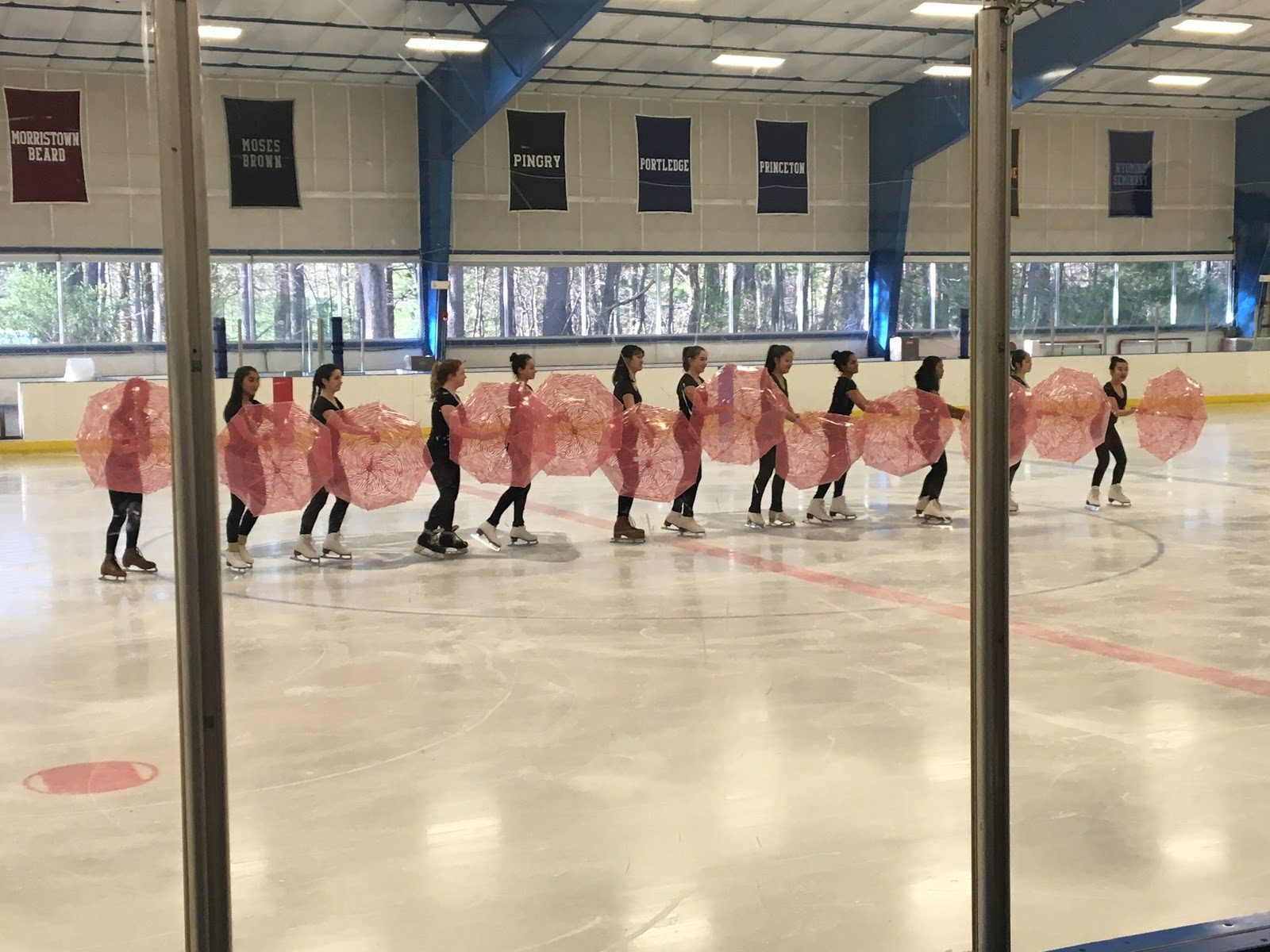
Princeton Day School
Princeton · United States
Formed by a 1965 merger of two century-old Princeton schools, pairing STEAM rigor with a rare four-year architecture program across 106 acres.
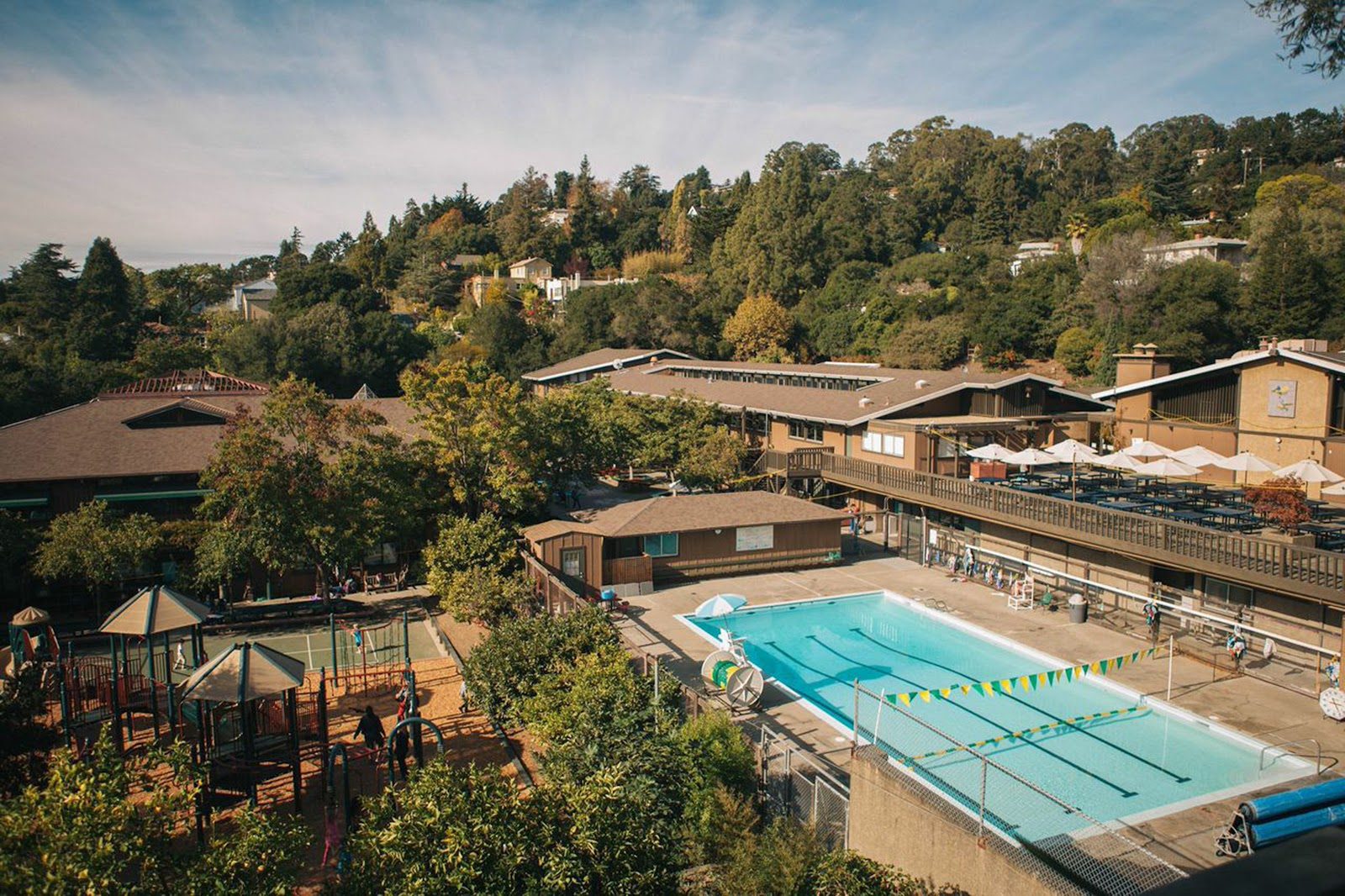
Head-Royce School
Oakland · United States
Since 1887 on a wooded Oakland hills campus, pairing rigorous scholarship with a decades-old public-school partnership that opens college doors for first-generation students
The Buckley School
New York City · United States
On Manhattan's Upper East Side since 1913, a K-9 boys' school pairing classical rigor with mandatory public-speaking training for every student.

Greenwich Academy
Greenwich · United States
Connecticut's oldest all-girls school pairs single-sex grounding with coeducational upper-school classes shared alongside Brunswick's boys.
Same country and curriculum — closest matches within ±10 points either way