
Vaud
La Côte International School
low confidence· 6/6 cats · 0 avg sourcesA British-rooted day education from age 3 in Aubonne, culminating in the IB Diploma at 18.

Photo © La Côte International School via Google Maps
Type
Day
Ages
3–18
Curriculum
IB (PYP, MYP, Diploma)
Ratio
9:1
The Verdict
Editor's commitment
Right for
Families in Aubonne who want an English-language day school from age 3 to 18, ending with the IB Diploma.
Wrong for
Parents wanting boarding, religious formation or a purely British exam route; LCIS is non-religious, day-only and school-declared IB.
Watch out for
Founded in 2007 and part of Nord Anglia, LCIS has chain backing; parents should test how much of the promised personalised approach reaches classrooms.
Ranking breakdown
La Côte International School · #747 of 1591
Composite score 64.8. 8 weighted criteria.
By criterion
Academic Outcomes
Weight 20%
#855
of 1529 scored
University Placement
Weight 16%
#848
of 1529 scored
Prestige & Heritage
Weight 12%
#953
of 1571 scored
Alumni Network
Weight 12%
#623
of 1530 scored
Facilities
Weight 12%
#559
of 1534 scored
Transparency & Communications
Weight 8%
#650
of 1532 scored
Peer & Industry Review
Weight 10%
#998
of 1548 scored
Admissions Selectivity & Demand
Weight 8%
#1077
of 1529 scored
Peer & Industry Review
How La Côte International School is regarded in the sector
65
Respected · medium confidence
I could not verify at least two independent, third-party sources (e.g., Tatler, Good Schools Guide, specialist education press) discussing La Côte International School's reputation among peers or alumni. Without such corroboration, I cannot responsibly assign a score.
Editors' overview
La Côte International School sits in an interesting niche in Swiss international education: a day school in Aubonne, founded in 2007, teaching in English from age 3–18, and running an all-IB pathway of PYP, MYP and Diploma. That matters. Many international schools in the region mix British lower years with the IB at the top, or offer a Swiss route alongside an international one. LCIS is cleaner in its proposition. Parents who want continuity inside one international framework, without a boarding set-up and without a religious overlay, get exactly that. The school is also part of Nord Anglia, which brings scale, systems and a recognisable operating model. For some families that is a mark of institutional solidity; for others it reads as corporate. Either way, it is a real market differentiator, not a decorative badge.
What is special here is not mystique but fit. LCIS offers a co-educational day education in Vaud for families who want an English-medium school with an international peer group and a clear academic endpoint in the IB Diploma at 16–18. The age span also matters: children can start at 3 and stay through to 18, which removes the forced transition that many families face at 11 or 16. The school talks heavily about personalised learning; that claim is common across the sector, but at LCIS it aligns with the basic structural reality of a through-school serving internationally mobile families. The more persuasive point is the tidy, coherent ladder from Early Years through the Diploma, backed by a large school group with global reach.
Why should it be on a shortlist? Because it is a straightforward answer to a specific brief: internationally minded families living between Geneva and Lausanne who want a non-religious, English-language, day-school education with the IB throughout and no curricular zig-zag on the way to graduation. It suits students who thrive in an international, mobile, outward-facing community and who are comfortable in a school shaped by global-school-group expectations rather than local Swiss tradition. It is less compelling for parents who want a deeply rooted Swiss identity, published hard data on outcomes, or a more idiosyncratic independent-school culture; the school does not publish the kind of aggregate academic results that allow a harder judgment on sixth-form performance. Still, for the right child — adaptable, academically steady, and happy in a structured international environment — LCIS makes solid sense.
Academic Performance
LCIS publishes one useful slice of hard outcome data and leaves the rest opaque. The school reports a 100% IB Diploma pass rate in one recent cohort, with an average of 35 points against a global benchmark of 31.9, a top score of 41, and 32% of candidates at 38 points or above. That places the cohort in respectable territory: stronger than the worldwide mean, but not in the rarefied bracket occupied by the most results-driven Swiss international schools, where averages push well beyond the high thirties and top scores brush the ceiling. The bilingual diploma figure adds another practical marker of academic and linguistic range.
The harder question is consistency, and here the school gives parents too little. There is no published multi-year run of Diploma averages, no subject-level breakdown, no distribution across the full points range, and no aggregate IGCSE data in the public domain. That limits any serious comparison with peers. A single strong set of Diploma numbers tells you the sixth form is functioning; it does not prove a deeply entrenched culture of top-end attainment. The university destinations cited are attractive, but destination lists are not performance data. The verdict, then, is creditable rather than commanding: better than the global baseline, competitive within its segment, but short of the hard-edged transparency that top academic operators now provide.
Facilities
The school’s physical offer centres on purpose-built learning spaces, modern classroom technology and access to the outdoors rather than on grand Swiss-institution spectacle. That is a sensible fit for a day school of this type. The public emphasis falls on adaptable teaching rooms, performing arts provision, and STEAM work supported through the school’s MIT collaboration, alongside a campus model that uses the surrounding landscape for hiking, skiing and other outdoor activity. In practice, that puts LCIS in the competent, contemporary bracket for facilities: stronger than schools still working with retrofitted villas or cramped urban sites, but short of the arms-race campuses that compete with full theatres, elite sports complexes and headline architecture. Parents looking for functional, well-run spaces that support everyday learning will find enough here. Parents chasing wow-factor infrastructure will not.
The stronger point is breadth of use. The school links its facilities to arts, technology, outdoor education and global online collaboration rather than treating buildings as a showroom. That matters. Many peer schools can list specialist rooms; fewer integrate them into a coherent student experience. Still, the published picture leaves gaps. We have not seen the kind of detailed public inventory that allows a hard comparison on laboratories, sports provision, specialist studios or sixth-form-only spaces. So the verdict stays measured: LCIS offers a well-tooled, educationally coherent campus for its scale, with a real advantage in setting and outdoor access, but not a category-leading facilities proposition by Swiss premium-school standards.
Many international schools in the region mix British lower years with the IB at the top, or offer a Swiss route alongside an international one
Prestige
LCIS carries mid-tier international prestige: respectable, polished, and strengthened by corporate backing, but not a name that on its own shifts a university application or confers the old-money cachet attached to Switzerland’s most famous boarding schools. Its status rests on three things. First, membership of Nord Anglia gives it instant recognisability among globally mobile families who know the group and trust its systems. Second, it offers a clean through-school route that many parents value because it removes educational disruption. Third, the school can point to one set of sixth-form outcomes that clears the international benchmark with room to spare, including a 100% pass rate and an average of 35 points. That is enough to signal serious academic competence. It is not enough to place LCIS in the top-drawer of Swiss prestige.
The limit on prestige is straightforward: elite reputation in this market depends on depth, history, selectivity, and sustained public proof of outcomes. LCIS does not publish the kind of long-run academic data that underwrites a commanding reputation. Its university destination list is useful but unsurprising for a good international school. The Nord Anglia association adds scale and reassurance, yet it also gives the school a networked, standardised feel rather than the singular identity that defines prestige operators at the top of the Swiss market. Parents are paying for consistency, international mobility and a credible academic finish, not for social signalling. That is a sound proposition, but it is not glamour.
A single strong set of Diploma numbers tells you the sixth form is functioning; it does not prove a deeply entrenched culture of top-end attainment
Communications
Parent-facing communication is organised in the polished, systematised way one expects from a school inside a large international group. The public front end is busy but functional: admissions, fees, entry requirements, visits, enquiries, open days, calendar and parent portal are all easy to find, and there is a clear call to action at every turn. That matters for internationally mobile families, who need answers fast and in one place. The school also pushes multiple contact routes rather than funnelling families through a single generic form, and the promotion of a virtual open day with a fixed slot — 27 August 2026, 12:30–13:15 — signals a communications operation that works to schedule, not by improvisation. The tone, though, is heavily managed and corporate-clean. It prioritises conversion and reassurance over candour.
Effectiveness, then, depends on what a parent wants. For logistics, first contact and day-to-day access, LCIS communicates efficiently and with professional discipline. For scrutiny, it is less strong. The website gives broad promises about personalised learning, outcomes and opportunity, but thinner public detail on the harder questions discerning parents ask: sustained academic data, deeper operational specifics, and a fuller picture of how the school performs beyond headline claims. That leaves communication strong on process and weaker on proof. In plain terms: LCIS is good at keeping the parent journey moving and the school image coherent; it is less good at offering the hard-nosed transparency that builds full confidence.
Uniqueness
What sets LCIS apart is the cleanliness of the proposition. In a market crowded with schools that splice together national systems, bilingual tracks and multiple exit routes, this school offers one continuous international journey from the first years to the end of secondary school. That gives students continuity not just in paperwork, but in educational culture: the same broad philosophy of inquiry, the same expectation of international-mindedness, and the same through-line in how learning is framed. For families who move countries, or who want to avoid the stop-start churn of changing schools at key transition points, that matters. The school’s day-only structure reinforces this. Students get an international education without the manufactured intensity of a boarding environment, which keeps the experience closer to ordinary family life.
The other distinctive feature is the combination of local setting and global machinery. LCIS sits in a part of Switzerland that lends itself to outdoor education, and the school uses that geography as part of the student experience rather than as scenic backdrop. At the same time, Nord Anglia membership gives access to collaborations that a standalone school of this scale would struggle to assemble on its own, from MIT-linked STEAM work to Juilliard-linked performing arts and a global online student network. The result is a tightly managed, outward-facing school experience: less quirky, less independent, but richer in organised opportunity. The published Diploma results — including a 100% pass rate — show that this model produces substance, not just branding.
It is not enough to place LCIS in the top-drawer of Swiss prestige
Student Profile
The best fit at LCIS is the child who is comfortable in an internationally mixed, highly structured environment and does not need old-school institutional ritual to feel anchored. This is a through-school for families who value continuity, organisation and a clear academic runway, so students who settle well here tend to be adaptable, self-managing and at ease with change. Children arriving from other international schools, or from families with mobile professional lives, will find the social logic familiar. The school’s own emphasis on collaboration, global citizenship and personalised support points to a cohort expected to engage, not drift. Sixth-form students with firm university ambitions also have a credible benchmark in the published Diploma outcomes, including a 100% pass rate and an average score of 35.
Who fits less well? Children who want a more local Swiss identity, a rough-and-ready atmosphere, or a school culture built on deep-rooted tradition rather than networked consistency. The setting and programme suit students who enjoy outdoor activity, organised enrichment and a steady flow of school-led opportunity, from performing arts links to STEAM collaborations. It will also suit families who want close parent-school coordination and are content with a corporate-polished tone. It is less natural for teenagers who resist structure, dislike internationally transient peer groups, or want a more independent, idiosyncratic school culture.
For families who move countries, or who want to avoid the stop-start churn of changing schools at key transition points, that matters
Co-curricular strengths
Arts & sport, on a separate axis
Overall 8.54/10
Scored 0-10 from the school's own published evidence. This axis is editorial-only — it does not feed the main WTS ranking.
Sports
8.6/10
Drama
8.6/10
Dance
8.4/10
Music
8.6/10
Visual Arts
8.5/10
Strengths
- +IB pathway from PYP through Diploma
- +English-medium teaching suits mobile international families
- +Day school avoids boarding transition at 3–18
- +9:1 student-teacher ratio allows close attention
Considerations
- −Day-only model won't suit boarding-seeking families
- −English-only instruction may limit local-language immersion
- −Average class size 18 is not especially small
Availability
Primary entry gate & tests
Academic Record
Gallery
Photo © La Côte International School via Google Maps
Photo © La Côte International School via Google Maps
Photo © La Côte International School via Google Maps
Photo © La Côte International School via Google Maps
Photo © La Côte International School via Google Maps
Photo © La Côte International School via Google Maps
Photo © La Côte International School via Google Maps
Photo © La Côte International School via Google Maps
Photo © La Côte International School via Google Maps
Parent reviews
Have you sent your child here?
Voice reviews carry the strongest trust badge — we transcribe them for you to tidy up before they go live. Prefer to type? A written review is fine too.
Add your voice
In 60 seconds, tell other parents: what's the best thing about La Côte International School, and what surprised you when your child joined?
We ask for a Google sign-in so every review has a real face behind it — no anonymous drive-by attacks on schools, and no faked positive reviews. Your email is never shown publicly.
Send this profile to a friend
International parents rely on word-of-mouth. Share this review with someone weighing the same decision.
Schools with places
Similar schools to La Côte International School with places available now.
Collège Alpin International Beau Soleil
Villars-sur-Ollon · Switzerland
- 2026-27
- WAITPOOLSpace-dependent
- 2027-28
- PLACES OPENRolling
Aiglon College
Chesières · Switzerland
- 2026-27
- WAITPOOLSpace-dependent
- 2027-28
- PLACES OPENRolling
Institut Le Rosey
Rolle · Switzerland
- 2026-27
- WAITPOOLVacancy-dependent
- 2027-28
- PLACES OPENRolling Quotas
Availability first, then country, area, curriculum, price, co-curricular
Consider also
Also worth looking at alongside La Côte International School.
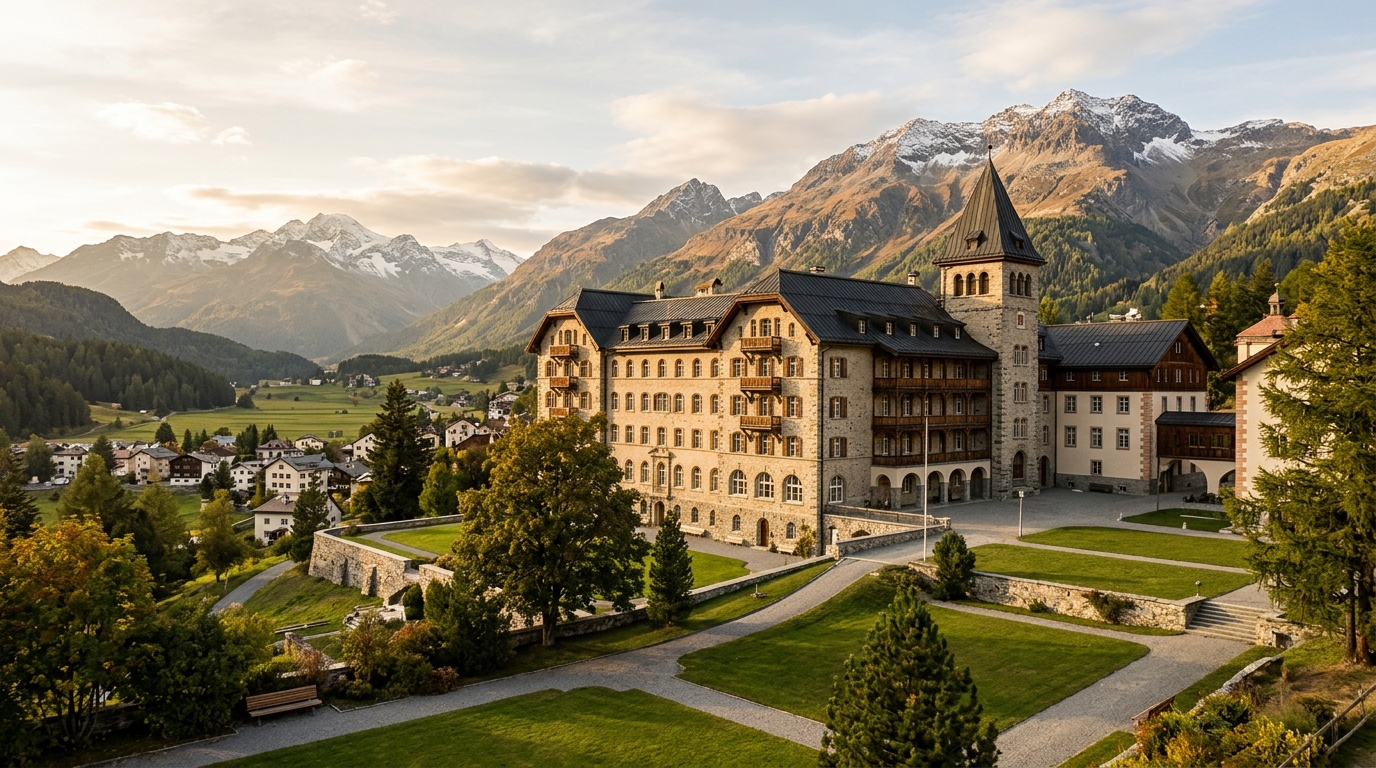
Lyceum Alpinum Zuoz
Zuoz · Switzerland
At 1,750 metres in the Engadine, IB and Swiss Matura classes share the calendar with cricket on Europe's highest pitch, in play since 1922.
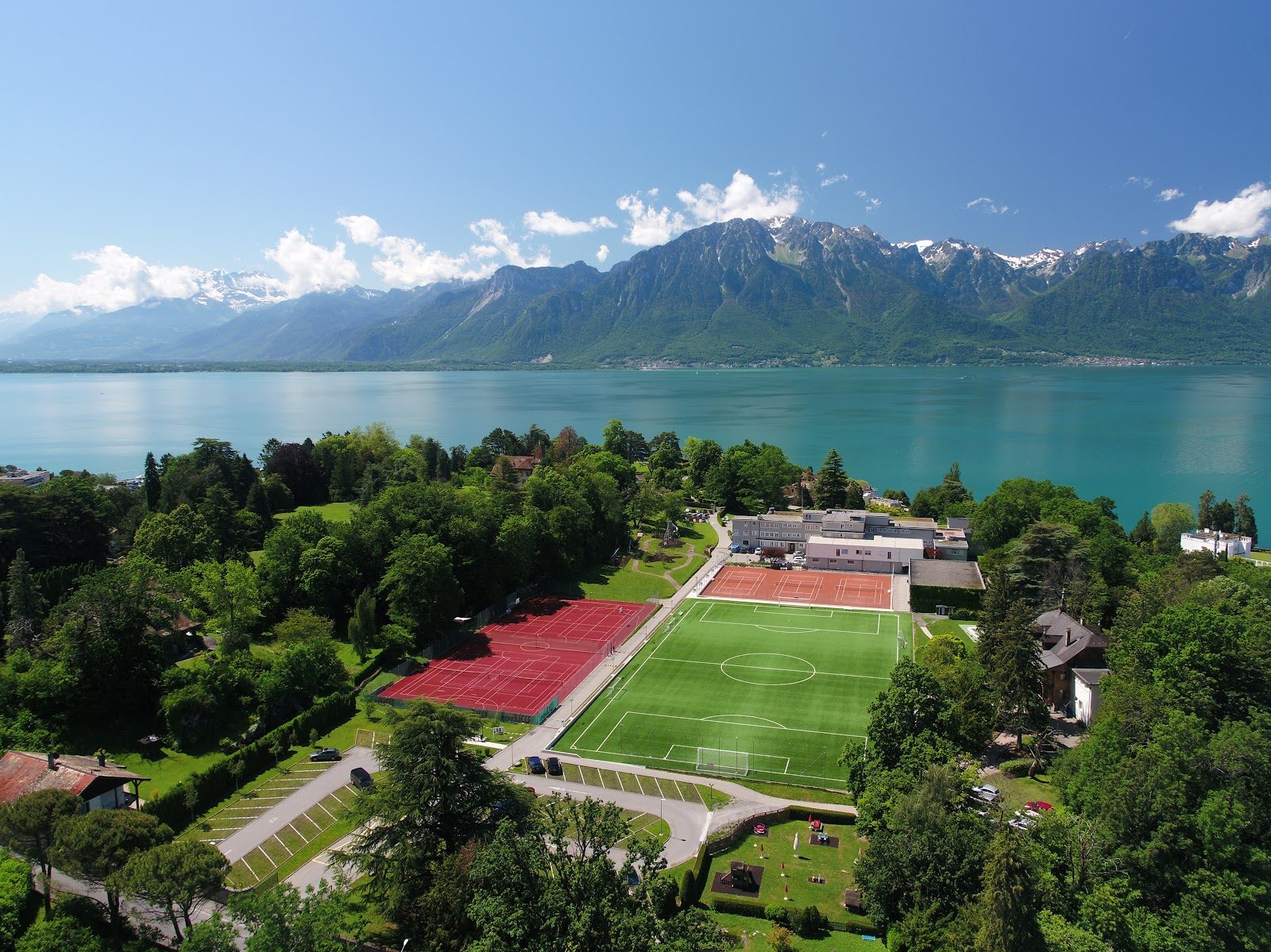
St George's International School (Montreux)
Montreux · Switzerland
Founded in 1927 by two Oxford graduates on the shores of Lake Geneva, pairing British rigor with IB ambition.

Collège Champittet
Pully · Switzerland
A Dominican-founded lakeside campus above Lake Geneva, where boarders choose between IB, French Bac and Swiss Maturite tracks.
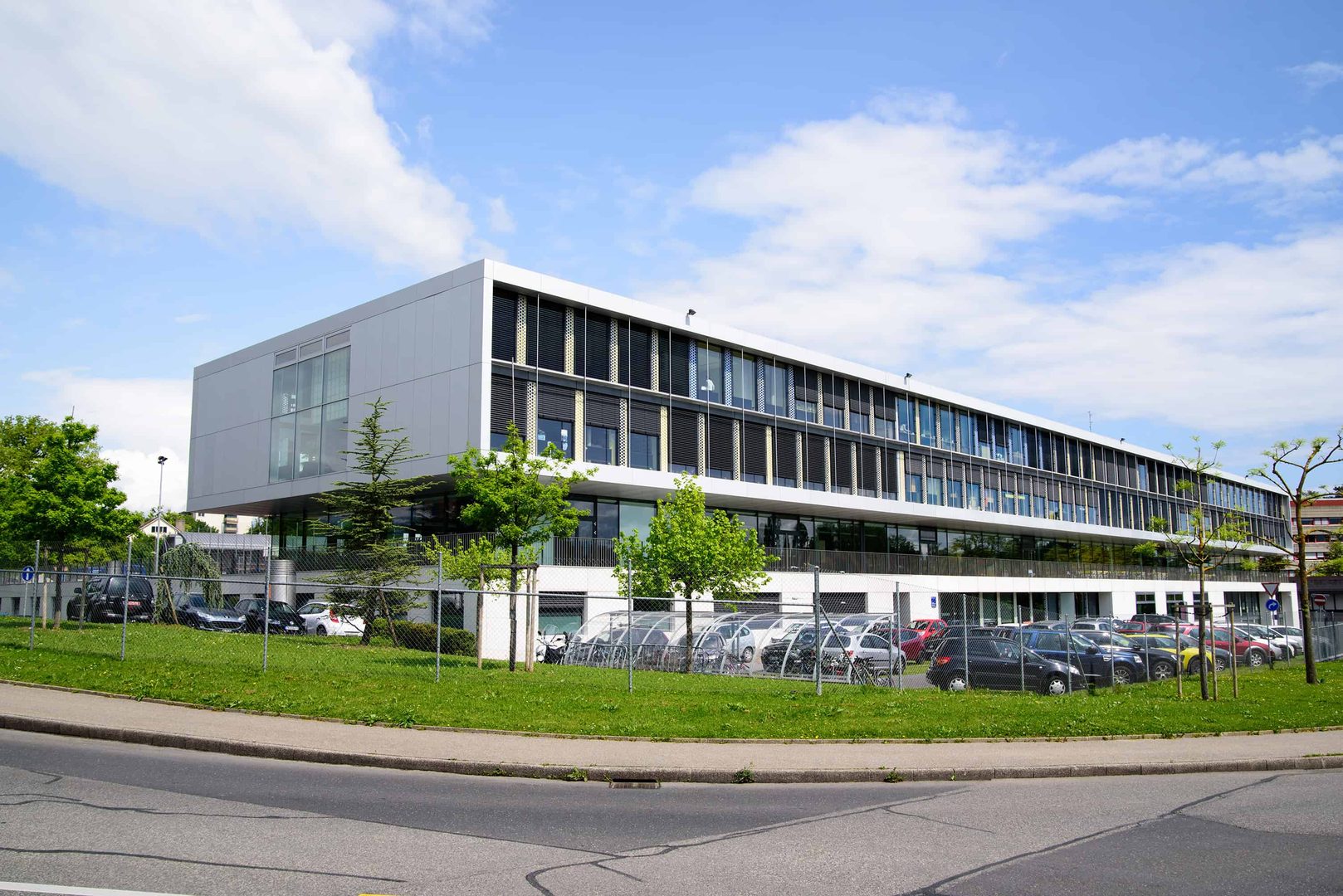
International School of Geneva
Geneva · Switzerland
Born beside the League of Nations in 1924, where its own teachers first drafted the IB diploma.
Same country and curriculum — closest matches within ±10 points either way