
Massachusetts
Brooks School
low confidence· 2/6 cats · 2.6 avg sourcesOn a private New England lake, a century-old rowing tradition meets a three-week January term built for depth over breadth
Type
Both
Ages
14–18
Curriculum
American
Qualifications
AP
Ratio
1:5
The Verdict
Editor's commitment
Right for
Families who want 14–18 boarding or day schooling with a 1:5 ratio, 11-pupil classes and a three-week January term.
Wrong for
Anyone seeking a larger, less intimate American school: Brooks is 14–18 only, non-religious, and built around close adult oversight.
Watch out for
NEASC and NAIS accreditation reassure, but the school publishes no aggregate exam outcomes; you are buying teaching conditions, not hard results.
Ranking breakdown
Brooks School · #740 of 1591
Composite score 65.0. 8 weighted criteria.
By criterion
Academic Outcomes
Weight 20%
#957
of 1529 scored
University Placement
Weight 16%
#911
of 1529 scored
Prestige & Heritage
Weight 12%
#723
of 1571 scored
Alumni Network
Weight 12%
#473
of 1530 scored
Facilities
Weight 12%
#721
of 1534 scored
Transparency & Communications
Weight 8%
#820
of 1532 scored
Peer & Industry Review
Weight 10%
#1108
of 1548 scored
Admissions Selectivity & Demand
Weight 8%
#888
of 1529 scored
Peer & Industry Review
How Brooks School is regarded in the sector
64
Respected · medium confidence
Among its Ten Schools Admission Organization peers -- Hotchkiss, Loomis Chaffee, Taft, Kent, Westminster -- Brooks is regarded as a credible but second-tier presence, valued for its rowing and community feel rather than academic distinction. Admissions officers at selective colleges tend to place it below Andover, Exeter, Deerfield, and Groton in the informal pecking order that still shapes recruitment travel and legacy weight, though its graduates are considered well-prepared for a broad range of liberal arts colleges. Independent boarding-school guides and consultants typically describe it as a solid, family-oriented choice for students who might be overwhelmed by the scale or competitiveness of the largest New England schools, rather than as a first-choice 'trophy' school. It rarely features prominently in national newspaper boarding-school rankings or in the specialist education press beyond routine mentions of its athletic programs, particularly crew, reflecting a reputation built on community and sport rather than headline academic outcomes.
Editors' overview
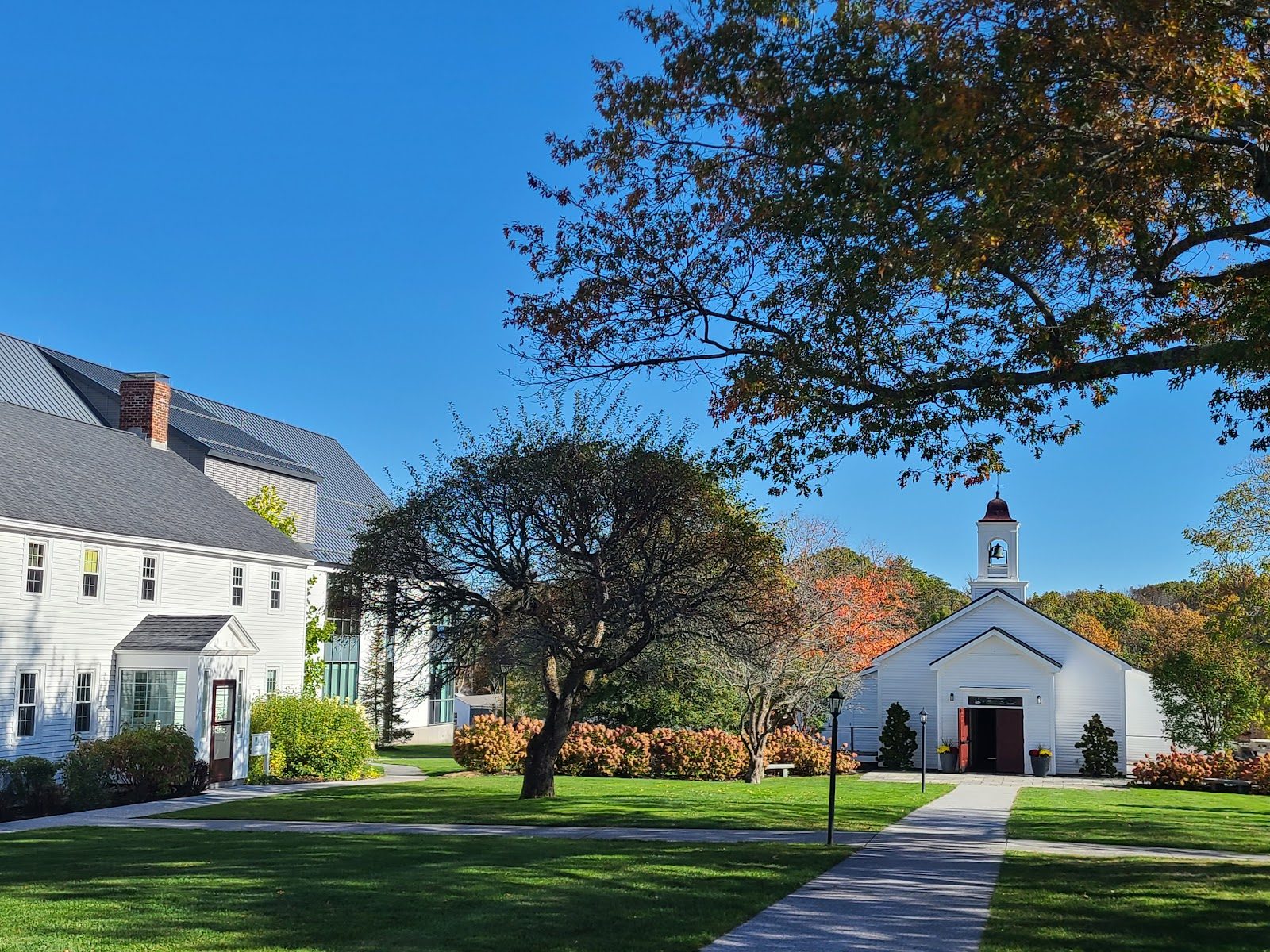
Brooks School sells a rare combination cleanly: a small New England boarding school on a private lake, with enough academic breadth to stop “small” from meaning narrow. The numbers matter. At 340 pupils and a 1:5 student–teacher ratio, Brooks operates at a scale where adults know the children in front of them, not just their timetables. Average classes of 11 reinforce that point. The setting on Lake Cochichewick gives the school a distinct texture — lakeside intensity, close-quartered ambition, a campus life shaped as much by water, winter and dorm life as by classroom routine. This is not an urban day school with a boarding house attached. It is a full residential community that also takes day pupils.
What lifts Brooks above the crowded New England independent-school field is the combination of intimacy and range. The school publishes 161 credit courses, including 64 year-long courses and 65 electives. That is a strong menu for a school this size, and it backs the claim that pupils can build a real academic identity rather than march through a fixed programme. The American curriculum is the standard spine, but Brooks adds texture through internships, exchange and what it calls pre-professional opportunities. The January term matters here. A three-week block devoted to depth over breadth gives the school a rhythm that breaks the usual secondary-school grind and rewards intellectual curiosity, practical work and serious experimentation. For parents who want rigour without the anonymous pressure-cooker model, Brooks has a persuasive case.
Its market position is clear: Brooks sits in the tier of high-end, small-format, college-preparatory boarding schools that trade on access, community and participation rather than brute scale or brand spectacle. It is for families who value contained independence — enough structure to keep adolescents on track, enough freedom for them to grow up. The school’s athletics footprint is substantial, with 44 interscholastic teams, and the lakeside setting gives rowing a natural place in the culture. That heritage, paired with arts and broader co-curricular access, suits students who want to do more than one thing well. Brooks is not the right fit for teenagers who want a huge student body, vast subject departments or the social anonymity that comes with a larger campus. It is for the pupil who wants to be known, pushed and expected to join in.
Why shortlist it? Because Brooks offers earned confidence instead of institutional theatre. It has age, place and a coherent sense of scale. It gives ambitious 14–18 year olds a boarding-school experience with real character: cold mornings on the lake, demanding classes, small discussion rooms, and a community where opting out is harder than stepping up. For the right student — intellectually engaged, socially game, happy in a compact community and open to both challenge and commitment — Brooks is a strong proposition.
Academic Performance
Brooks does not publish the external-results data that would let parents place it cleanly against its New England boarding-school peers. We have not seen aggregate SAT or ACT averages, AP score distributions, or a matriculation table detailed enough to test whether the school’s academic claims translate into hard comparatives. That opacity matters. In this segment of the market, selective schools with strong outcomes usually disclose at least some combination of standardised-test averages, AP volume and top-university destinations. Brooks instead leans on course choice, immersive learning and college-preparatory language. That tells you something about educational style; it does not answer the performance question.
That does not make Brooks weak academically. A school with 161 credit courses and 65 electives can offer real stretch, and small-format teaching gives pupils room to participate rather than hide. But without published exam benchmarks, Brooks sits in the category of credible but under-evidenced schools: institutions that have the structural ingredients for strong attainment, yet ask families to trust the experience more than the scoreboard. Relative to peers, that places Brooks behind the most transparent New England competitors on proof, not on promise. Parents who care about external validation should ask for recent SAT or ACT ranges, AP subject entries and score bands, and a fuller college-destination breakdown before treating Brooks as a top-tier academic performer rather than a strong all-rounder with opaque results.
Facilities
The defining facility at Brooks is the lake. A campus on the shore of Lake Cochichewick gives the school an asset that many New England peers cannot replicate at any price: water integrated into daily life rather than hired in by bus. That matters most for rowing, where place and practice culture reinforce each other, but it also shapes the whole atmosphere of the school — contained, weather-bound, deeply residential. The grounds extend across 270 acres, which is generous for a school of this scale and gives Brooks room for proper athletic spread rather than compressed, multi-use compromises. Add 44 interscholastic teams and the picture is clear: sport here has infrastructure behind it, not just timetable space. Against peers, that puts Brooks in the strong camp for outdoor and athletic provision, with a more distinctive natural setting than many polished but interchangeable boarding campuses.
Academically, the key facility story is not a single showpiece building but access. A school offering 161 credit courses needs enough teaching rooms, labs, studios and practice spaces to sustain choice without chaos, and Brooks plainly runs as a place where specialist use is built into the week. What we do not get is the kind of public-facing detail that top schools now publish routinely: no crisp breakdown of science labs, theatre specification, maker facilities or music practice stock. That limits precision. So the verdict sits here: Brooks offers a serious, well-resourced campus with a genuinely distinctive natural advantage, but it markets experience more than infrastructure. Families comparing it with the most facilities-forward competitors should ask harder questions on arts, science and indoor performance spaces.
Brooks School sells a rare combination cleanly: a small New England boarding school on a private lake, with enough academic breadth to stop “small” from meaning narrow
Prestige
Brooks carries real New England boarding-school cachet, but not the global name recognition of the region’s most famous old-guard institutions. Its prestige rests on a different base: selective small-scale education, a deeply residential culture, a serious athletics tradition and the kind of faculty access that affluent families understand immediately once they visit. In that market, Brooks holds strong standing. A pupil at Brooks benefits from association with a school that has kept its identity intact rather than chasing scale, spectacle or programme inflation. The setting on Lake Cochichewick, the established rowing culture and the compact student body of 340 all reinforce a brand of prestige built on insider esteem rather than mass-market visibility.
That is why the school rates as high-status but not pinnacle-status. Among American independent schools, Brooks sits in the respected tier: a place that signals discernment, resources and ambition, but not automatic social awe outside boarding-school circles. The academic menu of 161 credit courses gives the school substance behind the label, and the low staffing ratio adds to the sense of serious educational investment. What holds the prestige rating a notch below the very top is not a lack of quality, but a lack of public proof and broader name power. Brooks commands respect among families who know the sector. It does not dominate the conversation in the way the most famous New England schools do. That distinction matters, and Brooks fits it cleanly.
What holds the prestige rating a notch below the very top is not a lack of quality, but a lack of public proof and broader name power
Communications
Brooks communicates in the way many small American boarding schools do: by selling access, community and constant involvement. The public-facing message is clear enough. News items are current, the events calendar is active, and the school gives parents multiple windows into daily life rather than relying on a single polished admissions narrative. That matters in a residential setting, where families need evidence that school life is not sealed off behind dorm doors. The tone, though, leans institutionally warm and community-first rather than sharply informational. You get plenty of emphasis on belonging, exploration and trying new things; you get less hard operational detail than exacting parents may want on academic outcomes, departmental substance or how the school handles pressure points. In that sense, Brooks communicates culture better than proof.
Effectiveness depends on what a parent wants. For families choosing on fit, atmosphere and confidence in adult oversight, Brooks does the job well. The school projects a close-quartered, high-contact environment where pupils are known and visible, and the steady flow of stories and notices supports that claim. For families who treat communication as a test of institutional transparency, the picture is more mixed. A school advertising 161 credit courses and 44 interscholastic teams needs crisp explanation of how all that breadth works in practice. Brooks gives the flavour. It gives less of the hard-edged specificity that distinguishes the most transparent schools. Effective, then, but stronger on reassurance than disclosure.
Uniqueness
What sets Brooks apart is not prestige theatre or scale. It is the way place, structure and expectations lock together. The school uses its lakefront setting as part of the educational experience, not as a backdrop for prospectus photography. That gives rowing unusual weight in the culture and adds a hard-edged sense of routine to daily life: weather matters, seasons matter, and campus life has a physical seriousness that many manicured suburban independents lack. Add a student body of just 340 and a sports programme with 44 interscholastic teams, and Brooks lands in a distinctive niche: small enough to be watchful, broad enough to be demanding, and *active enough to make participation the norm rather than an optional extra*.
The other point of difference is the school’s resistance to narrow specialisation. Brooks gives pupils many ways to build identity across classes, sport, arts, internships and exchange, without forcing them into one high-performance lane too early. That matters for teenagers who are capable in several domains and do not want a school that rewards only the already-finished prodigy. The result is a compact, high-expectation environment where students get tested socially as well as academically. You do not disappear easily here. For the right pupil, that brings real gains: stronger habits, closer adult scrutiny, more chances to try something new, and a fuller education than schools that split cleanly into academic winners, athletic stars and everyone else.
At 340 pupils and a 1:5 student–teacher ratio, Brooks operates at a scale where adults know the children in front of them, not just their timetables
Student Profile
Brooks suits the teenager who wants to be known and can tolerate the pressures that follow from that. In a school of this scale, with classes averaging 11 and a staffing ratio of 1:5, invisibility is not on offer. The best fit is a pupil who will use that attention well: intellectually alert, willing to speak in class, prepared to ask for help, and mature enough to live in a community where adults and peers notice changes in effort, behaviour and mood quickly. This is also a strong home for the student who does not want to choose one identity too early. Brooks makes sense for children who want solid academics alongside sport, arts or other commitments, and who are energised by a high-participation, close-surveillance environment rather than exhausted by it.
The social fit matters just as much. Brooks is for pupils who will join in, not hover at the edges waiting for anonymity to protect them. The school’s residential culture, lakeside routines and longstanding athletic currents reward resilience, sociability and a degree of cold-weather grit. Rowers and committed athletes will find a natural lane, but the broader profile is not one-dimensional jock culture; it is better read as busy, communal, expectation-heavy. The weaker fit is the teenager who wants a huge friendship market, niche subcultures, or the freedom to stay detached. Brooks asks for presence. Students who thrive on structured independence and steady adult contact tend to do well here.
This is not an urban day school with a boarding house attached
Co-curricular strengths
Arts & sport, on a separate axis
Overall 9.18/10
Scored 0-10 from the school's own published evidence. This axis is editorial-only — it does not feed the main WTS ranking.
Sports
9.5/10
Historic ISL powerhouse; fields highly competitive squads utilizing world-class indoor ice rinks, squash courts, and extensive turf layouts.
Drama
9.2/10
Ambitious theater curriculum staging large-scale classical and contemporary plays inside their primary performing arts spaces.
Dance
8.7/10
Popular choreographic asset utilized to build movement and synchronization ensembles for large-scale performance showcases.
Music
9.2/10
Outstanding chamber orchestras, wind ensembles, and choral troupes that routinely headline major New England youth music festivals.
Visual Arts
9.3/10
Sun-drenched studio spaces running advanced design pipelines, ceramics, and photography to build elite university portfolios.
Strengths
- +Boarding and day options for ages 14–18
- +American curriculum taught in English
- +NEASC and NAIS accreditation
- +Historic strength in ice hockey and squash
Considerations
- −Only serves ages 14–18
- −Boarding school format may not suit all families
- −Non-religious setting won’t suit faith-based preferences
Availability
Primary entry gate & tests
ISEE/SSAT + Interview
Gallery
Parent reviews
Have you sent your child here?
Voice reviews carry the strongest trust badge — we transcribe them for you to tidy up before they go live. Prefer to type? A written review is fine too.
Add your voice
In 60 seconds, tell other parents: what's the best thing about Brooks School, and what surprised you when your child joined?
We ask for a Google sign-in so every review has a real face behind it — no anonymous drive-by attacks on schools, and no faked positive reviews. Your email is never shown publicly.
Send this profile to a friend
International parents rely on word-of-mouth. Share this review with someone weighing the same decision.
Schools with places
Similar schools to Brooks School with places available now.
Boston University Academy
Boston · United States
- 2026-27
- CLOSEDRegular cycle closed
- 2027-28
- OPENS SOONOpens Sept '26
Belmont Hill School
Belmont · United States
- 2026-27
- CLOSEDRegular cycle
- 2027-28
- PLACES OPENApplication route live
Noble and Greenough School
Dedham · United States
- 2026-27
- CLOSEDRegular cycle
- 2027-28
- PLACES OPENJan 15 '27 Deadline
Middlesex School
Concord · United States
- 2026-27
- CLOSEDRegular cycle
- 2027-28
- OPENS SOONOpens 1 Sept '26
Availability first, then country, area, curriculum, price, co-curricular
Consider also
Also worth looking at alongside Brooks School.
The Buckley School
New York City · United States
On Manhattan's Upper East Side since 1913, a K-9 boys' school pairing classical rigor with mandatory public-speaking training for every student.
Head-Royce School
Oakland · United States
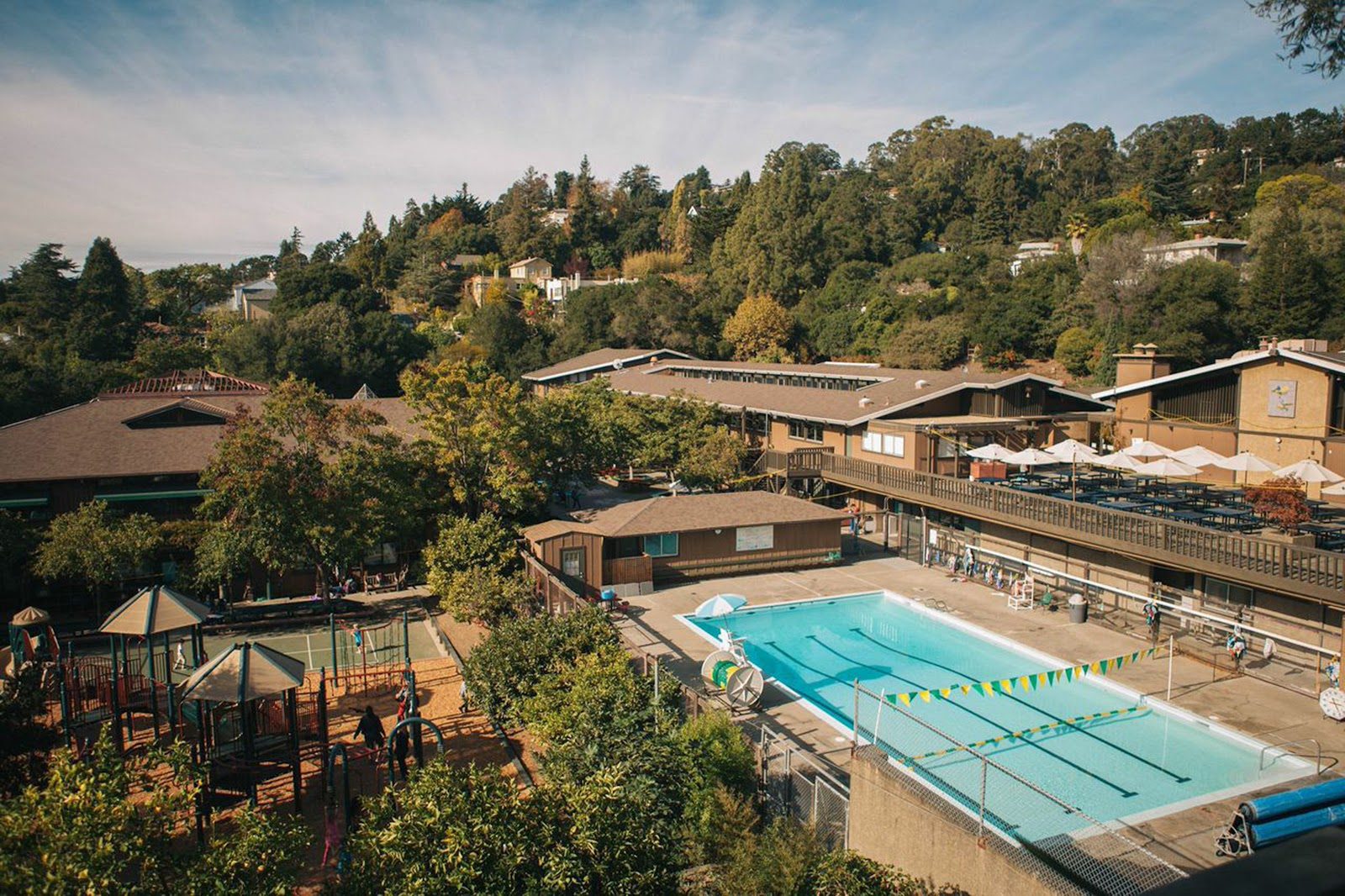
Since 1887 on a wooded Oakland hills campus, pairing rigorous scholarship with a decades-old public-school partnership that opens college doors for first-generation students
Friends Seminary
New York City · United States
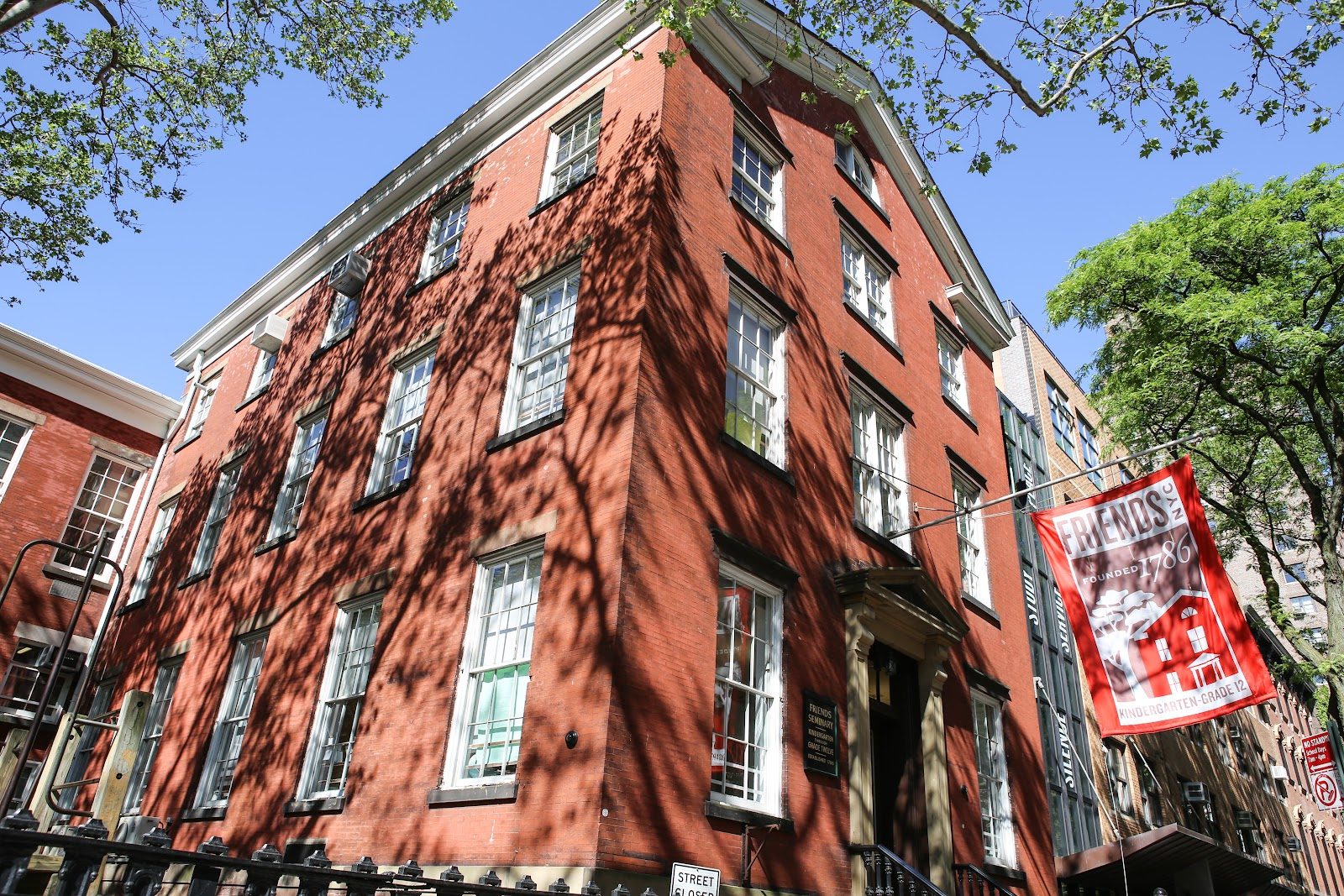
Founded in 1786, the oldest coeducational school in New York City still teaches Quaker simplicity and peace amid Manhattan's bustle
Princeton Day School
Princeton · United States
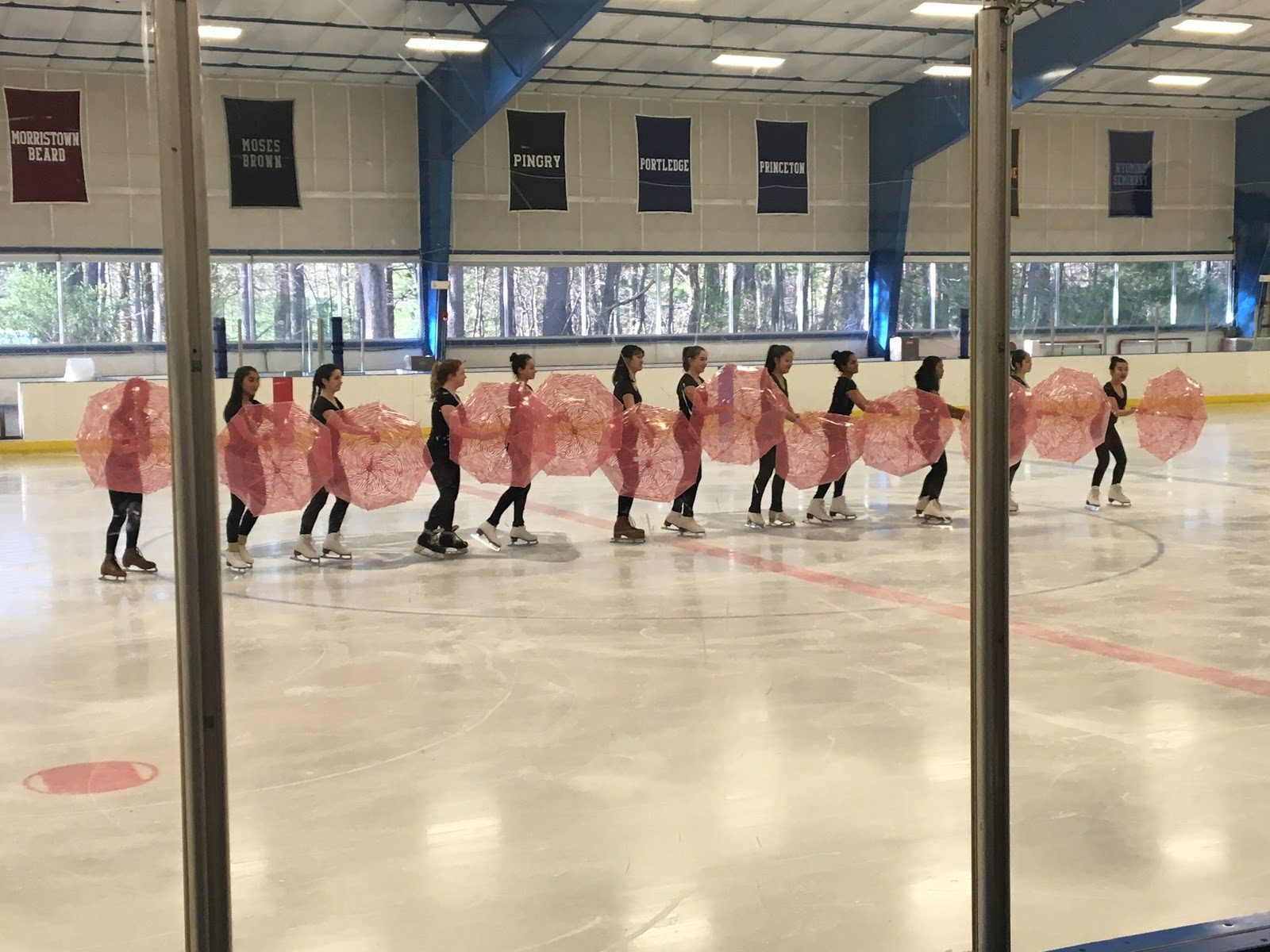
Formed by a 1965 merger of two century-old Princeton schools, pairing STEAM rigor with a rare four-year architecture program across 106 acres.
Same country and curriculum — closest matches within ±10 points either way