
California
Crossroads School for Arts & Sciences
low confidence· 2/6 cats · 2.75 avg sourcesA Santa Monica progressive school that dropped AP entirely, replacing it with its own Crossroads Advanced Studies curriculum in 2007.

Photo © Crossroads School for Arts & Sciences via Google Maps
Type
Day
Ages
5–18
Curriculum
American (US High School Diploma) · AP (Advanced Placement)
Ratio
8:1
The Verdict
Editor's commitment
Right for
Children who thrive in progressive classrooms, an 8:1 ratio, and a K-12 day school that scrapped AP in 2007.
Wrong for
Families paying US$57,381 a year for a conventional AP ladder, heavy standardisation, or anything beyond an English-medium day school.
Watch out for
The context still lists AP, yet Crossroads replaced it with Crossroads Advanced Studies in 2007; parents need that contradiction resolved.
Ranking breakdown
Crossroads School for Arts & Sciences · #818 of 1591
Composite score 64.9. 8 weighted criteria.
By criterion
Academic Outcomes
Weight 20%
#334
of 1529 scored
University Placement
Weight 16%
#305
of 1529 scored
Prestige & Heritage
Weight 12%
#296
of 1571 scored
Alumni Network
Weight 12%
#1462
of 1530 scored
Facilities
Weight 12%
#339
of 1533 scored
Transparency & Communications
Weight 8%
#388
of 1532 scored
Peer & Industry Review
Weight 10%
#335
of 1548 scored
Admissions Selectivity & Demand
Weight 8%
#400
of 1529 scored
Peer & Industry Review
How Crossroads School for Arts & Sciences is regarded in the sector
82
Strong · medium confidence
Crossroads School for Arts & Sciences is widely known in specialist education and entertainment press as one of the most prominent private schools in Los Angeles, frequently cited for its strong arts program and celebrity/entertainment-industry alumni network (e.g., Spike Jonze, Kate Hudson, Gwyneth Paltrow, Jonah Hill). It regularly appears in national media coverage (Hollywood Reporter, LA Times, Vanity Fair) discussing elite private schools and college admissions culture in Southern California, and is commonly referenced by peer independent schools as a benchmark for arts-focused college-prep education. However, it lacks the consistent presence in global 'best schools' rankings or Tatler/Good Schools Guide-type international coverage that would place it in the very top tier.
Evidence sources
- Jack Black — Actor, Entertainment
- Kate Hudson — Actress, Entertainment
- Jonah Hill — Actor/Director, Entertainment
Editors' overview
Crossroads did something rare in American independent schooling: it dropped AP in 2007 and replaced it with its own Crossroads Advanced Studies curriculum. That decision tells parents almost everything they need to know. This is not a school chasing standardised badge value; it is a school that backs its own academic judgment and expects families to buy into a progressive model. In Santa Monica, with an 8:1 student-teacher ratio and a full K–12 age range from 5 to 18, Crossroads occupies the expensive, self-confident end of the market. The average annual day fee across the school is $57,381, which puts it firmly in premium US private-school territory. It is non-religious, English-medium and day-only, founded in 1971, with NAIS accreditation.
What makes it special is the combination of progressive teaching, serious arts provision and a refusal to let the senior years be dictated by AP course packaging. The school’s own language leans hard on creativity, questioning and self-knowledge; more interesting is that the structure backs that up. Crossroads has a dedicated Bezdek Center for the Performing Arts, a visible Equity & Justice Institute, and a programme map that includes experiential and outdoor education, life skills and social justice alongside the standard academic spine. This is a distinctive proposition for parents who want an American diploma route without the narrowness and status anxiety that can dominate conventional college-prep schools. The trade-off is clear too: families who want a heavily codified, exam-driven environment with lots of externally benchmarked data may find Crossroads frustratingly opaque. The school does not publish aggregate AP outcomes because AP is no longer the point.
The children who thrive here are bright, articulate and intellectually restless. They ask questions, make things, perform, write, debate and test ideas. Artistically ambitious students will find real substance here, but Crossroads is not only for future actors and musicians; it also suits academically able children who dislike rote learning and do better in discussion-led classrooms. It is *not for families seeking orthodox prestige signals* or a tightly traditional culture. Parents should shortlist Crossroads if they want a school with a strong sense of educational identity, enough scale to offer breadth, and the confidence to reject the standard American advanced-course script. For the right child, that makes it a serious outlier in a crowded market.
Academic Performance
Crossroads gives parents a clear trade-off on academic performance: it does not lean on the external exam architecture that many American independents use to advertise rigour. The school context still lists AP, but the editorial record already establishes that AP no longer drives the senior programme. That leaves families without the easiest benchmarking tools. The school does not publish aggregate AP scores, SAT or ACT averages, IB results, or any other public dataset that would let outsiders place Crossroads neatly against exam-heavy peers. In raw accountability terms, that is opaque. Against schools that produce pages of score distributions and matriculation tables, Crossroads offers far less hard proof.
That does not make the academics weak; it makes them harder to verify from the outside. The school’s own emphasis on questioning, interdisciplinary study, Life Skills and experiential learning points to a model that values intellectual range over exam volume. Among progressive day schools, that puts Crossroads in the self-directed, anti-credentialist camp rather than the results-first camp. For the right family, that is a strength. For parents who want externally benchmarked evidence of sixth-form-level attainment, it is a real limitation. Relative to conventional college-prep rivals, Crossroads asks for more trust and supplies less published data. Relative to progressive peers, that stance is entirely coherent—but it still leaves academic outcomes hard to measure in public.
Facilities
The standout facility is the Bezdek Center for the Performing Arts. That matters because many independent schools talk up the arts while housing them in converted halls and multipurpose rooms; Crossroads has put major capital behind performance. Paired with the Sam Francis Gallery, a Music Archive, aquatics provision and public events programming, the campus infrastructure gives creative work institutional weight rather than after-school status. The school also runs on two sites — an elementary campus on Olympic Boulevard and a middle-and-upper-school campus on 21st Street — which is a practical arrangement, not a romantic one: younger children get age-appropriate space, while older students gain access to more specialised facilities without the sprawl of a giant suburban plant. Against peer schools, this is a serious arts platform, not a token add-on.
The more interesting comparison is with academically intense Los Angeles independents that win on laboratories, stadiums or headline-making campuses. Crossroads does not advertise that kind of arms-race infrastructure. What it does show is a campus set-up aligned with its educational priorities: arts, community programming, outdoor and experiential education, and room for discussion-led teaching supported by a low staffing ratio of 8:1. For parents who value theatres, gallery space and a school environment built for expressive, public-facing work, that is persuasive. For families hunting for the shiniest hardware in science or sport, the public picture is thinner, and the school leaves gaps.
That is genuinely distinctive in a market full of college-prep conformity
Prestige
Crossroads carries selective cultural prestige more than orthodox academic prestige. In Los Angeles circles, the name has weight because the school has a long-established identity, a visible arts infrastructure and the confidence to run against mainstream American college-prep habits. The dedicated performing arts centre matters here: schools that invest in named arts facilities and make public events part of their institutional life signal standing, donor support and community reach. The low staffing ratio — 8:1 — also feeds prestige, not as a badge in itself but as evidence of a resource-rich model. Add an average annual fee of $57,381 and Crossroads sits in the expensive, socially legible tier of independent schooling.
That said, this is not the kind of prestige that reassures every parent. Crossroads does not trade on the usual arsenal of public score data, exam bragging or hyper-formal academic branding. Its reputation rests on educational conviction, creative seriousness and social capital, not on mass-market metrics. That makes the school high-status but non-standard. Among families who value progressive education, the arts and a more self-defined version of excellence, that reads as distinctive and impressive. Among families who want prestige validated by published outcomes and conventional academic signals, it reads as less bankable. The rating lands in the upper tier because Crossroads is well-known, well-resourced and confident — but its prestige is tribal rather than universal.
Among families who value progressive education, the arts and a more self-defined version of excellence, that reads as distinctive and impressive
Communications
Crossroads communicates with parents through a dense but functional website and a public-facing calendar of admission events, community programmes and school initiatives. The structure tells you something important: this is a school that expects families to engage with the institution’s ideas, not just its logistics. There are clear entry points for different age groups, dedicated pages for affordability, FAQs, faculty directories, news, magazines, public events and contact details for both campuses. That is organised and adult, not glossy waffle. The site also gives unusual prominence to the Equity & Justice Institute, summer programming and community-facing events, which reinforces the school’s wider educational agenda. Parents who want a neat stream of practical information can get it. Parents who want instant clarity on measurable academic outcomes will hit a wall. The school publishes plenty of ethos and programme architecture, but not the hard performance data that more conventional college-prep schools use to reassure families.
That makes Crossroads’ parent communication strong on identity, weaker on proof. The welcome from the head is full of institutional voice, and the message is consistent across the site: questioning, creativity, whole-child education, public engagement. There is no confusion about what the school values. The weakness is that conviction can shade into self-referential confidence. Families paying an average of $57,381 a year and buying into a low-ratio model of 8:1 have every right to expect sharper public accountability on outcomes. Crossroads communicates its philosophy extremely clearly; it communicates academic verification far less well.
Uniqueness
Crossroads is unusual because its progressivism is not cosmetic. Plenty of schools borrow the language of student voice and creativity while keeping the real hierarchy intact: core academics first, arts as enrichment, pastoral work as support service. Crossroads builds the whole proposition differently. Life Skills, service learning, experiential and outdoor education, social justice work and a dedicated Equity & Justice Institute sit inside the school’s public identity, not at the edge of it. The result for students is an education that treats character, ethical literacy and public engagement as part of the main course. Combined with the low 8:1 staffing ratio, that gives children unusual room to be known well, challenged directly and pushed to articulate who they are, not just what grade they can secure. That is genuinely distinctive in a market full of college-prep conformity.
The second point of difference is the school’s serious creative infrastructure. A named performing arts centre, gallery provision, music archive and public programming give artistic work status, visibility and an audience. Students do not just take arts classes; they work in an environment where performance, exhibition and expression carry institutional weight. That changes the texture of school life. It produces pupils who are more practised in presenting ideas, taking interpretive risks and working across disciplines. The upside is breadth with conviction. The trade-off is plain: children who want a tightly standardised, exam-centred experience will find Crossroads out of step with that model. For intellectually curious, expressive students, that nonconformity is the point.
Crossroads did something rare in American independent schooling: it dropped AP in 2007 and replaced it with its own Crossroads Advanced Studies curriculum
Student Profile
The children who fit Crossroads are verbally confident, reflective and happy in classrooms where questions carry as much weight as answers. This is a school for pupils who want to discuss, interpret, perform, collaborate and test ideas in public, not just master a syllabus in private. The official message about students “knowing who they are” matters because it points to a culture that rewards self-possession early. Children who need heavy external structure, constant ranking or the motivational pressure of frequent standardised comparison will find that disorienting. Children with a strong internal motor — curious, expressive, comfortable with adults, willing to take intellectual and creative risks — will find room here. The low 8:1 ratio also suits students who benefit from being known closely rather than managed at scale.
Socially, Crossroads fits families who are at ease with a progressive, values-laden environment in which service, justice, emotional literacy and community engagement are part of daily school life, not side projects. That does not mean every child needs to be politically outspoken or artistically precocious. It does mean a pupil who is rigidly conventional, deeply grade-fixated or suspicious of reflective pastoral work will feel out of tune. The strongest match is a child with genuine interests, some creative appetite, and enough resilience to handle a school that asks for voice, participation and self-awareness, not passive compliance. For the right student, that is liberating. For the wrong one, it is a poor fit.
That decision tells parents almost everything they need to know
Co-curricular strengths
Arts & sport, on a separate axis
Overall 9.1/10
Scored 0-10 from the school's own published evidence. This axis is editorial-only — it does not feed the main WTS ranking.
Sports
7.5/10
'aquatics programming' and 'athletics,' and describes Crossroads as having 'renowned arts and athletics programs,' which is enough to show a notable, clearly established sports offering even though no dedicated athletic complex or results are named.
Drama
9.6/10
Crossroads has the named Bezdek Center for the Performing Arts, and the review repeatedly emphasizes serious arts provision integrated into school life, which supports a strong drama score on dedicated-facility evidence.
Dance
9/10
Music
9.8/10
The Bezdek Center for the Performing Arts and also mentions a music archive, giving music both dedicated-facility and dimension-specific infrastructure evidence.
Visual Arts
9.6/10
The Sam Francis Gallery is a named visual-arts facility, and the school is repeatedly described as arts-serious with substantial arts programming, supporting a notable visual arts score.
Editor-verified · 8/6/2026
Strengths
- +Founded in 1971 with a distinctive mission combining academic rigor with a comprehensive fine and performing arts program, community service and environmental education.
- +Very low student-teacher ratio of 8:1, allowing close mentoring relationships between faculty and students across the K-12 range.
- +Operates a dedicated Affordability Program providing over $11 million in aid annually to roughly one in four students, easing pure fee-based selection.
- +Long, visible track record of arts-focused alumni outcomes, including graduates who have gone on to notable careers in music, film and the arts.
- +Non-discriminatory admissions policy explicitly stated by the school, covering race, national origin, sexual orientation, gender identity and religion.
Considerations
- −Upper school tuition sits above $50,000 a year, a significant recurring cost for relocating families without additional aid.
- −Day school only, with no boarding option, meaning families moving from abroad must independently arrange local housing and guardianship.
- −Two separate campuses a few blocks apart in Santa Monica adds a logistical layer for families juggling drop-offs across grade levels.
- −The school's public profile is closely tied to a well-known roster of celebrity families, which can shape the social culture in ways not every family will want.
Availability
Primary entry gate & tests
ISEE/SSAT + Interview
Gallery
Photo © Crossroads School for Arts & Sciences via Google Maps
Photo © Crossroads School for Arts & Sciences via Google Maps
Photo © Crossroads School for Arts & Sciences via Google Maps
Photo © Crossroads School for Arts & Sciences via Google Maps
Photo © Crossroads School for Arts & Sciences via Google Maps
Photo © Crossroads School for Arts & Sciences via Google Maps
Photo © Crossroads School for Arts & Sciences via Google Maps
Photo © Crossroads School for Arts & Sciences via Google Maps
Photo © Crossroads School for Arts & Sciences via Google Maps
Parent reviews
Have you sent your child here?
Voice reviews carry the strongest trust badge — we transcribe them for you to tidy up before they go live. Prefer to type? A written review is fine too.
Add your voice
In 60 seconds, tell other parents: what's the best thing about Crossroads School for Arts & Sciences, and what surprised you when your child joined?
We ask for a Google sign-in so every review has a real face behind it — no anonymous drive-by attacks on schools, and no faked positive reviews. Your email is never shown publicly.
Send this profile to a friend
International parents rely on word-of-mouth. Share this review with someone weighing the same decision.
Schools with places
Similar schools to Crossroads School for Arts & Sciences with places available now.
Head-Royce School
Oakland · United States
- 2026-27
- CLOSEDRegular cycle
- 2027-28
- OPENS SOONOpens Sept '26
The Webb Schools
Claremont · United States
- 2026-27
- CLOSEDRegular cycle closed
- 2027-28
- PLACES OPENPortal live
The Branson School
Ross · United States
- 2026-27
- CLOSEDRegular cycle
- 2027-28
- OPENS SOONOpens Sept '26
Crystal Springs Uplands School
Hillsborough · United States
- 2026-27
- CLOSEDRegular cycle
- 2027-28
- OPENS SOONOpens Sept '26
Availability first, then country, area, curriculum, price, co-curricular
Consider also
Also worth looking at alongside Crossroads School for Arts & Sciences.
The Buckley School
New York City · United States
On Manhattan's Upper East Side since 1913, a K-9 boys' school pairing classical rigor with mandatory public-speaking training for every student.
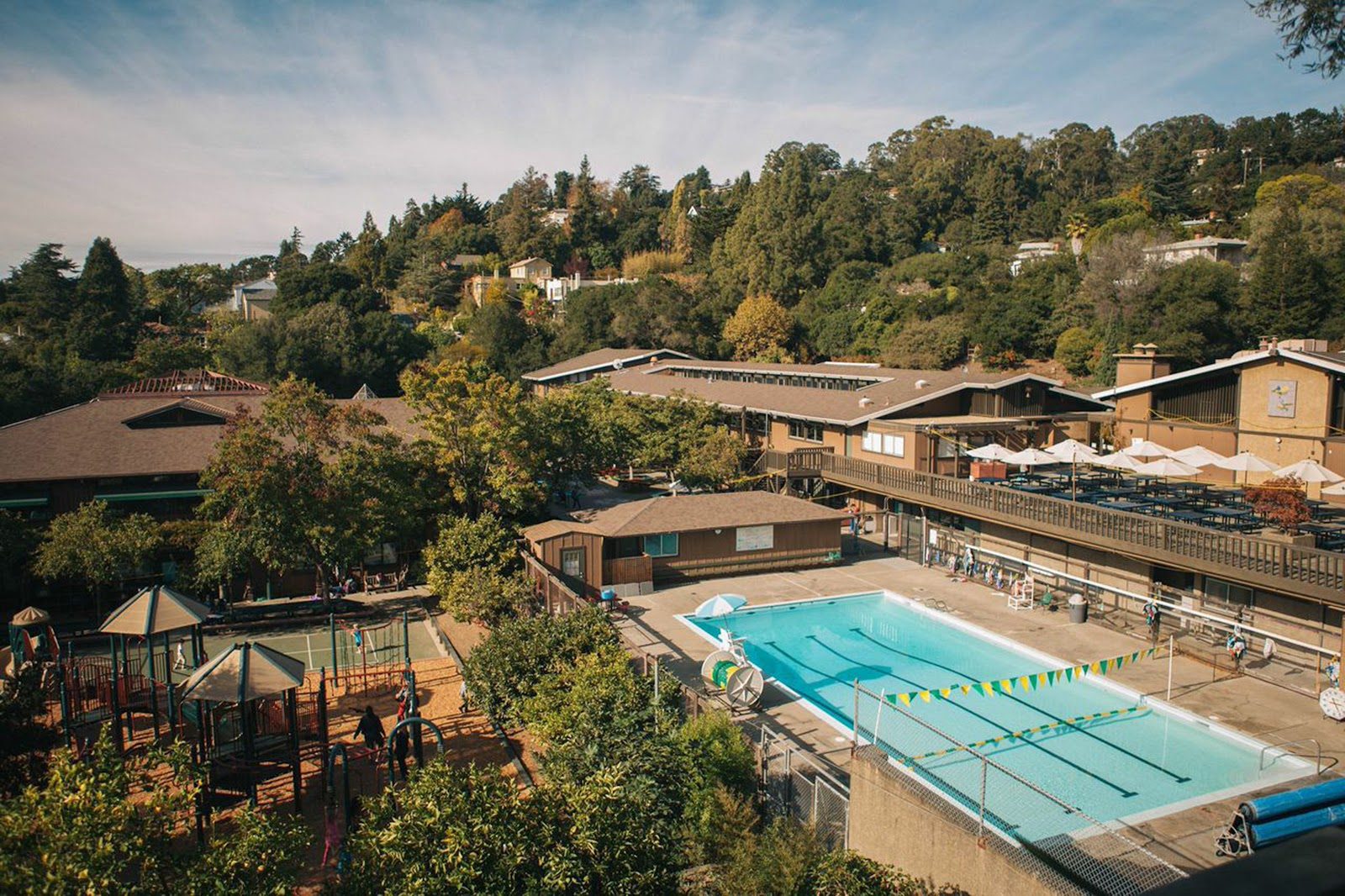
Head-Royce School
Oakland · United States
Since 1887 on a wooded Oakland hills campus, pairing rigorous scholarship with a decades-old public-school partnership that opens college doors for first-generation students
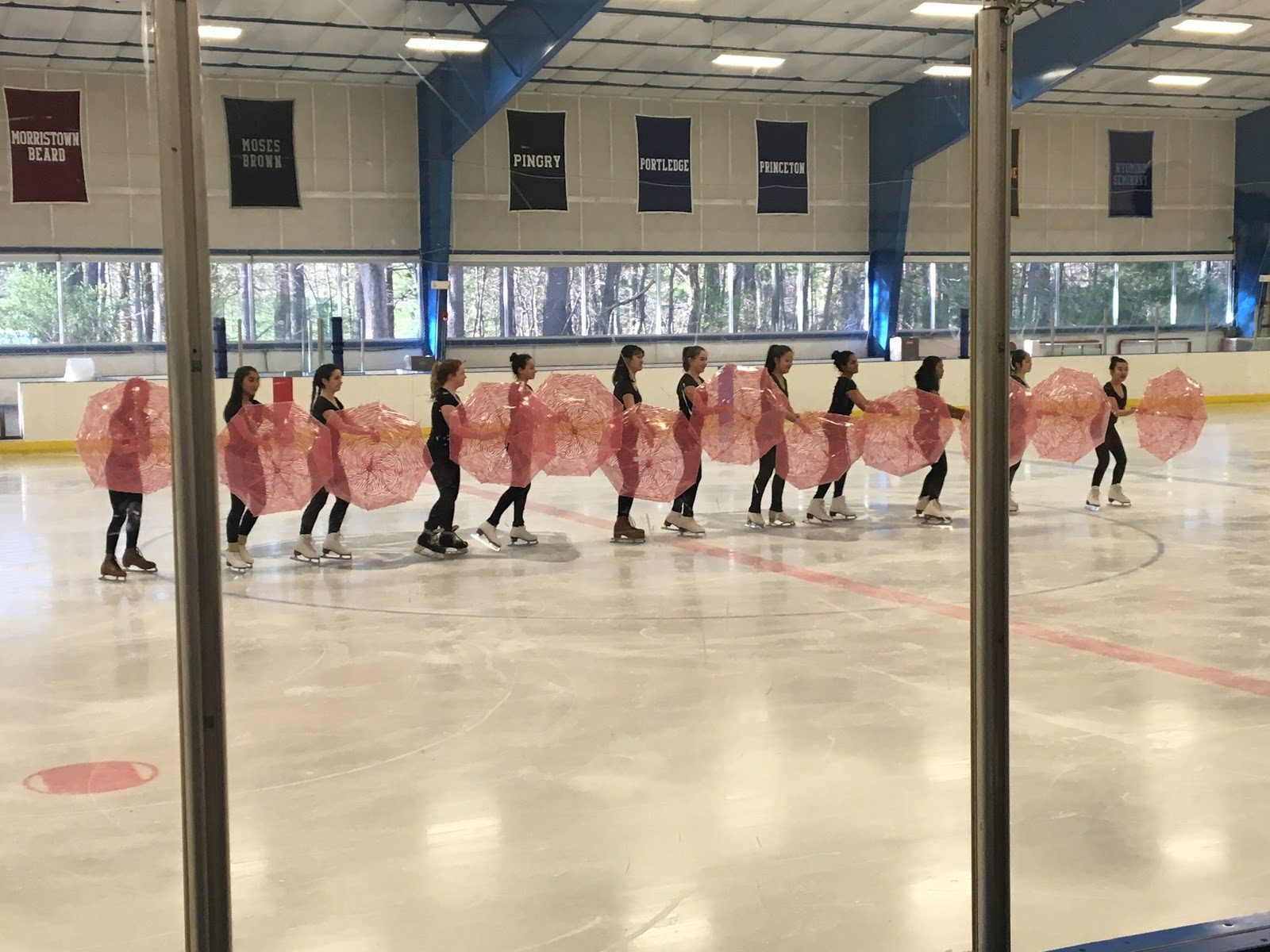
Princeton Day School
Princeton · United States
Formed by a 1965 merger of two century-old Princeton schools, pairing STEAM rigor with a rare four-year architecture program across 106 acres.
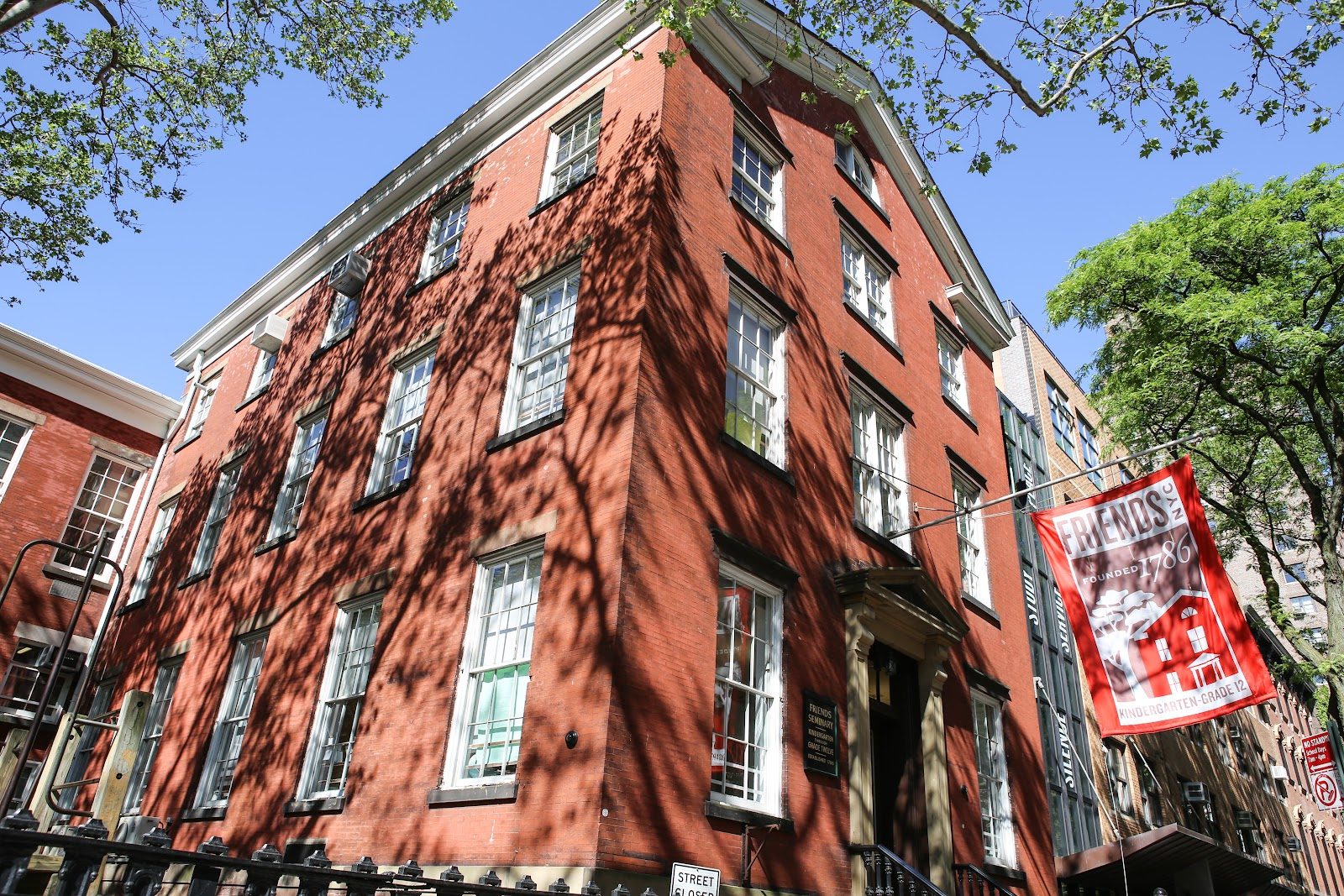
Friends Seminary
New York City · United States
Founded in 1786, the oldest coeducational school in New York City still teaches Quaker simplicity and peace amid Manhattan's bustle
Same country and curriculum — closest matches within ±10 points either way