
Wiltshire
Dauntsey's School
low confidence· 3/6 cats · 2.67 avg sourcesOn Salisbury Plain's edge, an 1895 farm school now sends pupils ocean sailing aboard its own century-old gaff cutter, Jolie Brise.
Type
Both
Ages
11–18
Curriculum
British
Qualifications
A-Level · GCSE
Ratio
—
The Verdict
Editor's commitment
Right for
Pupils aged 11–18 who want full boarding-school range on 150 acres, plus a British curriculum and an average class size of 19.
Wrong for
Families wanting city access or a tight urban campus; West Lavington is rural Wiltshire, 80 miles from Heathrow, with 830 pupils.
Watch out for
This is expensive: average annual fees run at £30,000 day and £53,000 boarding, and the school sells adventure as core, not garnish.
Peer & Industry Review
How Dauntsey's School is regarded in the sector
68
Respected · medium confidence
Within the HMC community, Dauntsey's is generally regarded as a credible, well-managed rural school rather than a top-tier academic powerhouse, often mentioned alongside other solid West Country independents rather than the major London or Home Counties names. Guides such as the Good Schools Guide have typically highlighted its strong pastoral culture, sailing programme and CCF as distinguishing features rather than emphasising exam superlatives, consistent with its mid-to-upper placing in Sunday Times and Telegraph independent school league tables rather than top-ten status. University destinations include a steady, unremarkable flow to Russell Group institutions and a modest annual number to Oxbridge, reflecting a broad academic cohort rather than an elite-selective one. Independent education press coverage tends to focus on its niche strengths and community ethos rather than positioning it as a national leader, and it rarely features prominently at HMC or ISC conference case studies compared with larger, higher-profile schools.
Editors' overview
The image that sticks is not the acreage or the exam rhetoric, but the boat. Dauntsey’s has built a school identity around adventure so thoroughly that its own gaff cutter, Jolie Brise, still sits at the centre of the story. That gives the school a character many English boarding schools lack: less polish, more salt air. Set on 150 acres on the edge of Salisbury Plain, with around 830 pupils aged 11 to 18, Dauntsey’s is a co-educational day and boarding school with a distinctive streak of outwardness. It talks about resilience, flexibility and willingness to have a go; in this case, the line is backed by a long-standing institutional habit, not just a prospectus phrase. Parents who want a school that prizes organised busyness, team life and measured risk alongside academic work will put Dauntsey’s on the shortlist.
The academic offer is British, the teaching language is English, and the school’s published numbers are solid and useful. Average class size is 19, with I/GCSE classes averaging 16 and A level classes 9. That points to a school large enough to sustain breadth, but still able to teach sixth formers in properly small groups. The school is accredited by ISI and HMC, which places it squarely inside the established independent-school market. Fees are expensive but not absurd by boarding-school standards: an average of £30,000 a year for day pupils and £53,000 for boarders across the full 11–18 ladder. This is not a bargain countryside school; it is a serious independent option with a full-boarding heritage and enough scale to offer more than a niche specialist school can manage.
What is special here is the blend. Dauntsey’s does not trade on metropolitan glamour or the social voltage of a famous London postcode. It offers something more grounded and more idiosyncratic: a rural boarding school with a strong activity culture, more than 80 clubs and activities, around 740 matches a year, and over 35 concerts, recitals, competitions or masterclasses annually. That matters because the school’s pitch is not narrowly scholastic. It is for pupils who will use the campus, join things, get muddy, play, sail, perform and cope. Children who want anonymity, or families who want an ultra-urban, ruthlessly academic hothouse, will find stronger fits elsewhere.
The best fit is a student with energy, appetite and a degree of independence: the child who likes structure but does not need spoon-feeding, who enjoys being busy, and who gains confidence from doing hard things in public. Dauntsey’s suits boarders and day pupils who want a full-spectrum school life rather than a narrow exam machine. It also suits families who value a non-religious school with a clear institutional personality. The weak point is also the point of difference: if the adventure ethos leaves your child cold, much of Dauntsey’s appeal goes with it. If it excites them, Dauntsey’s moves from interesting to compelling very quickly.
Academic Performance
Dauntsey’s talks with confidence about academic success, but the public picture is frustratingly incomplete. We have not seen published aggregate GCSE or A level outcomes, no headline pass-rate tables, and no run of destination data that would let parents place the school cleanly against the strongest HMC competition. That matters. In this segment of the market, families are entitled to more than general claims about challenge and ambition. What the school does publish is more useful on teaching structure than on attainment: GCSE classes average 16 pupils and A level classes 9. Those are serious working numbers, and they support the case for close subject teaching in the senior years.
Relative to peers, that leaves Dauntsey’s in the broad middle of the independent boarding market on academic transparency: not weak enough to trigger alarm, not open enough to count as results-led or data-forward. The school’s scale supports breadth, and the small sixth-form groups point to a setting where committed pupils can do well. But without published top-grade percentages, subject-by-subject performance, or a clear destinations pattern, Dauntsey’s does not earn a place among the hard-edged academic heavyweights. The fit here is for families who want a school where academic work matters inside a wider, fuller school life — not for those choosing primarily by exam tables.
Facilities
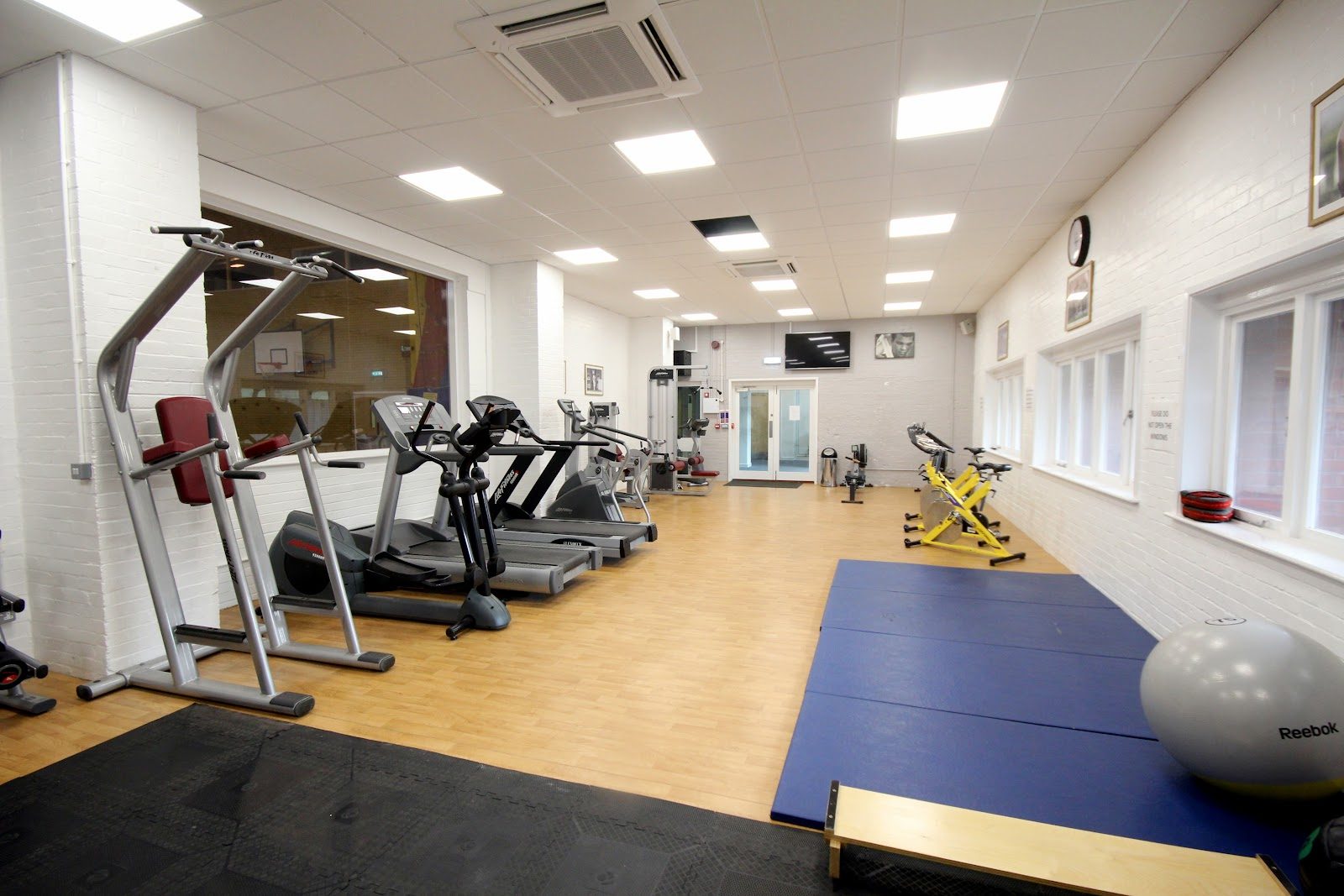
Facilities at Dauntsey’s are built for range rather than spectacle. The campus gives the school room to run a properly expansive programme of sport, outdoor activity and boarding life without the cramped compromises that weaken many day-heavy independents. The standout asset is the school’s sailing operation centred on Jolie Brise, which no ordinary rival can match: plenty of British boarding schools sell “adventure”, very few own a maritime tradition with real operational substance behind it. Add a long fixture list, a heavy activities programme and a busy music calendar, and the picture is of a school equipped for constant use rather than occasional display. That matters. The best facilities are not the glossiest ones; they are the ones pupils inhabit every day, and Dauntsey’s has the scale and timetable pressure to justify them.
Against peers, this puts Dauntsey’s in a strong functional tier. It does not trade on the architectural swagger, specialist centres or museum-grade performance spaces that define the richest top-end boarding schools. Families chasing trophy infrastructure will find bigger statements elsewhere. But many competitors with stronger branding have thinner lived provision: fewer activities, less outdoor depth, less of a whole-school habit of getting pupils involved. Here, the estate’s 150 acres, the school’s 80+ clubs and activities, and the maritime piece combine into something more distinctive than another polished sports hall and theatre complex. The facilities suit a child who wants to use them hard, not just walk past them on an open day.
It does not trade on the architectural swagger, specialist centres or museum-grade performance spaces that define the richest top-end boarding schools
Prestige
Dauntsey’s carries real but not elite prestige. In the British independent-school world, HMC membership matters; it places the school inside the established senior-school circuit rather than at its margins. The setting, the long institutional history and the scale of provision all reinforce that standing. So does the confidence to offer a broad pupil life without shrinking into a niche. A school with around 830 pupils, more than 80 activities and its own sail-training tradition has enough substance to project a recognisable identity. That identity counts for something: Dauntsey’s is not a generic country boarding school with a nice brochure, but a place people in the sector can place quickly and accurately.
That said, prestige here is measured, not dazzling. Dauntsey’s does not command the automatic social or academic cachet of the most famous names in the boarding market, and it does not publish the kind of outcomes data that would force its way into that upper tier on results alone. Its reputation rests instead on institutional character, breadth and a style of education that feels confidently unfussy. For many families, that is a strength, not a compromise. The school offers status without absurdity, tradition without stiffness, and a pupil culture that values doing things properly. In prestige terms, Dauntsey’s sits in the strong national second rank: respected, well-known, and credible, but not one of the schools that trades on pure name power.
The image that sticks is not the acreage or the exam rhetoric, but the boat
Communications
Dauntsey’s communicates with parents in a way that matches the school itself: clear, orderly and anchored in the practical business of school life rather than brand theatre. The public-facing website does the essentials well. Key facts are easy to find, the school explains its structure without fuss, and the overall message is coherent: this is a busy school with a defined ethos and a full timetable. That matters for parents, because a school with around 830 pupils, a large activities load and both day and boarding families needs disciplined communication or it descends into muddle. Dauntsey’s does not give that impression. The tone is controlled, the navigation is serviceable, and the school’s priorities are legible.
Where it falls short is in substance at the sharp end. Communication about ethos, co-curricular life and pastoral tone is stronger than communication about measurable academic outcomes. Parents can grasp the school’s character quickly; they cannot assess attainment with the same confidence, because aggregate GCSE and A level results are not published in enough detail. That weakens trust. Good school communications do not just tell parents what a place values; they also disclose how well it delivers. On that front, Dauntsey’s is less transparent than it should be. The school communicates culture convincingly and logistics competently; it communicates performance with too much restraint. For families choosing with their head as much as their heart, that is the gap.
Uniqueness
What sets Dauntsey’s apart is not “outdoor education” in the generic prep-school sense, but a *fully institutionalised adventure culture* with a real object at its centre: Jolie Brise. Plenty of schools bolt on expeditions and call it character-building. Dauntsey’s has built a durable identity around sailing, challenge and practical self-command, and that gives the place a clearer shape than many competitors. The result for pupils is not just novelty, but a school life that rewards initiative, teamwork and composure under pressure. That matters because adolescents spot the difference between marketing language and lived habit. Here, the adventure line has operational weight behind it.
The other point of difference is the combination of that ethos with a school of substantial scale and activity density. With around 830 pupils and 80+ clubs and activities, Dauntsey’s can offer both breadth and a distinctive internal culture rather than forcing families to choose between character and choice. Pupils get a setting that pushes participation instead of passive attendance: sport, music, fixtures, clubs and house life all feed the same expectation that children join in and carry their share. For the right student, that is formative in the best sense; it builds competence, resilience and social confidence. For the wrong one, it can feel demanding and inescapable. That is the honest distinction: Dauntsey’s is unusual not because it is quirky, but because it asks pupils to live its values in public.
Dauntsey’s has built a school identity around adventure so thoroughly that its own gaff cutter, Jolie Brise, still sits at the centre of the story
Student Profile
The pupil who thrives at Dauntsey’s is outward-going, game and comfortable with being occupied from morning to evening. This is not a school for drifters, minimalists or children who want to keep their heads down and do the academic minimum. The social fabric rewards participation. With pupils drawn from 60 different schools on entry to lower school, newcomers need enough confidence to join groups quickly, cope with a mixed intake and build friendships without excessive hand-holding. The school’s own language around resilience, flexibility and willingness to have a go fits the profile. So does the sheer volume of organised life: 740 matches a year and 35+ concerts, recitals, competitions or masterclasses point to a community where visibility is normal and contribution is expected.
The best fit is a student who gains momentum from structure and *likes belonging to something larger than themselves*. Sporty children will find plenty to do, but Dauntsey’s is not only for athletes; musicians, joiners and capable all-rounders fit well too. Boarders and day pupils who enjoy a busy, communal rhythm will settle faster than children who guard their privacy fiercely or resent institutional expectations. There is also a clear place here for the pupil who matures through challenge rather than protection: the child who benefits from being stretched socially as well as academically. For anxious, highly individual, or stubbornly un-clubby teenagers, the same culture can feel wearing and inescapable.
That gives the school a character many English boarding schools lack: less polish, more salt air
Co-curricular strengths
Arts & sport, on a separate axis
Overall 9.08/10
Scored 0-10 from the school's own published evidence. This axis is editorial-only — it does not feed the main WTS ranking.
Sports
9.2/10
Exceptionally active outdoor adventure profile; pairs competitive independent league field sports with deep wilderness and ocean-sailing tracks on its own tall ship, Jolie Brise.
Drama
9.5/10
Renowned for high-production values; mounts large-scale West End quality musicals and plays inside its state-of-the-art theatre spaces.
Dance
8.8/10
Highly popular standalone dance track running advanced choreography modules, heavily supporting their massive annual dramatic showcases.
Music
9.4/10
Robust choral and contemporary setups, fielding multiple instrumental ensembles and touring rock societies.
Visual Arts
8.5/10
Sun-drenched visual studios tracking advanced portfolios in sculpture, fine painting, and textiles.
Strengths
- +Distinctive sail-training and adventure programme with dedicated staff posts
- +World-class performing arts, with drama a standout strength
- +Boarding and day options offer flexibility at ages 11–18
- +Small teaching groups, with an average of nine pupils in A-level classes
- +Strong published 2025 GCSE results (62% at Grades 9–7)
Considerations
- −Rural Wiltshire location limits easy access for international families
- −British curriculum only; no IB pathway
- −Boarding cohort (around 300) is modest relative to the day population
Availability
Primary entry gate & tests
11+/13+ ISEB / 16+ Exams
Parent reviews
Have you sent your child here?
Voice reviews carry the strongest trust badge — we transcribe them for you to tidy up before they go live. Prefer to type? A written review is fine too.
Add your voice
In 60 seconds, tell other parents: what's the best thing about Dauntsey's School, and what surprised you when your child joined?
We ask for a Google sign-in so every review has a real face behind it — no anonymous drive-by attacks on schools, and no faked positive reviews. Your email is never shown publicly.
Send this profile to a friend
International parents rely on word-of-mouth. Share this review with someone weighing the same decision.
Schools with places
Similar schools to Dauntsey's School with places available now.
Tiffin School
Kingston upon Thames · United Kingdom
- 2026-27
- CLOSEDStandard route
- 2027-28
- PLACES OPENCloses 1 Sept '26, 12pm
The Grammar School at Leeds
Leeds · United Kingdom
- 2026-27
- CLOSEDStandard route closed
- 2027-28
- PLACES OPEN11+ / 13+ / 16+ active
Fettes College
Edinburgh · United Kingdom
- 2026-27
- CLOSEDStandard route closed
- 2027-28
- PLACES OPEN
Gordonstoun
Elgin · United Kingdom
- 2026-27
- CLOSEDStandard route closed
- 2027-28
- PLACES OPEN11+ / 13+ / 16+ active
Availability first, then country, area, curriculum, price, co-curricular
Consider also
Also worth looking at alongside Dauntsey's School.
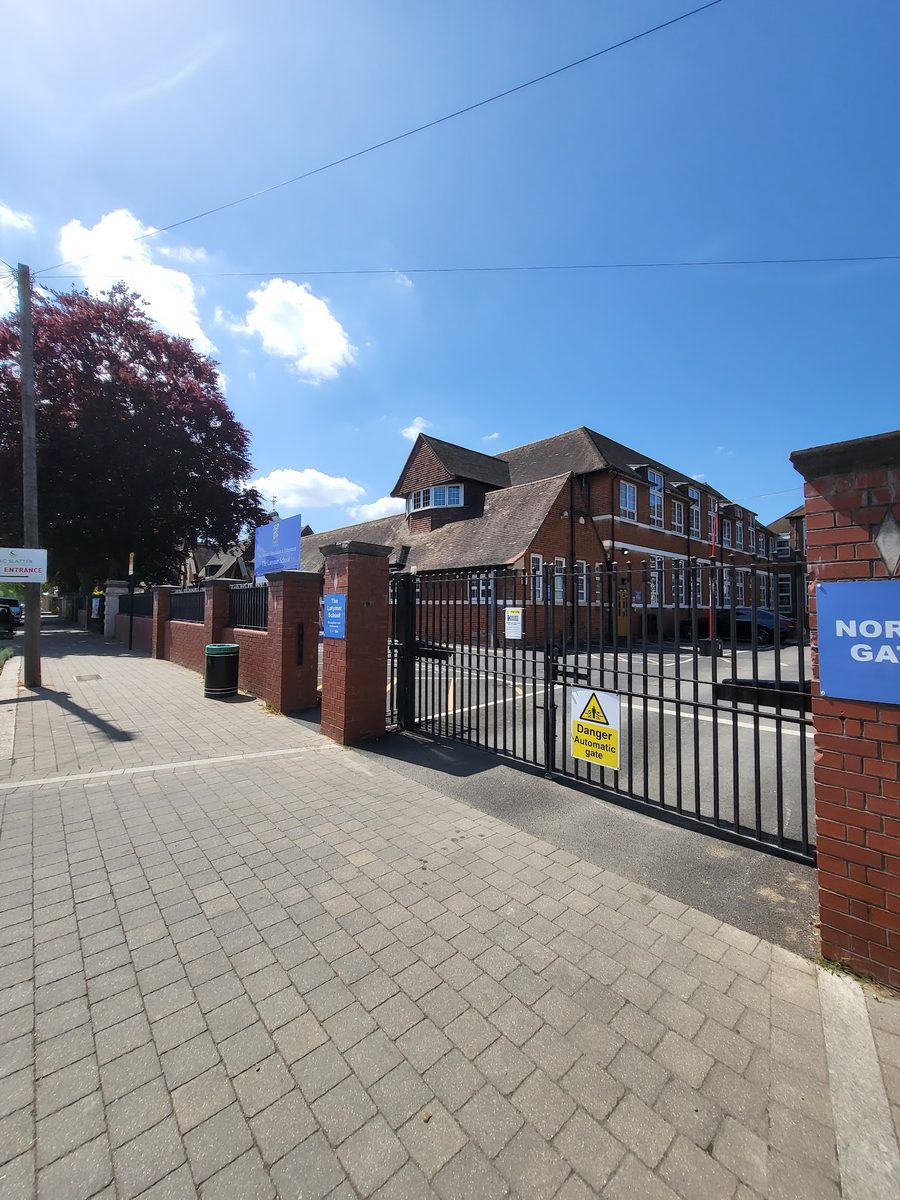
The Latymer School
London · United Kingdom
A 400-year-old state grammar in Edmonton where over 1,000 applicants compete yearly for just 192 places, with Cambridge college endowments still funding leavers.
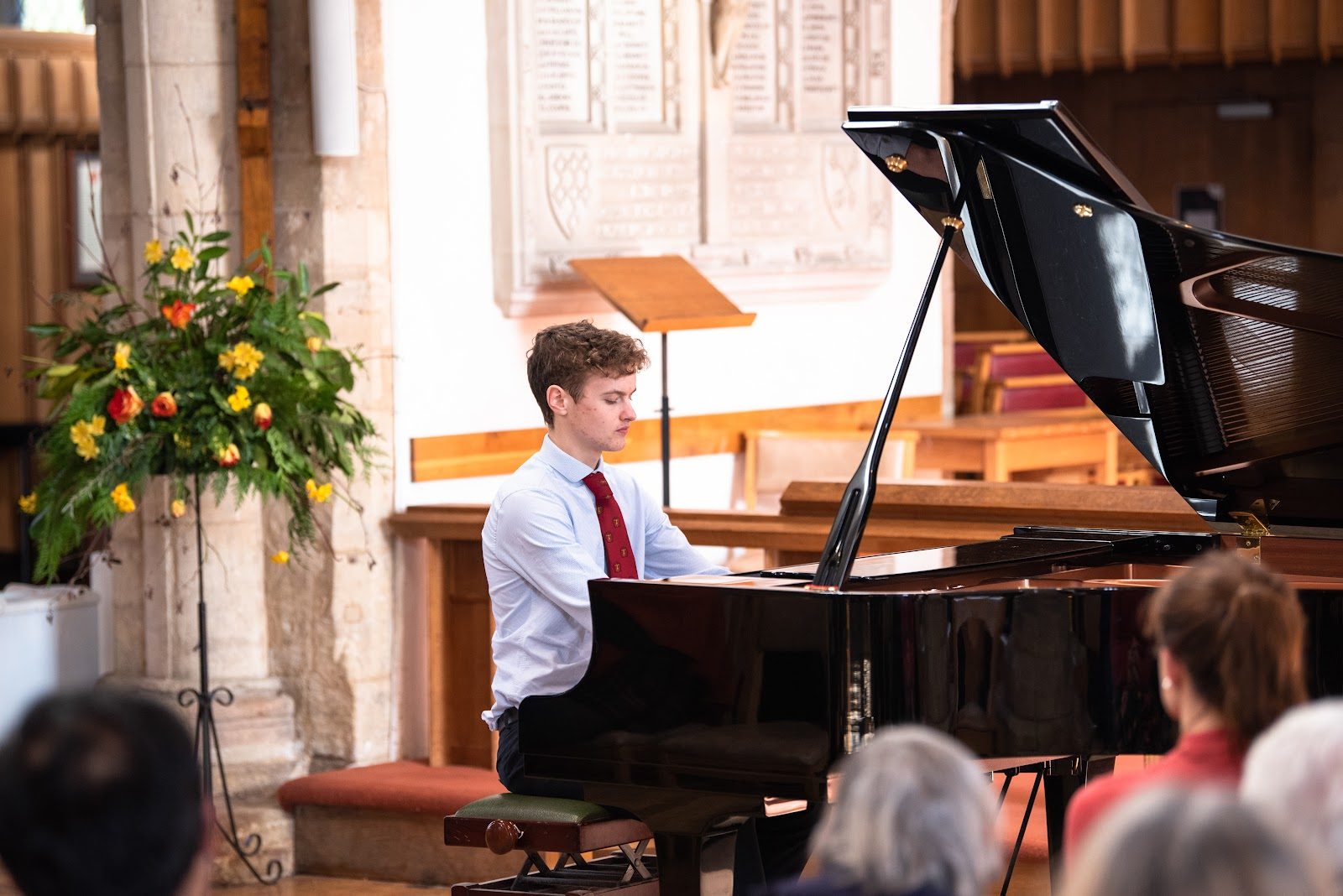
Oundle School
Oundle · United Kingdom
Boarding houses woven into a historic market town, and an engineering centre that 3D-prints titanium and carbon fibre.
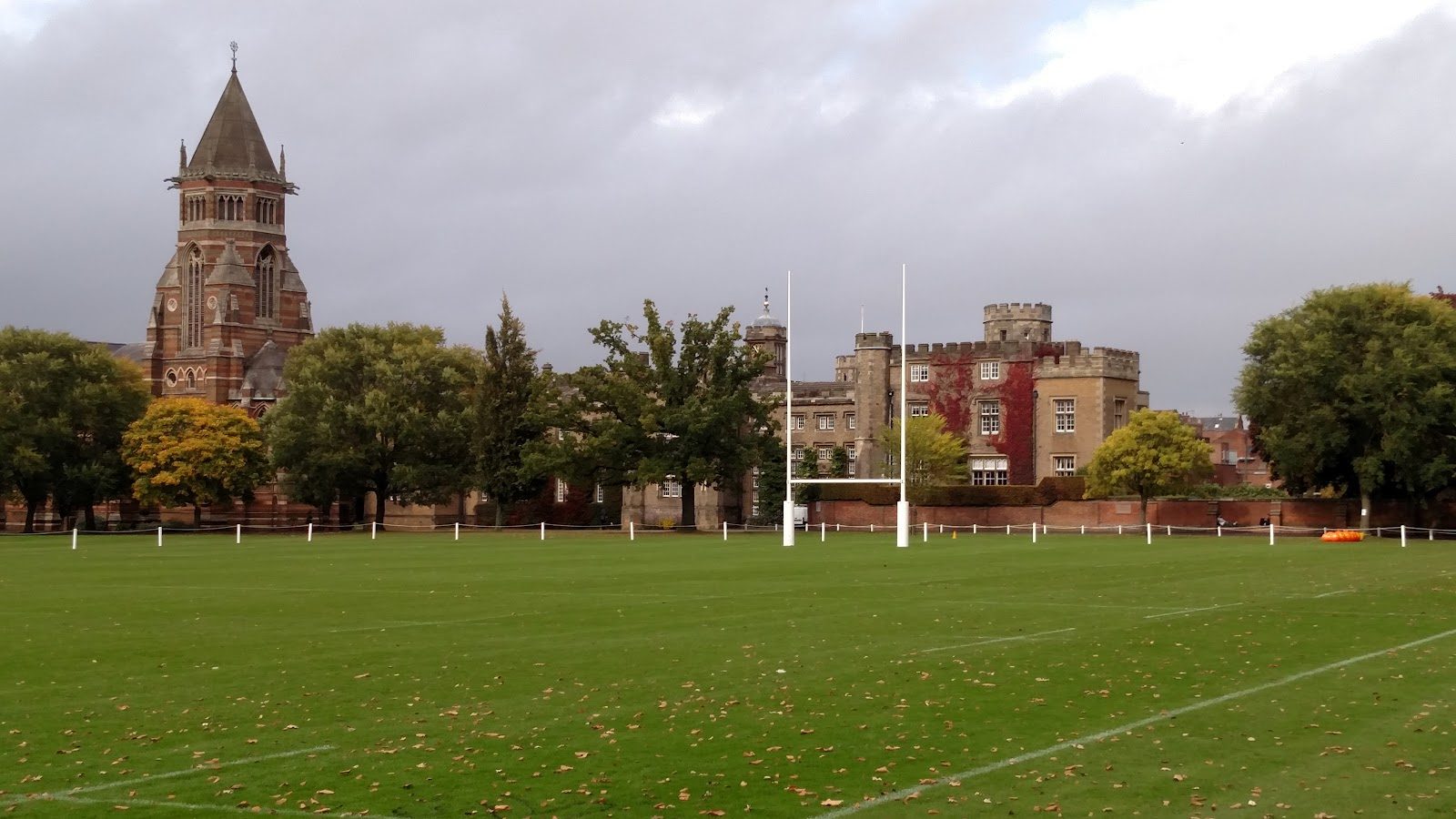
Rugby School
Rugby · United Kingdom
The Warwickshire close where a schoolboy's 1823 sprint with the ball gave rugby its name and its game.
Tiffin School
Kingston upon Thames · United Kingdom
No fees, no let-up: a Kingston grammar school where two-stage testing turns 2,000 hopefuls into a class of 180.
Same country and curriculum — closest matches within ±10 points either way