
Tyrol
Schigymnasium Stams
Since 1967, the world's original ski-racing academy pairs Olympic-level training with an extended five-year path to Matura.
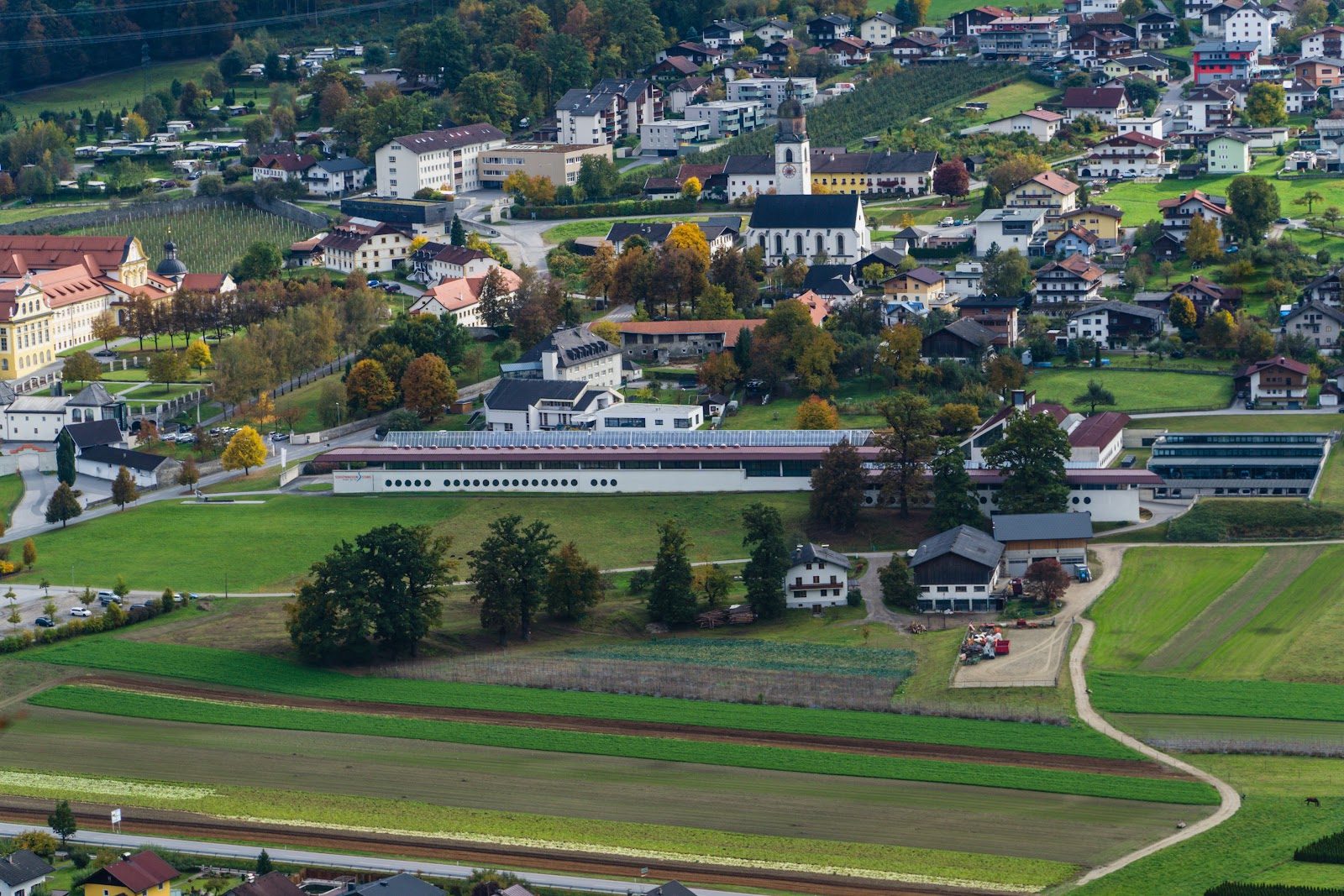
Photo © Peter Winkler via Google Maps
Type
Boarding
Ages
10–18
Curriculum
Matura
Ratio
—
The Verdict
Editor's commitment
Right for
Young ski racers aged 10–18 who want boarding in Stams and a five-year route to the Austrian Matura.
Wrong for
Families wanting English-medium teaching, a broad all-round sports menu, or a school identity separate from elite ski training since 1967.
Watch out for
The public record here conflicts: context names Schigymnasium Stams, while the cited school source is Schigymnasium Saalfelden — verify the campus first.
Ranking breakdown
Schigymnasium Stams · #1247 of 1591
Composite score 57.0. 8 weighted criteria.
By criterion
Academic Outcomes
Weight 20%
#1382
of 1529 scored
University Placement
Weight 16%
#1488
of 1529 scored
Prestige & Heritage
Weight 12%
#1146
of 1571 scored
Alumni Network
Weight 12%
#1477
of 1530 scored
Facilities
Weight 12%
#6
of 1533 scored
Transparency & Communications
Weight 8%
#997
of 1532 scored
Peer & Industry Review
Weight 10%
#524
of 1548 scored
Admissions Selectivity & Demand
Weight 8%
#51
of 1529 scored
Peer & Industry Review
How Schigymnasium Stams is regarded in the sector
93
Top-tier · medium confidence
Within Austria, Skigymnasium Stams is treated less as a rival to international day/boarding schools and more as the benchmark 'Sportgymnasium' against which other ski-academy hybrids (e.g. Skihandelsschule Saalfelden, HIB Liebenau) are measured; Tiroler Tageszeitung, ORF Tirol and Kronen Zeitung sports desks routinely cite its Matura-plus-training model when profiling Austrian Ski Federation (OSV) talent pipelines, and OSV officials publicly credit the school as the primary feeder for national teams. University of Innsbruck sport-science and teacher-education faculties maintain documented cooperation agreements, and academic staff there have noted Stams graduates' strong preparation for combined sport-study degrees. It rarely appears in mainstream independent guides like Good Schools Guide or WhichSchoolAdvisor, which focus on international/private day schools rather than state-integrated elite-sport gymnasiums, so its reputation is carried almost entirely by domestic sports journalism, OSV endorsement, and informal comparison among European ski-academy directors (Switzerland's Engadin, Norway's Geilo) at winter-sport federation conferences rather than by conventional school-league-table press.
Award
Elite Sport 80
World's Top School · The Global Ranking
Schigymnasium Stams is featured on our Global Top 80 ranking at #3. This seal is available for the school's marketing team to use on their website, prospectus and social channels.
- Marcel Hirscher — Alpine ski racer, Sports
- Benjamin Raich — Alpine ski racer, Sports
- Anna Veith (Fenninger) (Alpine ski racer, Sports)
Editors' overview
Schigymnasium Stams occupies a narrow, serious niche: boarding education for young ski athletes who want a conventional Austrian school-leaving qualification without abandoning high-performance training. The draw is plain. This is a five-year route to Matura built around daily sport, not an ordinary school with an after-hours ski club bolted on. For the right child, that structure is transformative. For the wrong one, it is restrictive. Families need to understand the trade clearly: this is a specialist environment, in German, for students whose sporting identity is already central to their lives.
What puts it on a shortlist is focus. Very few schools build the timetable, boarding routine and peer group around ski racing and Nordic disciplines at this level. That gives Schigymnasium Stams a distinct place in the market: not a broad international boarding school with a winter-sports programme, but a purpose-built pathway for athletes aiming to combine elite competition with a recognised academic exit point. The boarding model matters here. At ages 10–18, students live inside a system designed to organise training, schooling and recovery with minimal friction. That concentration can be hard-edged, demanding and deeply effective. It also means the school suits families who value sporting infrastructure and discipline above breadth of subject choice, cosmopolitanism or a polished international-school experience.
Parents should shortlist it if their child is already committed to alpine or Nordic skiing and needs a school that treats sport as the centre of the week, not the decoration. The strongest fit is a student who thrives on routine, accepts institutional discipline, and wants to work in a cohort where performance is public and standards are high. The weaker fit is a child who wants exploratory adolescence, multiple extracurricular identities, or an English-medium route to university. Schigymnasium Stams is not for dabblers. It is for young athletes prepared to spend 5 years in a single-minded, high-pressure setting where the prize is a full Matura and a serious shot at sporting progression.
The school’s market position rests on credibility through specialisation. Since 1967, it has done one thing that few schools can do at all: align boarding, school and ski sport into one institutional model. That history gives it weight. It does not remove the trade-offs. The environment is intensive. The social world is narrow by design. Academic life serves a high-performance sporting timetable. Families who want a broad liberal education with skiing on the side should look elsewhere. Families who want a clear-eyed, structured route for an ambitious young ski athlete should look here first.
An Elite Sport 80 school
Schigymnasium Stams is a state-run Tyrolean ski gymnasium and, by any honest measure, the greatest alpine-skiing school in history. It sits at rank three on the Elite Sport 80 because its recent-cohort output is denser than any other winter-sport programme in the world: at Milano-Cortina 2026, Stams-linked athletes alone won nine Olympic medals — three gold, five silver and one bronze — and across its 55-year history the school's alumni have accumulated 39 Olympic and 73 World Championship medals.
The specialisms are all seven Olympic winter disciplines rooted in the mountain: alpine skiing, ski jumping, Nordic combined, cross-country, biathlon, snowboard and freestyle. The academic and athletic timetables are formally integrated with the Austrian Ski Federation's development structure, and pupils train on the resort's own race hill and jumps as part of the school day.
The alumni list is essentially a highlights reel of Austrian and central European skiing: Anna Veith (née Fenninger), Marcel Hirscher, Benjamin Raich, Hermann Maier's early cohort, Stephan Eberharter, Michaela Dorfmeister, Andreas Goldberger in ski jumping and countless FIS World Cup podium finishers. Any Austrian medal at an Olympics or World Championship has a better than one-in-three chance of belonging to a Stams alumnus.
International openness is more limited: the school is state-funded, admits primarily on Austrian ski-federation nomination, and the language of instruction is German. Overseas athletes are accepted but only on a "selection" basis — a serious FIS points record, a national federation reference and functional German are effectively prerequisites. There is no boarding house for non-selected pupils and no fee-paying international stream. For a family whose child is already inside a national ski system and can operate in German, Stams is transformative; for other overseas applicants it is realistically closed. Prospective families should approach through their home ski federation, which is the standard European route into the Austrian selection process, and expect a multi-year integration.
Academic Performance
The school does not publish aggregate Matura results, grade distributions, university destinations or any year-on-year attainment data. That is a real limitation. For a school that asks families to buy into a high-pressure, single-track model, academic outcomes need public proof, not just institutional confidence and athlete testimonials. We have one concrete claim: students finish with a full Matura that keeps further study routes open. Beyond that, the public record is opaque. There are no headline pass rates, no subject-level strengths, and no comparative figures against Austrian academic schools or other sports schools.
That opacity makes Schigymnasium hard to place against peers on pure academic performance. It does not read like a school selling itself on examination distinction; it sells the integration of study, training and boarding. That is not the same thing. The key question for parents is not whether students sit a recognised school-leaving exam—they do—but how strong the results are once elite sport has taken its share of time and energy. The school does not answer that in public. In this category, then, the verdict is credible qualification, weak disclosure. Families who need hard academic evidence before committing to an elite sports pathway will find stronger transparency elsewhere.
Facilities
Facilities are built around the boarding-athlete routine rather than broad campus theatre. The boarding house offers 2-bed rooms with private bathrooms, which is a stronger residential spec than many European sports schools still using larger dorms or shared corridor facilities. Each student also gets an individual study workspace with internet access, and supervised evening study runs from 19.00 to 20.00. That matters. In this category, the practical test is not architectural glamour; it is whether students can move cleanly between training, school, rest and prep. On that front, the setup reads as purpose-built, efficient and hard-working. Food provision is pitched around regional produce, balanced meals and vegetarian options: standard language, but the emphasis fits an athlete population.
The stronger differentiator is the supporting sports estate. The school lists a football pitch, weights room, beach volleyball and calisthenics facilities, all available in free time as well as formal sessions. That gives students more than a single-sport training lane and compares well with peers whose non-snow provision is thin once the lifts and tracks are out of reach. What we do not get is the detail serious parents need: no public technical specification for strength and conditioning spaces, recovery provision, medical facilities, workshop areas for ski preparation, or transport logistics to snow venues. Against top specialist rivals, that lack of detail is a weakness. The essentials are strong, the residential offer is better than average, but the public picture stops short of elite-facility proof.
What sets Schigymnasium Stams apart is not generic “sport-school balance” but institutional design
Prestige
Prestige here is specialist prestige, not general social cachet. In alpine and Nordic sport, the school carries real weight because the whole institution is built around that narrow mission: school, boarding and training in one system, with named pathways in ski alpin, cross-country, biathlon, Nordic combined and ski jumping. That matters. Parents in this market are not buying a grand brand with broad international gloss; they are buying access to a hard-edged performance culture with a long track record of feeding national-squad level athletes. The public alumni quotes do not prove institutional quality on their own, but they do confirm something important: this is a recognised route inside competitive skiing, not a decorative sports add-on. Prestige within that world is earned and specific.
Outside that world, the name carries far less force. This is not an Austrian equivalent of an old elite academic boarding school with automatic social capital across professions. Its status rests on one thing: credibility with serious winter-sport families. That gives it a narrow but potent reputation. The school’s integration into a larger gymnasium serving about 750 pupils also cuts both ways. It anchors the academic side in a mainstream qualification rather than a boutique sports-school invention, but it also means the prestige story is institutional competence, not rarity or exclusivity for its own sake. My rating is high within its niche, moderate beyond it: *respected by insiders, less meaningful to outsiders*.
Against top specialist rivals, that lack of detail is a weakness
Communications
Parent communication is competent but narrow. The website does the practical job: it states the sports pathways, explains the integration with the wider gymnasium, shows the boarding basics, and gives concrete residential details such as 2-bed rooms and the supervised study slot. There is also a visible news channel. That is enough to tell families what the institution does day to day. It is not enough to answer the harder parental questions. There is no serious public reporting on academic outcomes, little operational detail on pastoral systems, and no strong sense of how the school handles the strains that come with injury, form loss, selection pressure or adolescents living inside a high-discipline, results-driven sports environment. For a school built on parental trust, that gap matters.
The tone is also telling. Communication leans heavily on institutional reassurance and graduate praise. That gives the school a confident, internally coherent voice, but not a probing one. Parents get a polished account of routine, care and opportunity; they do not get much evidence of scrutiny, disclosure or self-critique. Even the boarding description stays at the comfort-and-structure level rather than the hard practicalities families need before committing: staff availability, weekend arrangements, health support, or how communication works when a child is under pressure. Verdict: clear on offer, thin on proof. Effective for attracting committed ski families; less effective for parents who expect full-spectrum transparency.
Uniqueness
What sets Schigymnasium Stams apart is not generic “sport-school balance” but institutional design. This is a school built for children whose week is organised around snow sport, with named routes in alpine skiing, cross-country, biathlon, Nordic combined and ski jumping. That degree of specialisation is rare, hard-edged and deeply selective. Students do not merely attend a school that tolerates training; they enter a system where training, lessons, boarding and supervised study are locked together. The result is a peer group with the same priorities, the same constraints and the same daily discipline. For the right student, that removes friction. Travel, timetable clashes and the social split between “school life” and “sport life” shrink dramatically. The school’s place within a larger gymnasium also matters: athletes train in a specialist stream without giving up a mainstream academic leaving qualification.
What this brings is clarity. Students live in an environment where ambition is normal, fatigue is understood, and performance has structure around it. Shared rooms, private bathrooms, individual study desks and an evening prep slot from 19.00 to 20.00 reinforce that regimented, purpose-built routine. There is also a psychological dividend: young athletes grow up among peers who treat training loads, competition pressure and recovery discipline as ordinary, not eccentric. That can be formative and highly effective. It can also be narrowing. Children who need range, spontaneity or identities beyond sport will feel the limits fast.
The essentials are strong, the residential offer is better than average, but the public picture stops short of elite-facility proof
Student Profile
The right student for Schigymnasium is not a child who merely enjoys skiing. It is a young athlete whose week already revolves around training, recovery, competition and instruction, and who can tolerate a life in which sport sets the rhythm of almost everything else. The school names a narrow set of disciplines and builds around them. That creates a peer group with a shared seriousness and a low tolerance for dilettantism. Students who thrive here are single-minded, coachable and emotionally steady enough to handle selection pressure, fatigue and public comparison with equally driven peers. The residential setup also matters: sharing a room, working at an individual study desk, and moving through supervised prep from 19.00 to 20.00 demands routine, self-control and a willingness to live by collective rules.
The weaker fit is easy to identify. This is a bad choice for a child who wants broad extracurricular range, a loose pastoral culture, or adolescence with plenty of room for drift and reinvention. It also does not suit families hoping that talent alone will carry a student through; the environment asks for discipline under strain, not just promise. The strongest candidates are those who already accept that school life and athletic life will not be separate spheres here. They need resilience, tolerance for repetition, and enough academic seriousness to protect a recognised leaving qualification while living in a demanding, high-pressure system. In blunt terms: not for dabblers, and not kind to vanity or fragility.
This is a five-year route to Matura built around daily sport, not an ordinary school with an after-hours ski club bolted on
Co-curricular strengths
Arts & sport, on a separate axis
Overall 5.8/10
Scored 0-10 from the school's own published evidence. This axis is editorial-only — it does not feed the main WTS ranking.
Drama
4.5/10
Dance
4.5/10
Music
5/10
Visual Arts
5/10
Strengths
- +Combines a full Matura-track academic curriculum with elite alpine and Nordic ski training on one integrated campus, a rare model internationally.
- +Long-established institution founded in 1962 with a documented pipeline into Austria's national ski racing and winter sports programs.
- +Numerous graduates have gone on to compete at Olympic, World Championship and World Cup level in skiing and other winter sports.
- +Location in Stams, Tyrol gives students direct daily access to alpine training slopes and facilities rather than requiring separate travel to venues.
- +Boarding structure consolidates schooling, athletic training and accommodation, reducing logistical burden on families of competitive young athletes.
Considerations
- −Instruction is conducted in German, which limits accessibility for families without strong German proficiency.
- −The curriculum and daily schedule are built around winter sports specialisation, not a broad international or IB-style academic offering.
- −Admission depends heavily on athletic trials and Austrian ski federation selection, so places are not simply open to fee-paying applicants.
- −Remote small-village setting in Stams offers limited urban amenities, cultural diversity or broader extracurricular variety compared with city-based international schools.
Gallery
Photo © Julia Dablander via Google Maps
Photo © Stefan Megerle via Google Maps
Photo © Stefan Megerle via Google Maps
Photo © Stefan Megerle via Google Maps
Photo © Stefan Megerle via Google Maps
Photo © Stefan Megerle via Google Maps
Photo © Stefan Megerle via Google Maps
Parent reviews
Have you sent your child here?
Voice reviews carry the strongest trust badge — we transcribe them for you to tidy up before they go live. Prefer to type? A written review is fine too.
Add your voice
In 60 seconds, tell other parents: what's the best thing about Schigymnasium Stams, and what surprised you when your child joined?
We ask for a Google sign-in so every review has a real face behind it — no anonymous drive-by attacks on schools, and no faked positive reviews. Your email is never shown publicly.
Send this profile to a friend
International parents rely on word-of-mouth. Share this review with someone weighing the same decision.
Schools with places
Similar schools to Schigymnasium Stams with places available now.
Vienna International School
Vienna · Austria
- 2026-27
- WAITPOOLSpace-dependent
- 2027-28
- PLACES OPENRolling
American International School Vienna
Vienna · Austria
- 2026-27
- WAITPOOLSpace-dependent
- 2027-28
- PLACES OPENRolling
Availability first, then country, area, curriculum, price, co-curricular
Consider also
Also worth looking at alongside Schigymnasium Stams.
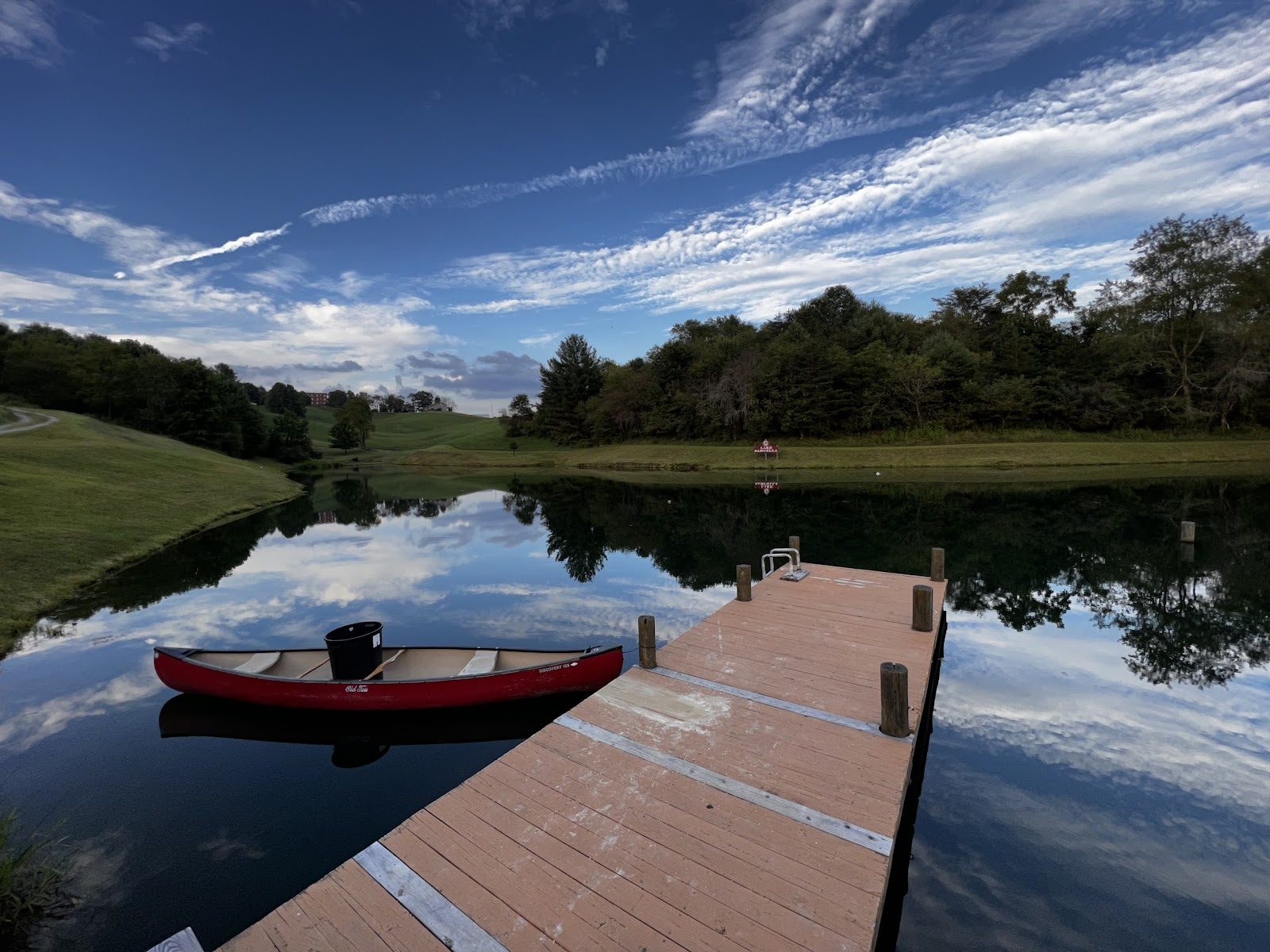
Oak Hill Academy
Mouth of Wilson, VA · United States
Deep in Virginia's Blue Ridge Mountains, a tiny Baptist boarding school built a basketball pipeline rivaling college programs.
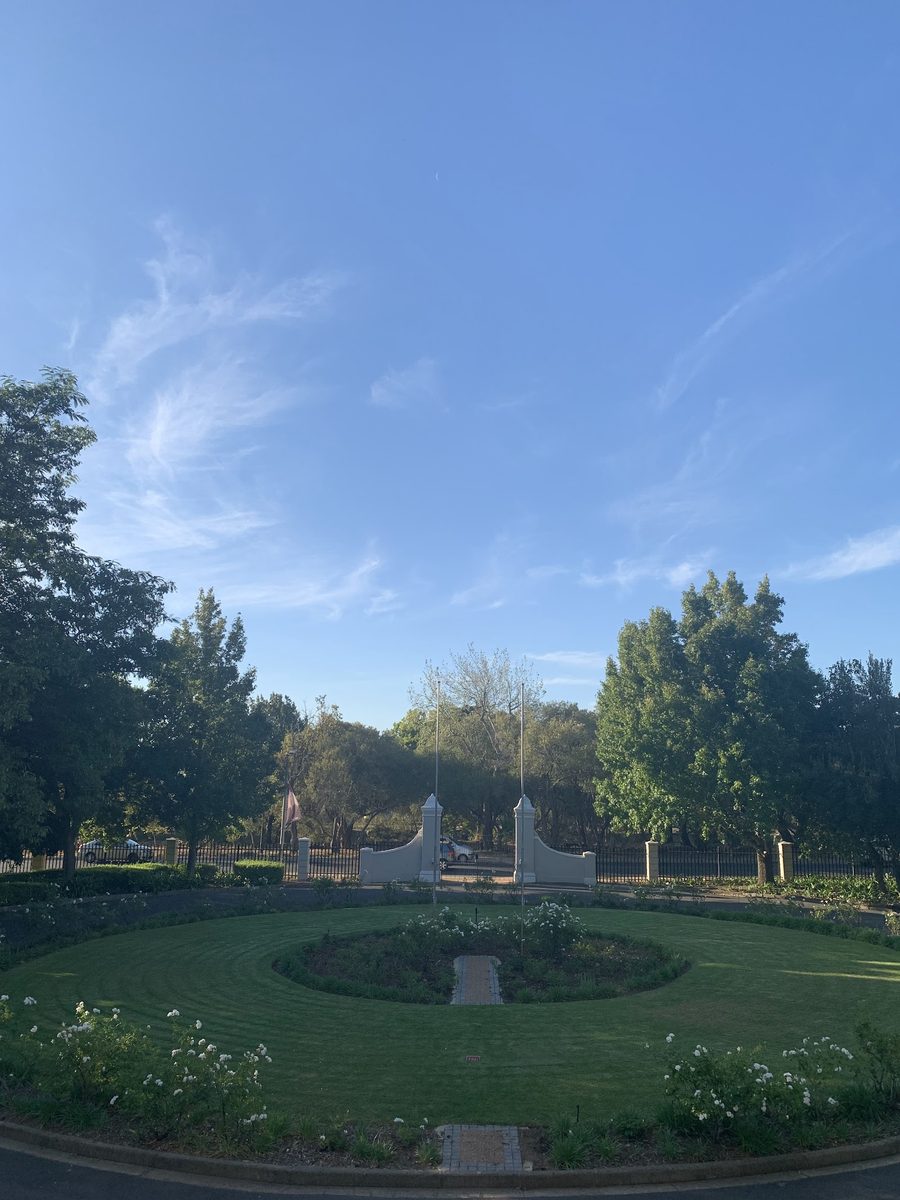
Paul Roos Gimnasium
Stellenbosch · South Africa
Beside the Eerste River, a rugby dynasty that has produced more Springboks than any other school meets rigorous IEB scholarship.
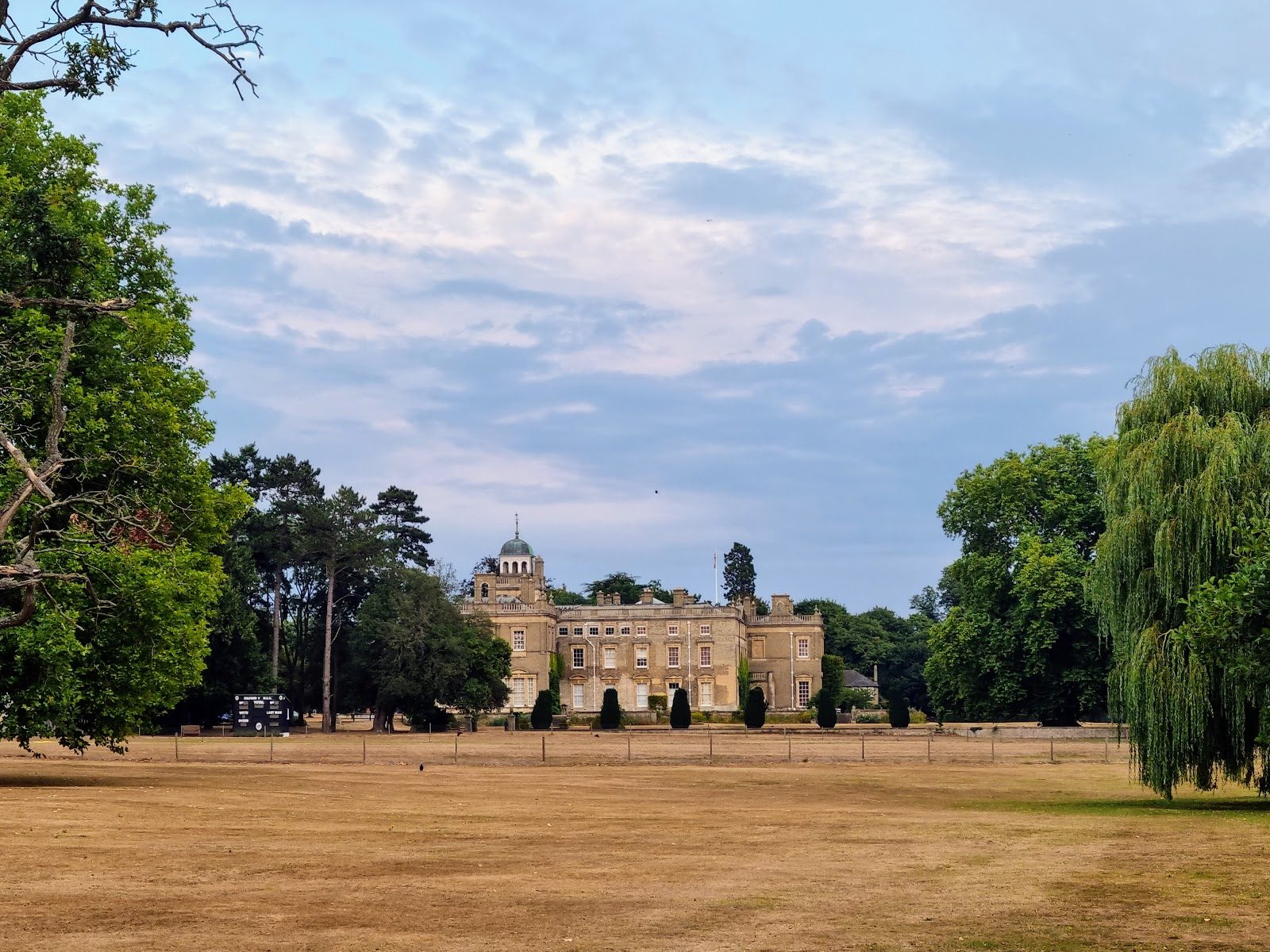
Culford School
Bury St Edmunds · United Kingdom
Set within 480 acres of Repton-landscaped Suffolk parkland around an 18th-century mansion, home to specialist tennis and golf academies.
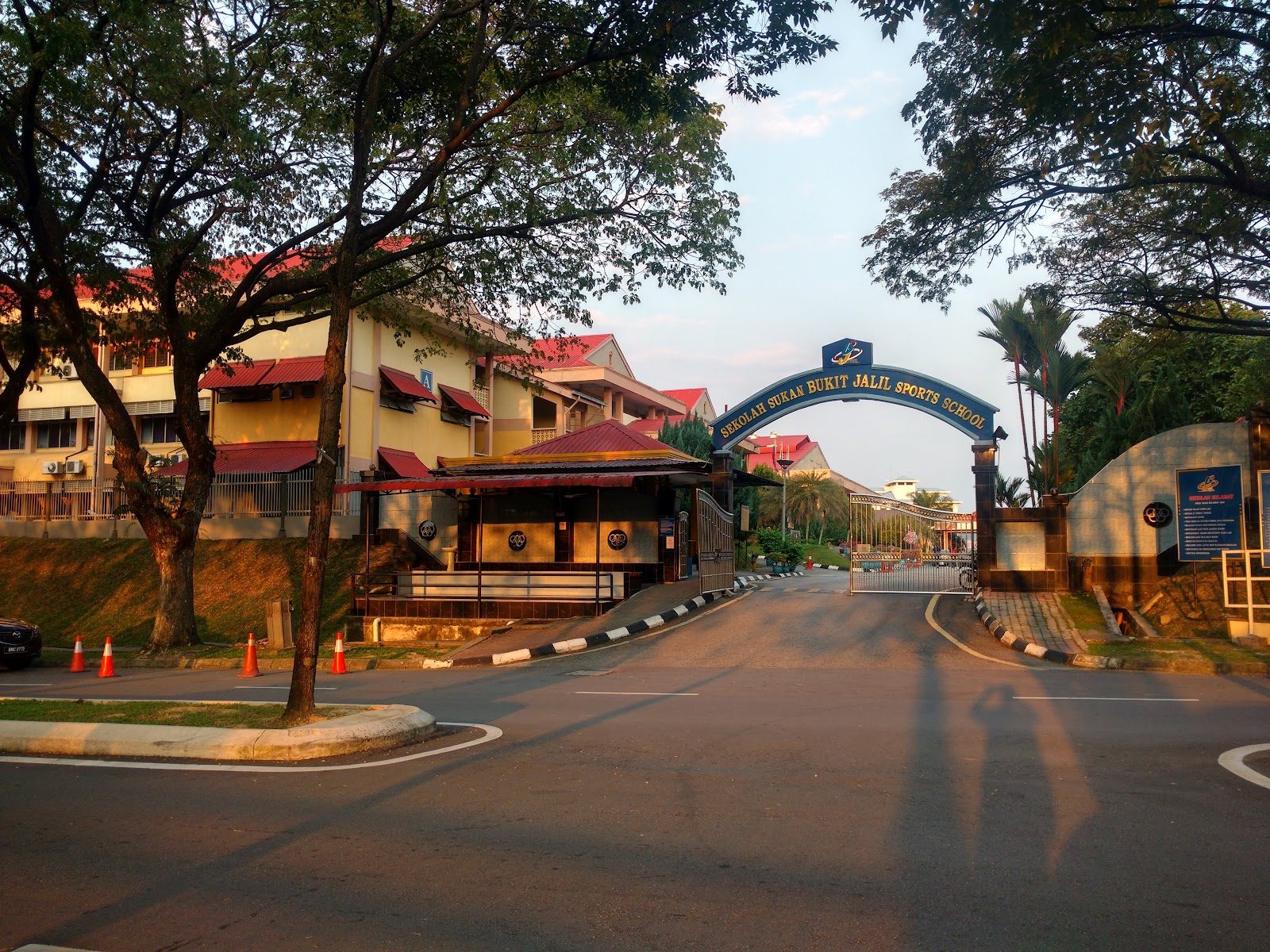
Bukit Jalil Sports School
Kuala Lumpur · Malaysia
Set within Malaysia's National Sports Complex, this pioneer sports school pairs SPM classrooms with daily training across 23 disciplines.
Same specialism, country and curriculum — closest matches within ±10 points either way