
North Carolina
North Carolina School of Science and Mathematics
high confidence· 6/6 cats · 3.44 avg sourcesAmerica's first public residential STEM high school, a Durham model tuition-free program now replicated by eighteen sister schools worldwide.
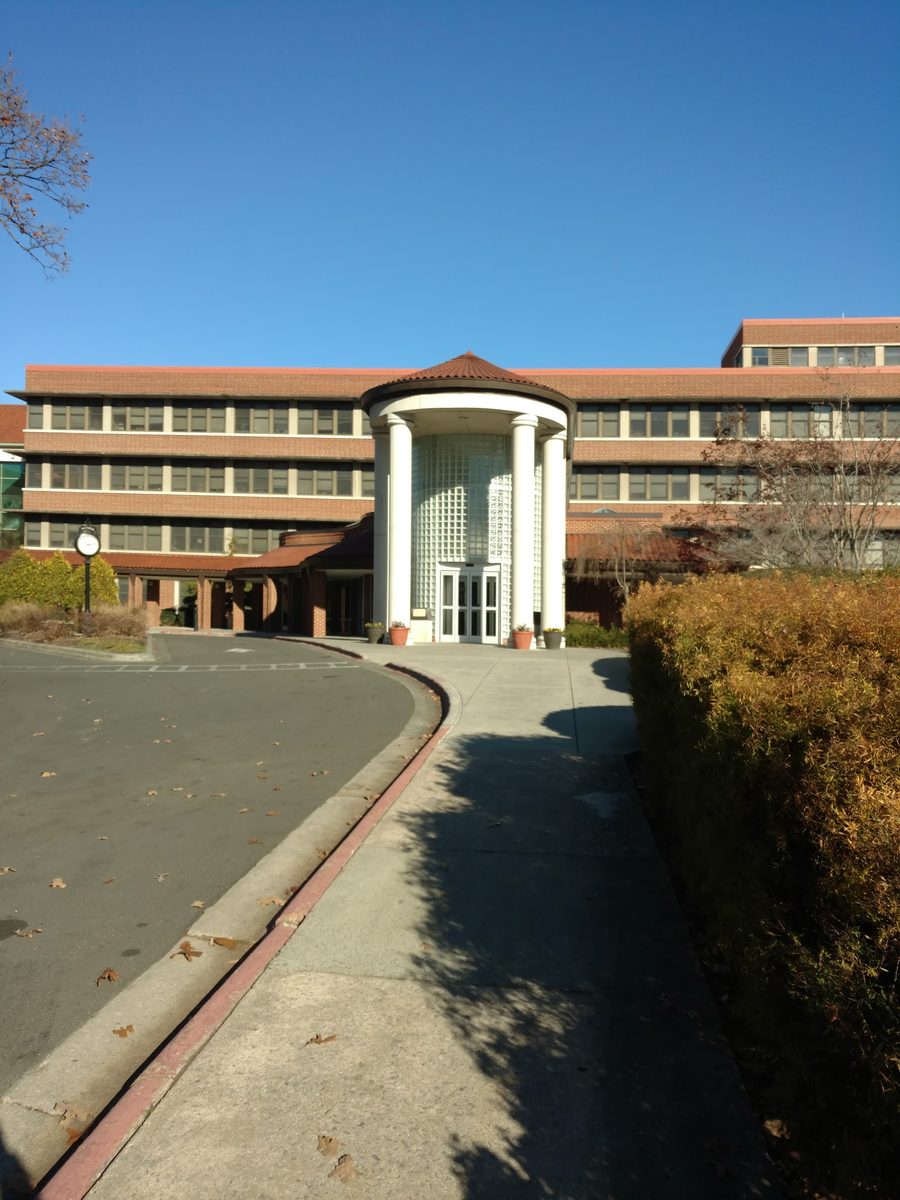
Photo © Aleise Preslar via Google Maps
Type
Boarding
Ages
16–18
Curriculum
American · AP
Ratio
8:1
The Verdict
Editor's commitment
Right for
North Carolina families chasing a tuition-free, public residential STEM school: NCSSM takes only juniors and seniors, and admission is fiercely selective.
Wrong for
Anyone outside North Carolina, or students wanting a broad all-through school: NCSSM serves ages 16–18, in English, on a boarding model.
Watch out for
This is AP within an American curriculum, founded in 1980 and accredited by Cognia; the pitch is science, mathematics and technology, not liberal breadth.
Ranking breakdown
North Carolina School of Science and Mathematics · #90 of 1591
Composite score 78.0. 8 weighted criteria.
By criterion
Academic Outcomes
Weight 20%
#43
of 1529 scored
University Placement
Weight 16%
#59
of 1529 scored
Prestige & Heritage
Weight 12%
#377
of 1571 scored
Alumni Network
Weight 12%
#234
of 1530 scored
Facilities
Weight 12%
#406
of 1533 scored
Transparency & Communications
Weight 8%
#93
of 1532 scored
Peer & Industry Review
Weight 10%
#221
of 1548 scored
Admissions Selectivity & Demand
Weight 8%
#72
of 1529 scored
Score history
North Carolina School of Science and Mathematics · 2026
Movement across 2024–2026. Peer average overlaid.
Overall — 2024–2026
78.0/ 100
▲ +29.0 vs 2025
year on year
Peer & Industry Review
How North Carolina School of Science and Mathematics is regarded in the sector
90
Top-tier · high confidence
NCSSM is consistently ranked among the top public high schools in the US by Niche and US News & World Report, and is widely recognized as the first public residential STEM-focused high school in the nation, a model emulated by similar schools across states. Its alumni network includes notable scientists, researchers, and entrepreneurs, and it is frequently referenced in specialist education press covering STEM education and gifted/talented programs. Peer institutions (other STEM residential schools like Illinois Math and Science Academy) explicitly benchmark against NCSSM as the pioneering model in this niche.
Evidence sources
Award
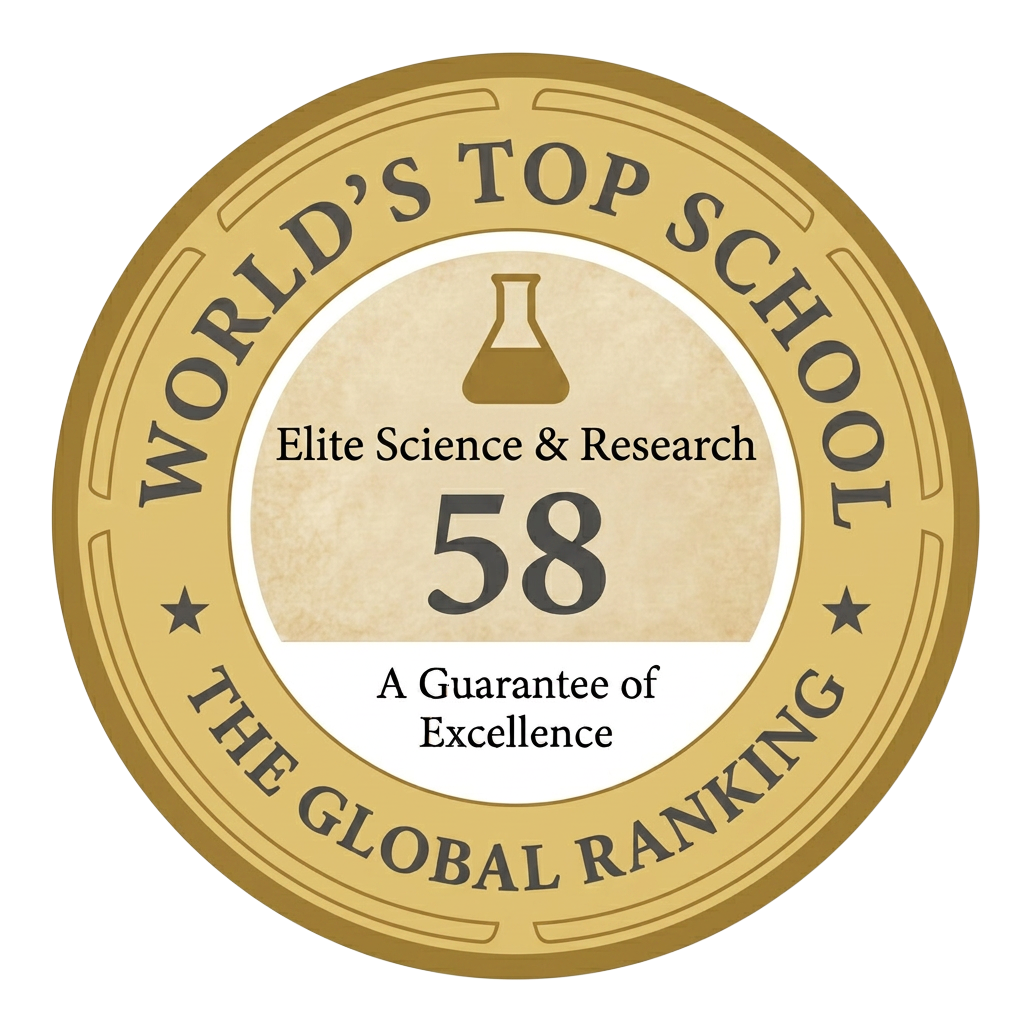
Elite Science & Research 58
World's Top School · The Global Ranking
North Carolina School of Science and Mathematics is featured on our Global Top 58 ranking at #8. This seal is available for the school's marketing team to use on their website, prospectus and social channels.
Award
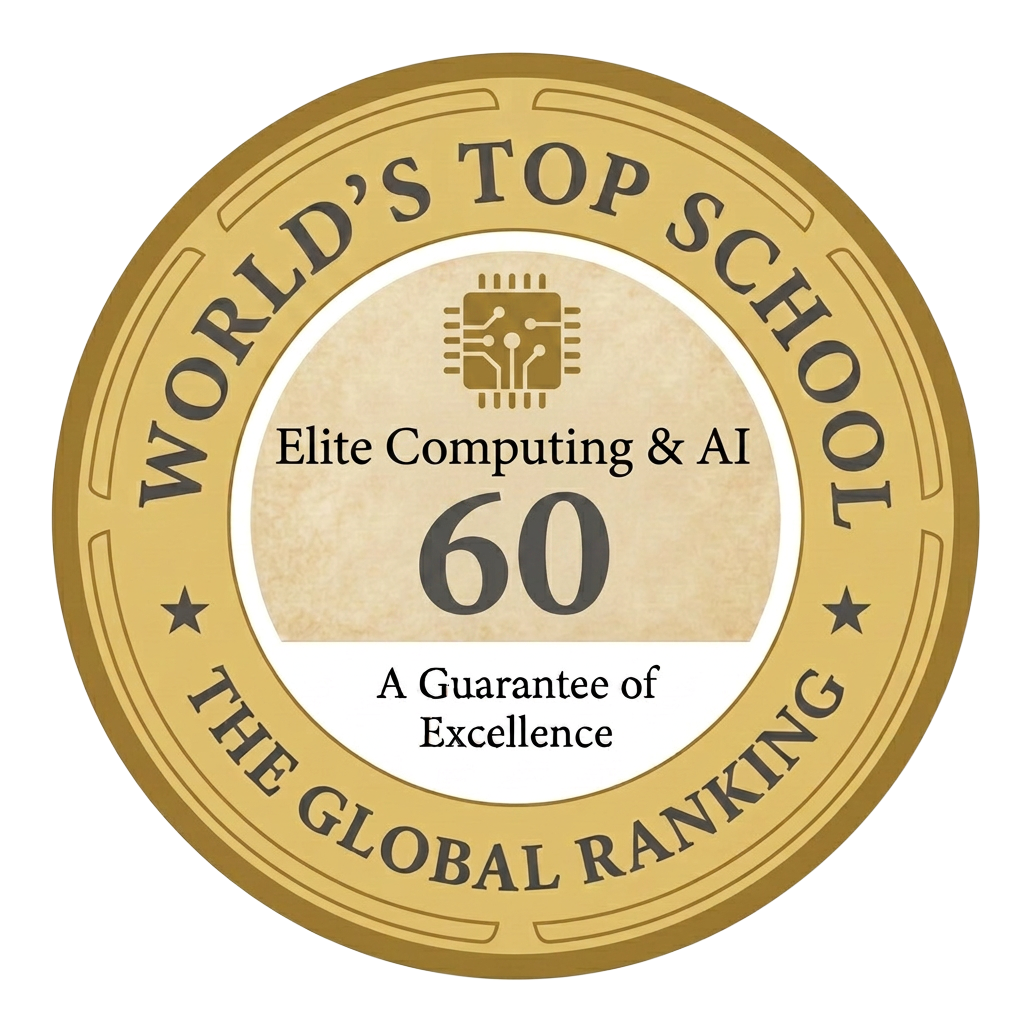
Elite Computing & AI 60
World's Top School · The Global Ranking
North Carolina School of Science and Mathematics is featured on our Global Top 60 ranking at #11. This seal is available for the school's marketing team to use on their website, prospectus and social channels.
Award
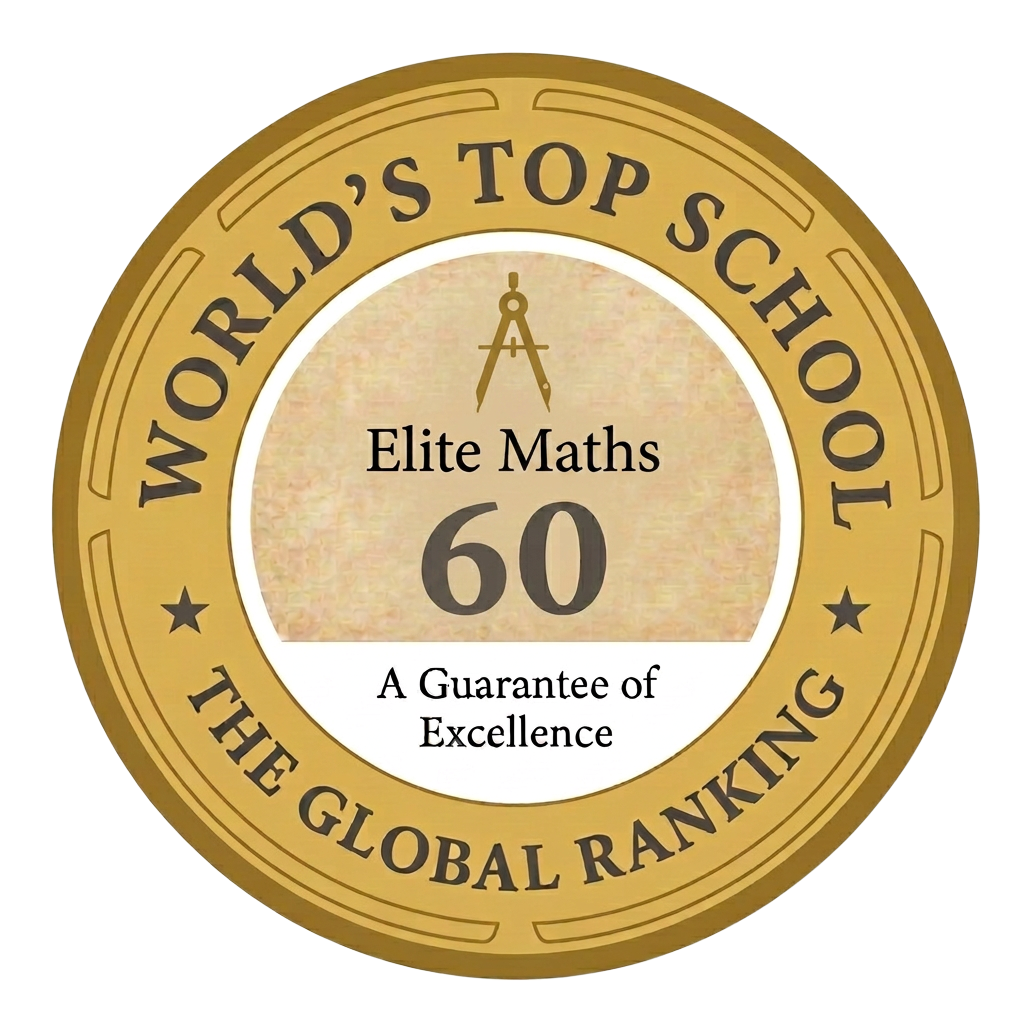
Elite Mathematics 60
World's Top School · The Global Ranking
North Carolina School of Science and Mathematics is featured on our Global Top 60 ranking at #47. This seal is available for the school's marketing team to use on their website, prospectus and social channels.
Editors' overview
North Carolina School of Science and Mathematics occupies a category of its own in the US market: a public, residential STEM school that takes students only for the final two years of high school and does so through ferocious selectivity. Founded in 1980, it was America’s first public residential STEM high school, and that origin story still matters because the model has been copied far beyond Durham. NCSSM teaches an American curriculum with AP, runs in English, and sits inside the University of North Carolina system. It is also a founding member of the National Consortium of Secondary STEM Schools. For parents, the core point is simple: this is not a conventional boarding school with broad-based admissions and a full K–12 ladder. It is a state-backed, high-pressure academic environment for students aged 16–18 who already know that science, mathematics and technology will sit at the centre of their education.
What puts it on a shortlist is the combination of public mission and rare intensity. NCSSM is tuition-free, residential, and open to students from across North Carolina, yet admission is competitive enough to make it function more like an elite specialist school than a standard public option. The Durham campus remains the reference point, even as the school now operates across 2 physical campuses, in Durham and Morganton. The boarding model matters here: students do not simply attend advanced classes, they live inside a peer group selected for academic ambition. That changes the rhythm of school life and raises the level of discourse, collaboration and pressure. Parents who want a rounded, low-stakes sixth-form equivalent should look elsewhere. Parents with a mathematically gifted or research-driven teenager should pay attention.
The ideal student for NCSSM is single-minded, resilient and ready to trade breadth for depth. This school suits teenagers who want advanced study, intellectual competition and classmates who move at speed. It also suits families comfortable with a narrow age range and a late entry point: NCSSM admits rising juniors and keeps them through senior year, so the proposition is concentrated rather than cradle-to-college. The school holds Cognia accreditation and has at least 26 notable alumni catalogued in Wikidata, with strength in scientists and scholars. That tally fits the institution’s purpose. NCSSM is not for families shopping for glossy campus life or social prestige. It is for students who want serious academic company and are prepared to earn it.
An Elite Science & Research 58 school
The North Carolina School of Science and Mathematics in Durham sits at rank eight on the Elite Science & Research 58 on the strength of a single, decisive fact: NCSSM-Durham placed more finalists in the Regeneron Science Talent Search than any other high school in the nation in 2023, following a year in which it topped every school in the country with ten Scholars from its Durham campus and one from NCSSM Online. That is not incidental strength in one competition cycle; it is a sustained, multi-year pattern of original research reaching the country's most selective science fair.
The engine behind this is NCSSM's Mentorship and Summer Research & Innovation Program (SRIP) architecture, not its AP catalogue. Roughly ninety-five percent of students complete some form of sustained original research, most commonly through the Mentorship course, a graded core class that places juniors and seniors twice weekly, and full-time in summer, inside real labs at Duke University, NC State University, UNC-Chapel Hill, N.C. Central University, and RTI International, with more than a hundred outside professionals volunteering as mentors annually. Students like Regeneron finalist Navami Jain, mentored in the Research in Chemistry programme, and Regeneron Scholars mentored by faculty such as Dr. Kimberly Monahan, work toward showcase presentations and, frequently, national competition submissions.
Notable alumni include Christina Hammock Koch '97, who set the record for the longest single spaceflight by a woman and has been selected for a NASA Artemis lunar mission; Maya Ajmera '85, president and CEO of the Society for Science and publisher of Science News, which runs the Regeneron STS; and chemist-entrepreneur Joseph DeSimone, a NC STEM Hall of Fame inductee and co-founder of the 3D-printing company Carbon.
International openness is where families must be careful. NCSSM is a tuition-free public UNC System school, and board policy requires that a custodial parent or legal guardian establish permanent legal North Carolina residency by December 1 of the applicant's sophomore year for the residential (boarding) or online programs — there is no separate international admissions track, visa sponsorship, or ESL pathway into the flagship boarding programme. Overseas families can access NCSSM's tuition-based Accelerator courses from anywhere in the world, but that is supplemental coursework, not enrollment. Our honest recommendation: treat NCSSM as a benchmark for what mentored research can achieve, not as an accessible boarding option, unless your family is genuinely relocating to North Carolina well before that December 1 residency deadline.
An Elite Computing & AI 60 school
The North Carolina School of Science and Mathematics in Durham, North Carolina, sits at rank eleven on the Elite Computing & AI 60 because it holds the largest private gift in its history, two million dollars from alumnus Carl Ryden of the Class of 1989 (co-founder and CEO of PrecisionLender), earmarked specifically to build the Ryden Program for Innovation and Leadership in Artificial Intelligence, described at launch as the first program of its kind at a public high school. That gift funds a dedicated AI curriculum, a fabrication space, and new AI-specialist hires, anchoring a school where computing is a funded institutional priority rather than a side elective.
The curriculum architecture runs from placement-tested introductory programming through intermediate and advanced tracks, culminating in a Machine Learning course covering supervised, unsupervised and reinforcement learning, decision trees and neural networks, and a Foundations of Data Science course adapted from UC-Berkeley's Data 8 that every Morganton junior must complete. Robotic Design layers in computer vision, path-planning and the ROS framework for national robotics competitions. The department has been led by Dean of Engineering and Computer Science Joe LoBuglio, who now serves as interim executive director of the Ryden Program, building on the tenure of prior chair Larry Hodges, a former Clemson School of Computing director and founding Georgia Tech College of Computing faculty member. Student research reaches outside classrooms too: NCSSM-Morganton's DragonBot team authored and presented a paper at the ACMSE conference and beat college-level competitors in a programming contest.
Notable alumni include Carl Ryden himself, and Jud Bowman, who founded the mobile platform Motricity as a senior before building Appia and Sift Media. Dedicated IOI or USACO Camp representation specific to NCSSM was not verifiable in current records, so competition depth should be read through robotics and applied-AI project output rather than pure algorithmic olympiad medals.
International openness is the honest limiting factor here. NCSSM is a tuition-free public residential school within the UNC System, and North Carolina law restricts admission strictly to bona fide state legal residents; non-residents are explicitly ineligible for the boarding program, and there is no visa-sponsorship route. Overseas families cannot apply for a boarding seat. The realistic access point is NCSSM's tuition-based Accelerator online courses, open worldwide. Parents abroad should treat NCSSM as a benchmark for AI-program design to request from local schools, not as an application target, unless the family is genuinely relocating to North Carolina years in advance of enrollment.
An Elite Mathematics 60 school
The North Carolina School of Science and Mathematics (NCSSM) in Durham sits at rank forty-seven on the Elite Mathematics 60. Founded in 1980 as the first of its kind, NCSSM has become the model for 18 such specialized schools around the globe, and its mathematics department requires students entering electives such as abstract algebra and number theory to already arrive with proof-writing experience, a bar few American high schools set for an entire cohort rather than a handful of prodigies.
The specialism is delivered as a genuinely staged pure-mathematics track. Beyond calculus, students can take a dedicated Linear Algebra course covering vector spaces, eigenvalues, orthogonality and matrix decompositions, and a Number Theory, Abstract Algebra and Advanced Combinatorics elective built around congruences, Euler's Phi function and cryptographic applications, both demanding prior proof-writing experience and strong mathematical talent. The department goes further with a Graph Theory course explicitly framed as an introduction to mathematical proof and research, in which students investigate open problems and are required to write concise, complete, and coherent proofs, with entry gated by prerequisite coursework and a Research Program Application under the Dean of Mathematics. NCSSM-Durham also hosts the finals of North Carolina's Comprehensive Math Contest, and its faculty organize, select, and train the state's ARML teams for the only national, on-site team mathematics competition in the U.S.
Named mathematics alumni are thin next to NCSSM's roster of scientists and officials, but Lenhard Ng, class of 1993, anchors the tradition: he built his research career at Duke, publishing more than fifty papers. Beyond individual names, cohort depth is institutional rather than star-driven, visible in the school's contest-hosting and ARML-training role described above rather than in a small elite squad.
International openness demands candor here. Under North Carolina law, only bona fide legal residents of the state are eligible to attend NCSSM, and non-residents are ineligible for admission to the residential program, so true boarding access is closed to overseas applicants outside military-family exceptions. The one globally accessible door is the tuition-based Summer Accelerator, open to students anywhere in the world, though it is non-residential and does not replicate the residential mathematics track. Families intent on relocating permanently would need to establish North Carolina legal residency by December 1 of the applicant's sophomore year to even qualify. Our recommendation: overseas parents should not shortlist NCSSM as a boarding destination, but may use its online Summer Accelerator courses as a taster of its proof-based mathematics faculty before looking elsewhere on this list for a genuinely open international boarding placement.
Academic Performance
NCSSM sits in the top tier of American public education for one reason above all: admissions do much of the sorting before teaching even starts. A school that recruits only older students through a competitive statewide filter and concentrates on science, mathematics and technology is not playing the same game as a comprehensive high school. In that peer set, raw AP participation tells you little; what matters is whether the school publishes aggregate outcomes that let families judge execution rather than reputation. NCSSM does not disclose full-school AP score distributions, mean SAT or ACT profiles, or college matriculation breakdowns in the public domain. That limits hard comparison with specialist independents and selective magnet schools that publish cleaner data.
Even with that opacity, the broad academic picture is clear. The school belongs to a rarefied niche: highly selective public STEM boarding schools whose students self-select into advanced work and high academic pressure. Its alumni footprint gives that claim some weight, with at least 26 notable former students catalogued and a strong skew towards scientists and scholars. That does not replace examination data, and parents should treat the absence of published aggregate results as a real weakness in external accountability. Against mainstream US public schools, NCSSM operates at a different altitude. Against elite exam-driven specialist schools, it still needs to show its numbers.
Facilities
Facilities at NCSSM serve a specialist academic brief rather than a grand-campus fantasy. The critical assets are the residential setup and the ability to concentrate older students in advanced STEM study without the distractions of a full age-range school. For the right student, that matters more than ornamental architecture. A boarding school for only 2 year groups can align labs, teaching spaces, study areas and residence life around one cohort at one level of seriousness. That is a sharp advantage over standard public high schools, where specialist students still share timetables and buildings with a much broader population. Against elite private boarding schools, the trade-off is obvious: less emphasis on spectacle, more on function.
What parents do not get, at least in public view, is a detailed facilities casebook. The school does not publish the kind of granular campus inventory that top independent competitors now treat as standard: named research centres, major arts venues, athletics complexes, makerspaces, studio provision or extensive visual evidence of specialist spaces. That lack of disclosure matters because peer schools in the selective STEM niche increasingly document exactly where students work and what equipment they use. NCSSM still holds an inherent facilities edge over non-residential magnets through its live-study model and campus immersion. It gives less clarity than the best-resourced private peers on the exact depth, breadth and finish of what sits behind the admissions mystique.
NCSSM sits in the top tier of American public education for one reason above all: admissions do much of the sorting before teaching even starts
Prestige
Prestige here rests on selection, mission and institutional place, not on old-boy mythology or luxury. NCSSM carries the status of a school that takes a narrow slice of the state’s strongest applicants and puts them into an unusually concentrated academic environment with a clear STEM brief. That gives it serious standing in American education circles. Its role inside the University of North Carolina system adds weight, and its status as a founding member of a national consortium for secondary STEM schools marks it as a reference point rather than a follower. For families who value intellectual reputation over social cachet, this is high-order prestige.
That prestige has limits, and they matter. NCSSM does not trade on the broad national polish of the most famous private boarding schools, nor does it publish the full outcome data that would let outsiders measure performance with precision. Its reputation is strongest among people who know the specialist landscape: academics, STEM educators, selective university admissions teams and North Carolina families who understand how hard entry is. The alumni record, with at least 26 notable former students catalogued, reinforces that seriousness, especially in scholarship and public life. The result is earned prestige, not decorative prestige: powerful in the right circles, thin on theatrics, and fully dependent on a student wanting intensity over brand gloss.
What makes NCSSM unique is not simply academic strength but structure
Communications
NCSSM’s communications job is harder than that of a standard school, because families are not just tracking lessons and pastoral issues; they are navigating a selective state institution tied to a public system, with admissions, residential life and academic pressure all in play at once. In that context, parents need clean, procedural communication: admissions criteria, timelines, residential expectations, transport, student support, and clear points of contact. The school’s public-facing communication does the core institutional work competently. It states what the school is, who it serves and how entry works without slipping into glossy theatre. That matters. A school with this level of competition gains nothing from brochure fluff, and NCSSM avoids most of it.
Where the picture weakens is depth. The school does not publish the kind of outcome data, programme-level detail or parent-facing operational transparency that the strongest selective schools now treat as routine. That leaves families with a solid sense of mission and structure, but a thinner grasp of execution. For current parents, the residential model and narrow age range also raise the stakes: when students live on site for the final 2 years of school, communication around wellbeing, supervision and academic load needs to be tight, regular and unsentimental. NCSSM gives an impression of institutional seriousness. It gives less evidence of best-in-class transparency. That distinction matters for parents handing over a teenager to an intense, high-trust environment.
Uniqueness
What makes NCSSM unique is not simply academic strength but structure. It takes students only at the point when most schools are still asking them to balance general teenage development with higher-level study, then drops them into a statewide talent pool built around advanced science, mathematics and technology. That produces a social and intellectual environment few schools can match: students live with peers who have already chosen intensity, and staff can teach without slowing the pace for a mixed-ability age range. The school also sits in a category with almost no direct rivals: a public institution, tied into a major university system, with selective entry and a residential model for older teenagers. That combination is exceptionally rare and gives the place a clearer academic identity than many famous boarding schools with broader missions.
For students, the benefit is concentration. The school strips away much of the noise that fills ordinary high schools and replaces it with serious academic company, sharper classroom discussion and a peer group that treats intellectual effort as normal. It also gives able students a chance to recalibrate their own standards. A teenager who was comfortably top of the class elsewhere arrives here and finds challenge built into daily life. That can be exhilarating or bruising; for the right student, it is both. NCSSM’s wider influence adds another layer of distinction: its model has been copied by 18 sister schools worldwide, which tells you this is not a local curiosity but a template-setting institution with a reach beyond its own campus.
That combination is exceptionally rare and gives the place a clearer academic identity than many famous boarding schools with broader missions
Student Profile
The student who fits here is not just bright but self-propelled. NCSSM takes applicants at a late stage and drops them straight into a peer group where academic appetite is the norm, not the exception. Teenagers who need external prodding, broad pastoral cushioning or a leisurely pace will struggle. The best fit is a student who already works with discipline, handles comparison without drama and treats challenge as fuel. Intellectual confidence matters, but so does emotional steadiness: in a school built around selective entry and a narrow age band, there is nowhere to hide from stronger classmates, heavier workload or the fact that everyone else was high-performing in their previous setting. This is not for the faint-hearted.
The strongest candidates will have a clear pull towards science, mathematics and technology, but the deeper requirement is tolerance for sustained pressure and a willingness to live among equally driven peers for the final 2 years of school. Socially, this suits students who like intensity more than spectacle and conversation more than status. It will also suit families who accept a high-trust, low-handholding model: the school’s public mission does not blunt its competitiveness. Students who want a broad traditional high-school experience, easy hierarchies or a softer landing into adulthood need a different environment. Students who want serious intellectual company and are ready to earn their place will fit.
A teenager who was comfortably top of the class elsewhere arrives here and finds challenge built into daily life
Co-curricular strengths
Arts & sport, on a separate axis
Overall 7/10
Scored 0-10 from the school's own published evidence. This axis is editorial-only — it does not feed the main WTS ranking.
Sports
8.5/10
Drama
6.5/10
Dance
7/10
Music
6.5/10
Visual Arts
6.5/10
Editor first-pass · editor-reviewable · 7/28/2026
Notable alumni · Wikidata
26notable alumni
1 historic (born pre-1930) · 12 modern (born post-1970)wikidata:2026-07-28 How we source this
WTS 300 badge
2025/26 editionNorth Carolina School of Science and Mathematics is one of the World's Top 300 Schools for 2025/26. Claim your listing to add it to your site →
Strengths
- +The residential program has no application fee or cost for tuition, meals, room/board, or textbooks for admitted students.
- +NCSSM has been recognized as the best public high school in America in Niche.com's 2026 national ranking of schools.
- +Students who are admitted to NCSSM and fulfill certain academic requirements are guaranteed admission to any UNC System University and tuition is waived.
- +The school offers a full curriculum, including arts and humanities, alongside a special emphasis on science, technology, engineering, and math.
- +The residential program operates on two campuses, the original site in Durham and a second campus in Morganton that opened in 2022.
Considerations
- −Under North Carolina law only bona fide legal residents of the state are eligible to attend NCSSM, and non-residents are ineligible for admission.
- −Although NCSSM is a public school, enrollment is extremely selective and applicants undergo a competitive review process for admission.
- −The school is a two-year public residential high school, so the boarding experience covers only the junior and senior years, not a full secondary education.
- −Applicants must separately establish permanent legal residency in North Carolina and file a state residency determination application by a set deadline, adding an extra bureaucratic step beyond the academic application.
Availability
Primary entry gate & tests
NCSSM Math Exam + Resident (10th)
Gallery
Photo © Md.Shamsul Arefin via Google Maps
Photo © Taylor Gibson via Google Maps
Photo © Nam Ryu via Google Maps
Photo © Nam Ryu via Google Maps
Photo © Donald S via Google Maps
Photo © Stephen Hale via Google Maps
Photo © Stephen Hale via Google Maps
Photo © Stephen Hale via Google Maps
Photo © Stephen Hale via Google Maps
Parent reviews
Have you sent your child here?
Voice reviews carry the strongest trust badge — we transcribe them for you to tidy up before they go live. Prefer to type? A written review is fine too.
Add your voice
In 60 seconds, tell other parents: what's the best thing about North Carolina School of Science and Mathematics, and what surprised you when your child joined?
We ask for a Google sign-in so every review has a real face behind it — no anonymous drive-by attacks on schools, and no faked positive reviews. Your email is never shown publicly.
Send this profile to a friend
International parents rely on word-of-mouth. Share this review with someone weighing the same decision.
Schools with places
Similar schools to North Carolina School of Science and Mathematics with places available now.
The Harker School
San Jose · United States
- 2026-27
- CLOSEDRegular cycle
- 2027-28
- OPENS SOONOpens Sept '26
The Thacher School
Ojai · United States
- 2026-27
- CLOSEDRegular cycle
- 2027-28
- OPENS SOONOpens 1 Sept '26
University of Chicago Laboratory Schools
Chicago · United States
- 2026-27
- CLOSEDRegular cycle
- 2027-28
- OPENS SOONOpens Sept '26
The Winsor School
Boston · United States
- 2026-27
- CLOSEDRegular cycle
- 2027-28
- OPENS SOONOpens Sept '26
Availability first, then country, area, curriculum, price, co-curricular
Consider also
Also worth looking at alongside North Carolina School of Science and Mathematics.
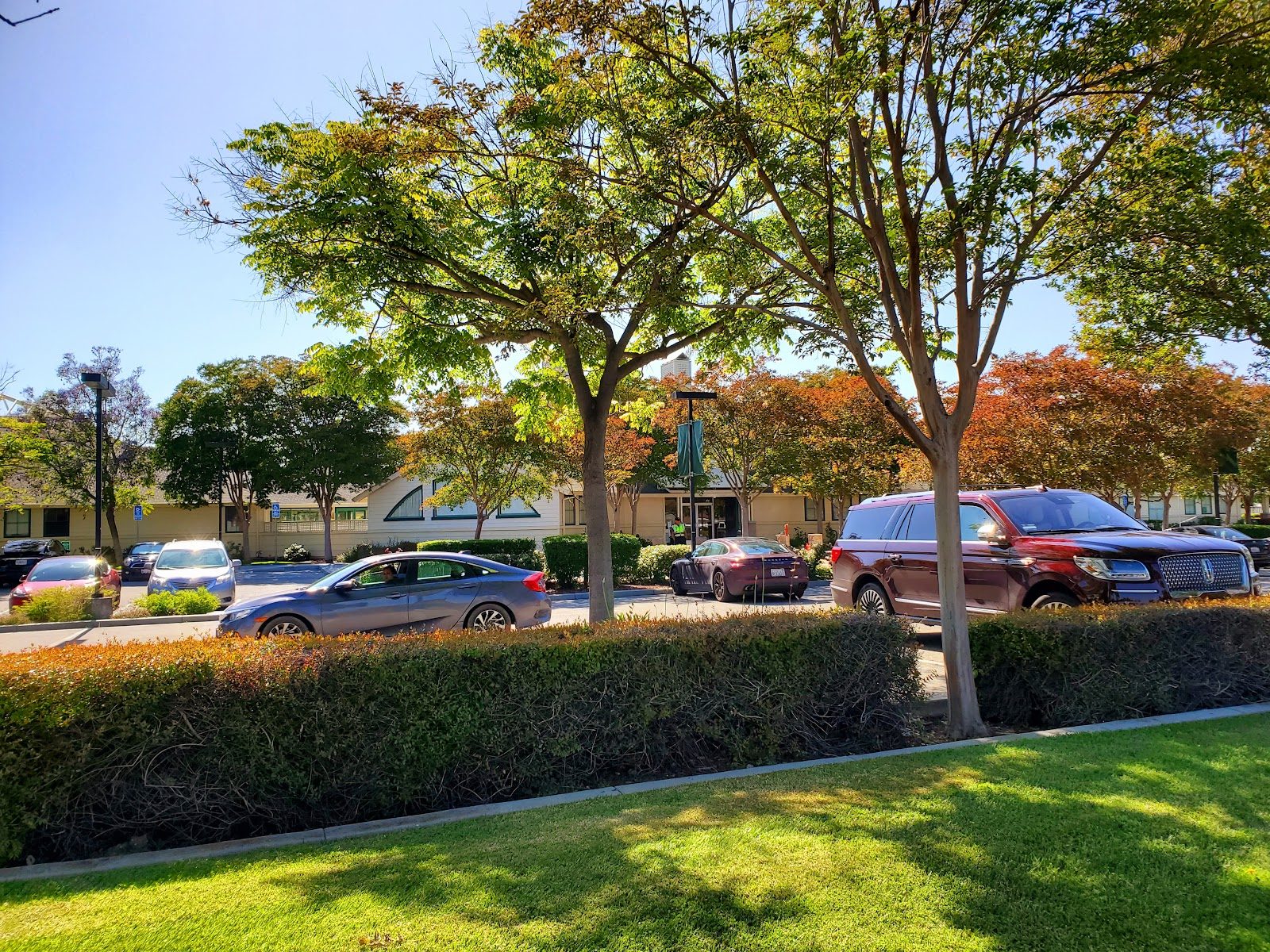
The Harker School
San Jose · United States
In Silicon Valley's backyard, a student-run research symposium turns science fair projects into published papers.
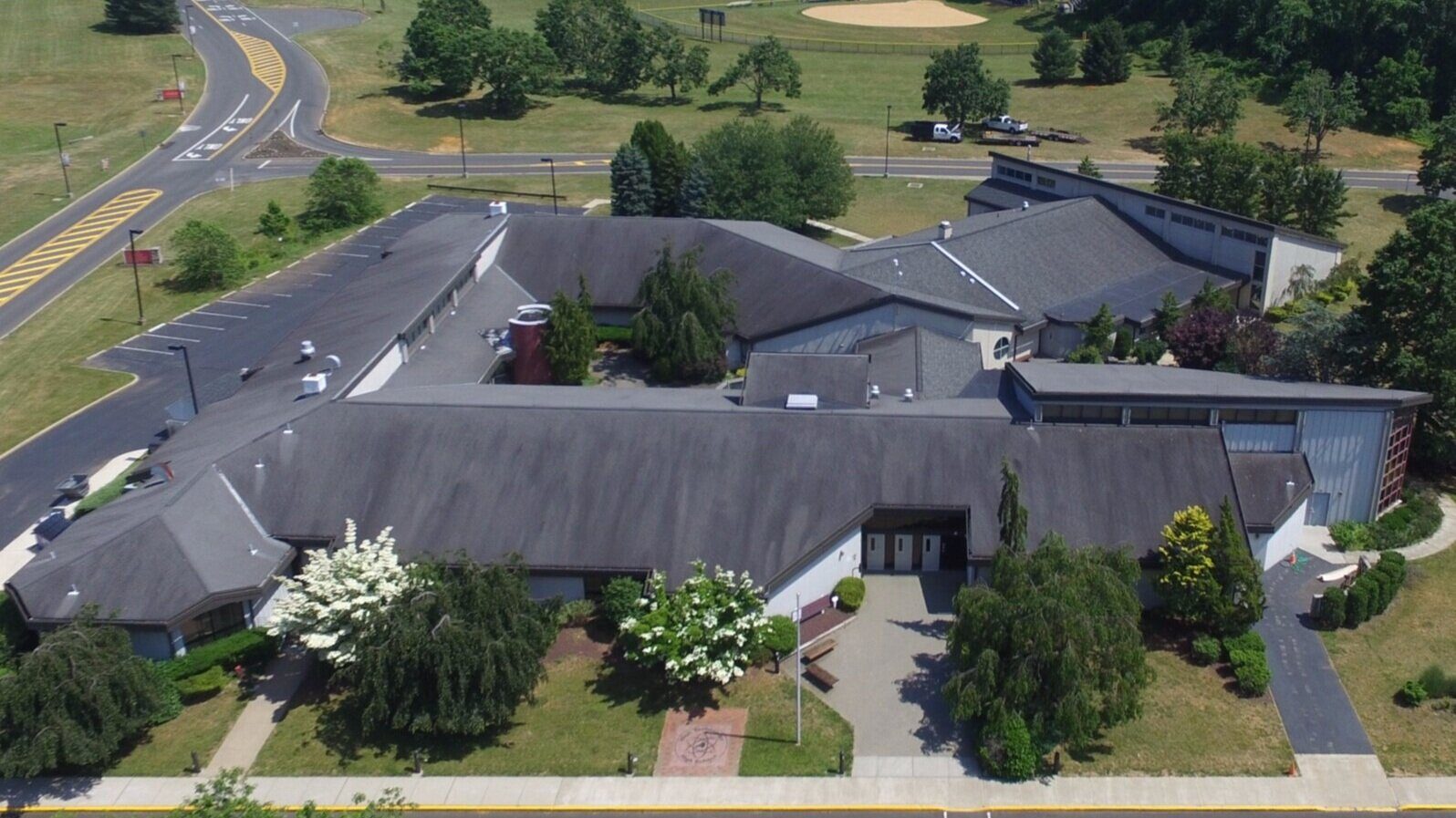
High Technology High School
Lincroft · United States
A 284-student engineering magnet in Monmouth County where civil design and digital electronics substitute for standard electives.
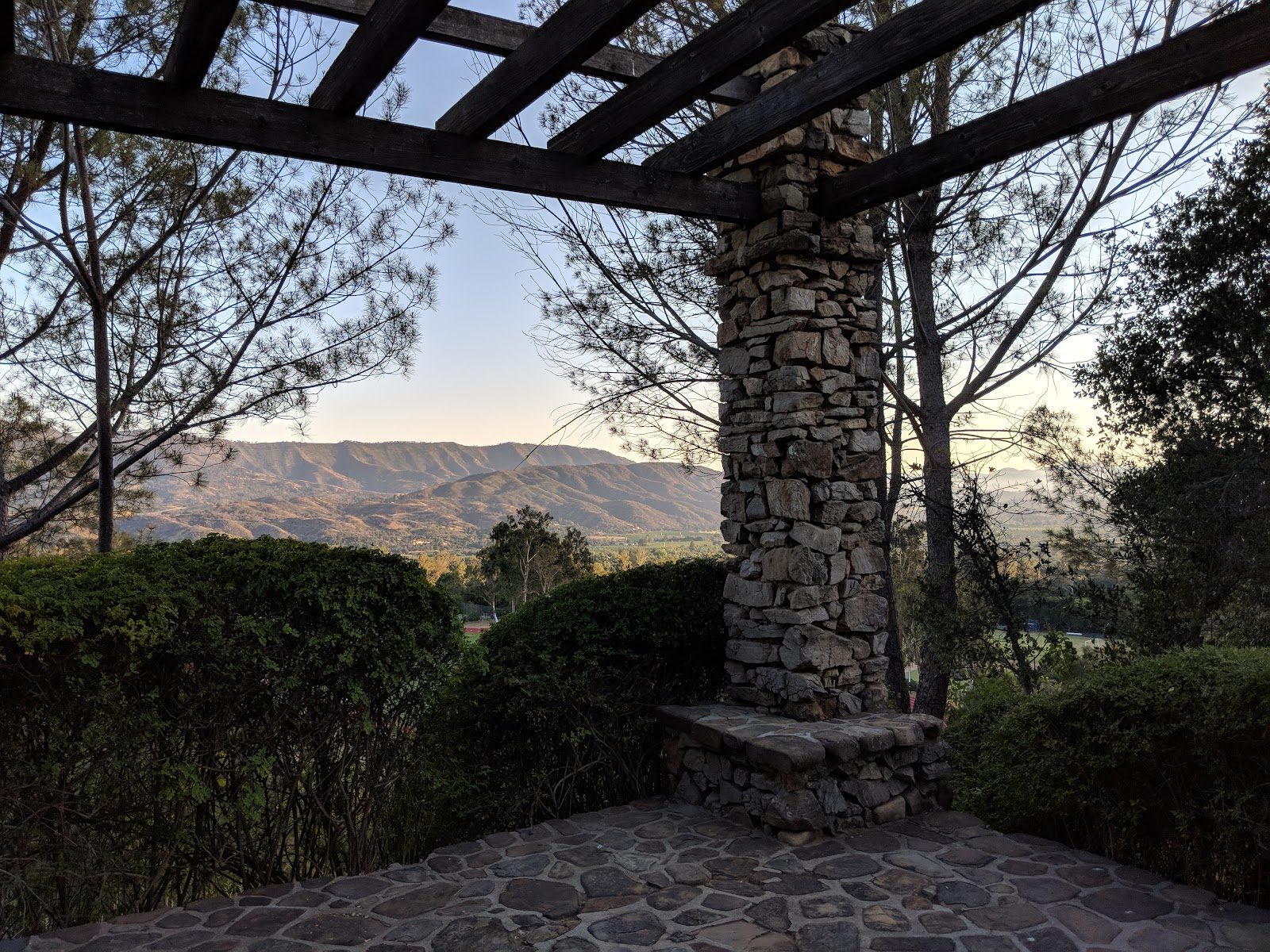
The Thacher School
Ojai · United States
Every freshman is assigned a horse to feed, saddle and ride daily in the foothills above Ojai
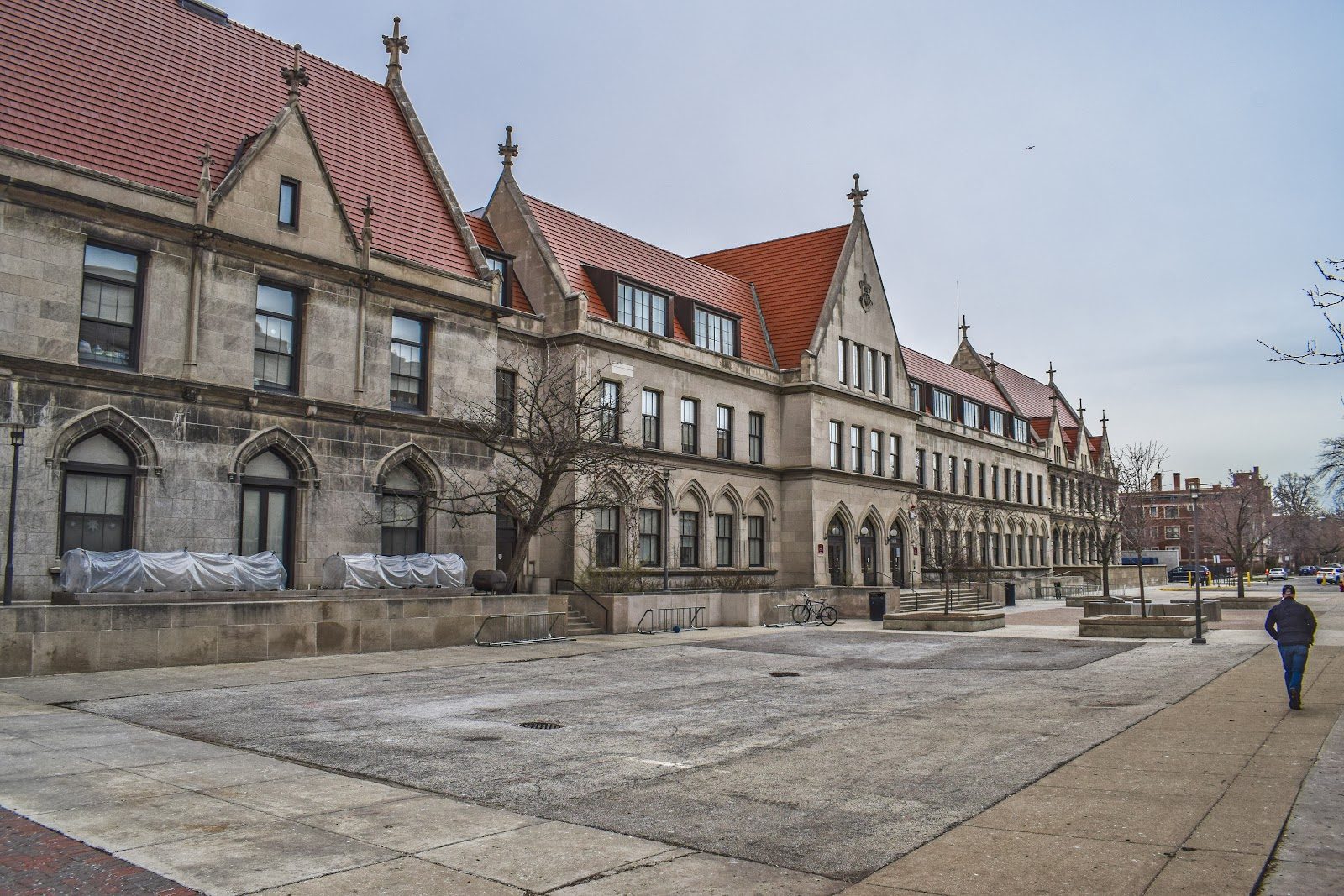
University of Chicago Laboratory Schools
Chicago · United States
Born from John Dewey's 1896 experiment in progressive education, still testing ideas in Hyde Park classrooms today
Same country and curriculum — closest matches within ±10 points either way