
Luxembourg
International School of Luxembourg
medium confidence· 4/6 cats · 2.67 avg sourcesBorn around a dining-room table in Strassen for a chemical plant's children, now an IB day school with 50 nationalities in Luxembourg City.
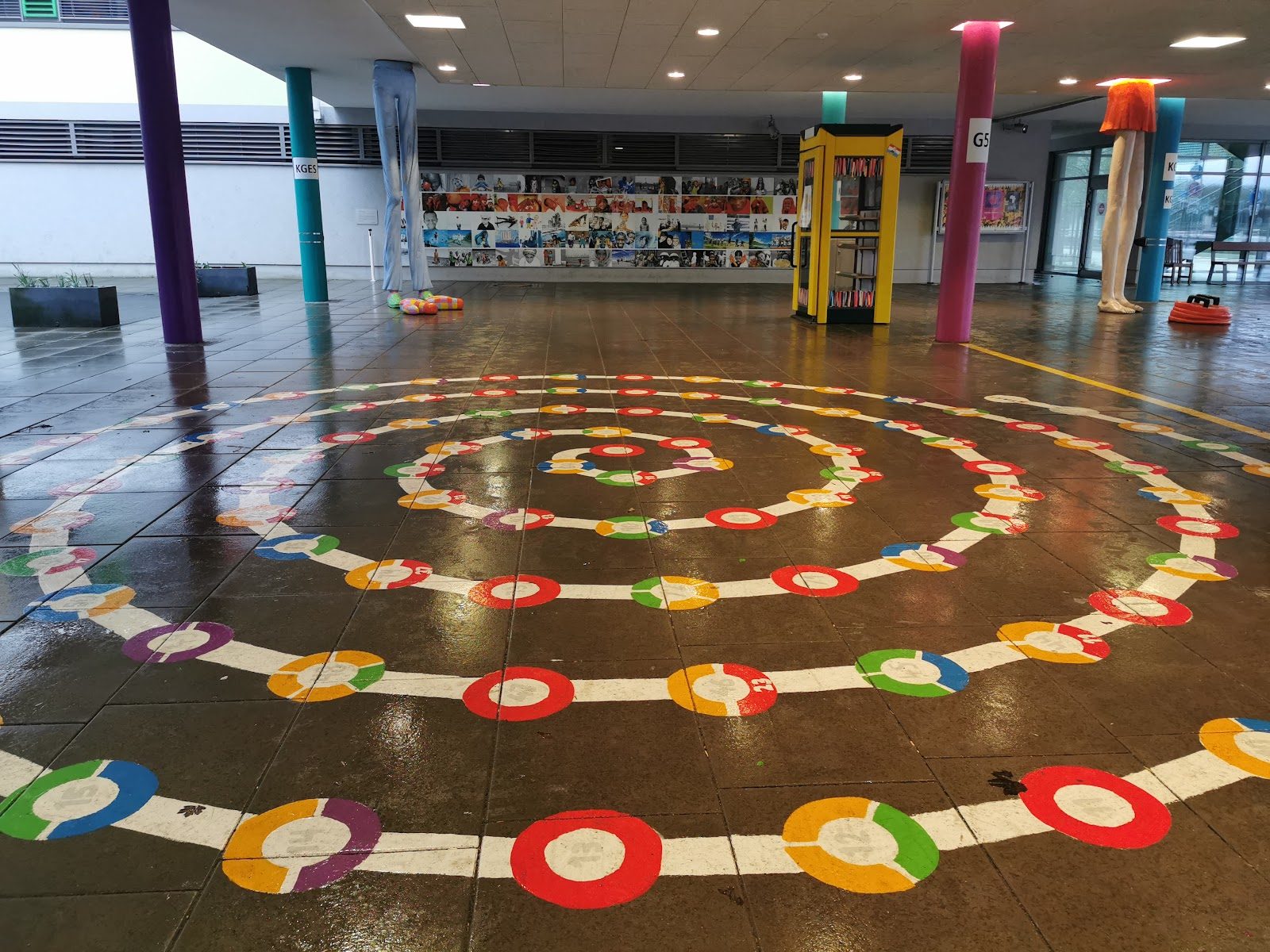
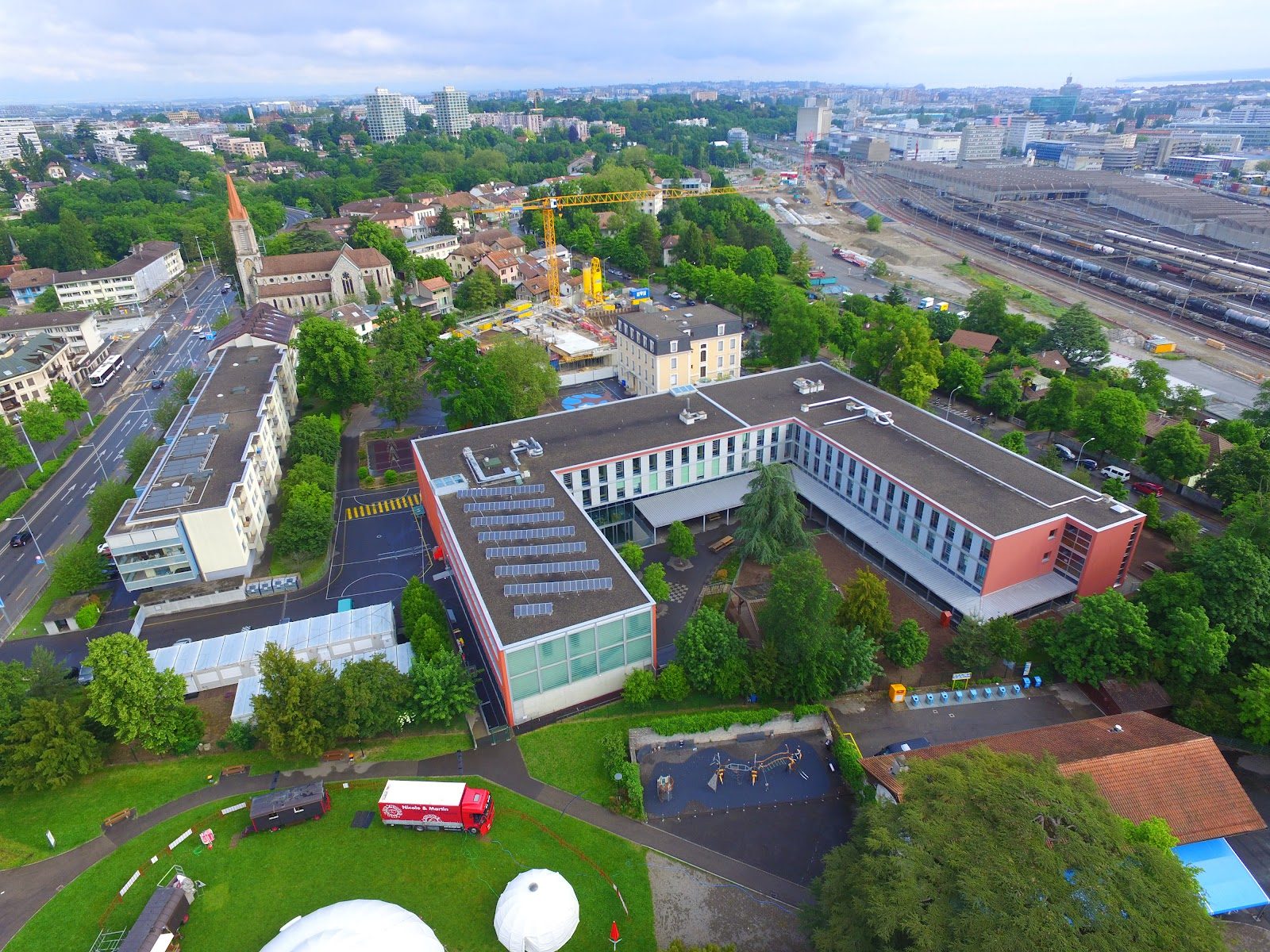
Photo © 高先生 via Google Maps
Type
Day
Ages
3–18
Curriculum
IB
Ratio
—
The Verdict
Editor's commitment
Right for
International families in Luxembourg City wanting a non-religious IB day school, ages 3–18, with English and French in daily use.
Wrong for
Parents after boarding, a religious ethos, or a cheap option: this privately owned non-profit day school averages €28,000 a year.
Watch out for
Founded in 1991 and IBO-accredited, ISL has maturity but not old-school prestige; 50 nationalities bring range and relentless transience.
Ranking breakdown
International School of Luxembourg · #463 of 1591
Composite score 69.4. 8 weighted criteria.
By criterion
Academic Outcomes
Weight 20%
#586
of 1529 scored
University Placement
Weight 16%
#584
of 1529 scored
Prestige & Heritage
Weight 12%
#608
of 1571 scored
Alumni Network
Weight 12%
#394
of 1530 scored
Facilities
Weight 12%
#489
of 1533 scored
Transparency & Communications
Weight 8%
#652
of 1532 scored
Peer & Industry Review
Weight 10%
#645
of 1548 scored
Admissions Selectivity & Demand
Weight 8%
#438
of 1529 scored
Score history
International School of Luxembourg · 2026
Movement across 2024–2026. Peer average overlaid.
Overall — 2024–2026
69.4/ 100
▲ +31.8 vs 2025
year on year
Peer & Industry Review
How International School of Luxembourg is regarded in the sector
75
Strong · medium confidence
The International School of Luxembourg (ISL) is consistently cited in expat parent forums (InterNations, Internations Luxembourg guides, ExpatFocus) and Luxembourg relocation guides as one of the oldest and most established international schools in the country, offering IB programs with strong university placement outcomes. It is frequently referenced alongside St. George's International School Luxembourg as one of the two leading English-medium international schools in Luxembourg, particularly noted for its long history (founded 1963) and full IB continuum (PYP through Diploma). However, it receives less specialist press coverage (Tatler, Good Schools Guide) compared to schools in major hubs like London or Geneva, reflecting Luxembourg's smaller expat education market rather than any quality concern.
Evidence sources
Editors' overview
International School of Luxembourg started in 1991 around a dining-room table in Strassen for the children of a chemical plant’s staff. That origin still matters: this is a school built for internationally mobile families who need stability, continuity and a curriculum that travels well. Today it is a non-profit day school in Hollerich, Luxembourg City, for ages 3 to 18, teaching in English and French and running the IB across the school. With pupils drawn from 50 nationalities, it sits in the market as an unusually cosmopolitan option in a city that attracts diplomats, finance professionals and multinational employers.
What puts ISL on a shortlist is not romance but fit. Parents who want a non-religious school, a full 3–18 age range and an IB education without boarding will find a clean, coherent proposition here. The bilingual environment matters too. English remains central, but French is part of the school’s working reality, which suits families planning to stay in Luxembourg as well as those who need an internationally portable education. The average annual day fee is €28,000, which places ISL in the expensive bracket, though not at the outer edge of European international-school pricing. The non-profit structure also gives it a different cast from the more aggressively commercial end of the market.
The student who will thrive here is internationally minded, adaptable and comfortable in a school where many classmates have crossed borders before. ISL fits families who value the IB’s breadth and structure, and who want a community that reflects Luxembourg’s expatriate economy rather than a single national system transplanted abroad. It is less compelling for parents who want a strongly local Luxembourgish pathway, a religious ethos, or the social architecture of boarding. What ISL offers instead is institutional clarity: a long-established international day school, in the capital, with a bilingual academic setting and a student body that is genuinely global.
Academic Performance
Academic transparency is the weak point. ISL does not publish aggregate IB Diploma results in the public domain, so parents cannot test its outcomes against Luxembourg peers on the metrics that matter most: average point score, pass rate, subject breadth at Higher Level, or the share of candidates above the 40-point mark. That absence does not prove weak performance, but it does block independent scrutiny. In a market where strong IB schools increasingly release at least headline diploma data, non-disclosure reads as opaque rather than reassuring. For families who rank measurable sixth-form outcomes high on the list, that matters.
Where the school still holds ground is in profile rather than published numbers. A long-established all-through IB school serving an internationally mobile intake has structural advantages: continuity across the years, familiarity with transitions in and out, and a student body built for an outward-facing programme. That can produce a steady, globally literate cohort, even when hard attainment data stay private. The difficulty is comparative judgment. Without published diploma aggregates, ISL sits in the category of schools that require direct questioning at admissions stage: ask for recent diploma point averages, pass rates over at least 3 years, university destinations by region, and the size of each graduating class. Until the school discloses those figures openly, its academic reputation rests more on institutional longevity than on publicly testable results.
Facilities
The school’s biggest facility advantage is coherence. As an all-through international day school, ISL needs spaces that work from the early years to the diploma stage, and that tends to produce a campus built for daily use rather than showpiece grandstanding. We have not seen a published inventory detailed enough to verify specialist assets room by room, which matters because premium schools in this bracket now spell out their science labs, performance spaces, sports provision and maker facilities with precision. That gap leaves ISL at a disadvantage in pure facilities marketing. Parents comparing it with better-documented peers in Brussels, Geneva or Amsterdam will get less hard evidence upfront. The school’s physical proposition therefore reads as practical rather than lavish: a city school serving international families, not an estate campus trading on acreage or spectacle.
That does not make the site weak; it makes it harder to audit. A non-profit school with a long local foothold and a student body spanning 50 nationalities has strong incentives to keep core teaching, pastoral and communal spaces functioning well. In this segment, what counts most day to day is not marble foyers but whether classrooms, play areas, indoor sport and shared social spaces support a busy, mobile student population. ISL clears the threshold for credibility, but it does not publish enough for a parent to rank its facilities among the region’s best-equipped campuses. Ask direct questions on science, arts and sports provision, and insist on a full tour. Here, the missing detail is the story.
International School of Luxembourg started in 1991 around a dining-room table in Strassen for the children of a chemical plant’s staff
Prestige
Prestige here rests on role and constituency rather than glamour. ISL carries weight because it serves the capital’s international professional class and has done so for decades, which gives it a strong local reputation among families moving through Luxembourg’s corporate and diplomatic circuits. The student mix matters: 50 nationalities is not a decorative statistic but a signal of who uses the school and why. In practical terms, that gives ISL a name that travels well among expatriate employers and relocation agents. It does not carry the old-money cachet of a Swiss boarding school or the selective swagger of the most academically fetishised British names. Its standing is serious, urban and professional.
That distinction matters for how parents read status. ISL’s prestige is functional rather than theatrical: trusted by mobile families, established in its market, and expensive enough to sit firmly in the premium tier at an average of €28,000 a year. The non-profit model adds credibility because it cuts against the more hard-sell end of international schooling. There is, however, a ceiling to the school’s prestige because public academic outcomes are not disclosed. Top-tier prestige in this sector rests on two pillars: social reputation and published results. ISL has the first. It has not earned the second in public. That leaves it as a respected, well-known school in Luxembourg’s expatriate ecosystem, not a continent-shaping brand.
Top-tier prestige in this sector rests on two pillars: social reputation and published results
Communications
Parent communication looks serviceable rather than sophisticated. The school gives families a clear institutional identity to grasp — non-profit, international, all-through — and that helps because parents know what kind of place they are dealing with before the first enquiry call. The public-facing message is coherent, and the school’s international intake means admissions communication has to work for families arriving mid-posting, under time pressure and without deep knowledge of the local system. That said, the published picture lacks granularity. We do not see the kind of detailed public documentation that makes communication feel fully transparent: no rich academic data, no deep facilities breakdown, and limited hard evidence on outcomes. For a school charging an average of €28,000 a year, that restraint reads as under-explained.
Day-to-day parent communication inside the school may be stronger than the public layer, but the external standard still matters because it sets the tone for trust. Schools serving a mobile, professional parent body need precision, speed and plain dealing. ISL clears the basics, but it does not distinguish itself through exceptional openness. The strongest signal in its favour is constituency: a school serving families from 50 national backgrounds does not function for long on muddled communication. The weakest signal is disclosure: when key performance and campus details stay unpublished, parents must do more investigative work than they should. Verdict: competent, usable, but not best-in-class.
Uniqueness
What sets ISL apart is not a grand claim to exclusivity but a rare combination of continuity and mix. Many international schools talk about global mindedness; this one was built for families whose lives move across borders, and that origin still shapes the student body and the social fabric. With pupils drawn from 50 nationalities, the internationalism is structural, not cosmetic. Children do not encounter difference as a themed event or an admissions slogan; they live with it every day, in classrooms, friendships and parent networks. In a small country where many schools still reflect a dominant national system, that gives ISL a distinctive social ecology: less rooted in one local tradition, more attuned to transition, adaptation and the realities of expatriate life.
For students, the benefit is practical as much as cultural. They learn early how to enter a group, read different norms and work with classmates whose assumptions at home do not match their own. That matters in Luxembourg’s transient professional environment, where peers arrive and leave with unusual frequency. The school’s non-profit status adds another point of difference. It gives ISL a less commercial cast than parts of the international market and reinforces the sense of a school built around serviceable long-term use rather than flashy educational theatre. The result is a place that suits children who need steadiness without narrowness: a cosmopolitan, mobile community that trains students to navigate change without treating constant change as a crisis.
ISL clears the basics, but it does not distinguish itself through exceptional openness
Student Profile
The pupils who fit best here are children who handle movement well: new classmates, new countries, shifting friendship groups and households that run on international work calendars. A community drawn from 50 nationalities produces a social environment where difference is routine, not a special programme. That suits students who are curious, socially agile and comfortable hearing more than one worldview at the lunch table. It also suits children who do not need a single dominant national culture to organise school life. For third-culture kids, diplomatic families and corporate transferees, that can feel deeply normalising. For children who want a rooted local identity, a stable cohort that has all grown up together, or a strongly traditional school culture, it is a less natural fit.
Temperament matters as much as background. The strongest match is a student who is open, resilient and able to build relationships without much fuss. This is not the right setting for a child who needs heavy institutional theatre, intense competitive edge or a narrow social mould to feel secure. It works better for pupils who value a cosmopolitan, grown-up atmosphere and who can thrive in a school where families arrive with high educational expectations and internationally mobile lives. Parents should also expect a peer group shaped by professional expatriate households rather than by one local social class. The result is a student body with a world-facing cast: adaptable, articulate and used to navigating change.
That origin still matters: this is a school built for internationally mobile families who need stability, continuity and a curriculum that travels well
Co-curricular strengths
Arts & sport, on a separate axis
Overall 8.84/10
Scored 0-10 from the school's own published evidence. This axis is editorial-only — it does not feed the main WTS ranking.
Sports
9/10
ISL fields a broad varsity programme across NECIS and LASEL competitions in football, basketball, swimming, tennis, volleyball, cross country, track and field, golf, softball, table tennis and badminton, and also has gymnasiums, a football pitch and swimming pool access.
Drama
9/10
Cite drama productions, dedicated performing arts spaces including an auditorium and drama classrooms, and participation in the Luxembourgish festival of English-language school theatre (F.E.S.T.).
Dance
8/10
Music
9.2/10
ISL explicitly offers school orchestra, choir and music ensembles, and students have access to performing arts spaces including music rooms and an auditorium.
Visual Arts
9/10
Specialist rooms for art.
Editor first-pass · editor-reviewable · 7/28/2026
Notable alumni · Wikidata
6notable alumni
0 historic (born pre-1930) · 6 modern (born post-1970)wikidata:2026-07-28 How we source this
Strengths
- +Luxembourg's oldest international school, tracing its roots to 1963 and operating from a purpose-built campus in Hollerich/Merl since 1999.
- +Large, established expat community of roughly 1,350 students drawn from about 50 nationalities, offering broad cultural diversity.
- +Full IB continuum plus Cambridge IGCSE options in Grades 9-10, giving families a recognised, university-preparatory pathway from age 3 to 18.
- +Accredited by the Council of International Schools (CIS) and the Middle States Association, with 2021 IB Diploma results showing a 96% pass rate against an 89% world average.
- +A low student-teacher ratio of around 8:1, supporting closer academic attention than many larger international schools.
Considerations
- −Annual tuition runs roughly EUR 19,800 to EUR 23,450 depending on grade, plus a one-time EUR 300 application fee and EUR 3,000 registration fee, on top of typical Luxembourg living costs.
- −The Middle Years Programme is still pursuing full IB authorization rather than already being a fully authorized MYP school, so the middle-school pathway is less formally certified than the Diploma Programme.
- −Entry requires an entrance test at every grade level plus an interview, and language-proficiency thresholds apply from around Grade 8 upward, adding friction for families arriving with limited English.
- −Average enrolment tenure is only about 3 to 5 years, reflecting the transient nature of the expat postings the school serves rather than a stable long-term cohort.
Availability
Primary entry gate & tests
Academic Record
Gallery
Photo © 高先生 via Google Maps
Photo © International School of Luxembourg via Google Maps
Photo © International School of Luxembourg via Google Maps
Photo © Tom Ludewig via Google Maps
Photo © International School of Luxembourg via Google Maps
Photo © International School of Luxembourg via Google Maps
Photo © International School of Luxembourg via Google Maps
Photo © International School of Luxembourg via Google Maps
Photo © International School of Luxembourg via Google Maps
Parent reviews
Have you sent your child here?
Voice reviews carry the strongest trust badge — we transcribe them for you to tidy up before they go live. Prefer to type? A written review is fine too.
Add your voice
In 60 seconds, tell other parents: what's the best thing about International School of Luxembourg, and what surprised you when your child joined?
We ask for a Google sign-in so every review has a real face behind it — no anonymous drive-by attacks on schools, and no faked positive reviews. Your email is never shown publicly.
Send this profile to a friend
International parents rely on word-of-mouth. Share this review with someone weighing the same decision.
Schools with places
Similar schools to International School of Luxembourg with places available now.
Wellington College International Shanghai
Shanghai · China
- 2026-27
- WAITPOOLSpace-dependent
- 2027-28
- PLACES OPENRolling
International School of Düsseldorf
Düsseldorf · Germany
- 2026-27
- WAITPOOLSpace-dependent
- 2027-28
- PLACES OPENRolling
Fettes College
Edinburgh · United Kingdom
- 2026-27
- CLOSEDStandard route closed
- 2027-28
- PLACES OPEN
International School of Paris
Paris · France
- 2026-27
- WAITPOOLSpace-dependent
- 2027-28
- PLACES OPENRolling
Availability first, then country, area, curriculum, price, co-curricular
Consider also
Also worth looking at alongside International School of Luxembourg.
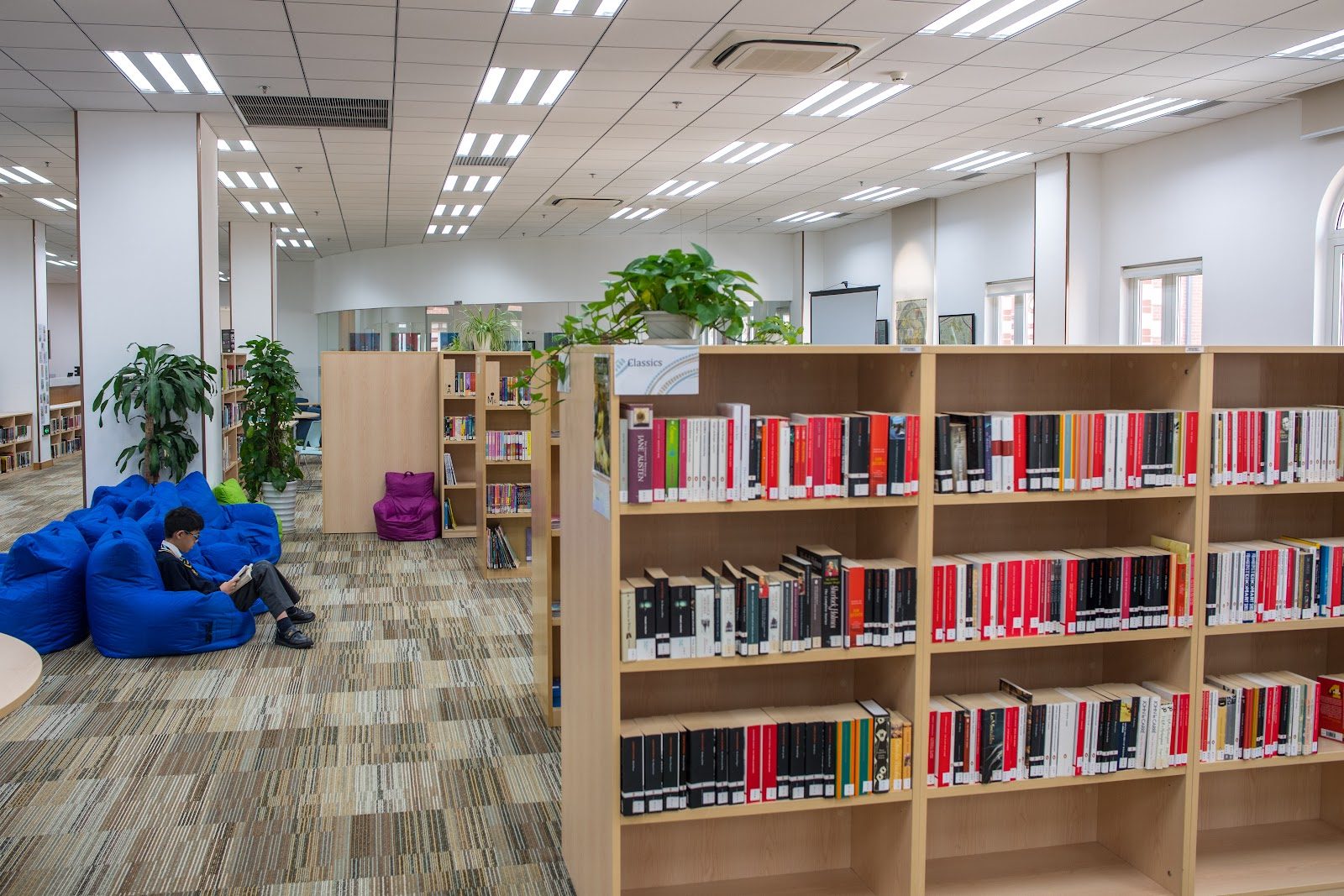
Wellington College International Shanghai
Shanghai · China
Rooted in an 1859 British foundation, this Pudong riverside campus channels house spirit into IB scores averaging 37 points.
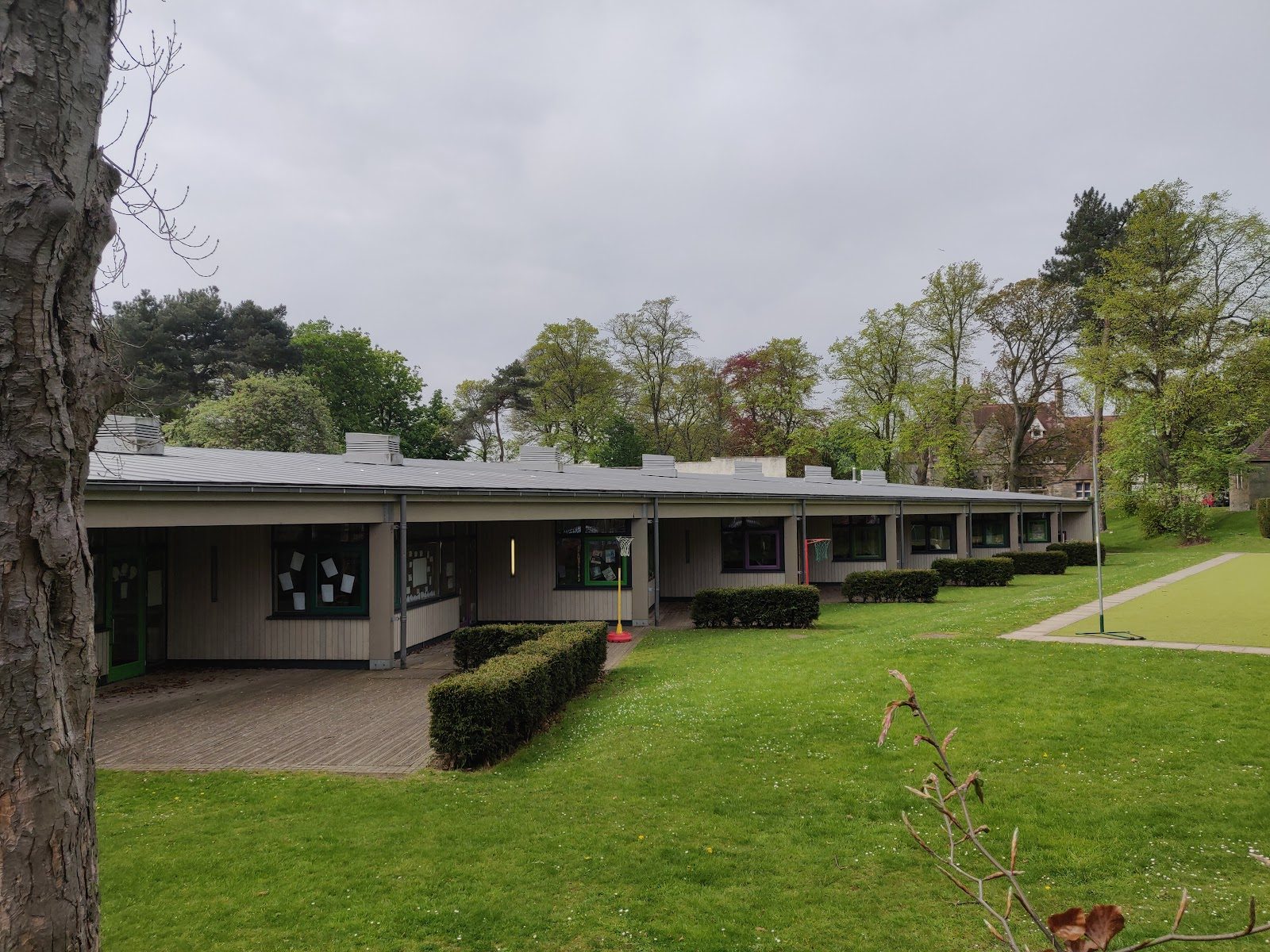
Fettes College
Edinburgh · United Kingdom
Gothic turrets said to have inspired Hogwarts frame Scotland's only sixth form pairing A Levels with a full IB Diploma pathway.
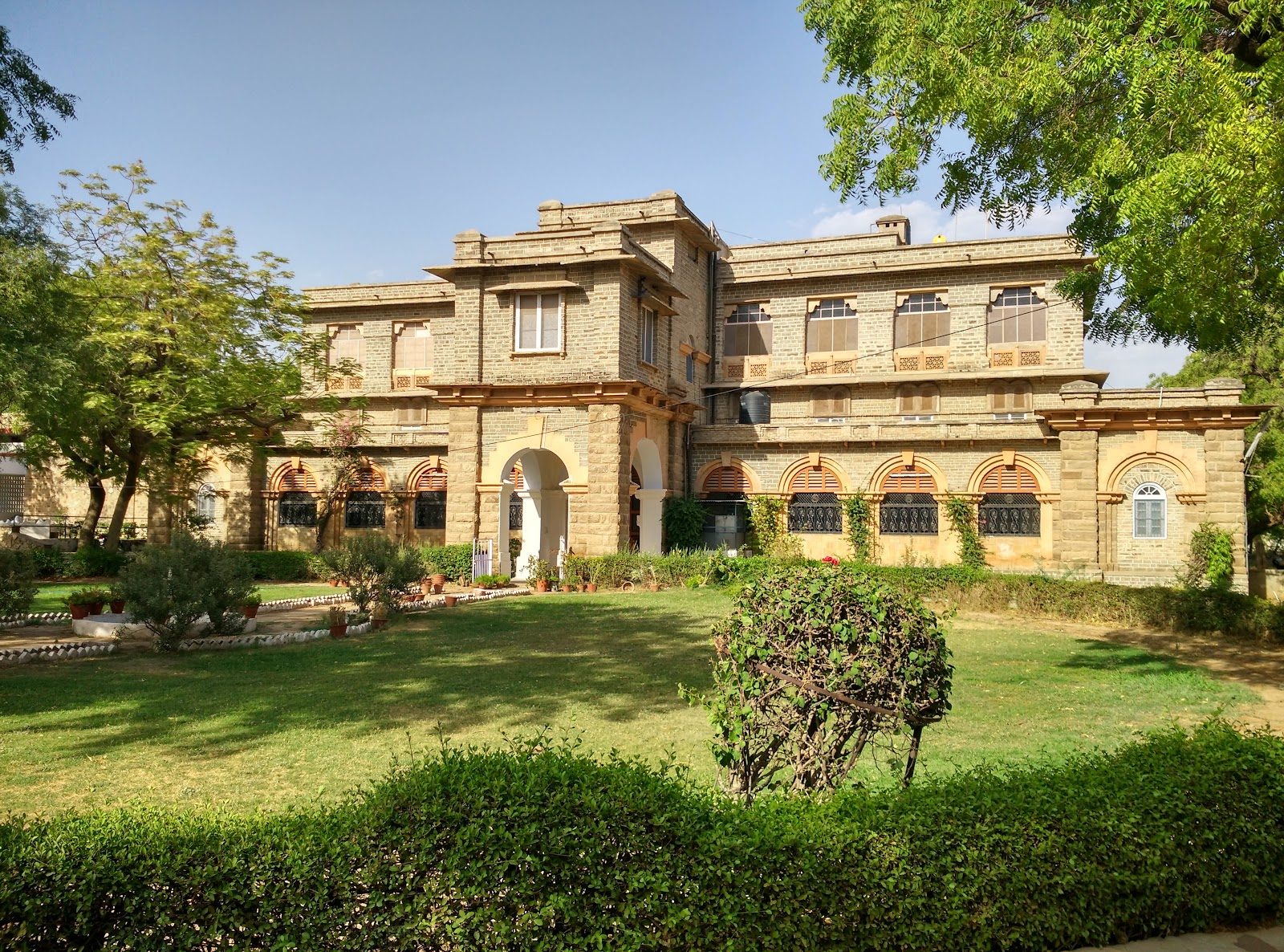
Mayo College
Ajmer · India
Historic all-boys boarding school in Ajmer offering the CBSE and Cambridge IGCSE curricula.
Institut International de Lancy
Geneva · Switzerland
Founded in 1903 near Geneva, this campus runs French, British and bilingual tracks side by side into the IB diploma.
Same country and curriculum — closest matches within ±10 points either way