
Greater London
Chartered by Elizabeth I in 1565, this Highgate grammar school now founds access academies alongside its Oxbridge-bound sixth form.
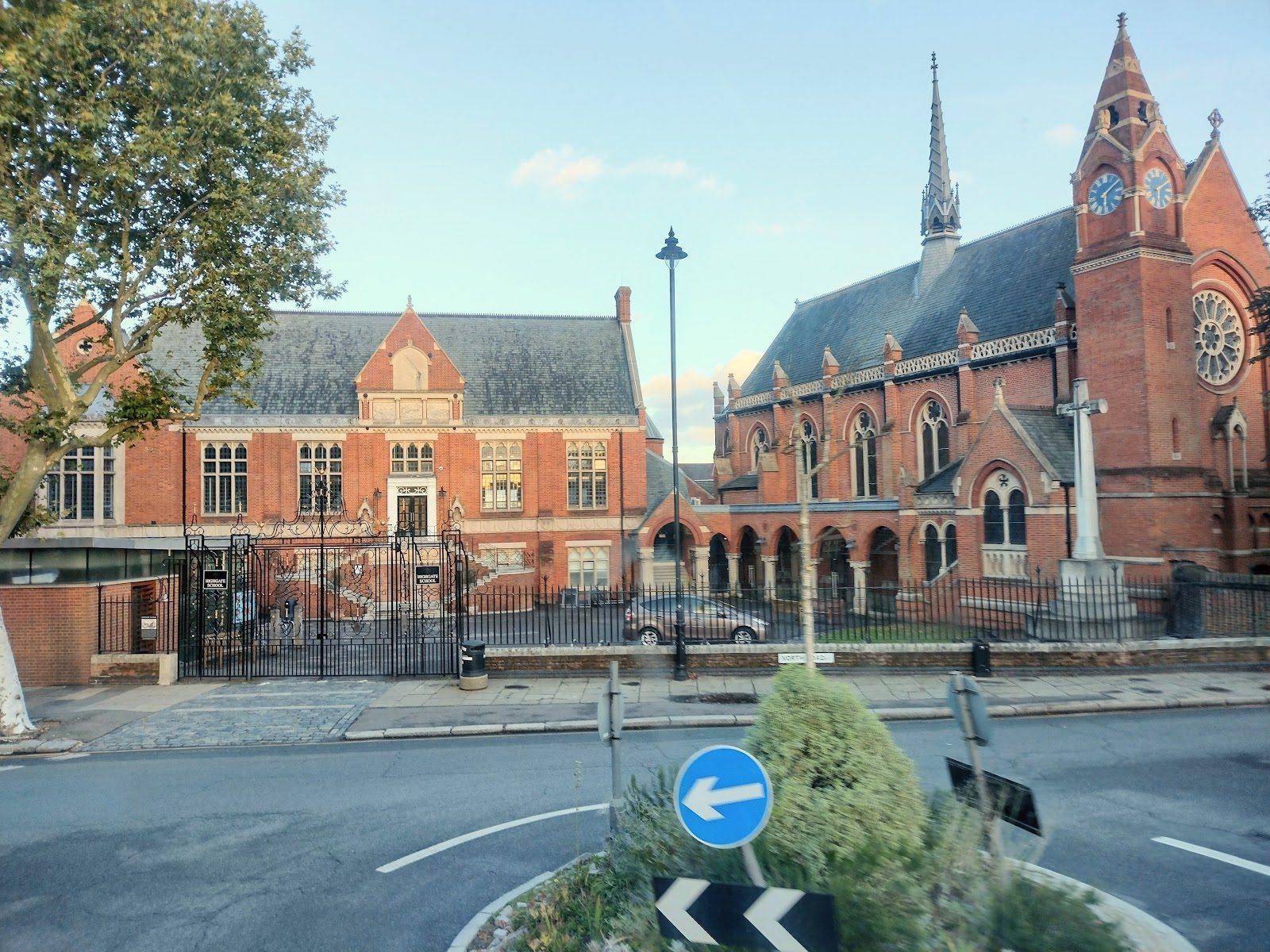
Photo © Lorna via Google Maps
Type
Day
Ages
11–18
Curriculum
British
Qualifications
A-Level
Ratio
10:1
The Verdict
Editor's commitment
Right for
Academically ambitious London families who want a British day school with a 10:1 ratio and 26 Oxbridge offers from 175 leavers.
Wrong for
Families needing cheap access or light academic pace: the average annual day fee is £32,787 and 91% progressed to top-100 universities.
Watch out for
Highgate sells scholarship over exam grind, but Oxford, Cambridge and UCL still dominate destinations; pressure does not vanish, it shifts.
Ranking breakdown
Highgate School · #87 of 1591
Composite score 78.6. 8 weighted criteria.
By criterion
Academic Outcomes
Weight 20%
#118
of 1529 scored
University Placement
Weight 16%
#104
of 1529 scored
Prestige & Heritage
Weight 12%
#92
of 1529 scored
Alumni Network
Weight 12%
#72
of 1529 scored
Facilities
Weight 12%
#292
of 1529 scored
Transparency & Communications
Weight 8%
#153
of 1529 scored
Peer & Industry Review
Weight 10%
#175
of 1529 scored
Admissions Selectivity & Demand
Weight 8%
#153
of 1529 scored
Score history
Highgate School · 2026
Movement across 2024–2026. Peer average overlaid.
Overall — 2024–2026
78.6/ 100
▲ +23.5 vs 2025
year on year
Peer & Industry Review
How Highgate School is regarded in the sector
88
Strong · high confidence
Highgate School occupies a firmly top-tier position within London's independent sector, ranking among only twelve schools in the exclusive "Eton Group," a grouping widely recognised for its "reputation for prestige and exclusivity." Peer-facing review coverage is emphatic on results: WhichSchoolAdvisor notes the school "continues to deliver exceptionally strong academic outcomes," with pupils achieving 94% grades 9-7 at GCSE in 2025, while the Good Schools Guide's independent verdict calls it "impressive, providing a stimulating academic education with outstanding teaching and results delivered in a holistic environment." Its status as a founding HMC member alongside its Eton Group membership cements a benchmark reputation rather than a merely local one, and reviewers note it is genuinely selective, "only accepting those it feels confident can benefit from and enjoy the education it provides." Coverage across specialist and mainstream press is consistently strong, reflecting a well-established reputation among sector peers and the expat parent community.
Evidence sources
Editors' overview
Chartered by Elizabeth I in 1565, Highgate has converted old grammar-school prestige into a modern north London proposition: serious academic ambition without the grim, score-chasing tone that infects parts of the sector. This is a day school for ages 11–18 in the verified listing here, Anglican in foundation, British in curriculum, with ISI and HMC credentials that place it squarely in the upper tier of the independent market. The staffing profile is strong: a 10:1 student-teacher ratio and average class size of 18 give teachers room to know pupils properly and to teach in detail rather than in bulk. At an average annual day fee of £32,787, it sits in the expensive bracket, but not at the outer edge of London day-school pricing.
What sets Highgate apart is the combination of intellectual weight, sixth-form outcomes and institutional reach. The school talks about scholarship and independence rather than raw exam theatre, and the leavers’ destinations back that up: in 2024, 91% of 175 leavers went to top-100 universities, with 26 Oxbridge places, 50 Russell Group destinations and two Ivy League places. That is not the profile of a school dabbling in academic stretch; it is the profile of a school built for pupils who can handle pace, expectation and competition. Highgate also has unusual civic ballast. The editorial context points to its work founding access academies and to a large, verified alumni footprint across politics, science, writing, business and the arts. That matters because it gives the school more than a polished campus identity; it has institutional depth and a sense of public consequence.
Parents should shortlist Highgate if they want a school that is brainy, busy and exacting, but not monocultural. The fit is clear. This suits bright, self-propelling pupils who want A levels, strong university preparation and enough co-curricular breadth to avoid becoming narrow specialists at 16. It suits families who value London day-school life over boarding, and who want a school with social confidence and serious outcomes. It does not suit children who need a gentle academic tempo, loose expectations or a small-scale environment with low pressure. Highgate is not for passengers. It is for students who enjoy being stretched, can make use of teacher access, and want to leave school with both strong grades and a sense that the world beyond the classroom matters.
Academic Performance
Highgate’s examination profile sits in the top slice of the London day-school market. The school’s own published headline for sixth form is 87% of A level grades at A*–A, alongside 34 Oxbridge places in the same cycle. That is not just strong by national standards; it places Highgate firmly among the serious academic operators in the independent sector, especially for families who want a traditional A level route rather than a broader diploma model. The school also makes a point of framing teaching around scholarship and independence instead of pure score accumulation. That is a defensible line when the outcomes land at this level. It reads less as evasive rhetoric than as a school confident that its pupils will deliver.
Relative to direct competitors, the picture is clear. Highgate belongs in the group of academically selective London schools where top grades are routine, university preparation is hard-edged, and sixth-form teaching carries real intellectual ambition. It does not occupy the tiny handful of schools that dominate national league-table chatter every year on raw results alone, but it does sit comfortably in the upper rank just beneath that stratum. For parents, the practical conclusion matters more than the status game: a strong student here gets rigorous preparation for elite university entry, while a weaker or less motivated student faces a demanding environment with little room to coast.
Facilities
Highgate’s facilities read as those of a full-spectrum academic day school rather than a place trading on one showpiece building. The public-facing emphasis falls on breadth: dedicated provision across Pre-Prep, Junior, Senior and Sixth Form; substantial science teaching; ensembles, casts and teams; and a Sixth Form built around a personalised A level programme rather than a generic common room plus exam factory. The strongest clues sit in how the school uses its estate. Geography pupils go to Iceland, the school runs Year 9 community days and a Year 10 environment day, and staff talk about environmental education, STEM, pastoral support and co-curricular life as live parts of the week, not decorative extras. That points to serious operational range: laboratories that can sustain strong science teaching, performance spaces that get used, sports provision adequate for team life, and pastoral infrastructure that reaches beyond token tutor time.
Against peer schools in London’s academic independent tier, that is a strong but not ostentatious facilities proposition. Highgate does not sell itself through the arms-race language of aquatics centres, theatre complexes or headline architecture, and parents should note that. If you want a campus whose marketing hinges on flashy capital spend, other schools do that more aggressively. Highgate’s edge lies elsewhere: facilities that support a demanding, busy, well-run school day, with enough specialist depth for older pupils and enough breadth to stop able children narrowing too early. For many families, that is a better sign than polished spectacle.
Highgate’s examination profile sits in the top slice of the London day-school market
Prestige
Highgate carries real prestige in the English independent sector, but not the gaudy kind built on branding alone. Its reputation rests on three harder assets: a long-established place in the capital’s academic hierarchy, a sixth form that sends pupils in volume to elite universities, and an alumni bench that is unusually deep across public life, scholarship, the arts and business. A verified floor of 302 notable alumni is not trivia; it signals institutional reach over generations. The school’s role beyond its own gates adds weight too. Founding involvement in the London Academy of Excellence, sponsorship of the Tottenham academy, and support for the Chrysalis Partnership give Highgate more than social polish. They give it civic seriousness.
Why rate it highly rather than at the absolute summit? Because prestige has tiers. Highgate sits in the upper echelon of London day schools: widely respected, academically selective, and socially legible to universities and professional families. Its leavers’ profile, with 91% heading to top-100 universities and 26 to Oxbridge in the verified cohort, confirms that status. Yet this is not a school whose name alone eclipses everything else in the room. It still depends on the pupil to cash in the opportunity. That is no weakness. It is a mark of a school with substance over theatre: admired for outcomes, history and seriousness, not for empty mystique.
Its leavers’ profile, with 91% heading to top-100 universities and 26 to Oxbridge in the verified cohort, confirms that status
Communications
Highgate communicates with parents in the manner of a large, confident independent school that expects regular engagement and has the machinery to sustain it. The public-facing structure is clear: separate entry points for Pre-Prep, Junior, Senior and Sixth Form, a dedicated parent portal, staff email access, frequent news updates, and visible signposting to bursaries, visits and admissions. That matters because parents need different information at different stages, and Highgate has organised its channels accordingly. The site also gives a stronger-than-average sense of the school’s internal priorities: pastoral leadership is visible, academic departments are not hidden behind slogans, and partnership work is treated as operational fact rather than virtue-signalling gloss. The published staffing context — 10:1 with classes averaging 18 — also supports the idea that contact with families can be handled with proper attention rather than in a rush.
The weakness is tone. Highgate’s communications are polished, active and institutionally self-assured, but they are not intimate. Parents who want chatty warmth or radical transparency on every operational detail will find a degree of old-established formality here. The website carries plenty of headlines and success markers, yet less granular day-to-day texture than the best schools provide about routines, response times or how concerns move through the system. Still, the essentials are in place and well ordered. This is effective, adult communication for families who value clarity, access points and evidence that the school is being run by people with a grip on the place.
Uniqueness
Highgate’s distinctiveness lies in the way it combines old-school academic seriousness with an outward-facing charitable machine that reaches far beyond its own pupils. Plenty of London independents talk about partnership work; Highgate has built and backed institutions. It was a founding partner of the London Academy of Excellence, became principal education sponsor of London Academy of Excellence Tottenham, and funds the Chrysalis Partnership across 26 state schools in multiple boroughs. That matters because it shifts “service” out of the realm of annual volunteering optics and into institutional commitment. For students, the gain is concrete: they are educated inside a school that treats public engagement as part of its operating model, not a decorative add-on for prospectuses and prizegiving speeches.
The other point of difference is tonal. Highgate pushes scholarship, independence and intellectual confidence without the joyless exam-drill mentality that can flatten able teenagers. Its sixth form is built around a personalised A level programme, but the school also keeps insisting on ensembles, casts, teams, environmental work and community days. That mix gives pupils a version of high performance that is demanding without becoming narrow. In practice, students get two advantages at once: access to a serious, high-ceiling academic culture and permission to develop range, social awareness and judgement alongside it. That combination is rarer than schools admit. Many institutions deliver results; fewer produce students who can connect achievement to a wider civic world.
At an average annual day fee of £32,787, it sits in the expensive bracket, but not at the outer edge of London day-school pricing
Student Profile
Highgate suits adolescents who are switched on, articulate and willing to work hard without being chased at every turn. The school’s own language centres on scholarship and independence, and that has consequences for fit. Pupils who thrive here will enjoy argument, reading, subject depth and teachers who expect them to think past the mark scheme. The sixth form profile confirms the point: this is a place for students aiming high and prepared to compete for selective university places. It also helps to have the confidence to join in. Highgate talks as much about teams, ensembles, casts, environmental work and community engagement as it does about grades, so the ideal pupil is not a shut-in grinder but a high-functioning all-rounder with intellectual stamina and enough social ease to make use of a busy school culture.
The students who struggle here are easier to identify. Children who need heavy hand-holding, constant reassurance or a soft academic runway will find the pace unforgiving. So will those who want anonymity in a large system while giving the minimum. The low staffing ratio and classes averaging 18 create scope for attention, but they also reduce hiding places. Highgate fits pupils with serious intent, sound self-management and a willingness to contribute beyond the classroom. It suits families who want their child stretched, known and held to account. It does not suit passengers, fragile egos or teenagers looking for an easy prestige badge.
What sets Highgate apart is the combination of intellectual weight, sixth-form outcomes and institutional reach
Co-curricular strengths
Arts & sport, on a separate axis
Overall 8.58/10
Scored 0-10 from the school's own published evidence. This axis is editorial-only — it does not feed the main WTS ranking.
Sports
9/10
High-performance North London day athletic powerhouse; fields nationally dominant soccer, cricket, and netball programs across state-of-the-art grounds.
Drama
9/10
Ambitious theater curriculum utilizing an exceptional on-campus theater venue, providing deep training in scriptwriting and tech.
Dance
7/10
Active afternoon co-curricular activity offering structured contemporary and jazz choreography classes.
Music
9.1/10
Outstanding musical depth; supports multiple jazz big bands, massive symphonies, and elite choirs with deep civic pipelines.
Visual Arts
8.8/10
Breathtaking visual studios producing top-tier design portfolios, digital multimedia creations, and fine art pieces.
Editor-verified · 8/6/2026
Outcomes & destinations
Where students go next
Editorial estimateClass of 2024
175 graduates
A-Level distribution
100% covered
- A*48%
- A32%
- B17%
- C3%
Top destinations
78 placements
- Oxford· 14
- Cambridge· 12
- Harvard· 2
- UCL· 14
- Imperial College London· 10
- Durham· 8
- Bristol· 7
- Warwick· 6
- Edinburgh· 5
North London co-ed day school; strong Oxbridge and US flow.
Editor-approximated from the school's own leavers report. Awaiting school-attested figures.
Notable alumni · Wikidata
302notable alumni
181 historic (born pre-1930) · 23 modern (born post-1970)wikidata:2026-07-28 How we source this
The story in one line
68% achieved ≥ AAB in 2+ facilitating subjects·ISI Routine Inspection 2024
AAB with 2 facilitating subjects is the Department for Education's published predictor of admission to a top-third UK university: the pupil has scored high grades in at least two of the classic Russell-Group subjects (maths, sciences, English, history, geography, or a modern language). Independent schools don't appear in the state-only HE-destinations dataset, so this is the strongest DfE-verified sixth-form signal available. Source: DfE 16-18 school and college performance data · 2023/24. Value-added +0.30
DfE-verified statistics
Official GCSE data · 2024/2025
Progress 8
—
Value-added score. State-schools only; 0 = expected progress, +1 = one grade above.
Attainment 8
35.8
Average grade across 8 GCSEs (score out of 90). National ≈ 46.
EBacc average score
2.45
Avg grade across the 5 EBacc pillars (English, Maths, Sciences, Language, Humanity).
EBacc slots filled
1.2
How many of the 5 EBacc pillars pupils typically enter (max 5).
A-Level attainment
Cohort · 2023/24
Avg A-Level grade
A
APS per entry: 51.31
Best 3 grade
A+
Best-3 APS: 51.85
≥ AAB + 2 fac.
68.4%
Russell-Group predictor.
Progress (value-added)
+0.30
Above average
Read with care. Independent schools frequently sit IGCSEs or Pre-U qualifications instead of standard GCSEs — DfE data only counts standard GCSEs, so these numbers may reflect a partial cohort. For a fuller picture, cross-check with the school's own annually-published results.
URN 102163Verified · DfE 2024/2025
Official inspection
ISI report · 2024
Inspectorate
Independent Schools Inspectorate
The Government-approved inspectorate for English independent schools.
Latest report
24 September 2024
Routine Inspection
Report history
Verified · Independent Schools InspectorateSource-of-truth
WTS 300 badge
2025/26 editionHighgate School is one of the World's Top 300 Schools for 2025/26. Claim your listing to add it to your site →
Strengths
- +Independently inspected by the ISI and found compliant against the regulatory standards, with WSA listing the school as academically rigorous and heavily oversubscribed.
- +Strong published university destinations: 91% of the Class of 2024 progressed to top-100 universities, including 14 to Oxford, 12 to Cambridge, 14 to UCL and 10 to Imperial College London.
- +The school publishes its examination results openly; its 2024 A-level cohort recorded 48% A* and 80% A*–A, and it publicly reports Russell Group and Oxbridge placement each year.
- +An all-through structure from Pre-Prep to Sixth Form (ages 4 to 18) allows continuity through Junior and Senior School without an external transfer at 11.
- +Long institutional history (founded 1565) with a strong co-curricular offer — world-class music, sport and drama — and established academic partnership programmes such as the co-founded London Academy of Excellence Tottenham.
- +Extensive on-site facilities, including an indoor pool, gym, sports hall, astroturf and specialist teaching spaces, verified on the school’s own site.
Considerations
- −Boarding was phased out and the last boarders left in 1997; Highgate today operates as a day school only, which matters for relocating families expecting residential places.
- −Entry is academically selective: 11+ candidates sit English, maths and non-verbal reasoning papers followed by a second-stage interview, meaning places are not guaranteed even for capable applicants.
- −Day fees of £30,000 place it at the premium end of the London day-school market before any registration deposits or exam-board charges.
- −With close to 1,500 pupils across the school, families seeking a small, intimate pastoral environment may find the scale a limiting factor.
Availability
Primary entry gate & tests
11+ Written Exams + Interview
Gallery
Photo © Highgate School via Google Maps
Photo © Highgate School via Google Maps
Photo © Заря Звезда via Google Maps
Photo © Заря Звезда via Google Maps
Photo © Заря Звезда via Google Maps
Photo © Highgate School via Google Maps
Photo © Highgate School via Google Maps
Photo © Highgate School via Google Maps
Photo © Highgate School via Google Maps
Recommended reading
Independent write-ups of this school from editorial outlets we trust.
- Highgate School reviewGood Schools Guide
Parent reviews
Have you sent your child here?
Voice reviews carry the strongest trust badge — we transcribe them for you to tidy up before they go live. Prefer to type? A written review is fine too.
Add your voice
In 60 seconds, tell other parents: what's the best thing about Highgate School, and what surprised you when your child joined?
We ask for a Google sign-in so every review has a real face behind it — no anonymous drive-by attacks on schools, and no faked positive reviews. Your email is never shown publicly.
Send this profile to a friend
International parents rely on word-of-mouth. Share this review with someone weighing the same decision.
Schools with places
Similar schools to Highgate School with places available now.
Availability first, then country, area, curriculum, price, co-curricular
Consider also
Also worth looking at alongside Highgate School.
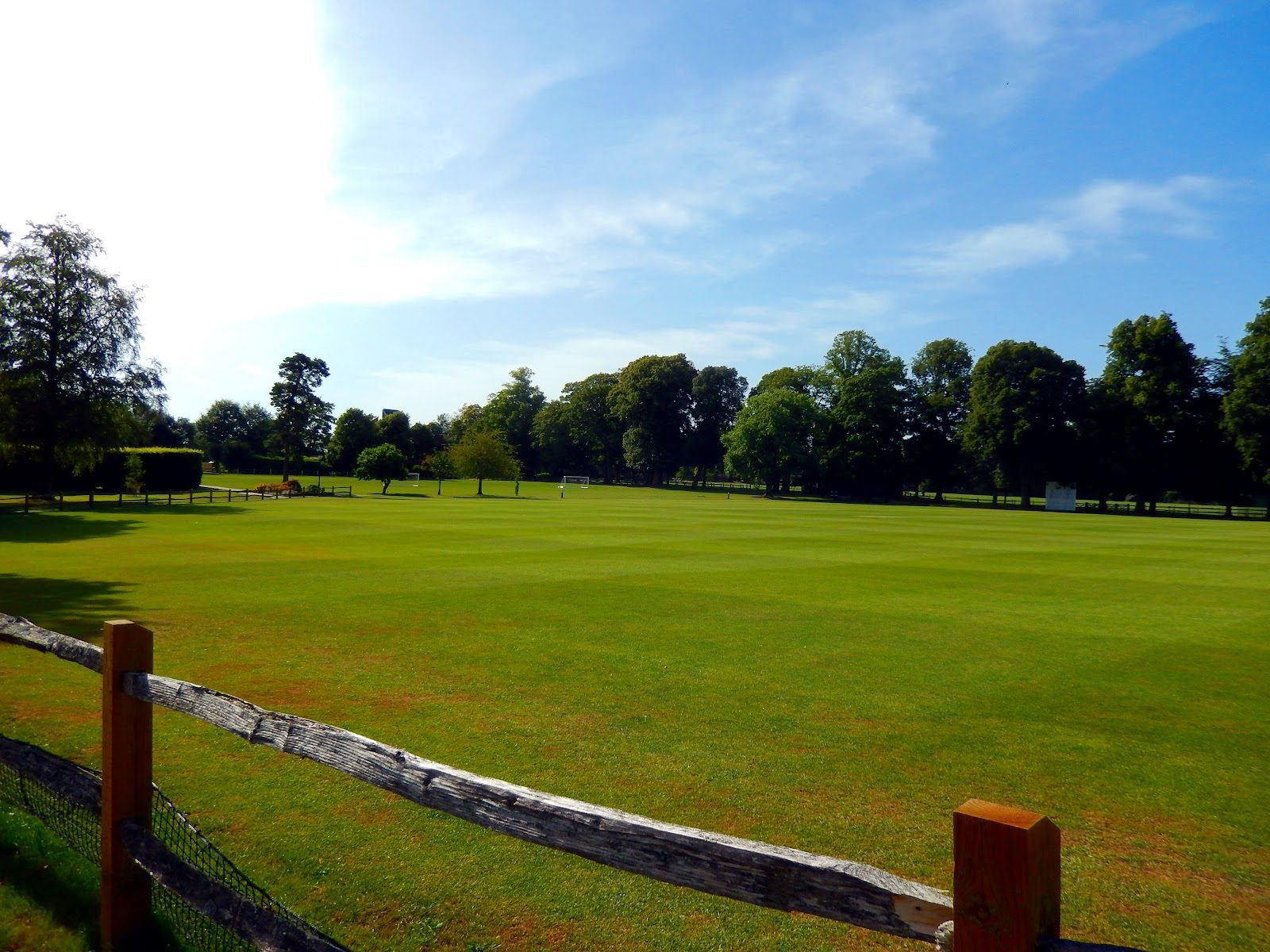
Charterhouse
Godalming · United Kingdom
One of England's Nine Great Public Schools, now fully coeducational, set on a 250-acre Surrey campus with IB scores averaging 37 points.
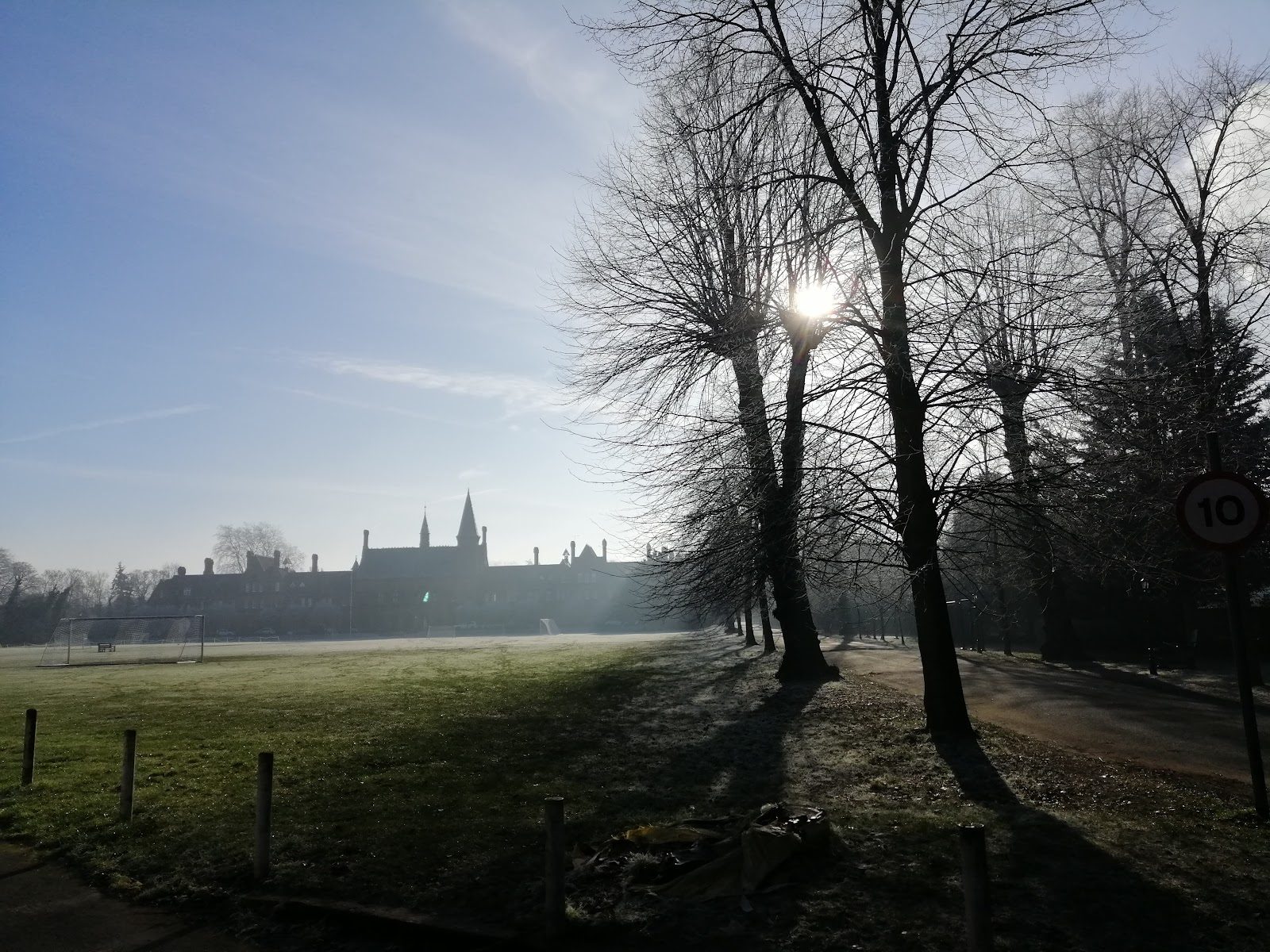
Reading School
Reading · United Kingdom
Founded within Reading Abbey in 1125, this selective state grammar for boys still sends the bulk of its leavers to Russell Group and Oxbridge places.
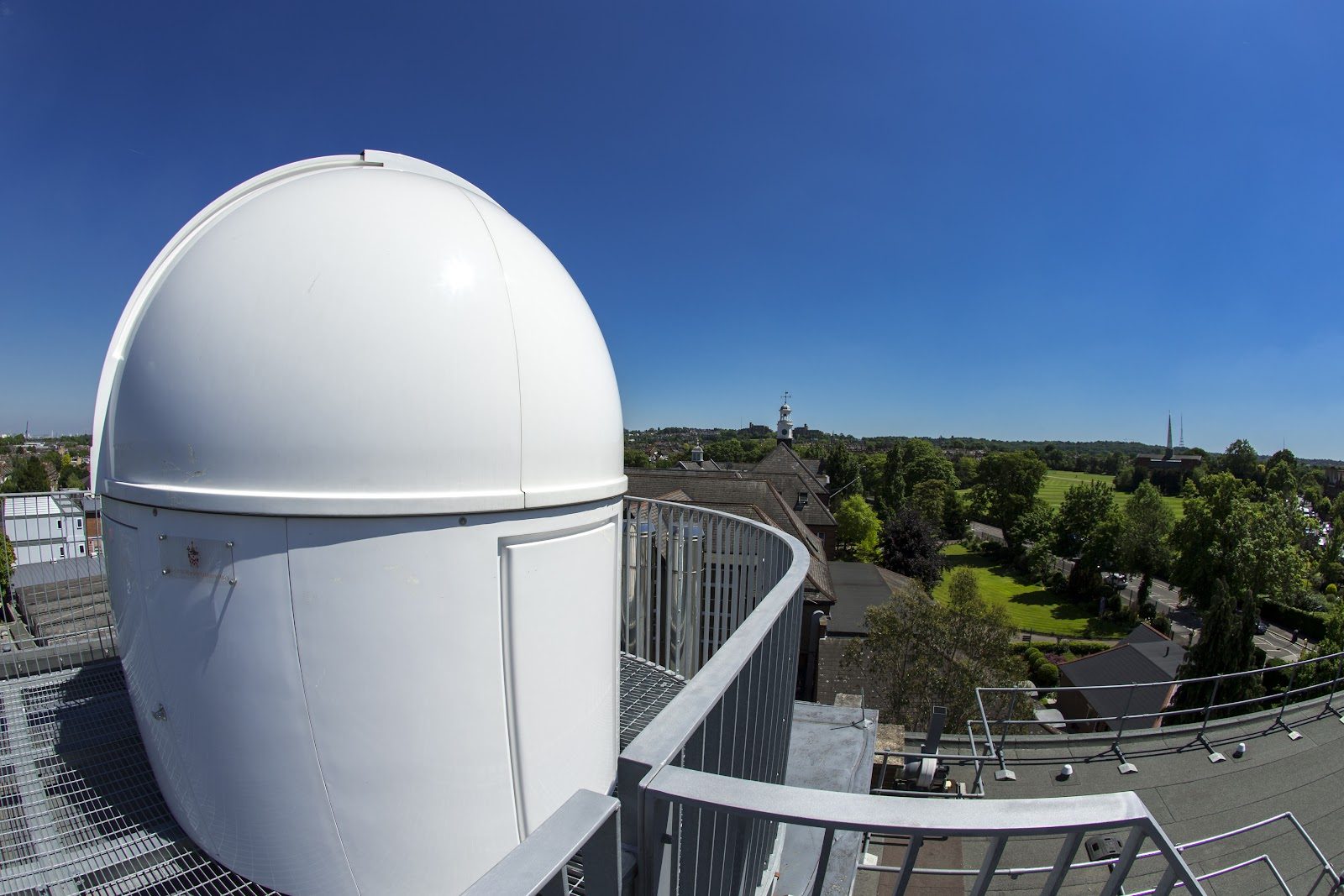
Alleyn's School
London · United Kingdom
A 1619 theatre fortune built this Dulwich day school, whose junior houses still bear the names of Edward Alleyn's playhouses.
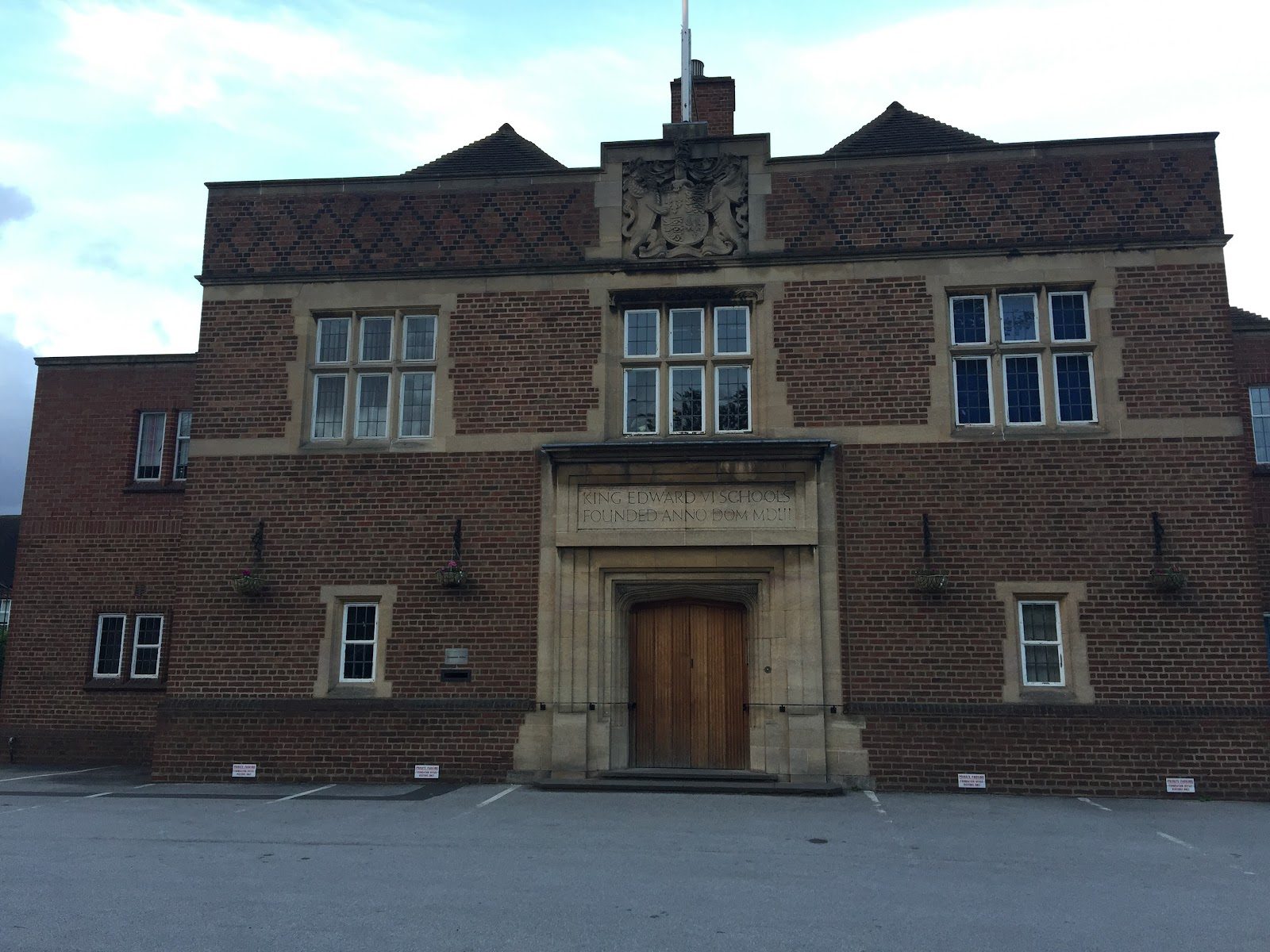
King Edward's School, Birmingham
Birmingham · United Kingdom
A royal charter from 1552 anchors this Edgbaston day school, where a third of new boys receive means-tested fee support.
Same country and curriculum — closest matches within ±10 points either way