
West Midlands
A royal charter from 1552 anchors this Edgbaston day school, where a third of new boys receive means-tested fee support.
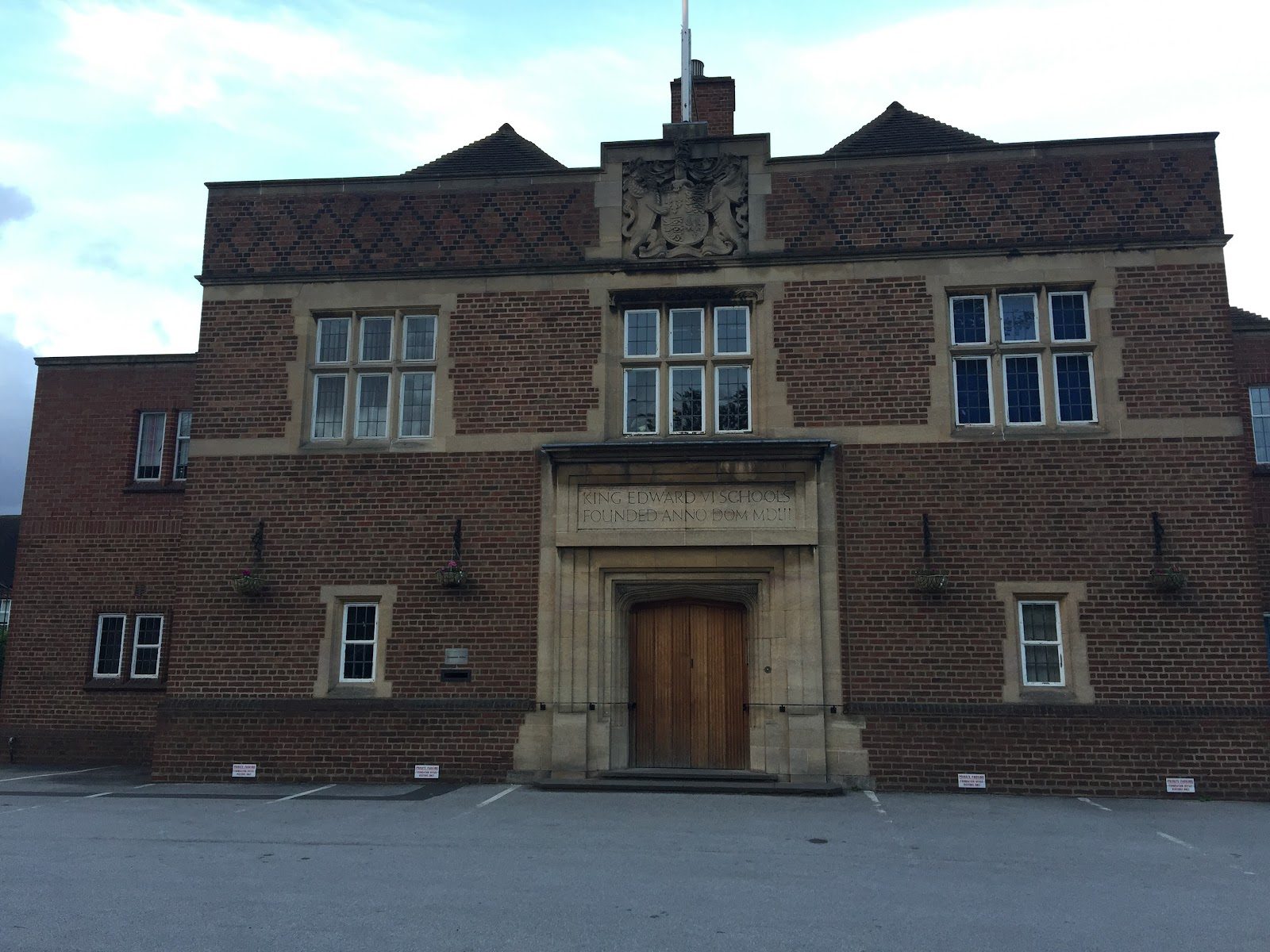
Photo © Ahmed Nahrawy via Google Maps
Type
Day
Ages
11–18
Curriculum
British
Qualifications
A-Level
Ratio
—
The Verdict
Editor's commitment
Right for
Boys who want a serious academic school: 26 Oxbridge places in 2024, 88% to top-100 universities, and HMC membership.
Wrong for
Families wanting co-education, boarding or a softer pace; this is an Anglican boys' day school for ages 11–18.
Watch out for
At £23,085 a year on average, it is expensive, even with a third of new boys receiving means-tested fee support.
Ranking breakdown
King Edward's School, Birmingham · #97 of 1591
Composite score 78.4. 8 weighted criteria.
By criterion
Academic Outcomes
Weight 20%
#118
of 1529 scored
University Placement
Weight 16%
#136
of 1529 scored
Prestige & Heritage
Weight 12%
#92
of 1529 scored
Alumni Network
Weight 12%
#72
of 1529 scored
Facilities
Weight 12%
#292
of 1529 scored
Transparency & Communications
Weight 8%
#204
of 1529 scored
Peer & Industry Review
Weight 10%
#175
of 1529 scored
Admissions Selectivity & Demand
Weight 8%
#153
of 1529 scored
Score history
King Edward's School, Birmingham · 2026
Movement across 2024–2026. Peer average overlaid.
Overall — 2024–2026
78.4/ 100
▲ +17.4 vs 2025
year on year
Peer & Industry Review
How King Edward's School, Birmingham is regarded in the sector
84
Strong · high confidence
King Edward's School, Birmingham sits among the most consistently benchmarked boys' day schools outside London, with the Good Schools Guide calling it "a seriously brainy school where like-minded boys spark off each other and achieve extraordinary things" and praising its meritocratic, socially inclusive ethos. WhichSchoolAdvisor notes it as one of the highest-performing IB schools in the country, having been the first UK school to switch wholesale from A Levels to the IB Diploma. Sector press reinforces this standing: the school ranks 41st nationally and third in the West Midlands on the region's independent school league tables, alongside recent Tatler Schools Guide and Sunday Times Parent Power recognition. Its 500-year history, HMC membership and alumni roster including Nobel laureates and J.R.R. Tolkien give it a durable reputation that peer schools and specialist reviewers routinely reference as a regional (and increasingly national) academic benchmark.
Editors' overview
The first thing to know about King Edward’s School, Birmingham is that it is not trading on heritage alone. The royal charter from 1552 gives it stature; the present-day draw is a hard-edged academic culture with outcomes to match. In the Class of 2024, 135 leavers produced 26 Oxbridge places and 88% went to top-100 universities, with 51 heading to Russell Group institutions. This is an Anglican, boys-only day school in Edgbaston, teaching the British curriculum in English, and its HMC membership places it firmly in the established independent-school mainstream. The average annual day fee across the full 11–18 ladder is £23,085, which puts it in an unusual position: expensive, certainly, but not priced at the level of the grandest southern public schools.
What marks KES out is the combination of old institutional weight and real social mobility. A third of new boys receive means-tested fee support. That matters. It changes the intake and sharpens the school’s claim to be meritocratic rather than merely selective. The alumni bench is deep even by old-school standards: Wikidata alone records 206 notable former pupils, including 50 scientists and scholars, 37 writers and journalists, 30 elite athletes and 25 politicians or statesmen. Parents looking for a school with a long record of producing people who shape public life have solid grounds for putting KES on a shortlist.
This school will suit boys who enjoy intellectual competition, move quickly, and do not need constant hand-holding. It suits families who want a serious academic education without boarding and without the social theatre that can dominate some older independent schools. It will not suit a child who needs a softer, slower, more gently managed environment, or one whose strengths sit far outside the academic core. KES’s appeal lies in clarity: a fiercely ambitious day school, rooted in Birmingham, selective in tone and expectation, and strong value in a market where schools with this level of academic traction often charge much more.
Academic Performance
King Edward’s School sits in the top flight of academically selective day schools. The headline that matters is destination quality: this leavers’ cohort did not just secure strong university offers, it converted them at a level that places KES in serious national company. 26 Oxbridge places from a single year group is an elite return by any standard outside the handful of London and south-east schools that dominate this territory, and the wider university pattern shows depth rather than a narrow Oxbridge fixation. 88% progressing to top-100 universities points to a school where high attainment runs through the cohort, not just at the very top.
That said, the public picture is incomplete. The school does not publish aggregate GCSE and A-level grade profiles in the information we have seen, so parents cannot benchmark raw exam performance with the same precision available at more transparent competitors. That is a weakness. For a school with such a hard-driving academic reputation, full disclosure of top grades and subject-level strength would strengthen the case rather than dilute it. Even without those tables, the outcomes visible here place KES among the country’s properly high-performing academic schools: selective, university-focused, and strong enough to hold its ground against better-known names with louder branding. For boys who want a fast, demanding classroom culture, the academic case is convincing.
Facilities
King Edward’s does not trade on a country-estate fantasy. As a city day school, its facilities matter insofar as they support serious teaching and a full co-curricular life, not because they deliver show-home spectacle. That places it in a different bracket from the vast boarding campuses with theatres, boathouses and acres of manicured grounds. Against academic day-school peers, that is no disadvantage in itself. What parents need to establish on a visit is whether the core estate feels well used rather than worn: science laboratories that match the school’s academic ambition, libraries and study spaces with enough quiet capacity for older pupils, and sports provision that works hard without pretending to be luxurious. For a school of this standing, anything less than strong labs, a proper library and credible indoor and outdoor sport would count as a miss.
The benchmark here is not “grand” but fit for purpose at a high level. In that market, the best urban independents deliver efficient, busy, intellectually serious spaces, with specialist teaching rooms for sciences, music, art and design that hold up under heavy daily use. KES needs to meet that standard, and parents should inspect with a cold eye: condition, upkeep, timetable pressure on pitches and courts, and whether sixth-form study space feels adult or crowded. If the estate is disciplined, practical and academically led, it will suit the school’s character. If a family wants architectural theatre or resort-style sport, this is the wrong comparison set.
In the Class of 2024, 135 leavers produced 26 Oxbridge places and 88% went to top-100 universities, with 51 heading to Russell Group institutions
Prestige
King Edward’s School carries real national prestige. That status rests on three things: age, selectivity and output. In British terms, it belongs to the old grammar-to-public-school tradition that still carries weight with universities, employers and alumni networks. The school’s reputation extends far beyond the Midlands; it is one of the names educated families in England recognise without needing an explanation. The old-boy bench reinforces that standing. Wikidata alone captures 206 notable alumni, with unusual depth in public life, scholarship, journalism and sport. That breadth matters more than a handful of celebrity names. It points to an institution with a deep professional afterlife, not just a polished present.
I rate its prestige highly because it combines historic authority with current academic credibility, and because it does so without the theatrical trappings that inflate the aura of some southern independents. This is not a school whose status depends on postcode glamour, boarding mythology or social cachet imported from the home counties. Its prestige is earned rather than ornamental: serious universities keep taking its leavers in volume, and the school has produced influence across multiple generations and fields. The means-tested support for new entrants also gives its reputation more substance than schools that trade on exclusivity alone. In short: a formidable school with old institutional standing and present-day clout, but a more workmanlike, intellectually driven kind of prestige than the grandest London names.
King Edward’s School sits in the top flight of academically selective day schools
Communications
King Edward’s communicates in the manner you would expect from a serious, old-school academic institution: formal, information-led and more interested in clarity than warmth. That will suit many families. Parents choosing a selective boys’ school do not need chatty branding; they need prompt notice of deadlines, timetables, academic expectations and pastoral issues. KES has an advantage here because its proposition is so cleanly defined. There is no sprawling boarding operation, no international-school complexity and no lifestyle gloss to manage. Communication can focus on the essentials: what boys are doing, what parents need to know and where the school is setting the bar. The bursary commitment for a third of new entrants also raises the stakes. A school that draws from a wider social range needs communication that is disciplined, practical and legible to families with different levels of familiarity with the independent sector.
The test is not charm; it is consistency. On that measure, KES has the makings of effective, no-nonsense parent communication, but there is one caveat. The school’s public-facing picture is stronger on institutional identity and destination strength than on hard academic disclosure. That matters because opacity in one area can spill into parental trust in others. Families need straight answers, fast channels and zero bureaucratic fog, especially in an academically pressurised environment where small misunderstandings can escalate. If KES handles routine parent contact with the same brisk intellectual confidence that defines its wider culture, it will work well. If it lapses into institutional reserve, some families will find it too closed.
Uniqueness
What makes King Edward’s distinct is not age alone, nor raw selectivity on its own, but the combination of old civic purpose and high academic pressure. This is not an insulated country-house institution built around boarding rituals and inherited polish. It sits in a major city and belongs to a local educational foundation with a public-service inheritance. That changes the feel of the place. The school’s claim to seriousness rests on intellectual standards and access, not on staged grandeur. The fact that one third of new entrants receive means-tested support matters here more than it does at schools where bursaries function as reputational garnish. At KES, fee support is part of the institutional identity. Students benefit from a cohort shaped not just by wealth, but by examination performance and ambition.
That produces a sharper social mix and a more meritocratic culture than many independent schools with equal prestige. For able boys, the gain is substantial: classrooms with pace, peers who push hard, and an atmosphere where scholarship carries status. The alumni record underlines another point of difference. KES has sent former pupils into politics, science, journalism, sport and the arts in unusual volume, which gives current students a model of success that is broad rather than narrow. The school does not train boys for one social tribe or one professional lane. It trains them for influence, competition and public life. For the right child, that is a serious advantage.
The first thing to know about King Edward’s School, Birmingham is that it is not trading on heritage alone
Student Profile
The boys who thrive here are bright, competitive and happy to be measured against strong peers. This is a school for students who gain energy from pace, argument and a workload that does not pause to protect anyone’s ego. The intake is shaped by selection and sharpened by bursary access, which gives the place a more mixed social register than the polished uniformity found at many fee-charging boys’ schools. That matters in daily life: status sits more securely with intellectual performance than with polish, and boys who enjoy ideas, contests, clubs and specialist subjects will find plenty of traction. The presence of means-tested support for a third of new entrants also means the school draws in families who value education as a route upwards, not just as an inheritance. The atmosphere is driven, brain-first and not remotely slack.
Fit matters. A boy who needs constant reassurance, loose structure or a low-pressure adolescence will struggle. So will one whose confidence depends on being the obvious standout in every room; at KES, there are too many able contemporaries for that illusion to survive. The school suits boys with self-command, resilience and a genuine appetite for academic stretch. It also suits families who want ambition without country-house affectation and who are comfortable with a culture that is more exacting than nurturing in tone. For the right child, that produces a serious, enlarging education. For the wrong one, it feels hard-edged very quickly.
The royal charter from 1552 gives it stature; the present-day draw is a hard-edged academic culture with outcomes to match
Co-curricular strengths
Arts & sport, on a separate axis
Overall 8.74/10
Scored 0-10 from the school's own published evidence. This axis is editorial-only — it does not feed the main WTS ranking.
Sports
9/10
Powerful independent day athletic pipeline, fielding dominant varsity teams in rugby, hockey, and cricket across expansive grounds.
Drama
9.2/10
Active classical drama societies and Shakespeare showcases focused on building rigorous public speaking and confidence traits.
Dance
7/10
Maintained strictly as a minor auxiliary component for theatrical physical movement blocks or house arts festivals.
Music
9.7/10
Highly elite music wing backed by the custom Recital Hall, supporting top-tier youth orchestras and symphonies in Birmingham.
Visual Arts
8.8/10
Highly structured fine art layout leaning heavily toward technical drawing, fine oils, and advanced portfolio mastery.
Editor-verified · 8/6/2026
Outcomes & destinations
Where students go next
Editorial estimateClass of 2024
135 graduates
A-Level distribution
97% covered
- A*42%
- A31%
- B19%
- C5%
Top destinations
77 placements
- Cambridge· 14
- Oxford· 12
- Birmingham· 18
- Warwick· 12
- Nottingham· 8
- UCL· 7
- Imperial College London· 6
Grammar school with strong Oxbridge tradition and Midlands Russell Group pipeline.
Editor-approximated from the school's own leavers report. Awaiting school-attested figures.
Notable alumni · Wikidata
206notable alumni
127 historic (born pre-1930) · 19 modern (born post-1970)wikidata:2026-07-28 How we source this
The story in one line
46% achieved ≥ AAB in 2+ facilitating subjects·ISI Routine Inspection 2026
AAB with 2 facilitating subjects is the Department for Education's published predictor of admission to a top-third UK university: the pupil has scored high grades in at least two of the classic Russell-Group subjects (maths, sciences, English, history, geography, or a modern language). Independent schools don't appear in the state-only HE-destinations dataset, so this is the strongest DfE-verified sixth-form signal available. Source: DfE 16-18 school and college performance data · 2023/24.
DfE-verified statistics
Official GCSE data · 2024/2025
Progress 8
—
Value-added score. State-schools only; 0 = expected progress, +1 = one grade above.
Attainment 8
23
Average grade across 8 GCSEs (score out of 90). National ≈ 46.
EBacc average score
0.74
Avg grade across the 5 EBacc pillars (English, Maths, Sciences, Language, Humanity).
EBacc slots filled
1.7
How many of the 5 EBacc pillars pupils typically enter (max 5).
A-Level attainment
Cohort · 2023/24
Avg A-Level grade
A-
APS per entry: 46.29
Best 3 grade
A-
Best-3 APS: 46.12
≥ AAB + 2 fac.
45.7%
Russell-Group predictor.
Progress (value-added)
+0.04
Average
Read with care. Independent schools frequently sit IGCSEs or Pre-U qualifications instead of standard GCSEs — DfE data only counts standard GCSEs, so these numbers may reflect a partial cohort. For a fuller picture, cross-check with the school's own annually-published results.
URN 109374Verified · DfE 2024/2025
Official inspection
ISI report · 2026
Inspectorate
Independent Schools Inspectorate
The Government-approved inspectorate for English independent schools.
Latest report
13 January 2026
Routine Inspection
Report history
Verified · Independent Schools InspectorateSource-of-truth
WTS 300 badge
2025/26 editionKing Edward's School, Birmingham is one of the World's Top 300 Schools for 2025/26. Claim your listing to add it to your site →
Strengths
- +Consistently strong A-level results, with 42 per cent of grades at A* and 73 per cent at A*-A in 2024.
- +Strong university progression, with 88 per cent of 2024 leavers heading to top-100 universities and 26 Oxbridge places (14 Cambridge, 12 Oxford).
- +Substantial bursary provision, with means-tested Assisted Places available at 11+ that widen access to less affluent families.
- +Long academic tradition, with notable alumni including author J.R.R. Tolkien.
- +Shares a 50-acre Edgbaston campus with sister school King Edward VI High School for Girls, allowing joint music, drama and some societies despite separate teaching.
Considerations
- −Single-sex boys' school, so families seeking co-education for their son, or a place for a daughter, will need to look elsewhere.
- −The school does not accept applications from international students, a significant structural limitation for relocating expat families.
- −Entry is highly selective, via the school's own maths and English entrance exam plus interview, with the large majority of places filled at 11+ and only a handful of spaces at other entry points.
- −As a day school, some pupils commute considerable distances from across the West Midlands, implying a demanding daily journey for families settling outside central Birmingham.
Availability
Primary entry gate & tests
11+ Entrance Exam (Boys)
Gallery
Photo © Soma Sekhar Yerraguntla via Google Maps
Photo © Soma Sekhar Yerraguntla via Google Maps
Photo © Soma Sekhar Yerraguntla via Google Maps
Photo © Soma Sekhar Yerraguntla via Google Maps
Photo © Soma Sekhar Yerraguntla via Google Maps
Photo © Soma Sekhar Yerraguntla via Google Maps
Photo © Soma Sekhar Yerraguntla via Google Maps
Photo © E via Google Maps
Photo © E via Google Maps
Recommended reading
Independent write-ups of this school from editorial outlets we trust.
- King Edward's School, BirminghamGood Schools Guide
Parent reviews
Have you sent your child here?
Voice reviews carry the strongest trust badge — we transcribe them for you to tidy up before they go live. Prefer to type? A written review is fine too.
Add your voice
In 60 seconds, tell other parents: what's the best thing about King Edward's School, Birmingham, and what surprised you when your child joined?
We ask for a Google sign-in so every review has a real face behind it — no anonymous drive-by attacks on schools, and no faked positive reviews. Your email is never shown publicly.
Send this profile to a friend
International parents rely on word-of-mouth. Share this review with someone weighing the same decision.
Schools with places
Similar schools to King Edward's School, Birmingham with places available now.
Availability first, then country, area, curriculum, price, co-curricular
Consider also
Also worth looking at alongside King Edward's School, Birmingham.
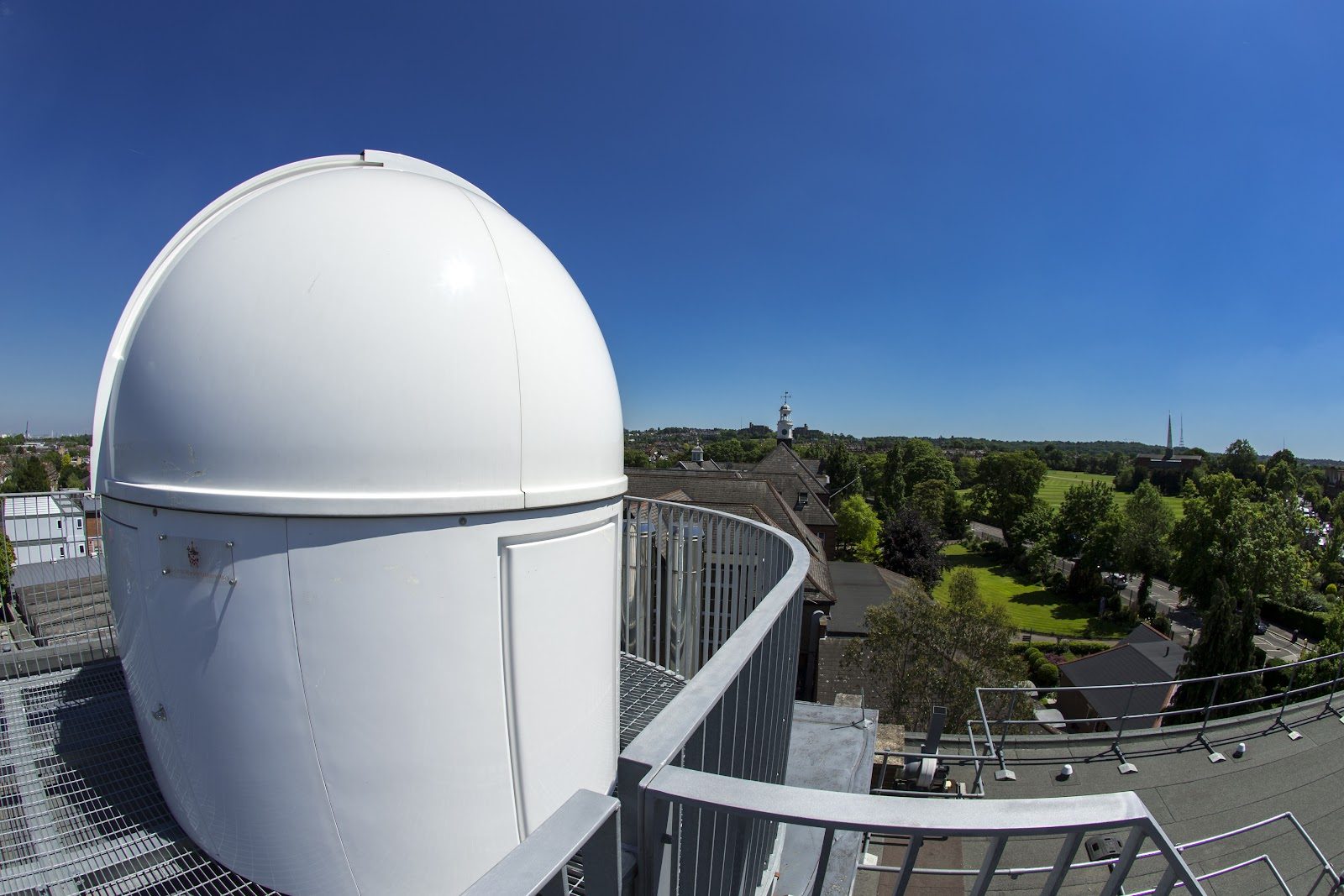
Alleyn's School
London · United Kingdom
A 1619 theatre fortune built this Dulwich day school, whose junior houses still bear the names of Edward Alleyn's playhouses.
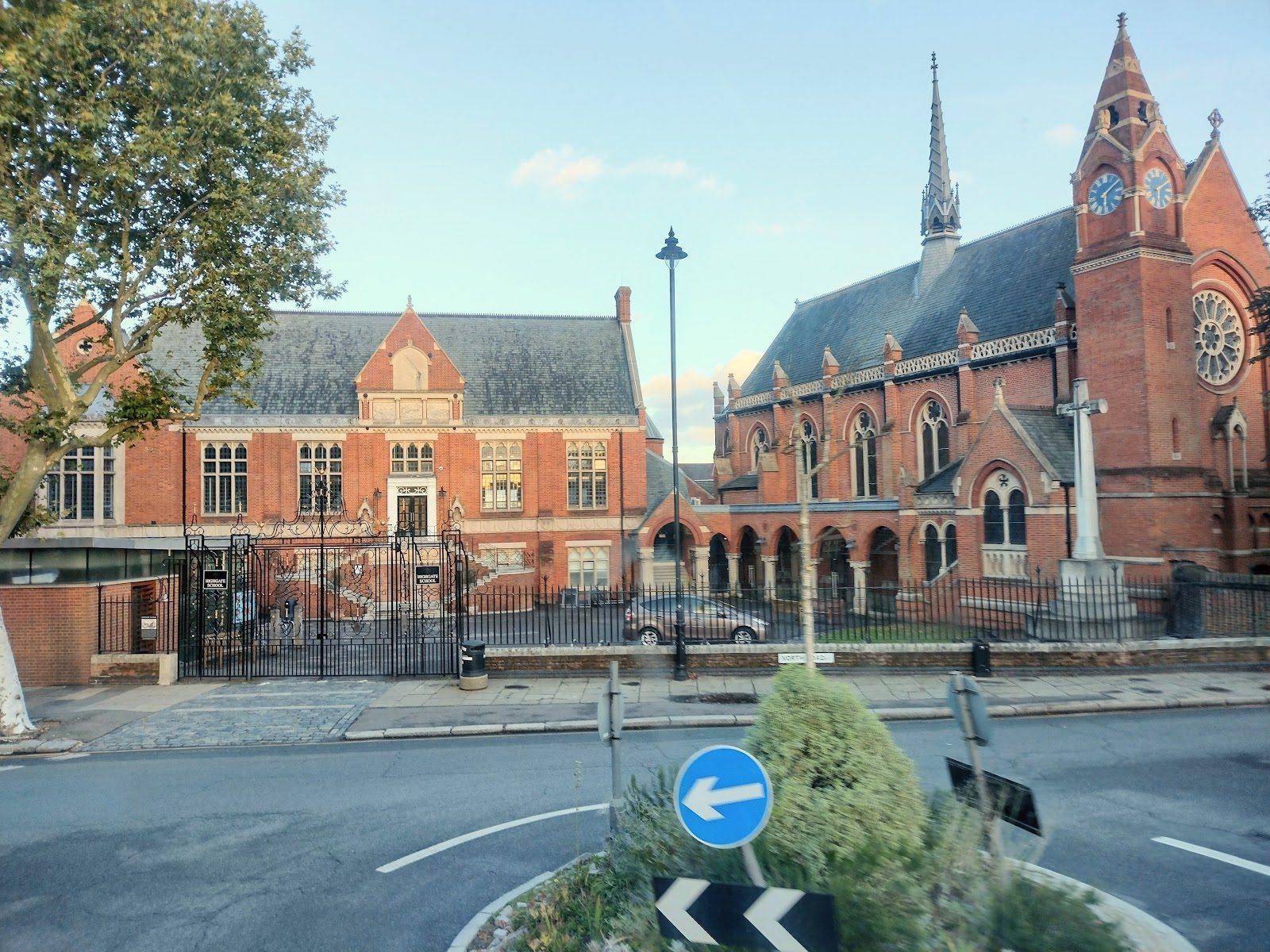
Highgate School
London · United Kingdom
Chartered by Elizabeth I in 1565, this Highgate grammar school now founds access academies alongside its Oxbridge-bound sixth form.
Charterhouse
Godalming · United Kingdom
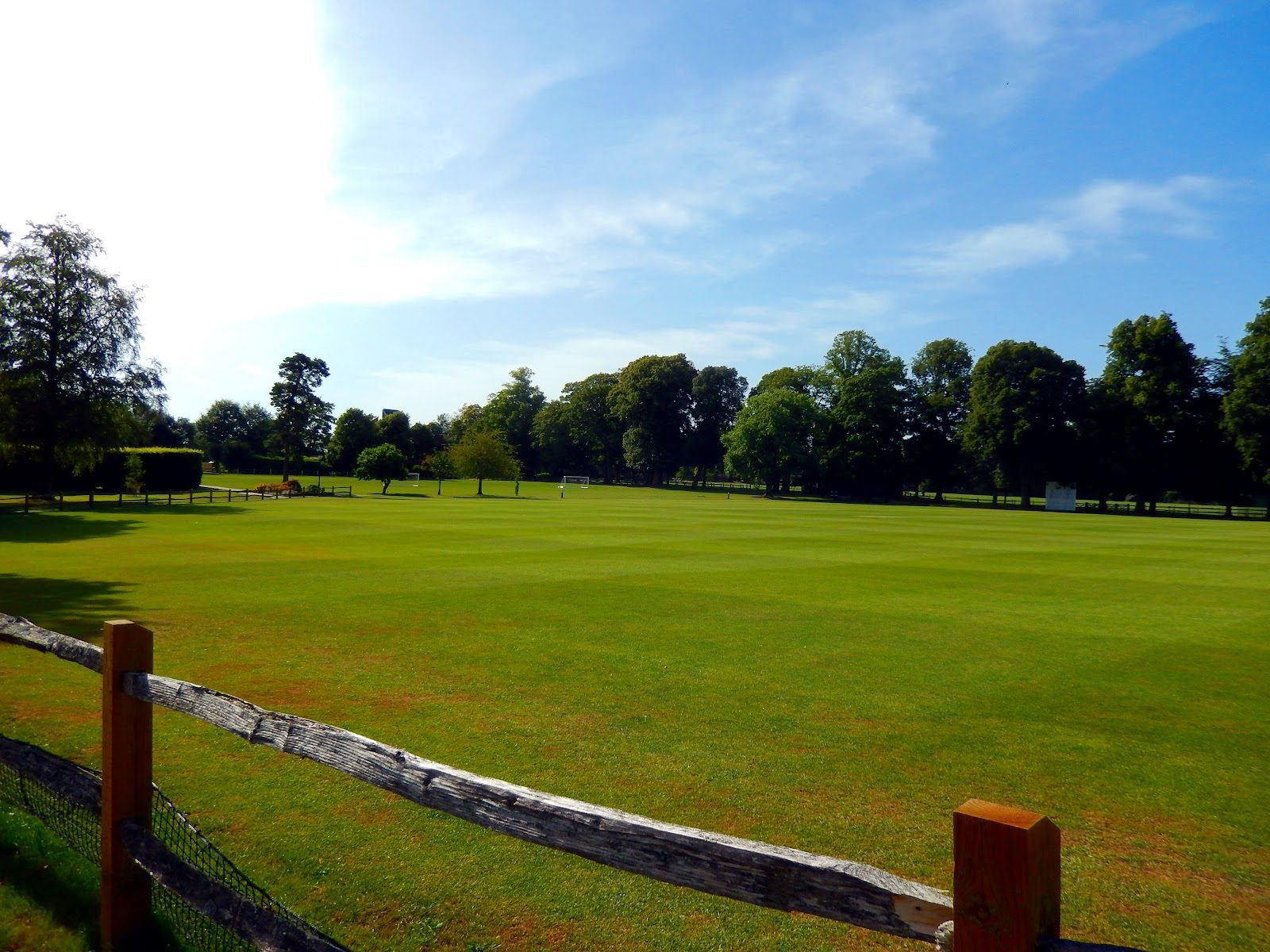
One of England's Nine Great Public Schools, now fully coeducational, set on a 250-acre Surrey campus with IB scores averaging 37 points.
Reading School
Reading · United Kingdom
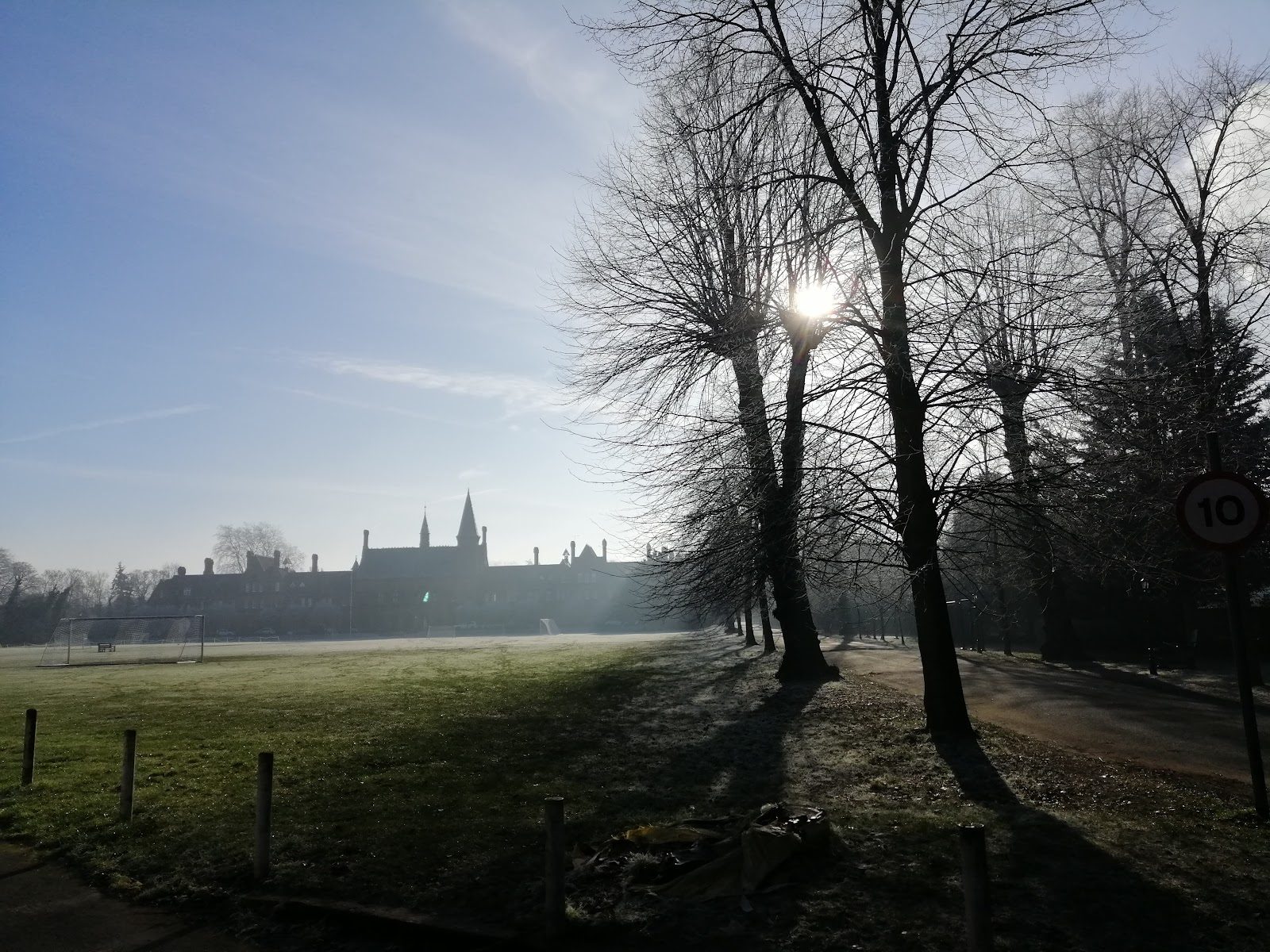
Founded within Reading Abbey in 1125, this selective state grammar for boys still sends the bulk of its leavers to Russell Group and Oxbridge places.
Same country and curriculum — closest matches within ±10 points either way