
Metro Manila
German European School Manila
low confidence· 4/6 cats · 1.2 avg sourcesOn Parañaque's pioneering Eurocampus, shared with a French lycee, German Abitur rigor converges into the IB diploma.
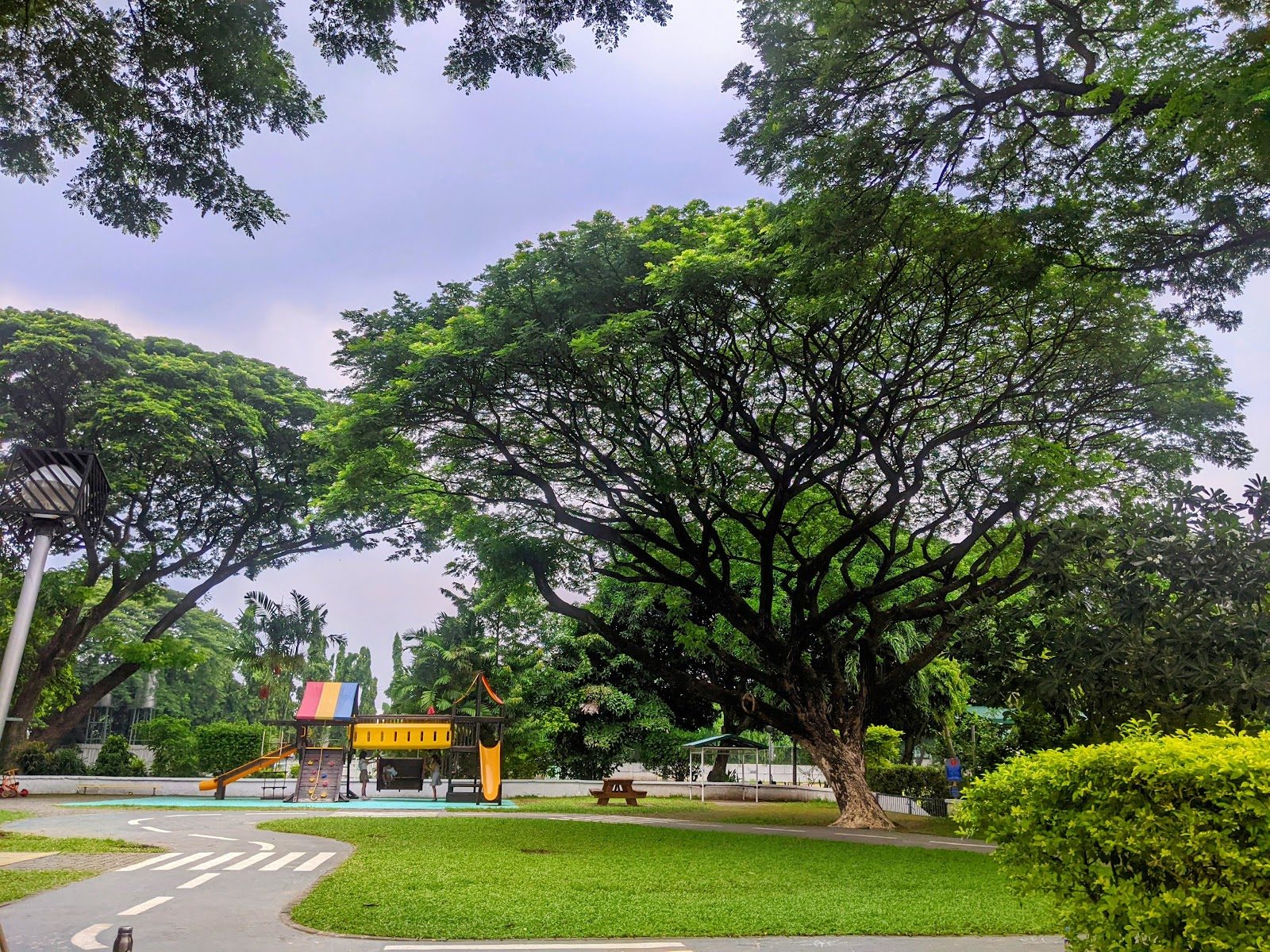
Photo © Ekaterina P via Google Maps
Type
Day
Ages
3–18
Curriculum
German Abitur · IB
Qualifications
IB Diploma
Ratio
—
The Verdict
Editor's commitment
Right for
Families who want German Abitur and IB on one Parañaque campus, with German and English teaching from ages 3 to 18.
Wrong for
Parents who want a single-curriculum school, boarding, or a religious ethos; GESM is day-only, non-religious, and runs dual academic tracks.
Watch out for
GESM shares its Eurocampus with a French lycée and teaches around 60 nationalities; cosmopolitan, yes, but not a simple local-school experience.
Ranking breakdown
German European School Manila · #1297 of 1591
Composite score 55.8. 8 weighted criteria.
By criterion
Academic Outcomes
Weight 20%
#1274
of 1529 scored
University Placement
Weight 16%
#1259
of 1529 scored
Prestige & Heritage
Weight 12%
#1289
of 1571 scored
Alumni Network
Weight 12%
#900
of 1530 scored
Facilities
Weight 12%
#1247
of 1533 scored
Transparency & Communications
Weight 8%
#1243
of 1532 scored
Peer & Industry Review
Weight 10%
#1108
of 1548 scored
Admissions Selectivity & Demand
Weight 8%
#1123
of 1529 scored
Peer & Industry Review
How German European School Manila is regarded in the sector
64
Respected · medium confidence
I could not verify at least two independent, third-party sources (e.g., Tatler, Good Schools Guide, expat forums with substantive discussion, or specialist education press) that assess German European School Manila's reputation. Available information is largely limited to the school's own materials or unverifiable directory listings, which do not meet the evidentiary threshold required.
Editors' overview
German European School Manila occupies a niche no other Manila school matches cleanly: a bilingual German-English education on a Eurocampus, with the German Abitur and the IB in one school, and around 60 nationalities on site. Founded in 1976, it has the institutional age many newer international schools lack, but its proposition is not heritage for heritage’s sake. The point is structure. Families can enter without prior German, build the language from the early years, and keep open a route to German university through DSD I and II alongside a broader international track. The school’s “Excellent German School Abroad” status matters here because it signals external scrutiny, not just branding. *This is a serious German school, not a school with German garnish.*
What sets GESM apart in the Manila market is the combination of linguistic ambition and international breadth. Plenty of schools promise “global mindedness”; fewer ask children to do the hard work of learning in more than one language and living daily with classmates from dozens of national backgrounds. Shared with the French lycée, the Eurocampus arrangement gives the place a distinct continental character that reads differently from the standard Anglo-American template. That will appeal to families who want a more European cast of mind, tighter academic framing, and a school culture less driven by hype. The trade-off is clear too: this is not the obvious choice for parents who want a straightforward English-medium experience with minimal friction. German sits near the centre of the school’s identity, and that matters.
GESM belongs on a shortlist for internationally mobile families, German or German-adjacent households, and parents who value intellectual discipline, cultural range and *a less generic form of international education*. It also suits students who thrive in a community that is diverse without being sprawling, and who gain energy from languages rather than treating them as timetable clutter. The right child for GESM is curious, adaptable and willing to work; the school’s promise rests on sustained engagement, not easy polish. For families who want a credible route into Europe, a bilingual daily life and *an education with more backbone than brochure gloss*, GESM earns attention.
Academic Performance
GESM makes a strong academic case on German-language outcomes, and a weaker public case on headline exam transparency. The school states that students consistently pass DSD I and II, which matters for families eyeing Germany because those qualifications underpin access to German higher education. That is a concrete strength, not a branding flourish. The school also offers the Abitur and the IB, giving it two serious external benchmarks, but it does not publish aggregate IB scores, Abitur averages, subject distributions or multi-year pass data in the public domain. For a school asking parents to trust a demanding bilingual model, that gap is worth noting plainly. Schools confident in top-end outcomes publish them.
Relative to Manila peers, GESM sits in an unusual bracket: more academically structured than the broad “international” middle market, less publicly legible than schools that push out annual score data and university destinations with hard numbers. Its examination profile reads credible rather than fully evidenced. The DSD track is the clearest proof point; the rest requires inference the school could eliminate by disclosing results. If published outcomes are your main filter, GESM trails more transparent competitors. If your benchmark is rigorous preparation for European pathways, especially through German, it holds a distinctive position that few local rivals can match.
Facilities
The standout facility here is the Eurocampus itself: a shared site with the French lycée that gives GESM more range than many single-stream schools can manage. That matters less as a branding quirk than as usable infrastructure. Families get a campus built for cross-cultural daily life, inter-school contact and a broader social mix than the standard self-contained international school model. The school also pushes co-curricular use hard, with sports, performing arts, service learning, clubs and student leadership all named as part of school life rather than decorative extras. The result is a campus offer that reads more layered than lavish: not the Manila arms race of aquatics complexes and spectacle architecture, but a serious working environment with a wider educational ecosystem than its size might imply. With around 60 nationalities on site, the social infrastructure is part of the physical one.
Against Manila peers, that puts GESM in an unusual middle ground. It does not sell itself on trophy facilities, and families hunting the city’s most resort-like campuses will find stronger competition elsewhere. What it does hold is a more distinctive setting than many rivals: a campus shaped by European schooling habits, multilingual use and regular interaction across communities. For parents, the key question is not whether the buildings are the most opulent in the market. They are not. The question is whether the campus supports the school’s academic and intercultural aims with clarity and purpose. It does. What is missing is sharper public detail on specialist spaces, sports provision and the performing arts estate.
If your benchmark is rigorous preparation for European pathways, especially through German, it holds a distinctive position that few local rivals can match
Prestige
GESM carries real niche prestige, not mass-market glamour. In Manila, its status rests on being the school families choose when they want a European academic frame with more substance than polish. The combination of the German route and the IB gives it weight with internationally mobile parents, and the school’s German quality mark adds external credibility that many “international” schools cannot claim. The Eurocampus setting sharpens that identity. Shared life with the French lycée gives the place a distinct continental seriousness that sets it apart from the city’s more standard Anglo-American offers. With around 60 nationalities on campus, it also has the social breadth expected of a credible international school, without losing its core character.
That prestige has clear limits. GESM is respected more than fetishised. It does not trade on old-boy mythology, celebrity alumni or a flood of published results. Its public profile is quieter, and outside families who know the German system, the school’s value needs more explanation than a big-name British or American brand. That narrows its cachet in the status market. Still, among parents who understand what serious bilingual schooling demands, and who value a route into Europe over flashy prestige signalling, GESM holds genuine intellectual standing. This is earned prestige: strongest with discerning, internationally minded families, weaker with those shopping for instant name recognition.
In a city full of schools that market “global citizenship”, that combination is genuinely rare
Communications
GESM’s parent-facing communication is clean, active and serviceable, with the website doing the heavy lifting. Core routes are easy to find: admissions contacts, calendar, tour booking, application steps and age-stage programme entry points all sit near the surface. That matters for a school with more than 60 nationalities in the community and many families entering from outside the German system. The school also keeps its news feed alive with recent items on performances, staff departures, fixtures and trips, which gives parents proof of day-to-day activity rather than a dead front page. The tone is warm, at moments too polished, but the underlying message is clear: this is a school that knows parents need practical information quickly.
Where GESM is stronger on welcome than on scrutiny is academic communication. It explains pathways in broad strokes and makes entry feel accessible, but public-facing detail thins out when a hard-nosed parent wants outcomes, comparative data or a deeper account of how the bilingual model works in practice across year levels. That limits trust at the serious end of the market. A school with a demanding academic proposition needs communication that does more than invite visits and project community spirit; it needs to publish the numbers that let families test the promise. On everyday accessibility, GESM is competent and orderly. On full transparency, it is still too restrained.
Uniqueness
GESM’s clearest point of difference is not “internationalism” in the generic Manila sense. It is a school built around a continental academic logic: multilingual study, a serious German track, and daily life on a campus shared with a French counterpart. That gives students a form of international education that feels *less Anglo-default, more distinctly European*. The effect is practical, not cosmetic. Children learn to move between linguistic and cultural codes as a normal part of school life, not as an occasional theme week exercise. For families entering without German, the school also lowers the barrier to entry more than many parents expect; no prior German is required, yet the route into advanced German qualifications remains intact. In a city full of schools that market “global citizenship”, that combination is genuinely rare.
What students gain is breadth with discipline. A community spanning 60 nationalities brings exposure to difference, but the stronger benefit lies in what the school asks children to do with that exposure: study seriously, adapt quickly, and build fluency across more than one educational culture. Students who fit here leave with a wider operating range than peers from monolingual international schools. They are better equipped for mobility across Europe and beyond, and better trained in the habits that multilingual environments demand: listening closely, switching register, tolerating complexity. That is a demanding advantage, not an easy one. For the right child, it is also a lasting one.
Founded in 1976, it has the institutional age many newer international schools lack, but its proposition is not heritage for heritage’s sake
Student Profile
The students who fit GESM best are adaptable, language-tolerant and comfortable in a community that is visibly international rather than nominally so. With around 60 nationalities on campus, children spend their days with classmates who do not share the same home assumptions, reference points or family trajectories. That suits students who are curious, socially flexible and able to handle a school culture built on movement between worlds. It also works for children from mobile expatriate families, returnees from Europe, and mixed-nationality households who want a school life that feels genuinely cross-border rather than Manila-local with international branding layered on top. No prior German is required, which widens the entry point, but the school still rewards students who are willing to persist when the linguistic load rises. This is not a low-friction environment.
The social fit is clearest with children who do not need constant hand-holding and who gain confidence from structure, routine and clear expectations. Students who enjoy learning languages, joining in beyond the timetable, and building friendships across national lines will do well. Students who want an easy English-only ride, or who resist academic effort the moment it becomes uncomfortable, will find the model hard-edged. The strongest match is a child who is open-minded without being vague, resilient without drama, and interested in a school community with more substance than show.
The school’s “Excellent German School Abroad” status matters here because it signals external scrutiny, not just branding
Co-curricular strengths
Arts & sport, on a separate axis
Overall 7.1/10
Scored 0-10 from the school's own published evidence. This axis is editorial-only — it does not feed the main WTS ranking.
Sports
8/10
Drama
7/10
Dance
6/10
Music
7.5/10
Visual Arts
7/10
Editor first-pass · editor-reviewable · 7/30/2026
Strengths
- +Offers both German Abitur and IB Diploma Programme, giving families flexibility between German university entry and a globally recognised alternative.
- +Recognised as a German school abroad, which means curriculum and staffing are subject to periodic review by German educational authorities.
- +Instruction is bilingual in German and English, with Filipino also taught, supporting children moving between German and international systems.
- +Located in Paranaque, within reach of Manila's southern expat residential areas and business districts such as Alabang and BGC.
- +Part of the worldwide network of German schools abroad (Deutsche Auslandsschulen), which can ease transfers for families relocating from other German schools globally.
Considerations
- −Smaller and less internationally known than Manila's largest international schools, meaning a thinner alumni network and lower brand recognition among employers.
- −Dual-curriculum structure means resources and cohort sizes are split between the German Abitur and IB tracks, which can narrow subject choice within each stream.
- −Distance from central Manila business districts (Makati, BGC) can mean longer commutes for families not based in the Paranaque/Alabang corridor.
- −Public information on fees, facilities and outcome statistics is limited compared with larger Manila international schools, making direct comparison harder for prospective parents.
Availability
Primary entry gate & tests
Academic Record
Gallery
Photo © Ekaterina P via Google Maps
Photo © Martin Gabel via Google Maps
Photo © Martin Gabel via Google Maps
Photo © Martin Gabel via Google Maps
Photo © Sophie Langley via Google Maps
Parent reviews
Have you sent your child here?
Voice reviews carry the strongest trust badge — we transcribe them for you to tidy up before they go live. Prefer to type? A written review is fine too.
Add your voice
In 60 seconds, tell other parents: what's the best thing about German European School Manila, and what surprised you when your child joined?
We ask for a Google sign-in so every review has a real face behind it — no anonymous drive-by attacks on schools, and no faked positive reviews. Your email is never shown publicly.
Send this profile to a friend
International parents rely on word-of-mouth. Share this review with someone weighing the same decision.
Schools with places
Similar schools to German European School Manila with places available now.
Availability first, then country, area, curriculum, price, co-curricular
Consider also
Also worth looking at alongside German European School Manila.
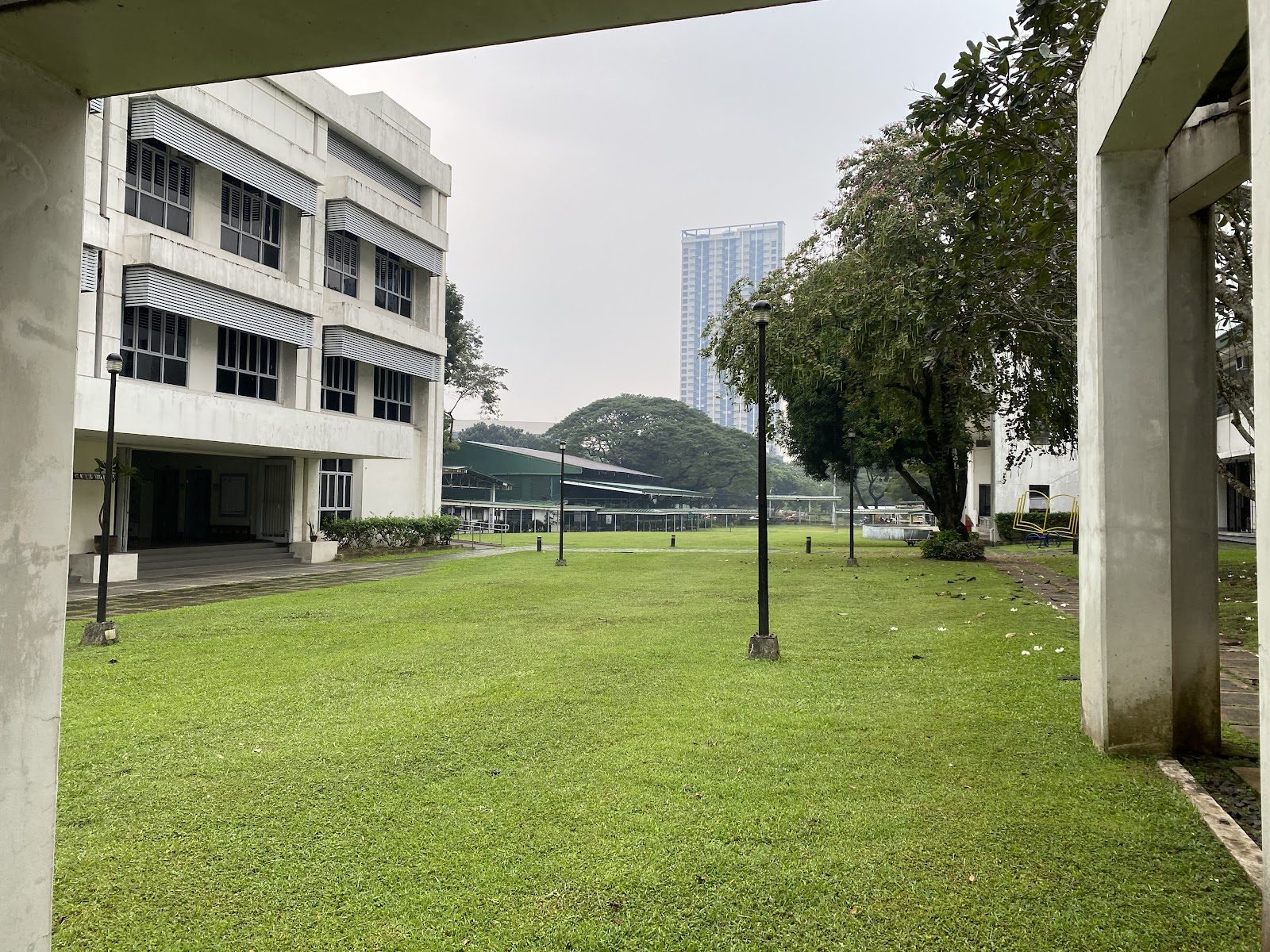
Miriam College
Quezon City · Philippines
A century-old Catholic school for girls in Loyola Heights, pairing liberal arts with pioneering gender and peace studies programmes.
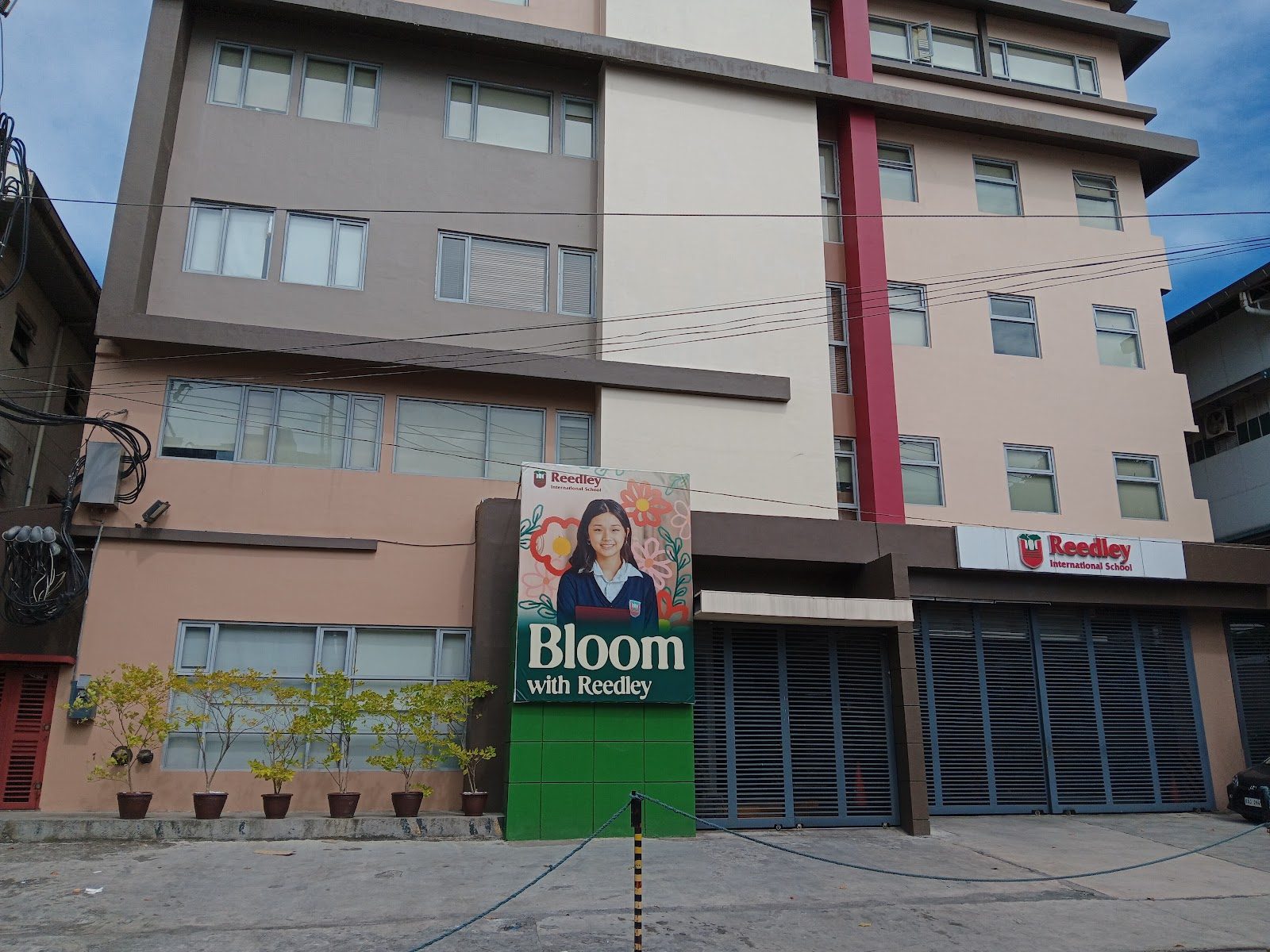
Reedley International School
Pasig · Philippines
Where Singapore's math rigor meets American humanities, and life coaches track every student's growth in Pasig.
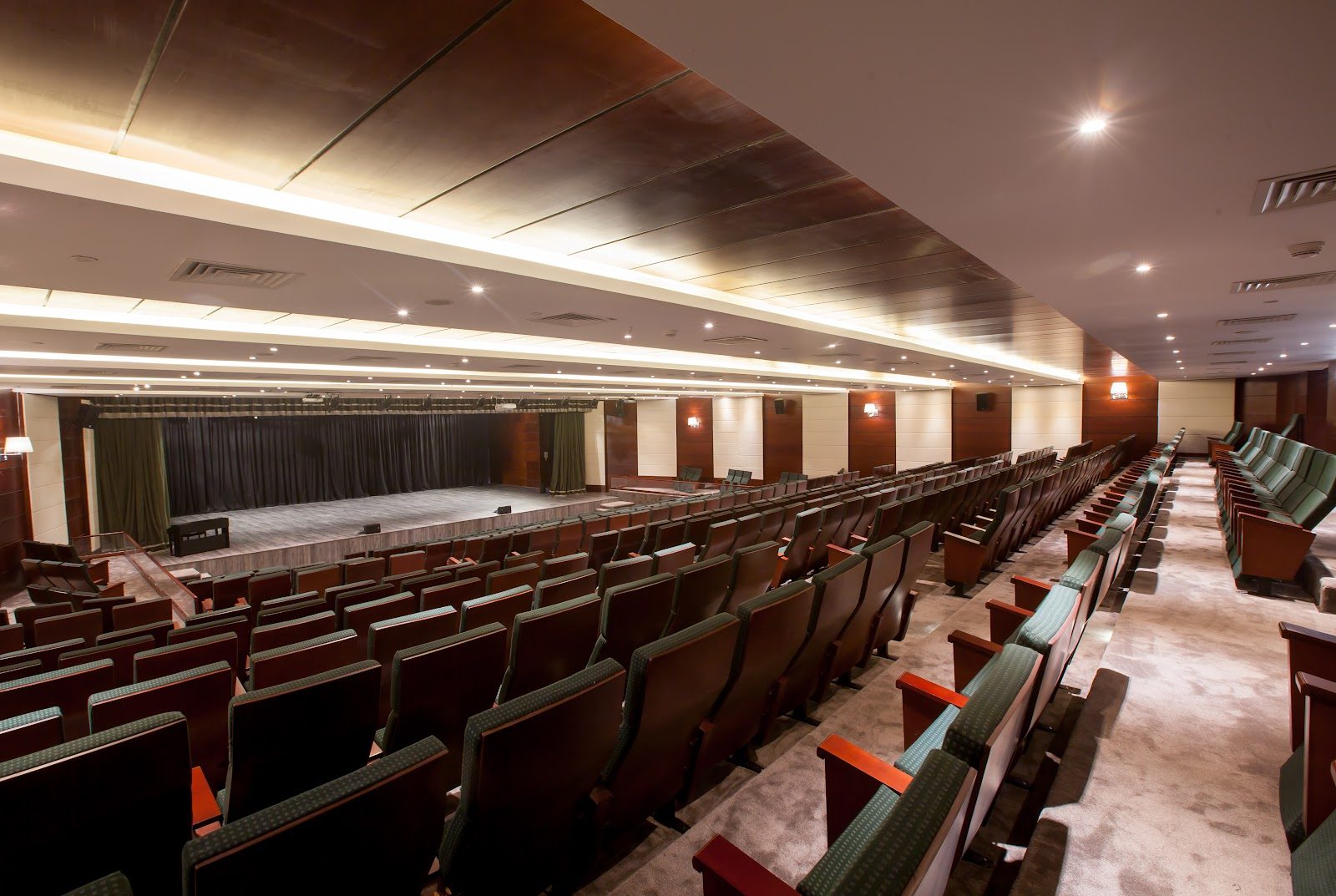
Malvern College Egypt
New Cairo · Egypt
In New Cairo, a house-based day school pairs A-Levels with the IB Diploma, carrying a 150-year Malvern lineage.
Craighouse School
Santiago · Chile
A Scottish surname turned school name, blending British house tradition with a full IB continuum on a 24-hectare Andean campus.
Same country and curriculum — closest matches within ±10 points either way