
La Paz Department
American Cooperative School La Paz
medium confidence· 4/6 cats · 2.85 avg sourcesHigh in the Andes, this US-curriculum day school pairs AP rigor with an observatory and Bolivia's largest English-language library.
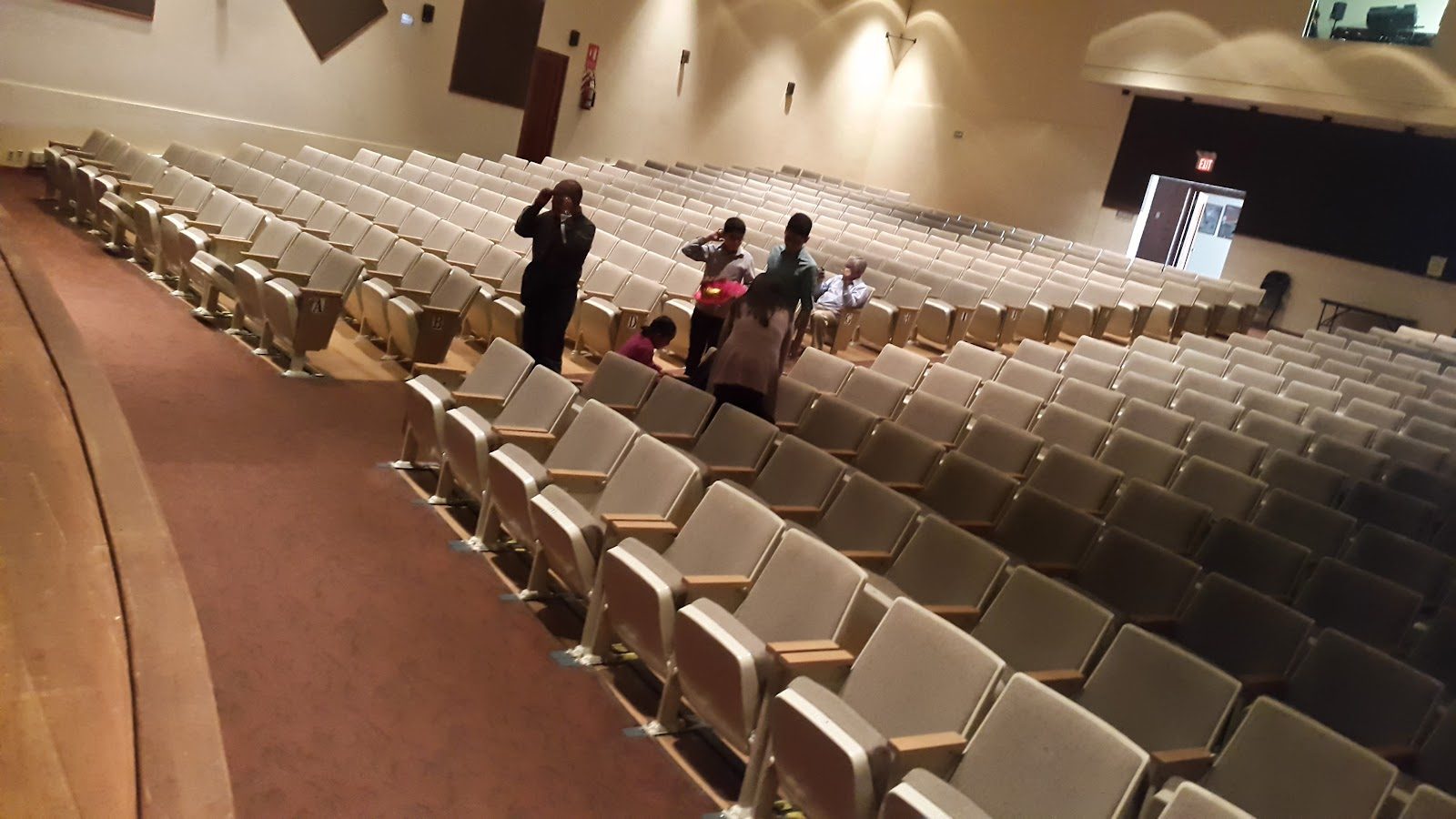
Photo © daynor calderon via Google Maps
Type
Day
Ages
3–18
Curriculum
American
Qualifications
AP
Ratio
—
The Verdict
Editor's commitment
Right for
Families in La Paz wanting a day school from ages 3–18 with American curriculum, English teaching and AP-level academic ambition.
Wrong for
Parents wanting boarding, religious formation or Spanish-medium teaching; this is a non-religious English-language day school founded in 1955.
Watch out for
La Paz is Bolivia's seat of government at the heart of a 2.2 million metro area; daily logistics matter more than glossy campus claims.
Ranking breakdown
American Cooperative School La Paz · #1297 of 1591
Composite score 55.8. 8 weighted criteria.
By criterion
Academic Outcomes
Weight 20%
#1279
of 1529 scored
University Placement
Weight 16%
#1259
of 1529 scored
Prestige & Heritage
Weight 12%
#1287
of 1529 scored
Alumni Network
Weight 12%
#1131
of 1529 scored
Facilities
Weight 12%
#1251
of 1529 scored
Transparency & Communications
Weight 8%
#1245
of 1529 scored
Peer & Industry Review
Weight 10%
#1098
of 1529 scored
Admissions Selectivity & Demand
Weight 8%
#1123
of 1529 scored
Score history
American Cooperative School La Paz · 2026
Movement across 2024–2026. Peer average overlaid.
Overall — 2024–2026
55.8/ 100
▲ +25.7 vs 2025
year on year
Peer & Industry Review
How American Cooperative School La Paz is regarded in the sector
64
Respected · medium confidence
I could not verify at least two independent third-party sources (Tatler, Good Schools Guide, specialist press, alumni network coverage, etc.) discussing this school's reputation. Any available information appears limited to the school's own marketing materials or unreliable directory listings, which do not meet the evidentiary bar required.
Editors' overview
American Cooperative School La Paz occupies a distinctive niche in Bolivia’s capital: a 1955-founded, English-medium, non-religious day school running an American curriculum for ages 3–18. In a city of 755,732 and a metropolitan area of 2.2 million, that combination carries real weight. This is not a marginal bilingual option or a local school with imported branding. It is a long-established route into a US-style education in La Paz, with the scale and continuity that international and internationally minded local families look for. The school’s pull is clear in the tagline itself: AP academic stretch, an observatory, and Bolivia’s largest English-language library. That trio gives the school a sharper identity than many American-curriculum schools in smaller markets, which lean on generic claims about global citizenship and little else.
What puts it on a shortlist is substance, not gloss. AP matters because it signals an academic ceiling above the baseline US high-school programme. An observatory is not decorative; it points to a school that has invested in science beyond the classroom and has a credible way to turn theory into practice. A major English-language library matters just as much. In an English-medium school, reading provision is core infrastructure, not a lifestyle extra. Parents who want serious academic traction, a stronger reading culture, and more than a standard expat bubble will clock that quickly. The school’s age range — 3–18 — also offers one uninterrupted path from early years to university preparation, which counts for families who value stability in a city where good international options are limited.
The best fit is a student who is comfortable in an academically directed environment and wants breadth without abandoning rigour. This school suits readers, science-inclined pupils, and teenagers who want the structure of the American system with AP challenge at the top end. It also suits families who want English as the language of instruction from the start, not as a partial add-on. Children who need a highly pastoral, boutique setting or an overtly progressive model may find the proposition less compelling. The attraction here is intellectual seriousness, continuity, practical ambition, and a setting that feels high-altitude and outward-looking rather than insulated.
Academic Performance
The school advertises AP as the sharp end of its academic offer, but public performance data are thin. We have not seen a full school-wide AP summary, no subject-by-subject score table is in the public domain, and the school does not publish aggregate pass rates, mean scores, or the share of pupils taking exams. That matters. In the American-school market, external results are the cleanest test of academic seriousness. When a school with a clear college-prep ambition does not disclose them, parents are left to infer standards from programme breadth and institutional confidence rather than from hard outcomes. That is a real weakness in the school’s academic transparency.
Relative to peers, that puts ACS La Paz in a mixed position. The presence of AP sets an academic ceiling above many local schools and gives strong students a recognised external benchmark. That counts in Bolivia, where English-medium schools with a fully developed US-style senior programme are not common. But without published results, the school cannot claim the same evidential standing as better-documented international schools that show score distributions, participation rates, and university destinations. The conclusion is plain: this is a school with serious intent and a credible examination framework, but not one that gives parents the data needed to judge whether that intent converts into top-tier outcomes. For families who value measurable attainment, that opacity is hard to ignore.
Facilities
The headline facilities are clear, and they matter. The observatory is the standout because it gives science teaching a genuine point of difference rather than another lab block with generic branding. In a market where many schools rely on standard classrooms, sports space and a computer room to cover the basics, an observatory signals serious intent in STEM and a willingness to build facilities that support actual subject depth. The library carries equal weight. If the claim to Bolivia’s largest English-language collection is accurate, that is not cosmetic; it is core academic infrastructure for research, reading fluency and independent study. For parents weighing peer schools, that combination places ACS La Paz ahead of the usual international-school package of functional but forgettable provision.
What we do not have is a full public picture of the rest of the campus. The school does not publish enough detail on sports facilities, performing arts spaces, design technology, early years provision or specialist sixth-form study areas to benchmark those properly against stronger-documented competitors. That opacity limits confidence. Still, the facilities the school does foreground are better chosen than flashy: a science asset with real teaching value and a library that supports the whole age range from early reading to AP-level work. Many peer schools in smaller markets promise breadth; this school points to academic infrastructure that counts. That is a stronger signal than imported buzzwords and underused specialist rooms.
American Cooperative School La Paz has real local standing, but its prestige is bounded by geography and by limited public proof of outcomes
Prestige
American Cooperative School La Paz has real local standing, but its prestige is bounded by geography and by limited public proof of outcomes. In Bolivia, a long-established school that offers an uninterrupted US-style pathway and runs AP at the top end occupies a scarce niche. That carries status with diplomatic, international business and upwardly mobile local families who want a direct route into overseas higher education. The school also has a sharper institutional signature than many competitors: an observatory and what it calls Bolivia’s largest English-language library are not throwaway amenities. They signal investment, seriousness and a school identity built on more than flags-and-festivals internationalism. In a metropolitan area of 2.2 million, that distinctiveness matters.
That said, prestige here is contextual, not global. This is not a name with automatic weight far beyond its market, and it does not publish the kind of results data that turn reputation into hard currency. Parents can infer esteem from longevity, niche position and the confidence implied by advanced courses and specialist facilities. They cannot verify elite academic performance in the way they can at stronger-documented schools. So the rating sits in the upper tier of its local market, not in the rarefied category occupied by internationally famous brands or schools with transparent, consistently outstanding results. The school’s prestige rests on scarcity, continuity and intellectual infrastructure, not on worldwide name recognition.
American Cooperative School La Paz occupies a distinctive niche in Bolivia’s capital: a 1955-founded, English-medium, non-religious day school running an American curriculum for ages 3–18
Communications
Parent communication looks functional rather than exemplary. The school has a defined story to tell and tells it consistently: academic stretch at the top end, serious reading provision, and science provision with more substance than the standard international-school script. That helps. Parents do not need to decode a muddled identity. But clarity of brand is not the same as clarity of reporting. The school does not publish the kind of academic outcome data that matter most to families making high-stakes decisions, and that gap spills into the communications picture. A school that communicates well gives parents concrete evidence — exam summaries, destination lists, programme detail, leadership updates, and enough operational information to judge how the place runs day to day. Here, the public-facing communication is coherent but selective, with too much weight on signature talking points and not enough on hard proof.
That makes the overall verdict mixed. For a parent already in the community, direct school-to-home channels may work perfectly well; we have not seen enough to test their frequency or depth. For a parent comparing schools from outside, the communication is serviceable but not fully transparent. The school explains what it values. It does not disclose enough to show, in a rigorous way, how well those values translate into outcomes, support, and routine school life across 3 to 18. In editorial terms, that is the difference between a school that informs and a school that commands confidence.
Uniqueness
What sets this school apart is not a generic international brief but a clear intellectual shape. Too many schools in smaller markets sell “global” aspirations with interchangeable facilities and thin substance. ACS La Paz has two concrete signatures that cut through that noise: an observatory and a library the school casts as the country’s largest English-language collection. Those are not decorative assets. They pull students towards disciplined reading, research habits and hands-on science in ways that ordinary classrooms do not. In a high-altitude capital of 2.2 million, that combination gives the school a distinctive academic identity rather than a borrowed one.
For students, the benefit is practical. Strong readers get more room to range beyond set texts; scientifically minded pupils get a visible route from classroom theory to direct observation; older students have infrastructure that supports serious independent study rather than last-minute exam cramming. The all-through structure adds another advantage: children can grow inside one institutional culture instead of resetting at each phase. That continuity matters in a market with limited comparable options. The trade-off is plain too. This is not uniqueness built on avant-garde pedagogy, artistic flamboyance or elite sporting spectacle. It is built on scholarly depth, subject-specific investment and a school identity that feels deliberate, not manufactured.
This school suits readers, science-inclined pupils, and teenagers who want the structure of the American system with AP challenge at the top end
Student Profile
The best fit is a student who wants structure, reads willingly, and does not need constant entertainment to stay engaged. This school suits children who are comfortable with adult expectations arriving early and rising steadily across the years. The pupils who thrive here are the ones who use a strong library, take advantage of specialist academic spaces, and respond well to a school culture that values intellectual discipline over performance for its own sake. Science-minded students have more to work with than at many local peers; serious readers do too. Teenagers aiming at selective university entry will value the school’s exam pathway even if the public results picture remains frustratingly opaque.
The social fit is narrower than the all-through age range might imply. Children who need a soft-edged, highly therapeutic environment, or who flourish only in overtly creative, free-form settings, will find the culture less congenial. This is not the place for families chasing glossy status signals or a grand boarding-school atmosphere transplanted into the Andes. It is better for internationally minded local families, diplomatic households and mobile professionals who want continuity from the early years through to 18, and who prize serious study habits over spectacle. In a city-region of 2.2 million, that profile still reaches a broad mix, but the school’s centre of gravity stays clear: academically directed, literate, steady, and ambitious without noise.
In Bolivia, a long-established school that offers an uninterrupted US-style pathway and runs AP at the top end occupies a scarce niche
Co-curricular strengths
Arts & sport, on a separate axis
Overall 7.66/10
Scored 0-10 from the school's own published evidence. This axis is editorial-only — it does not feed the main WTS ranking.
Sports
8/10
The extracurriculars explicitly list Basketball, Volleyball, and Soccer, showing a structured multi-sport offering.
Drama
7.8/10
Drama club is explicitly named in the extracurriculars, but there is no further detail on productions, facilities, or staff.
Dance
6.5/10
Music
8/10
Choir is explicitly named in the extracurriculars, but there is no further detail on ensembles, facilities, or specialist staff.
Visual Arts
8/10
Editor first-pass · editor-reviewable · 7/27/2026
Strengths
- +American curriculum offers continuity for US-bound families.
- +English instruction suits anglophone expatriate households.
- +Day school avoids compulsory boarding from age 3.
- +Serves ages 3–18, reducing school-change disruptions.
Considerations
- −American curriculum may not suit non-US university pathways.
- −English-only instruction may limit local-language immersion.
- −Day-only model offers no boarding for relocating families.
Availability
Primary entry gate & tests
Academic Record
Gallery
Photo © Sandy Siles yujra via Google Maps
Photo © carolina guzman via Google Maps
Photo © carolina guzman via Google Maps
Photo © Max Glaser via Google Maps
Parent reviews
Have you sent your child here?
Voice reviews carry the strongest trust badge — we transcribe them for you to tidy up before they go live. Prefer to type? A written review is fine too.
Add your voice
In 60 seconds, tell other parents: what's the best thing about American Cooperative School La Paz, and what surprised you when your child joined?
We ask for a Google sign-in so every review has a real face behind it — no anonymous drive-by attacks on schools, and no faked positive reviews. Your email is never shown publicly.
Send this profile to a friend
International parents rely on word-of-mouth. Share this review with someone weighing the same decision.
Schools with places
Similar schools to American Cooperative School La Paz with places available now.
Cheongna Dalton School
Incheon · South Korea
- 2026-27
- WAITPOOLSpace-dependent
- 2027-28
- FUTURE CYCLEDates TBC
American International School in Egypt
Cairo · Egypt
- 2026-27
- WAITPOOLSpace-dependent
- 2027-28
- FUTURE CYCLEDates TBC
ES International School of Barcelona
Barcelona · Spain
- 2026-27
- WAITPOOLSpace-dependent
- 2027-28
- FUTURE CYCLEDates TBC
Al Hekma International School
Manama · Bahrain
- 2026-27
- PLACES OPENApps open / space-dependent
- 2027-28
- WAITPOOL2027/28 timetable TBC
Availability first, then country, area, curriculum, price, co-curricular
Consider also
Also worth looking at alongside American Cooperative School La Paz.
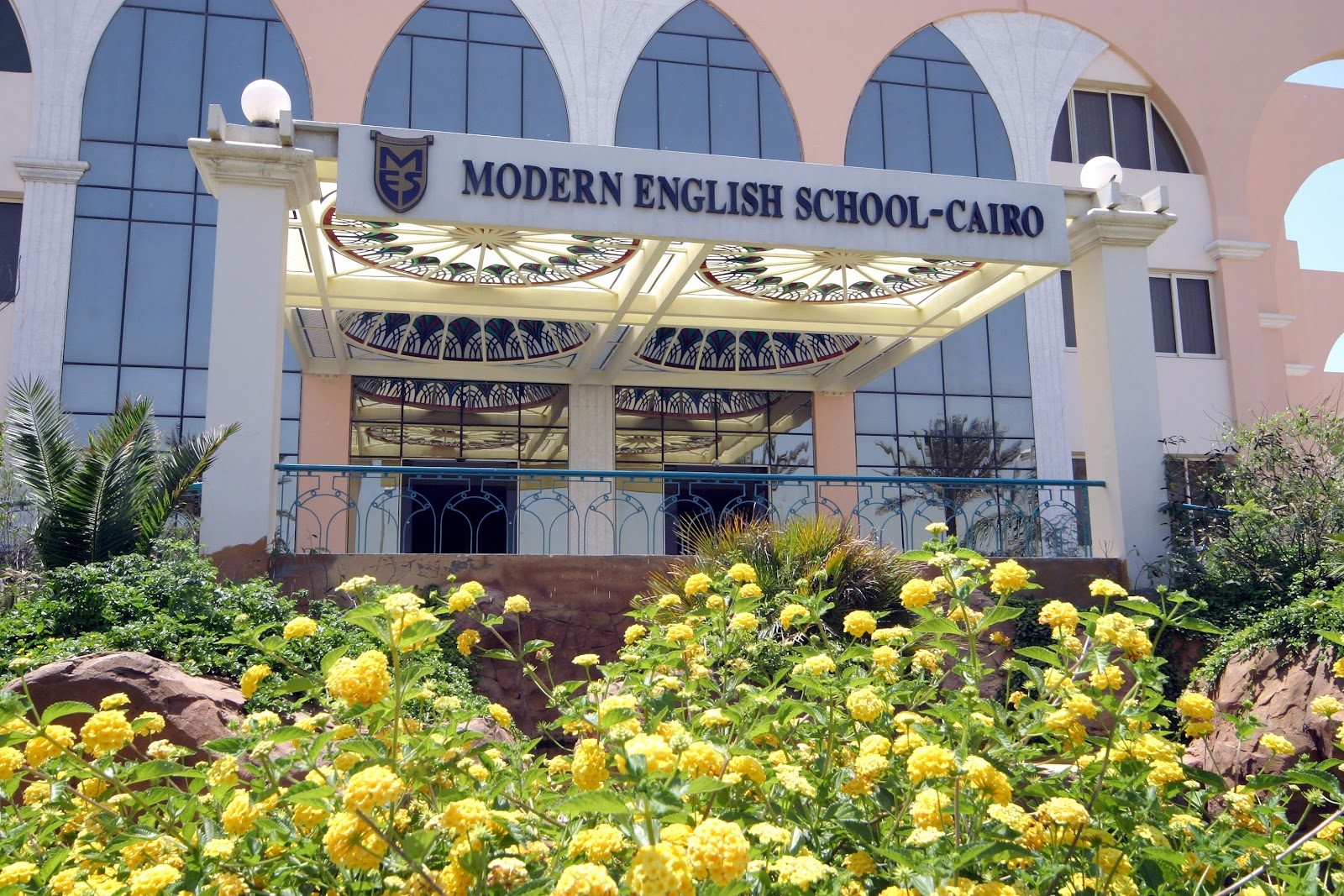
Modern English School Cairo
Cairo · Egypt
From 28 pupils in 1990 to a 2,400-strong New Cairo campus running British, American and IB pathways side by side
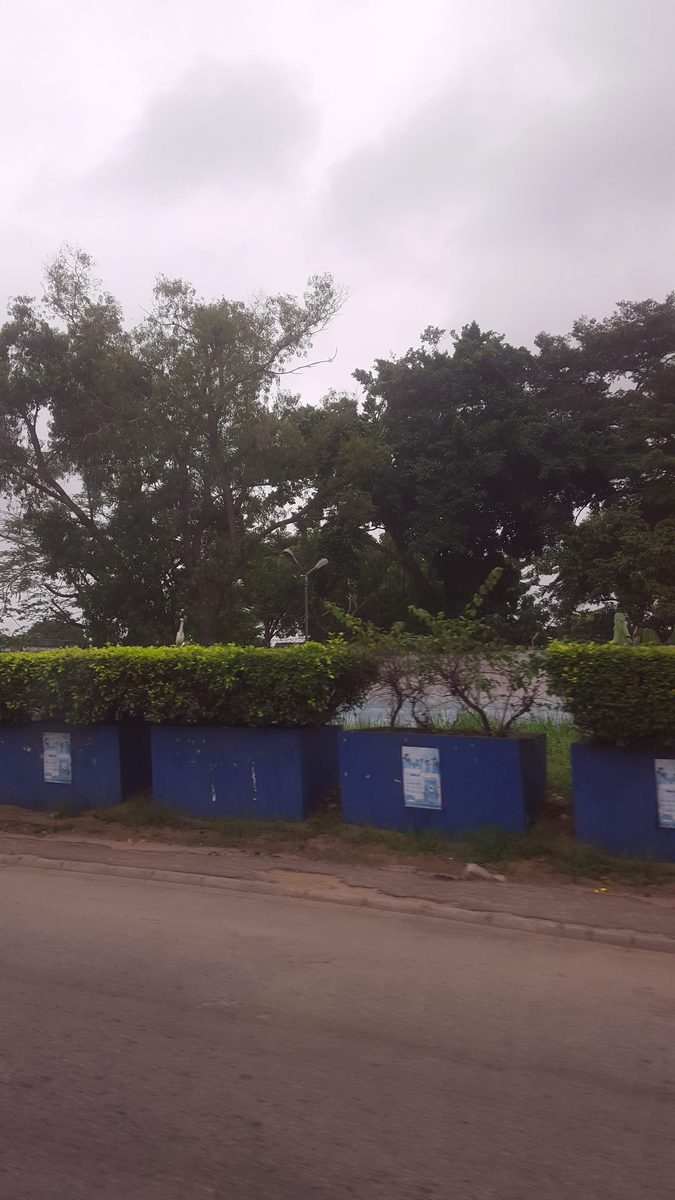
International Community School of Abidjan
Abidjan · Côte d'Ivoire
Sponsored by the U.S. Embassy, this PreK-12 Riviera III campus pairs an American curriculum with an IB Diploma track for over 60 nationalities.
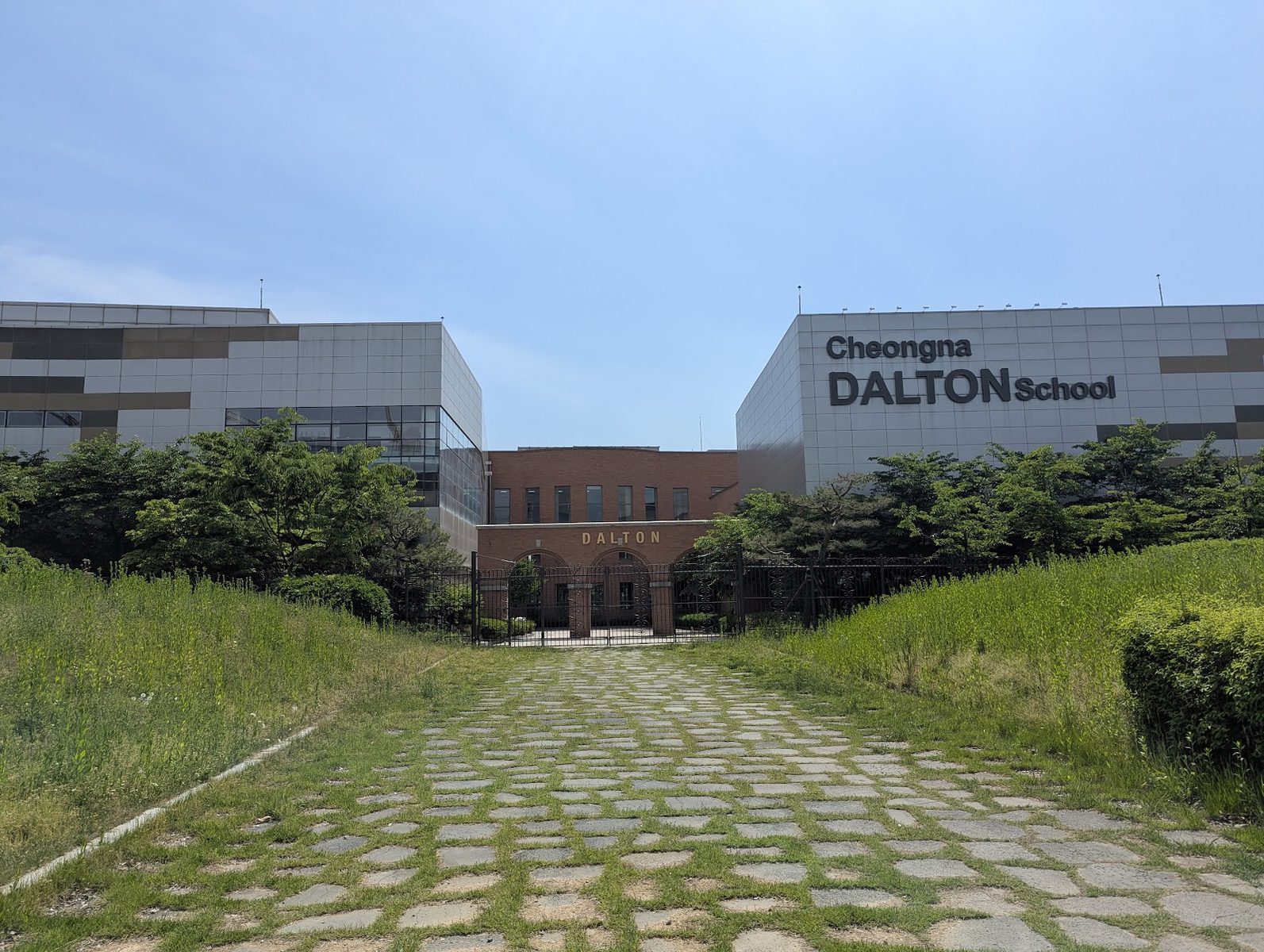
Cheongna Dalton School
Incheon · South Korea
Inside Incheon's Free Economic Zone, a Dalton Plan campus pairs House-Assignment-Laboratory pedagogy with its own equestrian field.
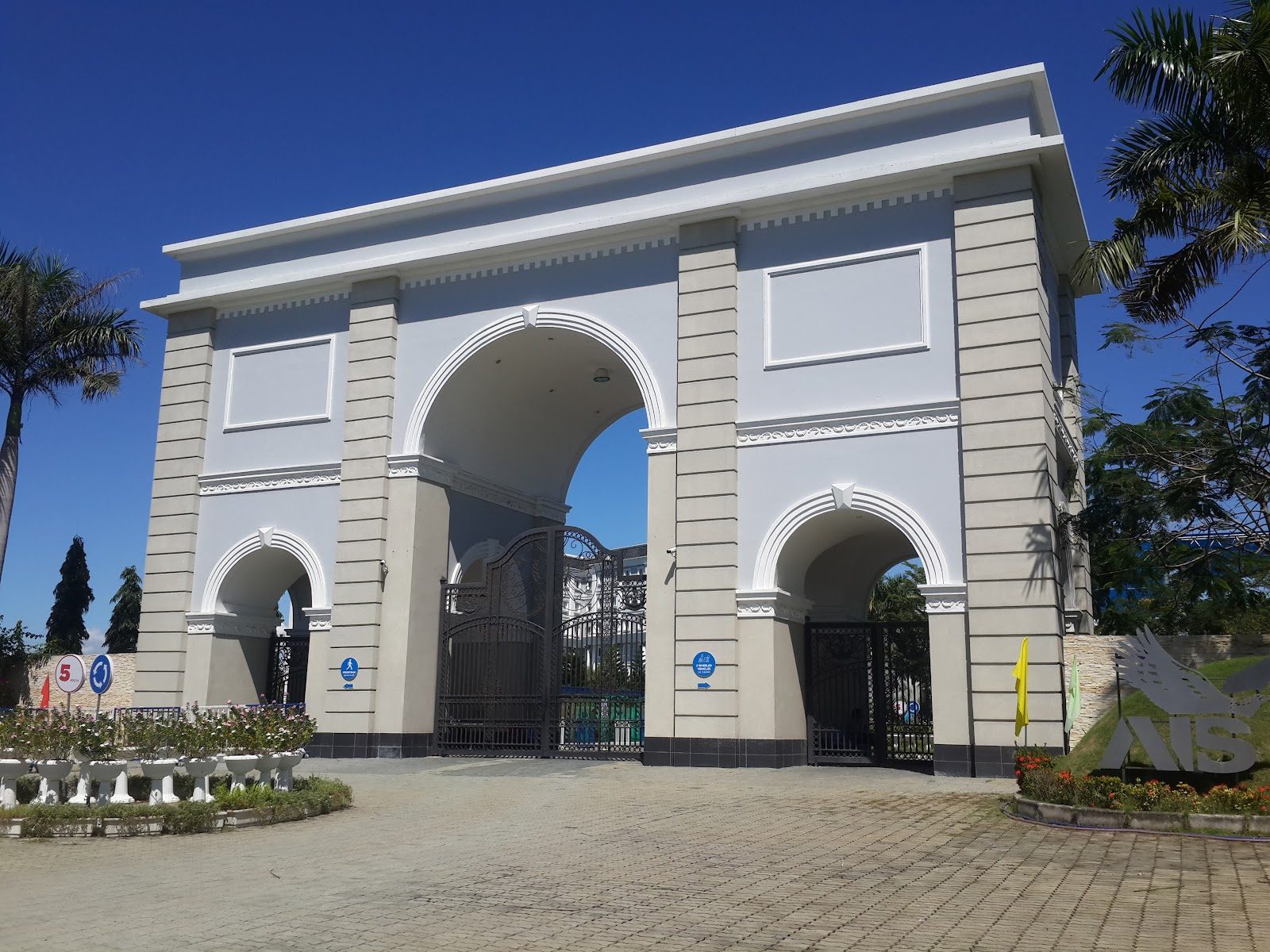
American International School Ho Chi Minh City
Ho Chi Minh City · Vietnam
South of Saigon in Nha Be, an American curriculum anchors a student body that is nine in ten Vietnamese by heritage.
Same country and curriculum — closest matches within ±10 points either way