
Seo-gu
Cheongna Dalton School
low confidence· 4/6 cats · 1.2 avg sourcesInside Incheon's Free Economic Zone, a Dalton Plan campus pairs House-Assignment-Laboratory pedagogy with its own equestrian field.
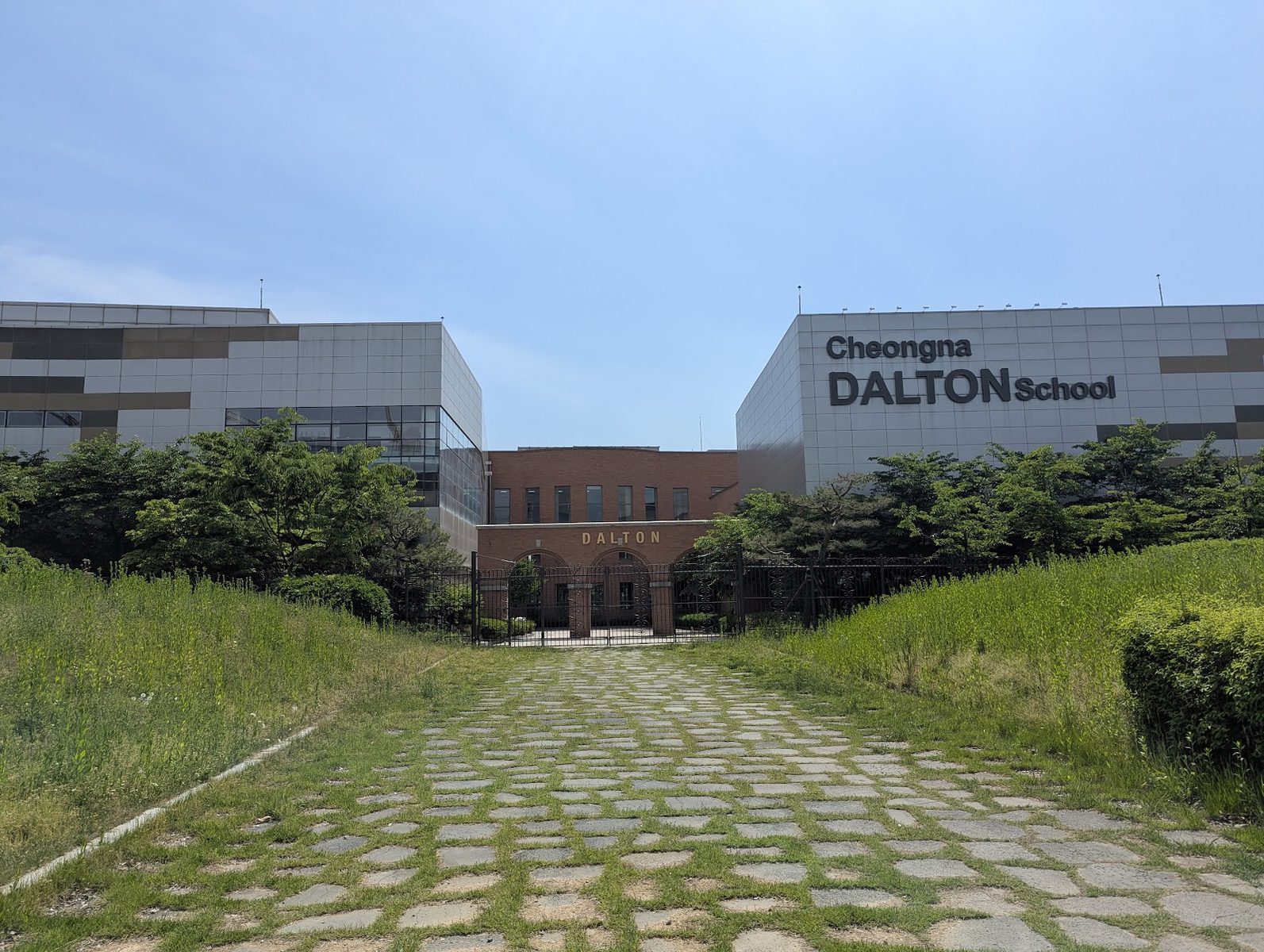
Photo © Tamanegi Soup via Google Maps
Type
Day
Ages
3–18
Curriculum
American
Qualifications
AP · US High School Diploma
Ratio
—
The Verdict
Editor's commitment
Right for
Families in Incheon who want an English-only American school, founded in 2011, with Dalton Plan independence from age 3 to 18.
Wrong for
Parents wanting boarding, religious framing or a conventional teacher-led model; this is a day, non-religious school with Dalton Plan routines.
Watch out for
The annual day-fee average is KRW 21,350,000, and WASC and EARCOS membership do not answer the harder question: published outcomes.
Ranking breakdown
Cheongna Dalton School · #1286 of 1591
Composite score 56.1. 8 weighted criteria.
By criterion
Academic Outcomes
Weight 20%
#1223
of 1529 scored
University Placement
Weight 16%
#1227
of 1529 scored
Prestige & Heritage
Weight 12%
#1287
of 1529 scored
Alumni Network
Weight 12%
#1131
of 1529 scored
Facilities
Weight 12%
#1251
of 1529 scored
Transparency & Communications
Weight 8%
#1245
of 1529 scored
Peer & Industry Review
Weight 10%
#1305
of 1529 scored
Admissions Selectivity & Demand
Weight 8%
#1077
of 1529 scored
Peer & Industry Review
How Cheongna Dalton School is regarded in the sector
62
Respected · medium confidence
I could not identify at least two independent third-party sources (e.g., Tatler, Good Schools Guide, specialist education press, government inspectorate reviews, or established expat forums) that substantively assess Cheongna Dalton School's reputation. Any information I have is either uncertain in origin or would rely on the school's own materials, which are excluded per the instructions.
Editors' overview
Cheongna Dalton School does not trade on a generic “international school” formula. It sits in Incheon’s Free Economic Zone, teaches in English only, follows an American curriculum and, crucially, builds itself around the Dalton Plan. That matters. The Dalton model pushes students towards independence, planning and self-management through House, Assignment and Laboratory structures, rather than constant teacher-led hand-holding. Parents looking for a high-control, heavily coached environment should look elsewhere. Parents who want a school to train habits of autonomy from an early age will put CDS on the shortlist. The school opened in 2011, covers ages 3–18, and operates as a non-religious day school.
What marks CDS out in the Korean and wider East Asian market is that combination of American college-preparatory schooling with a pedagogical identity that is more specific than the standard “US curriculum in English”. Many schools claim to produce independent learners; CDS has tied its whole structure to that proposition. The setting adds another point of distinction: this is a campus in Cheongna with its own equestrian field, a genuinely unusual feature in a region where outdoor space is scarce and many urban international schools work within tighter physical constraints. Accreditation by WASC and EARCOS gives it recognised external anchoring, though the school does not publish the sort of public outcomes data that would let parents test academic results in detail against competitors.
At 21,350,000 KRW a year on average across the full age range, CDS sits in the serious-fee bracket and invites direct comparison with other premium international options in greater Seoul. Its appeal is clearest for students who thrive when given room to organise their own work, speak up, and take responsibility for deadlines. This is a strong fit for self-directed children, internationally mobile families who want an American pathway, and older students with a clear appetite for ownership of their learning. It is a weaker fit for children who need relentless structure, frequent external prompting, or a more conventional, exam-drilled classroom culture. CDS’s value lies in that distinct educational bet: freedom, responsibility and English-medium American schooling, all on one campus.
Academic Performance
Cheongna Dalton School gives parents a clear academic philosophy, but not clear public attainment data. We have not seen published aggregate exam results, no school-wide AP or SAT profile is in the public domain, and the school does not disclose university destinations in the level of detail serious comparison requires. That leaves a material gap in the academic picture. For a college-preparatory school charging premium fees, opaque outcomes are a weakness, not a footnote. Parents can infer that a self-managed Dalton structure demands organisation, persistence and independence from students; they cannot verify from published numbers how that translates into external examination performance against other international schools in the Seoul-Incheon market.
Relative to peers, CDS therefore sits in the hard-to-rank category: distinctive in method, but under-evidenced on results. Some competitor schools publish IB averages, AP participation and score distributions, SAT medians, or named university offers. CDS does not match that level of transparency. That does not mean weak outcomes; it means unproven outcomes in the public domain. For families prepared to do direct due diligence, the right questions are blunt ones: how many students sit APs, what score profile they secure, what the graduating cohort’s standardised testing looks like, and where graduates enrol. Until the school publishes those figures, its academic standing rests more on educational design than on demonstrable external results.
Facilities
The headline facility remains the equestrian field. In a dense East Asian international-school market where outdoor provision often means a standard sports pitch and little else, that is genuinely unusual and gives CDS a point of physical distinction that parents will remember. It signals more than novelty: a campus with enough land to support specialist sport, movement and outdoor activity rather than squeezing everything into a compact urban footprint. Against peer schools in the greater Seoul-Incheon market, that puts CDS ahead on campus character and breadth of space, even if headline architectural glamour and marquee specialist centres are not what defines the school.
Beyond that, the public picture is thin. We have not seen the school publish the level of detail that would let parents judge science laboratories, performing arts spaces, design and technology workshops, library provision or indoor sports facilities against rival premium schools. That gap matters, because many competitors now document these areas closely and use them to substantiate fee levels. CDS therefore wins attention for one standout asset, but does not give families enough published evidence to rank the rest of the estate with confidence. The facilities verdict is therefore mixed: a campus with real physical differentiation in one area, but an under-documented wider offer. Parents comparing schools seriously need a visit; this is not a school whose estate can be assessed properly from public information alone.
Cheongna Dalton School does not trade on a generic “international school” formula
Prestige
Cheongna Dalton School carries niche prestige, not mass-market status. In the international-school pecking order, prestige comes from three things: admissions selectivity, public exam outcomes and brand reach. CDS has a distinctive educational identity and charges an average annual fee of 21,350,000 KRW, which places it in premium territory, but it does not publish the public outcomes data that turn interest into hard reputational weight. That matters. Among well-informed parents, opacity caps prestige. A school can be admired for its method and campus character; it cannot command top-tier academic prestige without visible results. CDS therefore sits below the region’s most established name-brand international schools in pure status terms, while still holding real cachet for families who value independence over institutional gloss.
Its strongest prestige marker is intellectual seriousness of method. The Dalton structure is not a generic import and gives the school a sharper educational profile than many competitors offering standard international provision with little pedagogical point of view. Add the unusual campus feature set and CDS has a recognisable identity that parents remember. That creates earned distinction, not automatic elite standing. The school’s reputation rests less on old-network clout or publicly documented university outcomes than on the judgment that it offers a deliberate, demanding model for self-directed students. For the right family, that carries substance. In the broader market, it remains a respected specialist choice rather than a universally coveted badge.
Cheongna Dalton School gives parents a clear academic philosophy, but not clear public attainment data
Communications
Cheongna Dalton School communicates a clear educational philosophy, but the wider parent-information picture is less complete than premium fees justify. The school’s public identity is coherent: families can grasp the central idea quickly, understand that student independence sits near the core, and recognise that this is not a generic international offering. That clarity matters, because schools built around self-management need parents to understand the bargain from the start. Where CDS is weaker is in the depth of routine disclosure. We have not seen the level of published operational detail, academic reporting, or outcome transparency that allows parents to track school performance with real precision. At an average annual fee of 21,350,000 KRW, that shortfall lands harder than it would at a lower-priced school.
For existing parents, effectiveness therefore rests less on glossy messaging and more on whether day-to-day systems are disciplined, prompt and specific. The Dalton structure itself raises the communication bar: if students are expected to organise assignments and deadlines with growing independence, families need crisp, regular, unambiguous information about expectations, timelines and support when things slip. CDS gives a strong sense of mission; it does not give outsiders enough evidence of deep communication culture to rate parent communications among the market’s best. The verdict is measured but firm: philosophically clear, publicly under-explained, and stronger on signalling ethos than on publishing the practical detail serious parents use to compare schools.
Uniqueness
Cheongna Dalton School’s real point of difference is not the passport-friendly international label; it is the fact that the school organises learning around the Dalton Plan rather than around constant whole-class instruction. That changes the student experience in a concrete way. Children are expected to manage tasks through House, Assignment and Laboratory structures, plan their time, track deadlines and take responsibility for completing work without perpetual adult prompting. In a market crowded with schools that talk about independence in vague terms, CDS builds it into the daily mechanics of school life. That gives students more than academic content: it gives them practice in self-command, organisation and speaking up when they are stuck. For confident, internally motivated children, that is a serious educational advantage. For those who need heavy supervision, it is a demanding fit.
The other distinctive feature is physical rather than pedagogical: the school has its own equestrian field, which is rare enough to matter. In a region where many campuses operate within tighter space constraints, that signals a school with room for a broader kind of day and a less compressed environment. Combined with its college-preparatory focus and age range from early years to 18, CDS offers a clear, coherent proposition: autonomy first, standard international-school packaging second. That will not suit every family. It will suit the ones who want a school that trains students to function without hand-holding, and who value real educational character over a safer, more generic model.
Cheongna Dalton School carries niche prestige, not mass-market status
Student Profile
The best fit at Cheongna Dalton School is the child who does not wait to be chased. This is a school for students with internal drive, decent executive function and a tolerance for being held responsible for their own output. Pupils who like planning their work, asking direct questions and recovering quickly when they hit difficulty will do well here. So will articulate children who do not need constant reassurance before taking action. The weaker fit is just as clear: students who rely on heavy external structure, repeated reminders and tight adult management will find the culture exposed and demanding. At an average annual fee of 21,350,000 KRW, parents are paying for a model that expects active participation, not passive compliance.
Socially, CDS suits families who want a clear-eyed, college-preparatory environment without the ritualised pressure-cooker feel that defines parts of the wider Korean market. The student profile leans towards confident, verbally engaged, self-organising children rather than quiet coasters. That does not require extroversion. It requires ownership. A thoughtful, reserved student can thrive here if they are disciplined and willing to speak up when they need help. The school is also a strong match for internationally mobile families who value continuity in an American system but care even more about habits of independence. For the right child, this is formative schooling. For the wrong one, it is a hard slog.
Cheongna Dalton School communicates a clear educational philosophy, but the wider parent-information picture is less complete than premium fees justify
Co-curricular strengths
Arts & sport, on a separate axis
Overall 7.2/10
Scored 0-10 from the school's own published evidence. This axis is editorial-only — it does not feed the main WTS ranking.
Sports
8.5/10
Drama
7/10
Dance
6.5/10
Music
7/10
Visual Arts
7/10
Editor first-pass · editor-reviewable · 7/30/2026
Strengths
- +Licensed to use the Dalton Plan pedagogy (House and Lab system) developed by New York's The Dalton School, giving it a distinct instructional model rather than a generic American curriculum copy.
- +Located in Cheongna International City, a purpose-built free economic zone in Incheon with modern campus facilities and planned green space.
- +Instruction is delivered in English on a US-style curriculum, easing transitions for expatriate families relocating from other American-curriculum systems.
- +Relatively new, purpose-built campus rather than a converted or shared facility, common among schools set up within Korea's Incheon Free Economic Zone.
Considerations
- −As a lower-profile, 'candidate tier' school, it lacks the long track record of university placement data and public exam results available for established Seoul international schools.
- −Cheongna is a distance from central Seoul, meaning families based in the capital face a significant commute or must relocate to the Incheon area.
- −Like most Korean international schools, admission is generally restricted to foreign-passport holders or Korean students with substantial overseas residency, limiting access for local families.
- −Smaller and newer than flagship options such as Chadwick International or Seoul Foreign School, so extracurricular breadth and alumni network are correspondingly limited.
Availability
Primary entry gate & tests
Academic Record
Gallery
Photo © In k Kim via Google Maps
Photo © In k Kim via Google Maps
Photo © In k Kim via Google Maps
Photo © In k Kim via Google Maps
Photo © In k Kim via Google Maps
Parent reviews
Have you sent your child here?
Voice reviews carry the strongest trust badge — we transcribe them for you to tidy up before they go live. Prefer to type? A written review is fine too.
Add your voice
In 60 seconds, tell other parents: what's the best thing about Cheongna Dalton School, and what surprised you when your child joined?
We ask for a Google sign-in so every review has a real face behind it — no anonymous drive-by attacks on schools, and no faked positive reviews. Your email is never shown publicly.
Send this profile to a friend
International parents rely on word-of-mouth. Share this review with someone weighing the same decision.
Schools with places
Similar schools to Cheongna Dalton School with places available now.
Gyeonggi Suwon International School
Suwon · South Korea
- 2026-27
- WAITPOOLSpace-dependent
- 2027-28
- FUTURE CYCLERolling claim not independently verified for 2027/28
Yongsan International School of Seoul
Seoul · South Korea
- 2026-27
- WAITPOOLSpace-dependent
- 2027-28
- PLACES OPENRolling
Seoul International School
Seongnam · South Korea
- 2026-27
- WAITPOOLSpace-dependent
- 2027-28
- FUTURE CYCLE2027/28 opening TBC / enquire
Korea International School
Seongnam · South Korea
- 2026-27
- WAITPOOLSpace-dependent
- 2027-28
- PLACES OPENRolling
Availability first, then country, area, curriculum, price, co-curricular
Consider also
Also worth looking at alongside Cheongna Dalton School.
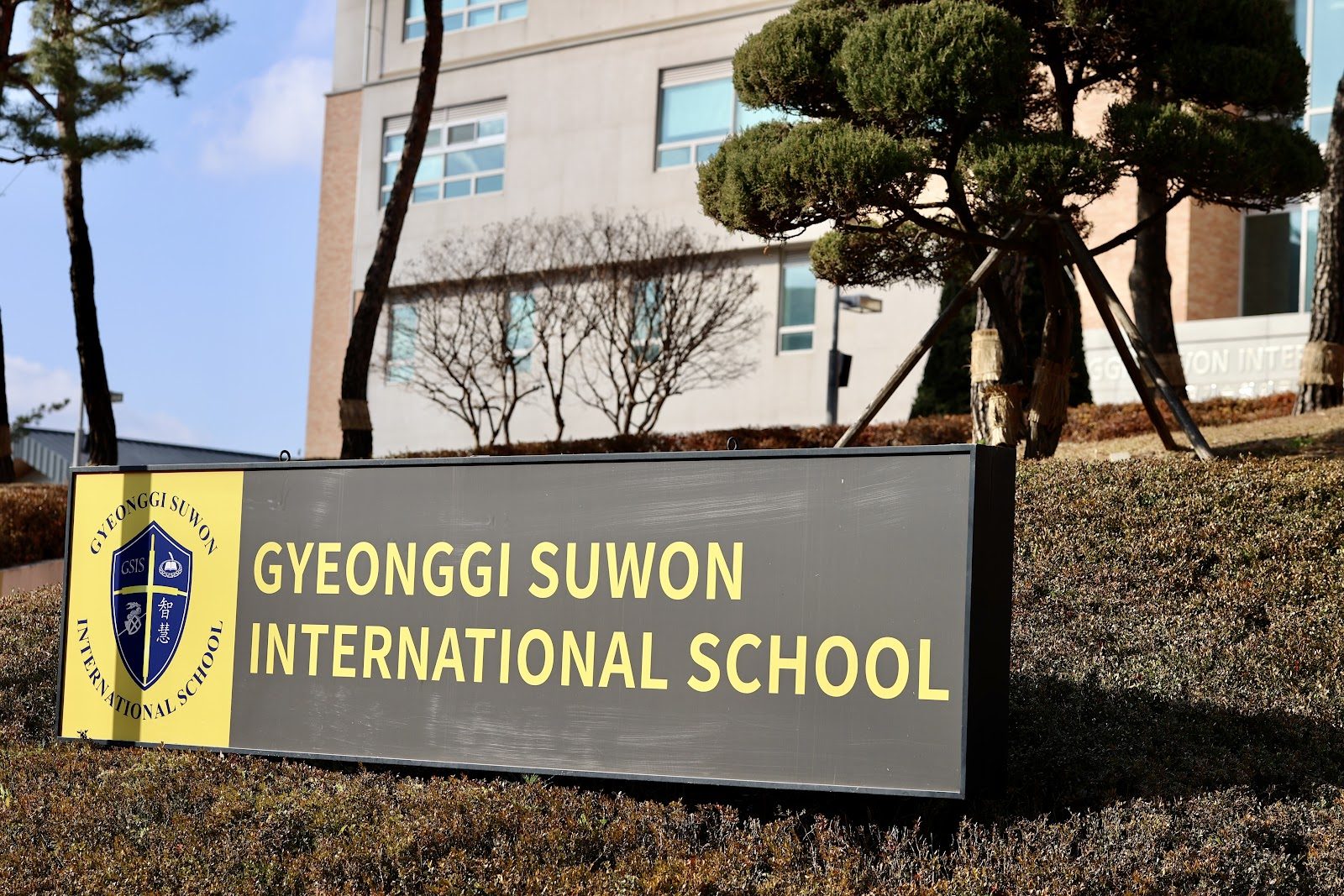
Gyeonggi Suwon International School
Suwon · South Korea
One of Korea's first schools authorized for the full IB continuum, pairing American-rooted rigor with a faith-based ethos on a Suwon hillside campus.
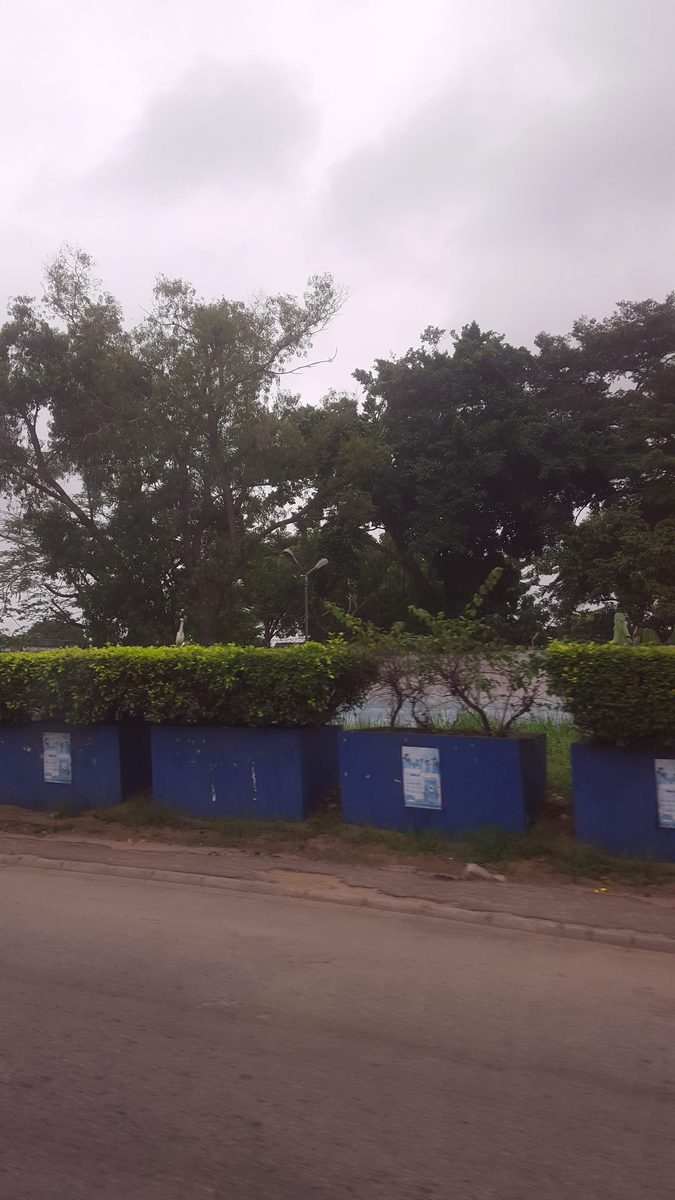
International Community School of Abidjan
Abidjan · Côte d'Ivoire
Sponsored by the U.S. Embassy, this PreK-12 Riviera III campus pairs an American curriculum with an IB Diploma track for over 60 nationalities.
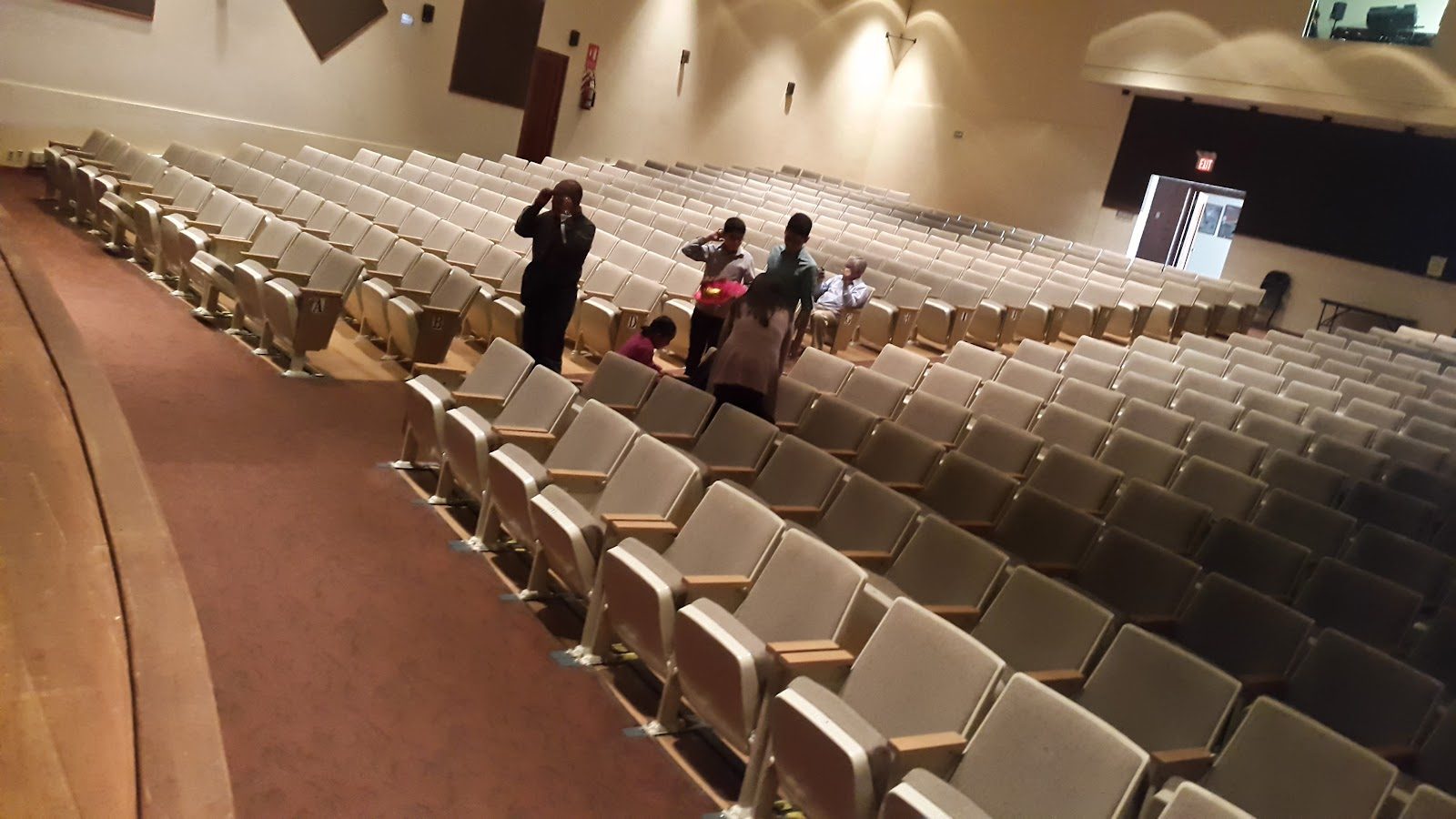
American Cooperative School La Paz
La Paz · Bolivia
High in the Andes, this US-curriculum day school pairs AP rigor with an observatory and Bolivia's largest English-language library.
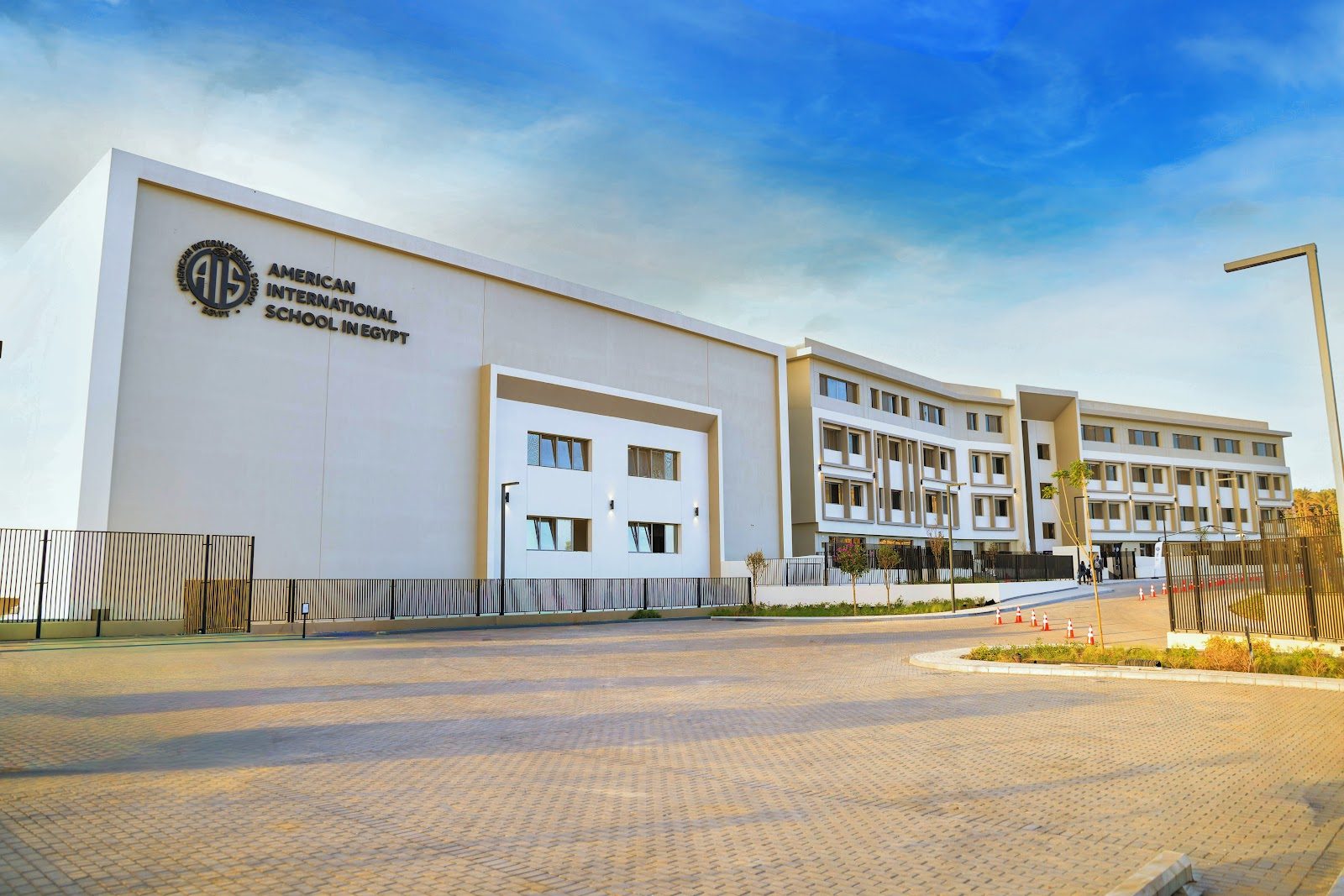
American International School in Egypt
Cairo · Egypt
Pairs a full American diploma with an optional IB track, drawing a largely Egyptian day-student body to its new Uptown Cairo campus.
Same country and curriculum — closest matches within ±10 points either way