
Gyeonggi Province
Gyeonggi Suwon International School
medium confidence· 4/6 cats · 1.5 avg sourcesOne of Korea's first schools authorized for the full IB continuum, pairing American-rooted rigor with a faith-based ethos on a Suwon hillside campus.
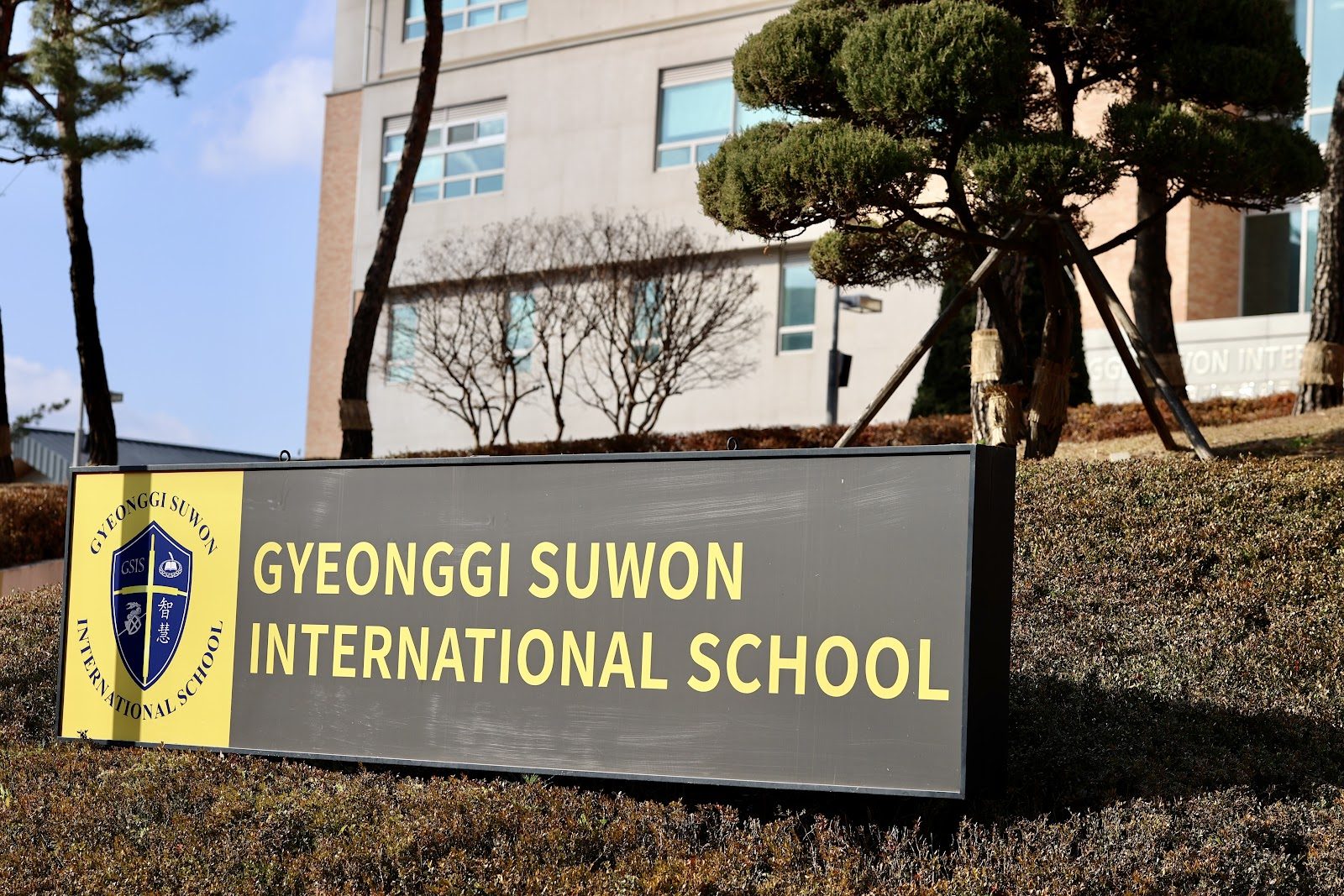
Photo © mylife75 via Google Maps
Type
Day
Ages
3–18
Curriculum
American · IB
Qualifications
AP · IB Diploma · US High School Diploma
Ratio
—
The Verdict
Editor's commitment
Right for
Families wanting Suwon access, English-medium teaching and the full IB continuum at a WASC-accredited school founded in 2006.
Wrong for
Secular families should think twice: GSIS roots community life in the Christian tradition, with worship integral to school life.
Watch out for
The average annual day fee is US$28,410; for that price, GSIS does not publish hard outcome data in the public domain.
Ranking breakdown
Gyeonggi Suwon International School · #1085 of 1591
Composite score 61.1. 8 weighted criteria.
By criterion
Academic Outcomes
Weight 20%
#1003
of 1529 scored
University Placement
Weight 16%
#1015
of 1529 scored
Prestige & Heritage
Weight 12%
#1150
of 1571 scored
Alumni Network
Weight 12%
#785
of 1530 scored
Facilities
Weight 12%
#968
of 1533 scored
Transparency & Communications
Weight 8%
#938
of 1532 scored
Peer & Industry Review
Weight 10%
#998
of 1548 scored
Admissions Selectivity & Demand
Weight 8%
#1156
of 1529 scored
Peer & Industry Review
How Gyeonggi Suwon International School is regarded in the sector
65
Respected · medium confidence
I could not locate at least two independent third-party sources (e.g., Tatler, Good Schools Guide, specialist education press, alumni network coverage, or inspectorate reviews) discussing Gyeonggi Suwon International School's reputation. Without verifiable independent evidence, no reliable score can be assigned.
Editors' overview
GSIS sits in a narrow part of the Korean market: a day school in Suwon, founded in 2006, teaching in English from age 3 to 18, and authorised for the full IB continuum while retaining an American academic frame. That combination matters. Plenty of international schools in Korea offer the IB Diploma; far fewer run PYP, MYP and DP under one roof. Wikipedia’s note that GSIS is one of only two schools in South Korea accredited by the IBO for all three programmes gives it real distinction. For families who want a single, coherent 3–18 pathway rather than a patchwork of curricula, GSIS earns a place on the shortlist at once. The average annual day fee across the full age range is $28,410, which places it in the serious international-school bracket without pushing into the most expensive Seoul pricing.
The school’s defining feature is not only its curriculum mix but its ethos. GSIS states plainly that its community is rooted in the Christian tradition and that worship is integral to school life. That is not a decorative values statement; it is a structural part of the school’s identity. Parents need to read that with care, because the fit question is straightforward. For families who want a school with an explicit moral and spiritual framework, this is a clear differentiator. For families who want a strictly secular environment, it is a reason to look elsewhere. The context supplied here labels the school non-religious, but the school’s own published description is unmistakably Christian in tone and practice. That tension does not disqualify GSIS; it does make due diligence essential.
What puts GSIS on a shortlist is the blend of continuity, academic seriousness and a campus life built around a defined communal ethos rather than a generic international-school promise. It holds WASC accreditation, IB World School status and EARCOS membership, which gives parents a useful external check on quality and regional engagement. The Suwon location also gives it a different profile from the capital’s better-known schools: less socially performative, more self-contained, and attractive to families who value stability over cachet. The student who thrives here is one who wants structure, breadth and an all-through school experience, and who does well in a community with expectations around character as well as attainment. This is not the choice for a family shopping purely for metropolitan prestige. It is the choice for parents who want a coherent 3–18 IB route, a defined ethos, and a school that knows exactly what it is.
Academic Performance
GSIS does not publish aggregate IB Diploma outcomes in the public domain, and that matters. In a market where serious academic schools use headline scores, pass rates and subject spreads to prove their case, silence leaves parents without the one set of numbers that allows clean comparison. The school’s academic offer has structural strength: an all-through IB pathway, an American frame underneath it, and a culture that talks openly about academic excellence rather than discovery-learning vagueness. That gives GSIS the shape of a demanding, coherent school. It does not give parents proof of how its oldest students perform against Korea’s stronger international-school peers.
Relative to competitors, then, GSIS sits in the category of schools with a credible academic architecture but opaque published outcomes. That is not fatal, but it is a weakness. Schools with strong results disclose them. Schools that do not disclose them ask families to trust the programme rather than inspect the evidence. For some parents, especially those prioritising continuity from the early years through to university entry, that trade-off will still work. For families choosing on sixth-form outcomes first, it will not. Any parent taking GSIS seriously should ask for 3 years of IB Diploma results, cohort size, score distribution, university destinations and the proportion of students taking the full diploma rather than certificates. Without that, academic judgement stays incomplete.
Facilities
GSIS does not trade on spectacle. Nothing in the public domain points to the sort of statement-campus arms race common at the top end of the regional market: no theatre-led bragging, no indoor arena chest-beating, no catalogue of specialist centres built for brochure effect. What the school does foreground is a hillside setting, a through-school environment and a programme that gives equal weight to spiritual, intellectual, creative and physical development. That points to a campus designed for balanced daily use rather than grand standalone landmarks. For parents, the practical conclusion is clear: expect competent core teaching spaces, sports provision and arts access, not the flashy infrastructure that some Seoul-area rivals use to justify premium fees. The campus profile fits a school selling continuity and community more than architectural theatre.
Against peers, that places GSIS in the middle of the pack on facilities visibility. Stronger competitors publish floorplans, lab details, performance spaces, athletic assets and age-specific learning environments in hard detail. GSIS does not. That weakens scrutiny. Families cannot test whether the science provision is genuinely advanced, whether the arts are properly resourced, or whether early-years spaces have the distinct design younger children need. For a school serving a full age range, that missing specificity is a real gap. The campus may function well day to day, but the school has not given parents enough to judge whether its facilities are merely adequate or genuinely strong against the best-equipped international schools in Korea.
At an average of $28,410 a year, GSIS sits in the premium bracket, yet below the top end of Korea’s international market
Prestige
GSIS carries selective prestige, not mass-market cachet. In South Korea’s international-school hierarchy, the schools with the strongest social pull are clustered around the capital and trade on visibility, alumni networks and headline university outcomes. GSIS does not sit in that lane. Its reputation rests on something narrower and more serious: a full through-school IB route, a stable identity and the rarity of being one of only 2 schools in the country authorised across all 3 IB programmes. That gives it real educational standing with families who know the market well. It does not give it the same status shorthand as the Seoul names that dominate dinner-party conversation.
That distinction matters. Prestige at GSIS is tied to coherence and conviction, not glamour. The school’s Christian framing sharpens that profile further. For the right family, it adds moral seriousness and a sense of institutional clarity. For others, it narrows appeal. The result is a school with earned credibility rather than broad social prestige: respected by parents who value continuity, structure and a defined ethos, but not the default choice for those chasing the most conspicuous badge. The fee level reinforces that middle position. At an average of $28,410 a year, GSIS sits in the premium bracket, yet below the top end of Korea’s international market. In editorial terms, this is *substantial prestige in specialist circles*, not universal brand power.
Plenty of international schools in Korea offer the IB Diploma; far fewer run PYP, MYP and DP under one roof
Communications
GSIS communicates its identity with unusual bluntness. The school does not hide behind generic “values” language: it states that the community is rooted in the Christian tradition, that worship sits inside school life, and that spiritual development carries equal weight with academic, creative and physical growth. For parents, that counts as strong communication because it answers the fit question early. There is little risk of mistaking this for a neutral, secular international school. The tone is warm, aspirational and community-minded, but also message-disciplined: support, challenge, achievement, service and belonging recur with consistency. That coherence matters more than polish. A school that knows its own terms is easier for families to judge than one that buries its convictions under marketing gloss.
Where GSIS is less effective is in operational transparency. The public-facing communication says far more about ethos than about how the school performs, how information flows day to day, or what parents can inspect before committing serious money. There are no published aggregate diploma outcomes, and there is little hard-detail communication on facilities, phase-by-phase provision or measurable school-wide results. That leaves the parent experience partly opaque. Families can grasp the school’s moral and educational stance quickly; they cannot test the institution with the same rigour. In editorial terms, GSIS communicates culture cleanly and conviction with force, but communicates evidence too thinly for a school asking families to invest across a full age range.
Uniqueness
What sets GSIS apart is not novelty for its own sake but institutional coherence. In a crowded market of hybrid schools and late-stage diploma add-ons, GSIS offers all 3 IB programmes in one place and ties that through-school structure to an American academic frame. That gives students a rare kind of continuity: fewer curricular gear-changes, a shared language of learning across phases, and a school culture that does not need reinventing every time a child moves up. For families staying the course from the early years to graduation, that matters. Children build within one system rather than crossing administrative and academic fault lines. The result is a cleaner educational journey and, at its best, a stronger sense of intellectual progression.
The other point of difference is the school’s explicit Christian centre of gravity. This is not a vague values package pasted onto an international-school template. The school states that worship is integral to school life and that spiritual development sits alongside academic and creative growth. That brings real advantages for students who respond well to clear moral structure, communal ritual and a campus culture with firm expectations around conduct and service. It also narrows the school’s audience, which is no bad thing. Schools with a defined ethos are easier to read than schools that promise everything to everyone. At GSIS, students get a more bounded, more conviction-led environment than at many nominally international peers, and for the right child that can be a source of security, identity and purpose.
For families who want a single, coherent 3–18 pathway rather than a patchwork of curricula, GSIS earns a place on the shortlist at once
Student Profile
The best fit at GSIS is a student who values structure, responds well to clear expectations, and does not need a socially showy school to feel successful. This is an all-through environment, so it suits children who benefit from continuity rather than reinvention: the sort who settle more deeply when the adults, routines and communal norms hold steady across the years. The school’s own language points to a culture that prizes achievement, service, confidence and personal growth in equal measure. That will work well for self-disciplined pupils, conscientious joiners and children who like belonging to a community with a firm centre. It will work less well for students who want maximum looseness, a purely secular atmosphere, or a teenage experience built around status competition and metropolitan buzz.
The faith dimension is the decisive filter. GSIS states that worship is integral to school life and that the community is rooted in the Christian tradition. Parents need to treat that as an everyday reality, not a symbolic backdrop. The right student for this school does not need to be devout, but does need to be comfortable with shared worship, explicit moral language and a school culture shaped by Christian reference points. For internationally minded families who want a bounded, values-led setting rather than a neutral one, that can be a serious strength. For students who resist institutional identity, test every boundary, or want the anonymity of a bigger, more impersonal scene, GSIS is the wrong match. Its strongest appeal lies with children who thrive in a close-formed, conviction-driven community spanning all 3 school stages.
The school’s defining feature is not only its curriculum mix but its ethos
Co-curricular strengths
Arts & sport, on a separate axis
Overall 7.86/10
Scored 0-10 from the school's own published evidence. This axis is editorial-only — it does not feed the main WTS ranking.
Sports
8.5/10
Drama
7.8/10
Dance
6.5/10
Music
8.3/10
Visual Arts
8.2/10
Editor first-pass · editor-reviewable · 7/30/2026
Strengths
- +Offers both an American curriculum with AP courses and an IB Diploma Programme, giving families flexibility over college-track pathways.
- +WASC accreditation provides an external quality benchmark recognised by US universities and other international schools.
- +Located in Suwon, Gyeonggi Province, the school serves the growing expatriate and returnee community around the Samsung and tech-industry corridor south of Seoul.
- +Single, purpose-built campus consolidates elementary through high school on one site, simplifying logistics for families with children of different ages.
- +Established as a not-for-profit international school under Gyeonggi provincial education authority, which anchors its long-term institutional stability.
Considerations
- −Location in Suwon means a longer commute for families based in central Seoul, a practical constraint for dual-career expatriate households.
- −As with most Korean international schools, admission is legally restricted to foreign-passport holders or students with sufficient time spent overseas, narrowing eligibility for Korean nationals.
- −Editorial rank of 1114 suggests the school has limited independent profile or global recognition outside the local expatriate market.
- −Public fee schedules and detailed results data are not readily available on the school's own site, making cost and outcome comparisons harder for prospective parents.
Availability
Primary entry gate & tests
Academic Record
Gallery
Photo © 유동규 via Google Maps
Photo © 유동규 via Google Maps
Photo © mylife75 via Google Maps
Photo © Salsa Eclaire via Google Maps
Photo © Salsa Eclaire via Google Maps
Parent reviews
Have you sent your child here?
Voice reviews carry the strongest trust badge — we transcribe them for you to tidy up before they go live. Prefer to type? A written review is fine too.
Add your voice
In 60 seconds, tell other parents: what's the best thing about Gyeonggi Suwon International School, and what surprised you when your child joined?
We ask for a Google sign-in so every review has a real face behind it — no anonymous drive-by attacks on schools, and no faked positive reviews. Your email is never shown publicly.
Send this profile to a friend
International parents rely on word-of-mouth. Share this review with someone weighing the same decision.
Schools with places
Similar schools to Gyeonggi Suwon International School with places available now.
Availability first, then country, area, curriculum, price, co-curricular
Consider also
Also worth looking at alongside Gyeonggi Suwon International School.
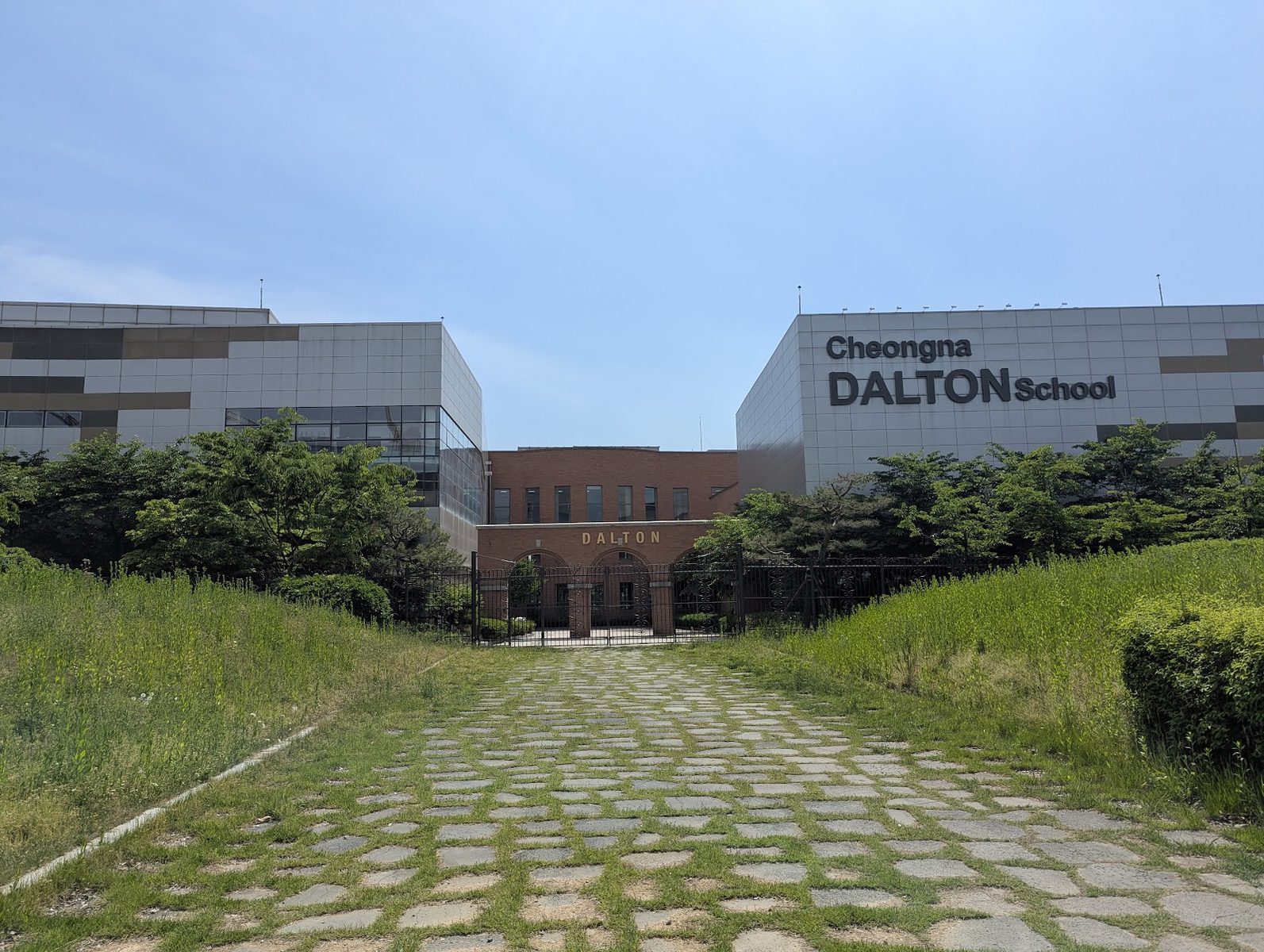
Cheongna Dalton School
Incheon · South Korea
Inside Incheon's Free Economic Zone, a Dalton Plan campus pairs House-Assignment-Laboratory pedagogy with its own equestrian field.
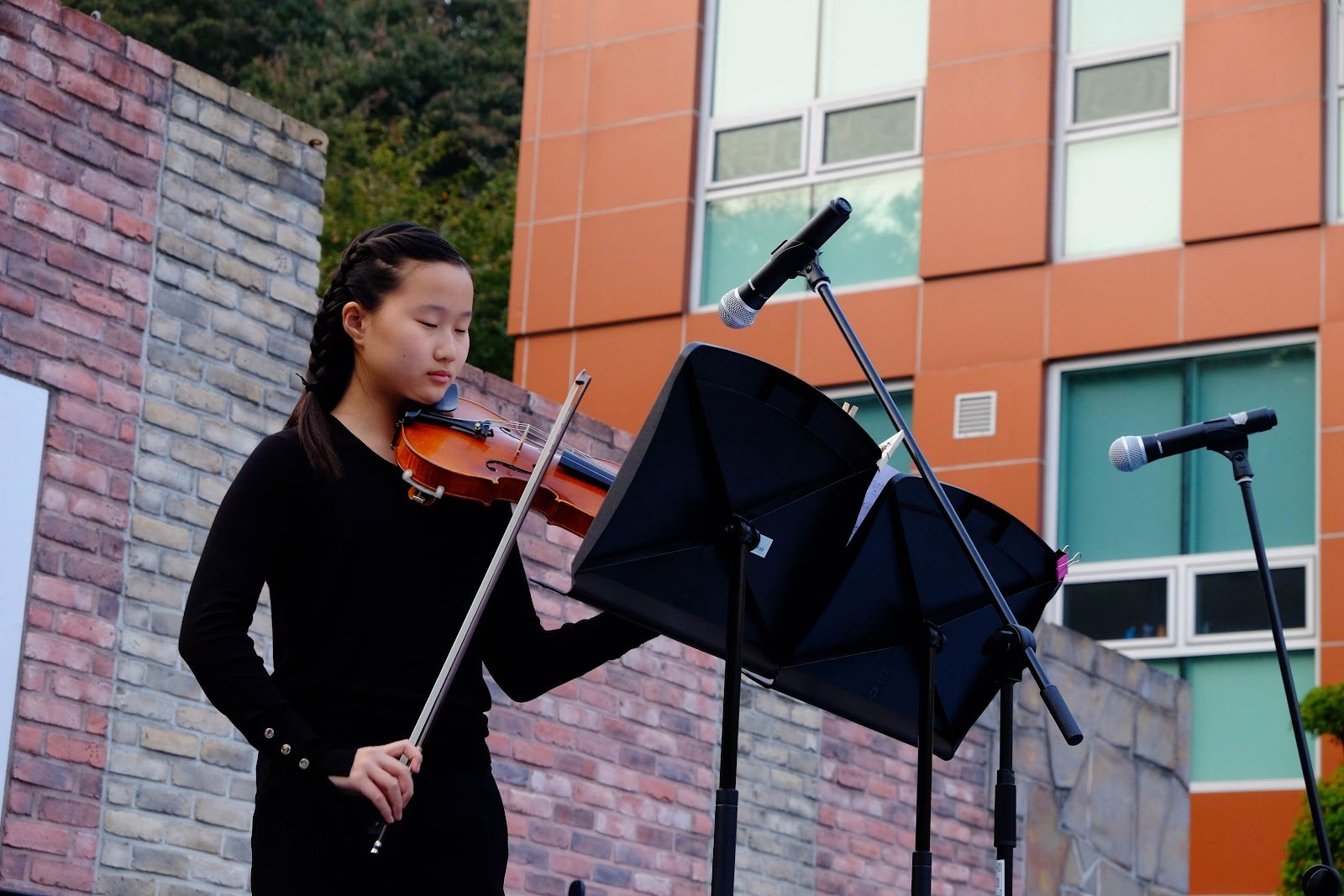
Yongsan International School of Seoul
Seoul · South Korea
Its Guardians mascot honors Admiral Yi Sun-sin, anchoring an American, faith-rooted curriculum in Itaewon's fifty-nation community.
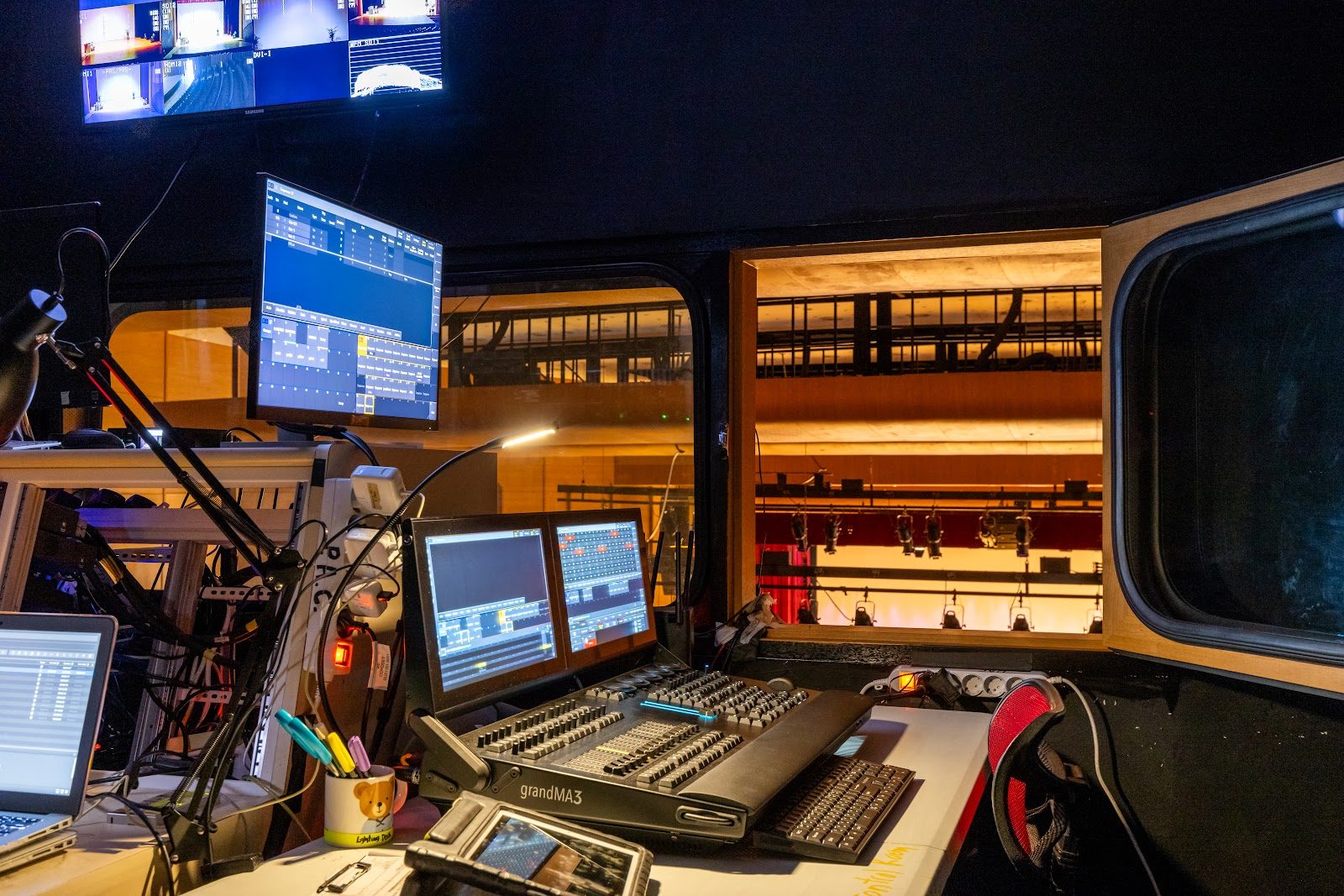
Branksome Hall Asia
Seogwipo · South Korea
Toronto's 1903 Branksome Hall lineage anchors Jeju's only full-continuum IB school, complete with Clan houses and an on-campus ice rink.
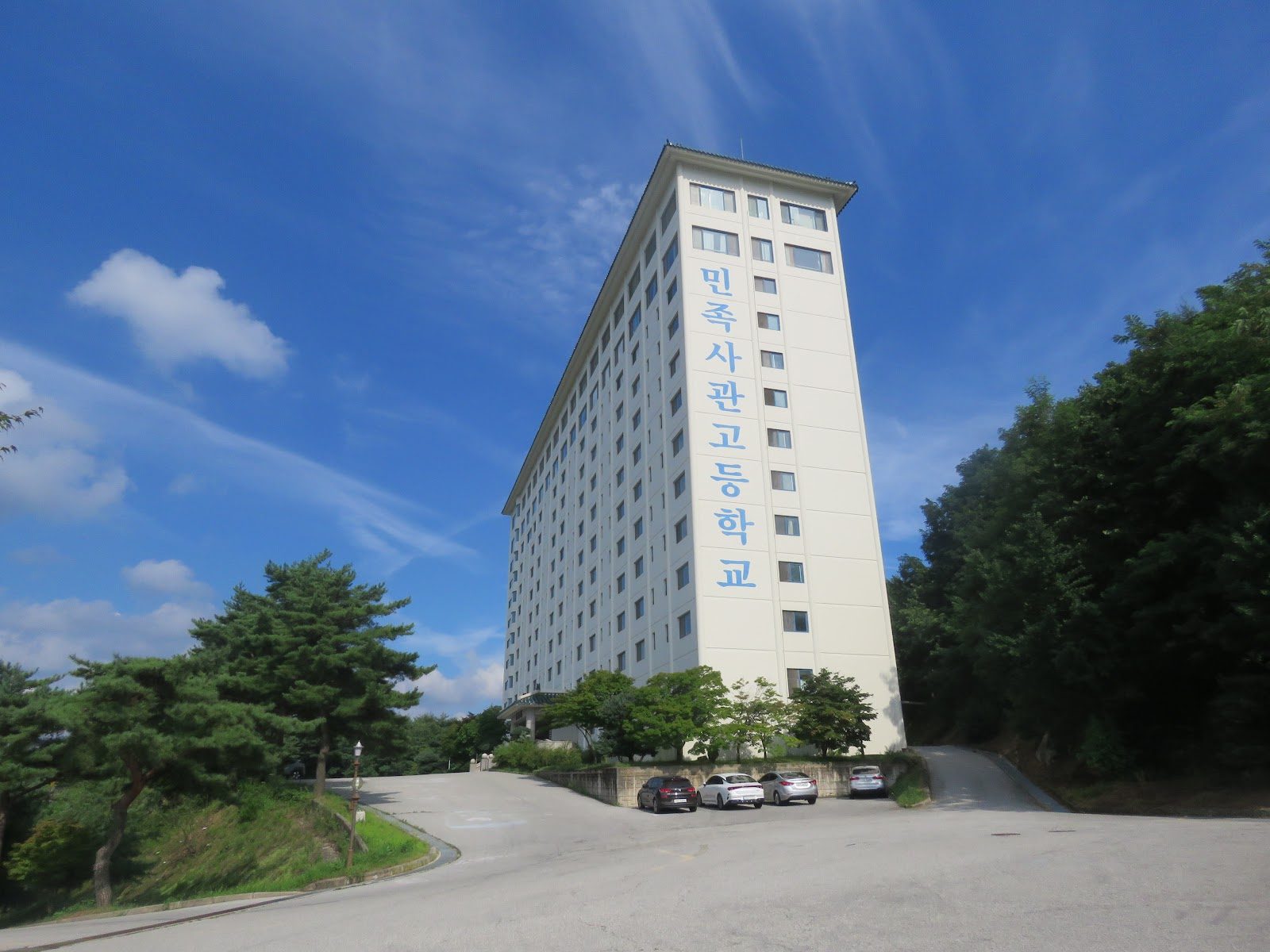
Korean Minjok Leadership Academy
Hoengseong · South Korea
On a Gangwon mountainside, hanbok-uniformed students hold English-only seminars, chasing an IB curriculum built to rival Eton.
Same country and curriculum — closest matches within ±10 points either way