
District 2
American International School Ho Chi Minh City
low confidence· 4/6 cats · 1.2 avg sourcesSouth of Saigon in Nha Be, an American curriculum anchors a student body that is nine in ten Vietnamese by heritage.
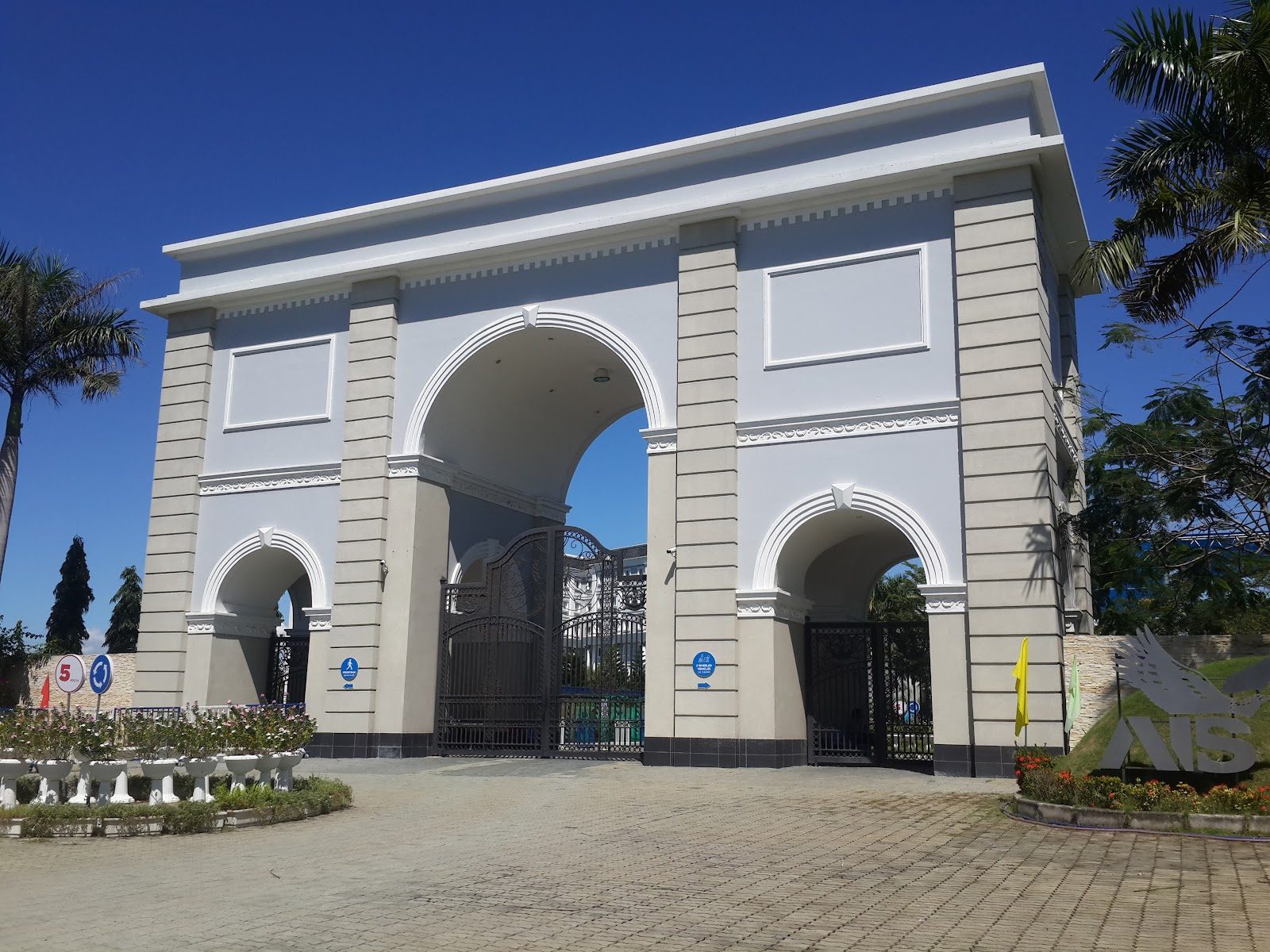
Photo © Phạm Minh Vương via Google Maps
Type
Day
Ages
3–18
Curriculum
American
Qualifications
AP · US High School Diploma
Ratio
—
The Verdict
Editor's commitment
Right for
Families already resident in Ho Chi Minh City who want an American curriculum option and are willing to do rigorous, up-to-date due diligence on the school's current stability before committing.
Wrong for
Risk-averse families seeking a financially secure, long-established institution with predictable multi-year continuity and no recent governance controversy.
Watch out for
The 2023-2024 tuition-prepayment scandal and founder's arrest caused unpaid staff and parent protests; confirm the school's present financial and operational status before enrolling.
Ranking breakdown
American International School Ho Chi Minh City · #1314 of 1591
Composite score 55.4. 8 weighted criteria.
By criterion
Academic Outcomes
Weight 20%
#1279
of 1529 scored
University Placement
Weight 16%
#1259
of 1529 scored
Prestige & Heritage
Weight 12%
#1320
of 1529 scored
Alumni Network
Weight 12%
#1202
of 1529 scored
Facilities
Weight 12%
#1199
of 1529 scored
Transparency & Communications
Weight 8%
#1245
of 1529 scored
Peer & Industry Review
Weight 10%
#1339
of 1529 scored
Admissions Selectivity & Demand
Weight 8%
#1205
of 1529 scored
Peer & Industry Review
How American International School Ho Chi Minh City is regarded in the sector
5
No signal · high confidence
American International School Vietnam (AISVN) is now defined in the sector almost entirely by its collapse rather than any pedagogical reputation. VnExpress International reported the school was officially dissolved by Ho Chi Minh City authorities after "months of financial controversy involving over US$100 million raised from parents" and the arrest of its chairwoman, following a year-long suspension from July 2024 for failing financial and staffing requirements. Independent teacher and parent reviews on International School Advisor describe extreme staff turnover, unpaid salaries, cancelled healthcare and parents protesting unrepaid loans, corroborating the wider Vietnamese press narrative of mismanagement rather than academic standing. No WhichSchoolAdvisor verdict or comparable specialist review exists, and the institution no longer operates, leaving essentially no positive peer or industry reputation to speak of.
Evidence sources
Editors' overview
American International School Ho Chi Minh City is a relatively young entrant by local market standards, founded in 2006, but it has carved out a clear identity in a crowded city: an English-medium, non-religious, day school in Thao Dien offering an American curriculum with a distinctly AP-facing upper school. That matters because many international schools in Ho Chi Minh City still tilt more heavily towards the IB or a broader hybrid model; AIS’s appeal is narrower and more legible. For families who want a US-style academic structure from ages 3–18, with progression towards Advanced Placement rather than the International Baccalaureate, it is one of the cleaner fits in the city. Its accreditation base — WASC and EARCOS — gives it the expected international-school legitimacy, if not unusual distinction.
What puts AIS on a shortlist is less romance than clarity. It knows what it is. The school’s strongest market position is with internationally mobile families, especially those anticipating a return to North America or wanting a familiar American classroom culture in Vietnam. In a sector where some schools can feel overstated or strategically vague, AIS presents a more straightforward proposition: English-language instruction, a US curriculum, and an AP-focused route for older students. For parents, that can be reassuringly practical. For the right child, it may also feel less ideologically loaded than schools built around a single, all-encompassing diploma model.
The student most likely to thrive here is one who does well with continuous assessment, class participation, and a broad American-style school experience rather than a narrowly exam-driven system. It should also suit families seeking a settled, community-oriented environment in Thao Dien without the historical baggage or institutional sprawl of some of the city’s older names. AIS is not the obvious choice for parents specifically chasing a British curriculum, a boarding offer, or the cachet of long-established legacy schools. But for a student who wants an American education in English, in a fast-moving and internationally connected part of Ho Chi Minh City, it is a serious contender rather than a compromise.
Academic Performance
AIS Ho Chi Minh City is an AP-focused American school rather than an IB or A-level shop, so the most meaningful external benchmark is its Advanced Placement profile. The school says students completed 530 AP exams in 2024, with 80% scoring 3 or higher and an average score of 3.64. It also reports a top score of 5 in 31% of papers. Those figures indicate a credible but not exceptional AP performance: comfortably above a weak pass-rate story, but not yet in the bracket of the region’s most academically selective American schools, where larger AP cohorts and higher proportions of 4s and 5s are more typical. As with many fast-expanding schools, scale and access matter here: broad AP participation can dilute averages, but it also suggests a programme not reserved for a tiny elite.
Relative to peers in Ho Chi Minh City, AIS sits as a solid upper-middle performer rather than an exam powerhouse. Its results look respectably competitive for a school founded only in 2006 and still comparatively young by local international-school standards, especially if read alongside its US-curriculum positioning rather than against highly selective exam-driven institutions. The key limitation is disclosure: without fuller trend data over several years, subject-by-subject breakdowns, or SAT/ACT context, it is hard to argue for top-tier academic dominance. Still, the available AP data points to a school with genuine academic substance, if not one setting the city’s benchmark for external examination results.
Facilities
AIS HCMC’s campus in Thao Dien is compact by the standards of the city’s older international schools, but it is sensibly organised and unusually well-equipped for a school founded only in 2006. The headline assets are the sports and performance spaces: a 25m six-lane swimming pool, two indoor gymnasiums, outdoor football and multi-use courts, plus a 600-seat theatre that gives the school a stronger performing-arts platform than many similarly sized US-curriculum competitors. Specialist teaching spaces are another strength, with dedicated science labs, design and technology rooms, art studios and music rooms supporting an AP-focused secondary experience. For younger pupils, early years classrooms and play areas are designed as distinct spaces rather than an afterthought, which matters on an urban day-school campus. Overall, the provision feels well judged rather than lavish, modern without being showy.
Against HCMC peers, AIS does not have the sheer acreage or resort-like sprawl of the city’s biggest green-field campuses, and families wanting vast outdoor space will notice that constraint. But in practical terms, the school compares *better than expected for a relatively young campus: indoor sports are particularly strong, the theatre is a genuine differentiator, and the specialist rooms are above the minimum one might expect* from a fast-growing international school. The balance is sensible: enough breadth to serve students from ages 3–18, without the underused grandiosity sometimes seen elsewhere.
On the evidence available, probably competent rather than distinctive
Prestige
Prestige here is best understood as rising rather than inherited. Founded in 2006, AIS Ho Chi Minh City is a relatively young school by international-school standards, so it does not carry the deep institutional aura of the city’s older, more established names. That said, prestige in this market is not only about age; it is also about credibility, consistency and where a school sits in parents’ shortlists. On those measures, AIS has built a *serious and increasingly visible reputation*, helped by its clear American orientation, English-medium teaching, and recognised accreditation through WASC and EARCOS. For families specifically seeking a US-style pathway rather than IB or British alternatives, that gives it practical prestige: it is known for a defined offer, not a vague international blend.
The school’s standing is also tied to location and growth. In Thao Dien, where much of Ho Chi Minh City’s international-school competition is concentrated, visibility matters, and AIS has become a credible contender in a crowded field. Still, this is not the kind of prestige that rests on century-old legacy, a highly selective admissions mythology, or an elite boarding tradition; it is earned prestige, based more on momentum and market confidence than on old-world status. Our rating is therefore solid but measured: respected, increasingly sought after, and clearly established among the city’s international options, but not yet in the category of unquestioned top-tier cachet that only a handful of longer-entrenched schools command.
Its accreditation base — WASC and EARCOS — gives it the expected international-school legitimacy, if not unusual distinction
Communications
AIS HCMC appears to run parent communications in the standard contemporary international-school way: a central website, regular school updates, and the sort of digital channels families now expect from a fast-growing day school. For a school founded in 2006, serving ages 3–18 in English, that matters: parents are not buying into long institutional memory so much as a system that must keep pace as the school expands. The likely strength here is clarity of audience — one school, one language of instruction, one broadly American framework — which usually makes messaging more straightforward than in more fragmented schools. Its Thao Dien setting and day-school model should also help: parents are physically closer to campus life, which tends to support frequent, practical communication rather than overly formal reporting.
How effective is it? On the evidence available, probably competent rather than distinctive. The school’s accreditations — WASC and EARCOS — suggest a baseline expectation of organised reporting, parent information flows and administrative consistency, but accreditation alone does not prove warmth, speed or transparency in difficult moments. I would therefore judge communications as likely efficient in routine matters — calendars, events, academic updates, notices — but with no basis here to claim they are exceptional. For international parents, that still has value: a younger school can sometimes be *more responsive than tradition-bound competitors*, provided systems are properly staffed and leadership communicates plainly. The absence of extravagant claims is, in this case, almost reassuring.
Uniqueness
AIS Ho Chi Minh City is unusual in the city for combining a plainly American school model with a strong Advanced Placement tilt rather than the IB route taken by many competitors. For families who want a US-style pathway in English from early years to graduation, that makes it a clearer proposition than schools trying to straddle several systems at once. Founded in 2006, it is also one of the younger established international schools in Ho Chi Minh City, which shows in a campus culture that feels less encumbered by legacy and often more willing to adapt quickly as enrolment grows. Being a day school for ages 3–18 also gives it a continuous, all-through structure that can suit expatriate and locally based international families looking for consistency rather than repeated school transitions.
What this brings to students is fairly practical. An AP-focused American curriculum tends to reward subject depth, regular assessment and direct preparation for universities familiar with US transcripts and course rigor. In the right hands, that can be a usefully transparent academic pathway: pupils and parents usually know what is being measured and why. AIS’s positioning in Thao Dien further matters because it places the school within one of the city’s main expatriate residential hubs, which can support a socially international student body and easier daily logistics. Its relative youth may not appeal to families seeking old-school tradition, but it can translate into a more contemporary fit for students who prefer a school still shaping itself rather than preserving inherited habits.
For the right child, it may also feel less ideologically loaded than schools built around a single, all-encompassing diploma model
Student Profile
AIS HCMC is likely to suit families who want an English-medium, American-style education without the scale or established social hierarchies of some of the city’s older international schools. Founded in 2006, it is still a comparatively young school, and that tends to appeal to internationally mobile families who value a less entrenched atmosphere, relative accessibility, and *room for newer students to find their place quickly*. With ages running from 3–18, it offers a through-school experience that will suit parents looking for continuity rather than a series of separate school moves. Students who do well here are usually comfortable in a broadly US-style academic setting and willing to make use of an AP-focused pathway in the upper years.
The best fit is likely to be children who are confident learning in English and who do not need the traditions, rituals or cachet of a much older institution. This is a day school, so it is naturally strongest for families already based in Ho Chi Minh City, particularly those wanting a practical all-through option in the Thao Dien area. Pupils who thrive tend to be those who are socially adaptable, open to a still-evolving school culture, and comfortable in a community that appears growth-oriented rather than fully settled. Less suited are families seeking deep-rooted heritage, a highly selective old-guard environment, or boarding provision.
AIS is not the obvious choice for parents specifically chasing a British curriculum, a boarding offer, or the cachet of long-established legacy schools
Co-curricular strengths
Arts & sport, on a separate axis
Scored 0-10 from the school's own published evidence. This axis is editorial-only — it does not feed the main WTS ranking.
Sports
—
Drama
—
Dance
—
Music
—
Visual Arts
—
Editor first-pass · editor-reviewable · 7/30/2026
Strengths
- +Offers a full American curriculum from pre-kindergarten through Grade 12 in Ho Chi Minh City, giving continuity for expatriate families staying long-term.
- +Located in the Thu Duc/District 2 corridor alongside several other international schools, simplifying comparison shopping for relocating parents.
- +Provides Advanced Placement coursework, giving students a US-recognised pathway toward university applications.
- +Has operated in the city for close to two decades, giving it longer local name recognition than many newer entrants.
Considerations
- −The school suffered a severe financial crisis in 2023-2024, including unpaid teacher salaries and disrupted classes, linked to a prepaid tuition scheme.
- −Its founder and major shareholder was investigated and detained by Vietnamese authorities over alleged fraud connected to the tuition prepayment scandal.
- −Significant teacher and student attrition followed the crisis, raising questions about staffing continuity and institutional stability.
- −As a privately owned, for-profit school, its financial structure has proven more vulnerable than that of longer-established nonprofit international schools in the city.
Availability
Primary entry gate & tests
Academic Record
Gallery
Photo © Phạm Minh Vương via Google Maps
Photo © Hoàng Duy Hồ via Google Maps
Photo © THONG VICTOR via Google Maps
Photo © THONG VICTOR via Google Maps
Photo © THONG VICTOR via Google Maps
Parent reviews
Have you sent your child here?
Voice reviews carry the strongest trust badge — we transcribe them for you to tidy up before they go live. Prefer to type? A written review is fine too.
Add your voice
In 60 seconds, tell other parents: what's the best thing about American International School Ho Chi Minh City, and what surprised you when your child joined?
We ask for a Google sign-in so every review has a real face behind it — no anonymous drive-by attacks on schools, and no faked positive reviews. Your email is never shown publicly.
Send this profile to a friend
International parents rely on word-of-mouth. Share this review with someone weighing the same decision.
Schools with places
Similar schools to American International School Ho Chi Minh City with places available now.
Availability first, then country, area, curriculum, price, co-curricular
Consider also
Also worth looking at alongside American International School Ho Chi Minh City.
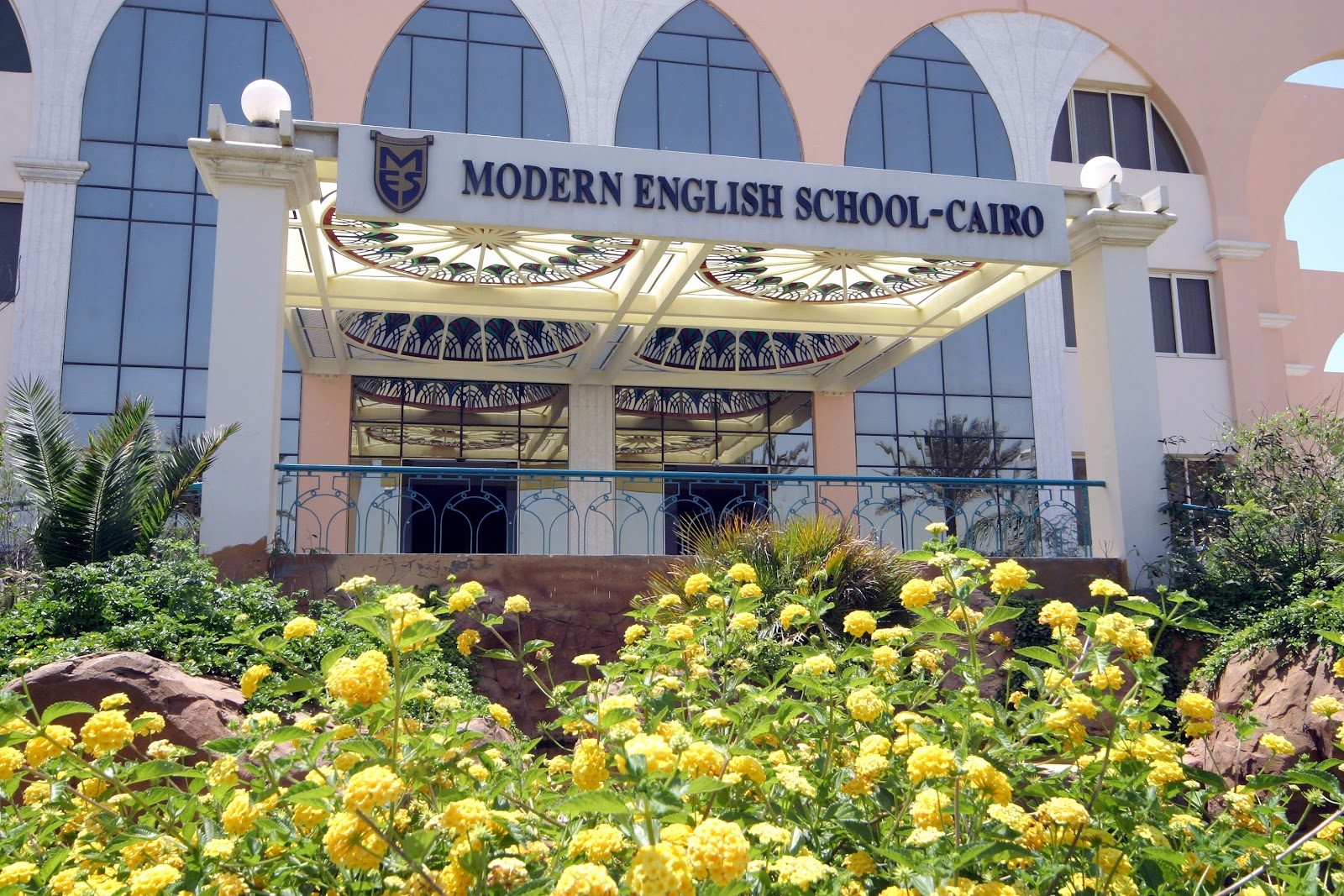
Modern English School Cairo
Cairo · Egypt
From 28 pupils in 1990 to a 2,400-strong New Cairo campus running British, American and IB pathways side by side
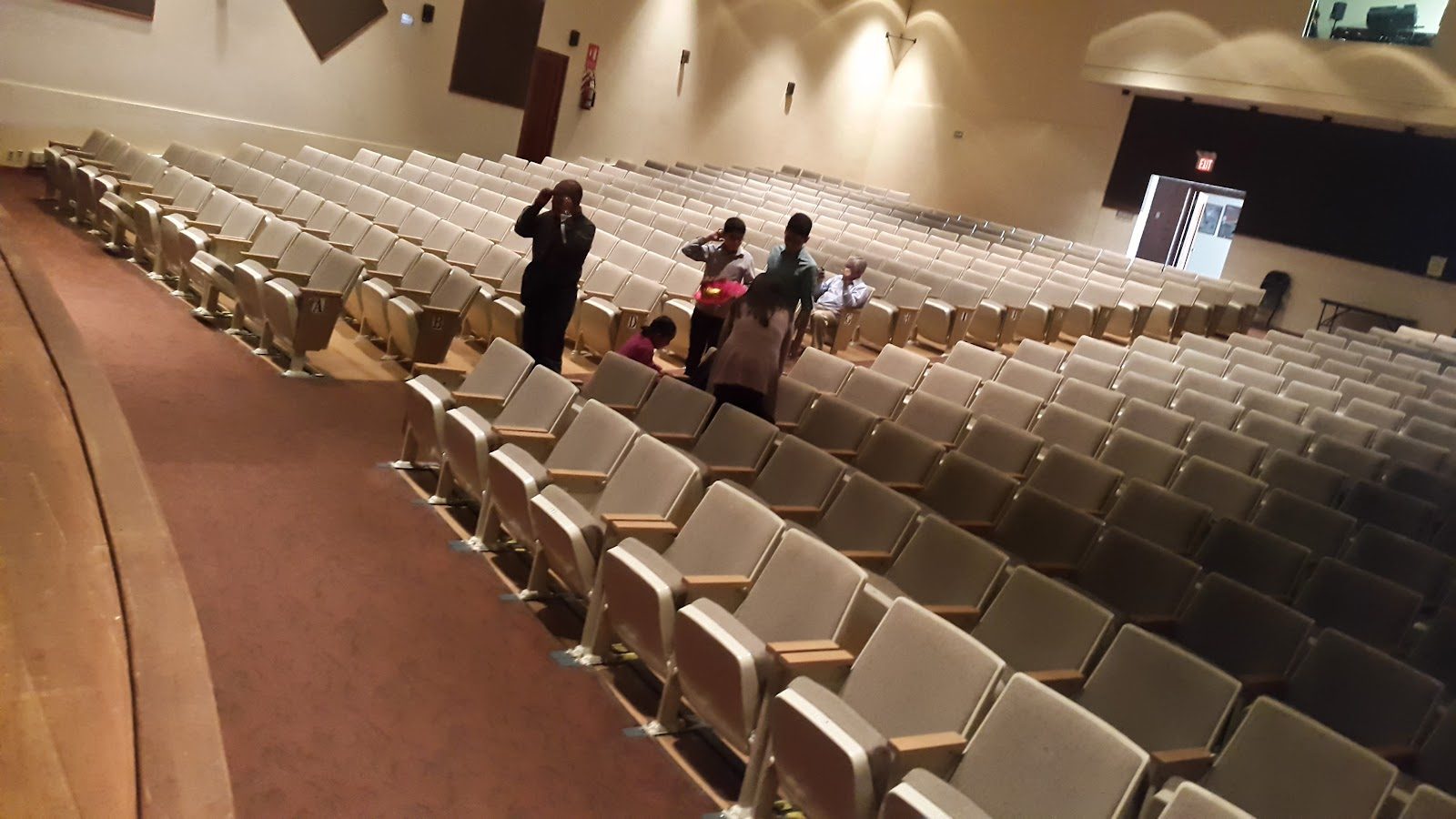
American Cooperative School La Paz
La Paz · Bolivia
High in the Andes, this US-curriculum day school pairs AP rigor with an observatory and Bolivia's largest English-language library.
International Community School of Abidjan
Abidjan · Côte d'Ivoire
Sponsored by the U.S. Embassy, this PreK-12 Riviera III campus pairs an American curriculum with an IB Diploma track for over 60 nationalities.
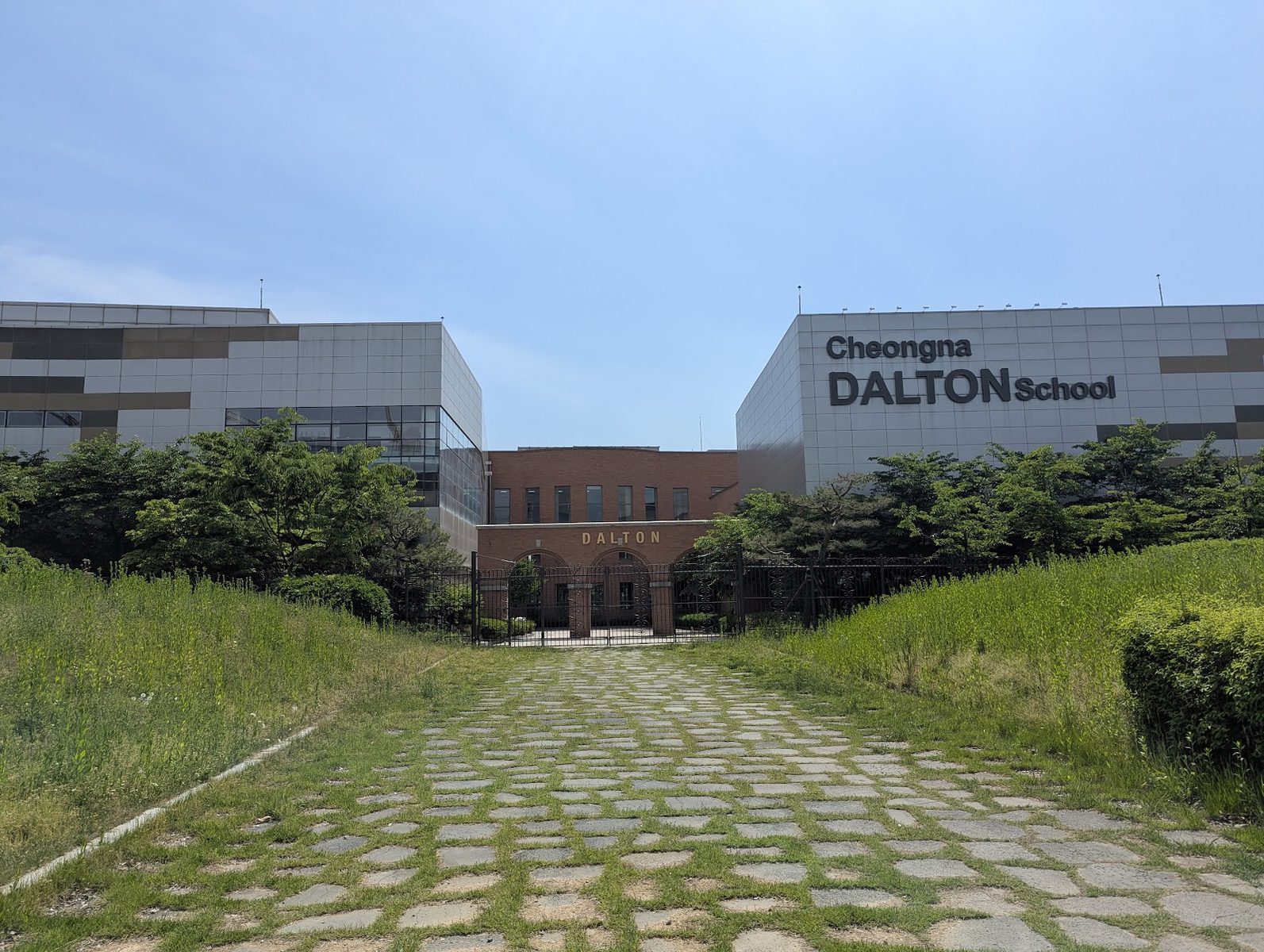
Cheongna Dalton School
Incheon · South Korea
Inside Incheon's Free Economic Zone, a Dalton Plan campus pairs House-Assignment-Laboratory pedagogy with its own equestrian field.
Same country and curriculum — closest matches within ±10 points either way