North Carolina
Charlotte Latin School
low confidence· 2/6 cats · 2.33 avg sourcesNamed for Boston Latin's liberal-arts tradition, this 128-acre Charlotte campus pioneered Raspberry Pi and Oculus Rift classrooms.
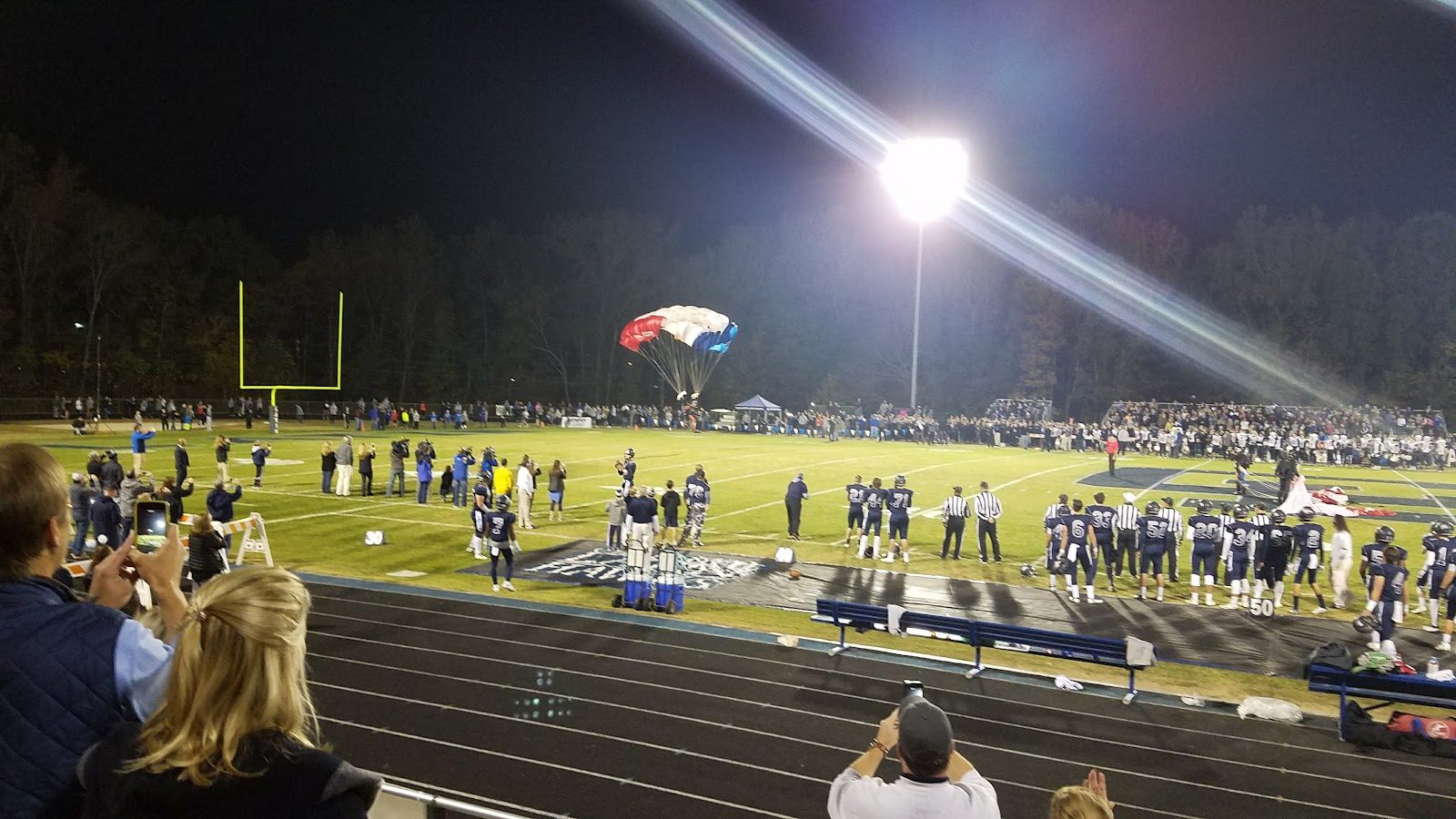
Photo © Elizabeth Edwards via Google Maps
Type
Day
Ages
4–18
Curriculum
American
Qualifications
AP
Ratio
9:1
The Verdict
Editor's commitment
Right for
Families wanting a serious American day school: Charlotte Latin runs TK–12 on 128 acres with a 9:1 student-teacher ratio.
Wrong for
Anyone seeking boarding, religious formation or bargain tuition; this non-sectarian day school charges an average annual fee of $32,975.
Watch out for
Founded in 1970 and accredited by SACS, SAIS and North Carolina DPI, Latin has scale and polish; public academic outcome data remain thin.
Ranking breakdown
Charlotte Latin School · #488 of 1591
Composite score 69.2. 8 weighted criteria.
By criterion
Academic Outcomes
Weight 20%
#668
of 1529 scored
University Placement
Weight 16%
#584
of 1529 scored
Prestige & Heritage
Weight 12%
#608
of 1571 scored
Alumni Network
Weight 12%
#338
of 1530 scored
Facilities
Weight 12%
#569
of 1533 scored
Transparency & Communications
Weight 8%
#515
of 1532 scored
Peer & Industry Review
Weight 10%
#604
of 1548 scored
Admissions Selectivity & Demand
Weight 8%
#647
of 1529 scored
Peer & Industry Review
How Charlotte Latin School is regarded in the sector
69
Respected · medium confidence
Within North Carolina's independent-school hierarchy, Charlotte Latin is consistently ranked alongside Cannon School and slightly behind Charlotte Country Day School and Providence Day School, the two institutions most frequently cited by regional heads and admissions consultants as the city's top-tier options. University admissions offices in the Southeast recognise the Charlotte Latin name reliably but without the automatic cachet attached to its two local rivals' longer track records of highly selective placements. Independent education press coverage is thin compared with nationally profiled schools; it rarely features in outlets such as the Good Schools Guide or WhichSchoolAdvisor, which focus chiefly on UK and international markets, and it is largely absent from national newspaper league tables, which do not typically cover US day schools at this tier. Its reputation is essentially regional: well regarded within Mecklenburg County and the wider Charlotte metro, but with limited visibility at national forums such as NAIS beyond routine institutional membership.
Editors' overview
A 128-acre campus in Charlotte gives Charlotte Latin room to do more than deliver a standard college-prep routine, and the school has used that scale with intent. This is a non-sectarian day school for ages 4 to 18, founded in 1970, teaching the American curriculum in English, with a 9:1 student-teacher ratio that signals serious staffing rather than crowd management. The school’s own language leans heavily on curiosity, leadership and honour; stripped of brochure gloss, the core proposition is clear enough: strong academics, close adult attention and a deliberate focus on character. The editorial tagline’s reference to Raspberry Pi and Oculus Rift classrooms matters because it points to a school willing to invest in applied, contemporary learning rather than resting on old independent-school rituals.
That combination gives Charlotte Latin a distinct place in the Charlotte market. It is expensive, with an average annual fee of $32,975 across TK through Grade 12, so parents are buying a premium day-school experience and should expect substance in return. The accreditations are solid rather than exotic: the Southern Association of Colleges and Schools, the Southern Association of Independent Schools, and the North Carolina Department of Public Instruction. What stands out more than the badges is the shape of the school itself: about 1,500 students, a full TK–12 ladder, and enough scale to support breadth without drifting into anonymity. Parents who want tiny and intimate will find it large; parents who want a well-resourced, all-through school with a broad runway for academic, co-curricular and leadership development will find a strong fit.
The child who thrives here is bright, busy and comfortable in an environment that expects both performance and conduct. Charlotte Latin talks openly about moral courage, personal responsibility and honour above all; that reads as a school with standards, not a laissez-faire campus. It will suit students who want challenge, structure and opportunities to lead, and whose families value a serious academic culture without a religious frame. It is less suited to children who need a very alternative, highly permissive or deliberately unconventional school atmosphere. For the right student, Charlotte Latin earns a shortlist place because it pairs scale with individual attention, tradition with modern teaching tools, and a clear-eyed college-prep mission with enough ambition to feel worth the price.
Academic Performance
Charlotte Latin calls itself college preparatory, but public academic reporting is thin. We have not seen aggregate SAT or ACT averages, AP participation rates, AP score distributions, National Merit counts, or university destination data in the public domain. That matters. In the American independent-school market, serious college-prep schools that produce standout external results often publish at least some hard outcome measures. Charlotte Latin does not, so parents cannot benchmark it cleanly against Charlotte Country Day, Providence Day, or other selective day schools on published examination evidence alone. The signal here rests less on disclosed results than on institutional structure: a full all-through school, low staffing ratio, and a student body of about 1,500 give it the capacity for broad subject choice and sustained academic support. Capacity, though, is not the same as proof.
That places Charlotte Latin in a strong but opaque bracket academically. Nothing in the public record points to weak standards; equally, nothing published lets the school claim a results-led position among top regional peers. The recent school news items do show individual high achievement — an all-state honours band place, a state science and engineering fair success, students leading a Words Matter workshop — but those are anecdotal indicators, not cohort-level academic data. For families who want a clear-eyed picture of examination performance, Charlotte Latin needs direct questions in admissions: AP course breadth, average AP scores, testing norms, merit distinctions, and university outcomes over several years.
Facilities
The campus is the facilities story. At 128 acres, Charlotte Latin has room that many urban day-school peers do not: room for proper athletics provision, room to separate lower, middle and upper school activity without compressing everything into one overworked block, and room for specialist teaching spaces that support a full all-through programme. The most telling detail is not a glossy theatre or a showpiece atrium; it is the school’s early use of Raspberry Pi and Oculus Rift classrooms, which points to a serious willingness to fund applied technology rather than treating innovation as a slogan. Against peer independents, that puts Latin in the well-equipped, forward-foot bracket. This is not a cramped city campus making excuses for limited space.
What we have not seen is a detailed public inventory of standout facilities by department: no hard list of labs, performance venues, aquatics, design spaces or major athletic assets. That weakens the school’s case against rivals that publish their physical plant with precision. Even so, the combination of scale, staffing and enrolment gives Charlotte Latin the feel of a heavily resourced operation rather than a boutique school with selective strengths. Parents comparing it with other premium Charlotte day schools should expect breadth first, spectacle second: a campus built to sustain daily use across age groups, with enough specialist capacity to feel substantial rather than decorative. The broad judgement is clear: facilities are a competitive strength, even if the public presentation lacks detail.
Nothing in the public record points to weak standards; equally, nothing published lets the school claim a results-led position among top regional peers
Prestige
Charlotte Latin has real local standing, but this is not the kind of school whose name alone carries instant international weight. Its prestige rests on market position, selectivity implied by price and scale, and the social confidence that attaches to an established independent day school with a full through-school structure. In Charlotte, that matters. Families buying into an average annual fee of $32,975 are not paying for anonymity; they are paying for access to a well-known peer group, a substantial programme, and the reputational comfort of a school that sits securely inside the city’s private-school hierarchy. The low 9:1 staffing ratio reinforces that status because it signals investment at a level many schools cannot match.
Why not rate it higher on pure prestige? Because the public case is less glittering than the strongest brand-name independents. We have not seen the kind of disclosed outcomes, headline university placements, or nationally distinctive academic profile that convert local esteem into top-tier cachet. The school projects confidence around leadership, honour and intellectual ambition, and the breadth implied by a student body of about 1,500 helps sustain that image. But prestige in this sector depends on hard external proof as well as polished identity. Charlotte Latin clears the first bar comfortably. On the second, it remains impressive but not commanding.
Charlotte Latin’s uniqueness lies in that combination: serious standards, modern tools, and enough institutional heft to make both credible
Communications
Charlotte Latin communicates like a school that expects parents to stay engaged. The public-facing site is active, easy to navigate and updated with a steady stream of school news, from arts honours to science competition success and student-led conference work. That matters because stale websites usually signal slack parent communications behind the scenes too. Here, the signal is the opposite: the school publishes fresh items across divisions, keeps core institutional pages current, and gives parents clear entry points to admissions, leadership, values and strategic priorities. For a school charging an average of $32,975 a year, that is the minimum standard; Charlotte Latin clears it with professional, orderly competence.
The limitation is depth. The school communicates culture and activity better than it communicates hard outcomes. Parents get a strong sense of ethos, student life and the kind of character language the school takes seriously, but not the full academic dashboard that an exacting family will want. We have not seen published aggregate testing data, AP score distributions or destination lists, and that leaves a real blind spot in the relationship between school and parent. In other words, Charlotte Latin is good at telling families what pupils are doing and what the school values; it is weaker at showing, in hard-edged terms, what the whole institution produces. Effective day-to-day communication, then, sits alongside selective transparency. For many families that will suffice. For rigorous consumers, it will not.
Uniqueness
Charlotte Latin’s distinguishing feature is the way it joins old-school moral language to tangible investment in modern teaching. Plenty of American independents talk about leadership and character; fewer pair that rhetoric with evidence of technical experimentation inside ordinary classrooms. The Raspberry Pi and Oculus Rift reference matters because it signals a school that has tried to push digital and applied learning beyond the computer lab. For students, that mix can be powerful: a culture that insists on responsibility and honour, delivered in an environment that does not treat innovation as a threat to tradition. The result is a school with a disciplined but not antiquated identity.
Its other point of difference is scale used with purpose. A campus of 128 acres and an enrolment of about 1,500 give Latin enough mass to offer breadth, but the low adult-to-student structure stops that breadth tipping into impersonality. Students get the advantages of a substantial independent school — deeper co-curricular range, more leadership posts, more room for specialist interests to develop — without the anonymous feel that larger institutions can create. That benefits ambitious, energetic children who want a full-spectrum school life rather than a narrow academic lane. It benefits them less if they need a highly alternative setting or a culture with softer edges. Charlotte Latin’s uniqueness lies in that combination: serious standards, modern tools, and enough institutional heft to make both credible.
That combination gives Charlotte Latin a distinct place in the Charlotte market
Student Profile
The pupils who fit best here are able, organised and happy being occupied from morning to late afternoon without falling apart. This is not a school for drifters. The school’s own language centres on curiosity, leadership, personal responsibility and honour, and that points to children who can handle expectation without constant coaxing. With about 1,500 students across the full age range, Charlotte Latin offers enough scale for many social and academic lanes, but it still reads as a place where adults will notice poor judgement, weak effort or slack conduct. Students who thrive in high-functioning, rule-conscious environments will do well. So will children who like to take part: music, competitions, workshops, service, committees, teams. A quiet student can flourish here; a disengaged one will have a harder time.
The best fit is a family that wants stretch without chaos and values character as much as attainment. Children drawn to structure, deadlines and visible standards will find a serious, purposeful culture. Those who need a very loose atmosphere, a strongly countercultural peer group or a school that treats conformity lightly will not enjoy it. The low staffing ratio of 9:1 supports close oversight, which benefits pupils who use adult guidance well and removes hiding places for those who prefer to coast. In social terms, this is a polished, ambitious independent-school crowd, and parents need to be comfortable with that tone as well as the price.
The child who thrives here is bright, busy and comfortable in an environment that expects both performance and conduct
Co-curricular strengths
Arts & sport, on a separate axis
Overall 9.3/10
Scored 0-10 from the school's own published evidence. This axis is editorial-only — it does not feed the main WTS ranking.
Sports
9.5/10
Drama
9.2/10
Dance
9/10
Music
9.3/10
Visual Arts
9.5/10
Strengths
- +American college-preparatory curriculum, clear for US university routes.
- +Serves ages 5–18, allowing one-school continuity.
- +Non-religious ethos may suit secular international families.
- +Notable football, lacrosse and swimming programmes.
Considerations
- −Day school only; no boarding for overseas families.
- −English-only instruction may limit non-native speakers.
- −American curriculum may not suit British or IB seekers.
Availability
Primary entry gate & tests
ISEE/SSAT + Interview
Gallery
Photo © Zachary Warmath via Google Maps
Photo © Joe Hunter via Google Maps
Photo © Joe Hunter via Google Maps
Photo © Joe Hunter via Google Maps
Photo © Michael Yushchenko via Google Maps
Parent reviews
Have you sent your child here?
Voice reviews carry the strongest trust badge — we transcribe them for you to tidy up before they go live. Prefer to type? A written review is fine too.
Add your voice
In 60 seconds, tell other parents: what's the best thing about Charlotte Latin School, and what surprised you when your child joined?
We ask for a Google sign-in so every review has a real face behind it — no anonymous drive-by attacks on schools, and no faked positive reviews. Your email is never shown publicly.
Send this profile to a friend
International parents rely on word-of-mouth. Share this review with someone weighing the same decision.
Schools with places
Similar schools to Charlotte Latin School with places available now.
Belmont Hill School
Belmont · United States
- 2026-27
- CLOSEDRegular cycle
- 2027-28
- PLACES OPENApplication route live
Pine Crest School
Fort Lauderdale · United States
- 2026-27
- CLOSEDRegular cycle closed
- 2027-28
- OPENS SOONOpens Sept '26
Grace Church School
New York City · United States
- 2026-27
- CLOSEDConfirmed full
- 2027-28
- OPENS SOONOpens post-Labor Day '26
Episcopal High School
Alexandria · United States
- 2026-27
- CLOSEDRegular cycle closed
- 2027-28
- OPENS SOONOpens Sept '26
Availability first, then country, area, curriculum, price, co-curricular
Consider also
Also worth looking at alongside Charlotte Latin School.
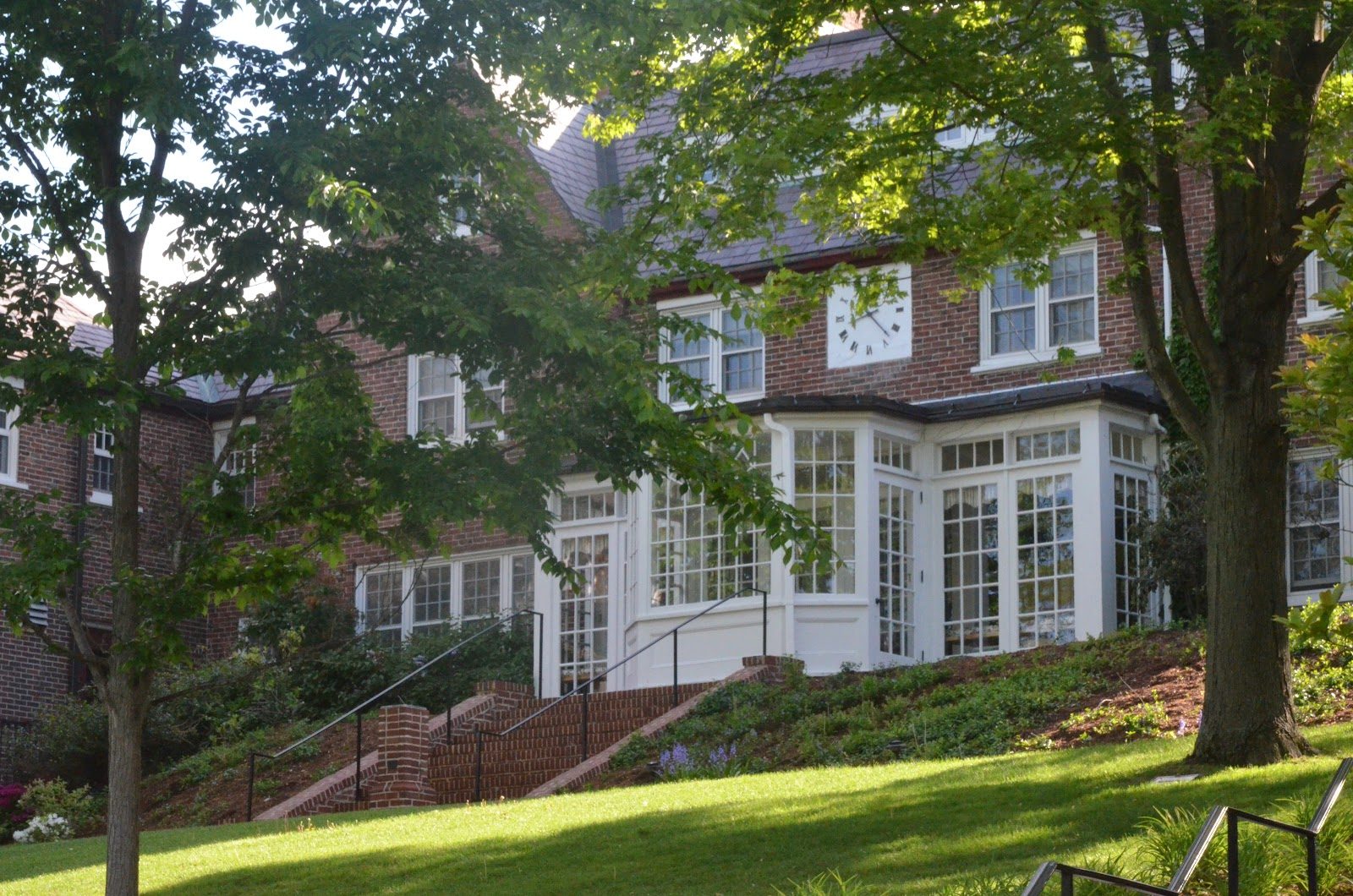
Belmont Hill School
Belmont · United States
A hilltop day school outside Boston, where jacket-and-tie ritual and family-style lunch anchor a century-old all-boys formation.
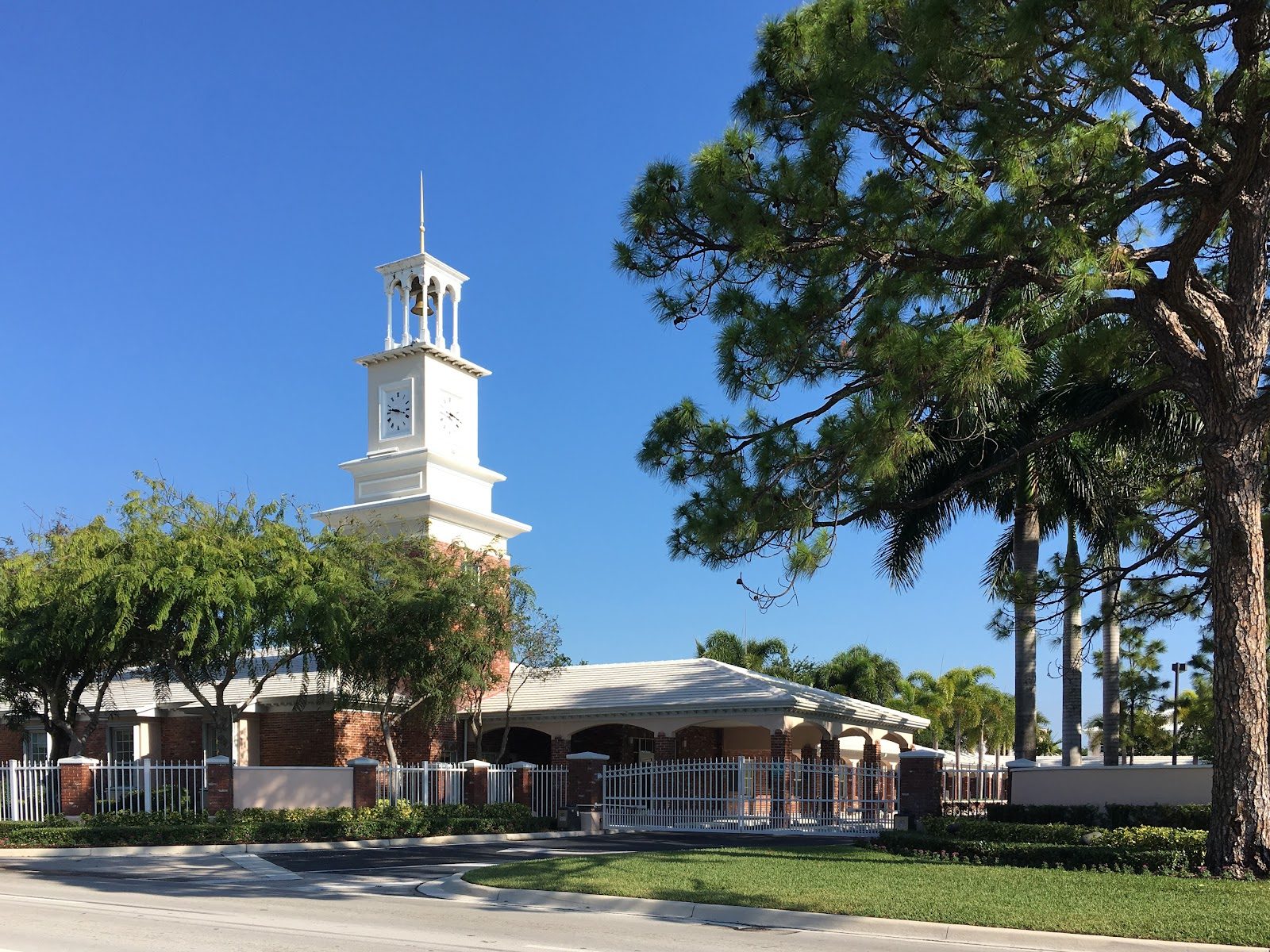
Pine Crest School
Fort Lauderdale · United States
Born as a 1930s tutoring practice for winter visitors, this Fort Lauderdale day school now tops the nation's Challenge Index rankings.
Grace Church School
New York City · United States
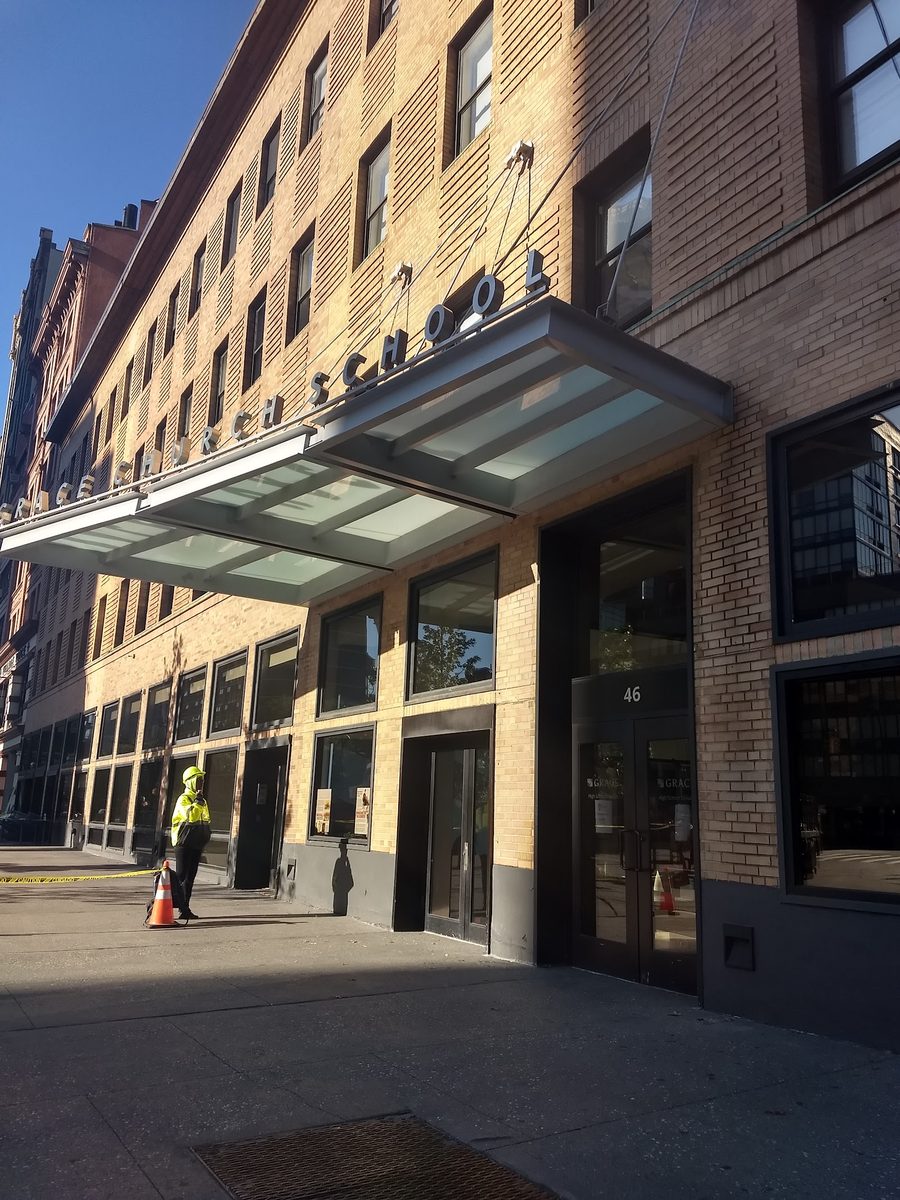
Born in 1894 as a choir school for Grace Church, this Greenwich Village Episcopal day school still fills the parish choir stalls.
Episcopal High School
Alexandria · United States
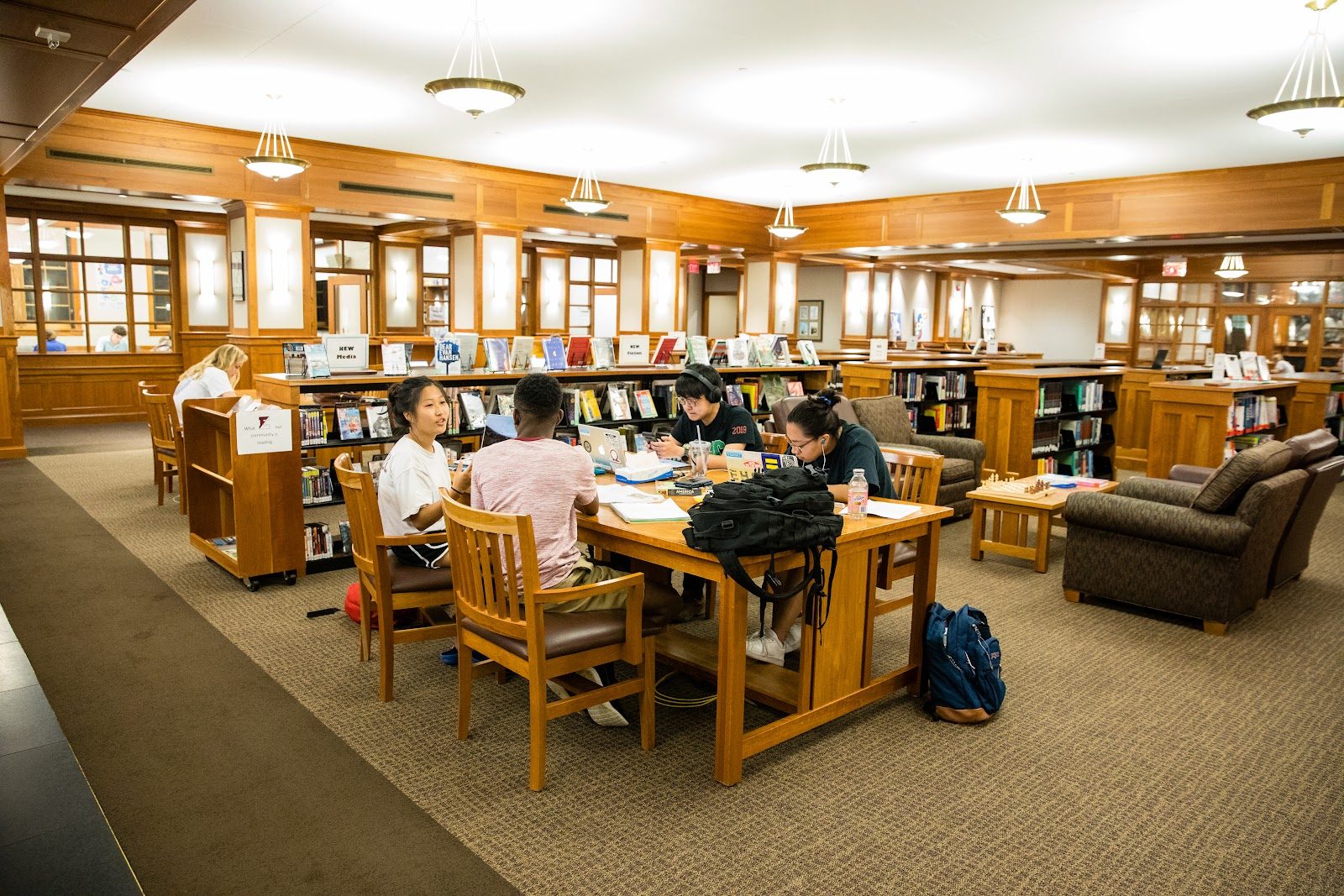
A 130-acre hilltop campus 10 minutes from the Capitol, running America's only fully residential school of its caliber in a major metro area.
Same country and curriculum — closest matches within ±10 points either way