
Zug
International School of Zug and Luzern
low confidence· 6/6 cats · 0 avg sourcesA 17th-century manor anchors the full IB continuum here, with its own alpine outdoor campus tucked away in Wengen

Photo © International School of Zug and Luzern (Zug Campus) via Google Maps
Type
Day
Ages
3–18
Curriculum
IB (PYP, MYP, Diploma)
Ratio
9:1
The Verdict
Editor's commitment
Right for
Families who want the full IB continuum from ages 3–18, taught in English, with a non-profit school founded in 1961.
Wrong for
Parents seeking boarding, religious formation or a cheaper Swiss option; ISZL is day-only in Baar and averages CHF 39,700.
Watch out for
The sales pitch leans hard on setting: Baar, two campuses and the Wengen chalet. Test the substance behind the scenery.
Ranking breakdown
International School of Zug and Luzern · #489 of 1591
Composite score 69.2. 8 weighted criteria.
By criterion
Academic Outcomes
Weight 20%
#586
of 1529 scored
University Placement
Weight 16%
#584
of 1529 scored
Prestige & Heritage
Weight 12%
#610
of 1571 scored
Alumni Network
Weight 12%
#432
of 1530 scored
Facilities
Weight 12%
#280
of 1533 scored
Transparency & Communications
Weight 8%
#554
of 1532 scored
Peer & Industry Review
Weight 10%
#604
of 1548 scored
Admissions Selectivity & Demand
Weight 8%
#888
of 1529 scored
Peer & Industry Review
How International School of Zug and Luzern is regarded in the sector
60
Respected · low confidence
ISZL is a well-established, large international school in the Zug/Luzern expat region, frequently mentioned in expat forums (e.g., English Forum Switzerland) as a leading option for international families in Central Switzerland, and it holds IB and CIS/NEASC accreditation, which is referenced in specialist education directories. However, it lacks the level of coverage seen in Tatler, Good Schools Guide, or Sunday Times rankings that characterize top-tier globally recognized international schools like those in Zurich or Geneva.
Evidence sources
Editors' overview
The hook here is not hard to spot: a full IB school founded in 1961, anchored in Baar and spread across three locations, including a mountain chalet in Wengen. That combination gives ISZL a profile few Swiss international schools can match. The school runs the PYP, MYP and Diploma in English for ages 3 to 18, and it does so as a non-profit rather than a chain outpost. The setting matters too. The Zug campus serves early years, primary and middle school; the Riverside campus in Hünenberg houses the high school; and Chalet Bergheim adds an outdoor dimension that is more than brochure scenery. In a market crowded with polished international schools selling Alpine air, ISZL has an unusually grounded sense of place.
What puts it on a shortlist is the mix of continuity, scale and character. Parents who want the full IB ladder without a school switch at 11 or 16 get that here. So do families who value facilities with substance rather than theatre: the high school campus alone includes over 20 classrooms, science labs, a library, art atelier, music rooms and a triple gym, serving 400 students aged 14 to 18. The school also trades on a strong community line, and in this case the non-profit structure and long institutional life give that claim more weight than it gets at newer entrants. At an average annual day fee of CHF 39,700, ISZL sits in the expensive but defensible tier of the Swiss international market: not cheap, plainly, but not priced as a vanity purchase either.
The right student for ISZL is internationally mobile, comfortable in English, and suited to an IB education that asks for consistency across the years rather than last-minute exam cramming. This is a good fit for children who benefit from a stable all-through environment and who will use the outdoor and co-curricular side of school life rather than treat it as decoration. It also suits families who want a school with a clear international identity but not a transient hotel-school atmosphere. Students looking for a narrow, intensely traditional national system are better elsewhere. ISZL’s appeal rests on something else: an established Swiss international school with 3 distinct sites, a full IB continuum, and a genuinely distinctive mountain campus that gives the school an identity beyond its prospectus.
Academic Performance
ISZL does publish one headline that matters: an IB average of 36.0. That puts the school in solid territory for a broad-entry international school, above the global IB norm and strong enough to reassure academically serious families. It does not, on its own, place ISZL in the Swiss top-flight. The strongest Swiss international schools publish fuller breakdowns — cohort size, subject highs, bilingual diploma share, point distribution at the top end, and university destinations with real granularity. ISZL’s public picture is thinner. Parents can see that results are good; they cannot test how selective, consistently high-scoring or exceptional at the top end the cohort is year after year.
That leaves ISZL in a credible middle position among premium peers: academically dependable, with outcomes that clear the bar comfortably, but without the forensic transparency that marks out the most hard-driving operators. The school also frames the high school around university preparation and “excellent results”, which is fair enough, but headline language needs backing with more than a single average. We have not seen aggregate pass rates, score ranges, or a multi-year results table in the public domain. For parents comparing serious IB options, that gap matters. The school’s academic case is sound rather than dazzling: strong enough for a shortlist, not detailed enough for an automatic verdict.
Facilities
Facilities are a serious part of ISZL’s case. The split-campus model gives each age group room to breathe instead of forcing everything into one overextended site. The high school provision is the clearest strength: dedicated science labs, an art atelier, music rooms, a library and a triple gym put the essentials in place for a school that wants to do more than deliver classroom instruction. Across the school, the published room count — 45 at Riverside and 75 on the Zug campus — points to infrastructure with real depth, not a cramped operation making do. The older manor house at the heart of the younger campus adds genuine character, but the more important point is that it sits alongside modern buildings rather than substituting for them. Too many heritage campuses trade on atmosphere while asking families to ignore practical limits. ISZL does not.
The differentiator is Chalet Bergheim in Wengen. Plenty of Swiss schools use the Alps as backdrop; far fewer own an outdoor education centre that folds mountain life into the school’s identity. That gives ISZL a distinctive operational asset, not just a scenic flourish. Against premium day-school peers, the indoor sports and specialist teaching spaces are strong rather than category-defining; there is no published parade of theatres, design labs or Olympic-grade showpieces. But the overall estate is thoughtfully built for a broad all-through school, and the chalet lifts it above the *standard polished international-school formula*. Families who want spectacle can find flashier campuses. Families who want facilities with purpose will rate this highly.
Parents can see that results are good; they cannot test how selective, consistently high-scoring or exceptional at the top end the cohort is year after year
Prestige
ISZL has real standing, but it does not trade in the same prestige currency as the old Swiss boarding names or the most ruthlessly selective academic operators. Its reputation rests on durability, scale and a recognisable international-parent constituency in the Zug area, not on inherited grandeur or elite social signalling. That distinction matters. This is a school families choose for continuity and competence, not for a blazer badge that opens doors on sight. The community breadth helps its name carry: students from 60 nationalities, more than 1,179 pupils across the school, and a co-curricular offer of 131 clubs and activities give it the profile of an established institution rather than a boutique newcomer. The manor house setting and mountain chalet add memorable character, and they make the school easier to place in a crowded Swiss market.
Why not rate it higher on prestige alone? Because the public academic picture remains less commanding than the strongest brands. A school with top-tier prestige publishes the evidence in detail and lets results do the talking. ISZL publishes enough to confirm quality, but not enough to dominate the conversation. Its non-profit status strengthens trust, and its long local roots give it earned credibility with mobile professional families. That produces a form of prestige that is solid, modern and understated rather than rarefied or clubbable. For many parents, that is the right kind. It signals substance without snobbery.
In a market crowded with polished international schools selling Alpine air, ISZL has an unusually grounded sense of place
Communications
ISZL communicates like a school that expects parents to stay involved. The public-facing structure is clear: separate navigation for each age phase, direct access to admissions, fees, term dates, transport, meals, wellbeing, sports results, events, publications and parent portals. That matters. A school serving children across such a wide span needs clean information architecture, and ISZL delivers it. The community layer also has substance. Parents’ Association activity is given proper visibility, news and events are not buried, and the school makes room for practical touchpoints rather than relying on glossy mission language. The existence of dedicated parent and staff portals points to a serious operational backbone, not a school improvising communication through ad hoc emails.
The limits sit elsewhere. ISZL is strong on access and atmosphere, but less rigorous on the academic detail that analytical parents want most. We have seen a headline IB average and plenty of community messaging, yet not the deeper results breakdowns that would make the school’s case fully transparent. That affects communications because effective parent communication is not only about warmth or frequency; it is also about disclosure. On day-to-day school life, ISZL looks well organised and easy to navigate. On performance reporting, it is more guarded than the best operators. The school’s scale — 1,179 students, 131 clubs and activities, and over 70 competitive sports teams — demands disciplined systems, and the published site structure indicates that those systems are in place.
Uniqueness
What sets ISZL apart is not one flagship building or one exam headline, but a school geography with real internal logic. Younger pupils learn in a rural campus centred on a manor house; older students move to a separate high-school site built for adolescence rather than simply fenced off from younger children; and the school’s own chalet in Wengen gives outdoor education a structural role in school life. That is a more integrated model than the standard Swiss formula of polished classrooms plus occasional mountain trips. The spread across 3 locations creates different atmospheres for different ages, which matters. Children do not stay frozen in one institutional mood from nursery to graduation. They move through settings that mark growth, independence and wider physical horizons.
The other point of difference is cultural rather than scenic. ISZL combines non-profit status, long local roots and a community drawn from 60 nationalities into something steadier than the transient corporate-school circuit. That brings practical benefits to students: a broader peer group, less monoculture, and a school identity that does not depend on exclusivity theatre. The co-curricular scale adds weight here too. With 131 clubs and activities, students get more than a timetable and a view; they get room to test interests, join communities and build competence outside lessons. The result is a school with a distinctive sense of place and a less manufactured atmosphere than many premium international competitors.
That gives ISZL a distinctive operational asset, not just a scenic flourish
Student Profile
The best fit is a child who likes range: different nationalities in the classroom, a busy activities culture after lessons, and a school identity that asks students to join in rather than sit at the edge. With pupils drawn from 60 nationalities and a co-curricular programme running to 131 clubs and activities, ISZL suits students who are socially adaptable, curious and willing to try things beyond the timetable. It also works well for families who expect school to support the whole child, not only the transcript. The school talks repeatedly about belonging, wellbeing and community life, and the scale of the operation gives those ideas practical force. Children who thrive here will use that breadth. More withdrawn students can still do well, but they need confidence to navigate a large, socially active environment.
This is not the right school for every temperament. Students who want a narrowly exam-drilled, intensely hierarchical culture will find a different mood here. ISZL suits internationally minded children who value continuity, can handle transition between age-specific settings, and respond well to a school with a strong communal rhythm. The outdoor dimension also matters. A child who enjoys trips, sport, movement and life beyond the classroom will get more from this school than one who wants a purely desk-bound education. In short: a good match for open, engaged, globally at ease students; a weaker one for families chasing old-world prestige or a hard-edged academic hothouse.
A school with top-tier prestige publishes the evidence in detail and lets results do the talking
Co-curricular strengths
Arts & sport, on a separate axis
Overall 8.58/10
Scored 0-10 from the school's own published evidence. This axis is editorial-only — it does not feed the main WTS ranking.
Sports
8.8/10
Drama
8.8/10
Dance
7.5/10
Music
9/10
Visual Arts
8.8/10
Strengths
- +Full IB continuum: PYP, MYP and Diploma.
- +English-medium teaching suits mobile international families.
- +Day school suits families based in Zug.
- +9:1 student-teacher ratio allows closer attention.
Considerations
- −No boarding; unsuitable for families needing residential provision.
- −English-only instruction may not suit German-priority families.
- −Average class size 18 may feel large to some.
Availability
Primary entry gate & tests
Academic Record + Interview
Gallery
Parent reviews
Have you sent your child here?
Voice reviews carry the strongest trust badge — we transcribe them for you to tidy up before they go live. Prefer to type? A written review is fine too.
Add your voice
In 60 seconds, tell other parents: what's the best thing about International School of Zug and Luzern, and what surprised you when your child joined?
We ask for a Google sign-in so every review has a real face behind it — no anonymous drive-by attacks on schools, and no faked positive reviews. Your email is never shown publicly.
Send this profile to a friend
International parents rely on word-of-mouth. Share this review with someone weighing the same decision.
Schools with places
Similar schools to International School of Zug and Luzern with places available now.
Institut International de Lancy
Geneva · Switzerland
- 2026-27
- WAITPOOLSpace-dependent
- 2027-28
- PLACES OPENRolling
International School of Geneva
Geneva · Switzerland
- 2026-27
- WAITPOOLSpace-dependent
- 2027-28
- PLACES OPENRolling
Collège Alpin International Beau Soleil
Villars-sur-Ollon · Switzerland
- 2026-27
- WAITPOOLSpace-dependent
- 2027-28
- PLACES OPENRolling
Aiglon College
Chesières · Switzerland
- 2026-27
- WAITPOOLSpace-dependent
- 2027-28
- PLACES OPENRolling
Availability first, then country, area, curriculum, price, co-curricular
Consider also
Also worth looking at alongside International School of Zug and Luzern.
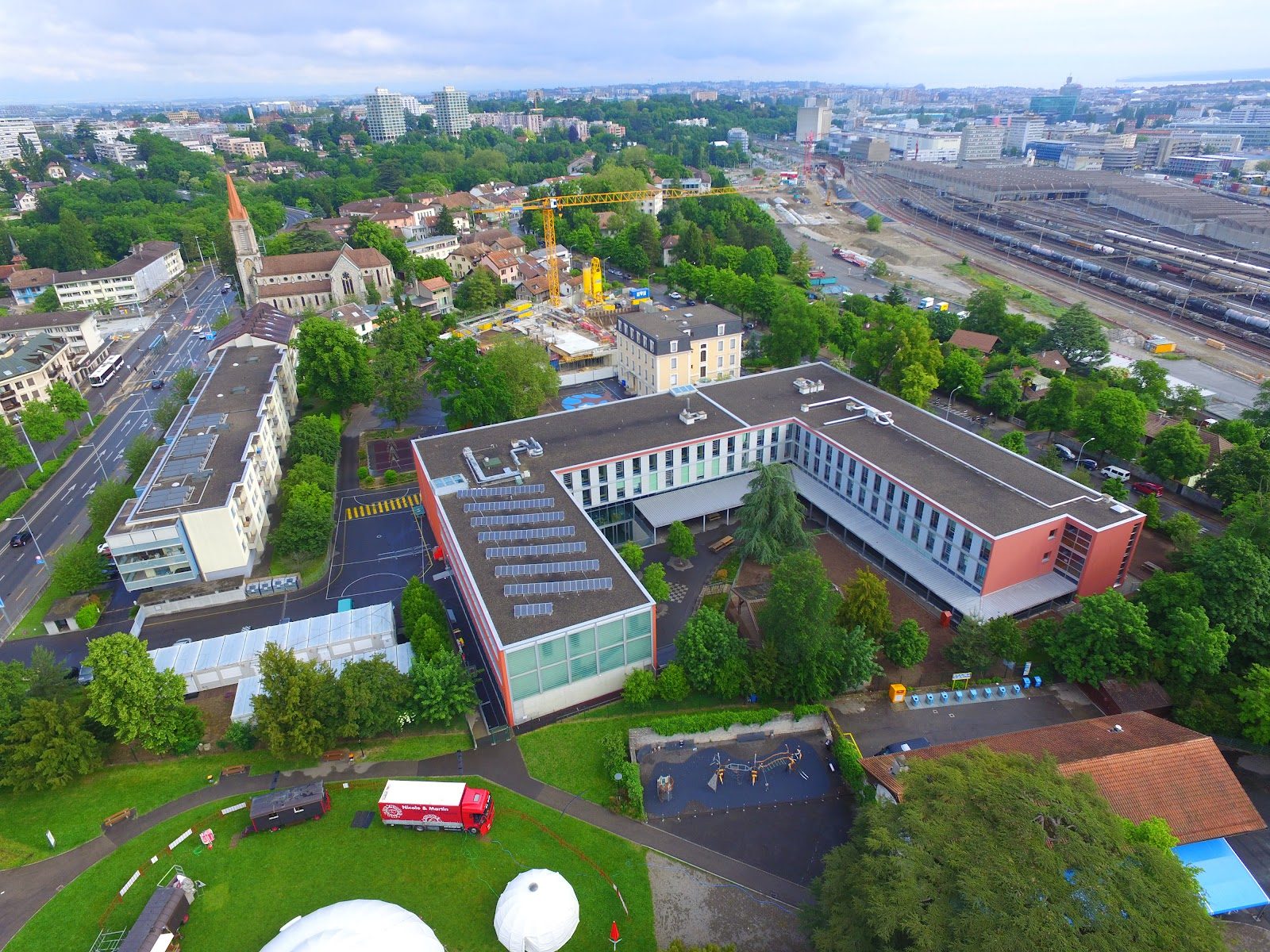
Institut International de Lancy
Geneva · Switzerland
Founded in 1903 near Geneva, this campus runs French, British and bilingual tracks side by side into the IB diploma.
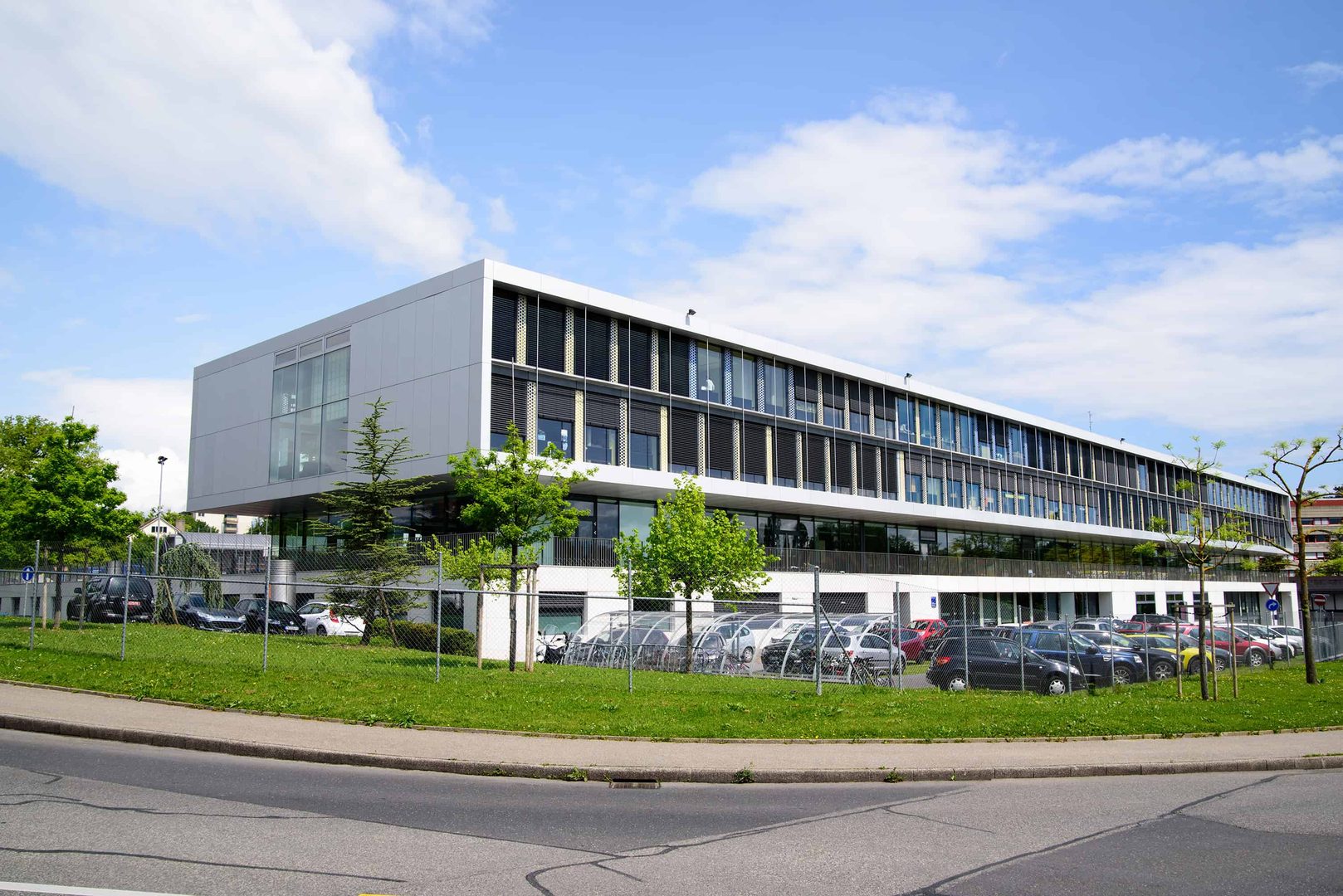
International School of Geneva
Geneva · Switzerland
Born beside the League of Nations in 1924, where its own teachers first drafted the IB diploma.
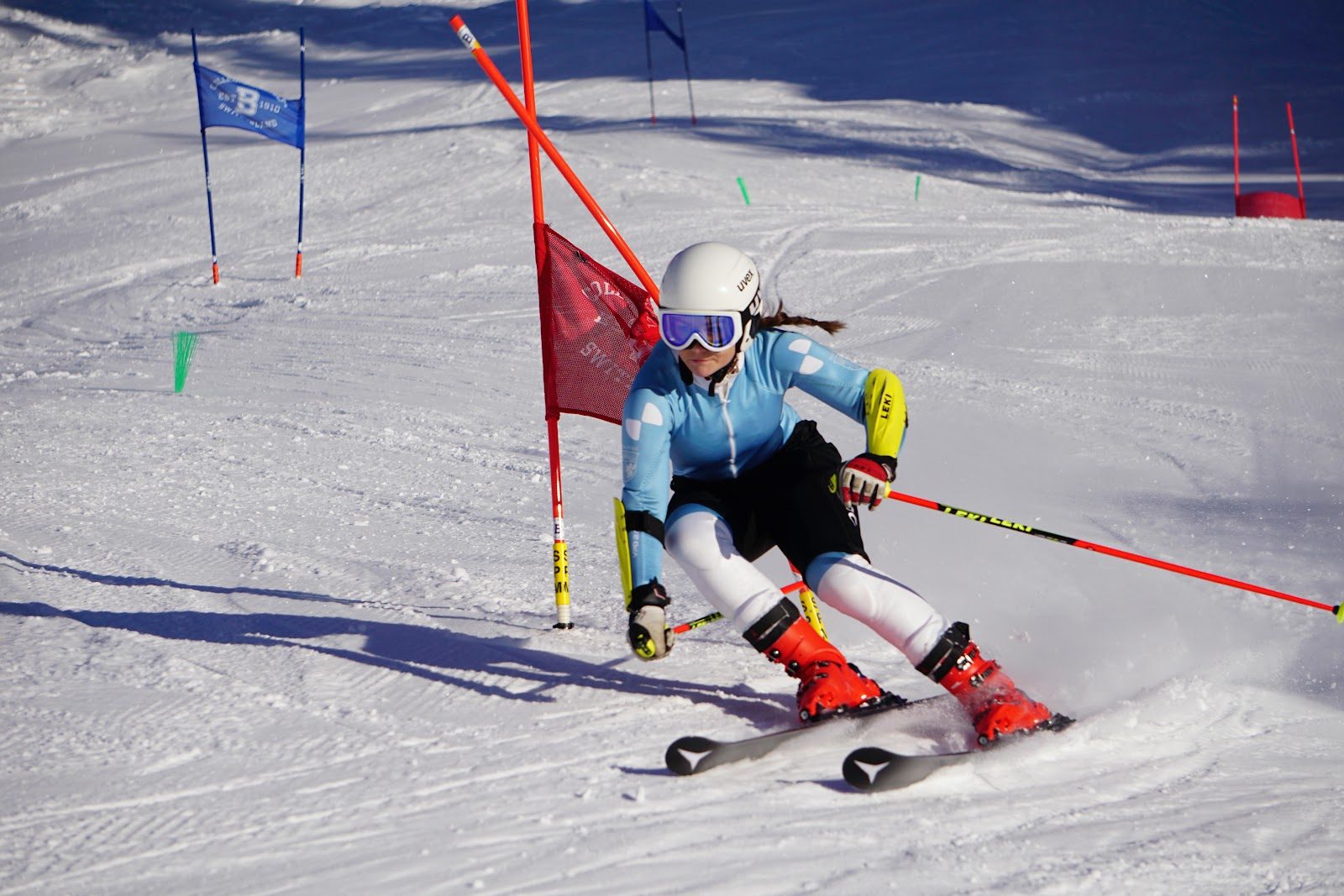
Collège Alpin International Beau Soleil
Villars-sur-Ollon · Switzerland
Since 1910, alpine boarding at 4,429 feet, where house culture is built for ridge hikes and a record Kilimanjaro summit push.
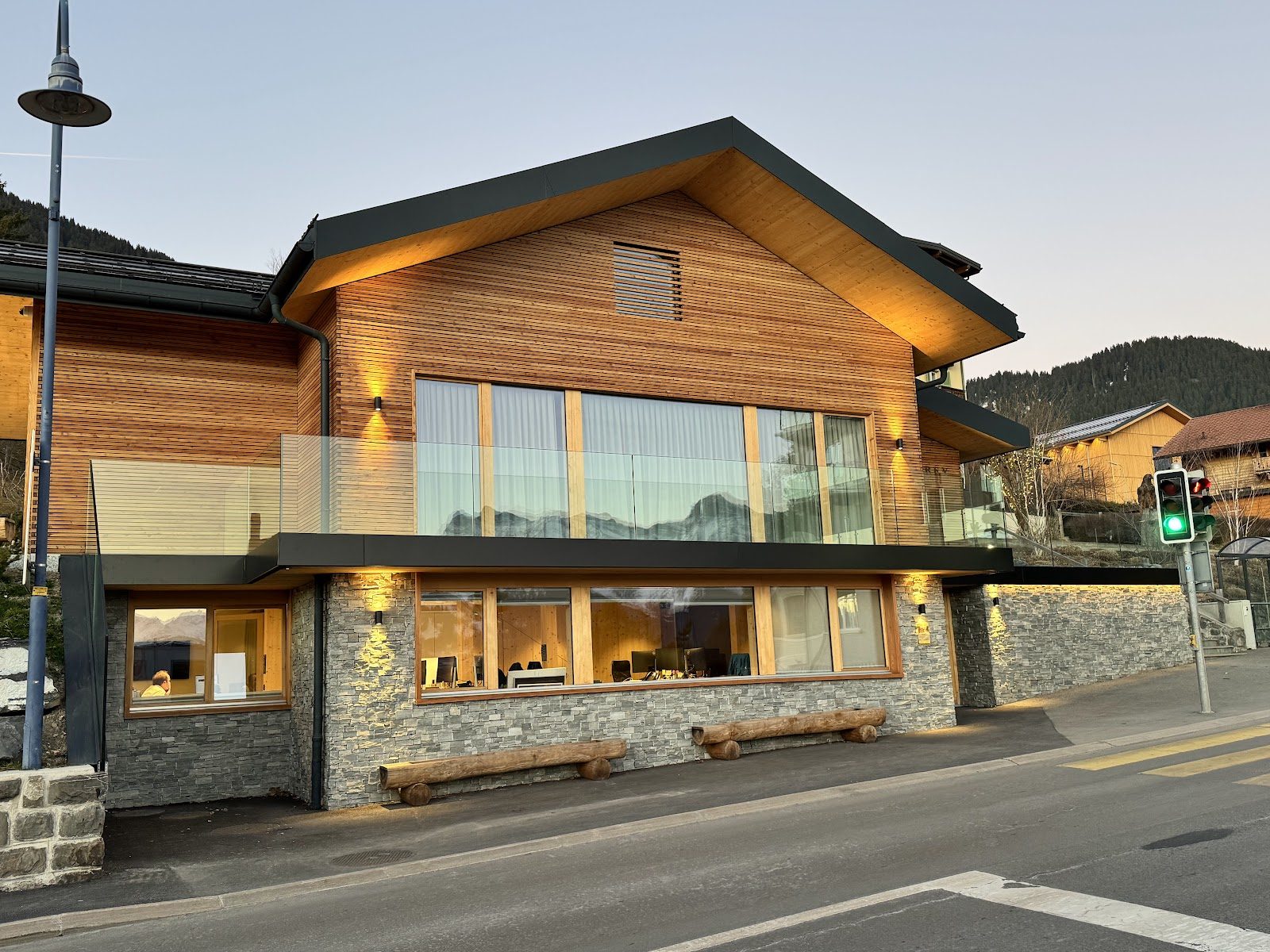
Aiglon College
Chesières · Switzerland
Perched at 1,200 metres in the Swiss Alps, meditation and expedition learning are as core to the timetable as the IB Diploma.
Same country and curriculum — closest matches within ±10 points either way