
Georgia
Pace Academy
low confidence· 2/6 cats · 2.8 avg sourcesBehind a converted Buckhead castle, the Isdell Center for Global Leadership sends classrooms from the Four Corners to Iceland.
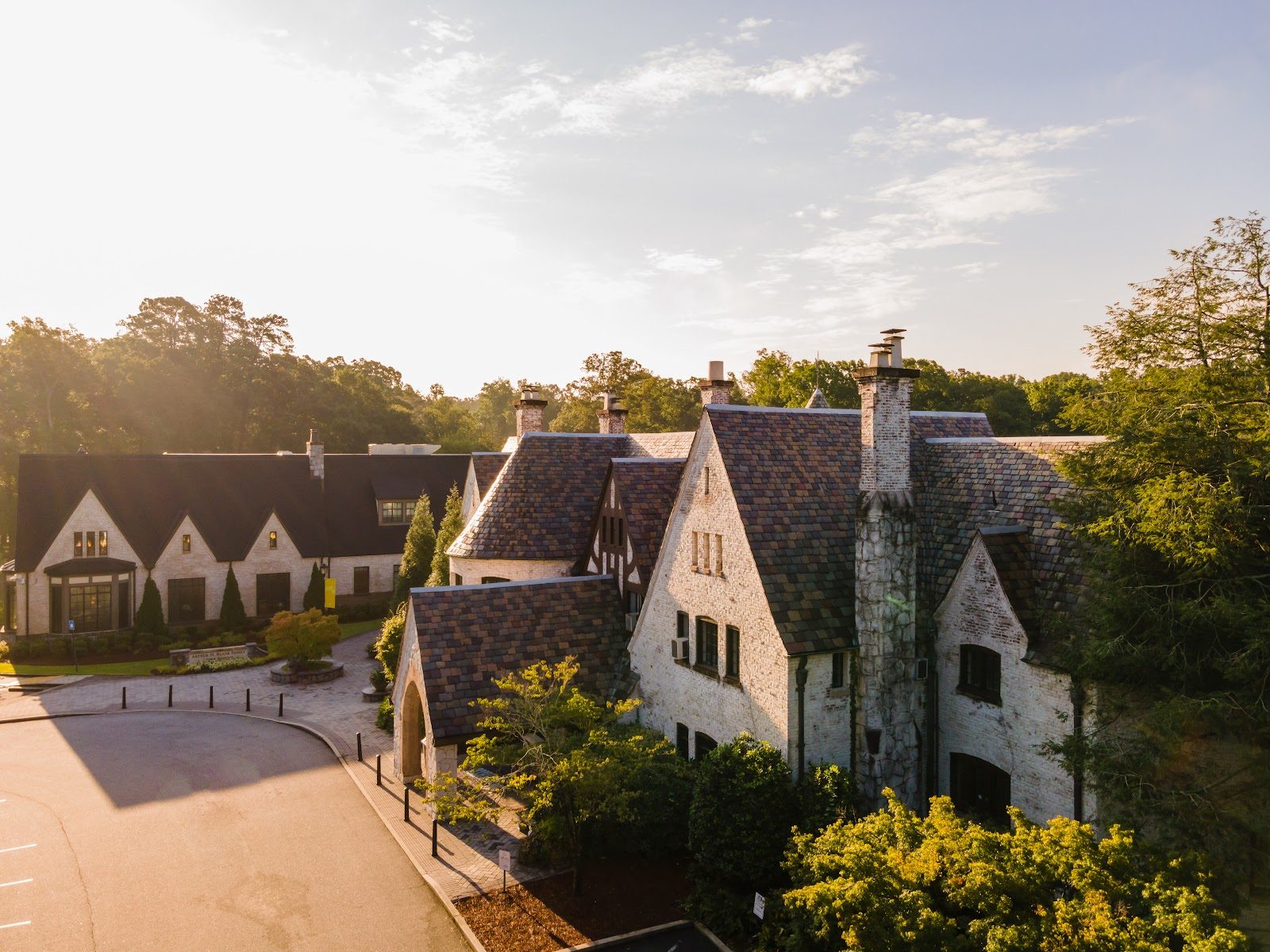
Photo © Pace Academy via Google Maps
Type
Day
Ages
3–18
Curriculum
American
Qualifications
AP
Ratio
8:1
The Verdict
Editor's commitment
Right for
Families wanting an Atlanta day school with 1,150 students, an 8:1 ratio and a declared global tilt beyond Buckhead.
Wrong for
Parents seeking boarding, religious formation or a specialist curriculum beyond American college-prep will find a non-religious 3–18 day school.
Watch out for
An average annual fee of $40,190 buys SAIS and Cognia accreditation, but the school publishes no hard exam-outcome data here.
Ranking breakdown
Pace Academy · #480 of 1591
Composite score 70.7. 8 weighted criteria.
By criterion
Academic Outcomes
Weight 20%
#511
of 1529 scored
University Placement
Weight 16%
#459
of 1529 scored
Prestige & Heritage
Weight 12%
#549
of 1571 scored
Alumni Network
Weight 12%
#352
of 1530 scored
Facilities
Weight 12%
#416
of 1533 scored
Transparency & Communications
Weight 8%
#436
of 1532 scored
Peer & Industry Review
Weight 10%
#533
of 1548 scored
Admissions Selectivity & Demand
Weight 8%
#547
of 1529 scored
Peer & Industry Review
How Pace Academy is regarded in the sector
70
Respected · medium confidence
Within Atlanta's independent-school hierarchy, Pace is consistently grouped with Westminster, Lovett and Woodward Academy as part of the city's recognised tier of elite day schools, though heads and admissions counsellors in the region typically place Westminster slightly ahead on pure academic selectivity, with Pace distinguished more for athletics depth and arts facilities. University-facing signals are regional rather than headline-grabbing: college counsellors report steady matriculation to strong Southern flagship universities and a smaller, consistent stream to nationally selective institutions, without the outsized Ivy feeder profile claimed by a handful of Northeastern peers. Independent education press coverage is limited largely to Atlanta and Georgia outlets and high-school sports reporting rather than the UK-centric guides (Good Schools Guide, WhichSchoolAdvisor) that dominate international commentary, reflecting its status as a well-regarded regional institution rather than one with an international reputation or presence on the elite boarding-school conference circuit.
Editors' overview
Pace Academy occupies a strong niche in Atlanta’s independent-school market: a non-religious, American day school in Buckhead with the scale to offer breadth and the size to keep students known. It enrols about 1,150 students across ages 3 to 18, with a student–teacher ratio of 1:8. That ratio matters. Pace sells intimacy and, by the standards of a full-through school, delivers it. The setting helps too: the original “Castle” gives the campus a distinctive sense of place that many polished but anonymous schools cannot match. This is a school built for families who want academic seriousness without the impersonality that creeps into larger college-prep institutions.
What distinguishes Pace is the combination of close pastoral culture and overt global ambition. The school’s own mission centres on creating “prepared, confident citizens of the world”, and your tagline points to the substance behind that claim: the Isdell Center for Global Leadership and programmes that push learning beyond Atlanta. That gives Pace a sharper identity than schools that talk about global outlook in generic terms. The appeal lies in that mix of contained scale, high parental confidence and outward-looking programming. Founded in 1958, Pace has enough history to feel established, but not so much institutional crust that it reads as archaic or socially closed.
Why shortlist it? Because Pace offers a clear proposition. It is for parents who want a academically ambitious school that still values the whole child, and who want that in a warm, well-held community rather than a sink-or-swim environment. It also suits families who care about values without wanting a religious frame: respect for diverse beliefs is built into the school’s language, while the school remains non-religious. Accreditation through SAIS and Cognia gives the basic quality assurance parents expect; the stronger point is cultural, not bureaucratic. Pace has real local prestige in Atlanta, but its selling point is not brute exclusivity. It is coherence.
The student who thrives here is bright, engaged and willing to participate. Pace is not the right fit for children who want anonymity, minimal expectations or a narrowly transactional route to university admissions. It suits students who like being known by teachers, who will use the opportunities of a 3–18 through-school, and who respond to a culture that prizes confidence, curiosity and contribution. In plain terms: this is a good school for energetic joiners, thoughtful high-achievers and internationally minded children who want a serious school with heart.
Academic Performance
Pace calls itself college preparatory and belongs to the College Entrance Examination Board, but the school does not publish the exam data that would let parents test that claim properly. We have not seen aggregate SAT or ACT results, AP participation figures, AP score distributions or college-matriculation breakdowns by institution type. That is a material gap in a market where strong independents often use hard numbers to prove academic traction. The absence of published outcomes does not indict the school, but it does leave academic performance less transparent than it needs to be for a school with serious ambitions and strong local standing.
Relative to peers, that places Pace in an awkward middle ground. It has the scale, reputation and college-prep identity of a school that invites comparison with Atlanta’s better-known independents, yet its public academic evidence is strikingly thin. What parents can infer instead is indirect: membership of mainstream US testing and honours bodies, a whole-child ethos, and a student culture built around engagement rather than exam drilling. That points to a school aiming for rounded achievement, not a numbers-first factory. For some families, that balance will appeal. For analytically minded parents, the verdict is simpler: ask for hard data before you buy into the story.
Facilities
The campus’s defining asset is not brute scale but character. “The Castle”, the school’s original classroom building, gives Pace a rare sense of permanence and a physical identity that many polished American college-prep campuses lack. That matters more than brochures admit: memorable buildings shape culture, and Pace has one. Beyond that landmark, the school’s most important facility is the Isdell Center for Global Leadership, which gives institutional form to the school’s international ambitions rather than leaving them at slogan level. For parents, that is the key distinction. Plenty of peer schools have science labs, playing fields and arts rooms; fewer build a named centre around global study and outward-facing programming. Pace also has the advantage of a through-school campus serving about 1,150 students, which supports breadth without tipping into the anonymous sprawl found at some larger US independents.
Against peers, the verdict is solid rather than spectacular. The school’s public case for its facilities rests more on identity and educational purpose than on a published inventory of specialist spaces. We have not seen the kind of exhaustive, room-by-room showcase that some rivals use to prove capital strength in STEM, performing arts or athletics. That leaves Pace short of the facilities arms race at the top end of the market. Still, for families who value coherence over ostentation, the combination of a distinctive historic core, an established all-through campus and a serious global-leadership hub carries more weight than another glass-fronted building campaign.
The setting helps too: the original “Castle” gives the campus a distinctive sense of place that many polished but anonymous schools cannot match
Prestige
Pace carries real social and educational cachet in Atlanta, though not the mythic national aura of the small band of US independents that dominate global name-recognition. Its prestige is local first: a well-known Buckhead address, a long-entrenched parent network, and the kind of independent-school visibility that turns up in university counselling conversations, inter-school competition and city social circles. The school’s scale helps. With around 1,150 students, it is large enough to sustain breadth and a substantial alumni base, yet still trades on contained exclusivity rather than mass-market reach. The historic “Castle” matters too. Symbolism counts in prestige, and Pace has a memorable physical identity that many newer schools lack.
Why rate it this way? Because the ingredients of prestige are there, but they are unevenly distributed. Pace has strong local standing, a polished institutional identity and a clear culture of confidence and involvement. The Isdell Center for Global Leadership adds a point of distinction that lifts it above generic college-prep branding. What holds it back from the top prestige tier is evidence. The school does not publish the academic outcome data that would convert reputation into hard proof, and outside Atlanta its name does not carry automatic weight. So the verdict is clear: Pace offers serious regional prestige and a well-connected school community, not universal elite status.
That leaves Pace short of the facilities arms race at the top end of the market
Communications
Pace communicates like a school that wants parents inside the circle. The public-facing tone is familial, mission-led and confident: every family “has a story”, the school talks about partnership with parents as a core value, and the message is consistent across identity, ethos and purpose. That coherence matters. Parents are not left guessing what the school thinks it is for. The language around students being known, loved and encouraged gives a clear read on pastoral stance, while the repeated emphasis on courage, citizenship and global mindset tells families what kind of participation the school expects. For a community of about 1,150 students, that kind of institutional clarity is a strength. It reads as deliberate rather than improvised.
The weakness is that communications are stronger on culture than on proof. Pace articulates values well; it publishes less hard operational and academic detail than exacting parents will want. We have not seen public aggregate testing data, and the facilities case also relies more on narrative than documentation. That pattern carries into parent communications more broadly: warm, well-drilled and persuasive on ethos, thinner on measurable outcomes. For many families, that will feel sufficient because the school’s message is coherent and the community identity is well held. For tougher-minded parents, effectiveness depends on what happens after enquiry. This is a school that communicates belonging with skill; it needs to match that with more forensic transparency.
Uniqueness
Pace’s clearest point of difference is that it gives a traditional Atlanta independent-school setting an outward-facing brief that has real institutional backing. Many schools talk about global citizenship; Pace built the Isdell Center for Global Leadership and ties that ambition to programmes that move students well beyond the comfort of their own campus culture. That matters because the school’s identity does not rest on generic college-prep seriousness alone. It rests on a combination of close community, global reach and an explicit commitment to diverse cultural backgrounds. The result for students is practical: they study in a school small enough for adults to know them, but one that pushes them to think past the local bubble that elite day schools can so easily reinforce.
The other distinctive feature is tonal. Pace was founded by an interfaith group, yet it is non-religious; it talks about values without binding them to doctrine. That gives it a cleaner, more modern proposition than faith-adjacent schools trying to serve a plural parent body. The old Castle also counts for more than nostalgia. It gives the school a lived-in centre rather than a corporate one, and that affects student experience: a stronger sense of belonging, more continuity across age groups and less of the slick institutional chill that can afflict larger preparatory schools. For the right child, Pace offers an education that is both well-held and stretching.
Pace Academy occupies a strong niche in Atlanta’s independent-school market: a non-religious, American day school in Buckhead with the scale to offer breadth and the size to keep students known
Student Profile
The Pace student is not a drifter. This is a school for children who will participate, speak up and make use of the opportunities around them. The rhetoric of courage, critical thinking and global-mindedness points to a culture that rewards initiative rather than passive compliance, and the school’s scale means that disengagement is harder to hide. Students who thrive here tend to be energetic contributors: academically capable, socially functional and willing to be known by adults and peers. The published staffing ratio of 1:8 reinforces that. In practice, it suits children who benefit from close adult attention and who can handle the accountability that comes with it. Families looking for a warm but demanding environment will find the fit straightforward.
The social fit matters as much as the academic one. Pace talks openly about partnership with parents, respect for different beliefs and cultural backgrounds, and the development of the whole child. That points to a student body shaped not by one narrow type, but by a shared expectation of involvement, decency and confidence. Children who want anonymity, who resist community expectations or who prefer a purely transactional march to university will chafe. Students with intellectual curiosity, a taste for discussion and an appetite for programmes beyond the classroom will do well. So will internationally minded children who want a school with genuine outward reach, not just polished local prestige. Pace suits engaged joiners, not quiet spectators.
It enrols about 1,150 students across ages 3 to 18, with a student–teacher ratio of 1:8
Co-curricular strengths
Arts & sport, on a separate axis
Overall 8.66/10
Scored 0-10 from the school's own published evidence. This axis is editorial-only — it does not feed the main WTS ranking.
Sports
9.1/10
Drama
9/10
Dance
7/10
Music
9.2/10
Visual Arts
9/10
Strengths
- +The average Upper School class size is 13, and the average whole-school student teacher ratio is 9:1, allowing close faculty attention in the senior grades.
- +In 2014, Pace Academy launched the Isdell Center for Global Leadership (ICGL), which provides a global education for every graduate, a structured feature not universal among peer day schools.
- +Each year, we award over $5.5 million in need-based financial aid to qualified families from Pre-First through 12th grade, and Pace is proud to meet 100% of demonstrated financial need for qualified students.
- +Pace Academy offers 19 interscholastic sports: Baseball, Basketball, Cheering, Cross Country, Diving, Equestrian, Football, Golf, Gymnastics, Lacrosse, Mountain Biking, Soccer, Softball, Swimming, Tennis, Track and Field, Volleyball, Water Polo and Wrestling.
- +Pace Academy is on 37 acres in Atlanta's Buckhead neighborhood, giving a long-established, purpose-built campus close to the city center.
Considerations
- −Fees are firmly in the upper tier for Atlanta day schools (Tuition: Lower School: $37,360 Upper School: $43,020 (2026-27)), and Pace is a member of the Atlanta Area Association of Independent Schools (AAAIS), none of which offer merit-based scholarships of any kind, so families pay full price unless they qualify for need-based aid.
- −Entry is concentrated at three checkpoints: our primary enrollment points are Pre-First, sixth and ninth grades. We typically admit 60 new students in Pre-First, 30 in sixth grade, and 30-35 in ninth grade, and while we welcome applications to other grades, spaces are based on attrition, limiting flexibility for families relocating mid-cycle.
- −We do not provide transportation to or from school, meaning commuting families must arrange their own logistics in a spread-out, car-dependent city.
- −Pace Academy was founded as a de facto all-white school and was among the private schools attended by white children whose parents did not want them going to public schools with African-Americans, a founding history the school has since worked to address but which remains part of its record.
Availability
Primary entry gate & tests
ISEE/SSAT + Interview
Gallery
Photo © Pace Academy via Google Maps
Photo © Pace Academy via Google Maps
Photo © Pace Academy via Google Maps
Photo © Pace Academy via Google Maps
Photo © Pace Academy via Google Maps
Parent reviews
Have you sent your child here?
Voice reviews carry the strongest trust badge — we transcribe them for you to tidy up before they go live. Prefer to type? A written review is fine too.
Add your voice
In 60 seconds, tell other parents: what's the best thing about Pace Academy, and what surprised you when your child joined?
We ask for a Google sign-in so every review has a real face behind it — no anonymous drive-by attacks on schools, and no faked positive reviews. Your email is never shown publicly.
Send this profile to a friend
International parents rely on word-of-mouth. Share this review with someone weighing the same decision.
Schools with places
Similar schools to Pace Academy with places available now.
Ransom Everglades School
Miami · United States
- 2026-27
- CLOSEDRegular cycle closed
- 2027-28
- OPENS SOONOpens Sept '26
The Hill School
Pottstown · United States
- 2026-27
- CLOSEDRegular cycle closed
- 2027-28
- OPENS SOONOpens Sept '26
Trinity School
New York City · United States
- 2026-27
- CLOSEDRegular cycle
- 2027-28
- OPENS SOONOpens Sept '26
Episcopal High School
Alexandria · United States
- 2026-27
- CLOSEDRegular cycle closed
- 2027-28
- OPENS SOONOpens Sept '26
Availability first, then country, area, curriculum, price, co-curricular
Consider also
Also worth looking at alongside Pace Academy.
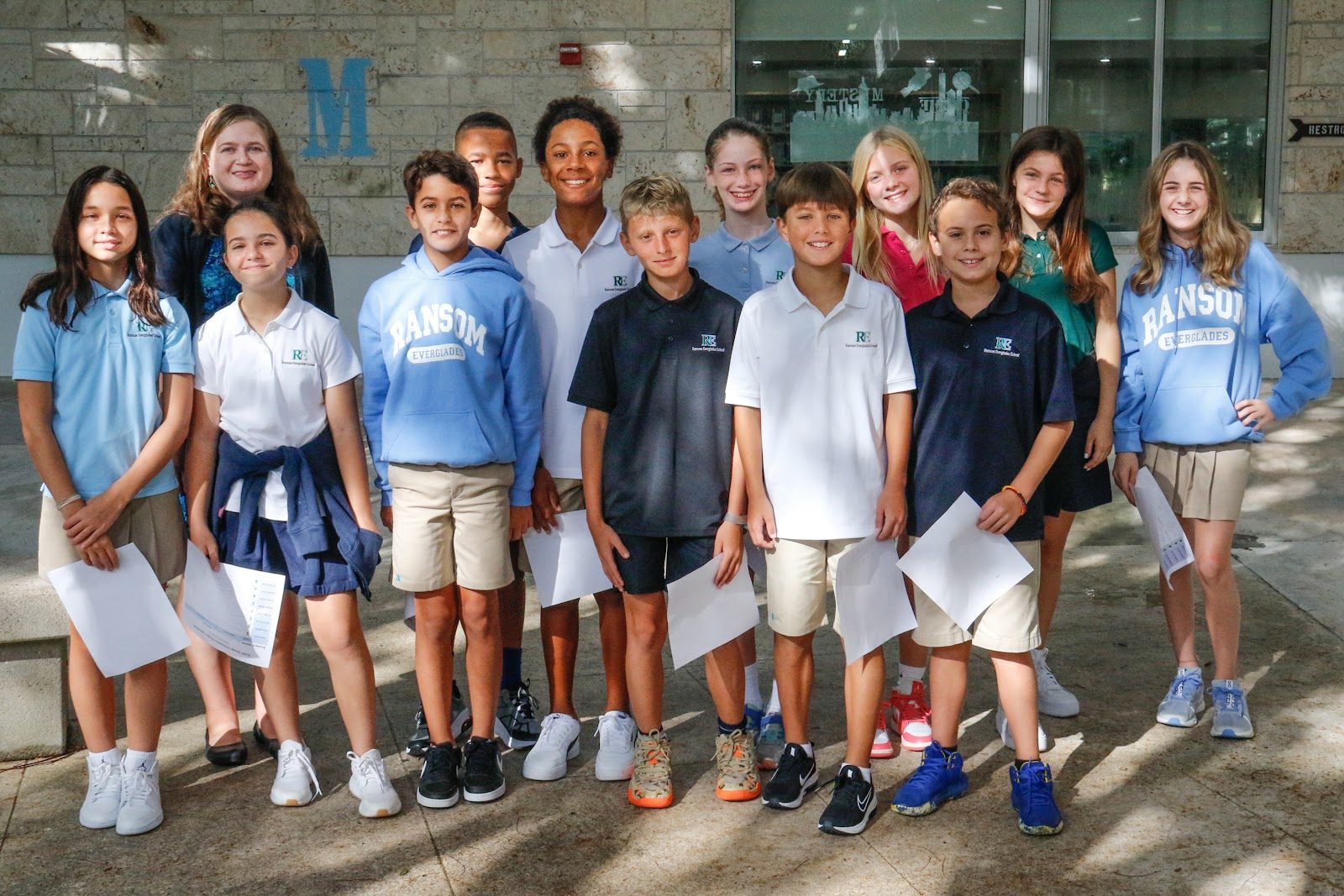
Ransom Everglades School
Miami · United States
On Biscayne Bay since 1903, where sailing and marine science turn the water itself into a classroom
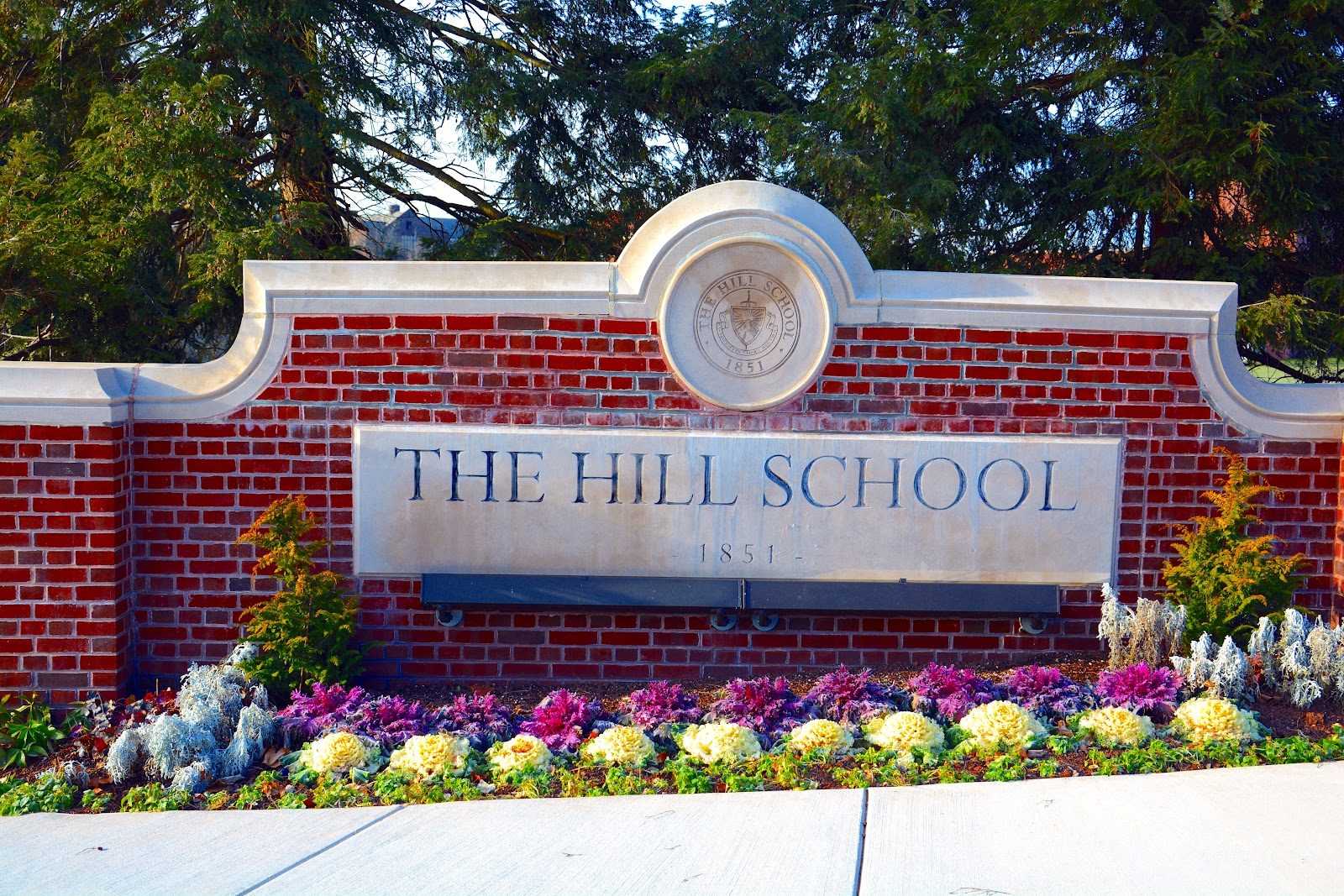
The Hill School
Pottstown · United States
Born in 1851 as the nation's first family boarding school, still pairing faculty and students under one roof on a Pottstown hilltop.
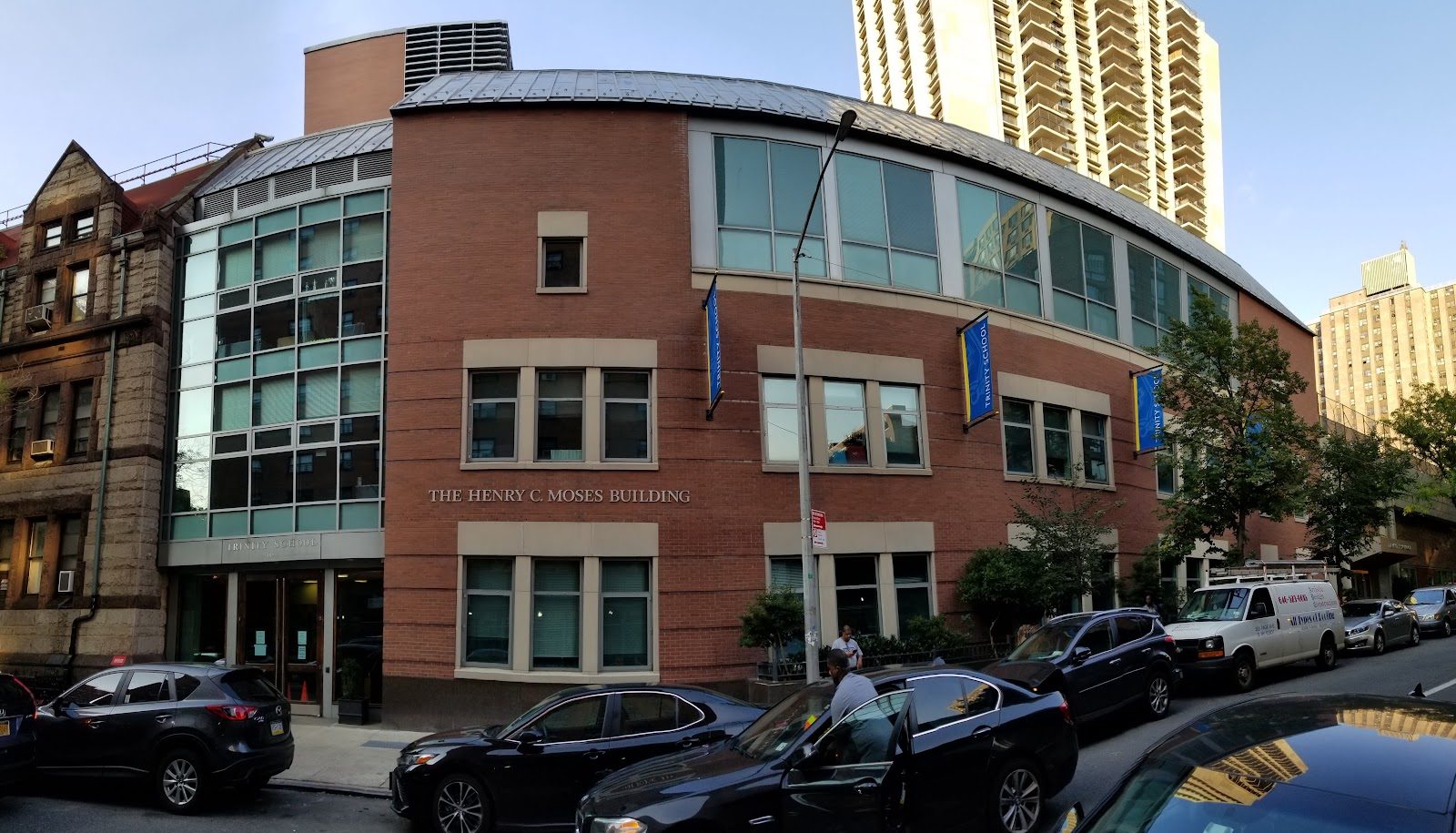
Trinity School
New York City · United States
Founded in 1709 as a charity school, now the oldest continuously operating school in New York City, still built on a rare full Classics department
Episcopal High School
Alexandria · United States
A 130-acre hilltop campus 10 minutes from the Capitol, running America's only fully residential school of its caliber in a major metro area.
Same country and curriculum — closest matches within ±10 points either way