
Florida
Montverde Academy
On a Lake Florence campus in Central Florida, boarders from some 80 countries share dorms with a basketball program that keeps feeding the NBA draft.

Photo © Juan Robles (J51NC1) via Google Maps
Type
Day + Boarding
Ages
3–18
Curriculum
US High School Diploma · Advanced Placement
Ratio
11:1
The Verdict
Editor's commitment
Right for
Ambitious teenagers who want 34 APs, 47 honours courses and boarding on a 130-acre Florida campus with peers from 80 countries.
Wrong for
Children who need anonymity, soft edges or weak sports culture; this 3–18 school is college-prep, English-medium and defined by high visibility.
Watch out for
The numbers are blunt: 11:1 staffing, $22,815 average day fees and $60,285 boarding, with basketball fame threatening to eclipse the academics.
Ranking breakdown
Montverde Academy · #481 of 1591
Composite score 70.7. 8 weighted criteria.
By criterion
Academic Outcomes
Weight 20%
#1085
of 1529 scored
University Placement
Weight 16%
#649
of 1529 scored
Prestige & Heritage
Weight 12%
#92
of 1529 scored
Alumni Network
Weight 12%
#579
of 1529 scored
Facilities
Weight 12%
#14
of 1529 scored
Transparency & Communications
Weight 8%
#1016
of 1529 scored
Peer & Industry Review
Weight 10%
#19
of 1529 scored
Admissions Selectivity & Demand
Weight 8%
#888
of 1529 scored
Peer & Industry Review
How Montverde Academy is regarded in the sector
88
Strong · medium confidence
Montverde's reputation is driven overwhelmingly by its basketball pipeline rather than traditional academic league tables. ESPN, Sports Illustrated and USA Today's Super 25 rankings have repeatedly named its team the nation's top high school program, a status peer Florida boarding powerhouses like IMG Academy and Oak Ridge Military Academy are measured against. NCAA Division I coaches and NBA scouts openly treat Montverde as a premier recruiting pipeline, citing alumni such as RJ Barrett, Cade Cunningham and Scottie Barnes, all top-five NBA draft picks, as evidence of program strength. Niche.com consistently rates it an A+ boarding school and among Florida's top private schools, reflecting strong parent/student sentiment rather than press analysis. Coverage in mainstream sports press (ESPN, SI, USA Today) vastly outweighs academic-press attention from outlets like Forbes or Washington Post's Challenge Index, meaning its peer standing among academically-focused independent schools is less documented than its athletic prestige, a distinction industry insiders and rival heads frequently note when comparing it to more academically oriented boarding schools like Phillips Exeter or Andover.
Award

Elite Sport 80
World's Top School · The Global Ranking
Montverde Academy is featured on our Global Top 80 ranking at #6. This seal is available for the school's marketing team to use on their website, prospectus and social channels.
- Ben Simmons — NBA player, basketball
- RJ Barrett — NBA player, basketball
- Joel Embiid — NBA player, basketball
Editors' overview
On a 130-acre campus by Lake Florence, Montverde Academy sells a very specific proposition: American college-prep with boarding at scale, and sport as a serious institutional strength rather than an extracurricular flourish. The school runs a US High School Diploma with Advanced Placement, offers 34 AP courses and 47 honours courses, and reports that more than 30% of Upper School students earned AP Scholar recognition in 2025–26. The headline boarding market is clear. This is a day-and-boarding school for ages 3 to 18, with English as the language of instruction, SACS and Cognia accreditation, and a 11:1 student-teacher ratio that keeps classes from drifting into anonymity. The average annual fee is $22,815 for day pupils and $60,285 for boarders across the full ladder, which places it in the expensive end of the Florida independent-school market.
What makes Montverde distinctive is not subtle. The school is unusually international for a Central Florida campus, and its sporting reputation — above all in basketball, but also in soccer — gives it a profile that reaches far beyond Lake County. That cuts both ways. For ambitious athletes, especially boarders who want an American high-school pathway with genuine training intensity, Montverde has a clear competitive edge. For families hunting a quiet local prep school, the same athletic prominence can feel all-consuming. The academics are stronger than the sports-first stereotype implies: 100% of the Class of 2026 gained acceptance to a four-year college, and the school has articulation agreements with the University of Florida and the University of South Florida for college credit while still in high school. Even so, Montverde’s public case rests more heavily on opportunity and throughput than on deep disclosure of academic outcomes; the school does not publish aggregate AP score data here.
This school belongs on a shortlist for students who want range and momentum: boarders who value a cosmopolitan peer group, high-achieving athletes who need a school built to accommodate serious training, and academically able teenagers who want a broad AP menu rather than the narrower sixth-form style found elsewhere. It suits students who are self-directed, resilient and comfortable in a campus culture with visible ambition. It does not suit children who need a small, sheltered environment or families who want a low-key school where sport sits firmly in the background. Montverde is high-pressure in the right ways for the right child: structured, aspirational and very good at turning talent — academic or athletic — into a credible American university application.
An Elite Sport 80 school
Montverde Academy is at rank six because it is, on any current measure, the world's leading basketball-development school. Its Eagles first team has won the GEICO/Chipotle National High School Championship more times than any other programme in the past decade, and in the 2025 NBA Draft alone four Montverde graduates were selected in the first round — a single-year output no other high school on earth has matched.
The specialism is basketball, run at professional-academy scale from the central Florida campus: multiple age-group teams competing on the Nike EYBL circuit, a full-time coaching and sports-science staff, and daily double sessions built into an accredited academic schedule that leads to a US high-school diploma and NCAA-compliant recruiting. Soccer, tennis, golf and cross-country are strong secondary programmes and have produced their own NCAA D1 and professional graduates, but basketball is what defines the campus culture.
Notable alumni include Joel Embiid, Ben Simmons, Cade Cunningham, RJ Barrett, D'Angelo Russell, Precious Achiuwa and — from the girls' side — a growing cohort of WNBA and NCAA champions. It is difficult to watch an NBA game in the mid-2020s without seeing at least one Montverde graduate on the floor.
International openness is high and structurally central to the model. Roughly a third of the boarding roster is non-American in a typical year, with strong feeder pipelines from Africa, Europe, Canada, Australia and the Caribbean; the F-1 visa process is handled in-house and ESL support is embedded. Admissions is by application plus a sport-specific evaluation — a highlight reel, a coach reference and, where possible, an on-campus tryout. Tuition and boarding sit around US$70,000 with a case-by-case athletic-aid budget for exceptional prospects. For a family relocating specifically to convert a genuine top-100 international basketball prospect into an NBA-draft-eligible college recruit, Montverde is the single most obvious destination in the world.
Academic Performance
Montverde’s published academic case is respectable but selective. The school advertises breadth — 34 AP courses and 47 honours courses — plus two university articulation agreements that let pupils bank college credit while still in school. It also states that more than 30% of Upper School students earned AP Scholar recognition. That is a useful marker of participation and depth among stronger candidates. It is not the same thing as publishing whole-cohort performance. The missing piece is plain: Montverde does not disclose aggregate AP scores, score distributions, mean SAT or ACT results, National Merit numbers, or a college matriculation list detailed enough to judge destination quality. For a school with this level of profile and fee, that opacity matters.
Relative to peers, Montverde sits in the tier of American boarding schools where the academic offer is broad and the university pipeline is active, but the public results picture is *less rigorous than the best-run operators*. The claim that 100% of one graduating class secured four-year college acceptance tells parents that students clear the baseline for progression. It does not tell them how far above that baseline the cohort performs. In other words, this is not a school that wins its academic argument through forensic disclosure. It wins it through course access, internal ambition and a college-prep machine with serious momentum. Parents comparing top US boarding options on hard exam data alone will find stronger transparency elsewhere.
Facilities
Facilities are central to Montverde’s appeal because the school operates on a big-campus, high-throughput model rather than a boutique one. The most important asset is the 130-acre site on Lake Florence: enough space to separate academic, residential and athletic life without the campus feeling cramped. That matters in boarding schools, where weak layout quickly translates into dead time, congestion and a thin extracurricular offer. Here, the land bank supports breadth. The school also advertises a broad spread of advanced and honours courses, which points to the need for properly resourced teaching spaces rather than a token college-prep setup. In peer terms, the campus footprint is stronger than many Florida day schools and competitive with mid-market American boarding schools that trade on room to move.
The decisive facilities story, though, sits in sport. Montverde’s reputation in basketball and soccer does not exist without serious infrastructure behind it, and families will judge the school on that basis. Against peer schools, that gives Montverde a clear structural advantage for athletes: not just fields or courts, but a campus built to sustain training as part of daily life. For non-athletes, the equation is more mixed. The setting has real breadth and the scale supports a fuller programme than smaller local independents can manage, but the school’s public case does not foreground specialist academic facilities with the same force. That imbalance is not fatal. It is telling. Montverde’s estate backs its identity decisively, and that identity is ambitious, residential and sport-heavy.
Parents comparing top US boarding options on hard exam data alone will find stronger transparency elsewhere
Prestige
Montverde’s prestige rests on visibility, not old-guard cachet. In American private-school terms, this is not the kind of institution whose name alone carries the inherited social weight of the Northeast boarding establishment. Its reputation is built in a more modern, more marketable way: elite sport, international boarding, and a college-prep operation that produces movement. The strongest signal is basketball. Montverde has become a genuine powerhouse in that world, and that gives the school brand recognition far beyond its local market. The same pattern extends to soccer. For families in athlete-heavy circles, that profile is immediately legible and carries real prestige. For families measuring status through academic disclosure, scholarly tradition or old alumni networks, the shine is less complete.
That is why the school sits in the upper commercial tier of US college-prep boarding rather than the absolute pinnacle of academic prestige. The institution has scale, ambition and a conspicuously international student mix drawn from some 80 countries, which matters in boarding and gives the campus social range. It also has enough academic substance to avoid the jock-school caricature, with 34 AP courses and 100% four-year college acceptance for one class. Still, the public academic evidence stops short of the level that defines the most intellectually prestigious schools. Montverde is prestigious because it is *famous for doing something difficult well* — developing ambitious teenagers, especially athletes, into credible university applicants — not because it trades on mystique.
Still, the public academic evidence stops short of the level that defines the most intellectually prestigious schools
Communications
Montverde communicates in the style of a school that expects families to lean in. The public-facing message is polished, active and tightly controlled: enquiry prompts are prominent, campus visits are pushed hard, and the school sells experience as much as information. That works for recruitment. It is less impressive as parent communication in the narrower sense. The school gives clear top-line signals on course breadth, college-credit partnerships and headline outcomes, but it does not publish the deeper performance data that would let families test the academic case properly. For a school with this profile, that is a real weakness. Parents can grasp the direction of travel quickly; they get less help judging academic depth with precision.
The tone also tells you something about institutional priorities. Sport and aspiration carry the narrative weight, and that produces a high-energy, brand-conscious communications model that fits ambitious boarders and athlete families well. The international element strengthens that, because a geographically dispersed parent body needs centralised, confident messaging. The question is not whether Montverde can market itself; it plainly can. The question is whether communication is equally strong when parents want scrutiny rather than momentum. On that test, the school is selective. Useful facts are there — the standout course count, the 100% college-acceptance line, the 30% AP Scholar figure — but the full academic picture remains carefully managed rather than fully exposed.
Uniqueness
What sets Montverde apart is the way it fuses three things that rarely coexist at this level: a genuinely international boarding population, a college-prep academic structure with unusual course breadth, and an athletics operation with national-level pull. Plenty of schools do one of those well. Far fewer do all three on one campus. The result for students is a peer group that is more worldly than provincial, a timetable built around ambition rather than comfort, and a social culture where high performance carries status. The school’s 34 AP courses matter here not as brochure filler but as proof that athletes and non-athletes alike have room to build serious academic programmes. The university credit arrangements reinforce that practical streak: this is a school interested in forward motion.
That distinct mix brings obvious advantages. Students get exposure to classmates whose horizons extend well beyond a local market, and ambitious teenagers benefit from an environment where drive is normalised rather than apologised for. For strong athletes, the upside is exceptionally clear: training, competition and university planning sit inside one institutional machine. For non-athletes, the benefit is less glamorous but still real — access to a school with uncommon momentum and a broad set of pathways. The trade-off is just as clear. Montverde is not distinctive because it is quaint, intimate or gently academic. It is distinctive because it is *intense, mobile and unapologetically geared to advancement*.
For strong athletes, the upside is exceptionally clear: training, competition and university planning sit inside one institutional machine
Student Profile
The students who thrive at Montverde are the ones who want a school with visible ambition and can live comfortably inside it. This is a strong fit for internationally minded teenagers, serious athletes and pupils who like pace, competition and a peer group that is not confined to one local social circle. The boarding population, drawn from around 80 countries, changes the social mix in ways many American college-prep schools cannot match: friendships cut across borders, and students need enough confidence and curiosity to handle that range. The low staffing ratio — 11:1 — also suits children who benefit from adults noticing quickly when standards slip. Students who need constant coaxing, or who resent comparison with high-performing peers, will find the culture demanding.
The best-fit child here is self-propelled, organised and happy in an environment where sport carries real status. That does not mean every student needs to be an elite athlete. It does mean they need to tolerate, and often admire, a campus hierarchy shaped in part by performance. Academically, the school suits teenagers who want options and who will use them, not pupils looking for a gentle, slow-moving classroom culture. Socially, it works for children with thick skin, independence and a taste for high-energy school life. It is a weaker fit for quieter students who want anonymity, a deeply pastoral atmosphere, or a school identity built around scholarship alone rather than achievement on multiple fronts.
Montverde is not distinctive because it is quaint, intimate or gently academic
Co-curricular strengths
Arts & sport, on a separate axis
Overall 9.68/10
Scored 0-10 from the school's own published evidence. This axis is editorial-only — it does not feed the main WTS ranking.
Drama
9.7/10
Dance
9.8/10
Music
9.7/10
Visual Arts
9.2/10
Strengths
- +Basketball program has produced multiple NBA first-round picks, including Cade Cunningham (2021 #1 pick), R.J. Barrett and Scottie Barnes.
- +Offers Advanced Placement courses alongside the standard US high school diploma track for college-bound students.
- +Boarding facilities accommodate a large international student population, giving the campus a genuinely global mix.
- +Campus sits on a private lake (Lake Florence) with dedicated sports facilities, a contrast to more urban US boarding schools.
- +Long institutional history, founded in 1912, giving it more established infrastructure than many newer private schools in Florida.
Considerations
- −Boarding tuition and fees run into the tens of thousands of dollars annually, a significant cost for most international families.
- −The school's public profile is heavily tied to its basketball program, which may not suit families seeking a purely academic environment.
- −Located in a small town roughly 30 miles from Orlando, meaning limited access to city amenities without a car or shuttle arrangement.
- −Heavy reliance on athletics recruitment for its reputation raises questions about how representative that experience is of the broader student body.
Gallery
Photo © Juan Robles (J51NC1) via Google Maps
Photo © Jessica Vaquer via Google Maps
Photo © AshLan Air Services via Google Maps
Photo © Montverde Academy via Google Maps
Photo © Montverde Academy via Google Maps
Photo © Montverde Academy via Google Maps
Photo © Montverde Academy via Google Maps
Parent reviews
Have you sent your child here?
Voice reviews carry the strongest trust badge — we transcribe them for you to tidy up before they go live. Prefer to type? A written review is fine too.
Add your voice
In 60 seconds, tell other parents: what's the best thing about Montverde Academy, and what surprised you when your child joined?
We ask for a Google sign-in so every review has a real face behind it — no anonymous drive-by attacks on schools, and no faked positive reviews. Your email is never shown publicly.
Send this profile to a friend
International parents rely on word-of-mouth. Share this review with someone weighing the same decision.
Schools with places
Similar schools to Montverde Academy with places available now.
Ransom Everglades School
Miami · United States
- 2026-27
- CLOSEDRegular cycle closed
- 2027-28
- OPENS SOONOpens Sept '26
Pine Crest School
Fort Lauderdale · United States
- 2026-27
- CLOSEDRegular cycle closed
- 2027-28
- OPENS SOONOpens Sept '26
Availability first, then country, area, curriculum, price, co-curricular
Consider also
Also worth looking at alongside Montverde Academy.
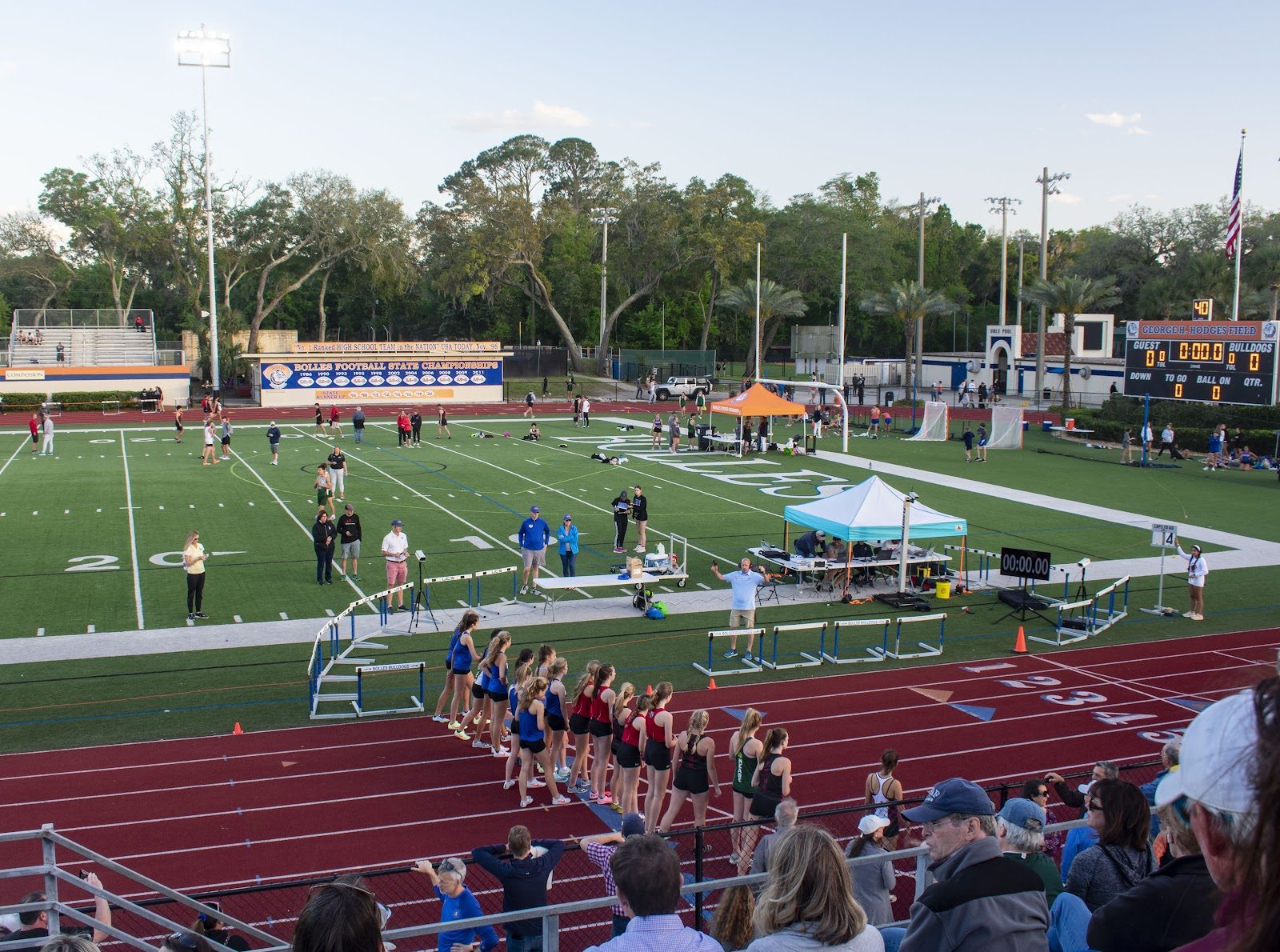
The Bolles School
Jacksonville, FL · United States
On a historic river bluff in Jacksonville, a swimming dynasty that has sent swimmers to Olympic podiums for decades.
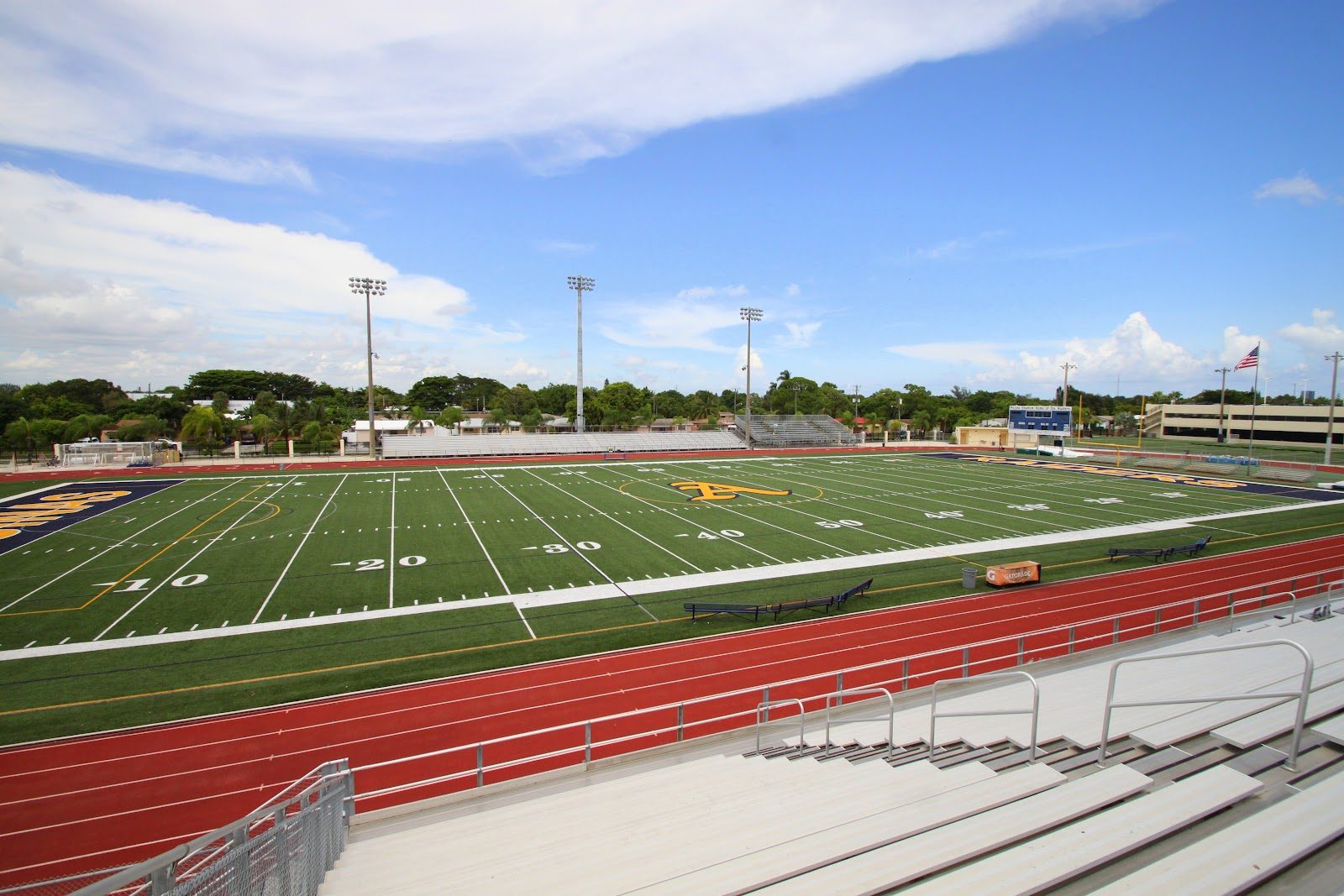
St. Thomas Aquinas High School
Fort Lauderdale, FL · United States
Fort Lauderdale Catholic prep melding AP rigor with a Cambridge International curriculum, backed by nationally ranked football.
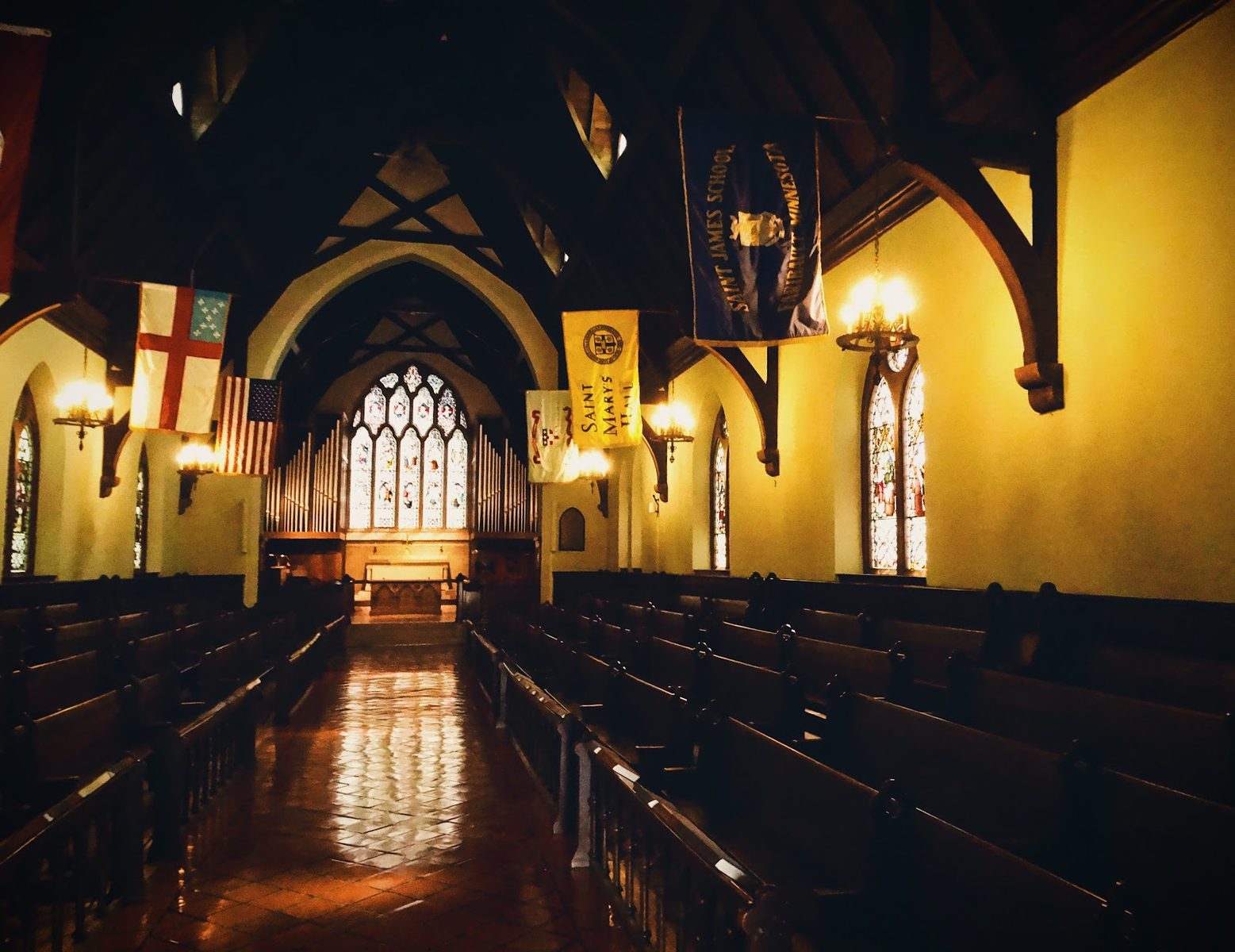
Shattuck-St. Mary's School
Faribault, MN · United States
A quiet Rice County campus since 1858, whose two NHL-sized rinks have fed the sport's pro and Olympic pipelines for decades.
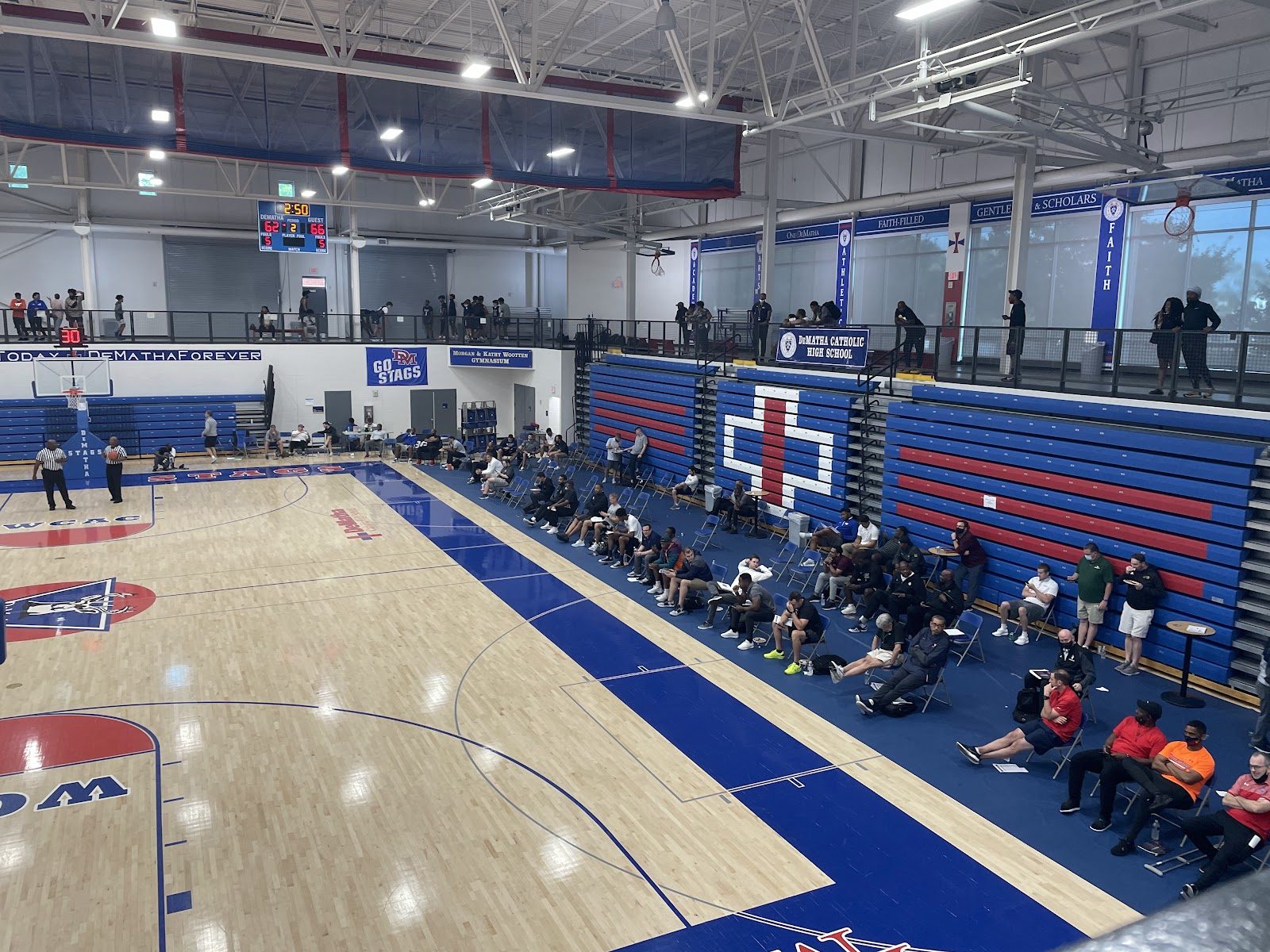
DeMatha Catholic High School
Hyattsville, MD · United States
A Hyattsville boys' Catholic prep where a 1965 upset of an unbeaten NY power built a basketball dynasty alongside rigorous AP study.
Same specialism, country and curriculum — closest matches within ±10 points either way