
Minnesota
Shattuck-St. Mary's School
A quiet Rice County campus since 1858, whose two NHL-sized rinks have fed the sport's pro and Olympic pipelines for decades.
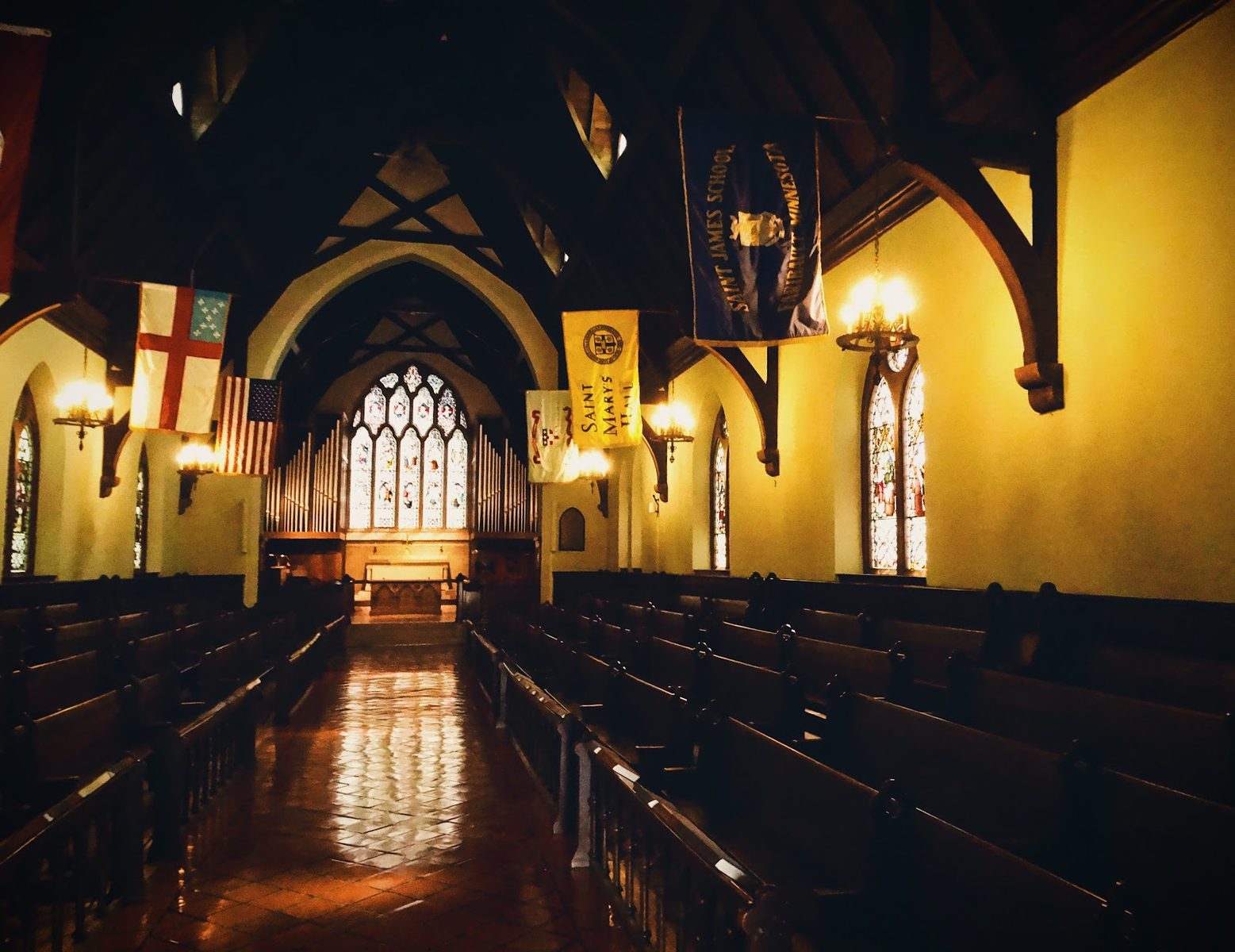
Photo © Andrew Dols via Google Maps
Type
Boarding + Day
Ages
11–18
Curriculum
US High School Diploma · Advanced Placement
Ratio
1:5
The Verdict
Editor's commitment
Right for
Families who want an Episcopal boarding-and-day school, ages 11–18, with a 1:5 ratio and 12-pupil classes.
Wrong for
Anyone indifferent to sport-specialist culture: Faribault’s 1858 campus is known for two NHL-sized rinks and long hockey pipelines.
Watch out for
Academic detail is thinner than the sports narrative: the school declares a US diploma and AP, but publishes no aggregate results here.
Ranking breakdown
Shattuck-St. Mary's School · #770 of 1591
Composite score 56.3. 8 weighted criteria.
By criterion
Academic Outcomes
Weight 20%
#1505
of 1529 scored
University Placement
Weight 16%
#1259
of 1529 scored
Prestige & Heritage
Weight 12%
#1114
of 1571 scored
Alumni Network
Weight 12%
#1442
of 1530 scored
Facilities
Weight 12%
#1192
of 1533 scored
Transparency & Communications
Weight 8%
#938
of 1532 scored
Peer & Industry Review
Weight 10%
#23
of 1548 scored
Admissions Selectivity & Demand
Weight 8%
#991
of 1529 scored
Peer & Industry Review
How Shattuck-St. Mary's School is regarded in the sector
88
Strong · medium confidence
Shattuck-St. Mary's reputation among peer boarding schools rests heavily on its athletic pipeline rather than classic academic league tables. As a TABS (The Association of Boarding Schools) member, it sits alongside Northeast prep powerhouses, but heads of rival hockey programs and sports journalists (ESPN, Sports Illustrated) have repeatedly singled it out as the premier feeder for elite junior and NHL hockey, citing alumni such as Sidney Crosby, Jonathan Toews and Zach Parise as proof of concept -- coverage that functions as de facto industry endorsement even though it centers on athletics, not academics. Independent US education press treats it less as a Choate/Andover academic peer and more as a specialized 'hockey factory,' a framing echoed in mainstream sports media profiles rather than Good Schools Guide-style academic reviews, which do not cover it. University admissions commentary is thin in public sources; matriculation is not benchmarked in national newspaper league tables (US News does not rank boarding schools this way). Overall, its peer standing is strong within athletic/arts prep circles and sports journalism, but comparatively undocumented in academic-prestige circles.
Award

Elite Sport 80
World's Top School · The Global Ranking
Shattuck-St. Mary's School is featured on our Global Top 80 ranking at #5. This seal is available for the school's marketing team to use on their website, prospectus and social channels.
- Sidney Crosby — NHL Hockey Player, Sports
- Jonathan Toews — NHL Hockey Player, Sports
- Zach Parise — NHL Hockey Player, Sports
Editors' overview
Shattuck-St. Mary’s occupies a clear niche in the US boarding-school market: a small, high-touch Episcopal school in rural Minnesota with an outsized reputation in elite sport, above all ice hockey. The essentials are concrete. It has operated since 1858, teaches in English, offers the US High School Diploma with Advanced Placement, and runs with a 1:5 student–teacher ratio and average classes of 12. That scale matters. Parents are not buying anonymity here; they are buying close supervision, constant adult oversight and a campus where talented adolescents live under a serious, structured regime. The school’s own emphasis on ScholarShift, the weCreate Centre and nine Signature Programs points to a deliberate push beyond the standard college-prep template. The draw is not pastoral charm. It is focused ambition, professional-grade training and a timetable built for students who already know what they want.
What sets Shattuck-St. Mary’s apart is the combination of mainstream American academics with specialist performance tracks that carry real weight. The editorial tagline says it plainly: those two NHL-sized rinks have fed professional and Olympic pipelines for decades. That alone puts the school on the shortlist for families with a gifted hockey player who needs daily, serious development without dropping academic expectations. The same logic extends to other high-performance students: musicians, creators and scholars who need a school that treats teenage talent as something to cultivate rigorously, not decorate in a prospectus. Competitive intensity is part of the offer. So is disciplined independence. This is not the right school for a child who wants a broad, undemanding boarding experience with plenty of room to drift.
The strongest fit is a self-directed student aged 11 to 18 who can handle pressure, use close faculty attention well, and thrive in a community where excellence has a practical, visible shape. The boarding-plus-day model widens the intake, but the school’s identity rests on commitment, not convenience. Families who value AP options, small classes and adult attention will find substance here; families chasing a vast menu of courses, a big-city setting or social prestige first will find stronger alternatives elsewhere. Shattuck-St. Mary’s earns consideration because it offers something hard to replicate: a serious campus culture for adolescents with clear professional intent, backed by 1858 roots and a teaching model that keeps students in plain view.
An Elite Sport 80 school
Shattuck-St. Mary's occupies rank five on the Elite Sport 80 because it has industrialised the production of professional and Olympic athletes in a way no other American boarding school has matched. From a small Minnesota campus in Faribault the school has produced 120 NHL draft selections, 21 Olympians and more than 832 documented NCAA Division I athletes across its Centers of Excellence in ice hockey, soccer, figure skating, biathlon, cycling and pre-conservatory music.
The specialisms are stacked. Ice hockey — the historic flagship — is a global pipeline: alumni have won Stanley Cups, IIHF World Championships and Olympic gold. Girls' hockey is equally deep, with dozens of Team USA and Team Canada representatives. Soccer, added later, has already produced full US Men's National Team players. Figure skating, biathlon and cycling each operate as small, focused academies rather than school sports.
Notable alumni include Sidney Crosby (arguably the school's most famous graduate), Jonathan Toews, Zach Parise, Nathan MacKinnon, Kyle Okposo and — in soccer — a growing cohort of MLS academy graduates. The figure-skating side has produced Olympic medallists and US and Canadian national champions.
International openness is high and structurally built in. Shattuck-St. Mary's is a co-ed boarding school with international students routinely making up close to a third of enrolment; nations most represented include Canada, Sweden, Finland, Russia, the Czech Republic, Japan, China and Colombia. F-1 visas are processed in-house, ESL is embedded, and admissions is a rolling process combining an academic file with a sport-specific highlight reel and (for hockey) a Center of Excellence tryout. Tuition and boarding sit around US$65,000-70,000, with athletic aid available. For a family whose child is already inside a national development system in a Center of Excellence sport, Shattuck-St. Mary's is one of the very few schools in the world that can genuinely deliver both a US high-school diploma and a professional-athlete trajectory.
Academic Performance
Shattuck-St. Mary’s does not publish the kind of exam data that allows a clean, hard comparison with top US boarding-school peers. We have not seen aggregate AP score distributions, AP participation rates, SAT or ACT averages, National Merit figures, or matriculation data broken down in enough detail to test academic strength against other selective schools. That gap matters. In a market where strong schools routinely put numbers behind their academic claims, this level of opacity leaves parents relying on structure and intent rather than verified outcomes. The school’s low staffing ratio and small classes point to close academic supervision, and the public emphasis on ScholarShift, the weCreate Centre and Signature Programs points to a model that prizes individual direction over raw exam branding.
Relative to peers, that places Shattuck-St. Mary’s in an unusual bracket. It does not read like an exam-results-first school competing on a barrage of published metrics; it reads like a talent-development institution whose academic proposition sits alongside specialist programmes with real institutional weight. That can work very well for a student with a clear lane and the discipline to use that support well. It is less reassuring for families who want unambiguous proof of external academic performance before paying US boarding-school fees. Among academically ambitious independent schools, published results drive confidence. Here, the school asks parents to buy into a broader, high-touch model without putting enough hard attainment data in the public domain.
Facilities
The defining facilities here are the performance facilities, not a sprawling catalogue of general campus assets. The school itself foregrounds nine Signature Programmes, and the editorial line on the school’s hockey infrastructure points to the clearest physical differentiator: two NHL-sized rinks that place Shattuck-St. Mary’s in a different league from most US boarding schools. Plenty of peers offer ice time; very few build a campus identity around elite player development with facilities sized and used for that level of training. For families in hockey, that is not a decorative extra. It is core infrastructure. The weCreate Centre also matters because it signals dedicated space for student production and creative work rather than a standard art room folded into the timetable. ScholarShift points in the same direction: facilities here serve specialist purpose and serious daily use, not just broad school-life coverage.
Against peer schools, that creates a narrow but powerful advantage. If you want the grandest all-round boarding campus with endless academic departments, museum-grade arts spaces, or the outdoor scale of the richest East Coast schools, stronger options exist. Shattuck-St. Mary’s strength lies in focused performance environments tied closely to its institutional identity. The small classes and very low staff ratio also change how facilities function: students get access, supervision and routine, not just square footage. That distinction matters. Many schools have good buildings; fewer organise them around adolescent excellence with this degree of intensity.
Mary’s does not publish the kind of exam data that allows a clean, hard comparison with top US boarding-school peers
Prestige
Shattuck-St. Mary’s carries real prestige, but it is concentrated prestige, not the all-purpose social or academic prestige that attaches to the biggest New England boarding names. Its status rests on a very specific combination: a long-established Episcopal school, unusually close adult oversight, and elite sport infrastructure with a record that travels far beyond Minnesota. In hockey circles, that reputation is genuinely weighty. Families in that world know the name, and they know why: the school has built a durable route from adolescent training to top-level competition. That matters more than generic brand gloss. The school’s public emphasis on nine Signature Programs also reinforces a reputation for serious specialist development rather than a standard liberal-arts boarding formula.
That said, prestige here has boundaries. Shattuck-St. Mary’s does not command automatic recognition in every international market, and it does not publish the breadth of academic outcome data that underpins top-tier academic cachet. Its standing is strongest for families who value high-performance talent development and a school culture built around commitment, structure and ambition. For a gifted athlete, artist or highly directed student, the name carries force. For families chasing pure academic status signalling, broad social lustre or the old-boy aura of America’s most famous boarding schools, it sits a rung below. This is earned prestige, rooted in distinct institutional strengths, not prestige by inherited mythology.
Families in that world know the name, and they know why: the school has built a durable route from adolescent training to top-level competition
Communications
Shattuck-St. Mary’s communicates with parents in the same way it runs the school: through a clear institutional script built around purpose, programmes and adult guidance. The public-facing message is coherent. The school names its priorities directly — ScholarShift, the weCreate Centre and nine Signature Programs — and repeats them with discipline. That gives parents a strong sense of what the school values and what kind of child it wants to serve. The tone is polished, controlled and mission-heavy, with plenty of language about leadership, dreams and transformation. That works up to a point. It conveys culture. It does not, on its own, answer the harder parental questions about workload, pastoral friction, university outcomes or how the school handles students whose ambitions stall.
Effectiveness, then, is mixed. On brand communication, the school is highly competent: families can grasp the offer quickly, and there is no confusion about the school’s specialist focus or Episcopal character. On decision-grade transparency, the picture is thinner. The same pattern shows up elsewhere: strong framing, weaker disclosure. We have not seen much publicly that tests how candidly the school communicates performance in aggregate, or how rigorously it publishes the data many fee-paying parents now expect. For families already sold on the school’s high-performance ethos, that may be enough. For more sceptical parents, especially those making an international move, the communication leaves too much unsaid and asks for too much trust.
Uniqueness
Shattuck-St. Mary’s is unusual because it does not treat high achievement as an extracurricular flourish attached to a standard school day. It organises school life around specialist pursuit. The school’s own language makes that plain: ScholarShift, the weCreate Centre and nine Signature Programmes sit near the centre of its identity, not at the margins. That gives students something more exacting than a broad “all-rounder” model. A young person with a defined goal gets a timetable, adult network and institutional culture built to push that goal forward every day. The benefit is clarity of purpose. The cost is that this is not a loose-fit adolescence. Students who need room to drift, sample endlessly or hide in a crowd will find the structure constraining.
What sharpens that distinctiveness is the combination of that specialist culture with a small-school level of attention. The result is intensive development, not just opportunity. In many schools, talent programmes sit beside the main academic life; here they shape it. That matters for adolescents working at a serious level in sport or another defined field, because their ambition gets institutional permission rather than constant compromise. The school’s Episcopal character also adds a note of old-school moral structure to an environment otherwise driven by performance. For the right student, that blend produces rare focus, strong habits and a clearer sense of professional direction than most schools can offer.
What sharpens that distinctiveness is the combination of that specialist culture with a small-school level of attention
Student Profile
The best fit is a young person with a defined aim and the stamina to live inside it. This school suits students who want close adult attention, accept scrutiny, and do not need the social camouflage of a large campus. A gifted hockey player is the obvious case, but the pattern extends beyond sport: serious musicians, makers and academically directed pupils who want their school day organised around progress rather than breadth will fit well. The atmosphere rewards discipline, self-command and competitive seriousness. It does not reward dabbling. With an average class size of 12 and a student–teacher ratio of 1:5, students stay visible. That helps the organised and exposes the evasive.
Socially, the strongest candidates are mature for their age, able to take coaching, and comfortable among peers whose ambitions are explicit. This is a school for adolescents who can handle a high-pressure peer group without mistaking pressure for hostility. It will suit families who want structure, routine and adults who intervene early. It will not suit a child who wants a relaxed, anonymous teenage experience, resists correction, or needs endless room to experiment before committing. In that sense, Shattuck-St. Mary’s is selective in temperament even before admissions enters the picture: students thrive here when they arrive with purpose, resilience and a willingness to be pushed.
The school’s own emphasis on ScholarShift, the weCreate Centre and nine Signature Programs points to a deliberate push beyond the standard college-prep template
Co-curricular strengths
Arts & sport, on a separate axis
Overall 9.24/10
Scored 0-10 from the school's own published evidence. This axis is editorial-only — it does not feed the main WTS ranking.
Drama
9.2/10
Dance
9/10
Music
9.2/10
Visual Arts
9/10
Strengths
- +Runs one of the most established prep-school ice hockey programs in North America, with alumni who went on to NHL careers such as Sidney Crosby and Jonathan Toews.
- +Small average class size (around 12 students) allows individualized attention across academic and arts programs.
- +Offers Advanced Placement coursework alongside dedicated arts, hockey, soccer and figure-skating tracks within a single campus.
- +Long institutional history dating to 1858, giving it an established boarding infrastructure and alumni network.
- +Diverse boarding population with a meaningful proportion of international students, offering cultural exposure beyond the local Minnesota community.
Considerations
- −Campus is in Faribault, a small city roughly an hour from Minneapolis-St. Paul, meaning limited access to a major international airport or urban amenities.
- −Reputation and resources are heavily weighted toward elite athletics, particularly hockey, which may not suit families prioritizing pure academics.
- −Boarding tuition places it among the costlier US prep schools, a significant consideration for families without financial aid.
- −Harsh Minnesota winters are a real lifestyle factor for students and families unused to sustained sub-zero temperatures.
Gallery
Photo © Andrew Dols via Google Maps
Photo © Conner Wilson via Google Maps
Photo © Michael J. Brown via Google Maps
Photo © Frank Dux via Google Maps
Photo © Kevin Liao via Google Maps
Photo © Kevin Liao via Google Maps
Photo © Shattuck-St. Mary's School via Google Maps
Parent reviews
Have you sent your child here?
Voice reviews carry the strongest trust badge — we transcribe them for you to tidy up before they go live. Prefer to type? A written review is fine too.
Add your voice
In 60 seconds, tell other parents: what's the best thing about Shattuck-St. Mary's School, and what surprised you when your child joined?
We ask for a Google sign-in so every review has a real face behind it — no anonymous drive-by attacks on schools, and no faked positive reviews. Your email is never shown publicly.
Send this profile to a friend
International parents rely on word-of-mouth. Share this review with someone weighing the same decision.
Schools with places
Similar schools to Shattuck-St. Mary's School with places available now.
Germantown Friends School
Philadelphia · United States
- 2026-27
- CLOSEDRegular cycle closed
- 2027-28
- OPENS SOONOpens Sept '26
Poly Prep Country Day School
Brooklyn · United States
- 2026-27
- CLOSEDRegular cycle closed
- 2027-28
- OPENS SOONOpens Sept '26
Marymount School of New York
New York City · United States
- 2026-27
- CLOSEDConfirmed full
- 2027-28
- PLACES OPENApplications opened 1 Aug '26
Boston University Academy
Boston · United States
- 2026-27
- CLOSEDRegular cycle closed
- 2027-28
- OPENS SOONOpens Sept '26
Availability first, then country, area, curriculum, price, co-curricular
Consider also
Also worth looking at alongside Shattuck-St. Mary's School.

Montverde Academy
Montverde, FL · United States
On a Lake Florence campus in Central Florida, boarders from some 80 countries share dorms with a basketball program that keeps feeding the NBA draft.
The Bolles School
Jacksonville, FL · United States
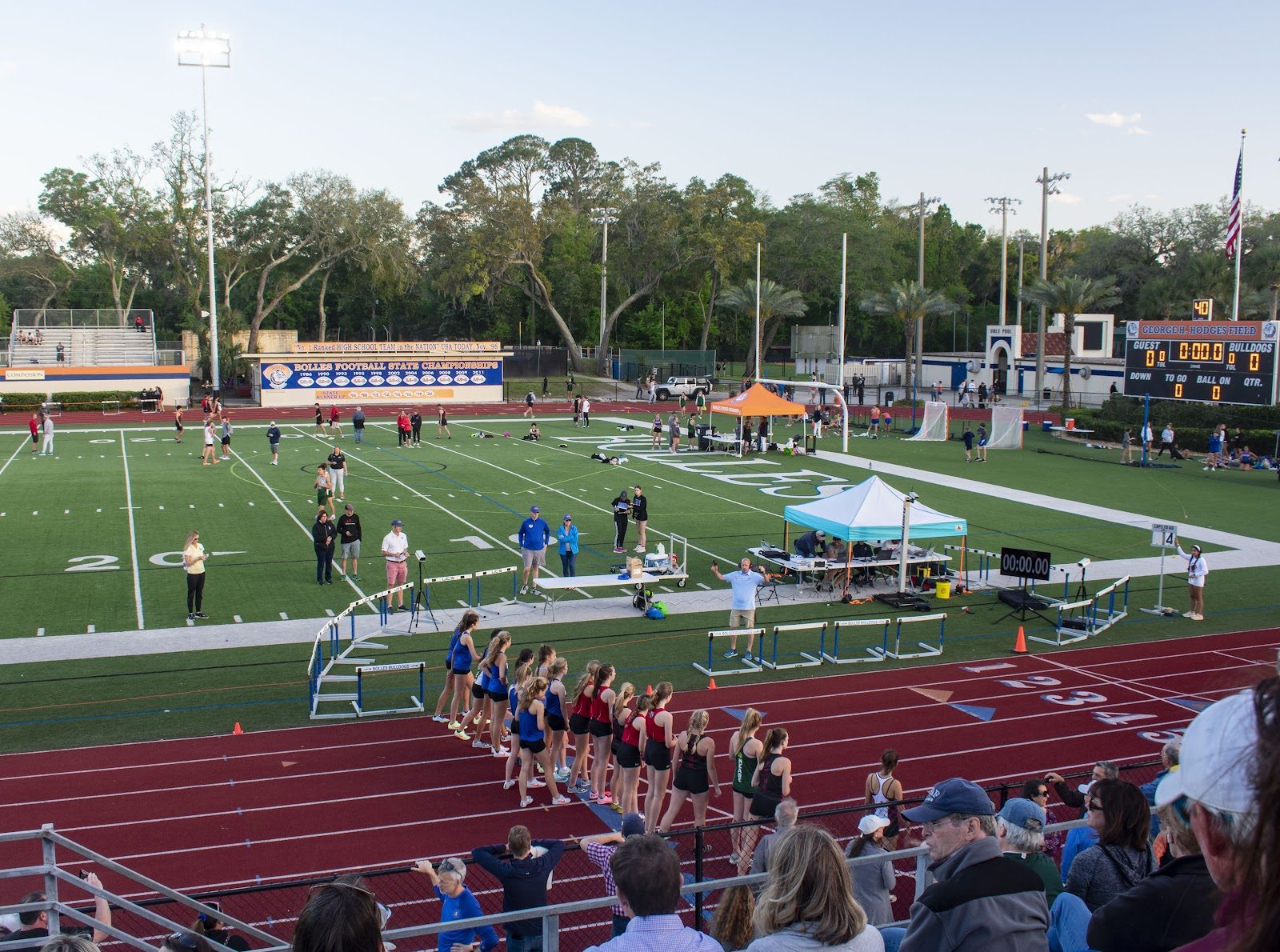
On a historic river bluff in Jacksonville, a swimming dynasty that has sent swimmers to Olympic podiums for decades.

Long Beach Poly High School
Long Beach, CA · United States
An urban Long Beach public school where the century-old motto 'Scholars and Champions' still fits a campus with more NFL alumni than any other in America.
Oak Hill Academy
Mouth of Wilson, VA · United States
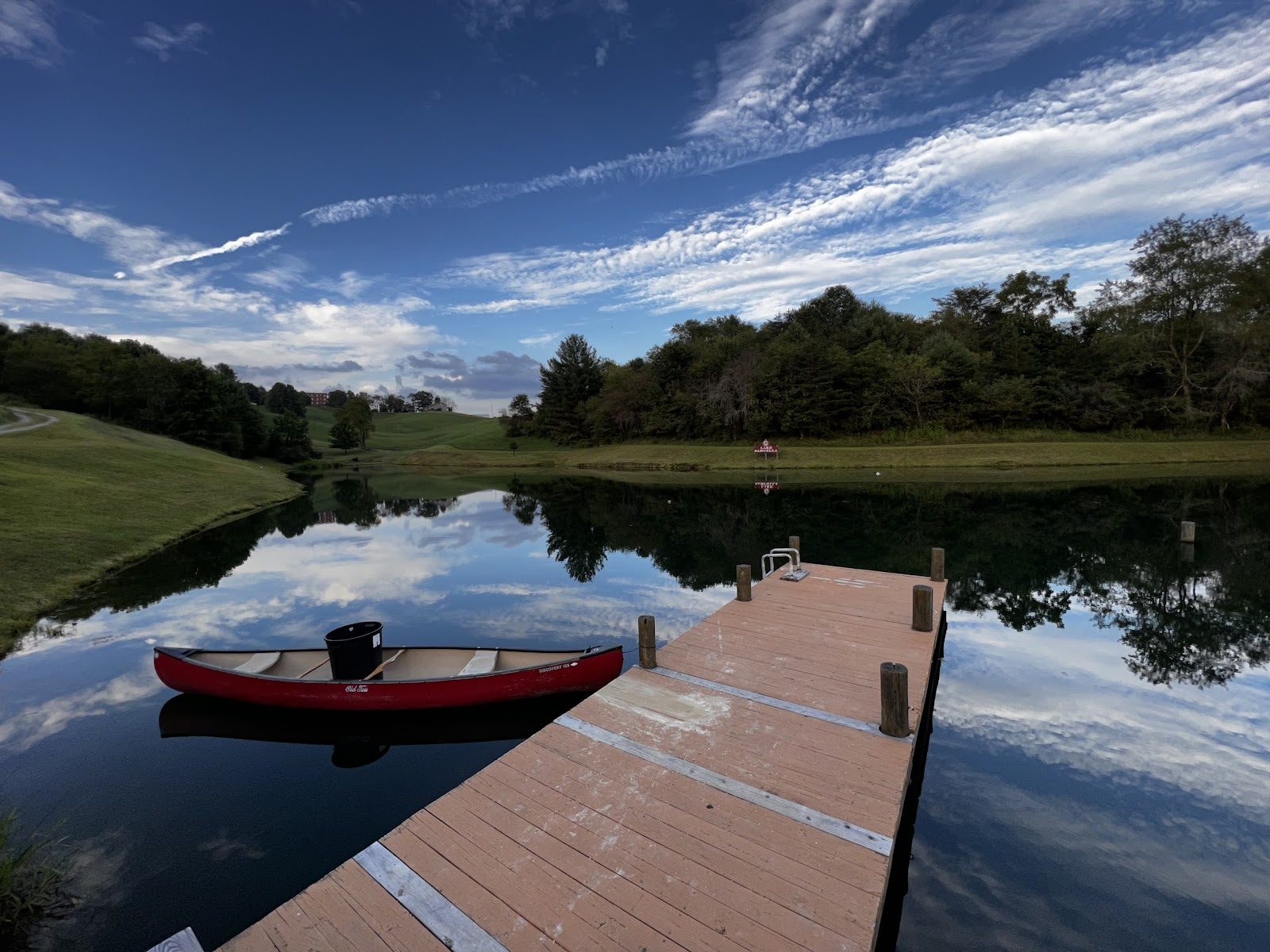
Deep in Virginia's Blue Ridge Mountains, a tiny Baptist boarding school built a basketball pipeline rivaling college programs.
Same specialism, country and curriculum — closest matches within ±10 points either way