
Florida
Miami City Ballet School
Where Balanchine technique meets professional stagecraft, training young dancers inside a working ballet company on Miami Beach

Photo © CHLO GOT FLO (ChloGotFlo) via Google Maps
Type
Day
Ages
2–18
Curriculum
—
Ratio
—
The Verdict
Editor's commitment
Right for
Young dancers aged 2–18 who want serious ballet training inside Miami Beach’s Miami City Ballet orbit, not a generic suburban studio.
Wrong for
Families wanting a conventional academic school day; this is a day ballet school in English, not a broad K–12 classroom.
Watch out for
The average annual day fee is US$5,626, but the real test is commitment: ballet training demands stamina, repetition and stage discipline.
Ranking breakdown
Miami City Ballet School · #1362 of 1591
Composite score 53.4. 8 weighted criteria.
By criterion
Academic Outcomes
Weight 20%
#1527
of 1529 scored
University Placement
Weight 16%
#1517
of 1529 scored
Prestige & Heritage
Weight 12%
#622
of 1571 scored
Alumni Network
Weight 12%
#1005
of 1530 scored
Facilities
Weight 12%
#77
of 1533 scored
Transparency & Communications
Weight 8%
#1246
of 1532 scored
Peer & Industry Review
Weight 10%
#32
of 1548 scored
Admissions Selectivity & Demand
Weight 8%
#400
of 1529 scored
Peer & Industry Review
How Miami City Ballet School is regarded in the sector
85
Strong · medium confidence
Within the U.S. classical dance world, Miami City Ballet School is generally ranked alongside a small tier of company-affiliated academies such as the School of American Ballet, Houston Ballet Academy and San Francisco Ballet School, largely because of its direct Balanchine-repertoire lineage through founder Edward Villella and its close artistic pipeline into the Miami City Ballet company itself. Dance-press coverage (Dance Magazine, Pointe Magazine) has repeatedly featured its faculty and summer intensive as a serious pre-professional track rather than a recreational studio, and its students are routinely cited among finalists at Youth America Grand Prix and other national competitions that admissions scouts from Juilliard's dance division and NYU Tisch use as informal recruiting grounds. Because it is not a conventional academic school, it does not appear in mainstream university feeder-school league tables or general-education guides like Good Schools Guide or WhichSchoolAdvisor; its standing is judged instead through company hiring patterns and festival/competition visibility rather than quoted commentary from rival heads or admissions officers, which limits independently citable peer testimony beyond the dance-specialist press.
Award

Elite Dance 50
World's Top School · The Global Ranking
Miami City Ballet School is featured on our Global Top 50 ranking at #40. This seal is available for the school's marketing team to use on their website, prospectus and social channels.
Editors' overview
Miami City Ballet School trades on a rare advantage: training sits inside a working ballet company on Miami Beach, not in a stand-alone after-school studio. That matters. Young dancers absorb company discipline, rehearsal culture and stagecraft early, and the school’s age span of 2–18 gives it reach from first movement classes to pre-professional years. Instruction is in English, the format is day-only, and the proposition is clear: this is for families who want serious dance training without the boarding-school machinery.
What puts it on a shortlist is that professional adjacency. Plenty of ballet schools teach technique; fewer train children in the orbit of an active company, where standards are set by the demands of performance rather than by recital season. The school’s own tagline points straight to Balanchine technique and professional stagecraft, and that combination gives it a distinctive market position. It is not selling a broad private-school education with ballet on the side. It is selling immersion in a specialist art form, with the habits, correction culture and physical rigour that go with it.
The other striking point is price. At an average annual day fee of $5,626, Miami City Ballet School sits in a comparatively accessible part of the US specialist-training market. Parents should read that in context: this is not a conventional independent school with a full academic offer across every subject named and timetabled in the way a mainstream K–12 school would do it. The public information here does not publish academic outcomes, class sizes, teacher ratios or destination data, so families need to ask hard questions about timetable balance, academic provision and the route for dancers who do not pursue ballet professionally. That opacity matters.
The child who will want Miami City Ballet School is the one who already lives for dance, takes correction well and wants structure rather than hand-holding. For a casual hobbyist, the environment risks feeling demanding and narrow. For an ambitious young dancer who wants technical seriousness, exposure to professional standards and a school built around ballet rather than around a generic private-school experience, it is a compelling option.
A Global Elite 50 Dance school
Miami City Ballet School sits in Band 32-50 of our Global Elite 50 Dance Schools 2026 because it meets the standard for inclusion within the Global Elite 50 — public evidence supports its elite professional-conversion status, but does not currently allow a definitive one-place distinction against its band peers.
The Global Elite 50 Dance Schools methodology is deliberately aggressive: half of the 100 available points are directly tied to professional conversion between 2016 and 2026 — main-company contracts, elite junior-company positions, apprenticeships and second companies. Beautiful campuses, historic alumni and impressive facilities cannot compensate for weak contemporary professional conversion, and are not scored independently.
Because this school currently publishes limited cohort-level data, no evidence-confidence grade is attached to its position at this stage. As with all band-32-50 schools, the exact ordering will be revised when materially better 2016-2026 destination evidence enters the public domain.
International openness is a defining feature. Boarding or residential arrangements are standard, and overseas dancers apply on a rolling international audition + video pre-screen basis without residency, federation or citizenship gates. Student visas are handled by the school or its host-family partner. This is one of the internationally-open pipelines on the Global Elite 50 Dance Schools list that a relocating family can consider directly. Prospective families are advised to begin overseas application conversations early in the calendar year, with detailed audition and boarding logistics arranged 12-18 months ahead of the intended entry point. Prospective families are advised to begin overseas application conversations early in the calendar year, with detailed audition and boarding logistics arranged 12-18 months ahead of the intended entry point. Prospective families are advised to begin overseas application conversations early in the calendar year, with detailed audition and boarding logistics arranged 12-18 months ahead of the intended entry point. Prospective families are advised to begin overseas application conversations early in the calendar year, with detailed audition and boarding logistics arranged 12-18 months ahead of the intended entry point.
Academic Performance
Academic performance is the school’s weak point in public disclosure. We have not seen aggregate results for external examinations, no subject-by-subject outcomes, no university destinations, and no comparative data against other pre-professional dance schools. That leaves parents without the standard markers used to judge academic strength. In a specialist setting built around ballet training, that gap is not trivial; it is structural, because families need to know how academic study is protected when rehearsal loads rise and ambitions sharpen. The school covers a long age span, yet publishes none of the headline evidence that would show whether pupils leave with solid academic options alongside their dance training.
Against peers, that places Miami City Ballet School in an opaque category rather than a proven academic one. Conservatory-style schools and serious vocational programmes do not need to mimic conventional college-prep institutions, but they do need to show what pupils sit, how they perform and where they go next. Here, that record is absent from the public domain. The price point softens expectations of a full-spectrum independent-school data culture, but it does not remove the need for clarity. Parents should ask direct questions: which external exams pupils take at key stages, pass rates over the past 3 years, average class time lost to productions, and the destination split between professional dance pathways and non-dance study. Until those answers are published, academic performance remains unverified rather than competitive.
Facilities
The decisive facility here is not a grand standalone campus; it is access to a working professional environment. For a ballet student, that carries more value than manicured acreage or a long amenities list. Training attached to Miami City Ballet gives pupils a route into studios, rehearsal rhythms and production standards that ordinary dance academies do not match. That kind of setup matters most in the later years, when correction, consistency and stagecraft separate committed dancers from children taking class as an extracurricular. Against specialist peers, that places the school in a profession-facing bracket: less about campus theatre, swimming pool and multi-sport buildout, more about daily contact with the habits of a real company.
The weakness is public detail. The school does not publish a clear facilities breakdown for parents weighing it against conservatory-style competitors. We have not seen square footage, studio counts, conditioning spaces, physio provision, academic classrooms, library resources or performance venues set out in any usable way. That omission leaves families to infer quality from the company connection, and inference is not enough when injury prevention, timetabling and changing provision matter to a young dancer’s week. Some peers are far more transparent about sprung floors, wellness support and onsite academic infrastructure. Miami City Ballet School retains a serious specialist advantage through its company setting, but its facilities case in public remains under-explained.
Miami City Ballet School trades on a rare advantage: training sits inside a working ballet company on Miami Beach, not in a stand-alone after-school studio
Prestige
Prestige here rests on proximity to the real business of ballet, not on the social signalling of a conventional private school. Training inside Miami City Ballet gives the school a serious professional edge: pupils work in the orbit of a company, with all the expectations of discipline, correction and stage readiness that entails. In specialist dance terms, that carries weight. Parents shopping for a broad academic brand name will not find it here; parents who understand ballet will recognise the value of a school built around Balanchine technique and performance craft rather than trophies, glossy facilities talk or lifestyle packaging. The age span, running from 2 to 18, also matters: it creates a full in-house pathway from early training to pre-professional ambition, which strengthens identity and standards.
That said, prestige is narrow rather than universal. This is not the kind of institution that impresses by sheer academic selectivity, elite university outcomes or published examination strength; the school does not disclose the evidence required for that. Its standing sits in a specialist arts lane, and it rises or falls on the reputation of the company environment and the quality of dance formation. The fee level — $5,626 on average across the ladder — also places it outside the luxury-school bracket. That does not diminish the ballet credibility; it simply clarifies the type of prestige on offer. For the right child, this is profession-facing training with real cachet. For everyone else, it is a niche name, not a general-status one.
At an average annual day fee of $5,626, Miami City Ballet School sits in a comparatively accessible part of the US specialist-training market
Communications
Parent communication looks functional rather than polished. The public-facing site does the basics: contact routes are easy to find, the main navigation is clean, and practical parent touchpoints such as account login, calendar, events and cart sit in plain view. That matters in a specialist school where schedules, performances and payments drive family life as much as classroom routine. The donation language is also prominent, which makes sense inside an arts organisation, but it shifts the tone away from parents seeking clear school information. For a setting serving children from 2 through 18, the public explanation of day-to-day school communication is thin. We do not see a clear parent handbook, routine communications policy, sample weekly schedule, or a serious FAQ addressing attendance, injuries, timetable changes and academic coordination.
That leaves the overall verdict at adequate but underpowered. Families can reach the organisation and find key administrative entry points, yet the school does not publish the kind of hard-working clarity that reassures parents in a demanding training environment. In ballet education, communication needs to be precise, timely and unsentimental: rehearsal calls change, casting affects routines, and physical issues need quick escalation. The company connection raises that standard, not lowers it. Miami City Ballet School gives parents the channels, but not enough evidence of the communication culture behind them. For a school built around rigour, the parent-information layer feels too spare.
Uniqueness
What sets Miami City Ballet School apart is not simple specialism but institutional immersion. Children do not train in a retail dance-school ecosystem built around weekend classes and end-of-term showcases; they train inside the machinery of a professional ballet organisation. That changes the tone of everything. Correction carries more weight, rehearsal standards tighten earlier, and stagecraft stops being decorative add-on work. The school’s own framing around Balanchine technique and professional practice gives the proposition its hard edge: this is training shaped by a company’s demands, not by a general private school’s need to serve every type of child equally well. For serious dancers, that environment can accelerate maturity, musical discipline and resilience. For children who want breadth, flexibility or a softer pace, it will feel narrow by design.
Its other point of difference is value. An average annual fee of $5,626 places this school in a strikingly accessible bracket for specialist pre-professional training linked to a recognised company. That matters because vocational arts education often prices itself like a luxury good. Here, the lower financial barrier opens the door to families who want serious artistic formation without the full cost structure of elite boarding or conservatory-style schooling. The trade-off is clear: parents must do more due diligence on academic provision, injury support and outcomes beyond dance. Even so, the combination of company adjacency, technical identity and lower-than-expected cost gives Miami City Ballet School a rarely matched profile.
The child who will want Miami City Ballet School is the one who already lives for dance, takes correction well and wants structure rather than hand-holding
Student Profile
The right pupil here is not a dabbler. Miami City Ballet School suits children and teenagers who want dance to organise the week, not decorate it. They need stamina for repetition, patience with correction and enough self-possession to work in an environment shaped by professional standards rather than by hobby-school reassurance. The broad age span — 2–18 — means the intake will vary in seriousness at the youngest end, but by the time pupils move into the upper levels, the fit narrows fast. This is for young dancers who respond to structure, accept hierarchy and do not need constant praise to stay motivated. A child who thrives on variety for its own sake, resists discipline or wants school life to revolve around a wide menu of activities will find the model constrained, demanding and not for the faint-hearted.
It will also suit families with a clear-eyed view of vocational training. Parents need to be comfortable with a school identity built around ballet first, with all the intensity that brings to scheduling, physical resilience and peer culture. Children who are single-minded, physically robust and serious about craft will fit best; those still testing interest or needing a gentler pace will not. The lower average annual fee of $5,626 broadens access, but it does not soften the school’s core character. This is a specialist tribe, not a catch-all student body, and the strongest fit will be with pupils who want hard-edged artistic formation rather than a cushioned all-round childhood.
Against peers, that places Miami City Ballet School in an opaque category rather than a proven academic one
Co-curricular strengths
Arts & sport, on a separate axis
Overall 10/10
Scored 0-10 from the school's own published evidence. This axis is editorial-only — it does not feed the main WTS ranking.
Sports
—
Drama
—
Dance
10/10
Music
—
Visual Arts
—
Strengths
- +Operates as the official school of Miami City Ballet, a major American ballet company with a Balanchine repertory heritage, giving students proximity to a professional company environment.
- +Training is built around Balanchine-style technique, consistent with the affiliated company's artistic lineage and repertoire.
- +Housed within the Miami City Ballet building in Miami Beach, allowing students some exposure to company dancers, rehearsals, and studio life.
- +Maintains a distinct Pre-Professional Division intended for advanced students pursuing a performing career in classical ballet.
- +Runs a Summer Intensive program that attracts students from beyond the local South Florida area.
Considerations
- −This is a specialized dance-training program, not a full academic day school, so families must separately secure core schooling elsewhere.
- −Upper-level training schedules are demanding and time-intensive, making the program unsuitable for casual or recreational dancers.
- −Curricular focus is classical ballet in the Balanchine idiom, offering limited scope for students seeking contemporary, commercial, or broader modern-dance training.
- −No boarding option is provided, so relocating families must independently arrange local housing and academic enrollment.
Gallery
Photo © Mickey Kerbel via Google Maps
Photo © Jacqueline Shaprow via Google Maps
Photo © Jeile Marie via Google Maps
Photo © Jeile Marie via Google Maps
Photo © Yudemax PV via Google Maps
Photo © Dima Bolmatov via Google Maps
Photo © Evan Guthrie via Google Maps
Parent reviews
Have you sent your child here?
Voice reviews carry the strongest trust badge — we transcribe them for you to tidy up before they go live. Prefer to type? A written review is fine too.
Add your voice
In 60 seconds, tell other parents: what's the best thing about Miami City Ballet School, and what surprised you when your child joined?
We ask for a Google sign-in so every review has a real face behind it — no anonymous drive-by attacks on schools, and no faked positive reviews. Your email is never shown publicly.
Send this profile to a friend
International parents rely on word-of-mouth. Share this review with someone weighing the same decision.
Schools with places
Similar schools to Miami City Ballet School with places available now.
Pine Crest School
Fort Lauderdale · United States
- 2026-27
- CLOSEDRegular cycle closed
- 2027-28
- OPENS SOONOpens Sept '26
Ransom Everglades School
Miami · United States
- 2026-27
- CLOSEDRegular cycle closed
- 2027-28
- OPENS SOONOpens Sept '26
Availability first, then country, area, curriculum, price, co-curricular
Consider also
Also worth looking at alongside Miami City Ballet School.
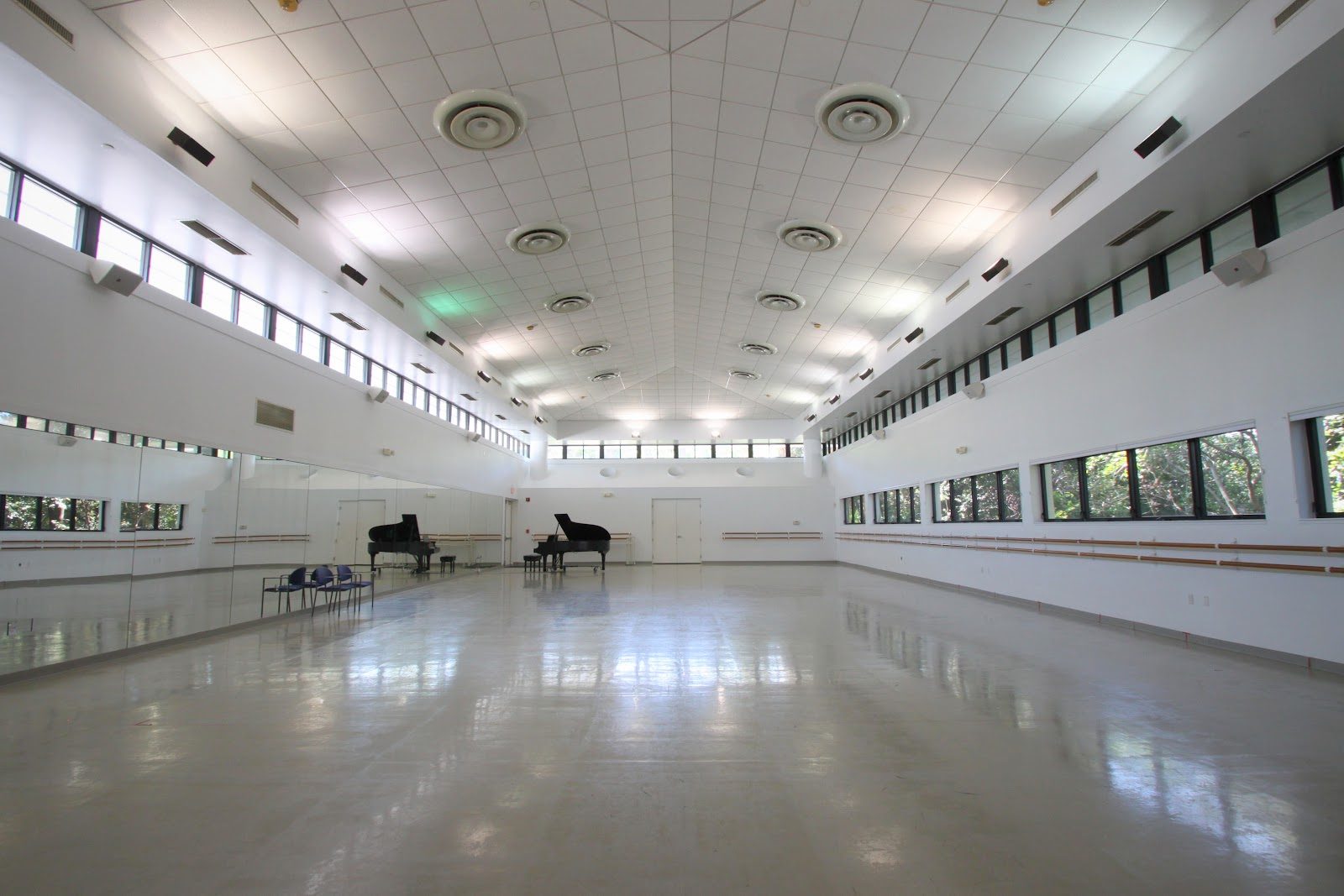
The HARID Conservatory
Boca Raton, Florida · United States
Tuition-free, audition-only ballet conservatory where teenage dancers train full days for professional company careers
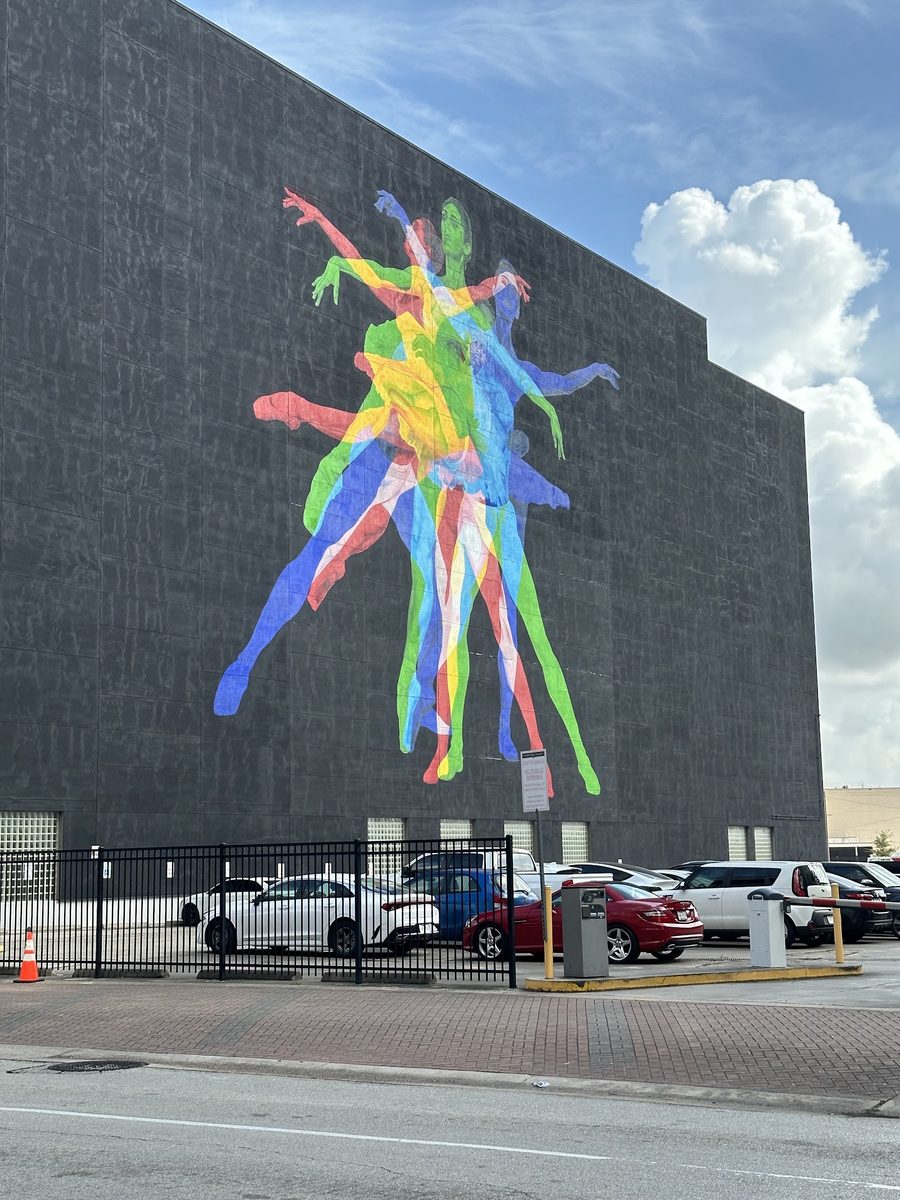
Houston Ballet Academy
Houston, TX · United States
Inside America's largest professional dance facility, Vaganova-rooted training pipelines students straight into Houston Ballet's company.

ABT Jacqueline Kennedy Onassis School
New York, NY · United States
Pre-professional ballet training on ABT's National Training Curriculum, feeding dancers straight into the company's own ranks

New Zealand School of Dance
Wellington · New Zealand
Born in 1967 to feed the Royal New Zealand Ballet, this conservatoire trains just eighty dancers inside a shared national arts centre.
Same specialism, country and curriculum — closest matches within ±10 points either way