
Florida
Gulliver Preparatory School
low confidence· 2/6 cats · 2.75 avg sourcesNearing its Miami centennial, this Raiders campus pairs AP rigor with a sports program boasting 69 state titles since 1990.
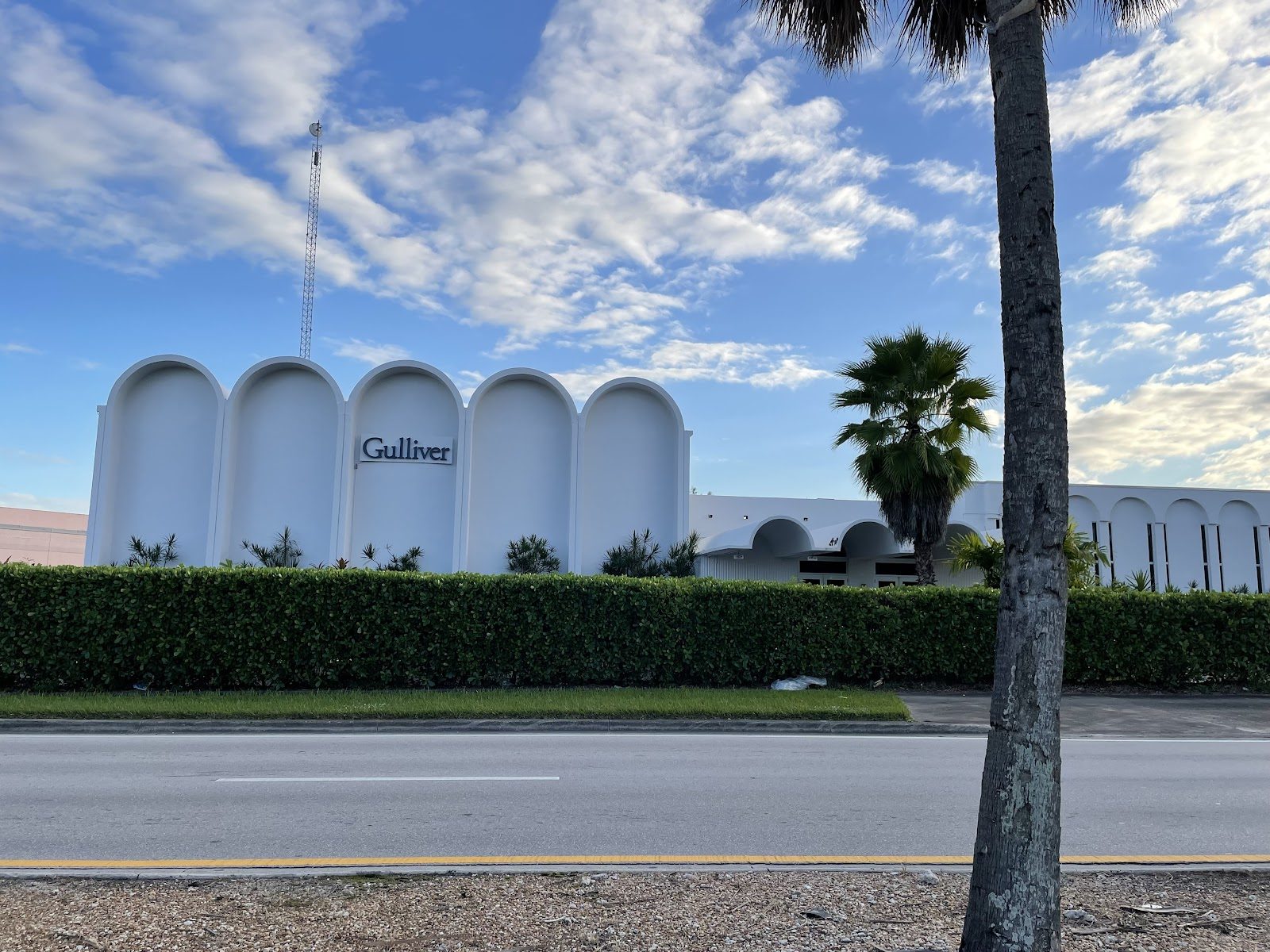
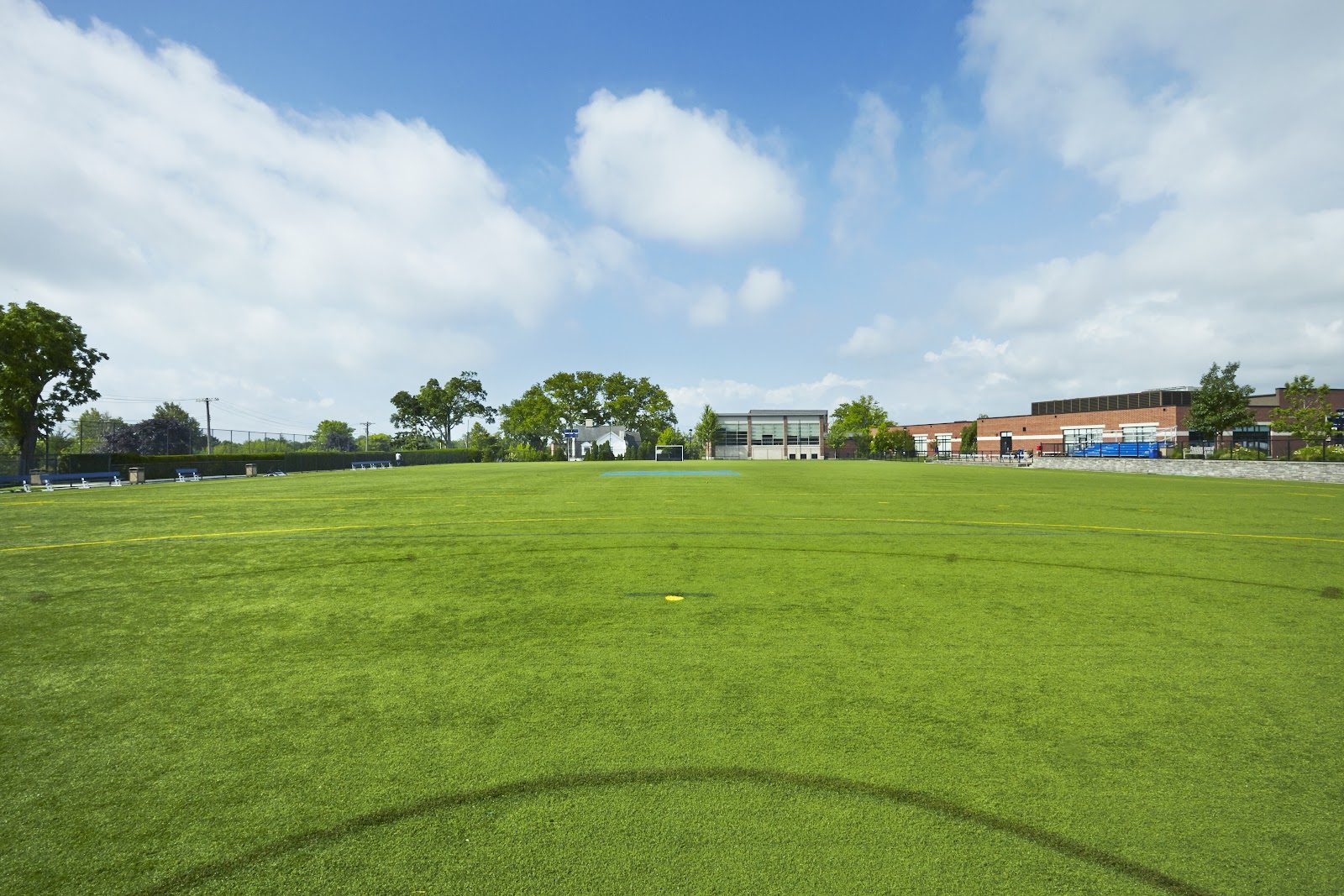
Photo © Gulliver Prep | Upper School Miller Campus via Google Maps
Type
Day
Ages
3–18
Curriculum
American (US High School Diploma) · AP (Advanced Placement)
Ratio
—
The Verdict
Editor's commitment
Right for
Families wanting a 1926 Miami day school with US diploma plus AP, and a sports culture built on 69 state titles since 1990.
Wrong for
Parents seeking boarding, religious formation or another curriculum: Gulliver is non-religious, day-only, English-medium and runs an American diploma with AP.
Watch out for
At an average annual day fee of $44,233 for ages 3–18, you are paying private-school rates without any published aggregate AP score data.
Ranking breakdown
Gulliver Preparatory School · #578 of 1591
Composite score 69.3. 8 weighted criteria.
By criterion
Academic Outcomes
Weight 20%
#667
of 1529 scored
University Placement
Weight 16%
#584
of 1529 scored
Prestige & Heritage
Weight 12%
#626
of 1571 scored
Alumni Network
Weight 12%
#399
of 1530 scored
Facilities
Weight 12%
#503
of 1533 scored
Transparency & Communications
Weight 8%
#518
of 1532 scored
Peer & Industry Review
Weight 10%
#604
of 1548 scored
Admissions Selectivity & Demand
Weight 8%
#647
of 1529 scored
Peer & Industry Review
How Gulliver Preparatory School is regarded in the sector
65
Respected · medium confidence
Gulliver Preparatory School is consistently ranked among Miami's top private schools by Niche.com and local outlets like Miami Herald and South Florida Business Journal, with strong college matriculation lists and notable alumni including professional athletes and entertainers. It has a solid regional reputation and visible presence in 'best private schools in Florida/Miami' rankings, though it lacks the international name-recognition or specialist press coverage (Tatler, Good Schools Guide) seen in globally elite institutions.
Evidence sources
- Enrique Iglesias — Singer, Music
- Amar'e Stoudemire — Basketball player, NBA
Editors' overview
The sharpest point about Gulliver Preparatory School is the blend of serious American college-prep academics and a sports culture with unusual weight. This Miami day school, founded in 1926, runs from age 3 to 18 and teaches in English, with the US High School Diploma and AP as its declared academic route. The hook for families is plain: a child can pursue a conventional US academic pathway without giving up access to a high-voltage athletics environment. The school’s Raiders programme claims 69 state titles since 1990, which puts sport at the centre of campus identity rather than on the margins.
That combination gives Gulliver a clear market position. At an average annual day fee of $44,233, it sits in the expensive end of the Miami private-school market and needs to justify that price with breadth, ambition and results. The age range matters here. A 3–18 school can offer continuity, and for families who want one institutional home from the early years to graduation, that is a concrete advantage. NAIS accreditation adds a recognised quality marker, though the school does not publish the fuller set of outcomes many hard-nosed parents now want to compare, such as aggregate AP performance or university destination patterns. That opacity does not erase the school’s appeal, but it does narrow the factual case.
Who is it for? A student who wants a busy, competitive school life, with AP courses as the academic spine and sport as a major social and cultural force. It suits families who value school spirit, co-education and the structure of a long-established private day school in Miami. It will also appeal to children who thrive in a performance-driven setting and want strong peer energy around teams, fixtures and school identity. It is less convincing for families hunting for a quieter, more intensely scholarly niche, or for those who want published academic data before writing a cheque for $44,233 a year.
Academic Performance
Gulliver’s public case on academic performance is thinner than a school at this price point should allow. We have not seen aggregate AP score distributions, AP participation rates, SAT or ACT averages, or a university destinations list with enough detail to judge depth as well as headline placements. That leaves parents without the standard comparative tools used to separate a genuinely strong college-prep school from one that relies on brand, activity load and selective storytelling. In a US private-school market where serious peers publish hard outcome data, that gap is a real weakness. The school offers AP, so external benchmarking exists in principle; the issue is disclosure, not the absence of measurable exams.
Relative to peers, Gulliver therefore sits in an awkward middle ground: credible academic ambition, but opaque proof. The school’s long-established status and conspicuous athletic culture point to a student body with broad ambitions and a timetable under pressure from more than classroom demands. That can produce high-achieving, well-rounded graduates; it can also flatten academic intensity if the institution does not publish evidence that top-end performance holds across the cohort. Without exam data in the public domain, Gulliver does not earn a place among Florida schools that make an explicit quantitative case for academic strength. Parents who prioritise outcomes over atmosphere need harder facts before treating the school as a clear academic leader.
Facilities
Facilities are central to Gulliver’s pitch, but the public picture is thinner than it should be. The school’s own top-line identity points straight to athletics, so families can infer a campus built to support a serious competitive sports programme rather than a token PE offer. Against peer schools, that matters: many independents advertise “strong sport”, far fewer sustain the infrastructure, coaching capacity and scheduling discipline needed to keep multiple teams operating at a high-stakes level year after year. Gulliver sits in that more demanding camp. For a child whose week revolves around training, fixtures and school sport as a social centre, that is a material advantage. For families hunting for published detail on specialist academic spaces, performing-arts facilities or research-style provision, the school gives less to work with.
That imbalance is the key benchmark point. In this fee bracket, strong peers publish clear evidence of libraries, labs, arts venues, maker spaces and age-specific learning environments, not just the institutional aura of a busy campus. Gulliver does not disclose enough facility detail to let parents judge whether non-sport provision matches the athletic side in breadth or finish. The result is a campus offer that reads as sport-first and brand-conscious, with the rest harder to measure. That will suit families who want an energetic all-rounder with visible action on the fields and courts. It is less reassuring for those who want a school to prove, room by room, where the money goes.
The sharpest point about Gulliver Preparatory School is the blend of serious American college-prep academics and a sports culture with unusual weight
Prestige
Gulliver carries real local cachet, but its prestige sits in a specific lane. This is not the kind of school that draws status from published academic dominance, ancient ritual or global name recognition. Its standing comes from visibility, longevity and a high-profile student experience that families in south Florida will recognise at once. The athletic record matters here: 69 state titles since 1990 gives the school a public profile that many competitors cannot match, and sport creates a brand halo that extends well beyond the classroom. The average annual fee of $44,233 also places it firmly in the premium bracket, which adds social signalling value whether schools admit that or not.
That still leaves clear limits. Prestige built on activity, campus culture and local reputation is not the same as prestige earned through hard academic disclosure or internationally portable brand power. Gulliver does not publish the sort of outcome data that would let it claim the top tier on academic authority alone, and that matters for discerning parents. The school’s reputation is strongest for families who want a well-known, socially visible, full-spectrum private-school education with serious sport at its centre. It is weaker for those who define prestige in narrower scholastic terms, or who want a name that carries instant weight far beyond its own region.
Gulliver does not publish the sort of outcome data that would let it claim the top tier on academic authority alone, and that matters for discerning parents
Communications
Gulliver’s parent communications do not give the public enough substance for full confidence. The school has a polished web presence and a clear enough institutional identity, but polish is not the same thing as transparency. For a school charging an average of $44,233 a year, parents need more than atmosphere, branding and admissions-facing messaging. They need routine disclosure on academic outcomes, programme depth, student support and the mechanics of school life. Gulliver falls short on that count. When a school with a high-visibility profile does not publish core comparative data, communication feels managed rather than open. That matters because communication is not just about newsletters and event notices; it is about whether a school equips parents to judge performance without guesswork.
The likely day-to-day experience for current families is organised and active, because a busy all-through private school with a strong internal culture cannot function without regular operational messaging. Yet external communication still leaves important blind spots. We have not seen the kind of hard, parent-useful detail that lets families assess how academic priorities sit alongside the school’s wider life, how leadership reports on outcomes, or how candidly the school explains strengths and weaknesses. In editorial terms, that makes Gulliver an effective communicator of ethos and community energy, but a weaker communicator of evidence. Parents who value institutional tone, school spirit and a sense of momentum will tolerate that. Parents who want clear-eyed accountability will not.
Uniqueness
What marks Gulliver out is not an unusual curriculum model or a rare educational philosophy. It is the force of the student experience built around one dominant institutional engine: competitive sport. Plenty of private schools promise “balance”; Gulliver runs on a different scale of athletic seriousness. The Raiders identity is not decorative branding bolted onto a college-prep school. It shapes status, rhythm, peer culture and daily ambition. The public record of 69 state titles gives that claim hard edges. For students, that brings obvious gains: strong team culture, disciplined time management, visible school spirit and a campus life with real competitive charge. A child who wants school to feel busy, demanding and socially bonded through fixtures and training will find a high-pressure, high-energy environment rather than a polite extracurricular add-on.
The trade-off is just as clear, and it is part of the school’s distinctiveness. Gulliver offers a full-throttle mainstream American independent-school experience in which athletics carries unusual weight across the institution. That can be exhilarating for confident, outward-facing students who want classmates with drive and a school identity that extends well beyond lessons. It also produces a social order in which public performance counts, whether on the field, court or in the wider life of the school. Students who thrive on momentum, competition and visibility will gain a lot. Students who want a quieter intellectual culture or a school defined first by published academic proof will find the centre of gravity elsewhere.
The trade-off is just as clear, and it is part of the school’s distinctiveness
Student Profile
The best fit is a student who wants to be in the thick of things. Gulliver suits children who gain energy from a busy social field, visible achievement and a school culture where participation carries status. Athletes are the obvious natural constituency, given the Raiders programme’s 69 state titles, but the deeper pattern matters more than the medal count: this is a place for students comfortable with pace, expectation and public commitment. Confident extroverts will find room to thrive. So will organised all-rounders who can handle a full week without losing their footing. A child who needs external structure, likes teams, and enjoys the social charge of a competitive campus will fit more easily here than one who wants anonymity.
The less natural fit is just as clear. Gulliver is weaker for students who want a low-noise, inward-looking school life, or who prefer intellectual identity to sit above sport and campus visibility. That does not mean a quieter child cannot do well; it means the centre of gravity lies elsewhere. Students who dislike comparison, heavy scheduling or the performative side of school culture will need resilience. Families also need a certain tolerance for institutional opacity. The school asks parents to buy into the experience without publishing the full academic proof that more data-driven households demand. For self-starting, socially assured students, that trade may feel acceptable. For the hard-core scholastic child, it is a tougher sell.
This Miami day school, founded in 1926, runs from age 3 to 18 and teaches in English, with the US High School Diploma and AP as its declared academic route
Co-curricular strengths
Arts & sport, on a separate axis
Overall 8.64/10
Scored 0-10 from the school's own published evidence. This axis is editorial-only — it does not feed the main WTS ranking.
Sports
9.4/10
'strong athletics,' a 'strong athletics with established winning tradition,' and says the school has facilities depth to sustain serious sports, which supports notable strength through recurring competitive success even though no specific venues or championships are named.
Drama
8.5/10
'well-known performing-arts opportunities' and repeatedly identifies the school as strong in 'the arts' with performance and rehearsal space, indicating a notable performing-arts presence though without drama-specific productions or facilities.
Dance
8.5/10
Music
8.3/10
The school is described as having 'well-known performing-arts opportunities' and enough facilities depth to support 'serious sports and arts simultaneously,' including performance and rehearsal space, which indicates notable strength in music though without named ensembles or specialist facilities.
Visual Arts
8.5/10
The profile repeatedly says the school is strong in 'the arts' and has specialist rooms to support arts provision, which is solid but nonspecific evidence for visual arts without named studios, exhibitions, or departments.
Editor first-pass · editor-reviewable · 8/2/2026
Notable alumni · Wikidata
5notable alumni
0 historic (born pre-1930) · 1 modern (born post-1970)wikidata:2026-08-02 How we source this
Strengths
- +Offers more than 30 Advanced Placement courses alongside an International Baccalaureate Diploma Programme, giving families dual academic tracks rarely paired in one school.
- +Six distinct Signature Academic Programs (Architecture, Biomedical Sciences, Digital Mass Media, Engineering, International Business & Entrepreneurship, International Diplomacy & Law) let students specialise before university.
- +Student-teacher ratio of roughly 7:1 to 8:1 with an average class size of around 15-16 students supports individualised attention despite a large overall enrolment.
- +Dual-enrolment partnerships allow qualifying juniors and seniors to take credit-bearing courses at the University of Miami, Florida International University, and Miami-Dade College.
- +Extensive co-curricular breadth, with over 30 interscholastic sports and 60+ student-led clubs and affinity groups, supports a well-rounded profile for college applications.
Considerations
- −Day tuition was reported at approximately $53,400 for 2024, a significant recurring cost with no boarding option for relocating families who need residential provision.
- −With around 2,200 students split across a Coral Gables campus (PK-8) and a separate Pinecrest Upper School campus, families must plan for a mid-career campus transition rather than a single continuous site.
- −As a large, multi-campus institution, the school lacks the intimacy of Miami's smaller boutique private schools, which may matter to families prioritising a tight-knit community.
- −Independent, need-blind acceptance-rate data is not publicly disclosed, making it difficult for prospective families to gauge real selectivity before applying.
Availability
Primary entry gate & tests
ISEE/SSAT + Interview
Gallery
Parent reviews
Have you sent your child here?
Voice reviews carry the strongest trust badge — we transcribe them for you to tidy up before they go live. Prefer to type? A written review is fine too.
Add your voice
In 60 seconds, tell other parents: what's the best thing about Gulliver Preparatory School, and what surprised you when your child joined?
We ask for a Google sign-in so every review has a real face behind it — no anonymous drive-by attacks on schools, and no faked positive reviews. Your email is never shown publicly.
Send this profile to a friend
International parents rely on word-of-mouth. Share this review with someone weighing the same decision.
Schools with places
Similar schools to Gulliver Preparatory School with places available now.
Pine Crest School
Fort Lauderdale · United States
- 2026-27
- CLOSEDRegular cycle closed
- 2027-28
- OPENS SOONOpens Sept '26
Ransom Everglades School
Miami · United States
- 2026-27
- CLOSEDRegular cycle closed
- 2027-28
- OPENS SOONOpens Sept '26
Availability first, then country, area, curriculum, price, co-curricular
Consider also
Also worth looking at alongside Gulliver Preparatory School.
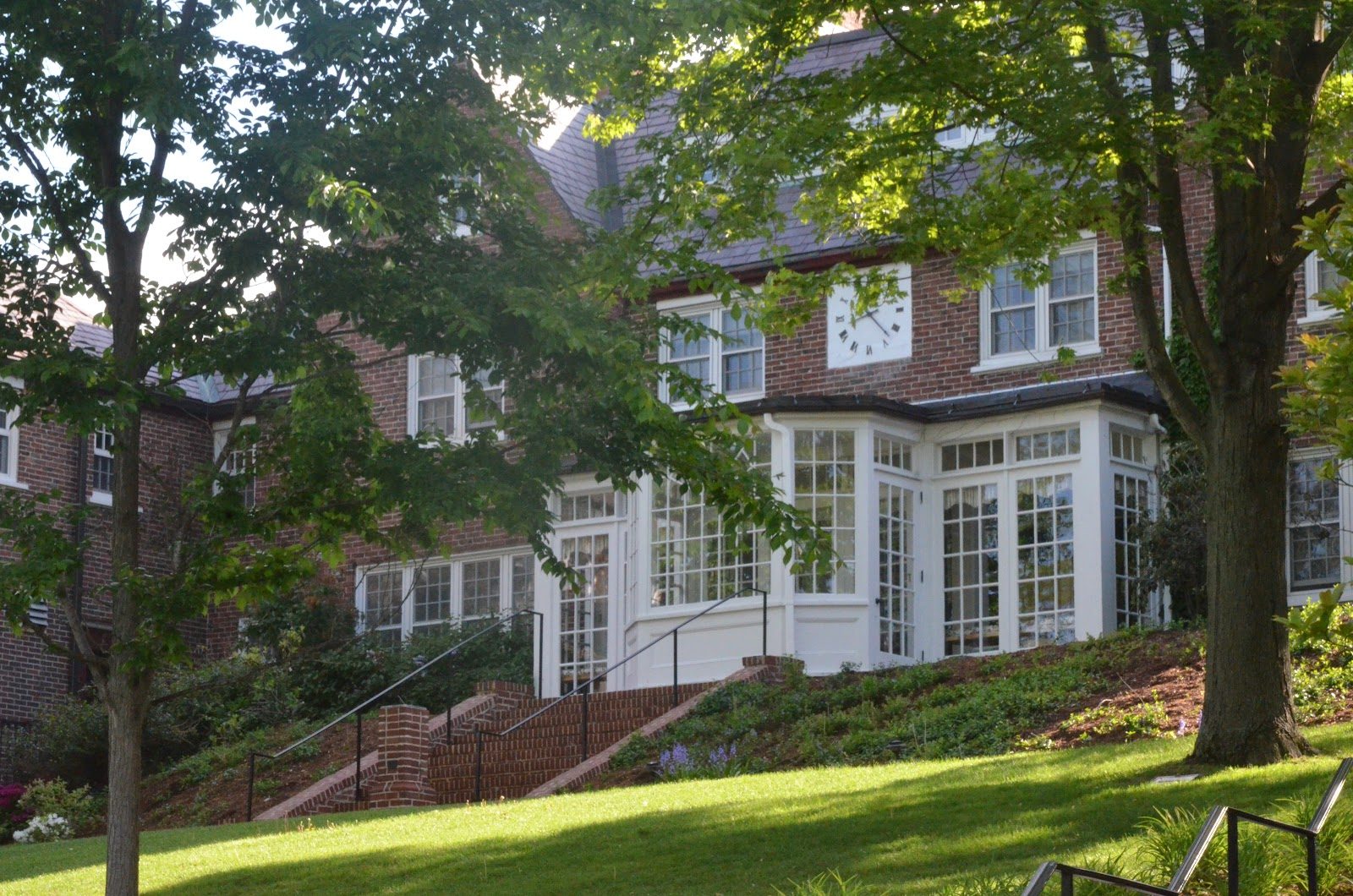
Belmont Hill School
Belmont · United States
A hilltop day school outside Boston, where jacket-and-tie ritual and family-style lunch anchor a century-old all-boys formation.
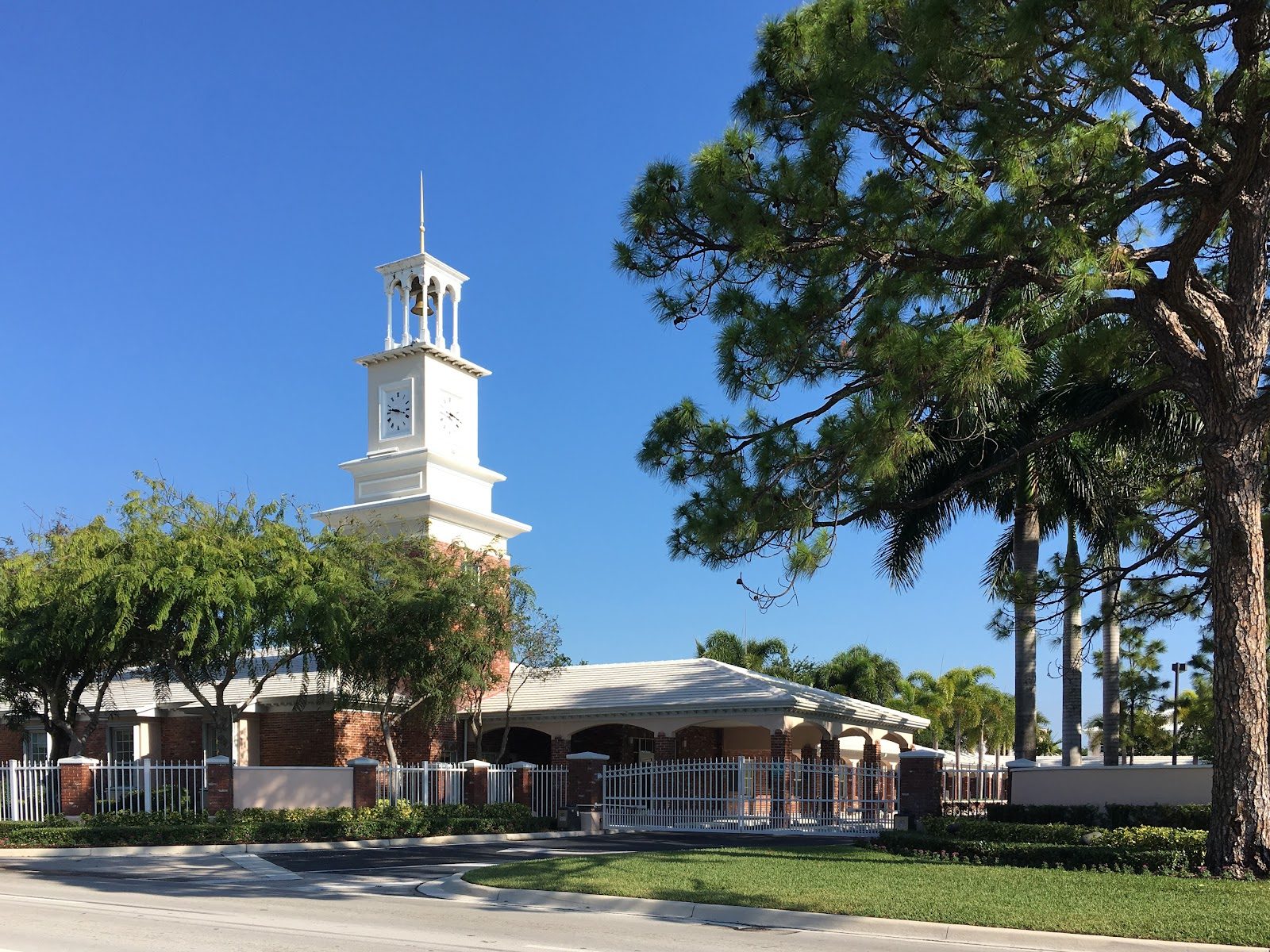
Pine Crest School
Fort Lauderdale · United States
Born as a 1930s tutoring practice for winter visitors, this Fort Lauderdale day school now tops the nation's Challenge Index rankings.
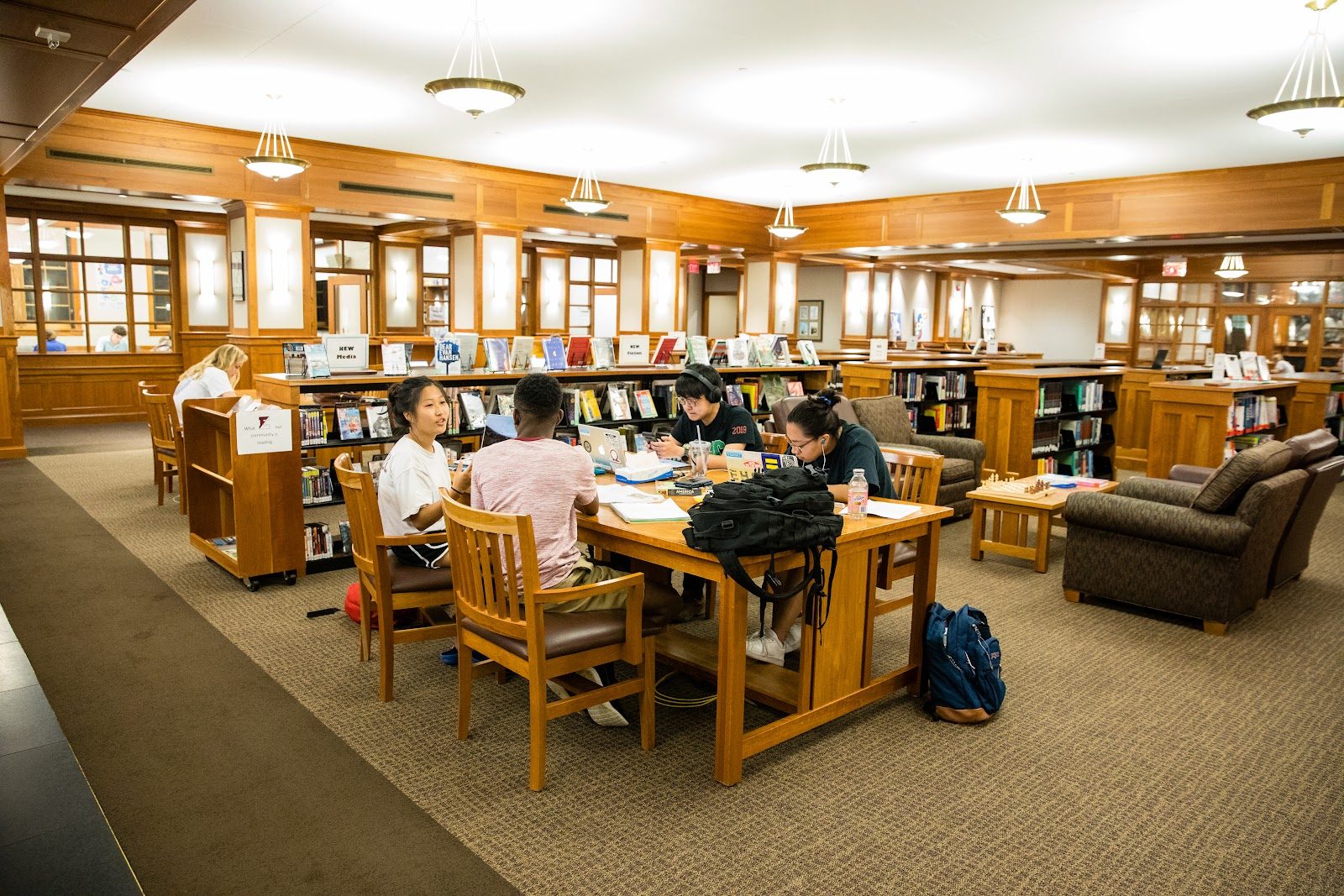
Episcopal High School
Alexandria · United States
A 130-acre hilltop campus 10 minutes from the Capitol, running America's only fully residential school of its caliber in a major metro area.
Rye Country Day School
Rye · United States
Founded in 1869 as a girls' seminary in Westchester, this campus still measures success by its motto: not for self, but for service.
Same country and curriculum — closest matches within ±10 points either way