
Queensland
Brisbane Boys' College
low confidence· 1/6 cats · 2.67 avg sourcesOn the Brisbane River at Toowong, GPS rowing's most decorated program pairs with a pipe band that has played Edinburgh's Tattoo.
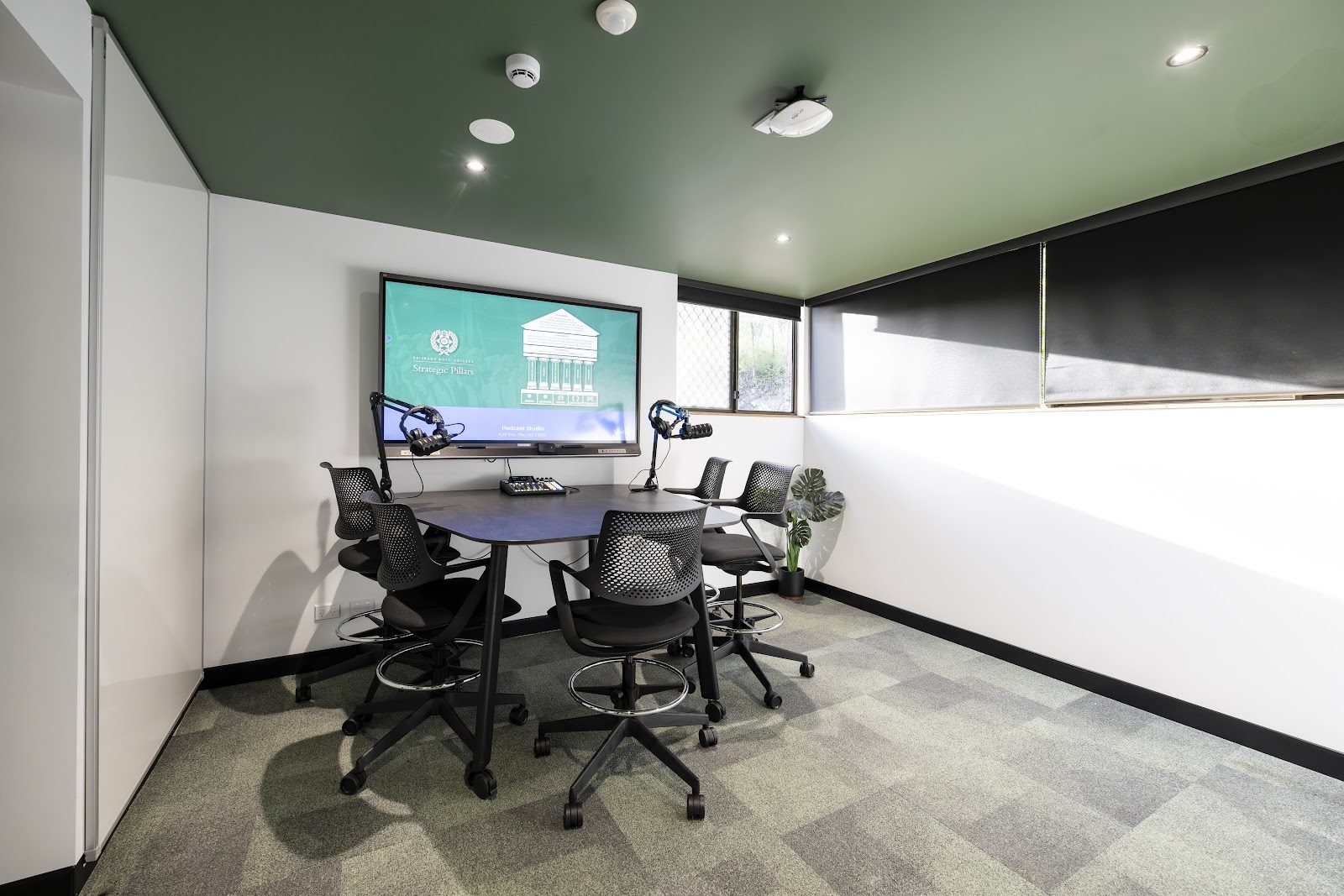
Photo © Brisbane Boys' College via Google Maps
Type
Both
Ages
3–18
Curriculum
Australian
Qualifications
QCE
Ratio
—
The Verdict
Editor's commitment
Right for
Boys aged 3–18 who want an Australian curriculum in English, plus serious sport: BBC sits in Toowong with a decorated GPS rowing culture.
Wrong for
Families wanting co-education, a secular ethos, or an IB/British pathway: Brisbane Boys' College is boys-only, Presbyterian and Uniting Church, Australian.
Watch out for
Type is listed as both day and boarding, but BBC does not publish the boarding split here; AHISA membership tells you little about outcomes.
Ranking breakdown
Brisbane Boys' College · #579 of 1591
Composite score 69.3. 8 weighted criteria.
By criterion
Academic Outcomes
Weight 20%
#667
of 1529 scored
University Placement
Weight 16%
#649
of 1529 scored
Prestige & Heritage
Weight 12%
#552
of 1529 scored
Alumni Network
Weight 12%
#306
of 1529 scored
Facilities
Weight 12%
#582
of 1529 scored
Transparency & Communications
Weight 8%
#554
of 1529 scored
Peer & Industry Review
Weight 10%
#595
of 1529 scored
Admissions Selectivity & Demand
Weight 8%
#647
of 1529 scored
Peer & Industry Review
How Brisbane Boys' College is regarded in the sector
69
Respected · medium confidence
Within Queensland's GPS circuit, BBC is regarded as a solid, sport-strong competitor rather than an academic pacesetter, generally discussed alongside Churchie and Gregory Terrace rather than Brisbane Grammar or St Joseph's Nudgee in academic league-table commentary. Independent guides such as the Good Schools Guide and local media coverage of QCE/ATAR results consistently place it mid-pack among GPS schools, with its rugby and rowing programs drawing more independent press attention than its academic results. University-facing outcomes are respectable rather than headline-making, with graduates progressing typically to University of Queensland and QUT rather than a disproportionate Group of Eight or interstate intake. It maintains visibility in Queensland schools' sporting press and GPS association reporting, and its old boys' network is frequently referenced in Brisbane business and sporting media, but it has limited presence in national independent-school conferences or rankings commentary compared with Sydney or Melbourne's leading GPS/APS equivalents.
- Nick Cummins — Rugby Union Player, Sport
- Berrick Barnes — Rugby Union Player, Sport
- Ben Tune — Rugby Union Player, Sport
Editors' overview
Brisbane Boys’ College occupies a clear niche in the Brisbane market: a traditional Protestant boys’ school with both day and boarding provision, strong co-curricular muscle and a polished sense of institutional identity. Founded in 1902, it serves boys from ages 3–18 on a Toowong campus and teaches the Australian curriculum in English. The sales pitch is familiar — honour, aspiration, wisdom, achievement, community — but the school’s enduring draw rests on execution, not slogans. This is a place for families who want a structured masculine culture, a high-participation school life and the social confidence that comes with a long-established name in Brisbane independent education.
What lifts BBC above a generic “all-rounder” is the breadth and seriousness of life beyond the classroom. The school foregrounds sport, music, outdoor education, service, leadership and a defined wellbeing model, and that breadth matters because it shapes the daily experience of boys as much as the formal curriculum does. The rowing pedigree gives the school unusual distinction in Queensland boys’ education; the pipe band adds a second, rarer point of difference and gives BBC a recognisable public identity beyond the sports field. That combination — oars, tartan and tradition — is not decorative. It signals a school that values discipline, performance, teamwork and visible commitment. Parents who want a full-blooded school culture rather than a narrow academic factory will put BBC on the shortlist for that reason alone.
The school will suit boys who thrive with routine, standards and belonging. A boy who wants to join teams, rehearse, compete, serve, lead and be known inside a close-knit brotherhood will find plenty of runway here. It also suits boarders and day boys who benefit from a school that gives them an identity bigger than the timetable. The weaker fit is easy to define: boys who dislike institutional tradition, resist organised participation or want a more informal, less coded environment will find BBC constraining. This is not a loose, eclectic school. It is a badge-conscious, performance-oriented one.
For parents, the shortlist case is straightforward. BBC offers the security of an established boys’ school, the reach of a Prep–Year 12 structure, and the added flexibility of boarding. Its market position sits with families who value character formation and co-curricular depth as much as academic delivery. The school does not need to pretend to be progressive in every direction; its strength lies in doing the old grammar-school brief with conviction, scale and polish. For the right boy, that produces real traction.
Academic Performance
BBC gives academic outcomes real estate on its site — enough to signal confidence — but the school does not publish the aggregate data a hard-nosed parent wants most. We have not seen full cohort ATAR distributions, median ATAR, subject-by-subject scaling trends, or a multi-year table that places results cleanly against Brisbane’s strongest boys’ schools. That matters. In a market where leading independents trade on measurable sixth-form outcomes, *partial disclosure is still partial disclosure*. The school highlights “Academic Results” and “Outstanding Academic Achievements”, which points to a culture that values attainment, but headline celebration of top performers is not the same thing as transparent whole-cohort reporting. Parents comparing BBC with the city’s fiercely competitive academic names need to ask for the distribution, not the anecdotes.
Where does that leave BBC relative to peers? Not in the narrow academic vanguard on publicly available evidence, and not in the weak tier either. The stronger reading is that BBC sits in the credible upper-middle of Brisbane independents: a school with enough academic seriousness to produce strong individual results, but with institutional energy spread across sport, music, leadership and wider school life rather than concentrated into an exam-factory identity. For many families, that balance is the point. For families chasing the sharpest academic edge, the burden stays with the school to publish fuller results and prove the case in numbers.
Facilities
BBC’s facilities matter most where the school has chosen to build identity rather than just cover the basics. The river location gives rowing infrastructure unusual weight, and against Brisbane peers that is a serious advantage: this is not a school with a token boatshed attached to a broad co-curricular offer, but one where rowing facilities sit near the centre of school life. The same applies to music. A pipe band of public standing needs rehearsal space, storage, staffing and institutional tolerance for a high-maintenance programme; many schools advertise music breadth, few sustain something this distinctive. Add outdoor education, service, leadership programming and a dedicated wellbeing model, and the campus reads as a place built for constant organised participation, not quiet minimalism.
Against the city’s top independent boys’ schools, that puts BBC in the strong bracket for co-curricular infrastructure and in the more ordinary bracket for headline-showpiece architecture. The school publicises a master plan, which tells you development is active, but it does not place a clear, detailed facilities inventory into the public domain. We have not seen the sort of granular breakdown—specialist centres, maker spaces, research suites, theatre specifications, elite high-performance complexes—that the most facilities-conscious rivals use to make a direct bragging case. So the verdict is measured: BBC’s estate supports its culture well, with real muscle in rowing and music, but the public case for campus plant is less exhaustive and less glossy than at some competing schools.
In a market where leading independents trade on measurable sixth-form outcomes, partial disclosure is still partial disclosure
Prestige
Brisbane Boys’ College carries real local prestige in the Brisbane independent market, though not the rarefied academic aura of the city’s most exam-driven names. Its standing rests on recognisable social signals: a long-entrenched boys’ school identity, membership of Brisbane’s traditional Protestant school world, and a co-curricular profile that is visible well beyond the campus gates. The rowing reputation matters here. In Queensland school culture, rowing is not a side note; it is a status marker, and BBC’s record gives it serious cachet with families who read school quality through competition, commitment and old-school institutional confidence. The pipe band does something different but equally useful for prestige: it gives the school a distinct public signature that few rivals can match.
That prestige is strongest among families who value tribal loyalty, polished tradition and the social capital of a known boys’ school name. It is weaker with parents who rank schools by published academic data first, because BBC does not put enough whole-cohort results into the public domain to dominate on scholarly reputation alone. So the verdict is clear: this is a school with high-status breadth rather than intellectual supremacy. Its brand carries weight, its alumni network and community ties strengthen that weight, and its identity is far sharper than that of a generic all-round independent. In Brisbane, that combination gives BBC durable standing.
Founded in 1902, it serves boys from ages 3–18 on a Toowong campus and teaches the Australian curriculum in English
Communications
BBC communicates with parents in a structured, institutional way. The public-facing site is busy but coherent: admissions, tours, fees, scholarships, wellbeing, safeguarding, leadership, policies and parent groups all sit in plain view, and the navigation makes clear that the school expects families to engage with the whole organisation, not just the classroom. That matters. Schools with strong co-curricular and pastoral machinery need disciplined communication, and BBC has enough moving parts — from the Junior years through the senior school, plus boarding and international admissions — that vagueness would create friction fast. The presence of parent support groups, a Parents and Friends’ Association, volunteering routes and a named portal in the top navigation points to a school that runs on active parental buy-in, not arm’s-length fee payment.
Effectiveness looks solid, with one caveat. BBC is good at broadcasting identity, process and opportunity; parents can see the school’s priorities without hunting for them. It is less good at publishing the harder evidence that turns communication into full transparency. We have not seen the level of routine public reporting that data-hungry parents now expect on outcomes and school performance. So the judgement is straightforward: operational communication looks well-drilled and professional, especially for a school with a high-participation culture, but strategic communication stays selective where scrutiny bites. For many families that is enough. For exacting ones, it is not.
Uniqueness
What marks BBC out is not one trophy programme but the way several old-world institutions still carry real force at the same school. The rowing culture is the obvious example: in Brisbane, plenty of boys’ schools row, but few make it such a central badge of discipline, endurance and collective ambition. Then there is the pipe band, which pushes the school beyond the standard rugby-and-choir template into something more ceremonial, tribal and instantly recognisable. Add the crest language, the motto, the explicit “Gentlemen of Honour” framing and the school’s own five-part values architecture, and you get a campus culture with strong internal codes. BBC does not offer a neutral platform on which boys invent school identity for themselves; it hands them one, fully formed.
That brings clear gains for the right pupil. Boys who want structure, ritual and visible standards get a school life with real coherence: sport, music, leadership, service and wellbeing all point in the same direction rather than sitting as disconnected add-ons. The result is a stronger sense of belonging and a cleaner route into commitment; boys know what the place expects and how to earn standing within it. The cost is just as clear. A school this badge-conscious and tradition-heavy leaves less room for irony, detachment or quiet drift. For families who want an institution that will actively shape a boy’s habits, loyalties and public confidence from the early years through Year 12, that is precisely the attraction.
The sales pitch is familiar — honour, aspiration, wisdom, achievement, community — but the school’s enduring draw rests on execution, not slogans
Student Profile
The boys who fit best here are the ones who want to belong to something bigger than themselves and do not resent the demands that come with it. BBC suits a pupil who is comfortable inside a high-expectation, tradition-heavy culture: he will wear the uniform properly, turn up, join in, and accept that school life extends well beyond lessons. Sporty boys will find obvious pathways, but the better fit is wider than that. This school also works for boys who want structure, ceremony, music, service and visible leadership, and who gain confidence from clear rules and strong group identity. The school starts at age 3, runs through to 18, and that long runway strengthens the sense of institutional imprint: boys are not just taught here, they are formed here.
The weaker fit is just as clear. A boy who wants to drift anonymously, opt out of communal life, or keep school at an emotional distance will chafe. So will a boy with a deep dislike of badge-conscious institutions or overtly coded masculinity. BBC’s idea of character is public, organised and tied to participation; it is not private, loose or self-invented. For the right family, that is the draw. They want a school that prizes discipline, loyalty and turnout, and that rewards boys who commit with energy rather than irony. For independent-minded boys who still enjoy team life and standards, BBC can be shaping in the best sense.
What lifts BBC above a generic “all-rounder” is the breadth and seriousness of life beyond the classroom
Co-curricular strengths
Arts & sport, on a separate axis
Overall 7.82/10
Scored 0-10 from the school's own published evidence. This axis is editorial-only — it does not feed the main WTS ranking.
Sports
9.3/10
Drama
8/10
Dance
4.8/10
Music
9.2/10
Visual Arts
7.8/10
Strengths
- +The school is also a founding member of the Great Public Schools' Association Inc (GPS) and is the most successful Rowing school in the GPS Association, claiming 23 GPS Rowing Premierships.
- +The college has a non-selective enrolment policy and caters for approximately 1,500 students from Prep to 12, including 150 boarders from Years 7 to 12, giving families a broader entry pathway than academically selective rivals.
- +Boarding is available from Year 7, and the school is CRICOS-registered (provider code 00491J), so it can enrol overseas students on an Australian subclass-500 student visa.
- +The school community sits well above the national average on socio-educational measures, with an ICSEA of 1164 (97th percentile), the school community's socio-educational advantage is above average.
- +The 2025 leavers achieved a median ATAR of 90.05, a result the school itself described as its highest ever recorded.
Considerations
- −It is a single-sex institution: an independent, Presbyterian and Uniting Church, day and boarding school for boys, so it is not an option for families wanting co-education.
- −Fees are substantial: Brisbane Boys' College's current Year 12 fee is $33,260, and boarding adds a further $32,460 per annum, also payable per semester or in instalments, with similar additional charges.
- −Despite a strong reputation, academic outcomes trail the most selective Brisbane boys' schools: BBC's median ATAR 90.0 ranks #12 of 18 Queensland schools and #8 of 12 within Queensland Independent schools, well behind peers such as Brisbane Grammar, where five of our 2024 senior students earned the highest possible ATAR of 99.95.
- −On-field results are uneven across its marquee sports: for all its rowing pedigree, the rugby program's headline honours are thin, with a single premiership for GPS Rugby in 1954" remaining the school's long-standing gap in that code.
Availability
Primary entry gate & tests
Academic Record + Interview (Boys)
Gallery
Photo © Brisbane Boys' College via Google Maps
Photo © Brisbane Boys' College via Google Maps
Photo © Brisbane Boys' College via Google Maps
Photo © Brisbane Boys' College via Google Maps
Photo © Brisbane Boys' College via Google Maps
Parent reviews
Have you sent your child here?
Voice reviews carry the strongest trust badge — we transcribe them for you to tidy up before they go live. Prefer to type? A written review is fine too.
Add your voice
In 60 seconds, tell other parents: what's the best thing about Brisbane Boys' College, and what surprised you when your child joined?
We ask for a Google sign-in so every review has a real face behind it — no anonymous drive-by attacks on schools, and no faked positive reviews. Your email is never shown publicly.
Send this profile to a friend
International parents rely on word-of-mouth. Share this review with someone weighing the same decision.
Schools with places
Similar schools to Brisbane Boys' College with places available now.
Ivanhoe Grammar School
Melbourne · Australia
- 2026-27
- WAITPOOLVacancy-dependent
- 2027-28
- PLACES OPEN
Wesley College
Melbourne · Australia
- 2026-27
- WAITPOOLVacancy-dependent
- 2027-28
- PLACES OPEN
The King's School (Parramatta)
Parramatta · Australia
- 2026-27
- WAITPOOLVacancy-dependent
- 2027-28
- PLACES OPEN
Methodist Ladies' College
Melbourne · Australia
- 2026-27
- WAITPOOLVacancy-dependent
- 2027-28
- PLACES OPEN
Availability first, then country, area, curriculum, price, co-curricular
Consider also
Also worth looking at alongside Brisbane Boys' College.
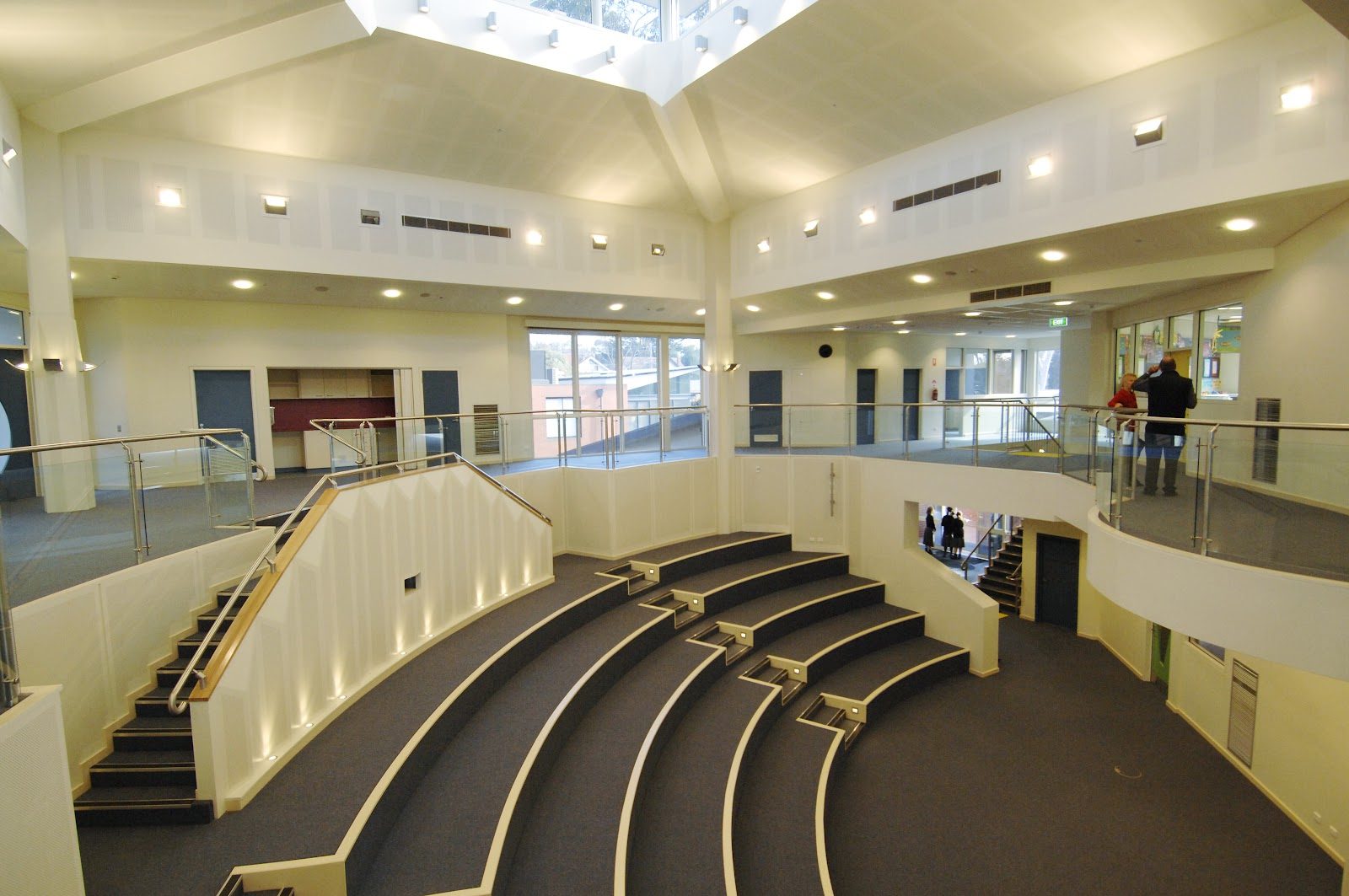
Ivanhoe Grammar School
Melbourne · Australia
A Year 9 campus embedded at La Trobe University anchors a Round Square network across Melbourne's north, offering both VCE and IB pathways.
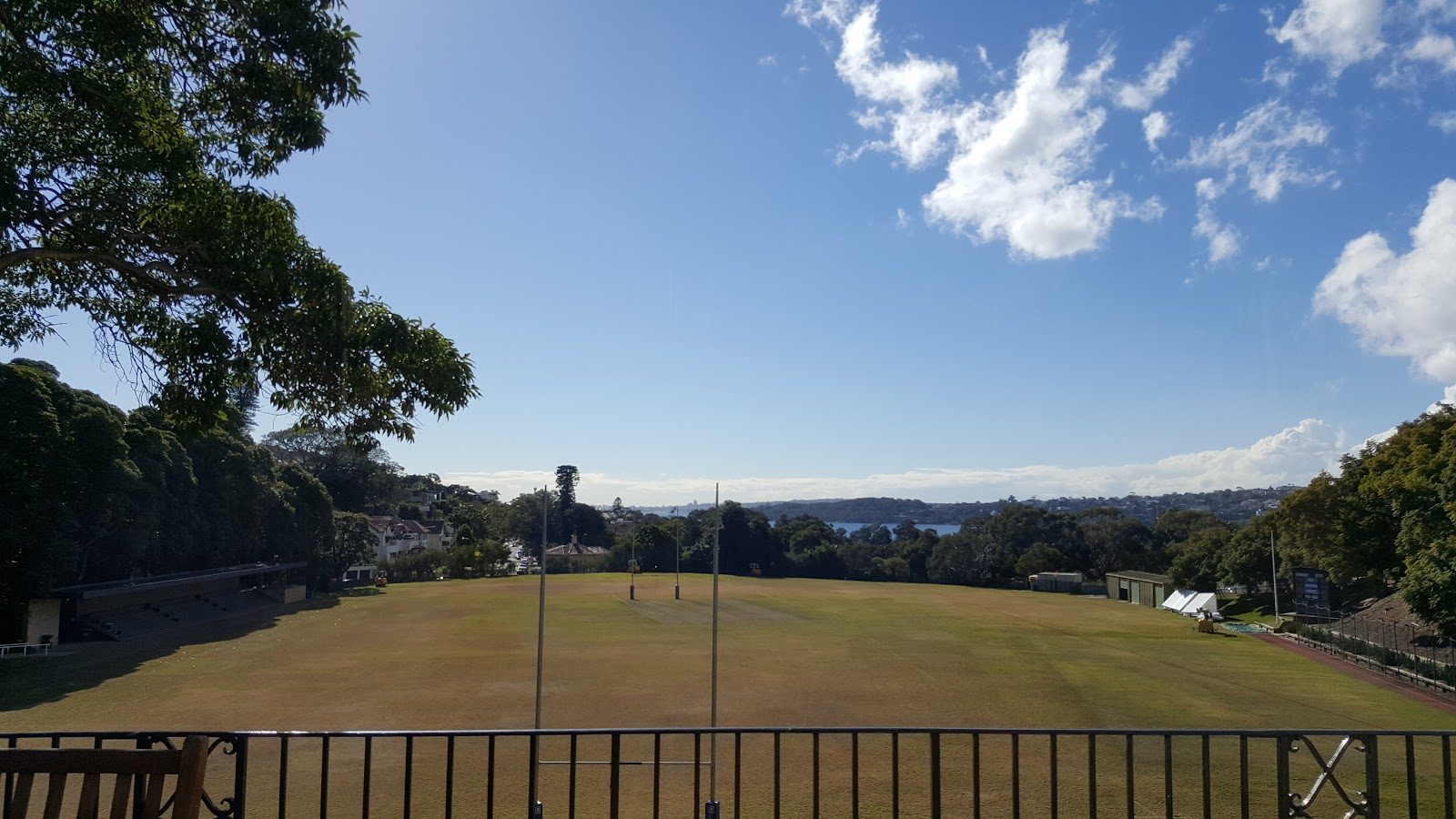
Cranbrook School
Sydney · Australia
Sydney's first IB Continuum School, pairing Bellevue Hill harbour views with a Blue Mountains bush campus for experiential learning.
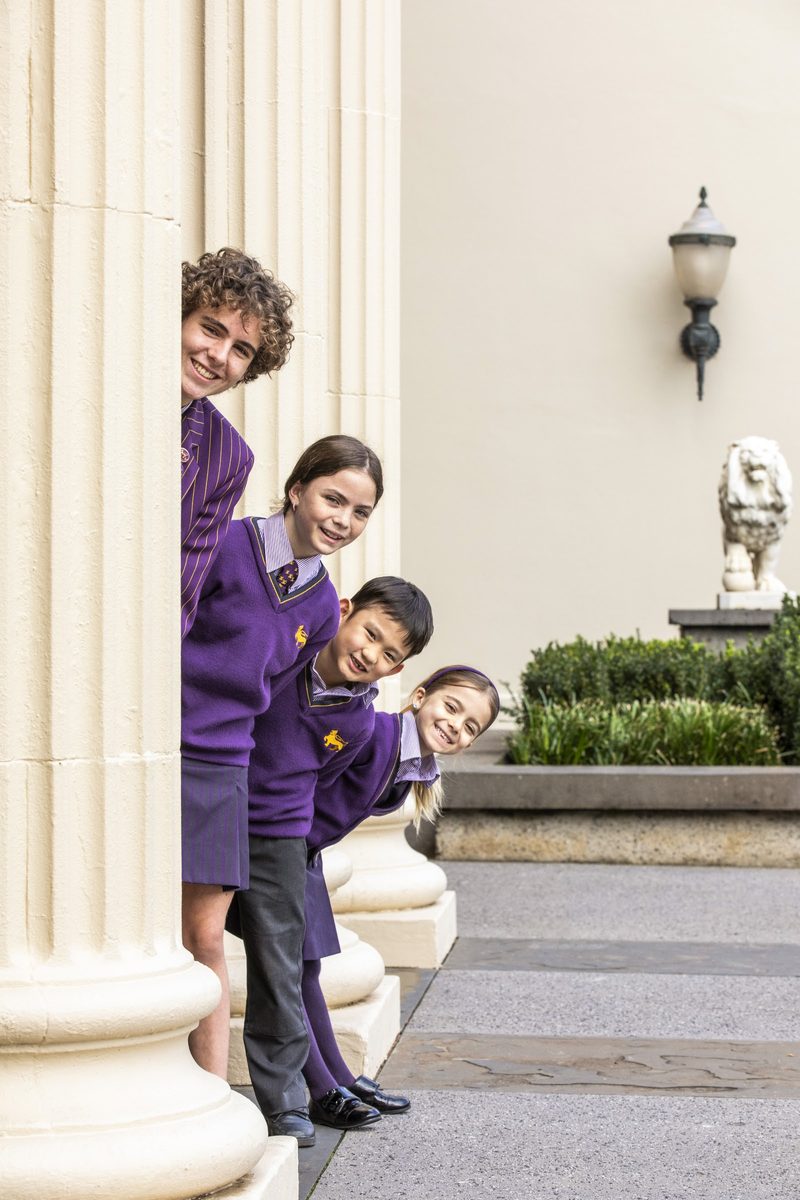
Wesley College
Melbourne · Australia
Runs the full IB continuum alongside VCE across three Melbourne campuses, reaching all the way to a studio school in the Kimberley outback.
The King's School (Parramatta)
Parramatta · Australia
Australia's oldest independent school, where an 1831 foundation still marches in the country's oldest surviving military uniform and cadet corps.
Same country and curriculum — closest matches within ±10 points either way