
Maryland
St. Frances Academy
Founded in 1828 as the nation's first Black Catholic school, now fielding a No. 1-ranked football dynasty in East Baltimore.
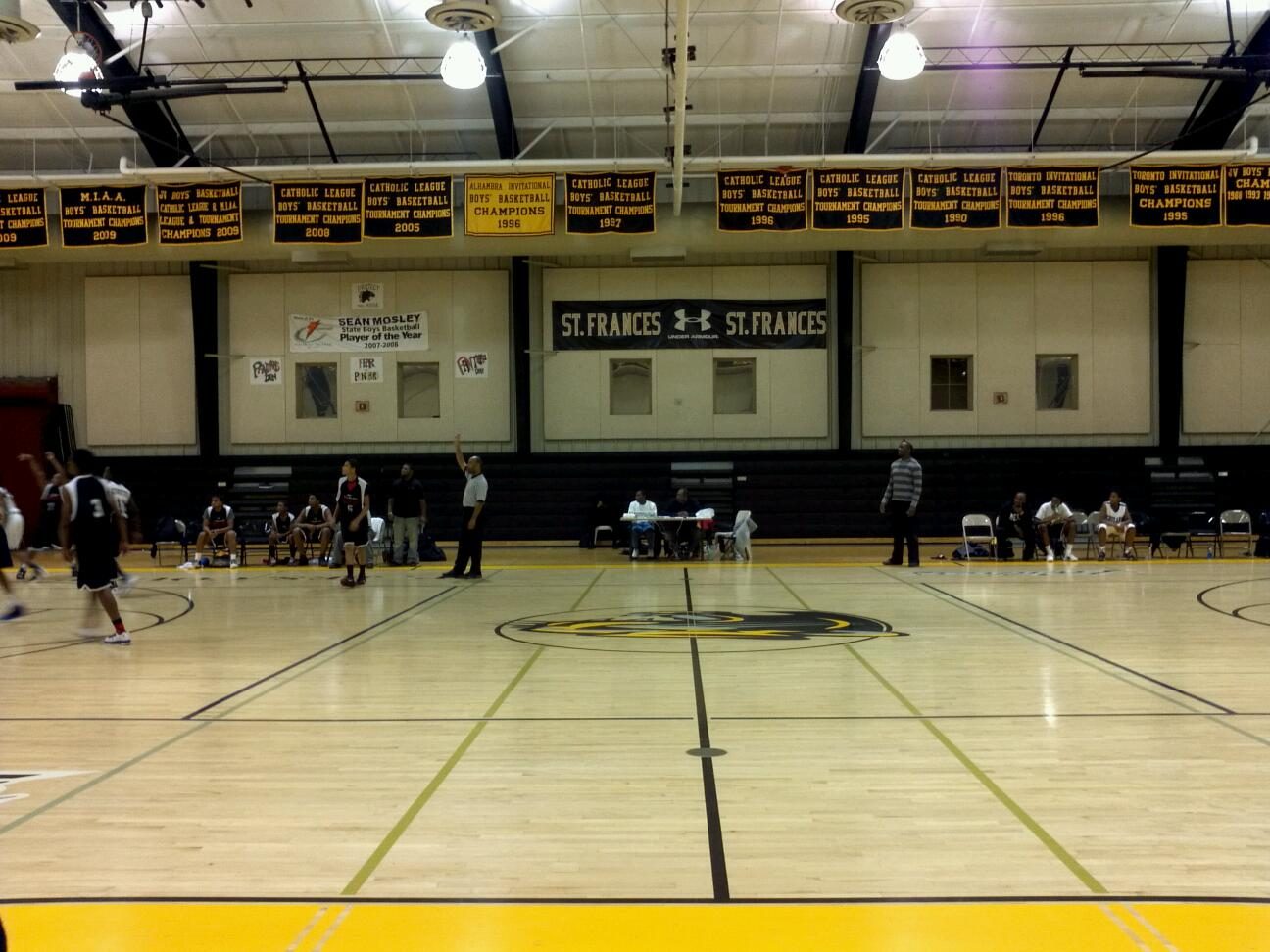
Photo © R C via Google Maps
Type
Day + Boarding
Ages
14–18
Curriculum
US High School Diploma
Ratio
—
The Verdict
Editor's commitment
Right for
Families wanting a Catholic 14–18 school in Baltimore with boarding and a straightforward US High School Diploma.
Wrong for
Younger children, families wanting an IB or British pathway, or anyone uneasy with a Catholic school in East Baltimore.
Watch out for
Founded in 1828 and accredited by Middle States, but the school does not publish the academic outcomes parents need.
Ranking breakdown
St. Frances Academy · #1492 of 1591
Composite score 47.0. 8 weighted criteria.
By criterion
Academic Outcomes
Weight 20%
#1514
of 1529 scored
University Placement
Weight 16%
#1462
of 1529 scored
Prestige & Heritage
Weight 12%
#1320
of 1529 scored
Alumni Network
Weight 12%
#1367
of 1529 scored
Facilities
Weight 12%
#1424
of 1529 scored
Transparency & Communications
Weight 8%
#1496
of 1529 scored
Peer & Industry Review
Weight 10%
#426
of 1529 scored
Admissions Selectivity & Demand
Weight 8%
#1522
of 1529 scored
Peer & Industry Review
How St. Frances Academy is regarded in the sector
72
Respected · medium confidence
St. Frances Academy's reputation among peer institutions is shaped almost entirely by its nationally ranked boys' basketball program rather than by academic league tables. Baltimore-area Catholic and independent schools view it as an outlier: a small, tuition-assistance-dependent school whose team, coached by Nick Myles, competes in showcase events against national powers like IMG Academy and Montverde Academy, drawing coverage from ESPN, USA Today's Super 25 rankings, and MaxPreps rather than from Good Schools Guide or WhichSchoolAdvisor, neither of which profiles it. University-facing signals come chiefly through Division I basketball recruiting pipelines - several Panthers alumni have advanced to high-major programs - rather than through the selective-college matriculation lists typical of elite academic prep peers. The Baltimore Sun and regional press frame the school around its historic identity as the oldest continuously operating Black Catholic school in the US (founded 1828 by the Oblate Sisters of Providence) combined with its athletic profile, giving it strong niche credibility but comparatively limited visibility in mainstream academic peer-review circles versus IAAM or MIAA conference rivals in the region.
Award

Elite Sport 80
World's Top School · The Global Ranking
St. Frances Academy is featured on our Global Top 80 ranking at #51. This seal is available for the school's marketing team to use on their website, prospectus and social channels.
Editors' overview
St. Frances Academy occupies a rare place in American schooling: a Catholic high school founded in 1828 as the nation’s first Black Catholic school, with deep historical weight and a current profile driven by elite athletics. In East Baltimore, that combination gives it a market position few schools can match. This is not a polished, generic college-prep brand. It is a school with institutional memory, serious cultural significance and a public identity tied to both faith and competition. Parents who want a school with lineage, religious structure and a clear sense of mission will find a compelling case here. Parents who want a broad, manicured independent-school experience with glossy academic signalling need to ask harder questions.
What puts St. Frances on a shortlist is the force of its identity. It serves pupils aged 14–18, offers the US High School Diploma, teaches in English and operates as a day and boarding school under Catholic leadership, with Middle States accreditation. The football programme gives the school national visibility and attracts a student who wants high-stakes sport, disciplined routines and a campus culture shaped by performance. That matters in market terms: St. Frances is not selling pastoral tranquillity or progressive experimentation; it offers competitive intensity, urban grit and a strong communal tradition. For the right family, that is a strength, not a drawback.
The best fit is a student who wants structure, expects adults to set standards and is comfortable in a school where religion and athletic ambition are part of daily life. A boarder who wants a soft landing, endless subject choice or a resort-style campus will find stronger options elsewhere. A student-athlete, or a teenager who values clear expectations and earned pride, will read the place differently. The same goes for families who care about Black Catholic history and want that heritage to carry real weight inside the school, not sit as a line in a prospectus. St. Frances earns attention because it is distinctive, old, faith-based and competitive all at once. In a crowded US school market, that is a powerful differentiator.
An Elite Sport 80 school
St. Frances Academy in Baltimore sits at rank fifty-one on the Elite Sport 80 because it has, from a small inner-city Catholic school of fewer than 400 pupils, become one of the most productive American football recruiting pipelines in the country. Multiple NFL first-round Draft picks have come through in the past five years alone, and the Panthers' varsity football team competes at a USA Today national top-five level despite operating on a fraction of the budget of its peer schools.
The specialism is American football, delivered with an unusually purposeful coaching model that has attracted national-television attention. Boys' basketball runs at NCAA D1 recruiting standard as a secondary programme, and track and field, particularly in the sprints, is a genuine collegiate pipeline. Girls' programmes are strong in basketball and volleyball with a growing NCAA D1 profile.
Notable alumni across codes include a rolling roster of NFL Draft picks over the past decade — including several first-round selections — and current NCAA D1 collegiate football and basketball stars. The school's national profile in football is disproportionate to its size, and its "Team St. Frances" brand has become a shorthand for football-first American schoolboy institutions.
International openness is limited. St. Frances is a Catholic day school in Baltimore's inner city and does not run a boarding house, so overseas admissions typically require a US-side accommodation solution and an F-1 student visa arranged through a partner exchange organisation. Tuition sits around US$14,000-16,000 with substantial sport-oriented financial aid available — the school is unusual in offering nearly full-cost tuition support to its football recruits. Admissions is a standard Catholic-school process plus sport-specific reference for scholarship consideration. For a family already relocating to Baltimore with an elite American football prospect and a viable accommodation plan, St. Frances offers one of the deepest NFL and NCAA D1 recruiting pipelines in the American east; families arriving from overseas without a Baltimore residency plan will find boarding academies elsewhere on this list a more structurally practical fit.
Academic Performance
St. Frances does not publish the academic data parents need for a hard comparison. We have not seen aggregate SAT or ACT results, AP score distributions, average GPA, university matriculation lists, or subject-by-subject external exam outcomes. That leaves academic performance opaque at the level that matters for benchmarking. In a competitive US private-school market, schools with strong academic outcomes publish them. When a school does not, parents have to do more of the work themselves. The key questions are plain: what share of pupils progress to four-year colleges, how many secure admission to selective institutions, what support exists for non-athletes, and how performance differs between headline sports recruits and the rest of the cohort.
Relative to peers, that places St. Frances in a different category from academically transparent college-prep schools that trade on published results and detailed university destinations. Its public profile rests elsewhere. That does not mean weak academics; it means unproven academics in the public domain. For families choosing this school for structure, community and high-level sport, that may be an acceptable trade. For families choosing primarily on academic outcomes, it is a material deficiency. The sensible reading is direct: treat St. Frances as a school where academic quality needs to be tested through conversation, not inferred from published evidence. Ask for recent college destinations, top-course access, intervention for struggling pupils, and the academic track record of boarders.
Facilities
The strongest facilities sit where the school’s priorities sit: sport, chapel life and the practical spaces needed to run a disciplined secondary programme. The public face of St. Frances is dominated by athletics, and that points to investment in training, game-day infrastructure and the support spaces around a major football operation. For families targeting that environment, this matters more than ornamental campus features. Against peer Catholic college-prep schools, that is a clear advantage for serious student-athletes and a clear limitation for families looking for a broad, showcase independent-school estate with conspicuous arts centres, research labs or resort-style boarding amenities. We have not seen a published inventory that matches the detail level of top-tier US boarding schools, and that absence matters.
The school also benefits from the kind of campus fabric that supports routine and supervision rather than curated luxury. Parents should ask direct questions about science labs, library provision, arts rooms, strength and conditioning spaces, medical support, boarding houses, study areas and security arrangements. Those details are the difference between a school with hard-edged athletic infrastructure and one with a genuinely rounded physical offer. On facilities alone, St. Frances does not read as a bells-and-whistles campus competing with the most lavish private schools in the market. It reads as a school where function beats display, and where the strongest physical assets serve competitive sport first.
Frances earns attention because it is distinctive, old, faith-based and competitive all at once
Prestige
St. Frances carries real prestige, but it is a narrow kind of prestige. In Baltimore and in US high-school sport, the name has weight because of its football machine, its disciplined Catholic identity and its place in Black educational history. That gives the school recognisable stature with a very specific audience: families who value institutional legacy, serious sport and a campus culture built around standards and toughness. The age range is tight at 14–18, which reinforces that senior-school focus. This is not prestige built on published academic outcomes, selective university placements in the public domain or a polished independent-school social cachet. It is prestige built on history, grit and competitive reputation.
That distinction matters. A St. Frances education carries strong signalling power for a student-athlete, for a family embedded in Catholic education, or for parents who want a teenager shaped by a hard-edged environment with clear authority. It carries far less prestige in the conventional college-prep market, where schools earn status through transparent results, broad academic enrichment and elite matriculation lists. We rate it as highly prestigious in its lane and limited outside it. The school’s standing is genuine, but not universal. Parents should read the brand correctly: this is an institution with earned cultural weight and athletic clout, not a blanket badge of academic distinction.
Ask for recent college destinations, top-course access, intervention for struggling pupils, and the academic track record of boarders
Communications
St. Frances communicates in a direct, workmanlike way, with the school website and social channels carrying the load. The tone is institutional rather than polished: parents get a clear sense of priorities, and those priorities are sport, faith, student life and day-to-day school identity. That has strengths. A family interested in the school’s culture can grasp it quickly. The weakness is depth. We have not seen the kind of parent-facing academic detail, strategic explanation or performance reporting that marks out a high-transparency school. There is a difference between active communication and informative communication, and St. Frances sits on the leaner side of that line.
That matters because families choosing a school with a strong internal culture need more than event updates and public celebrations. They need practical clarity on routines, academic monitoring, pastoral escalation, boarding supervision, university guidance and how the school communicates when a pupil is struggling. On that front, the public picture is thin. There is enough to understand the brand; there is not enough to judge the operating standard. For current parents who value authority, community and responsiveness over glossy dashboards, that may suffice. For internationally mobile families, or for parents making a high-cost decision at a distance, it does not. Communication here reads as serviceable, not exemplary: clear in message, weaker in disclosure, and too dependent on the school’s public identity doing the explanatory work for it.
Uniqueness
What makes St. Frances distinctive is not a single selling point but a rare overlap: Black Catholic institutional history, a tightly bounded secondary age range, and a national athletic identity strong enough to shape how the whole school is read. Very few American schools occupy that intersection. For students, that creates a culture with clear internal logic. The school does not need to invent a mission in glossy language; its history, faith and public reputation already set the terms. A teenager who wants belonging rooted in more than branding gets something more substantial here: a sense that the school stands for a defined community, defined standards and a defined tradition. That can be formative for pupils who respond to hierarchy, ritual and shared purpose.
The benefit is strongest for students who want to be pushed by environment as much as by classroom instruction. St. Frances offers a high-pressure version of school life, where identity is collective and complacency has little room to breathe. In the best cases, that produces resilience, loyalty and self-command. It also gives student-athletes access to a setting where sport carries real institutional weight rather than functioning as an extracurricular sideshow. The trade-off is plain: this is not a blank-slate school where every child can drift between identities until one fits. It asks students to enter a pre-existing culture and meet it on its own terms. For the right teenager, that is exactly the point.
We have not seen a published inventory that matches the detail level of top-tier US boarding schools, and that absence matters
Student Profile
The student who fits St. Frances best is resilient, coachable and comfortable inside a school culture that puts discipline, accountability and visible effort at the centre. This is a place for teenagers who do not need endless hand-holding and who can handle adult authority without constant negotiation. Student-athletes sit in the clearest sweet spot, above all those who want sport to carry real status in daily school life rather than occupy an after-school corner. The age range, 14–18, also matters: pupils arrive for a concentrated, high-stakes stretch of adolescence, not a gentle all-through experience. New students need enough self-possession to enter an established culture and earn their place in it.
The weaker fit is just as clear. A child who needs a soft-edged, highly personalised environment, or who wants to sample identities without pressure, will struggle. The same goes for families seeking a socially polished independent-school scene, expansive academic signalling or a campus culture built around arts prestige and student choice. St. Frances suits teenagers with competitive instincts, a tolerance for scrutiny and some appetite for structure shaped by faith and institutional routine. It also suits families who value communal seriousness over comfort. For the right pupil, that mix can be shaping in the best sense: standards are explicit, belonging is earned and pride has substance. For the wrong one, it will feel hard, narrow and unforgiving.
Those details are the difference between a school with hard-edged athletic infrastructure and one with a genuinely rounded physical offer
Co-curricular strengths
Arts & sport, on a separate axis
Overall 6.66/10
Scored 0-10 from the school's own published evidence. This axis is editorial-only — it does not feed the main WTS ranking.
Strengths
- +Founded in 1828, it is the oldest continuously operating Catholic school for Black students in the United States.
- +Run by the Oblate Sisters of Providence, the first Catholic religious order founded by women of African descent.
- +Its football program gained national prominence under coach Biff Poggi, who later became a college football coach at Michigan and Charlotte.
- +Offers a boarding option alongside day enrollment, allowing it to draw students beyond the immediate Baltimore area.
- +Located in a historic Baltimore neighborhood with deep ties to the city's African American Catholic community.
Considerations
- −Editorially unranked, with no published data on standardized test averages, AP/IB course breadth, or college matriculation lists.
- −Small, urban campus footprint limits the scale of facilities compared to larger day-boarding schools.
- −Public information on tuition, boarding fees, and financial aid structures is limited on the school's own website.
- −Reputation is heavily weighted toward its athletics programs, which may not reflect the broader academic offering.
Gallery
Photo © Tairik Johnson via Google Maps
Parent reviews
Have you sent your child here?
Voice reviews carry the strongest trust badge — we transcribe them for you to tidy up before they go live. Prefer to type? A written review is fine too.
Add your voice
In 60 seconds, tell other parents: what's the best thing about St. Frances Academy, and what surprised you when your child joined?
We ask for a Google sign-in so every review has a real face behind it — no anonymous drive-by attacks on schools, and no faked positive reviews. Your email is never shown publicly.
Send this profile to a friend
International parents rely on word-of-mouth. Share this review with someone weighing the same decision.
Schools with places
Similar schools to St. Frances Academy with places available now.
Germantown Friends School
Philadelphia · United States
- 2026-27
- CLOSEDRegular cycle closed
- 2027-28
- OPENS SOONOpens Sept '26
Poly Prep Country Day School
Brooklyn · United States
- 2026-27
- CLOSEDRegular cycle closed
- 2027-28
- OPENS SOONOpens Sept '26
Boston University Academy
Boston · United States
- 2026-27
- CLOSEDRegular cycle closed
- 2027-28
- OPENS SOONOpens Sept '26
Greenwich Academy
Greenwich · United States
- 2026-27
- CLOSEDRegular cycle closed
- 2027-28
- OPENS SOONOpens Sept '26
Availability first, then country, area, curriculum, price, co-curricular
Consider also
Also worth looking at alongside St. Frances Academy.
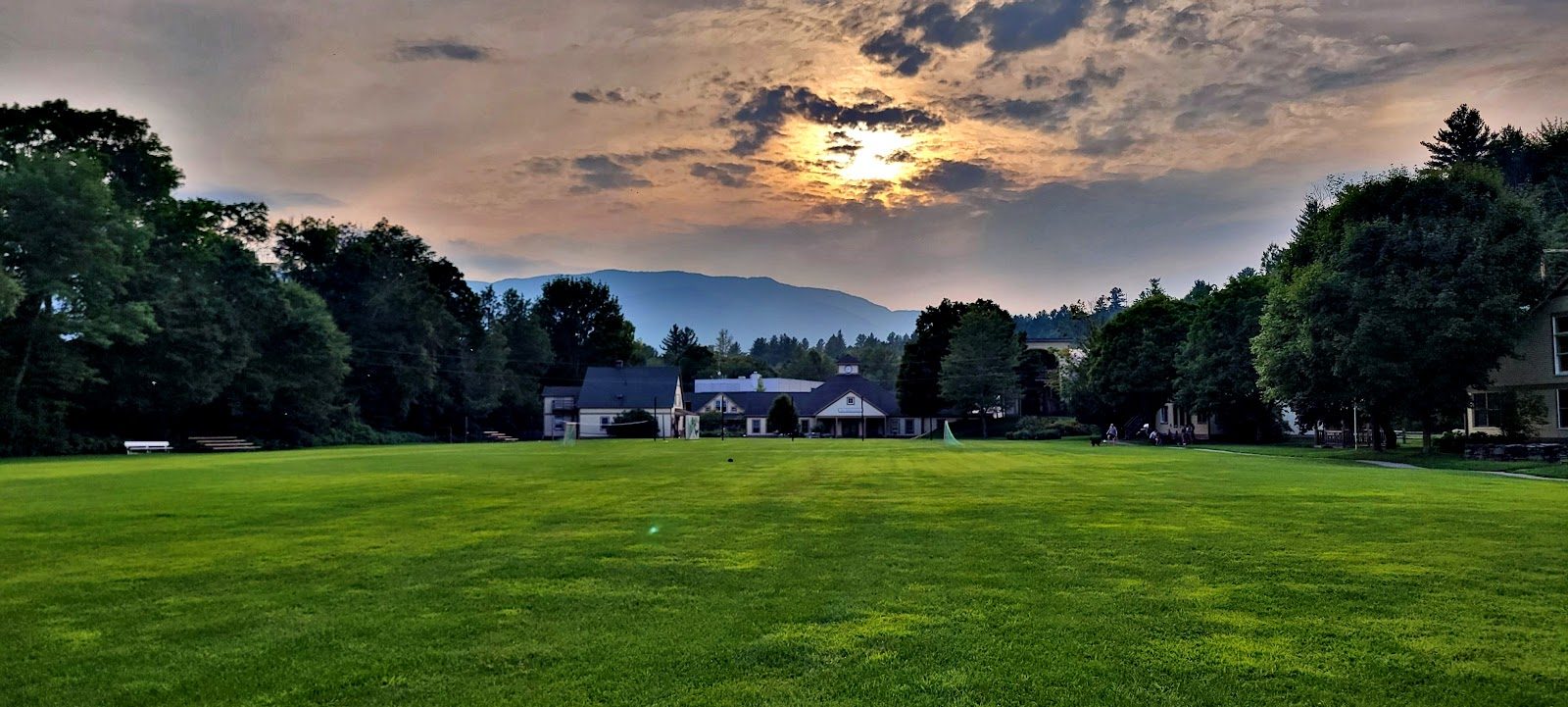
Green Mountain Valley School
Waitsfield, VT · United States
Alpine and Nordic race training at Sugarbush Resort pairs with a college-prep curriculum in Vermont's Mad River Valley
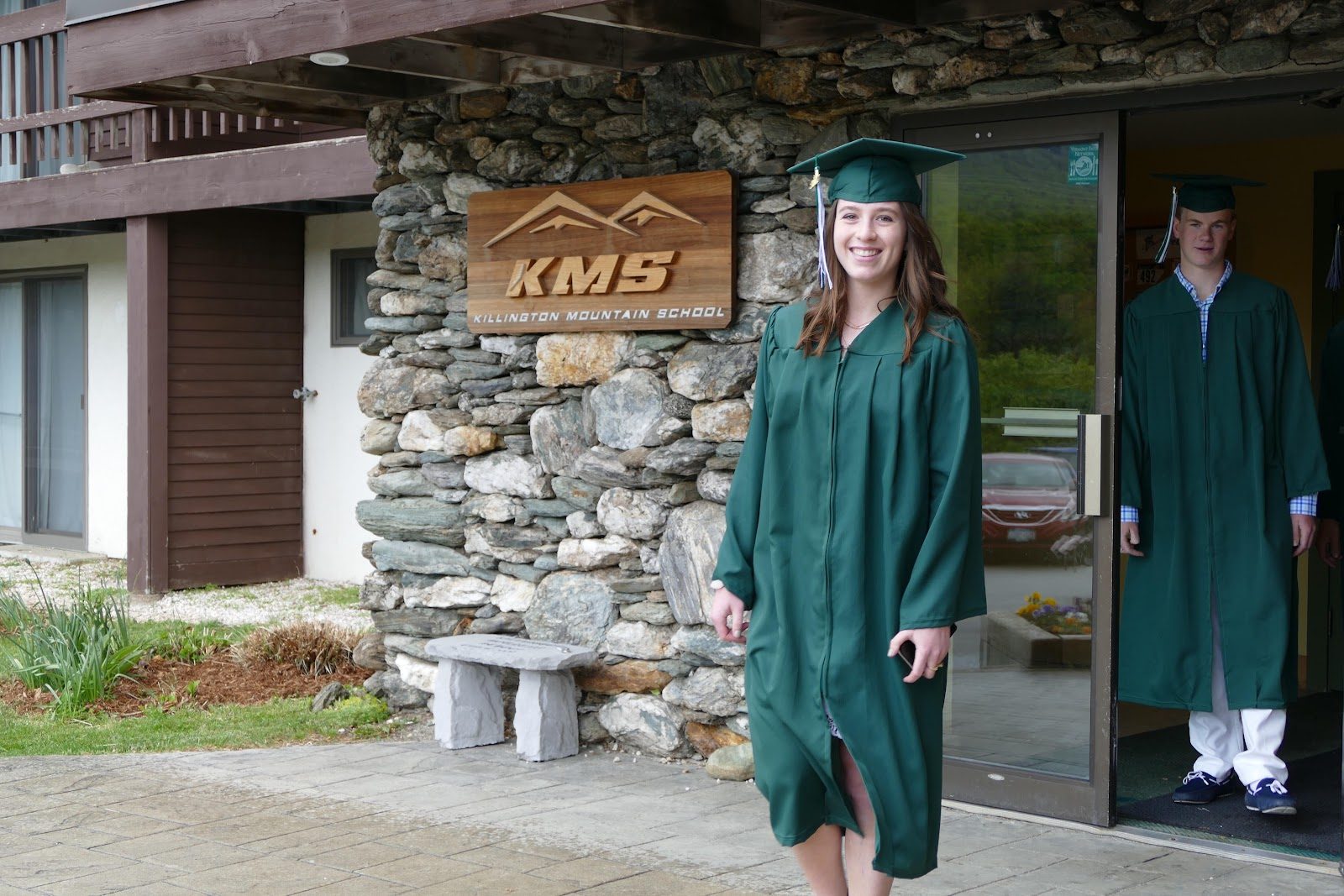
Killington Mountain School
Killington, VT · United States
America's longest-running winter-term ski academy, pairing a 5:1 classroom ratio with daily training on Killington's slopes
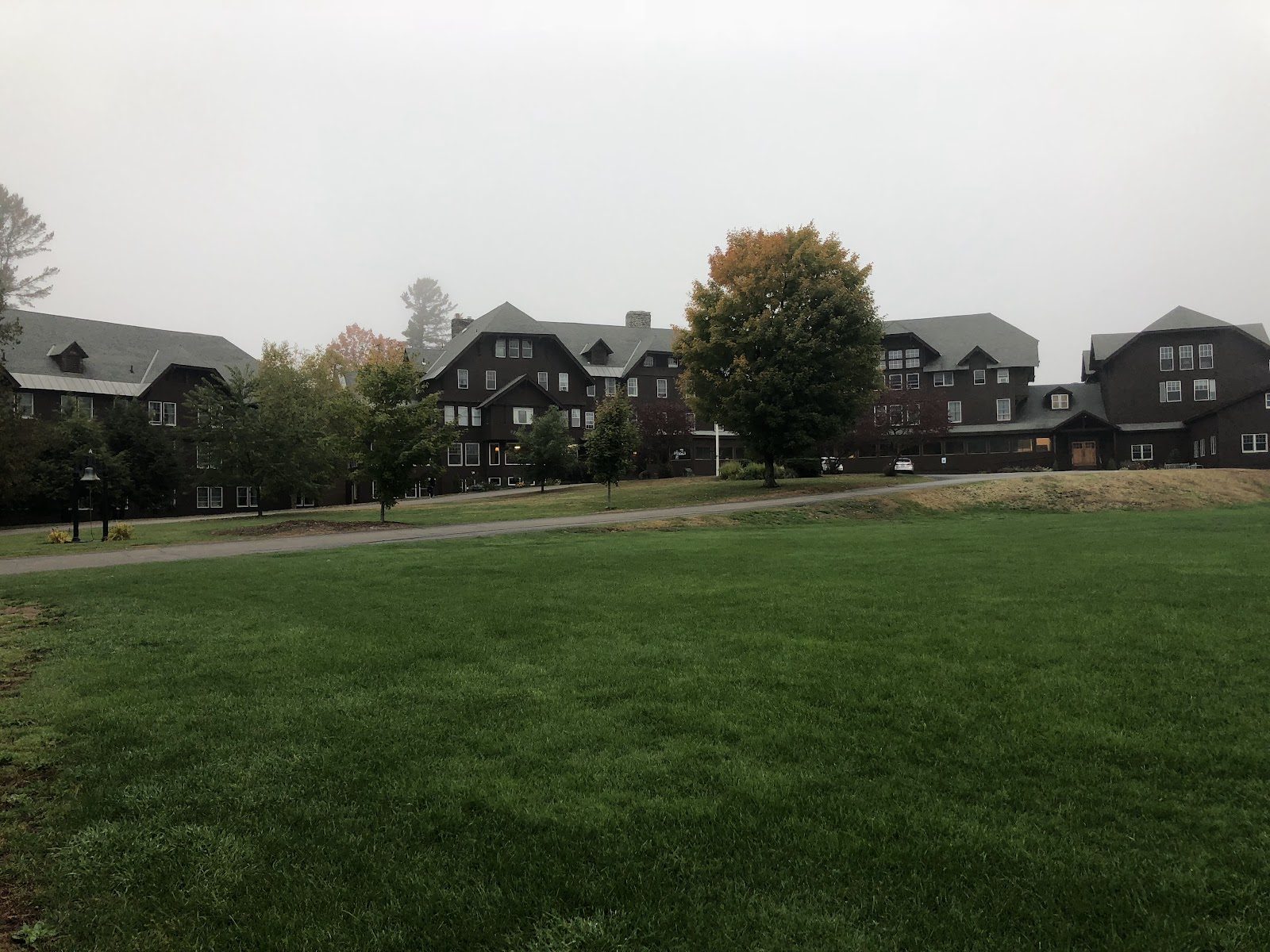
Northwood School
Lake Placid, NY · United States
In Lake Placid's Olympic village, a college-prep campus that has sent an alumnus to every Winter Games since 1964.

Duncanville High School
Duncanville, TX · United States
In this Dallas-suburb powerhouse, a four-decade band dynasty holds dual Sudler honors alongside a Grammy Signature choir.
Same specialism, country and curriculum — closest matches within ±10 points either way