
Alberta
Alberta Ballet School
The only boarding school of its kind in western Canada, splitting each school day evenly between pointe work and the classroom.
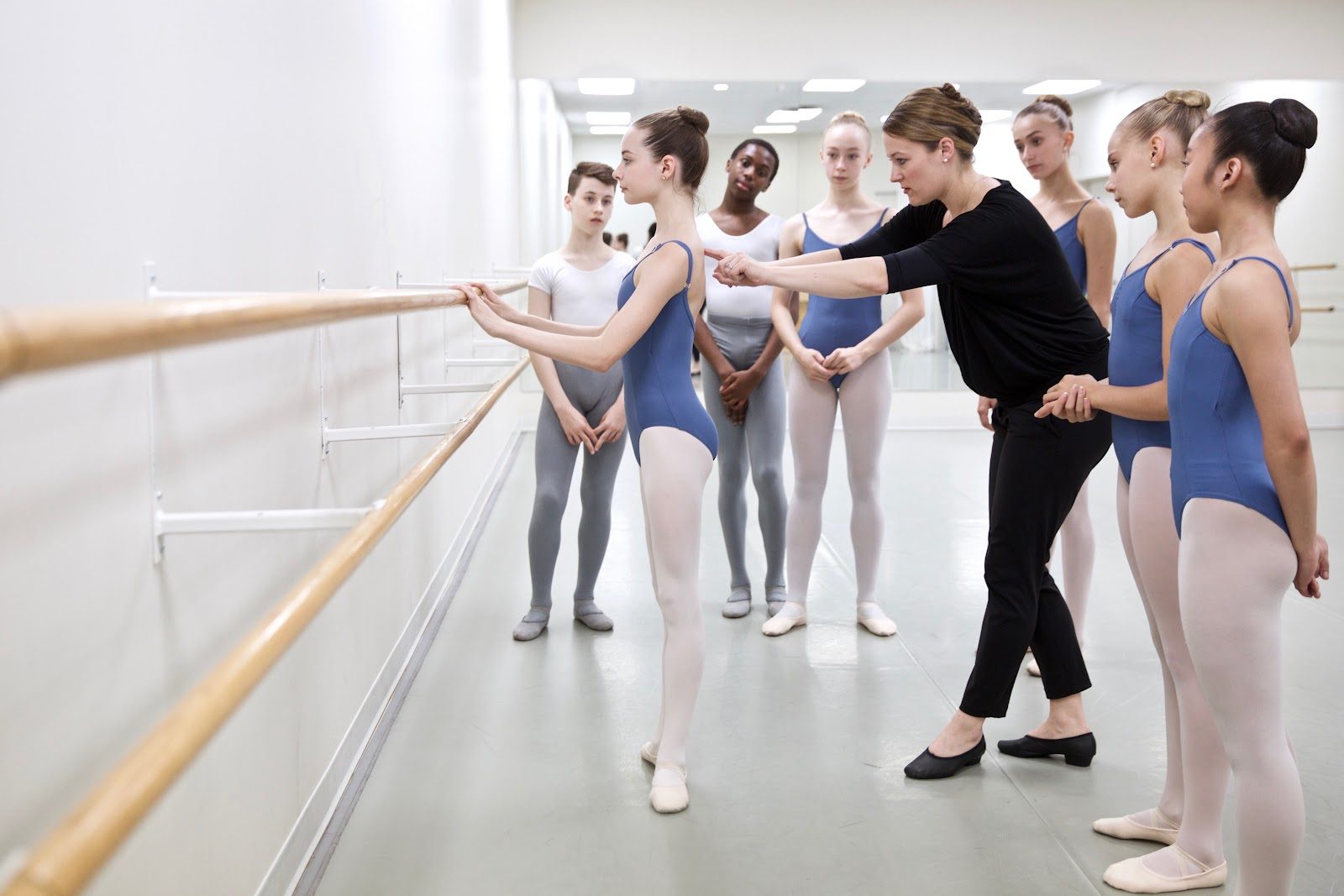
Photo © Alberta Ballet School via Google Maps
Type
Day + Boarding
Ages
3–18
Curriculum
—
Ratio
—
The Verdict
Editor's commitment
Right for
Serious dancers aged 3–18 who want Calgary boarding and a school day split evenly between ballet training and academics.
Wrong for
Families wanting a conventional secular school in Calgary with broad sport, easy timetables or adolescence beyond ballet from 3–18.
Watch out for
This day-and-boarding model in western Canada is specialised by design: half the day is pointe work, half classroom, in English.
Ranking breakdown
Alberta Ballet School · #1491 of 1591
Composite score 47.2. 8 weighted criteria.
By criterion
Academic Outcomes
Weight 20%
#1513
of 1529 scored
University Placement
Weight 16%
#1510
of 1529 scored
Prestige & Heritage
Weight 12%
#1332
of 1571 scored
Alumni Network
Weight 12%
#1288
of 1530 scored
Facilities
Weight 12%
#1121
of 1533 scored
Transparency & Communications
Weight 8%
#1439
of 1532 scored
Peer & Industry Review
Weight 10%
#893
of 1548 scored
Admissions Selectivity & Demand
Weight 8%
#991
of 1529 scored
Peer & Industry Review
How Alberta Ballet School is regarded in the sector
66
Respected · medium confidence
Alberta Ballet School sits within a small, specialised peer set - alongside Canada's National Ballet School (Toronto) and l'Ecole superieure de ballet du Quebec - as one of the three institutions generally cited within Canadian dance circles as full-time, pre-professional classical training grounds with a resident professional company attached (Alberta Ballet). Its academic program, delivered through a Calgary Board of Education partnership rather than an independent curriculum, means it does not appear in mainstream university feeder-school league tables or in GSG/WhichSchoolAdvisor-style reviews aimed at conventional prep and independent schools; coverage is largely confined to dance-sector press and CBC/Calgary arts media covering Alberta Ballet company casting and alumni placements. Reputation signals are therefore industry-internal: graduates entering company contracts with Alberta Ballet, Royal Winnipeg Ballet and National Ballet of Canada, and faculty drawn from RAD- and Cecchetti-trained professionals rather than academic credentialing. There is no evidence of it being benchmarked by elite academic day/boarding schools, and no independent-press ranking places it against non-arts institutions - its standing is real but sector-specific rather than broad-based educational prestige.
Award

Elite Dance 50
World's Top School · The Global Ranking
Alberta Ballet School is featured on our Global Top 50 ranking at #40. This seal is available for the school's marketing team to use on their website, prospectus and social channels.
Editors' overview
Alberta Ballet School occupies a narrow, serious niche: pre-professional ballet training for children and teenagers who want dance to sit at the centre of the week, not on its edges. The defining fact is structural, not rhetorical. The school splits each day 50:50 between studio training and academic study. In western Canada, that makes it singular. Parents looking for a conventional independent school with strong dance provision should look elsewhere; this is a specialist institution built for students whose commitment already runs deep. The boarding offer sharpens that proposition. For families outside Calgary, it opens access to full-time training without requiring a local move, and that alone puts the school on a shortlist for a very specific market.
What is special here is not breadth but concentration. Alberta Ballet School serves ages 3–18, yet its real distinction lies with students old enough to sustain the discipline, repetition and physical load that ballet demands. The attraction is single-minded training, daily technical immersion and a timetable that treats dance as core work, not enrichment. That focus carries a trade-off. Students who want a broad co-curricular menu, a relaxed school culture or room to drift between interests will find the model too narrow. Students who thrive on correction, routine and long-term skill-building will find the opposite: clear purpose, serious artistic intent and a peer group organised around the same ambition.
In market terms, Alberta Ballet School sits closer to a conservatoire pipeline than to a mainstream private school. Its value to parents lies in integration. Instead of stitching together evening classes, travel, tutoring and missed lessons, families get one institution designed around both halves of a young dancer’s life. That matters because ballet at this level punishes fragmentation. The school’s day and boarding format, its secular setting and English-language instruction make it legible to both local and international families who want a direct route into intensive training. *For the right child, this is an exact fit. For the wrong one, it is an unforgiving environment*.
The student who will want Alberta Ballet School is disciplined, physically resilient and unromantic about the work. Talent matters, but stamina matters more. So does appetite for repetition, correction and incremental progress. This is the place for a young dancer who already knows that ballet is not a hobby and does not want it treated as one. For those students, Alberta Ballet School earns shortlist status because it offers a rare institutional commitment to their craft, with the practical benefit of boarding and the strategic benefit of an academic day built around training rather than in conflict with it.
A Global Elite 50 Dance school
Alberta Ballet School sits in Band 32-50 of our Global Elite 50 Dance Schools 2026 because it meets the standard for inclusion within the Global Elite 50 — public evidence supports its elite professional-conversion status, but does not currently allow a definitive one-place distinction against its band peers.
The Global Elite 50 Dance Schools methodology is deliberately aggressive: half of the 100 available points are directly tied to professional conversion between 2016 and 2026 — main-company contracts, elite junior-company positions, apprenticeships and second companies. Beautiful campuses, historic alumni and impressive facilities cannot compensate for weak contemporary professional conversion, and are not scored independently.
Because this school currently publishes limited cohort-level data, no evidence-confidence grade is attached to its position at this stage. As with all band-32-50 schools, the exact ordering will be revised when materially better 2016-2026 destination evidence enters the public domain.
International openness is a defining feature. Boarding or residential arrangements are standard, and overseas dancers apply on a rolling international audition + video pre-screen basis without residency, federation or citizenship gates. Student visas are handled by the school or its host-family partner. This is one of the internationally-open pipelines on the Global Elite 50 Dance Schools list that a relocating family can consider directly. Prospective families are advised to begin overseas application conversations early in the calendar year, with detailed audition and boarding logistics arranged 12-18 months ahead of the intended entry point. Prospective families are advised to begin overseas application conversations early in the calendar year, with detailed audition and boarding logistics arranged 12-18 months ahead of the intended entry point. Prospective families are advised to begin overseas application conversations early in the calendar year, with detailed audition and boarding logistics arranged 12-18 months ahead of the intended entry point. Prospective families are advised to begin overseas application conversations early in the calendar year, with detailed audition and boarding logistics arranged 12-18 months ahead of the intended entry point.
Academic Performance
Academic performance is hard to judge in conventional league-table terms because Alberta Ballet School does not publish aggregate external examination results in the public domain. There are no disclosed school-wide figures for provincial outcomes, university entrance rates or other headline benchmarks that would let parents place it cleanly against academic peers. That opacity matters. In a specialist school where half the day is reserved for training, families need hard evidence that academic provision does more than keep pace. Without published data, Alberta Ballet School sits outside the normal comparison set for results-driven parents and cannot claim the kind of transparent academic track record that stronger mainstream independents put front and centre.
That does not make the academic side weak; it makes it opaque. The more useful comparison is not with broad, university-prep private schools but with other arts specialists, where timetable pressure and performance demands shape outcomes as much as classroom teaching does. In that group, the key question is whether students leave with credible qualifications and workable post-school options, not whether the school dominates provincial rankings. Alberta Ballet School’s case rests on fit rather than public metrics: for a committed dancer, the integrated model is strategically valuable; for a family that wants hard-edged academic proof, the absence of published results is a real drawback. Relative to peers, this is an arts-first school whose academic credibility depends on trust more than data.
Facilities
For a school built around ballet, the critical facilities are the studios, the conditioning support around them, and the extent to which the academic side avoids feeling like an afterthought. Alberta Ballet School’s public-facing information does not publish the sort of hard facility inventory that strong competitors often list plainly: no clear count of studios, no detailed technical specification, no campus map, and no serious visual or written breakdown of boarding spaces, performance venues or specialist support rooms. That gap matters because in this market, floors, ceiling height, studio volume, physio access, strength training space and recovery provision are not cosmetic extras; they are core operating infrastructure. Without that detail, parents cannot judge whether the physical plant matches the school’s pre-professional claim or sits a tier below the best-known specialist dance schools.
Against peers, that leaves Alberta Ballet School in an awkward position. Dedicated ballet schools at the top end tend to make their facilities legible because serious dance families ask hard technical questions and expect direct answers. Here, the school’s strongest facility advantage is structural rather than architectural: dance and academic provision sit inside one system instead of being patched together across a child’s week. That is practically valuable. But integration is not the same as estate quality. Until the school publishes a sharper account of studio provision, boarding environment and injury-management resources, its facilities case remains credible but under-evidenced rather than category-leading.
Alberta Ballet School’s uniqueness lies in being exacting by design, and that precision is its value
Prestige
Alberta Ballet School carries niche prestige, not broad social cachet. Its standing comes from specialisation and scarcity: there is no large field of western Canadian schools offering this depth of pre-professional ballet training with a residential option attached. For the right family, that matters more than conventional independent-school status markers. In dance circles, the school has serious vocational credibility because the timetable, staffing model and institutional purpose are built around one art form rather than around a general school identity with ballet added on. That makes it selective in temperament even before admissions criteria enter the picture. The school’s appeal rests on commitment, discipline and tolerance for an exacting routine, not on polished prestige signals designed to impress a broad market.
That is also why its prestige has limits. Outside specialist ballet networks, the name does not carry the automatic recognition of Canada’s top academic independents, nor does it project the social reach of elite all-round boarding schools. Its reputation is earned in a narrow field. Parents paying for this school are buying focus, not institutional grandeur; a conservatoire pathway, not a status brand. The age span of 3–18 broadens the offer, but the real prestige sits with older dancers pursuing intensive training and with families who value the school’s single-track seriousness. We rate it as highly regarded within its discipline and modest beyond it: strong specialist esteem, limited mainstream prestige.
In market terms, Alberta Ballet School sits closer to a conservatoire pipeline than to a mainstream private school
Communications
Alberta Ballet School communicates clearly on the core proposition and less well on the operational detail parents will want once initial interest turns serious. The essentials are easy to grasp: this is a specialist dance school, the age range is broad, and there is a residential route for families beyond the local area. Contact routes are standard and functional, and the school’s public-facing message stays tightly aligned to its niche rather than drifting into generic private-school language. That focus helps. Parents do not need to decode what the school is for. The weakness lies elsewhere. Key practical information is thin or hard to interrogate in depth: academic outcomes are not laid out with precision, facilities are not documented in a technically useful way, and the boarding experience lacks the kind of granular, decision-grade explanation that careful families expect before committing to a specialist school.
That leaves communications competent at the front end and underpowered at the scrutiny stage. For younger families exploring recreational-to-serious progression, that may be enough. For parents considering relocation or boarding, it is not. In this market, communication needs to do more than inspire confidence; it needs to answer blunt questions about daily routines, supervision, injury support, academic monitoring and post-school pathways. Alberta Ballet School does not yet publish that information with full institutional rigour. The result is a communications profile that is clear in purpose but thin in proof: strong on identity, weaker on the evidence that closes a high-stakes decision.
Uniqueness
What makes Alberta Ballet School distinct is not a glossy “arts integration” claim but a timetable built around one uncompromising premise: dance takes equal billing with school. That creates a model that almost no mainstream independent can match. Young dancers do not spend the day in class and then start a second shift in the studio after dark; training is treated as core work from the start. The result is institutional coherence. Energy, scheduling and expectations all point in the same direction. For students with genuine vocational intent, that removes the drag of constant compromise between rehearsals, travel and academic attendance. It also creates a rare seriousness of peer culture. Children are surrounded by others who accept correction, repetition and physical discipline as normal parts of the day, not exceptional demands.
That singularity brings real benefits, and real limits. The benefit is depth: more continuity in training, less fragmentation, and a school week organised around sustained progress rather than extracurricular improvisation. The boarding element extends that access beyond the local catchment and turns the school into a national specialist option, not just a city programme. For the right student, that can be transformative: fewer logistical battles at home, clearer professional habits, and an earlier understanding of what sustained artistic work actually requires. The cost is breadth. This is not a place for dabbling, nor for children who want their artistic identity to sit loosely alongside many others. Alberta Ballet School’s uniqueness lies in being exacting by design, and that precision is its value.
The student who will want Alberta Ballet School is disciplined, physically resilient and unromantic about the work
Student Profile
The students who fit Alberta Ballet School are the ones for whom ballet already dictates the rhythm of the week. They are disciplined, coachable and willing to submit to correction without drama. They do not need constant novelty; they can tolerate repetition, technical drilling and the slow grind of refinement. Older students, in particular, need physical resilience, self-management and a clear tolerance for fatigue, because the school asks them to carry two demanding loads at once across a long age span of 3–18. Socially, the best fit is a child who is comfortable in a purpose-built peer group where classmates share a narrow commitment and where identity is tied less to broad school life than to progress in the studio. This is a serious tribe, not a casual one.
The poor fit is just as clear. A child who wants wide extracurricular choice, a loose daily structure or room to treat dance as one interest among many will chafe here. So will students who resist close correction, need frequent external reassurance or struggle when standards are explicit. Families also need to match the school’s temperament. Parents who want constant visible academic benchmarking, broad social polish or a softer, more forgiving culture will find the environment too exacting. Alberta Ballet School suits young dancers with vocational intent, steady nerves and a high tolerance for routine. For that student, the school offers hard-edged alignment between training, schooling and ambition.
Against peers, that leaves Alberta Ballet School in an awkward position
Co-curricular strengths
Arts & sport, on a separate axis
Overall 6.58/10
Scored 0-10 from the school's own published evidence. This axis is editorial-only — it does not feed the main WTS ranking.
Sports
3.5/10
Drama
6.5/10
Dance
9.9/10
Music
7.5/10
Visual Arts
5.5/10
Strengths
- +Operates as the official training school of Alberta Ballet, giving pre-professional students exposure to a working professional company.
- +One of Canada's longer-established ballet schools, tracing its roots back to the late 1950s.
- +Offers a structured Professional Division alongside recreational and adult programs, allowing families to choose the intensity of commitment.
- +Provides boarding/homestay arrangements for out-of-town and international students who relocate for full-time training.
- +Calgary offers a lower cost of living and smaller-city environment than major ballet hubs such as Toronto or New York.
Considerations
- −Curriculum is narrowly focused on classical dance training; broad academic offerings are secondary and delivered via partner arrangements rather than an in-house full curriculum.
- −Calgary is a smaller market for professional dance than London, New York or Toronto, so post-graduation opportunities may be more limited.
- −Long, harsh Prairie winters are a real lifestyle consideration for relocating families unfamiliar with the climate.
- −Detailed, itemised tuition and boarding fee schedules are not fully published online, requiring direct enquiry for accurate budgeting.
Gallery
Photo © Christopher McNeil via Google Maps
Photo © Alberta Ballet School via Google Maps
Photo © Alberta Ballet School via Google Maps
Photo © Rene Kokenberg via Google Maps
Photo © Alberta Ballet School via Google Maps
Photo © Alberta Ballet School via Google Maps
Photo © Alberta Ballet School via Google Maps
Parent reviews
Have you sent your child here?
Voice reviews carry the strongest trust badge — we transcribe them for you to tidy up before they go live. Prefer to type? A written review is fine too.
Add your voice
In 60 seconds, tell other parents: what's the best thing about Alberta Ballet School, and what surprised you when your child joined?
We ask for a Google sign-in so every review has a real face behind it — no anonymous drive-by attacks on schools, and no faked positive reviews. Your email is never shown publicly.
Send this profile to a friend
International parents rely on word-of-mouth. Share this review with someone weighing the same decision.
Schools with places
Similar schools to Alberta Ballet School with places available now.
St Michaels University School
Victoria · Canada
- 2026-27
- CLOSEDRegular cycle closed
- 2027-28
- PLACES OPEN2027/28 open; priority 1 Dec '26
Havergal College
Toronto · Canada
- 2026-27
- CLOSEDRegular cycle closed
- 2027-28
- OPENS SOONOpens 1 Sept '26 (Day) / Boarding active
Branksome Hall
Toronto · Canada
- 2026-27
- CLOSEDRegular cycle closed
- 2027-28
- PLACES OPENDay 1 Dec / boarding rolling
West Point Grey Academy
Vancouver · Canada
- 2026-27
- CLOSEDRegular cycle closed
- 2027-28
- OPENS SOONOpens Sept '26
Availability first, then country, area, curriculum, price, co-curricular
Consider also
Also worth looking at alongside Alberta Ballet School.
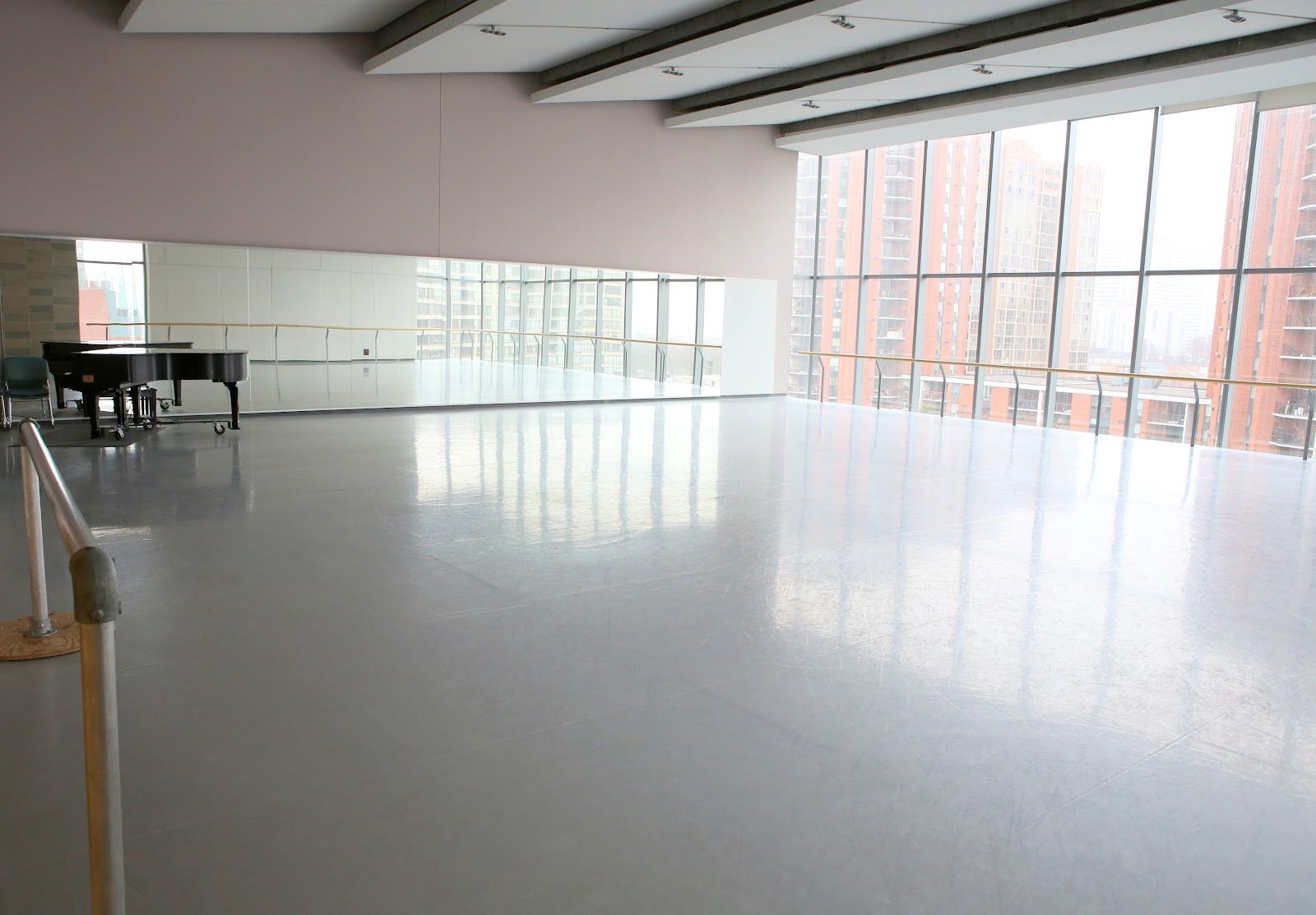
Canada's National Ballet School
Toronto · Canada
Talent is the sole entry ticket to this Toronto campus fusing full-time ballet training, academics, and boarding life under one roof.
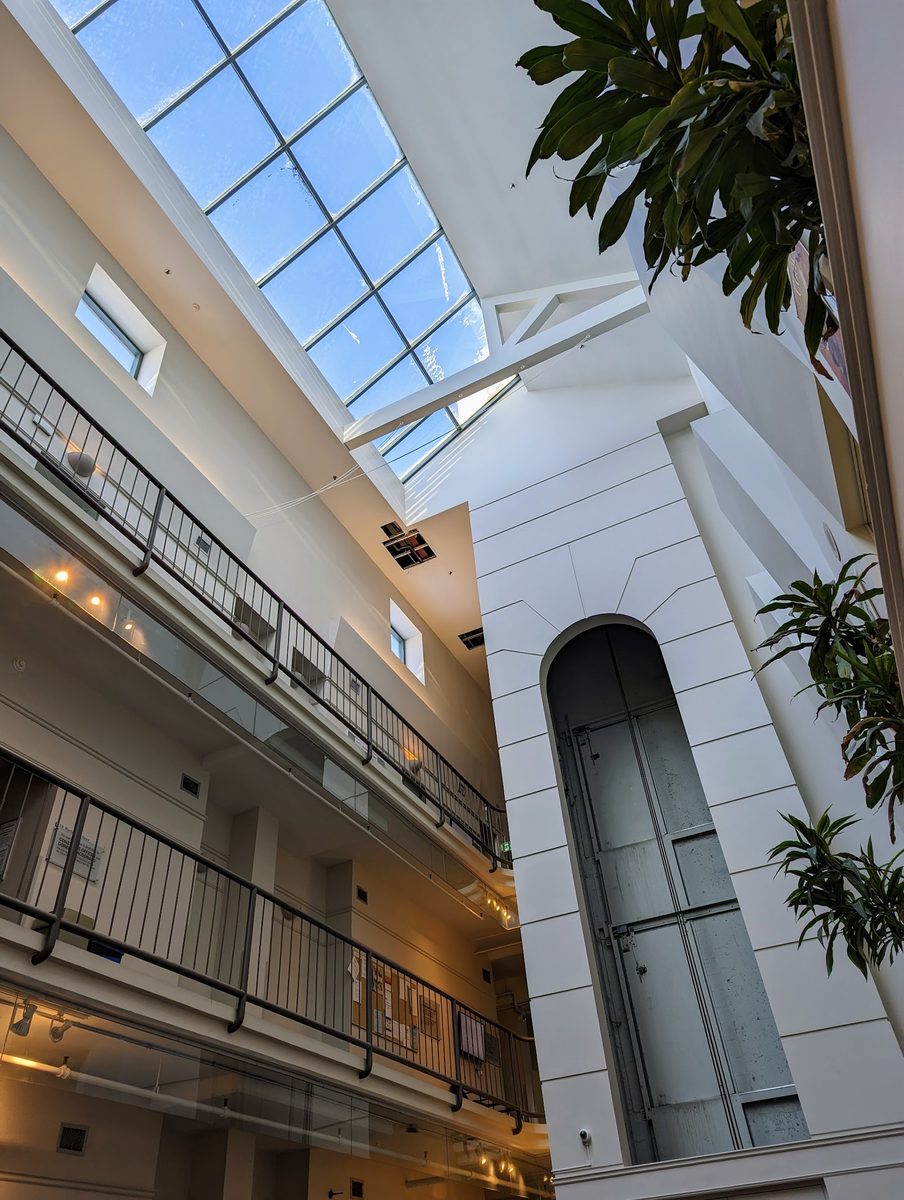
Royal Winnipeg Ballet School, Professional Division
Winnipeg, Manitoba · Canada
A Russian-method training ground on the Prairies, feeding a ballet company where three in four dancers are its own graduates.

Miami City Ballet School
Miami Beach, FL · United States
Where Balanchine technique meets professional stagecraft, training young dancers inside a working ballet company on Miami Beach
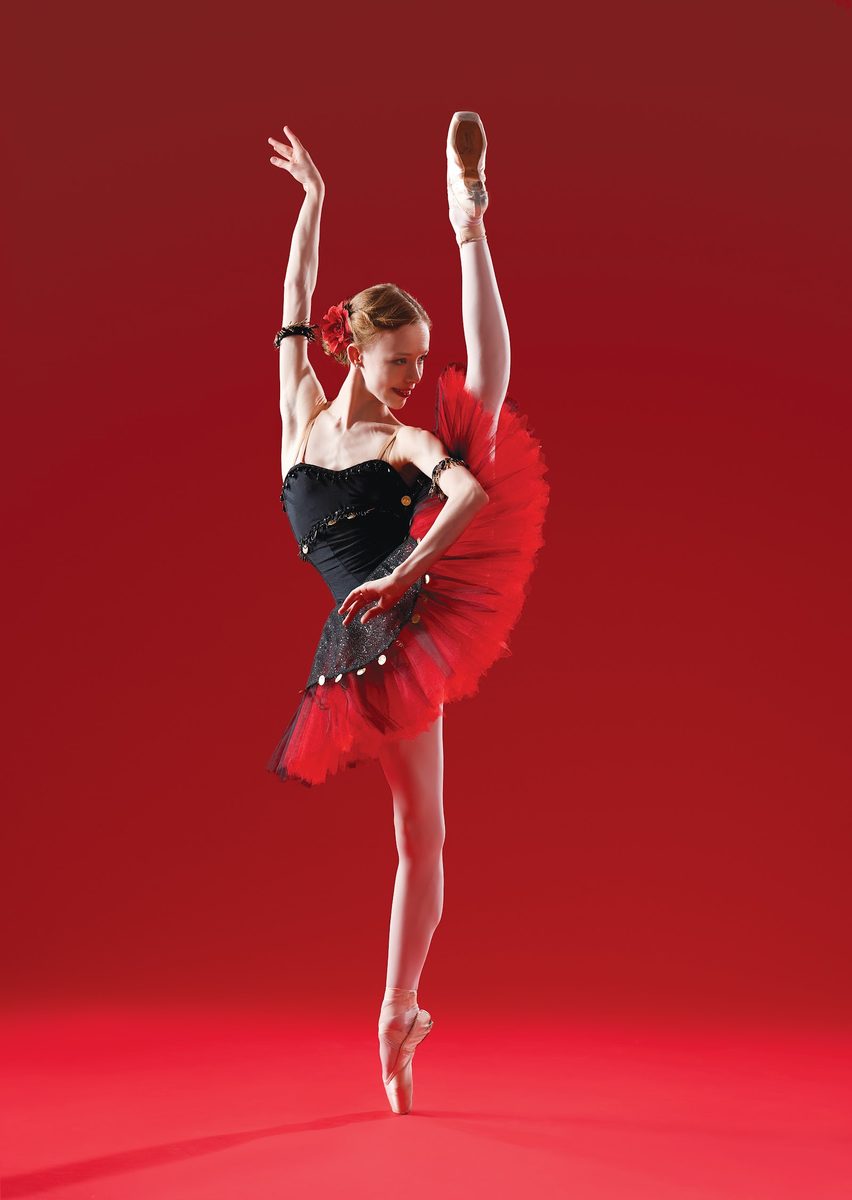
Ellison Ballet Professional Training Program
New York, NY · United States
Born from hallway coaching sessions at Steps on Broadway, this Vaganova-based studio trains dancers blocks from Lincoln Center
Same specialism, country and curriculum — closest matches within ±10 points either way