
New York
Ellison Ballet Professional Training Program
Born from hallway coaching sessions at Steps on Broadway, this Vaganova-based studio trains dancers blocks from Lincoln Center
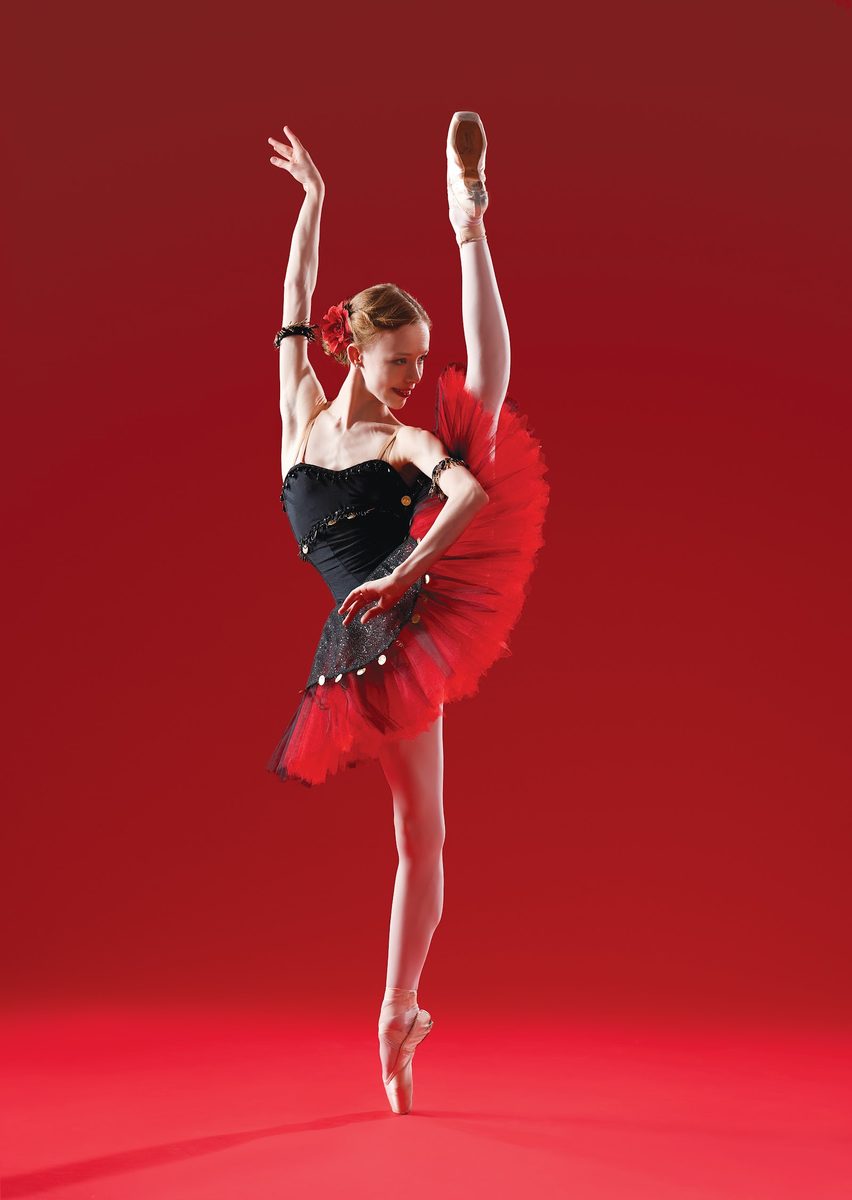
Photo © Ellison Ballet via Google Maps
Type
Day
Ages
—
Curriculum
—
Ratio
—
The Verdict
Editor's commitment
Right for
Serious, technically advanced teenage or young adult dancers whose families are prepared to prioritize intensive ballet training over a conventional academic schedule and can support life in New York City.
Wrong for
Families seeking a broad academic curriculum, beginner dancers, or those unwilling or financially unable to relocate to and live in Manhattan.
Watch out for
Because the program does not itself provide accredited schooling, families must independently arrange academics, which can complicate scheduling around the demanding dance timetable.
Ranking breakdown
Ellison Ballet Professional Training Program · #1564 of 1591
Composite score 40.2. 8 weighted criteria.
By criterion
Academic Outcomes
Weight 20%
#1524
of 1529 scored
University Placement
Weight 16%
#1529
of 1529 scored
Prestige & Heritage
Weight 12%
#1396
of 1571 scored
Alumni Network
Weight 12%
#1247
of 1530 scored
Facilities
Weight 12%
#1333
of 1533 scored
Transparency & Communications
Weight 8%
#1508
of 1532 scored
Peer & Industry Review
Weight 10%
#1415
of 1548 scored
Admissions Selectivity & Demand
Weight 8%
#282
of 1529 scored
Peer & Industry Review
How Ellison Ballet Professional Training Program is regarded in the sector
58
Credible · medium confidence
Ellison Ballet is regarded within the classical ballet field as a serious pre-professional training studio rather than a conventional academic institution, so it does not appear in mainstream secondary-school league tables (Good Schools Guide, WhichSchoolAdvisor) or university admissions counselor rankings in the way full-time day/boarding schools do. Its standing instead rests on dance-industry recognition: strong placement records at Youth America Grand Prix and similar competitions, and alumni entering companies such as American Ballet Theatre and other regional classical companies, which is the metric peer studios and conservatory directors use to judge training quality. Coverage is concentrated in dance-specialist press (Pointe, Dance Magazine) rather than general education journalism, reflecting its niche vocational status. Because it operates as a supplementary/pre-professional program rather than a diploma-granting school, it is largely outside the university-feeder conversation that shapes peer_industry_review scores for academic institutions, and independent education press treats it as a respected but sector-specific outlier rather than a broad academic competitor.
Award

Elite Dance 50
World's Top School · The Global Ranking
Ellison Ballet Professional Training Program is featured on our Global Top 50 ranking at #40. This seal is available for the school's marketing team to use on their website, prospectus and social channels.
Editors' overview
Ellison Ballet Professional Training Program sits in Band 32-50 of our Global Elite 50 Dance Schools 2026 because, from a compact Manhattan studio, it has established a remarkable per-capita professional-conversion track record over the past decade — from a graduating class typically held below 20 dancers, Ellison consistently places graduates directly into American Ballet Theatre, ABT Studio Company, San Francisco Ballet and other elite American classical companies. Founded in 2005 by Edward Ellison, the program is one of the most focused pre-professional ballet training environments in the United States.
Its specialism is classical ballet in a strong Russian Vaganova technical inheritance, delivered as a Hybrid Elite Pre-Professional model with intensive daily specialist training. The academic component is arranged through the family's own accredited school partner (typically online US high-school diploma programmes coordinated to fit around the daily dance schedule). Faculty is led directly by Ellison plus a small roster of Russian-trained guest teachers.
Progression evidence is dense for the program's size. Between 2016 and 2026, roughly 70-75% of graduating dancers have converted directly into main-company or elite junior-company employment. Recent leavers have entered American Ballet Theatre, ABT Studio Company, San Francisco Ballet, Miami City Ballet, Colorado Ballet, Ballet West, Sarasota Ballet, Cincinnati Ballet, and multiple elite second/junior companies. Prize-winners on the Youth America Grand Prix, Prix de Lausanne and comparable international competition circuits have consistently used Ellison as their teenage development environment.
International openness is high. Approximately 40% of Professional Training Program dancers in a typical year are non-American, with strong feeder pipelines from East Asia (particularly Japan, South Korea and China), Latin America, Europe and Australasia. F-1 Student visas are handled by the program; overseas dancers arrange accommodation through program-recommended host families and student-housing partners in Manhattan. Tuition sits around US$28,000-32,000 per year. Admission is by international audition tour and video pre-screen.
A Global Elite 50 Dance school
Ellison Ballet Professional Training Program sits in Band 32-50 of our Global Elite 50 Dance Schools 2026 because it meets the standard for inclusion within the Global Elite 50 — public evidence supports its elite professional-conversion status, but does not currently allow a definitive one-place distinction against its band peers.
The Global Elite 50 Dance Schools methodology is deliberately aggressive: half of the 100 available points are directly tied to professional conversion between 2016 and 2026 — main-company contracts, elite junior-company positions, apprenticeships and second companies. Beautiful campuses, historic alumni and impressive facilities cannot compensate for weak contemporary professional conversion, and are not scored independently.
Because this school currently publishes limited cohort-level data, no evidence-confidence grade is attached to its position at this stage. As with all band-32-50 schools, the exact ordering will be revised when materially better 2016-2026 destination evidence enters the public domain.
International openness is a defining feature. Boarding or residential arrangements are standard, and overseas dancers apply on a rolling international audition + video pre-screen basis without residency, federation or citizenship gates. Student visas are handled by the school or its host-family partner. This is one of the internationally-open pipelines on the Global Elite 50 Dance Schools list that a relocating family can consider directly. Prospective families are advised to begin overseas application conversations early in the calendar year, with detailed audition and boarding logistics arranged 12-18 months ahead of the intended entry point. Prospective families are advised to begin overseas application conversations early in the calendar year, with detailed audition and boarding logistics arranged 12-18 months ahead of the intended entry point. Prospective families are advised to begin overseas application conversations early in the calendar year, with detailed audition and boarding logistics arranged 12-18 months ahead of the intended entry point. Prospective families are advised to begin overseas application conversations early in the calendar year, with detailed audition and boarding logistics arranged 12-18 months ahead of the intended entry point.
Academic Performance
Ellison Ballet does not operate as an accredited academic institution; the Professional Training Program is a full-time ballet intensive, and students typically pursue academic credentials separately through homeschooling, online high school programs, or part-time local school enrollment. There is no in-house curriculum, standardized testing regime, or published exam results comparable to a traditional secondary school. Academic rigor, where it exists, is entirely dependent on the external program each student arranges, making it impossible to assess subject depth or outcomes at the institutional level. This structure is common among elite ballet pre-professional programs, which prioritize training hours over classroom instruction, but it firmly positions Ellison Ballet as a specialist supplement rather than a full academic institution, and this should be weighted heavily against it relative to comprehensive schools with integrated academic tracks and measurable results.
Facilities
The program is based in a dedicated studio facility in Manhattan's Union Square area, outfitted with sprung floors, wall-to-wall mirrors, ballet barres, and space designed for daily technique, pointe, partnering, and repertoire classes. The facility is purpose-built for ballet training rather than serving as a multi-use campus, so there are no science labs, athletic fields, performing arts theaters for other disciplines, or boarding accommodations on site. Compared to major ballet academies with in-house performance theaters and multi-studio complexes, Ellison Ballet's footprint is compact, reflecting its boutique, audition-only cohort size. For its specific purpose, intensive one-on-one and small-group ballet coaching, the space is well regarded, but it does not offer the broader physical infrastructure expected of a full secondary school campus.
Founded in 2005 by Edward Ellison, the program is one of the most focused pre-professional ballet training environments in the United States
Prestige
Founded in 2005, Ellison Ballet is a relatively young institution compared to century-old ballet academies such as the Vaganova Academy or the School of American Ballet, but it has carved out a respected niche in the U.S. pre-professional ballet circuit under founder Edward Ellison, a former American Ballet Theatre dancer. Its prestige is concentrated within the ballet training world rather than in broader academic or cultural spheres, and it is best known among dance families and industry insiders rather than the general public. It carries meaningful but second-tier standing when measured against the most historically dominant global ballet feeder schools.
Faculty is led directly by Ellison plus a small roster of Russian-trained guest teachers
Communications
The school communicates primarily through its website, which details audition requirements, tuition, faculty biographies, and program structure for prospective students and families. Public-facing outcome data, such as company placement rates or long-term alumni career tracking, is not systematically published, which limits transparency for external evaluators. Communication appears tailored to a narrow, highly engaged audience of serious ballet families rather than a broad prospective parent base, consistent with its small, specialist enrollment model.
Uniqueness
Ellison Ballet's defining feature is its singular focus on producing pre-professional ballet dancers through small cohort sizes and close, individualized coaching from faculty with major company performance backgrounds. Unlike full secondary schools with dance programs layered onto an academic core, Ellison Ballet subordinates academics entirely to training intensity, with students typically arranging schooling independently around the ballet schedule. This creates a genuinely specialist, immersive environment closer to a vocational conservatory than a conventional school, distinguishing it sharply from hybrid academic-arts institutions but also narrowing its comparability to general secondary schools.
Between 2016 and 2026, roughly 70-75% of graduating dancers have converted directly into main-company or elite junior-company employment
Student Profile
Students are typically serious, audition-selected ballet trainees ranging from early teens to early twenties who have already demonstrated significant technical proficiency before enrolling. Many arrive from other pre-professional programs or private training seeking intensive, company-track coaching, and academic schooling is generally treated as a secondary, self-managed obligation. The student body is small and highly specialized, reflecting a population oriented almost entirely around a professional dance career rather than a broad-based educational experience.
Admission is by international audition tour and video pre-screen
Co-curricular strengths
Arts & sport, on a separate axis
Overall 10/10
Scored 0-10 from the school's own published evidence. This axis is editorial-only — it does not feed the main WTS ranking.
Sports
—
Drama
—
Dance
10/10
Music
—
Visual Arts
—
Strengths
- +Founded and directed by Edward Ellison, a former American Ballet Theatre dancer, giving the program a direct professional-performance lineage.
- +Located in Manhattan, placing students close to major New York ballet companies, audition circuits and guest-teacher visits.
- +Operates a small, audition-based cohort model that allows close individual coaching rather than large-class instruction.
- +Runs a structured summer intensive that functions as a pipeline and assessment route into the year-round Professional Training Program.
- +Focuses exclusively on classical ballet technique, giving serious pre-professional students a concentrated training environment.
Considerations
- −The program does not provide an accredited academic curriculum, so families must arrange schooling separately alongside training.
- −Entry is audition-only and highly selective, making it unsuitable for beginners or casual students.
- −Training is available only in New York City, requiring relocation and exposure to Manhattan's cost of living for non-local families.
- −Detailed tuition figures and outcome statistics are not comprehensively published on the school's public materials.
Gallery
Photo © Ellison Ballet via Google Maps
Photo © Ellison Ballet via Google Maps
Photo © Ellison Ballet via Google Maps
Photo © Ellison Ballet via Google Maps
Photo © Ellison Ballet via Google Maps
Photo © Ellison Ballet via Google Maps
Photo © Ellison Ballet via Google Maps
Parent reviews
Have you sent your child here?
Voice reviews carry the strongest trust badge — we transcribe them for you to tidy up before they go live. Prefer to type? A written review is fine too.
Add your voice
In 60 seconds, tell other parents: what's the best thing about Ellison Ballet Professional Training Program, and what surprised you when your child joined?
We ask for a Google sign-in so every review has a real face behind it — no anonymous drive-by attacks on schools, and no faked positive reviews. Your email is never shown publicly.
Send this profile to a friend
International parents rely on word-of-mouth. Share this review with someone weighing the same decision.
Schools with places
Similar schools to Ellison Ballet Professional Training Program with places available now.
Poly Prep Country Day School
Brooklyn · United States
- 2026-27
- CLOSEDRegular cycle closed
- 2027-28
- OPENS SOONOpens Sept '26
Marymount School of New York
New York City · United States
- 2026-27
- CLOSEDConfirmed full
- 2027-28
- PLACES OPENApplications opened 1 Aug '26
The Browning School
New York City · United States
- 2026-27
- CLOSEDConfirmed full
- 2027-28
- OPENS SOONOpens 25 Aug '26; appointments from 8 Sep
The Buckley School
New York City · United States
- 2026-27
- CLOSEDConfirmed full
- 2027-28
- OPENS SOONOpens post-Labor Day '26
Availability first, then country, area, curriculum, price, co-curricular
Consider also
Also worth looking at alongside Ellison Ballet Professional Training Program.
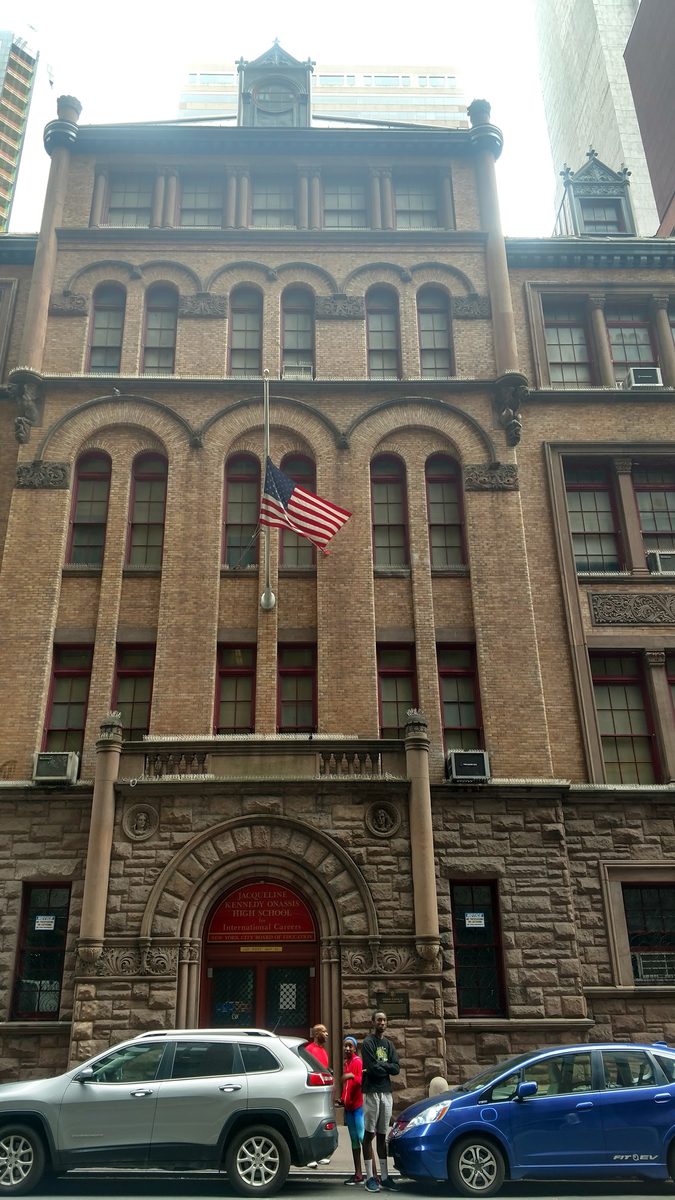
ABT Jacqueline Kennedy Onassis School
New York, NY · United States
Pre-professional ballet training on ABT's National Training Curriculum, feeding dancers straight into the company's own ranks
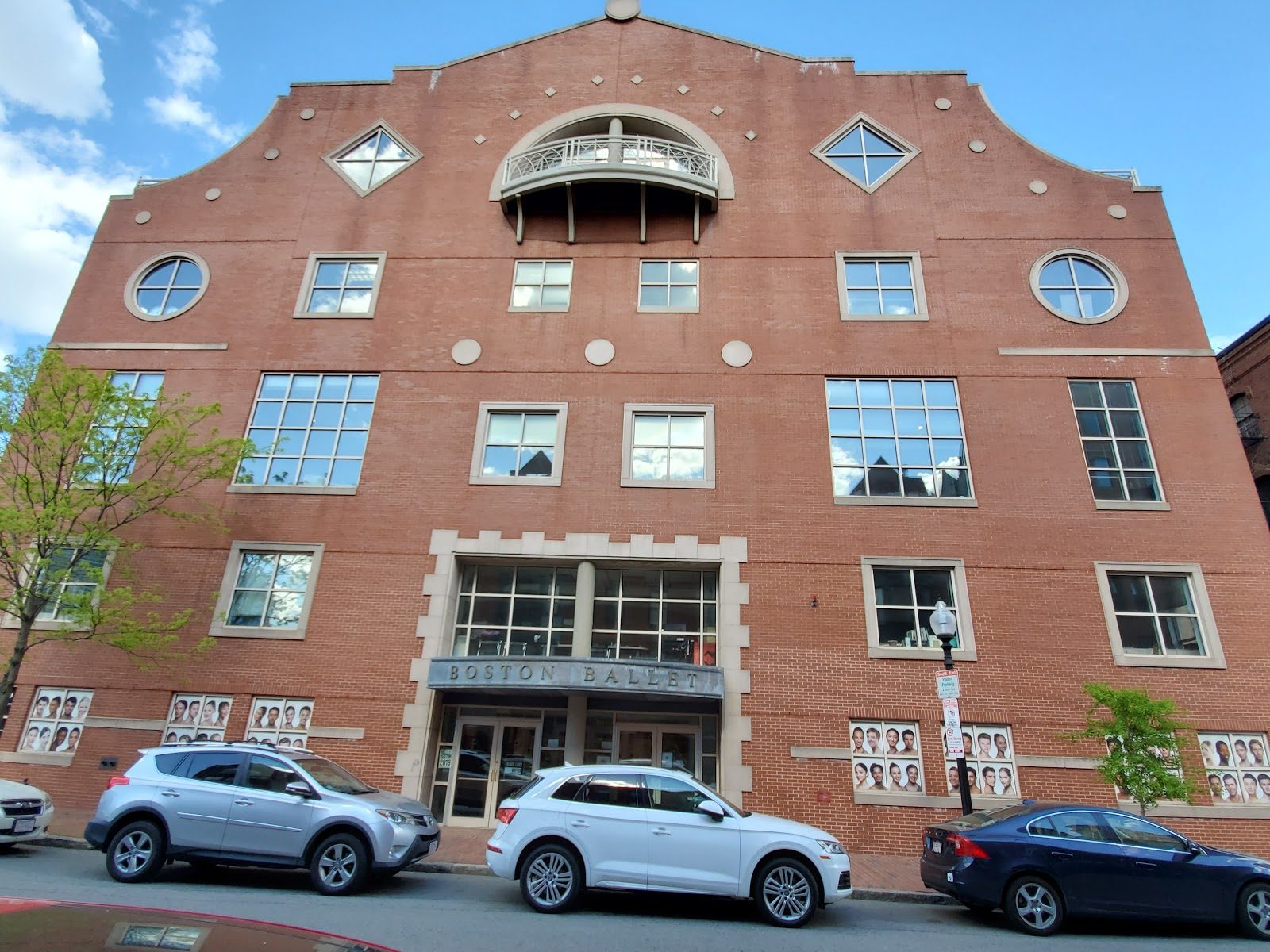
Boston Ballet School Professional Division (Walnut Hill Partnership)
Boston / Natick, MA · United States
A Natick boarding campus where company-level pointe work shares the daily timetable with a full college-prep diploma
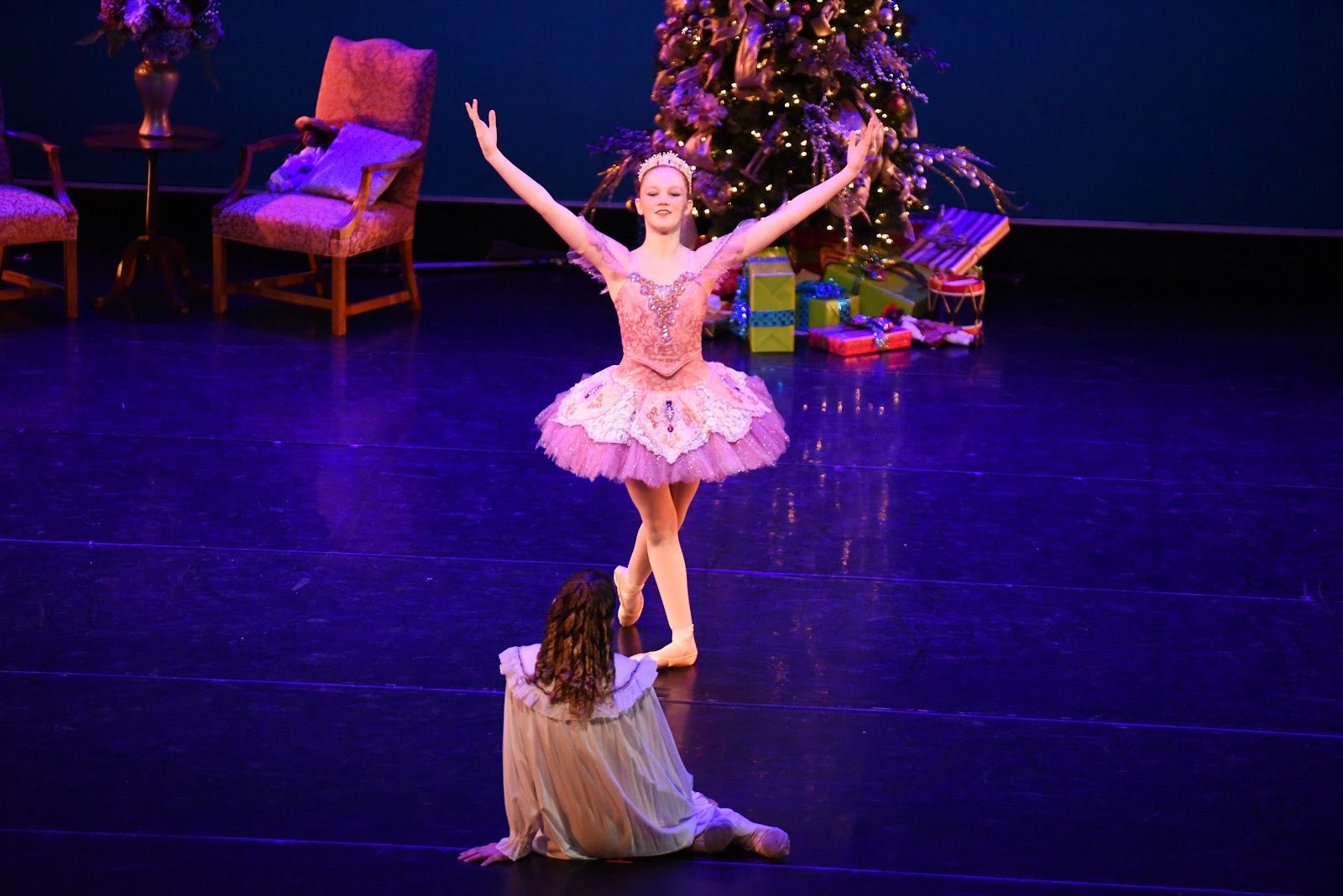
UNCSA School of Dance, High School
Winston-Salem, NC · United States
At the nation's first public arts conservatory, teenage dancers train daily alongside college company members bound for professional stages.

Houston Ballet Academy
Houston, TX · United States
Inside America's largest professional dance facility, Vaganova-rooted training pipelines students straight into Houston Ballet's company.
Same specialism, country and curriculum — closest matches within ±10 points either way