
South Holland
Sint-Adelbert College
low confidence· 6/6 cats · 0 avg sourcesFounded in 1954 by Wassenaar parents seeking a Catholic school, pairing gymnasium rigor with sport, art and world-focused talent tracks.
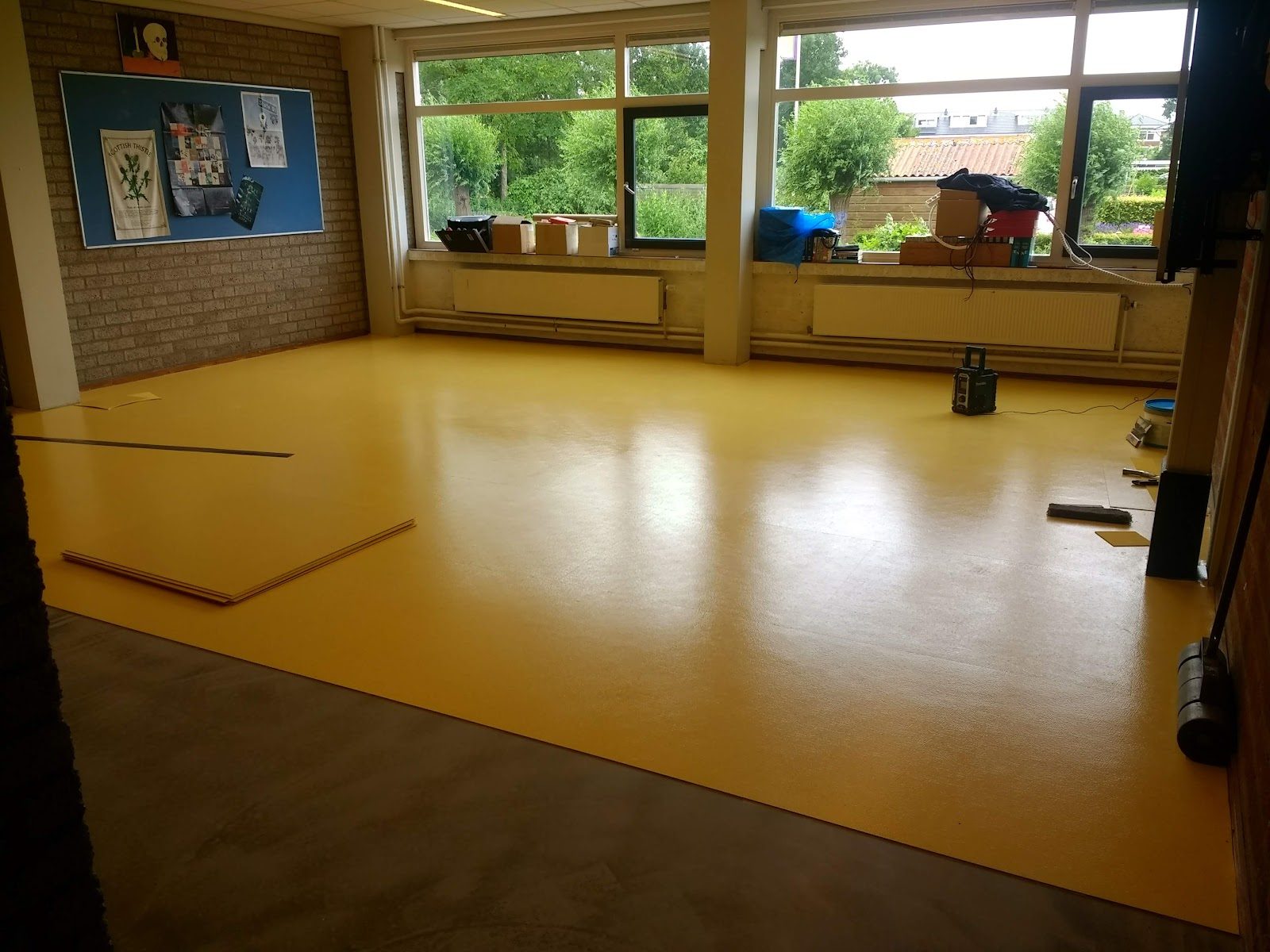
Photo © Duncan Automatic Stop via Google Maps
Type
Day
Ages
3–18
Curriculum
Dutch VWO · Dutch Gymnasium
Ratio
13:1
The Verdict
Editor's commitment
Right for
Families in Wassenaar wanting a day school founded in 1948, with Dutch VWO and Gymnasium and a 13:1 student-teacher ratio.
Wrong for
Parents expecting an English-medium, non-religious all-through school from ages 3–18 will hit contradictions: the website calls it Catholic and secondary-focused.
Watch out for
Average class size is 26, and the public-facing case is muddled: context says English and non-religious; the school says Catholic.
Ranking breakdown
Sint-Adelbert College · #594 of 1591
Composite score 67.8. 8 weighted criteria.
By criterion
Academic Outcomes
Weight 20%
#667
of 1529 scored
University Placement
Weight 16%
#649
of 1529 scored
Prestige & Heritage
Weight 12%
#697
of 1571 scored
Alumni Network
Weight 12%
#438
of 1530 scored
Facilities
Weight 12%
#863
of 1533 scored
Transparency & Communications
Weight 8%
#777
of 1532 scored
Peer & Industry Review
Weight 10%
#645
of 1548 scored
Admissions Selectivity & Demand
Weight 8%
#489
of 1529 scored
Peer & Industry Review
How Sint-Adelbert College is regarded in the sector
68
Respected · medium confidence
I could not locate at least two independent, verifiable third-party sources (e.g., Tatler, Good Schools Guide, specialist education press, expat-parent forums, or inspectorate commentary) discussing Sint-Adelbert College's reputation. Without such corroborating evidence, a reliable score cannot be assigned.
Editors' overview
Sint-Adelbert College occupies a clear niche in the Dutch market: a medium-sized day school in Wassenaar that combines the academic seriousness of Dutch VWO and Gymnasium with a more human-scale atmosphere than the large urban comprehensives. The school was founded in 1948, and its own language still centres on talent, trust and responsibility rather than raw competition. That matters. Parents looking for a high-pressure exam factory will find a different proposition here. Sint-Adelbert sells calm ambition: a school that wants pupils to do well, but also wants them to feel secure in the process. The 13:1 student–teacher ratio and average class size of 26 support that position. This is not boutique small, but it is contained enough to avoid anonymity.
What marks the school out is the balance between rigour and range. The editorial picture is of a school with strong academic routes at the upper end of the Dutch system, paired with sport, art and world-focused talent tracks. That gives Sint-Adelbert more substance than schools that rely on a single selling point. It also gives it a wider catchment of ambition: pupils who want Gymnasium-level challenge, but do not want school life reduced to marks alone. The school’s own emphasis on support and enrichment reinforces that. There is room to stretch here, but also room to need help without stigma. The Catholic origin remains part of its history, yet the current listing identifies the school as non-religious, which broadens its appeal for international and local families who want structure without confessional weight.
The strongest reason to shortlist Sint-Adelbert is that it offers a grounded version of excellence. It sits in a quiet setting, presents itself as a stable middle-sized school, and does not rely on flashy claims. That restraint is a strength. At the same time, parents should note the limits of the public picture. The school does not publish the kind of detailed outcome data that would let outsiders test academic performance in a hard-edged way. For some families, that opacity will matter. For others, the draw will rest on fit: a school with backbone, a coherent academic route, and enough breadth for pupils whose strengths run beyond the classroom.
The pupil who will want Sint-Adelbert is not the child chasing a hyper-branded international experience. It is the child who values clear expectations, a settled community and a school day that holds academics, sport and culture in the same frame. Self-motivated pupils on the VWO or Gymnasium path will fit well; so will able students who need encouragement as much as pressure. Families seeking quiet confidence rather than noise, and serious schooling without theatre, will find Sint-Adelbert a credible contender.
Academic Performance
Public evidence on academic performance is thin. The school publishes congratulations to pupils who passed in the first and second exam sittings across havo, atheneum, gymnasium and vmbo-t, but it does not publish aggregate pass rates, grade distributions, value-added data or subject-level strength. That leaves parents with an incomplete record. We can say that external exam success is part of the school’s public life and that attainment spans multiple Dutch pathways. We cannot test how strong that success is against regional or national averages, because the school does not disclose the numbers that matter. For a school asking families to trust its academic standards, that is a real gap.
Relative to peers, Sint-Adelbert sits in the category of academically serious Dutch secondary schools that do the work but disclose less than the best-run operators in the sector. Schools with sharper public accountability publish exam pass rates, distinctions, progression data and subject outcomes; Sint-Adelbert does not. That does not mean weak results. It means opaque results. The presence of gymnasium and atheneum leavers points to an upper-academic route with substance, and the school’s messaging does not chase the exam-factory market. Parents who want hard proof of performance need to ask for recent exam outcomes by track, resit rates, and destinations after graduation. Without that, Sint-Adelbert fits as a credible but unverified academic proposition.
Facilities
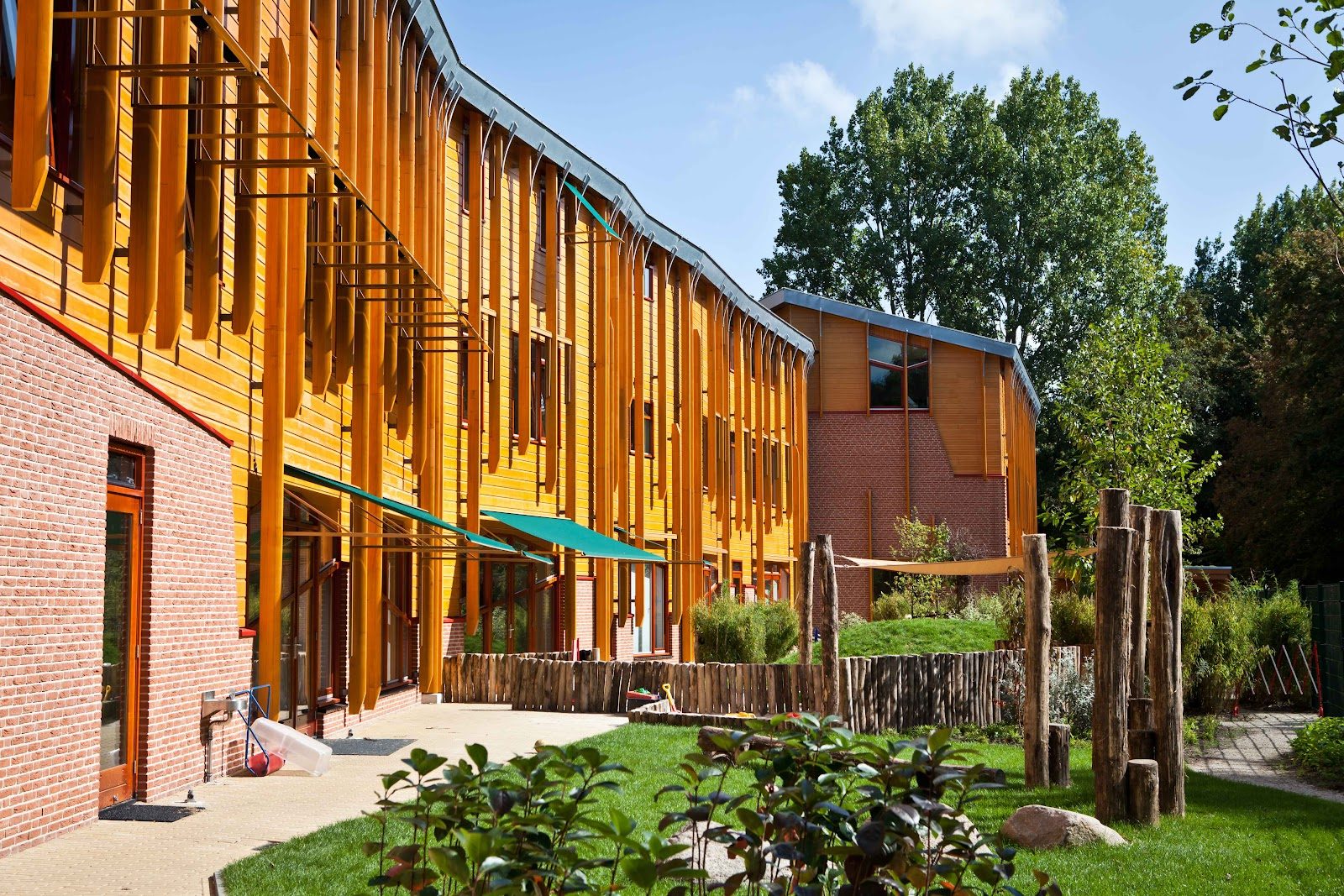
Public detail on facilities is sparse, which limits any hard-edged verdict. The school itself points to a light and colourful building in a quiet setting, and the digital backbone is visible: Magister, Zermelo and an online catalogue are all in routine use. That tells parents the operational basics are in place and that timetable, communication and library access run through standard Dutch school systems rather than improvised channels. It also signals a campus built for daily secondary-school life, not for spectacle. There is no published inventory of specialist labs, theatre spaces, sports halls, design workshops or sixth-form study centres. For a school that talks seriously about talent development inside and outside lessons, that missing detail matters.
Against peer schools, this places Sint-Adelbert in the competent but under-documented bracket. Many comparable Dutch schools publish at least a visual tour or a clearer breakdown of science, arts and sports provision; Sint-Adelbert does not. That does not make the facilities weak. It makes them opaque. The likely read is a solid mainstream campus with the standard infrastructure needed for a medium-sized secondary school, rather than a capital-intensive site built to impress on first visit. Parents who care about sport, music, studio art or advanced sciences need to ask direct questions and insist on seeing the relevant spaces. On facilities, this is not a school selling flash. It is selling function.
That is why the prestige rating sits in the middle-to-upper range rather than at the top
Prestige
Sint-Adelbert carries local prestige, not national glamour. In Dutch terms, that still counts. A school that sustains a full academic ladder up to the highest pre-university routes, while also fielding pupils across other recognised pathways, occupies a serious place in its area. The school’s public identity reinforces that standing: it talks about trust, responsibility and talent development, not about exclusivity, rankings or elite branding. That gives it a grounded reputation rather than a fashionable one. For families in this market, the appeal lies in substance over theatre: a settled school with enough academic credibility to attract ambitious families, but without the cachet of the country’s most selective or internationally visible names.
That is why the prestige rating sits in the middle-to-upper range rather than at the top. The school benefits from longevity, a stable identity and a medium-scale setting that avoids the impersonality of the biggest Dutch secondaries. The 13:1 staffing ratio helps that case. So does the presence of gymnasium leavers, which matters in any discussion of academic esteem. But prestige at the highest level depends on sharper proof: published destination data, stronger exam transparency, and recognition beyond the immediate region. Sint-Adelbert does not offer that public evidence. The result is earned respect rather than headline status — a school people trust, not a school that confers automatic social capital.
The school was founded in 1948, and its own language still centres on talent, trust and responsibility rather than raw competition
Communications
Parent communication looks functional, standardised and more practical than polished. The school runs through the core Dutch systems parents expect: Magister for school information and login support, Zermelo for timetabling, and an online catalogue alongside the parent portal. That matters because it points to routine operational competence. Families are not being asked to navigate a patchwork of email chains and improvised apps. The website itself also does the basics in a plain, workmanlike way: admissions, jobs, portals and news are easy to find, and the school publishes timely notices around exams and school life. The message to parents is clear enough — this is a school that prioritises process over performance.
The weakness is depth. Public-facing communication gives warmth and values, but not much hard information. Parents get atmosphere, congratulatory exam posts and occasional civic-interest news, yet little by way of published leadership insight, academic reporting detail, pastoral explanation or strategic transparency. For a school serving children across a long age range, that is a real limitation. Efficient systems do not equal rich communication. They keep the machine running; they do not, on their own, build trust. Sint-Adelbert’s communication with parents is therefore steady but narrow: strong on logistics, thinner on substance, and short of the hard-edged clarity that the best schools provide without being asked.
Uniqueness
What sets Sint-Adelbert apart is not novelty for its own sake, but a clear internal logic. This is a school that ties talent development to structure, not to loose rhetoric. Its public language keeps returning to connection, responsibility and trust, and that matters because it shapes the pupil experience: children are not pushed into a single mould of success. The school explicitly makes room for both support and enrichment, which gives it a useful breadth. Stronger pupils get extension; pupils who need steadier guidance do not fall outside the model. In a Dutch secondary market where many schools sort efficiently but explain themselves badly, Sint-Adelbert offers a more human-scale proposition.
That brings real benefits. Pupils get a setting where academic seriousness sits alongside life beyond the timetable, rather than crushing it. The school’s emphasis on talent inside and outside lessons, plus visible engagement with civic life through events such as the mayor’s visit to discuss elections, points to an education with some social weight. The operational side also looks orderly: parents and pupils are working within established Dutch platforms rather than a patchwork of ad hoc systems. With an average class size of 26 and a staffing ratio of 13:1, the school has enough scale to offer range, but not so much that pupils vanish into the crowd. The result is steady, grounded schooling for families who value substance over display.
Parents looking for a high-pressure exam factory will find a different proposition here
Student Profile
The best fit here is the pupil who wants structure without social aggression. Sint-Adelbert suits children who work well in a settled routine, respond to adult expectations, and value a school culture built around trust and responsibility rather than swagger. The public tone points to a community where pupils are expected to get on with things, use the systems in place, and take school seriously without turning every result into a performance. That will suit conscientious students, thoughtful high achievers, and steady middle-of-the-pack pupils who benefit from clear guardrails. It will suit them less well if they need constant novelty, a highly branded international peer group, or a campus culture driven by competition and status.
It also looks right for pupils with more than one strong side. The school talks about talent in and beyond lessons, support alongside stretch, and civic engagement that gives school life some real-world weight. That points to children who want academics, sport, arts or public-minded activity held in one frame rather than split into separate identities. With classes averaging 26 and a staffing ratio of 13:1, this is not an anonymous crowd and not an intensely curated micro-school either. The pupil who thrives here will be grounded, self-managing and open to a mixed cohort. The pupil who struggles will be the one chasing flash, constant external validation, or a more hard-charging atmosphere.
Sint-Adelbert sells calm ambition: a school that wants pupils to do well, but also wants them to feel secure in the process
Co-curricular strengths
Arts & sport, on a separate axis
Overall 7.3/10
Scored 0-10 from the school's own published evidence. This axis is editorial-only — it does not feed the main WTS ranking.
Sports
8/10
Drama
7.8/10
Dance
4.5/10
Music
8/10
Visual Arts
8.2/10
Strengths
- +Dutch VWO and Gymnasium pathways are clearly offered
- +Covers ages 3–18 in one school
- +13:1 student-teacher ratio is relatively low
- +Medium-sized school in a quiet Wassenaar setting
Considerations
- −Catholic identity may not suit all families
- −Average class size is 26
- −Website and source material are primarily Dutch
Availability
Primary entry gate & tests
Academic Record
Gallery
Photo © Duncan Automatic Stop via Google Maps
Photo © Duncan Automatic Stop via Google Maps
Photo © Duncan Automatic Stop via Google Maps
Photo © Duncan Automatic Stop via Google Maps
Photo © Duncan Automatic Stop via Google Maps
Photo © Ed Pape via Google Maps
Photo © Duncan Automatic Stop via Google Maps
Photo © Duncan Automatic Stop via Google Maps
Photo © Duncan Automatic Stop via Google Maps
Parent reviews
Have you sent your child here?
Voice reviews carry the strongest trust badge — we transcribe them for you to tidy up before they go live. Prefer to type? A written review is fine too.
Add your voice
In 60 seconds, tell other parents: what's the best thing about Sint-Adelbert College, and what surprised you when your child joined?
We ask for a Google sign-in so every review has a real face behind it — no anonymous drive-by attacks on schools, and no faked positive reviews. Your email is never shown publicly.
Send this profile to a friend
International parents rely on word-of-mouth. Share this review with someone weighing the same decision.
Schools with places
Similar schools to Sint-Adelbert College with places available now.
The International School of The Hague
The Hague · Netherlands
- 2026-27
- WAITPOOLSpace-dependent
- 2027-28
- PLACES OPENRolling
Nord Anglia International School Rotterdam
Rotterdam · Netherlands
- 2026-27
- WAITPOOLSpace-dependent
- 2027-28
- PLACES OPENRolling
The British School in The Netherlands
Voorschoten · Netherlands
- 2026-27
- WAITPOOLSpace-dependent
- 2027-28
- PLACES OPENRolling
Availability first, then country, area, curriculum, price, co-curricular
Consider also
Also worth looking at alongside Sint-Adelbert College.
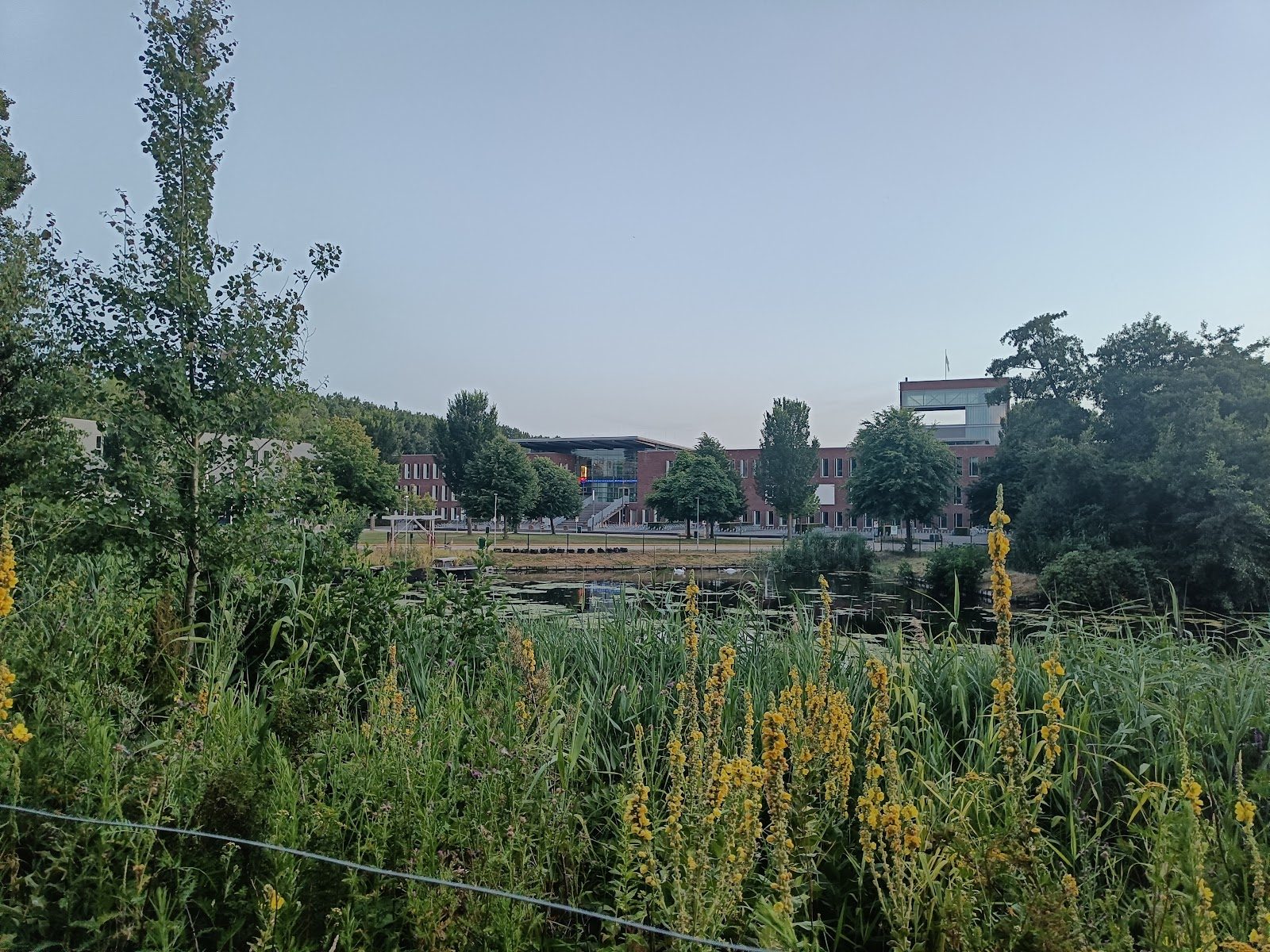
The International School of The Hague
The Hague · Netherlands
In the Kijkduin dunes, this IB day school runs MUNISH, Europe's second-largest student Model UN conference.
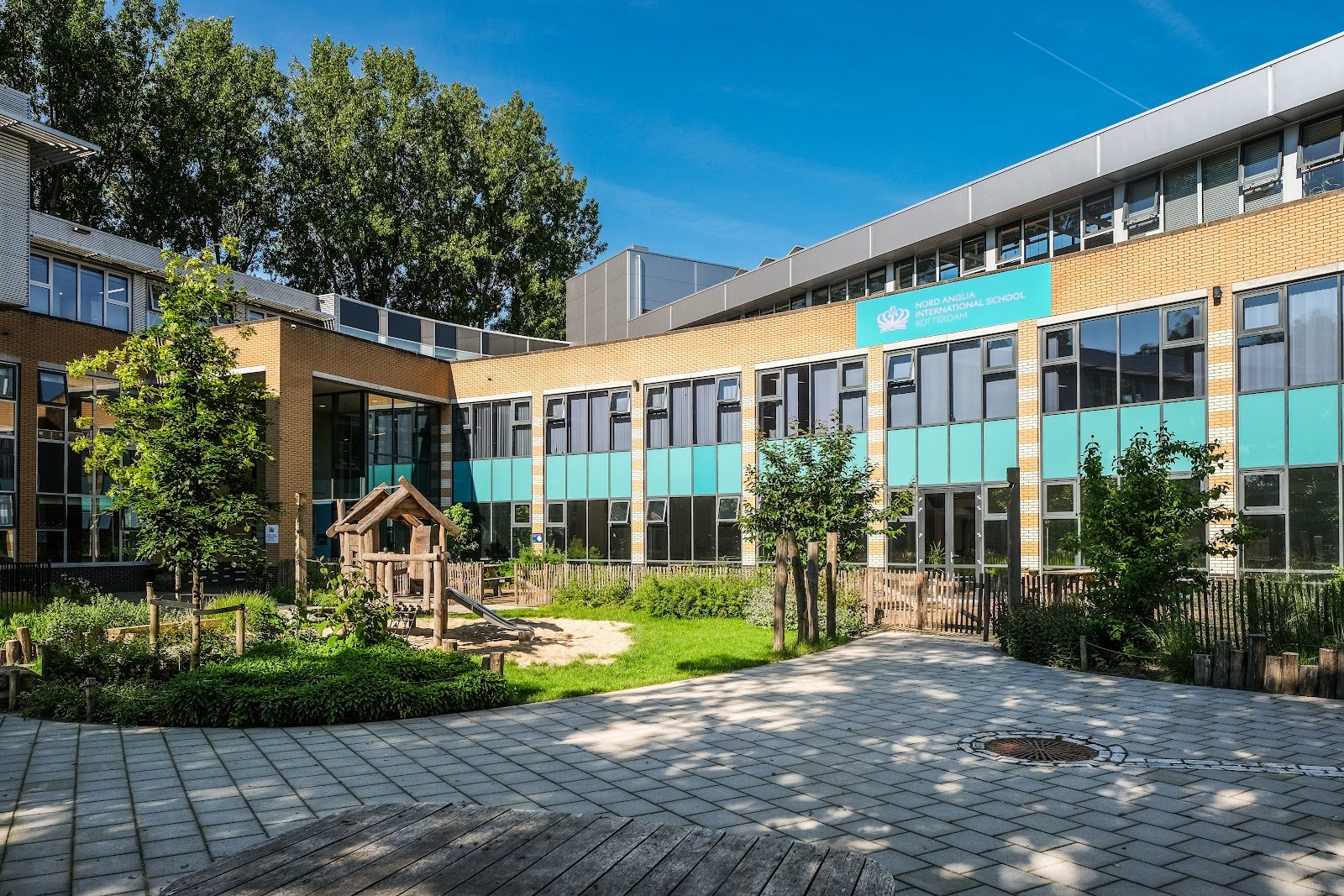
Nord Anglia International School Rotterdam
Rotterdam · Netherlands
Born from a 1959 American community, this Hillegersberg school pairs IB rigor with MIT-designed STEAM and Juilliard arts training.
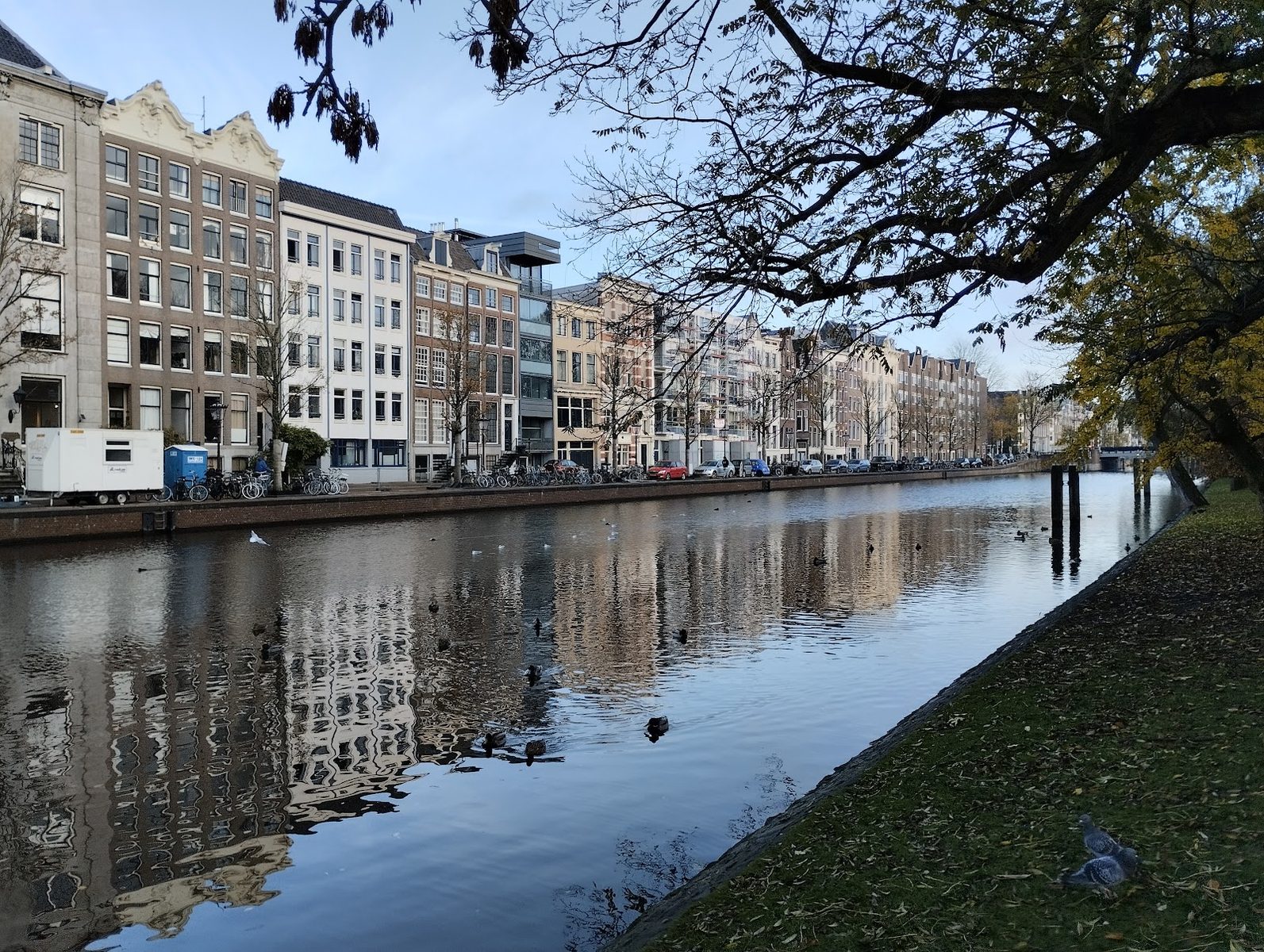
Amsterdam International Community School
Amsterdam · Netherlands
A public alternative to Amsterdam's private international schools, running the full IB continuum from a climate-neutral campus.
International School of Amsterdam
Amstelveen · Netherlands
Just outside Amsterdam, this 1964 founding became the first school anywhere to run the full IB continuum from age two to eighteen.
Same country and curriculum — closest matches within ±10 points either way