
Prague
The English College in Prague
medium confidence· 5/6 cats · 2 avg sourcesGrammar-school rigor born of the Velvet Revolution, first in Czechia to pair the IB Diploma with the Czech Maturita.
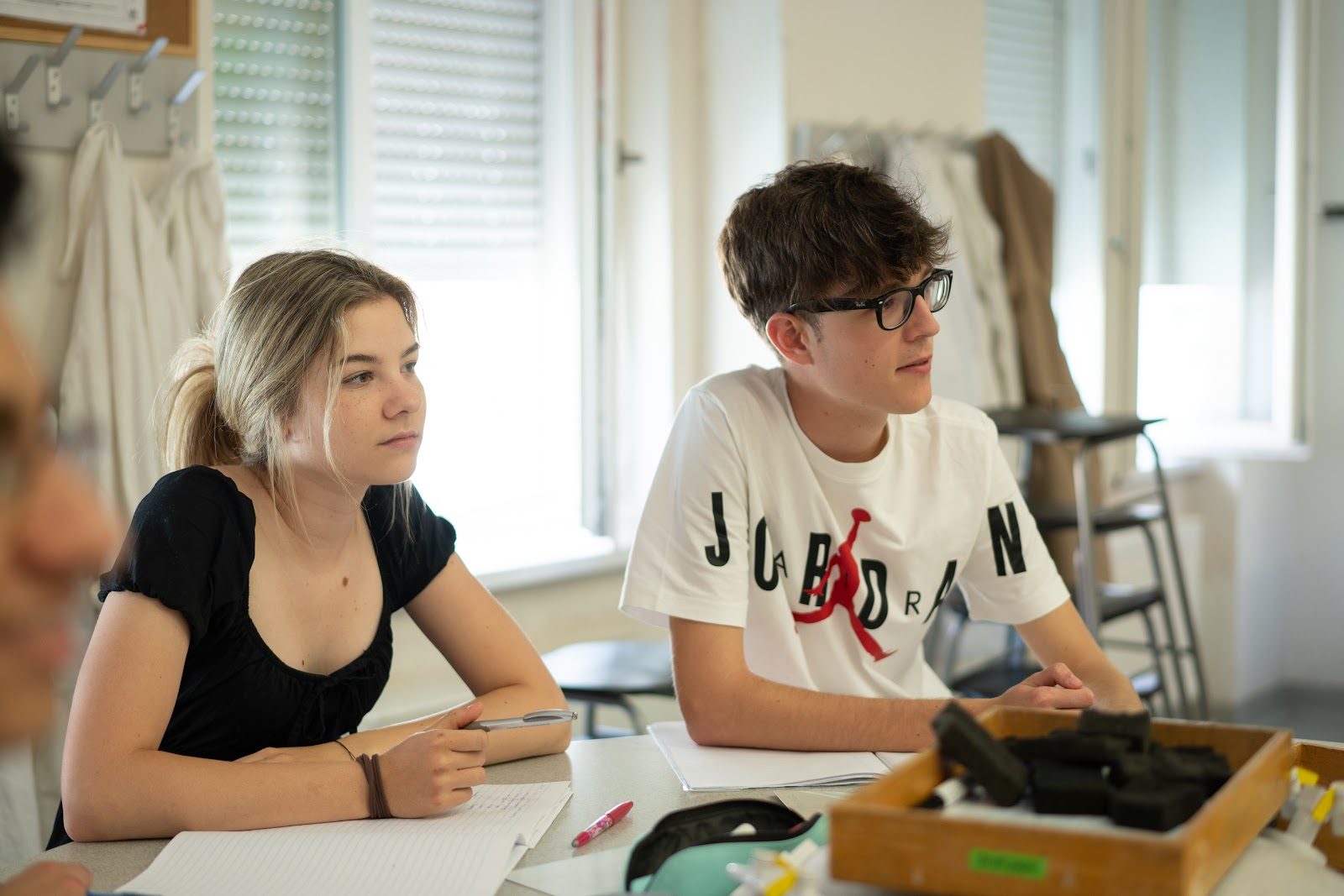
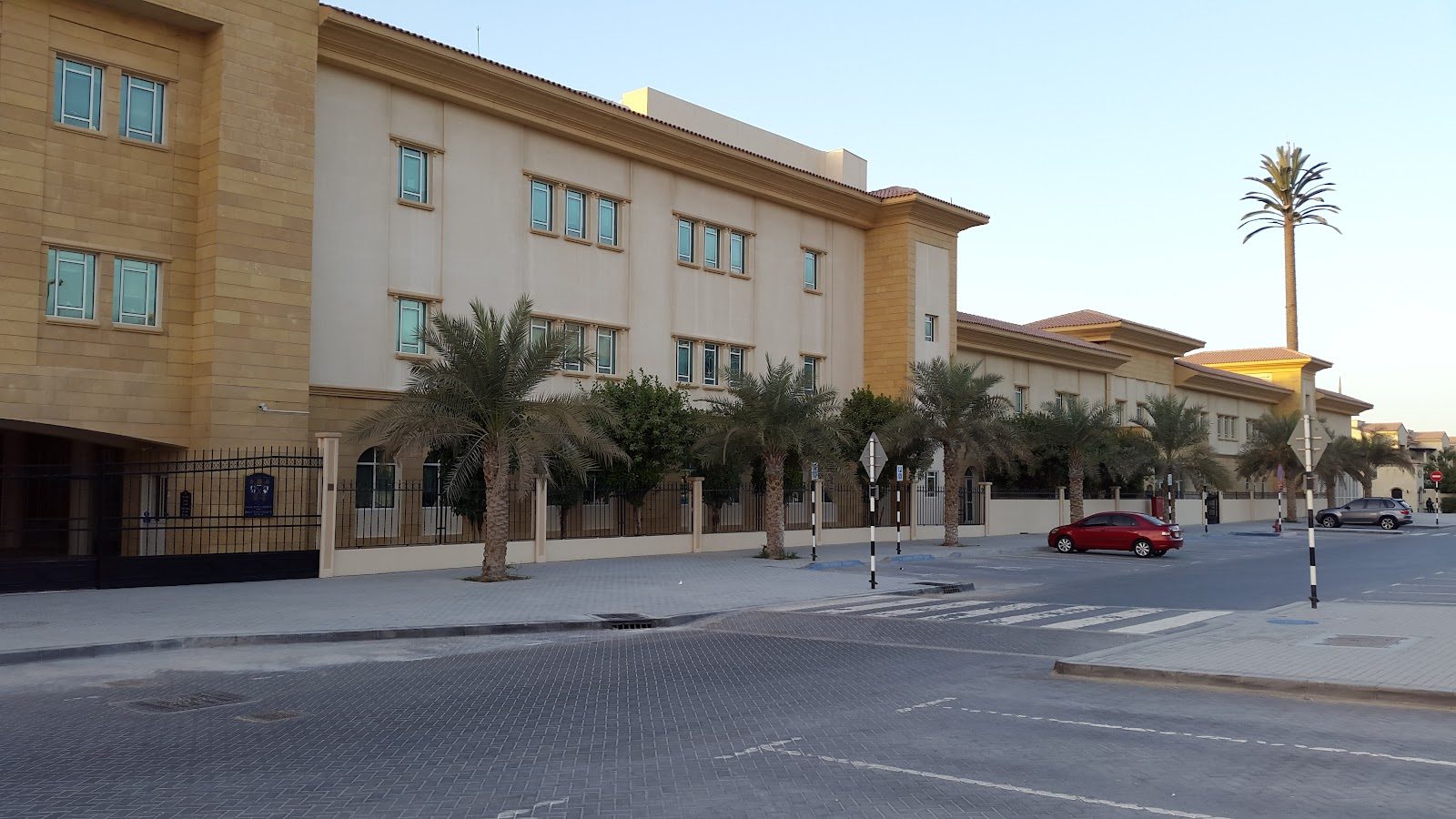
Photo © The English College in Prague - Anglické gymnázium, o.p.s. via Google Maps
Type
Day
Ages
12–19
Curriculum
British
Qualifications
IB PYP · IB MYP · IB Diploma
Ratio
12:1
The Verdict
Editor's commitment
Right for
Selective, English-medium rigour from age 12 to 19, with a 12:1 ratio and real university exits to Oxford and UCL.
Wrong for
Families wanting a through-school from early years, boarding, or a broad admissions net; this 1994-founded day grammar school is selective.
Watch out for
The average annual fee is 465,000 CZK, and the six-year grammar-school structure narrows entry points for students joining late.
Ranking breakdown
The English College in Prague · #595 of 1591
Composite score 67.8. 8 weighted criteria.
By criterion
Academic Outcomes
Weight 20%
#668
of 1529 scored
University Placement
Weight 16%
#649
of 1529 scored
Prestige & Heritage
Weight 12%
#734
of 1571 scored
Alumni Network
Weight 12%
#481
of 1530 scored
Facilities
Weight 12%
#808
of 1533 scored
Transparency & Communications
Weight 8%
#725
of 1532 scored
Peer & Industry Review
Weight 10%
#645
of 1548 scored
Admissions Selectivity & Demand
Weight 8%
#489
of 1529 scored
Score history
The English College in Prague · 2026
Movement across 2024–2026. Peer average overlaid.
Overall — 2024–2026
67.8/ 100
▲ +31.1 vs 2025
year on year
Peer & Industry Review
How The English College in Prague is regarded in the sector
60
Respected · low confidence
The English College in Prague is a well-established IB school (founded 1994) frequently mentioned in expat parent forums (e.g., Expats.cz forums, Prague expat guides) as one of the go-to international schools for English-medium and IB education in Prague, alongside Prague British School and International School of Prague. However, it lacks coverage in major specialist rankings like Tatler or Good Schools Guide, which focus primarily on UK/international schools with less Central European coverage, limiting third-party validation beyond local expat community recognition.
Editors' overview
The English College in Prague occupies a narrow but important niche: an English-medium grammar school in Czechia with a selective intake, a sixth-form destination profile that reaches serious British universities, and a structure built for students who can thrive under sustained academic pressure. Founded in 1994 in the wake of the Velvet Revolution, it was the first school in the country to pair the IB Diploma with the Czech Maturita, which gives it a distinct place in the Prague market. That combination matters. It keeps one foot in the local system and one in the international university circuit, which is exactly what ambitious bilingual or internationally minded Czech families want. The average annual day fee is 465,000 CZK, expensive by local standards but defensible for a specialist, academically selective day school.
This is not a broad church trying to be everything to everyone. It is a 6-year grammar school for ages 12 to 19, teaching in English, with a 12:1 student-teacher ratio and average classes of 20. Those numbers point to real classroom contact without the boutique intimacy of a tiny school. The school’s own language leans hard on compassion and pastoral care, but the central fact is grammar-school rigour. Families should shortlist ECP for its academic seriousness, its clear British orientation, and its track record of sending leavers to competitive universities: in the 2018 cohort of 69, destinations included Oxford, UCL and King’s College London. It is also a member of the Headmasters’ & Headmistresses’ Conference, which places it in a recognisable British independent-school orbit rather than the looser international-school middle ground.
The pupil who fits ECP is academically confident, self-directed and happy in a school that does not dilute expectations. This is a strong option for able Czech students moving out of the national system after lower secondary, and for international families in Prague who want English-medium education with serious intellectual discipline rather than a softer, lifestyle-led version of international schooling. It will suit students who want university pathways in the UK and beyond, and who value a peer group selected for academic capacity. It will not suit children who need a highly sheltered environment, a sprawling all-through campus, or a less pressurised culture. ECP’s appeal rests on being focused, demanding and unambiguously academic; that is exactly why it belongs on the shortlist.
Academic Performance
ECP puts exam performance front and centre. The school maintains a dedicated “Our Results” channel, publishes annual IB results news, and treats outcomes as a core part of its case to parents. That does not prove excellence on its own, but it does tell you where the institution places its reputational weight: on public examination performance and university entry, not on lifestyle packaging. The sixth-form destinations already point in the same direction. A school sending leavers to Oxford, UCL and King’s does not sit in the pleasant but lightweight tier of the market. It sits in the serious academic bracket, with a peer group selected for intellectual pace and a culture built around external validation.
The missing piece is aggregate data. We have not seen published cohort-wide IB averages, subject-by-subject distributions, pass rates, or comparative figures against Czech and international IB peers. That absence matters. Without those numbers, parents cannot test whether ECP is merely strong by local standards or genuinely top-flight against selective international schools elsewhere in Europe. The school’s public stance on results, its selective grammar-school structure and its university destinations all support a verdict of high academic credibility. But this is not a school that gives outside readers the full statistical picture. In performance terms, ECP reads as *demanding, results-conscious and credible*; it does not read as fully transparent.
Facilities
ECP’s public-facing picture on facilities is thinner than its picture on teaching and results, which is a limitation in itself. The site points parents to Arts, Sports, Music and “Daily life & activities”, plus pastoral care and real-life experiences, but it does not set out the kind of detailed facilities inventory that stronger peers publish. There is no clear public roll-call of specialist labs, theatre spaces, design workshops, indoor sports provision or standout campus assets. For a results-driven grammar school, that does not kill the case; families choose ECP for intellectual discipline before they choose it for bricks and spectacle. Still, against better-documented competitors, the facilities story is opaque.
What can be said with confidence is structural. This is a compact, urban, academically selective day school with classes averaging 20 pupils, so facilities matter less here as a theatre of abundance and more as working spaces that support serious teaching, music, arts and sport without fuss. In that sense ECP sits closer to the hard-working European academic-school model than to the amenities arms race of large international campuses. Parents hunting Olympic pools, black-box theatres, acres of sports fields or resort-style common areas should look elsewhere. Parents content with a more utilitarian, study-first environment, provided it is well run and purposeful, will find that ECP’s priorities are directed at the classroom rather than the brochure.
The average annual day fee is 465,000 CZK, expensive by local standards but defensible for a specialist, academically selective day school
Prestige
ECP carries real prestige in a narrow, serious lane. This is not mass-market international schooling and it is not a social-status brand built on acreage, boarding houses or glossy global-name cachet. Its standing comes from selectivity, grammar-school structure and a British-facing academic identity that has held its shape over time. In Prague, that gives it distinctive weight. A school that combines a Czech-British frame with a selective intake and a clear route into strong universities occupies a scarce position in the local market. Membership of the Headmasters’ & Headmistresses’ Conference reinforces that status: parents familiar with the British independent sector will recognise it as a mark of serious institutional company, not decorative affiliation.
The prestige here is intellectual rather than theatrical. The school’s destination profile carries more force than lifestyle branding, and even the verified alumni footprint gives it a public afterlife beyond school gates. With 69 leavers in the cited cohort and placements at the sharp end of UK higher education, ECP earns a rating in the high-prestige academic bracket for Czechia. It does not sit at the level of Europe’s grand old boarding schools or the giant global names that dominate expatriate dinner-party chatter. It sits somewhere more exacting and, for the right family, more valuable: a selective scholarly school with credible university traction and a reputation built on work rather than spectacle.
This is not a broad church trying to be everything to everyone
Communications
ECP’s parent communications are organised, active and functional rather than polished for effect. The website is clearly built as a working hub: parent, pupil and governor portals sit in plain view, admissions information is easy to find, and the school runs a steady news flow rather than leaving the site to stagnate. That matters. A school with a selective academic culture needs to communicate deadlines, expectations and results without clutter or theatre, and ECP does that. The inclusion of a newsletter, contact route, prospectus, events stream and bookable visit points to a disciplined, workmanlike approach. The recent news archive also has depth — running to 57 pages — which signals sustained institutional upkeep, not a neglected front door.
The limitation is tone and granularity. ECP communicates plenty, but much of it is framed around admissions, headline achievements and school life in broad strokes. Parents get a clear sense of momentum and internal organisation; they get less hard operational detail than the strongest schools publish about day-to-day systems, academic reporting or facilities. The communications style fits the school’s character: serious, unfussy, and more interested in substance than charm. For many families, that will read as reassuringly adult. Others will want more transparency in the practical detail that governs daily school-parent relationships. Overall, the school communicates effectively where it counts most, but it does not set a benchmark for openness.
Uniqueness
What makes ECP distinct is not novelty for its own sake, but a rare institutional shape. In one school, students get a selective Czech grammar-school frame, a British academic culture, and an end point that connects local qualification with international university admission. That combination is hard to replicate in Prague. Many international schools offer breadth and flexibility; ECP offers structured intellectual pressure. Many local schools offer national familiarity; ECP adds a clear Anglophone academic pathway without abandoning the Czech context. For the student, that means a peer group chosen for pace, classrooms that expect precision, and an education designed less around comfort than around serious scholarly formation.
That distinctiveness brings advantages and costs. The advantage is coherence: students do not drift through a vague “international” experience, but move through a system with a firm academic centre, visible external goals and a sixth form tied to real university ambition. The school’s age range reinforces that focus. Because it starts later, it avoids the all-through-school sprawl that can blur purpose; the culture is more adolescent, more adult, and less indulgent. The verified destinations record, with 69 leavers in one cited cohort and places at high-end UK universities, shows what that model can produce. The trade-off is plain. This is not for the faint-hearted, not a soft landing for pupils who need constant hand-holding, and not a campus built to distract from academic demands. For able students who want stretch, ECP offers a clear, exacting lane.
It is a 6-year grammar school for ages 12 to 19, teaching in English, with a 12:1 student-teacher ratio and average classes of 20
Student Profile
The pupil who thrives here is academically hard-driven, comfortable with selection, and untroubled by a school culture that prizes attainment over hand-holding. This is a place for students who like being stretched by able peers and who do not need classroom life slowed down for reassurance. The grammar-school structure matters: entrants join at an age when habits, resilience and study discipline already count, and the school’s age span keeps the atmosphere more adolescent than child-centred. Families looking for a cosseting environment, a gentle pastoral cocoon or a broad “everyone shines in their own way” philosophy are in the wrong market. ECP suits pupils who take correction well, work steadily, and can absorb the pressure that comes with an overtly academic peer group.
It also fits a specific social and intellectual type. The strongest candidates are students who can move comfortably between Czech and international horizons, and who want university routes that extend beyond the domestic system. With average classes of 20 and a staffing ratio of 12:1, there is room for individual attention, but not for endless negotiation over standards or effort. Expect classmates who are goal-directed, verbally confident and used to competing on substance. This is a strong match for ambitious local families and internationally minded households who want serious scholarly company. It is a weak match for late developers, reluctant learners, or children who need school to feel soft-edged before it feels demanding.
Those numbers point to real classroom contact without the boutique intimacy of a tiny school
Co-curricular strengths
Arts & sport, on a separate axis
Overall 7.14/10
Scored 0-10 from the school's own published evidence. This axis is editorial-only — it does not feed the main WTS ranking.
Sports
6.8/10
Football, Basketball, Volleyball and Swimming as extracurriculars, showing multi-sport participation, but provides no named facilities, specialist staff or competitive results.
Drama
8/10
Drama Productions, which goes beyond a bare club listing by evidencing recurring performance activity, but gives no theatre, department, staff or notable productions.
Dance
4.8/10
Music
7.8/10
School Orchestra and Choir, indicating structured ensemble music provision, but there is no evidence here of dedicated facilities, specialist staff, major awards or standout performance pedigree.
Visual Arts
8.3/10
Art Club, which is sufficient for a named visual-arts offering, but there is no further detail on studios, exhibitions, specialist teachers or wider programme depth.
Editor first-pass · editor-reviewable · 7/28/2026
Outcomes & destinations
Where students go next
Class of 2018
69 graduates
Top destinations
30 placements
- University of Oxford· 1
- University College London· 5
- King's College London· 3
- Queen Mary University of London· 4
- Durham University· 1
- University of Edinburgh· 1
- University of Exeter· 1
- University of Manchester· 1
- University of Warwick· 1
- University of York· 1
- University of St Andrews· 2
- University of Amsterdam· 1
- Delft University of Technology· 1
- Czech Technical University in Prague· 1
- University of Economics, Prague· 1
- Charles University· 5
Reported by the school. Confirm with admissions.
Strengths
- +British offered
- +English-language teaching throughout
- +Selective Czech-British grammar school
- +12:1 student-teacher ratio
Considerations
- −Day school only
- −Non-religious ethos may not suit all
- −Average class size of 20
Availability
Primary entry gate & tests
Academic Record
Gallery
Photo © Michal Blaha via Google Maps
Parent reviews
Have you sent your child here?
Voice reviews carry the strongest trust badge — we transcribe them for you to tidy up before they go live. Prefer to type? A written review is fine too.
Add your voice
In 60 seconds, tell other parents: what's the best thing about The English College in Prague, and what surprised you when your child joined?
We ask for a Google sign-in so every review has a real face behind it — no anonymous drive-by attacks on schools, and no faked positive reviews. Your email is never shown publicly.
Send this profile to a friend
International parents rely on word-of-mouth. Share this review with someone weighing the same decision.
Schools with places
Similar schools to The English College in Prague with places available now.
Doha College
Doha · Qatar
- 2026-27
- WAITPOOLWaitpool / Space-dep.
- 2027-28
- OPENS SOONOpens Sept/Oct '26
The Grammar School at Leeds
Leeds · United Kingdom
- 2026-27
- CLOSEDStandard route closed
- 2027-28
- PLACES OPEN11+ / 13+ / 16+ active
Taipei Kuei Shan School
Taipei · Taiwan
- 2026-27
- WAITPOOLSpace-dependent
- 2027-28
- PLACES OPENRolling
Sherborne Qatar
Doha · Qatar
- 2026-27
- PLACES OPENApps open / space-dependent
- 2027-28
- WAITPOOL2027/28 timetable TBC
Availability first, then country, area, curriculum, price, co-curricular
Consider also
Also worth looking at alongside The English College in Prague.
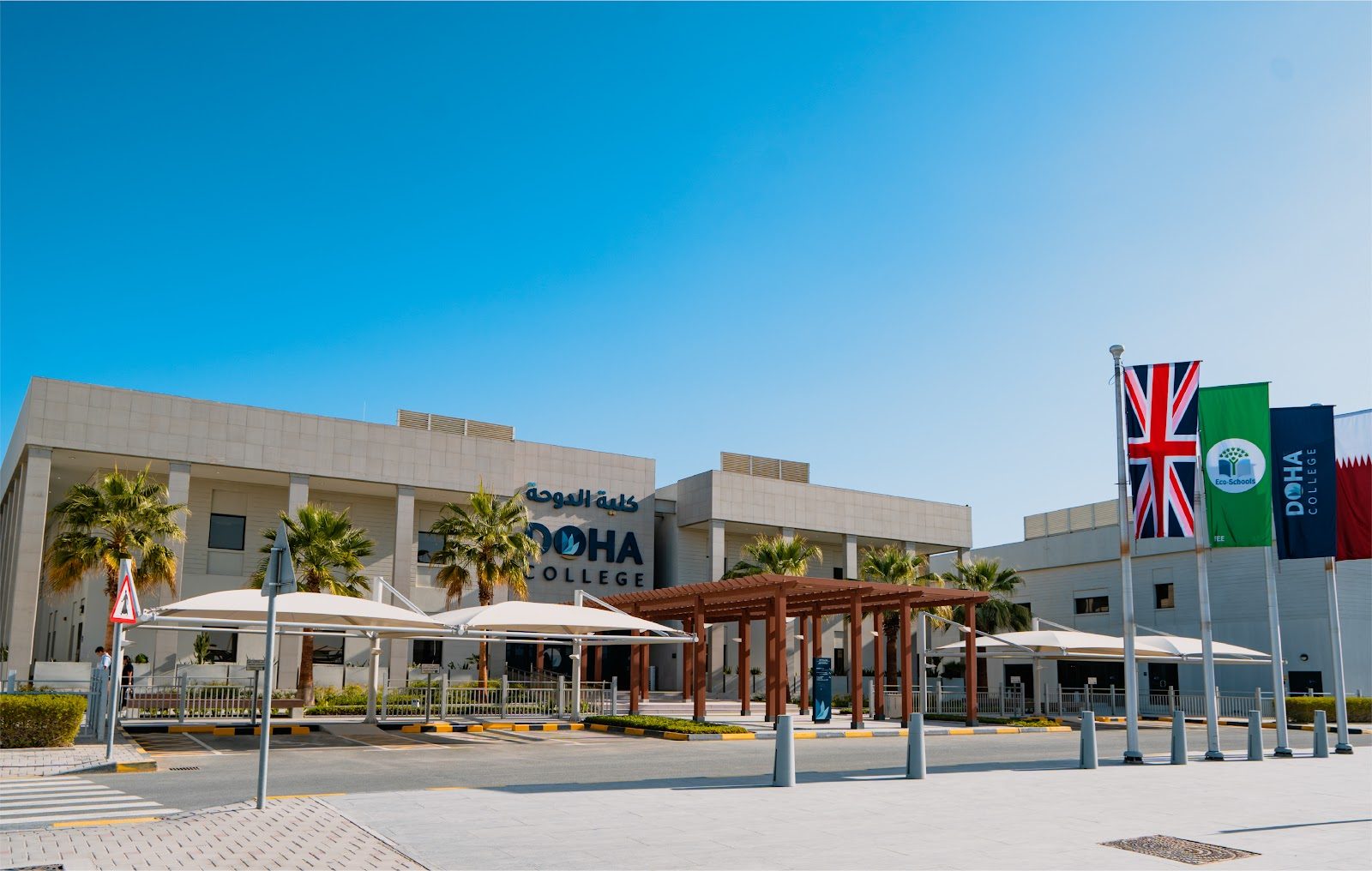
Doha College
Doha · Qatar
British Embassy-sponsored since 1980, Doha's original not-for-profit school still measures success beyond exam grades alone
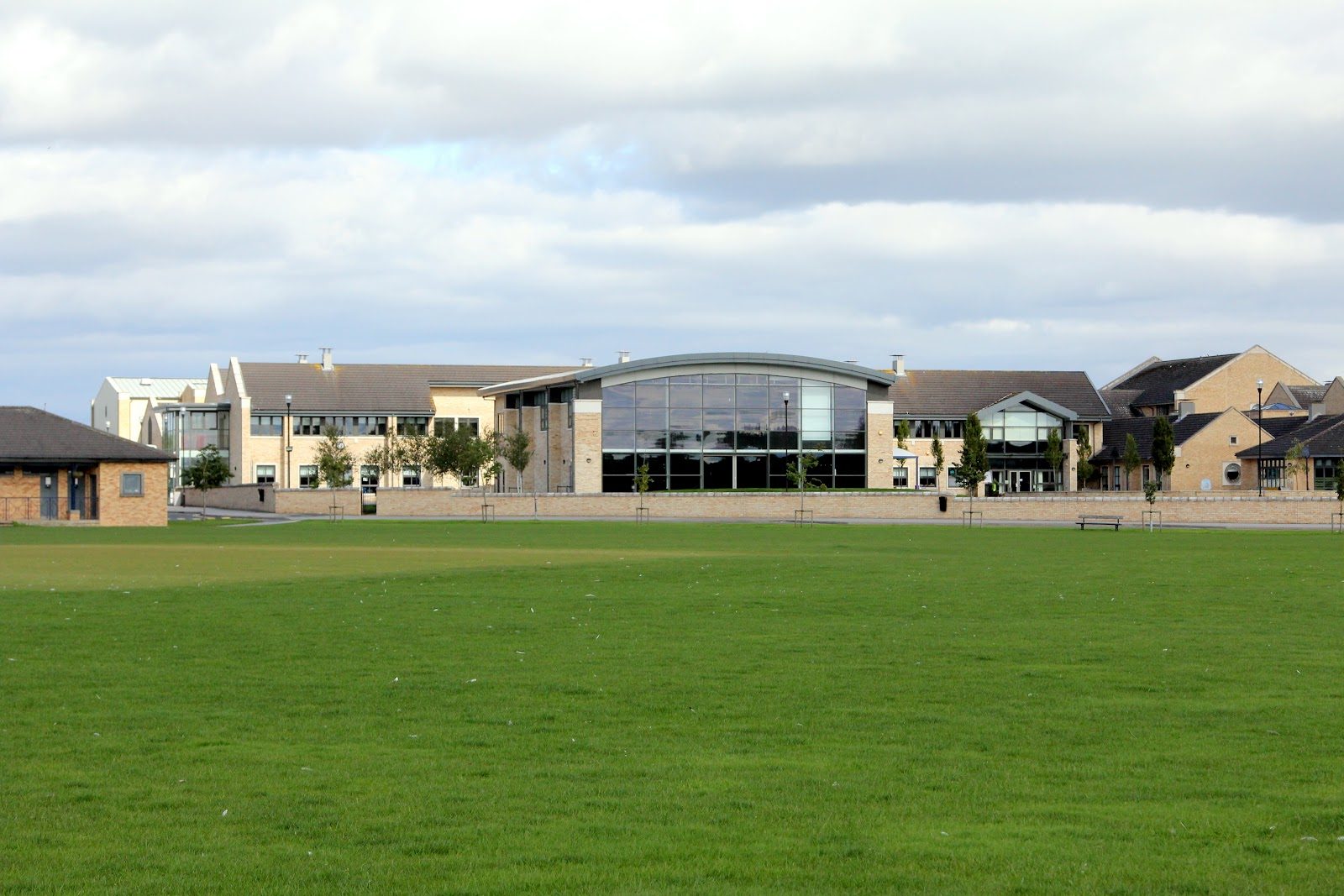
The Grammar School at Leeds
Leeds · United Kingdom
Where a 1552 boys' grammar school and an 1876 girls' high school fused into one diamond-model campus across 140 Yorkshire acres
Sherborne Qatar
Doha · Qatar
The first overseas offshoot of a 500-year-old English school, now spread across five gender-specific campuses in Doha.
Brighton College Abu Dhabi
Abu Dhabi · United Arab Emirates
Opened as Brighton College's first campus outside Britain, now pioneering a University of Buckingham PGCE in Arabic teaching.
Same country and curriculum — closest matches within ±10 points either way