
Greater London
Founded in 1619 by an Elizabethan stage actor, its 75-acre South London campus still runs on three historic boarding houses.
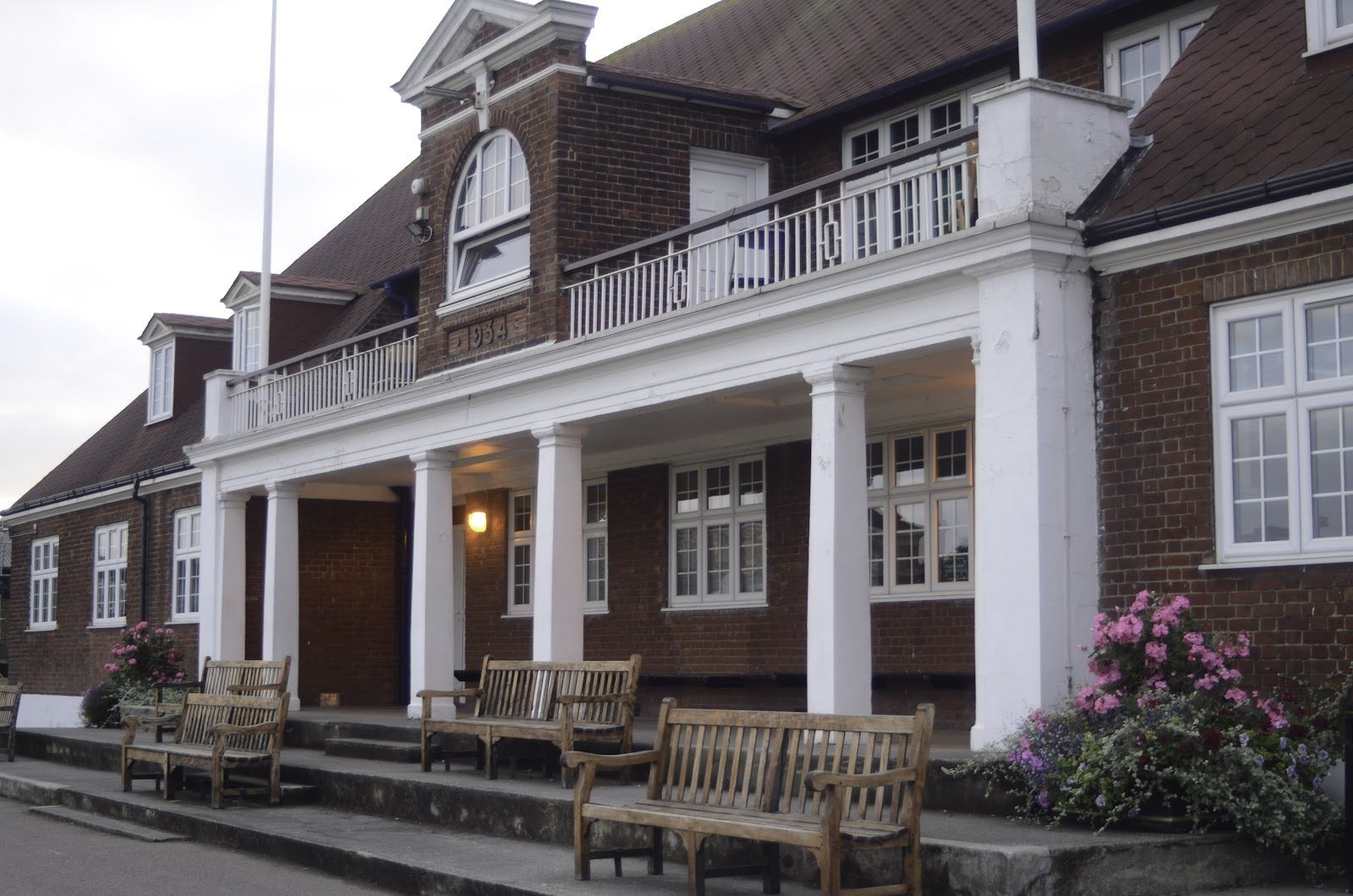
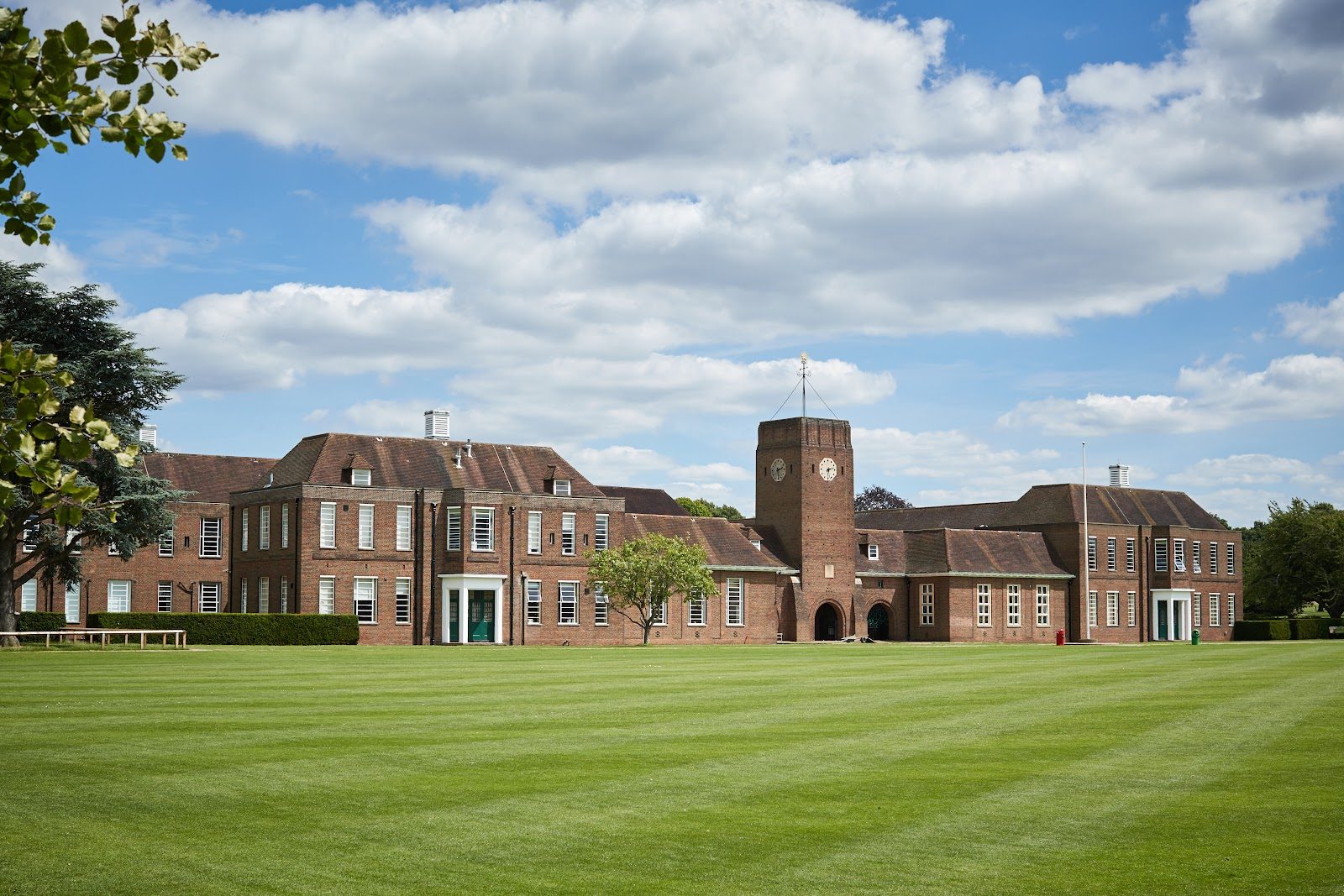
Photo © Philip Robins via Google Maps
Type
Boarding
Ages
11–18
Curriculum
British
Qualifications
A-Level
Ratio
10:1
The Verdict
Editor's commitment
Right for
Boys 11–18 who want a serious British education, 10:1 staffing, and a sixth form that sent 30 to Oxbridge in 2024.
Wrong for
Families wanting co-education beyond age 7, a lighter Anglican stamp, or a school where boarding does not shape daily life.
Watch out for
This is expensive at £65,000 boarding and £29,000 day; 235 leavers and 90% to top-100 universities signal a hard-driving culture.
Ranking breakdown
Dulwich College · #30 of 1591
Composite score 80.6. 8 weighted criteria.
By criterion
Academic Outcomes
Weight 20%
#118
of 1529 scored
University Placement
Weight 16%
#104
of 1529 scored
Prestige & Heritage
Weight 12%
#31
of 1529 scored
Alumni Network
Weight 12%
#23
of 1529 scored
Facilities
Weight 12%
#83
of 1529 scored
Transparency & Communications
Weight 8%
#153
of 1529 scored
Peer & Industry Review
Weight 10%
#100
of 1529 scored
Admissions Selectivity & Demand
Weight 8%
#153
of 1529 scored
Score history
Dulwich College · 2026
Movement across 2024–2026. Peer average overlaid.
Overall — 2024–2026
80.6/ 100
▲ +21.8 vs 2025
year on year
Peer & Industry Review
How Dulwich College is regarded in the sector
92
Top-tier · high confidence
Dulwich College sits firmly among the elite of British day and boarding schools, its 1619 foundation and Eton Group membership placing it alongside the country's most established names. WhichSchoolAdvisor notes the college has "an excellent reputation that extends far beyond its strong performance in GCSES and A Levels," while The Good Schools Guide highlights its academic pull, observing the school is "committed to the top 15 per cent or so academically" and that the majority of leavers progress to Russell Group universities. Its inclusion in successive Tatler Schools Guides, alongside regular coverage in The Week's Independent Schools Guide, cements a peer reputation built on genuine sector consensus rather than self-promotion. The main caveat is that, as an all-boys school, its footprint sits within a specific segment of the market rather than the broader co-educational conversation.
Editors' overview
The fact that Dulwich still runs three historic boarding houses on a 75-acre South London campus matters, because this is not a day school with a token boarding offer bolted on. Boarding sits inside the school’s identity, and that gives Dulwich a different texture from many London independents: more self-contained, more communal, more structured. It is an old Anglican school, founded in 1619 by Edward Alleyn, but the real point for parents is not antiquity for its own sake. It is the combination of scale, routine and institutional confidence that still shapes daily life. With a 10:1 student-teacher ratio and average class sizes of 18, Dulwich has the resources to run a full academic and co-curricular programme without feeling diffuse.
The school sells the whole-child line hard, as every major independent school does, but there is substance behind it. The website gives unusually concrete detail on personal development: around 100 focused hours across the senior years covering mental health, emotional literacy, digital citizenship, careers and life skills. That is more useful than vague pastoral rhetoric. The co-curricular offer also has real range, from Combined Cadet Force and Duke of Edinburgh to community action, expeditions and serious creative work. Parents looking for a thin, exam-factory education should look elsewhere. Dulwich is built for boys who can use breadth well: able, busy, well-drilled and ready to commit to a crowded school life rather than drift through it.
Academically, the destination data is strong and specific. In the Class of 2024, there were 235 leavers; 90% went to top-100 universities, with 30 to Oxbridge, 60 to Russell Group institutions and 2 to the Ivy League. Cambridge took 16 and Oxford 14. Those are not decorative headline wins; they show a school with a serious university pipeline and the advising machinery to support it. The average annual fee is £28,736 for day pupils and £65,210 for boarders, which places Dulwich firmly in the expensive, top-tier London independent bracket. Parents paying that level need more than polish and tradition. Dulwich earns its shortlist place because it offers a rare mix of metropolitan access, full boarding culture, hard-edged academic ambition and a pastoral structure that is more organised than sentimental.
The best fit is a boy who wants a busy, high-expectation school with strong adult oversight and enough institutional heft to support sport, music, service, pastoral care and university preparation at once. It will suit families who value British tradition and are not put off by formality, hierarchy and the inherited rituals of an old public school. It will not suit every child. Boys who want a progressive, informal atmosphere or a lighter-touch culture may find Dulwich too structured and too conscious of its own traditions. For the right pupil, though, that structure is the attraction.
Academic Performance
Dulwich’s academic picture is strong, but the school does not publish the kind of granular public exam breakdown that would let parents benchmark it cleanly against the most data-forward London independents. No aggregate GCSE or A-level score profile is in the public domain here, and that matters. At this fee level, some peers publish detailed grade distributions, subject-by-subject outcomes and multi-year trends. Dulwich does not. That leaves parents relying more heavily on university destinations as the clearest external proxy for academic performance. On that measure, the school is plainly operating at a high academic level: 90% of leavers moved on to top-100 universities, with 30 securing Oxbridge places. That is not the profile of a middling school.
Relative to peers, Dulwich sits in the serious academic tier of British independent education rather than the tiny group of schools whose exam tables dominate the market year after year. The distinction matters. This looks like a school that combines strong attainment with a broad, heavily programmed school life, rather than one stripped down into an exam-machine culture. For many families, that is a strength. For parents who want forensic exam transparency, it is a weakness. The school’s outcomes point to real academic substance and effective university preparation, but the public reporting remains less exact than the best comparator schools.
Facilities
Dulwich’s estate gives it an advantage that few London schools can match: room to run a full school day without constant compromise. The campus is large enough to support serious sport, substantial arts provision and the practical demands of boarding in one place, which matters more than glossy architecture. The school itself points parents to exceptional Creative and Performing Arts, sport, archives and an “inspiring learning environment”; the more telling detail is the range of activity those spaces sustain, from music-making and design projects to expeditions, cadet training and community work. Add the Yelcho Room, medical care, chaplaincy and trained wellbeing staff, and the facilities are doing real work rather than serving as brochure furniture. That gives Dulwich a fully tooled, institutionally mature feel that many urban independents lack.
Against peers, this is not the most flamboyant campus in the market, nor the newest. Some top-end rivals have sharper public detail on specialist labs, theatres or sports infrastructure. Dulwich does not trade on that kind of specification-heavy arms race. Its strength lies in depth rather than display: boarding houses that are integral to school life, enough land for boys to move and train properly, and the infrastructure to support a crowded co-curricular week without feeling cramped or improvised. For a London school, three historic boarding houses and a 75-acre site put it in rare company. Parents looking for cutting-edge shine may find stronger showcase facilities elsewhere; parents who value capacity, breadth and daily usability will rate Dulwich highly.
In the Class of 2024, there were 235 leavers; 90% went to top-100 universities, with 30 to Oxbridge, 60 to Russell Group institutions and 2 to the Ivy League
Prestige
Dulwich carries real establishment prestige in the British market: old public-school heritage, a substantial London campus, deep institutional memory and a name that travels well with universities, employers and internationally mobile families. That prestige does not rest on branding alone. It comes from durable position. The school has scale, visible tradition and the kind of organised co-curricular breadth that affluent British families still read as a marker of status and seriousness. The Anglican foundation, the house system and the strong boarding culture reinforce that identity. So does the destination record. When a leaving cohort sends 30 pupils to Oxbridge and 90% to top-100 universities, the school has more than cachet; it has hard currency in the admissions market.
I would not place Dulwich at the absolute summit of British educational prestige, where a tiny handful of names dominate public imagination and exam-table mythology. It sits just below that topmost stratum: highly respected, widely recognised and socially legible, but not unmatched. That distinction matters. Dulwich’s standing comes from the total package — tradition, network, university outcomes, pastoral infrastructure and breadth — rather than from raw exam dominance alone. For many families, that makes the prestige more durable, not less. It signals a school for boys expected to do a great deal, and to do it inside a structured, high-status culture that still carries weight well beyond the school gates.
The average annual fee is £28,736 for day pupils and £65,210 for boarders, which places Dulwich firmly in the expensive, top-tier London independent bracket
Communications
Dulwich communicates in a way that fits its culture: formal, well-ordered and institution-led. The public-facing site is clear to navigate, and the school does more than trade on atmosphere. It gives parents concrete touchpoints — visiting information, admissions routes, inspection reports, equity and inclusion work, sustainability, partnerships, and a plain account of pastoral provision. That matters. Schools with a large co-curricular machine and a strong boarding tradition need to explain not just what they offer, but how daily life is organised. Dulwich does that better than many heritage independents, which still hide behind prestige and assume parents will fill in the blanks. The detail on personal development — around 100 hours across the senior years — is a good example of useful specificity rather than brochure fog.
What the school does less well is academic disclosure. Communication is strongest on ethos, pastoral systems and breadth of opportunity; it is weaker where hard comparative data would help parents most. The university destinations are published and impressive, but destinations are not a substitute for full exam transparency. That gap limits trust at the margins, because sophisticated parents want both narrative and numbers. Still, judged as a parent-communication operation rather than an academic reporting exercise, Dulwich is disciplined, coherent and more informative than complacent. It gives a solid sense of how the school runs, who it suits and what it expects from families. That is serious communication, not just image management.
Uniqueness
What marks Dulwich out is not old-school theatre alone, though the school’s origin story has more personality than most. Its real distinction lies in the way an ancient London public school still operates as a lived boarding institution rather than a commuter school with dorms attached. The house structure, chapel tradition, cadet force, service culture and expansive co-curricular timetable all feed the same idea: boys are meant to be occupied, known and shaped by the institution, not just taught in it. Even the pastoral model has a deliberate, programmed quality. The school sets aside around 100 hours for personal development across the senior years, which gives pastoral care more backbone than the usual rhetoric about wellbeing. For students, that brings structure, adult oversight and a stronger sense of collective life than many London day schools can offer.
The other point of difference is scale used well. Dulwich has enough institutional heft to sustain serious music, sport, creative work, expeditions, mentoring and community action without turning any one strand into a token extra. That breadth matters because it produces a demanding, full-spectrum education rather than a narrow academic treadmill. Boys who thrive here get more than grades: they learn to manage time, shoulder responsibility and operate inside a high-expectation, tradition-conscious culture that asks a lot of them. The downside is clear. This is not a loose, self-invented adolescence. It suits boys who want momentum and can handle a school that organises life firmly.
On that measure, the school is plainly operating at a high academic level: 90% of leavers moved on to top-100 universities, with 30 securing Oxbridge places
Student Profile
The boy who fits Dulwich is not a minimalist. He needs appetite for a full, managed life: lessons, games, music, service, house commitments, assemblies, mentoring and the constant low-level accountability that comes with a big institutional culture. This suits pupils who like structure, respond to adult direction and are happy to be folded into routines older than themselves. Boys who want room to disappear, negotiate every rule or treat school as a narrow route to exam grades will find the place too supervised and too tradition-bound. The school’s own emphasis on personal development, wellbeing, cadets, expeditions and community action tells you a lot about the type it is set up to shape. It wants joiners, not drifters.
Temperament matters as much as ability. The strongest fit is a boy who can handle pressure without melodrama, keep up with a busy peer group and contribute beyond the classroom. Intellectual strength matters, but so does stamina, social confidence and a willingness to participate in a culture with clear expectations and visible hierarchy. Boarding amplifies that: communal living rewards resilience, tolerance and self-organisation. There is pastoral scaffolding, and a substantial amount of programmed personal development — around 100 hours across the senior years — but that does not turn Dulwich into a soft-edged environment. It is better for boys who benefit from momentum and firm institutional grip than for those who need a loose, highly individualised adolescence.
Some top-end rivals have sharper public detail on specialist labs, theatres or sports infrastructure
Co-curricular strengths
Arts & sport, on a separate axis
Overall 8.54/10
Scored 0-10 from the school's own published evidence. This axis is editorial-only — it does not feed the main WTS ranking.
Sports
9.2/10
Massive 70-acre South London estate hosting historic UK sports traditions; universally famous for its premier varsity rugby and cricket pipelines.
Drama
8.8/10
The Edward Alleyn Theatre operates as a professional-grade creative hub for staging multi-genre classical and contemporary productions.
Dance
7/10
Kept primarily as an ensemble component to support physical performance blocks inside their large-scale theater tracks.
Music
9/10
Staggering musical breadth; supports a world-famous chapel choir, multiple symphony orchestras, and extensive musical scholarships.
Visual Arts
8.7/10
Outstanding studio infrastructure running high-end fine painting, printmaking, and architectural layout modules.
Editor-verified · 8/6/2026
Outcomes & destinations
Where students go next
Editorial estimateClass of 2024
235 graduates
A-Level & IB distribution
100% covered
- A*46%
- A32%
- B18%
- C4%
Top destinations
92 placements
- Cambridge· 16
- Oxford· 14
- Yale· 2
- UCL· 16
- Imperial College London· 14
- Durham· 10
- Bristol· 8
- LSE· 6
- Warwick· 6
South London boys' day + boarding; heavy Imperial and UCL placement.
Editor-approximated from the school's own leavers report. Awaiting school-attested figures.
The story in one line
59% achieved ≥ AAB in 2+ facilitating subjects·ISI Routine Inspection 2025
AAB with 2 facilitating subjects is the Department for Education's published predictor of admission to a top-third UK university: the pupil has scored high grades in at least two of the classic Russell-Group subjects (maths, sciences, English, history, geography, or a modern language). Independent schools don't appear in the state-only HE-destinations dataset, so this is the strongest DfE-verified sixth-form signal available. Source: DfE 16-18 school and college performance data · 2023/24.
DfE-verified statistics
Official GCSE data · 2024/2025
Progress 8
—
Value-added score. State-schools only; 0 = expected progress, +1 = one grade above.
Attainment 8
17
Average grade across 8 GCSEs (score out of 90). National ≈ 46.
EBacc average score
1.12
Avg grade across the 5 EBacc pillars (English, Maths, Sciences, Language, Humanity).
EBacc slots filled
1.1
How many of the 5 EBacc pillars pupils typically enter (max 5).
A-Level attainment
Cohort · 2023/24
Avg A-Level grade
A-
APS per entry: 47.92
Best 3 grade
A
Best-3 APS: 48.48
≥ AAB + 2 fac.
58.6%
Russell-Group predictor.
Progress (value-added)
+0.19
Above average
Read with care. Independent schools frequently sit IGCSEs or Pre-U qualifications instead of standard GCSEs — DfE data only counts standard GCSEs, so these numbers may reflect a partial cohort. For a fuller picture, cross-check with the school's own annually-published results.
URN 100861Verified · DfE 2024/2025
Official inspection
ISI report · 2025
Inspectorate
Independent Schools Inspectorate
The Government-approved inspectorate for English independent schools.
Latest report
18 March 2025
Routine Inspection
Report history
Verified · Independent Schools InspectorateSource-of-truth

WTS 300 badge
2025/26 editionDulwich College is one of the World's Top 300 Schools for 2025/26. Claim your listing to add it to your site →
Strengths
- +Founded by Edward Alleyn in 1619, it is one of England's oldest and most distinguished boys' day and boarding schools, set on a large south London campus twelve minutes from central London.
- +The school publishes strong verified results: in 2025, 70 per cent of A-level grades (including EPQ) were A*/A and 93.5 per cent of GCSE grades were 9-7.
- +The majority of leavers progress to leading universities, including Oxford, Cambridge, Imperial, UCL and other Russell Group institutions, as well as Ivy League destinations such as Yale.
- +The school awarded £5.5 million to support over 210 bursary awards in 2025-26, widening access beyond fee-paying families.
- +A thriving boarding community of around 140 pupils from over 20 nationalities boards in four houses on a green campus, with housemasters and matrons living on site.
Considerations
- −Girls can access places at the nursery and pre-prep, but must transfer to a different school at Year 3 (aged 7), so this is not a continuous co-educational option.
- −Fees are among the highest in London: £30,000 per year for day pupils and £55,000 per year for boarders.
- −Entry is highly competitive: around 160 boys are interviewed for around 70 places at 11+, and applicants are expected to sit within the top 15 per cent of national academic ability.
- −Boarding is a minority experience within a much larger day-pupil body: Dulwich has a small, international boarding community of around 140 pupils across four houses, alongside well over a thousand day boys.
Availability
Primary entry gate & tests
Written Exams + Interview (11+)
Gallery
Photo © Dulwich College via Google Maps
Photo © James Sanderson via Google Maps
Photo © Suze K via Google Maps
Photo © Richard Loat via Google Maps
Photo © Lucas G Nunes via Google Maps
Photo © Flaviu I L via Google Maps
Photo © Flaviu I L via Google Maps
Photo © Rodrigo Echecopar via Google Maps
Photo © Rodrigo Echecopar via Google Maps
Recommended reading
Independent write-ups of this school from editorial outlets we trust.
- Dulwich College — review on Good Schools GuideGood Schools Guide
Parent reviews
Have you sent your child here?
Voice reviews carry the strongest trust badge — we transcribe them for you to tidy up before they go live. Prefer to type? A written review is fine too.
Add your voice
In 60 seconds, tell other parents: what's the best thing about Dulwich College, and what surprised you when your child joined?
We ask for a Google sign-in so every review has a real face behind it — no anonymous drive-by attacks on schools, and no faked positive reviews. Your email is never shown publicly.
Send this profile to a friend
International parents rely on word-of-mouth. Share this review with someone weighing the same decision.
Schools with places
Similar schools to Dulwich College with places available now.
Availability first, then country, area, curriculum, price, co-curricular
Consider also
Also worth looking at alongside Dulwich College.
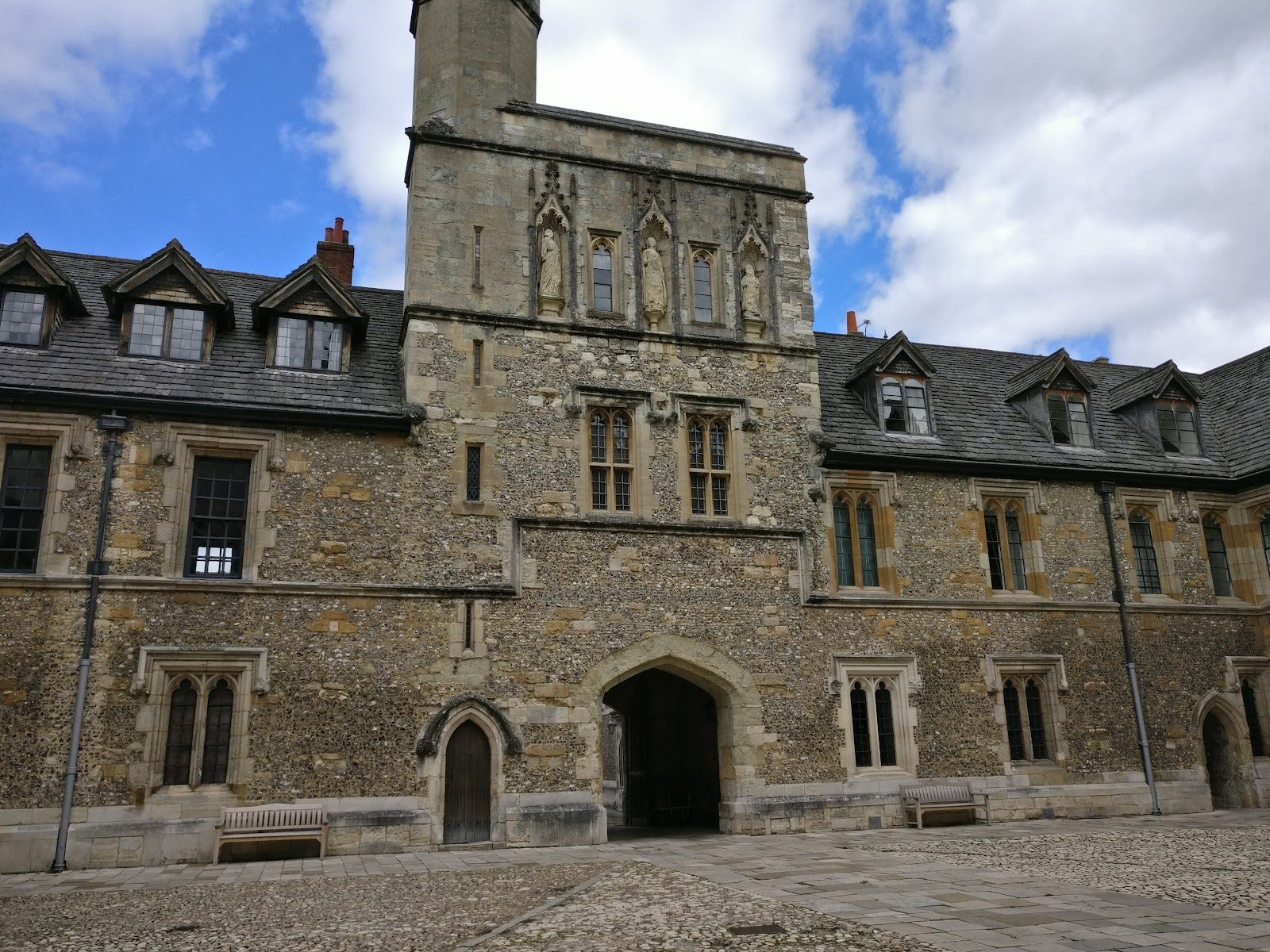
Winchester College
Winchester · United Kingdom
Six hundred years on College Street, still built around Div - unexamined seminars in history, literature and philosophy.
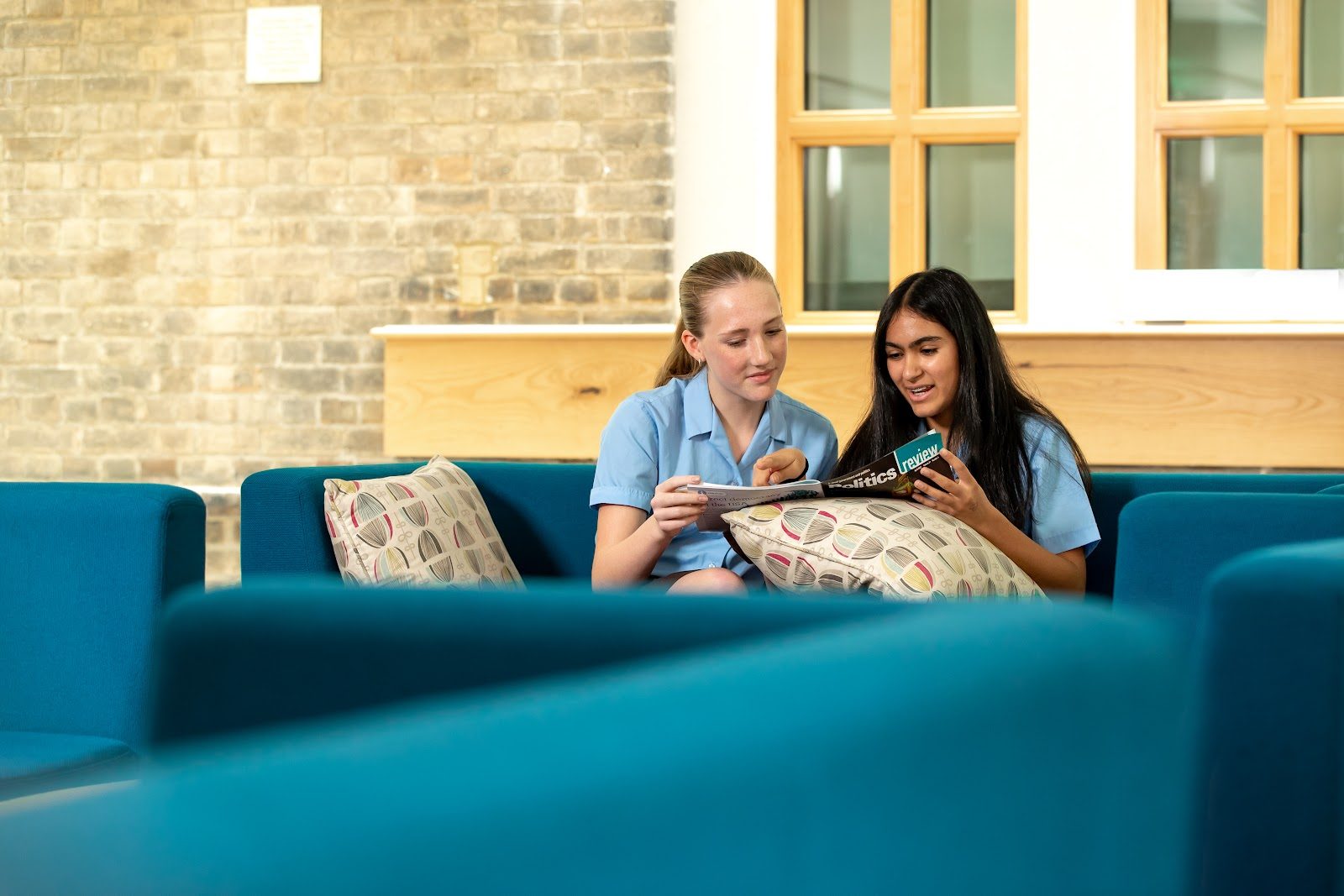
North London Collegiate School
London · United Kingdom
Founded in 1850 as Britain's first day school giving girls a boys'-standard education, it still tops national GCSE and A-level tables from its Edgware campus.
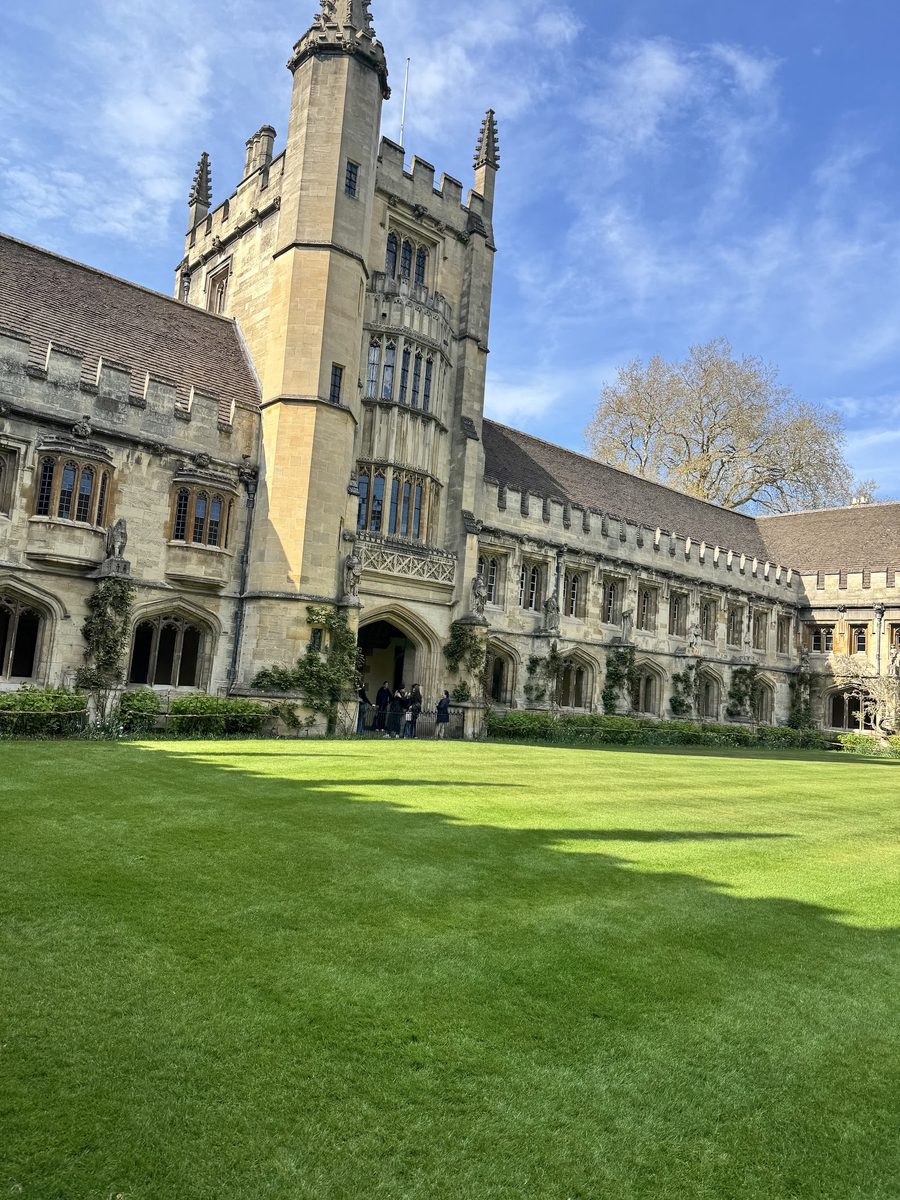
Magdalen College School
Oxford · United Kingdom
Educating Magdalen College's choristers since 1480, this Oxford day school is now opening its ancient choir stalls to girls for the first time.
Merchant Taylors' School
Northwood · United Kingdom
A 1561 City livery-company foundation now spans 285 Art Deco acres near Northwood, its GCSE grades among England's top one percent.
Same country and curriculum — closest matches within ±10 points either way