
California
In Silicon Valley's backyard, a student-run research symposium turns science fair projects into published papers.
Photo © SNK via Google Maps
Type
Day
Ages
3–18
Curriculum
American
Ratio
10:1
The Verdict
Editor's commitment
Right for
Ambitious children who want an American college-prep track, a 10:1 ratio and Silicon Valley access, with Amherst and Babson in the mix.
Wrong for
Families seeking boarding, religious ethos or lower fees: this non-religious San Jose day school averages $61,117 across ages 3–18.
Watch out for
At 1,975 students, the largest independent school of its kind in California trades intimacy for scale; prestige does not buy small-school texture.
Ranking breakdown
The Harker School · #92 of 1591
Composite score 78.0. 8 weighted criteria.
By criterion
Academic Outcomes
Weight 20%
#92
of 1533 scored
University Placement
Weight 16%
#59
of 1529 scored
Prestige & Heritage
Weight 12%
#259
of 1580 scored
Alumni Network
Weight 12%
#191
of 1530 scored
Facilities
Weight 12%
#187
of 1540 scored
Transparency & Communications
Weight 8%
#124
of 1547 scored
Peer & Industry Review
Weight 10%
#192
of 1564 scored
Admissions Selectivity & Demand
Weight 8%
#120
of 1529 scored
Score history
The Harker School · 2026
Movement across 2024–2026. Peer average overlaid.
Overall — 2024–2026
78.0/ 100
▲ +16.5 vs 2025
year on year
Peer & Industry Review
How The Harker School is regarded in the sector
65
Respected · medium confidence · editor-reviewed
The Harker School is consistently ranked among the top private K-12 schools in California and the US by Niche.com and similar education-ranking aggregators, and is frequently cited in Silicon Valley press coverage for its strong STEM programs and competitive admissions among tech-industry families. It has a strong regional reputation particularly in the Bay Area academic and college-counseling community, with notable college matriculation outcomes reported in local media, though it lacks the global brand recognition of elite boarding schools referenced in Tatler or international expat networks.
Editor's note
Silicon Valley day-school powerhouse but not a top-10 global name. PIR reflects Bay Area recognition, not the global peer set.Evidence sources
Award
Elite Science & Research 58
World's Top School · The Global Ranking
The Harker School is featured on our Global Top 58 ranking at #20. This seal is available for the school's marketing team to use on their website, prospectus and social channels.
Award
Elite Computing & AI 60
World's Top School · The Global Ranking
The Harker School is featured on our Global Top 60 ranking at #15. This seal is available for the school's marketing team to use on their website, prospectus and social channels.
Award
Elite Mathematics 60
World's Top School · The Global Ranking
The Harker School is featured on our Global Top 60 ranking at #43. This seal is available for the school's marketing team to use on their website, prospectus and social channels.
Award
Elite Entrepreneurship, Economics & Finance 60
World's Top School · The Global Ranking
The Harker School is featured on our Global Top 60 ranking at #1. This seal is available for the school's marketing team to use on their website, prospectus and social channels.
Editors' overview
The Harker School earns its place on a shortlist for one reason above all: it delivers a full Silicon Valley version of American private schooling, with the scale, intensity and ambition to match its setting. The school was founded in 1893, now educates 1,975 students, and calls itself the largest independent school of its kind in California. That matters. Harker is not a boutique operation trading on a polished image; it is a large, established K–12 day school with the infrastructure to run serious academics, substantial extracurriculars and specialist facilities across separate lower, middle and upper school campuses in San Jose. The editorial hook is apt: a student-run research symposium that turns science-fair work into published papers is exactly the sort of thing that marks Harker out. This is a school for families who want structured ambition, not vague enrichment.
The numbers reinforce that picture. The student-teacher ratio is 10:1, which gives Harker room to offer individual attention without sacrificing breadth. It is a non-religious, English-medium, co-educational day school for ages 3 to 18, following an American curriculum, and the average annual fee across the full ladder is $61,117. That is expensive even by US private-school standards, so parents are entitled to expect depth, polish and results. The school’s own account leans hard on academics, experienced teachers, robust activities and strong facilities; stripped of the brochure language, the core proposition is clear enough: Harker offers a high-pressure, high-opportunity environment with serious resourcing behind it. Recent destinations listed here include American University, Amherst College and Babson College. That is useful but incomplete; the school does not publish a fuller destinations picture in this context, so parents should ask for a broader university placement breakdown by year.
What is special about Harker is the combination of age, scale and local ecosystem. Plenty of private schools talk about innovation; fewer sit in Silicon Valley with the confidence and machinery to make advanced student work public-facing and publication-minded. That gives intellectually hungry pupils a platform beyond routine classroom achievement. Harker will suit students who are fiercely engaged, organised and happy in a busy, competitive peer group. Children who want to do many things at once — strong academics, clubs, athletics, research, performance — will find range here. Students who need a gentler pace, a smaller social field or a more understated culture may find Harker intense. For the right child, that intensity is the point.
An Elite Science & Research 58 school
The Harker School in San Jose, California, sits at rank twenty on the Elite Science & Research 58, anchored by an unbroken streak: every year since 2006, Harker seniors have been named scholars in the Regeneron Science Talent Search, the nation's oldest and most prestigious pre-college science competition, amassing 123 scholars or semifinalists, 22 top-40 finalists and three top-ten national winners across 21 years, most recently Michelle Wei's third-place finish in 2024.
The differentiator is architecture, not labels. Upper schoolers move through a genuine research sequence, from Research Methods into Advanced Research, built on what assistant head of school for academic affairs Jennifer Gargano calls a deep science program, with findings showcased at the Harker Research Symposium, founded in 2006 by physics teacher Dan Mathews to model what excellent research looks like. Mentorship reaches beyond campus: past STS semifinalists have worked under a Stanford doctoral candidate, a UC San Diego assistant professor of chemistry and biochemistry, and Lick Observatory astronomers, while others complete summer placements at MIT's Research Science Institute, the Stanford Institutes of Medicine and the Simons Summer Research Program at Stony Brook. Olympiad medals reinforce the depth: Harker students won International Physics Olympiad gold in 2004, 2009 and 2014, and Lawrence Li '16 took gold at the International Olympiad in Informatics.
Andrew Jin '15 was one of three joint first-place winners of the 2015 Intel Science Talent Search for a machine-learning algorithm identifying adaptive mutations across the human genome; Michelle Wei '24 became Harker's first STS top-ten finisher since Regeneron took over sponsorship in 2016, earning $150,000 for work on second-order cone programming; and Yi Sun's 2006 second-place finish for new results on random walks is remembered internally as the result that put the school on the national stage. Beyond pure research, Surbhi Sarna '03 turned a Harker-era interest in biology into nVision Medical, an ovarian-cancer detection device company she sold to Boston Scientific for $275 million.
International openness has real limits worth weighing honestly. Harker is day-only, with no boarding and no school-year ESL program, and every student, domestic or international, must live locally with a parent or legal guardian; there is no separate international applicant pool, and overseas families must apply directly rather than through agents or consultants. A summer English Language Institute helps prepare transferring students. Upper school day tuition runs about $66,950 for 2026-27, admission is need-blind but highly selective, and decisions follow January application deadlines with March notification. Families able to relocate a parent to the Bay Area gain access to an exceptional research pipeline; those needing a boarding solution should look elsewhere, and that distinction is best settled well before the January deadline.
An Elite Computing & AI 60 school
The Harker School in San Jose, California, sits at rank fifteen on the Elite Computing & AI 60 on the strength of a single, hard-to-fake result: Lawrence Li '16 won a gold medal at the 2016 International Olympiad in Informatics in Kazan, part of the United States team that tied for first place with China and Russia that year. That is Olympiad-level informatics output from a day school, not a specialist STEM magnet, and it anchors everything else the school does in computer science.
The architecture behind that result is real, not cosmetic. The upper school computer science department, chaired by Eric Nelson since 2010, runs a track that moves students from Advanced Programming into AP Computer Science A and AP Computer Science with Data Structures, then into an unusual computer architecture course that has students build a machine up from NAND logic gates, followed by a compilers course. Feeding this is a competitive pipeline: Harker students attended USACO training camp eight times between 2013 and 2016, Yash Belani reached the 2026 USACO Platinum finalist tier, and Michelle Wei '24 won silver at the European Girls' Olympiad in Informatics in the Netherlands. The school also hosts its own Harker Programming Invitational, modeled on USACO and Stanford's ProCo. On the research side, Andrew Jin '15 was a first-place Regeneron Science Talent Search winner for a machine learning algorithm identifying adaptive mutations across the human genome.
Notable alumni include Ilya Sukhar '03, who founded Parse, acquired by Facebook for $85 million; Lawrence Li '16, the IOI gold medalist; and Nikhil Parthasarathy '11, now an AI researcher at Google DeepMind after machine-learning work begun at Stanford.
International openness here is limited and should be stated plainly: Harker offers no boarding, no ESL program and no homestays, and international applicants must live with a parent or legal guardian in the Bay Area, applying directly to the school rather than through an agent. Upper school tuition runs approximately $64,800 for 2025. This is not a relocation-for-boarding play; it suits only families who can establish genuine Bay Area residency with a resident parent, ideally beginning the application process a full year ahead of entry.
An Elite Mathematics 60 school
The Harker School in San Jose, California, sits at rank forty-three on the Elite Mathematics 60 because its results reach genuine international level, not just deep national breadth. Harker students have won International Mathematical Olympiad silver medals in 2006 and 2020, with further students representing the U.S. team and attending IMO training camps in between -- a record few American day schools match.
The specialism is penetration across the cohort, not a six-student showcase. Chaired since 2014 by Anthony Silk, the math department runs a post-AP sequence including Multivariable Calculus, Linear Algebra, Differential Equations and Discrete Mathematics among 23 post-AP courses overall. In one tracked season roughly 250 upper- and middle-school students sat the AMC 10/12, fifty advanced to the AIME against a national average of five qualifiers per school, and thirteen reached USAMO or USAJMO, ranking Harker second nationally that year. Students also pursue genuine research: Kai Ang co-authored an arXiv paper on icosahedral capsid geometry with a University of Illinois at Chicago mathematician through MIT's PRIMES program.
Swapnil Garg, a Harker sophomore, was a top USAMO scorer invited to the Mathematical Olympiad Summer Program at Carnegie Mellon after climbing the AMC-AIME-USAMO ladder. Vikram Sundar, a Harker senior who earned USAMO Honorable Mention among the nation's top 24 competitors, went on to read mathematics and physics at Harvard, won a Churchill Scholarship to Cambridge, and is now finishing a PhD in computational biology at MIT. Further USAMO and USAJMO qualifiers from recent Harker classes have matriculated into MIT, Caltech and Stanford.
International openness is real but narrow. Harker is day-only, offers no boarding and does not arrange homestays, so overseas applicants must live with a parent or legal guardian throughout enrollment. There is no separate international admissions pool -- the same selective process and near-native English fluency apply to everyone -- and ESL runs only through a summer English Language Institute, not during term. Upper School tuition is roughly $64,800 a year as of 2025, with need-blind financial aid available. Families should relocate a parent to the Bay Area well before applying and target the January regular-decision deadline; this is a Silicon Valley commitment, not a boarding placement.
An Elite Entrepreneurship, Economics & Finance 60 school
The Harker School, a K-12 day school in San Jose, California, sits at rank one on the Elite Entrepreneurship, Economics & Finance 60 because a graduating class has produced a $10 million gift from a sitting DoorDash co-founder in the same decade that a current-parent-backed $10 million endowment from a Forbes Midas List venture capitalist now funds a real-money, alumni-sourced investment fund run entirely by seniors. That combination of alumni capital circling back into a working student venture-investment program is not replicated at scale anywhere else on this list.
The specialism is built into a dedicated Business & Entrepreneurship department, founded in 2013, offering Principles of Business and Entrepreneurship in a mini-MBA format spanning marketing, accounting and finance, entrepreneurship, and strategy modules, alongside Business Leadership and honors Startup Incubator I and II, where students pitch for seed capital and run live companies. Under Mehta Scholars, six seniors annually take specialized coursework in corporate finance and venture capital, then source, diligence and write investment memos on startups founded by Harker alumni, deploying capital from Neil Mehta's endowment. Wharton Global Investment Competition results are consistent rather than one-off: regional finalist in 2021, semifinalist in 2024 and 2024-25, and a Global Finale top-10 finish with team FRESH.mInD in 2023. A 2022-graduate team won gold at the International Economics Olympiad, and Harker now hosts the only youth-exclusive regional of the Startup World Cup, run with Pegasus Tech Ventures, where student ventures like Fika Matcha and Shlurp Ramen have won funded pitches.
Notable alumni anchor the specialism directly: Neil Mehta '02, founder of Greenoaks Capital and a repeat Forbes Midas List entrant; Andy Fang '10, DoorDash co-founder; Ilya Sukhar '03, co-founder of Parse, acquired by Facebook; and Surbhi Sarna '03, who sold her medical device company for $275 million.
International admissions run through the standard highly selective process with no separate overseas pool, and applicants must already be fluent in English since Harker offers no ESL during the school year, only a summer English Language Institute. Crucially, Harker is day-only: it does not offer boarding or homestays, and international students must reside with a parent or legal guardian in the Bay Area, making it unsuitable for families seeking a boarding placement. Upper School tuition runs approximately $64,800 for 2025-26. Families should treat Harker as a relocation-based option only, applying well ahead of January deadlines, with a parent or guardian already resident locally.
Academic Performance
Harker’s academic proposition is clear; its public reporting on hard outcomes is not. The school talks at length about “top academics”, college acceptances and student achievement, but we have not seen aggregate external examination data in the public domain here: no school-wide AP score profile, no average SAT or ACT figures, no IB results because IB is not the stated model, and no year-by-year university destinations list beyond a small sample. For a school with this level of ambition and this fee level, that gap matters. Parents comparing Harker with results-forward American independents will want a proper outcomes pack: AP participation and score distribution, National Merit numbers, standardised testing medians, and multi-year university matriculation patterns. Without that, any verdict on pure exam performance stays less transparent than it should be.
That said, the structure around attainment is strong. This is a large college-preparatory operation with 1,975 students, separate divisional campuses and the staffing depth to run demanding academic pathways at scale. The editorial hook — a student-run research symposium that carries projects towards publication — points to a culture that values work beyond routine test preparation. Relative to peers, Harker fits the high-expectation, high-output end of the US day-school market: the sort of place where able, driven pupils get range as well as pressure. The unresolved question is not whether standards are serious; they are. The question is how those standards convert into measurable external results against the strongest independent-school competition.
Facilities
Harker’s facilities matter because the school operates on genuine scale, across three separate campuses rather than a single squeezed site. The school itself points to “beautiful, expansive” grounds for its lower, middle and upper divisions, with spaces purpose-built for each age group and fitted with leading-edge technology. That does not prove superiority on its own; plenty of expensive schools make the same claim. What lifts Harker above the glossy norm is the breadth implied by the rest of the programme: public speaker and concert series, student performances, competitive athletics, substantial clubs and research activity all need rooms, equipment and scheduling capacity that lesser schools struggle to sustain. In practical terms, parents should expect serious operational depth, not a token theatre, a decent gym and little else.
Against peer schools, the picture is strong but not fully transparent. Harker has the footprint and infrastructure of a major independent-school operation, and that already puts it ahead of many urban day schools forced into compromise by cramped sites. Separate divisional campuses are a real advantage: younger children avoid being swallowed by an upper-school machine, while older students get facilities matched to a more demanding workload. The weakness is disclosure. The school does not publish the kind of hard facilities inventory that would sharpen comparison — specialist labs by discipline, performing arts venues by capacity, athletics provision by sport, or details of maker, engineering or design spaces. So the verdict is this: the platform is plainly substantial and well above average for a day school, but families paying $61,117 a year should ask for a campus-level tour with specifics, not adjectives.
What sets Harker apart is not a single flagship programme but the way an entire high-achievement ecosystem has been built around student output
Prestige
Harker carries real prestige, but not the old New England kind built on inherited mystique. Its status comes from scale, selectivity by implication, and the weight it carries in a hyper-competitive local market where parents scrutinise schools hard and expect tangible returns. A school serving 1,975 pupils across three dedicated campuses, with a 10:1 staffing ratio and an average annual fee of $61,117, sits in the top tier of American day-school pricing and parental expectation. Add its long institutional history and its claim to be the largest independent school of its type in California, and the picture is clear: this is a serious, high-status school with enough institutional muscle to matter well beyond its own gates.
The prestige is strengthened by the kind of ambition Harker normalises. The student-run research symposium is not a decorative extra; it signals a culture that pushes academic work into the public domain and rewards high-octane achievement. That matters in Silicon Valley, where families value measurable accomplishment, intellectual horsepower and visible outputs. The school also has a verified floor of notable alumni and the sort of university-facing brand recognition that travels well in US admissions circles. Still, prestige here rests more on performance culture than romance. Harker does not trade on cloisters, aristocratic polish or myth. It trades on pressure, opportunity and the expectation that able students will do a great deal with both.
The school was founded in 1893, now educates 1,975 students, and calls itself the largest independent school of its kind in California
Communications
Harker communicates with the confidence of a large, busy school that expects families to plug into an established rhythm. The public-facing structure is clear: a parent portal sits at the centre, and the school also signposts admission events, open houses, a calendar, directory access, community events, performances, sport and speaker programmes. That breadth matters. Schools with weak parent communication hide routine information behind jargon or fragmented channels; Harker does the opposite. It gives parents multiple formal touchpoints and treats school life as something to be scheduled, attended and followed closely. The volume alone — up to 12 community events in a day, by the school’s own account — tells you this is a high-traffic, always-on institution where communication has to be systematic or the whole machine starts to fray.
The strength, then, is organisation. Parents who want structure, notice and a steady flow of information will get a well-drilled system. The weakness is tone. Harker’s messaging is heavy with institutional self-confidence and polished claims about excellence, which can make it feel managed rather than candid. We have not seen the harder evidence that would sharpen trust: no public dashboard for academic outcomes, no detailed operational reporting, no plain-spoken account of weak spots. That limits transparency. So the verdict is straightforward: communication looks efficient and wide-ranging on logistics and community life, but less strong on the kind of disclosure that demanding parents value once the sales pitch is over.
Uniqueness
What sets Harker apart is not a single flagship programme but the way an entire high-achievement ecosystem has been built around student output. The school’s student-run research symposium is the clearest example: it pushes scientific work past the usual closed-loop of classroom grading and science-fair display into something more public, more exacting and more adult. That is genuinely distinctive. In a market full of schools that promise innovation, Harker gives students an institutional route to produce work that faces scrutiny beyond their teachers. Add the school’s scale — 1,975 students — and students gain access to a peer group large enough to sustain serious niche interests, from advanced academic pursuits to performance, sport and clubs, without the programme thinning out.
That combination brings obvious advantages. Ambitious children do not need to choose between being scholarly and being busy; Harker has the machinery to support both at once. Separate lower, middle and upper school campuses also help the school avoid one common failure of large independents: younger pupils are not absorbed into an upper-school culture before they are ready, while older students can work in a setting built for greater independence. The trade-off is equally clear. This is a high-pressure ecosystem that rewards organisation, stamina and self-direction. For students who thrive on momentum, public benchmarks and a competitive intellectual culture, Harker offers unusual range and real lift.
This is a school for families who want structured ambition, not vague enrichment
Student Profile
Harker suits children who are energised by pace, scale and visible achievement. This is not a refuge for the hesitant or the disengaged. The fit is the student who wants a timetable full of classes, clubs, performances, fixtures, events and side-projects, then still has the discipline to keep standards high. The research-symposium culture matters here: pupils are not just encouraged to complete assignments but to turn work into something public, polished and scrutiny-ready. That points to a student body with serious internal drive, competitive instincts and a tolerance for adult-level expectations. With 1,975 pupils and a 10:1 ratio, Harker can support breadth without losing academic focus, but that breadth also creates a social environment where busy, capable children rise fast and passive ones get left behind.
The strongest fit is the child who likes being surrounded by other high-achievers and does not need much coaxing to join in. Social confidence helps, organisational skill helps more, and intellectual stamina matters most. Harker will reward the student who wants to do several demanding things at once and can manage the pressure without drama. It will also suit families who value structure, institutional polish and a high-output culture. Children who need a slower tempo, a softer landing after setbacks or a low-pressure peer environment will find this place hard work. For the right student, that intensity is a powerful accelerant; for the wrong one, it is unforgiving.
The student-teacher ratio is 10:1, which gives Harker room to offer individual attention without sacrificing breadth
Co-curricular strengths
Arts & sport, on a separate axis
Overall 8.94/10
Scored 0-10 from the school's own published evidence. This axis is editorial-only — it does not feed the main WTS ranking.
Drama
9.2/10
Dance
9/10
Music
9.2/10
Visual Arts
8.8/10
Editor-verified · 8/6/2026
Outcomes & destinations
Where students go next
Top destinations
582 placements
- American University· 3
- Amherst College· 1
- Babson College· 2
- Barnard College· 2
- Boston College· 1
- Boston University· 6
- Brigham Young University· 1
- Brown University· 3
- Bryn Mawr College· 1
- Cabrillo College· 1
- California Institute of Technology· 3
- California Polytechnic State University (San Luis Obispo)· 4
- California State University (Fullerton)· 1
- Carleton College· 1
- Carnegie Mellon University· 27
- Case Western Reserve University· 13
- Chapman University· 3
- Claremont McKenna College· 5
- Colorado College· 2
- Colorado State University (Fort Collins)· 1
- Columbia University· 15
- Cornell University· 8
- Dartmouth College· 5
- De Anza College· 2
- Duke Kunshan University· 1
- Duke University· 7
- Emory University· 9
- Fordham University· 2
- George Fox University· 1
- George Washington University· 2
- Georgetown University· 7
- Georgia Institute of Technology· 3
- Harvard University· 5
- Harvey Mudd College· 1
- Imperial College London· 1
- Indiana University (Bloomington)· 3
- Johns Hopkins University· 3
- Kenyon College· 1
- Lehigh University· 2
- Lewis & Clark College· 1
- Loyola Marymount University· 5
- Massachusetts Institute of Technology· 12
- New York University· 26
- Northeastern University· 8
- Northwestern University· 7
- Oregon State University· 4
- Oxford College of Emory University· 4
- Pace University (New York City)· 1
- Parsons School of Design at The New School· 2
- Pitzer College· 7
- Pomona College· 2
- Princeton University· 2
- Purdue University (Main Campus)· 25
- Reed College· 1
- Rensselaer Polytechnic Institute· 3
- Rhodes College· 1
- Rice University· 13
- Rutgers University (New Brunswick)· 2
- San Francisco State University· 1
- San Jose State University· 1
- Santa Barbara City College· 1
- Santa Clara University· 16
- School of the Art Institute of Chicago· 1
- Scripps College· 1
- Seattle University· 1
- Shanghai Jiao Tong University· 1
- Smith College· 3
- Springfield College· 1
- Stanford University· 34
- Stony Brook University· 2
- Swarthmore College· 1
- Syracuse University· 2
- Tel Aviv University· 1
- The University of Texas at Austin· 15
- Tufts University· 4
- Tulane University· 1
- University of British Columbia· 1
- University of British Columbia (Okanagan)· 1
- University of California (Berkeley)· 26
- University of California (Davis)· 3
- University of California (Irvine)· 8
- University of California (Los Angeles)· 17
- University of California (Merced)· 1
- University of California (Riverside)· 4
- University of California (San Diego)· 11
- University of California (Santa Barbara)· 9
- University of California (Santa Cruz)· 5
- University of Chicago· 16
- University of Colorado Boulder· 1
- University of Illinois at Urbana-Champaign· 12
- University of Maryland (College Park)· 10
- University of Massachusetts (Amherst)· 1
- University of Miami· 1
- University of Michigan· 11
- University of Minnesota (Twin Cities)· 2
- University of North Carolina at Chapel Hill· 1
- University of North Dakota· 1
- University of Oregon· 1
- University of Pennsylvania· 10
- University of Pittsburgh· 1
- University of Redlands· 1
- University of Rochester· 1
- University of San Francisco· 2
- University of Southern California· 14
- University of Toronto· 4
- University of Virginia (Main Campus)· 1
- University of Washington (Seattle Campus)· 9
- University of Wisconsin (Madison)· 4
- Vanderbilt University· 2
- Wake Forest University· 1
- Washington University in St. Louis· 4
- Wellesley College· 1
- Wesleyan University· 1
- Williams College· 2
- Yale University· 9
Reported by the school. Confirm with admissions.
Notable alumni · Wikidata
11notable alumni
0 historic (born pre-1930) · 9 modern (born post-1970)wikidata:2026-07-28 How we source this
WTS 300 badge
2026/27 editionThe Harker School is one of the World's Top 300 Schools for 2026/27. Claim your listing to add it to your site →
Strengths
- +Harker operates three campuses in San Jose - Bucknall (Lower School, K-5), Union (Middle School, 6-8) and Saratoga (Upper School, 9-12), giving each division age-appropriate facilities within one institution founded in 1893.
- +In 2026, 77 Harker seniors - 40% of the entire class - were named semifinalists in the National Merit Scholarship Program, breaking the previous year's record.
- +The school's student-teacher ratio is 10:1, supporting smaller classes than many large private day schools.
- +Harker's admission process is need-blind - the admission committee evaluates applicants without access to financial aid information, with aid applications reviewed only after admission decisions are made.
- +Harker students have a long record in national science competitions, including semi-finalist places in the Siemens Competition and, from 2007 to 2009, the largest number of Intel Science Talent Search national semi-finalists of any school west of the Mississippi.
Considerations
- −As of 2025, annual tuition for the Lower School is $49,900, rising to $64,800 for the Upper School, placing Harker among the pricier options in an already expensive regional market since Harker School's tuition is higher than comparable private schools in the Bay Area.
- −Standard entry points are limited to kindergarten and grades 2 through 6 and 9; at other grades, the number of openings depends on attrition and there are usually more qualified applicants than spaces, making off-cycle entry harder to plan for relocating families.
- −Harker does not offer an ESL program, boarding or arranged homestays, and expects lower and middle school students to reside in the Bay Area with a parent or legal guardian, which limits suitability for families relocating without an established local base.
- −Multiple student and parent reviews describe an intensely competitive academic culture; one Niche reviewer wrote that "Competition starts absurdly early, as even in kindergarten, kids are already separated into placement levels" and that pressure "becomes relentless" as students get older, a pattern echoed in local press coverage of Silicon Valley school stress.
Availability
Primary entry gate & tests
ISEE/SSAT + Interview
Gallery
Photo © Mary Rrose via Google Maps
Photo © Mary Rrose via Google Maps
Photo © Mary Rrose via Google Maps
Parent reviews
Have you sent your child here?
Voice reviews carry the strongest trust badge — we transcribe them for you to tidy up before they go live. Prefer to type? A written review is fine too.
Add your voice
In 60 seconds, tell other parents: what's the best thing about The Harker School, and what surprised you when your child joined?
We ask for a Google sign-in so every review has a real face behind it — no anonymous drive-by attacks on schools, and no faked positive reviews. Your email is never shown publicly.
Send this profile to a friend
International parents rely on word-of-mouth. Share this review with someone weighing the same decision.
Schools with places
Similar schools to The Harker School with places available now.
The Thacher School
Ojai · United States
- 2026-27
- CLOSEDRegular cycle
- 2027-28
- OPENS SOONOpens 1 Sept '26
Polytechnic School
Pasadena · United States
- 2026-27
- CLOSEDRegular cycle
- 2027-28
- OPENS SOONOpens Oct '26
Cate School
Carpinteria · United States
- 2026-27
- CLOSEDRegular cycle
- 2027-28
- PLACES OPEN
The Bishop's School
La Jolla · United States
- 2026-27
- CLOSEDConfirmed full
- 2027-28
- OPENS SOONOpens Sept '26
Availability first, then country, area, curriculum, price, co-curricular
Consider also
Also worth looking at alongside The Harker School.
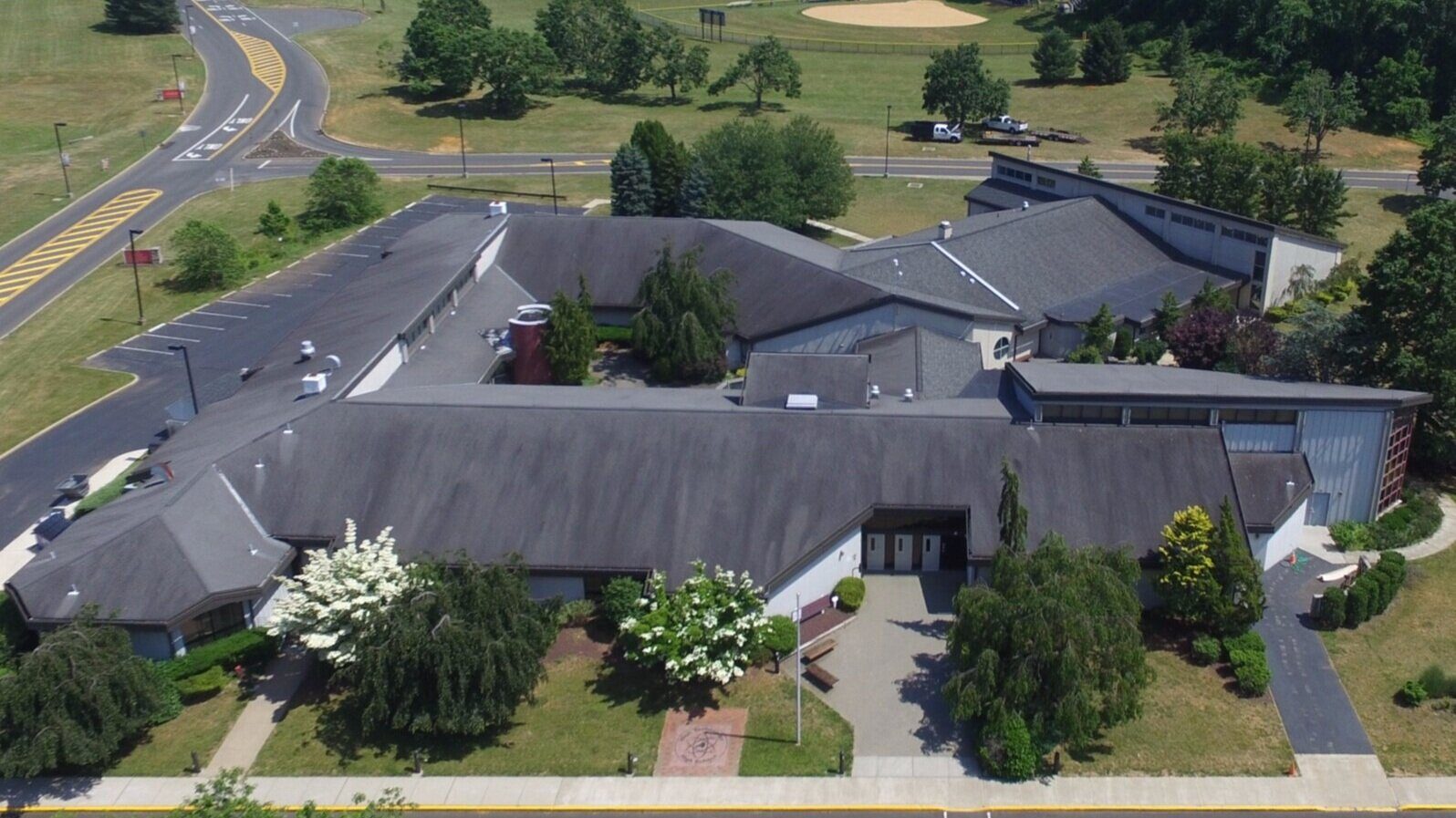
High Technology High School
Lincroft · United States
A 284-student engineering magnet in Monmouth County where civil design and digital electronics substitute for standard electives.
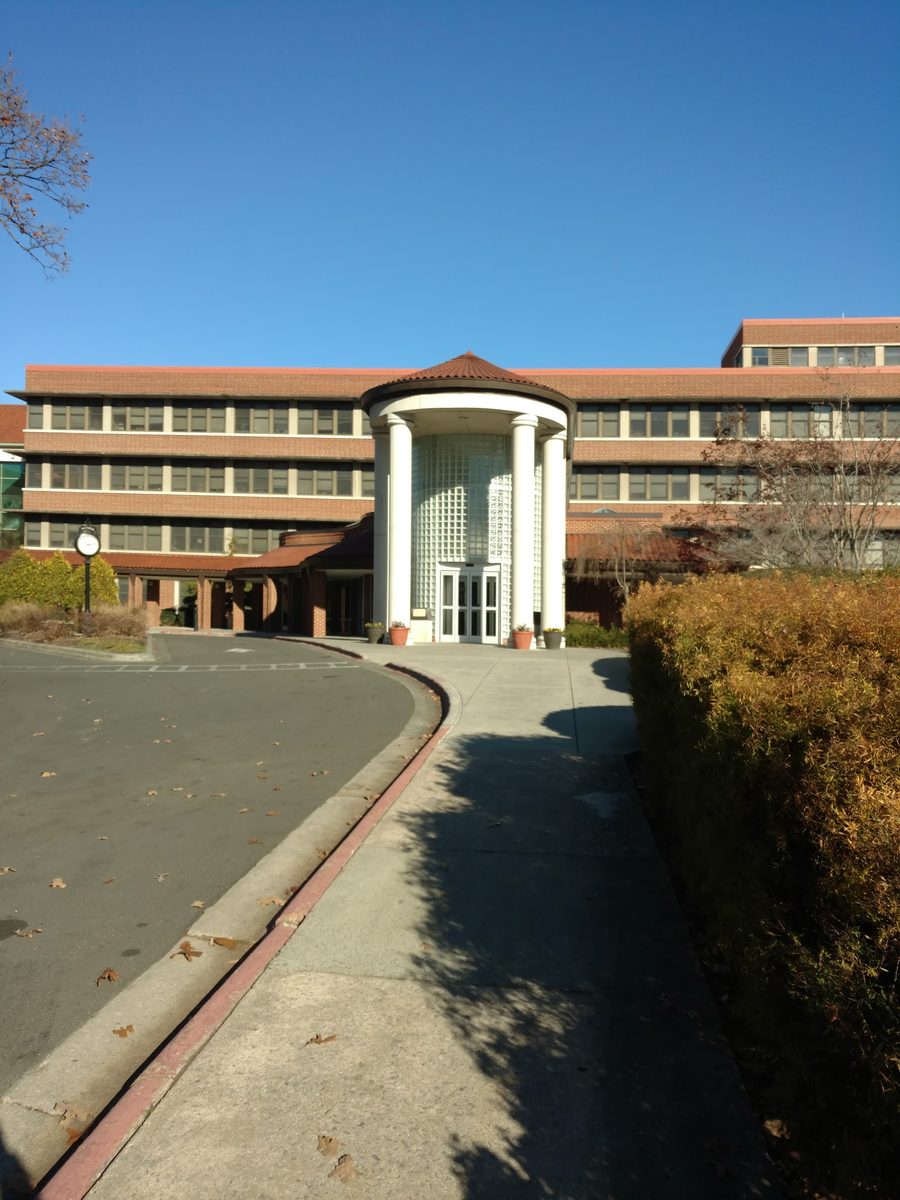
North Carolina School of Science and Mathematics
Durham · United States
America's first public residential STEM high school, a Durham model tuition-free program now replicated by eighteen sister schools worldwide.
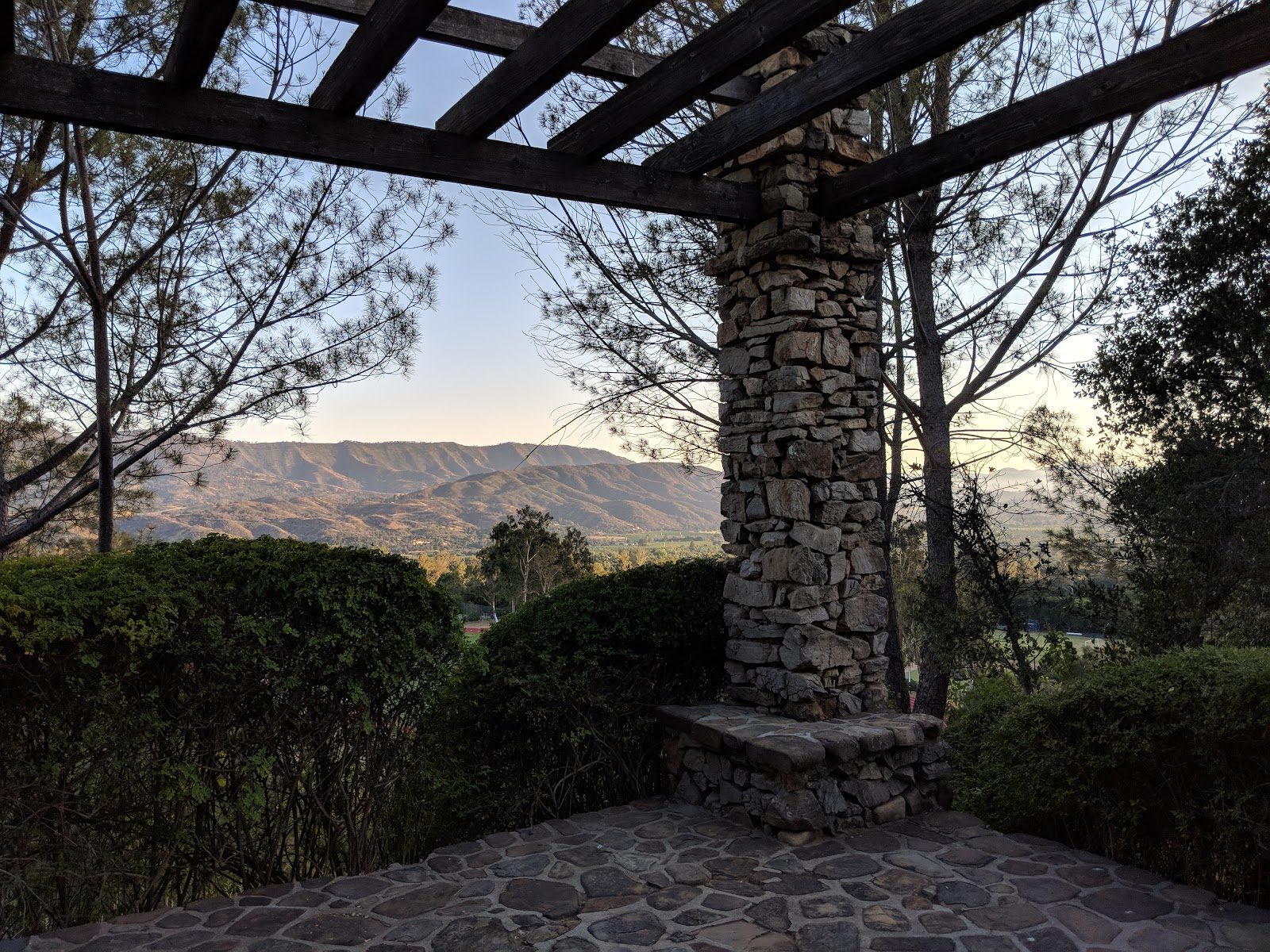
The Thacher School
Ojai · United States
Every freshman is assigned a horse to feed, saddle and ride daily in the foothills above Ojai
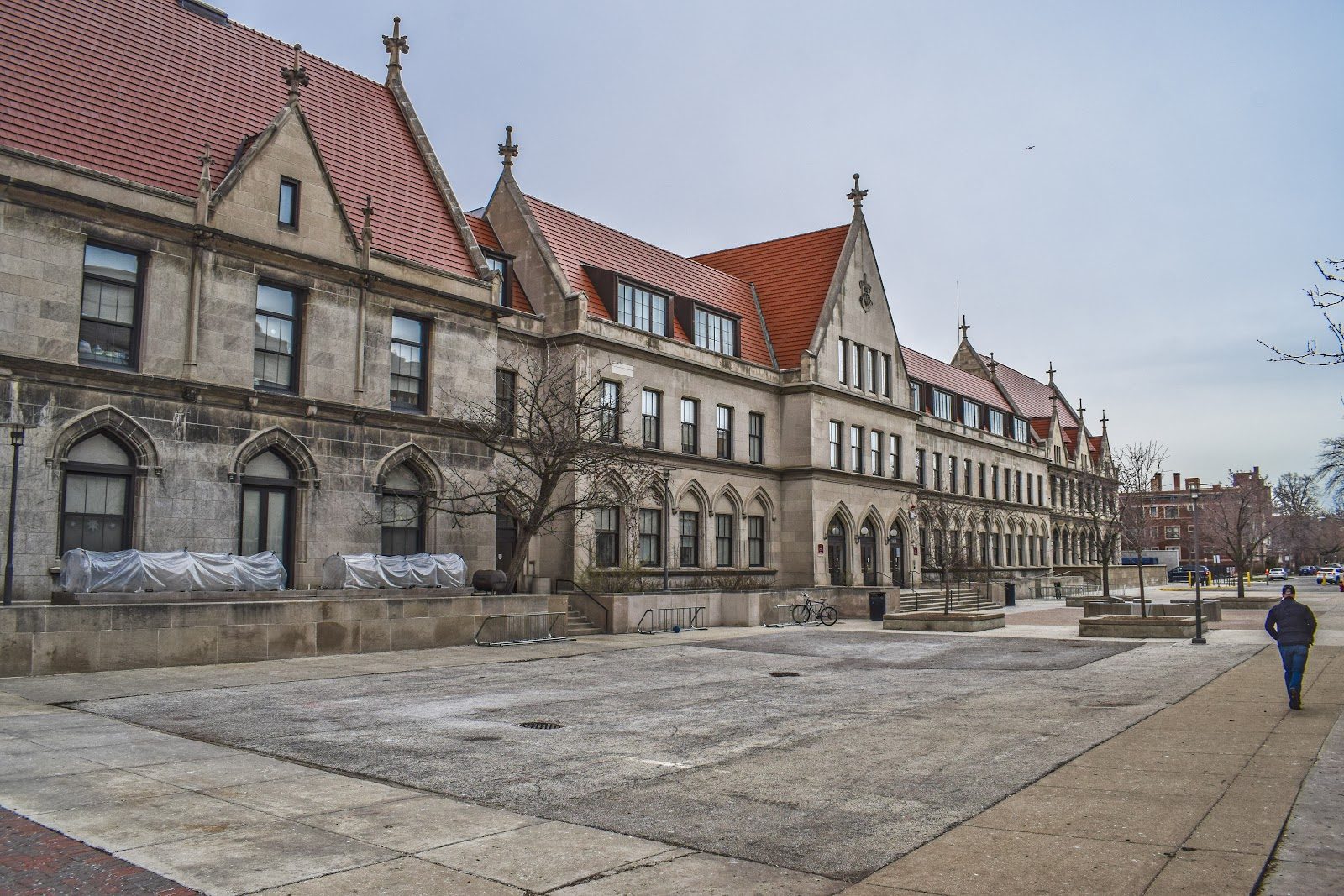
University of Chicago Laboratory Schools
Chicago · United States
Born from John Dewey's 1896 experiment in progressive education, still testing ideas in Hyde Park classrooms today
Same country and curriculum — closest matches within ±10 points either way