
Hertfordshire
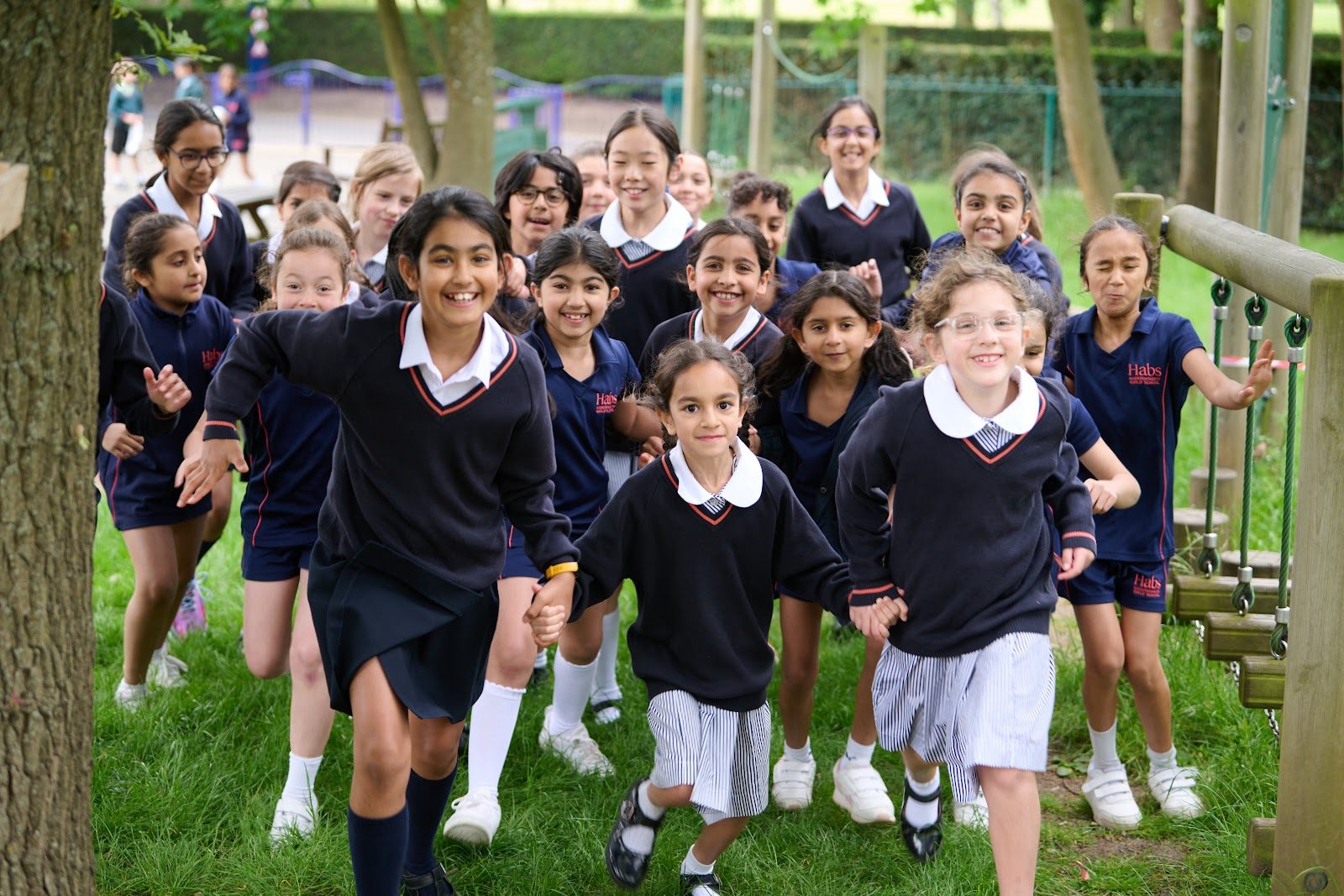
Single-sex teaching by day, shared sixth-form classes by choice, on a 100-acre Hertfordshire campus built for top 0.5% GCSE results
Type
Day
Ages
4–18
Curriculum
British
Qualifications
A-Level · GCSE
Ratio
—
The Verdict
Editor's commitment
Right for
Girls aged 4–18 who want a British day school in Elstree, founded in 1875, with single-sex teaching and shared sixth-form classes.
Wrong for
Families wanting boarding, co-education before sixth form, or a cheaper option: the average annual fee is £29,000 at this 4–18 day school.
Watch out for
The 100-acre Hertfordshire campus and top 0.5% GCSE claim set a high bar; this ISI- and GSA-accredited school does not sell softness.
Ranking breakdown
Haberdashers' Girls' School · #34 of 1591
Composite score 70.8. 8 weighted criteria.
By criterion
Academic Outcomes
Weight 20%
#20
of 1529 scored
University Placement
Weight 16%
#9
of 1529 scored
Prestige & Heritage
Weight 12%
#148
of 1571 scored
Alumni Network
Weight 12%
#1525
of 1530 scored
Facilities
Weight 12%
#354
of 1533 scored
Transparency & Communications
Weight 8%
#153
of 1532 scored
Peer & Industry Review
Weight 10%
#147
of 1548 scored
Admissions Selectivity & Demand
Weight 8%
#81
of 1529 scored
Peer & Industry Review
How Haberdashers' Girls' School is regarded in the sector
79
Strong · medium confidence
Among London day schools, Habs Girls is routinely grouped with St Paul's Girls', North London Collegiate and City of London Girls' as a top academic-selective rival, frequently cited in Good Schools Guide and WhichSchoolAdvisor commentary for its exam results and Oxbridge flow, though both sources note the pressured, exam-focused culture as a trade-off. National broadsheet league tables (Times, Telegraph, Sunday Times) consistently place it near the top of independent girls' schools by A-level and GCSE outcomes. University admissions tutors regard its leavers as well-prepared for rigorous academic courses, particularly STEM and law, reflecting the school's strong science and maths provision. Its recent rebrand generated modest independent education press coverage, framed as modernisation rather than repositioning. It is not a GDST member, which occasionally distinguishes its peer commentary from that of comparable girls' schools within that trust.
- Rachel Weisz — Actress, Film
- Sarah Vine — Journalist, Media
- Tulip Siddiq — Politician, Government
Editors' overview
The defining draw here is the combination of single-sex schooling from age 4 to 18 with shared sixth-form classes by choice, all on a 100-acre Hertfordshire campus in Elstree. That structure gives Haberdashers' Girls' School a clear identity: academically hard-driving in the earlier years, then more outward-facing at the top of the school without abandoning the benefits of a girls-only environment. Founded in 1875 by the Worshipful Company of Haberdashers, it has the institutional weight and social confidence of an old London-linked independent school, but its value to parents rests on current substance, not heritage. The British curriculum and English-medium teaching are straightforward; the more telling signals are the school’s day-only model, its non-religious character and accreditations from ISI and the GSA.
This is an expensive school at an average £29,490 a year across ages 4 to 18, and it operates in the top tier of the UK day-school market. Parents are paying for a high-pressure academic culture, a long-established brand and a campus scale that most London day schools cannot match. The editorial tagline’s reference to top 0.5% GCSE results places the school in the sharply selective end of the sector; a child who thrives here will want pace, competition and intellectual seriousness, not hand-holding. The day format also matters. This is not a cloistered boarding-school world but a commute-in school serving families who want elite academic standards without full residential life.
Why shortlist it? Because few schools combine 4–18 continuity, 100-acre grounds, a girls-only framework and optional co-educational sixth-form teaching in one package. That mix suits ambitious families who want a disciplined academic runway from the early years through university preparation, with more social range in the sixth form. The pupil who will want Haberdashers' Girls' School is bright, resilient and comfortable in a demanding peer group. The pupil who will not is the one who needs a softer tempo, a broader vocational emphasis or a school that wears its pastoral side more visibly than its academic edge.
Academic Performance
Academic outcomes sit at the sharp end of the independent sector. The school’s own tagline anchors it in the top 0.5% at GCSE, which places it among the country’s seriously selective academic day schools rather than the broad-church independents that trade on atmosphere first and results second. That matters because external results are not an incidental strength here; they are part of the school’s core proposition. Parents comparing it with other leading girls’ schools and high-performing London-area independents should read this as a school where exam performance is central, competition is real and the peer group will pull standards up as much as staff do.
There is, however, a limit to what can be judged publicly from the information the school publishes in the sources we have seen. We have not seen a full breakdown of A-level grades, GCSE subject performance, university destinations or multi-year trend data. That leaves an opaque patch where rigorous families will want more detail before committing. Even so, the available signal is strong: this is not a school for children who need academic gentleness or a wide performance range within the cohort. It belongs with the high-pressure, results-led end of the market, and parents should assess it against the strongest girls’ day schools in and around London, not against standard independent-school benchmarks.
Facilities
The key facility advantage is scale. A 100-acre campus gives Haberdashers’ Girls’ School room for proper separation between junior and senior life, serious outdoor sport and the kind of specialist teaching spaces that cramped London day schools struggle to match. For parents comparing elite girls’ schools inside the capital, that matters. Many peers trade on academic prestige while operating from tight urban estates with limited playing fields and little margin for expansion. Habs has the opposite problem set: space to run a full day-school operation without feeling pinched. That does not make it luxurious; it makes it operationally stronger, less compromised and better equipped for families who want breadth beyond the classroom as well as results within it.
The most important benchmark, then, is not against country boarders with theatres, boathouses and residential blocks, but against selective London-area day schools competing for the same academically ambitious families. On that measure, the campus is a serious asset. Shared sixth-form teaching also carries a facilities implication: older pupils gain access to a broader teaching environment than a closed single-sex model permits, which can sharpen subject choice and sixth-form atmosphere. What is missing from the school’s public profile is a detailed account of standout specialist provision — no clear public case for exceptional science infrastructure, high-performance sport facilities or arts spaces that eclipse rivals. The broad picture is strong; the fine grain is less well evidenced.
The pupil who will want Haberdashers' Girls' School is bright, resilient and comfortable in a demanding peer group
Prestige
Haberdashers’ Girls’ School carries real social and academic cachet in the London independent-school market. The name has reach beyond its immediate catchment because it sits inside one of the old City of London educational networks, and because its results culture places it in the same conversation as the capital’s most competitive girls’ day schools. Prestige here does not rest on glossy mystique. It rests on a recognisable combination: selective intake, sustained examination strength, a long-entrenched parent reputation and a campus scale that gives the school more physical presence than many urban rivals. The fees — an average of £29,490 a year — also place it firmly in the upper professional class of British private education, which shapes who applies and how the school is perceived.
Why rate it highly? Because this is the kind of school whose brand carries weight in drawing-room shorthand: *serious girls, serious outcomes, serious expectations*. Its prestige is strongest among families who value intellectual status and traditional independent-school signals over progressive experimentation or conspicuous luxury. That distinction matters. Haberdashers’ Girls’ School has earned prestige, not fashionable prestige. It projects authority, selectivity and institutional confidence, and the reference to top 0.5% GCSE performance hardens that reputation into something measurable. The limitation is clear too: prestige here is tied tightly to academic pressure. Families wanting warmth, looseness or a less exacting social tone will read the same signals less favourably.
This is an expensive school at an average £29,490 a year across ages 4 to 18, and it operates in the top tier of the UK day-school market
Communications
Parent communication here carries the demands of a high-pressure day school with a daily commute, busy co-curricular schedules and families who expect tight operational control. In that setting, weak messaging creates friction fast. The school therefore needs communication that is prompt, calendar-driven and exact about logistics, deadlines, academic expectations and pupil movement across the campus. The public-facing side of the school does the institutional basics well enough: the identity is coherent, the tone is self-assured and there is no muddle about who the school is for. What is less clear is the depth of practical parent-facing transparency beyond that polished front end. We have not seen the kind of detailed public evidence that would let parents judge the rhythm of reporting, the granularity of progress updates or the school’s response standards when issues arise.
That gap matters because schools with this level of academic intensity do not get credit for aspiration alone; they need disciplined communication to match. Parents choosing an all-through school at an average annual fee of £29,490 are buying administrative reliability as much as teaching quality. The school’s structure raises the stakes further: younger pupils need close home-school coordination, while older pupils and their families need clear guidance around subject choices, assessment and the transition into shared sixth-form teaching. The verdict, then, is competent but insufficiently evidenced. There is enough to infer an organised institutional voice, but not enough public proof of first-rate parent communication in practice.
Uniqueness
What marks Haberdashers’ Girls’ School out is not a gimmick but a structural choice that few schools execute this cleanly: girls are taught in a single-sex environment through the main school, then gain access to shared sixth-form classes when that broader academic and social mix starts to matter most. That is a distinctive compromise between two models that parents usually have to choose between. The benefit is practical. In the earlier years, pupils work in a setting built around girls’ participation, confidence and competitive attainment without the social theatre that mixed classrooms can bring. Later, they move into a more adult, less insulated sixth-form experience that better reflects university life and the professional world. For the right pupil, that creates a high-control academic runway followed by a more open finish.
The other point of difference is the campus itself. A day school with 100 acres to work with operates differently from a tightly packed urban competitor: movement is easier, sport has proper room, and the school day has more physical breadth. That changes student experience in concrete ways. Pupils get the standards and pressure of a top-flight academic school without spending every day in an atmosphere of corridor congestion and space rationing. Add the school’s long-standing link to the Haberdashers’ educational tradition and the result is a school with a clear internal logic: old-school ambition, a disciplined all-through structure, and a sixth form that opens out at the point when insularity stops being useful.
That is a distinctive compromise between two models that parents usually have to choose between
Student Profile
The pupil who fits best here is high-ability, self-motivated and comfortable being measured against other able girls every day. This is not the right environment for a child who needs constant reassurance, loose deadlines or a culture that hides competition behind warm words. The social fit matters as much as the academic one. A girl will do well if she likes classrooms where pace is brisk, discussion is sharp and effort is taken for granted. She also needs stamina: an all-through school charging an average £29,490 a year attracts families with exacting expectations, and that pressure lands on pupils as well as staff. The strongest fit is a student who enjoys stretching herself, can recover fast from setbacks and does not read high standards as hostility.
Personality counts too. The best-suited pupils are not only clever; they are internally driven, organised and able to hold their own in a demanding peer culture. Girls who want intellectual seriousness without the distractions of a fully co-educational setting in the lower years will find a coherent match, while those who value a broader social and academic mix later on will benefit from the shared sixth-form model. The misfit profile is clear: a child who needs a softer landing, more visible pastoral cushioning or a less status-conscious atmosphere. For the right student, this school offers serious academic company and a strong route through to the top end of university preparation.
Pupils get the standards and pressure of a top-flight academic school without spending every day in an atmosphere of corridor congestion and space rationing
Co-curricular strengths
Arts & sport, on a separate axis
Overall 8.44/10
Scored 0-10 from the school's own published evidence. This axis is editorial-only — it does not feed the main WTS ranking.
Sports
8.4/10
Competes honorably in regional independent tournaments across lacrosse, tennis, and netball on an expansive, manicured estate.
Drama
9/10
The school's theater complexes operate at an exceptionally high standard, cultivating creative and performance tech tracks.
Dance
7.5/10
Highly popular synchronization and ensemble choreography featured prominently in major annual school cultural showcases.
Music
9/10
High-end orchestral setups supporting advanced symphonies and traditional choral tracking that perform in major civic halls.
Visual Arts
8.3/10
Technical fine arts focus housed within custom studio environments, prioritizing portfolio development and digital media.

WTS 300 badge
Haberdashers' Girls' School is one of the World's Top 300 Schools. Claim your listing to add it to your site →
Strengths
- +In a recent leaving cohort the school secured 12 Oxbridge offers from 43 applications, comprising 7 from Cambridge and 5 from Oxford, and all were accepted, indicating strong university progression.
- +The school was inspected by the Independent Schools Inspectorate in February 2025 and all inspection standards were met.
- +Up to £3.6m a year in means-tested financial assistance is available across the Haberdashers' schools for around six per cent of pupils, including full bursaries, alongside academic and music scholarships worth up to 25 per cent of fees.
- +Music and drama both rate as world-class and sport and visual arts as outstanding, giving the school a genuinely broad co-curricular strength.
- +The school occupies a rural outlook in 35-acre grounds within easy reach of London, and shares co-curricular activities with the neighbouring Haberdashers' Boys' School.
- +The school admits students at four formal points, ages 4, 7, 11 and 16, giving families some flexibility about when to join.
Considerations
- −The school is single-sex (girls only) and day-only, with no boarding provision, ruling it out for families wanting co-education throughout or a residential option.
- −Entry is highly competitive, with 11+ candidates typically expected in the top tier nationally, so only a minority of applicants secure a place.
- −Annual fees inclusive of VAT run from around £26,000 in the junior years up to roughly £31,000-£32,000 in the senior school and sixth form, a substantial commitment without a scholarship or bursary.
- −A 2021 Daily Telegraph report cited pupil claims of sexism and 'forced sex' linked to interactions with the neighbouring boys' school, with some pupils saying reported cases were downplayed, a reminder that the two single-sex schools operate on adjoining sites with shared activities.
Availability
Primary entry gate & tests
Written Exams + Interview (11+)
Gallery
Photo © Noah Arram via Google Maps
Photo © Noah Arram via Google Maps
Parent reviews
Have you sent your child here?
Voice reviews carry the strongest trust badge — we transcribe them for you to tidy up before they go live. Prefer to type? A written review is fine too.
Add your voice
In 60 seconds, tell other parents: what's the best thing about Haberdashers' Girls' School, and what surprised you when your child joined?
We ask for a Google sign-in so every review has a real face behind it — no anonymous drive-by attacks on schools, and no faked positive reviews. Your email is never shown publicly.
Send this profile to a friend
International parents rely on word-of-mouth. Share this review with someone weighing the same decision.
Schools with places
Similar schools to Haberdashers' Girls' School with places available now.
Haileybury
Hertford · United Kingdom
- 2026-27
- CLOSEDStandard route
- 2027-28
- PLACES OPEN16+ Active; 13+ Std Closed; 13+ Late enquire
Haberdashers' Boys' School
Elstree · United Kingdom
- 2026-27
- CLOSEDStandard route
- 2027-28
- PLACES OPENCloses Nov
Merchant Taylors' School
Northwood · United Kingdom
- 2026-27
- CLOSEDStandard route
- 2027-28
- PLACES OPEN11+/16+ Active (Closes Oct 31)
Availability first, then country, area, curriculum, price, co-curricular
Consider also
Also worth looking at alongside Haberdashers' Girls' School.
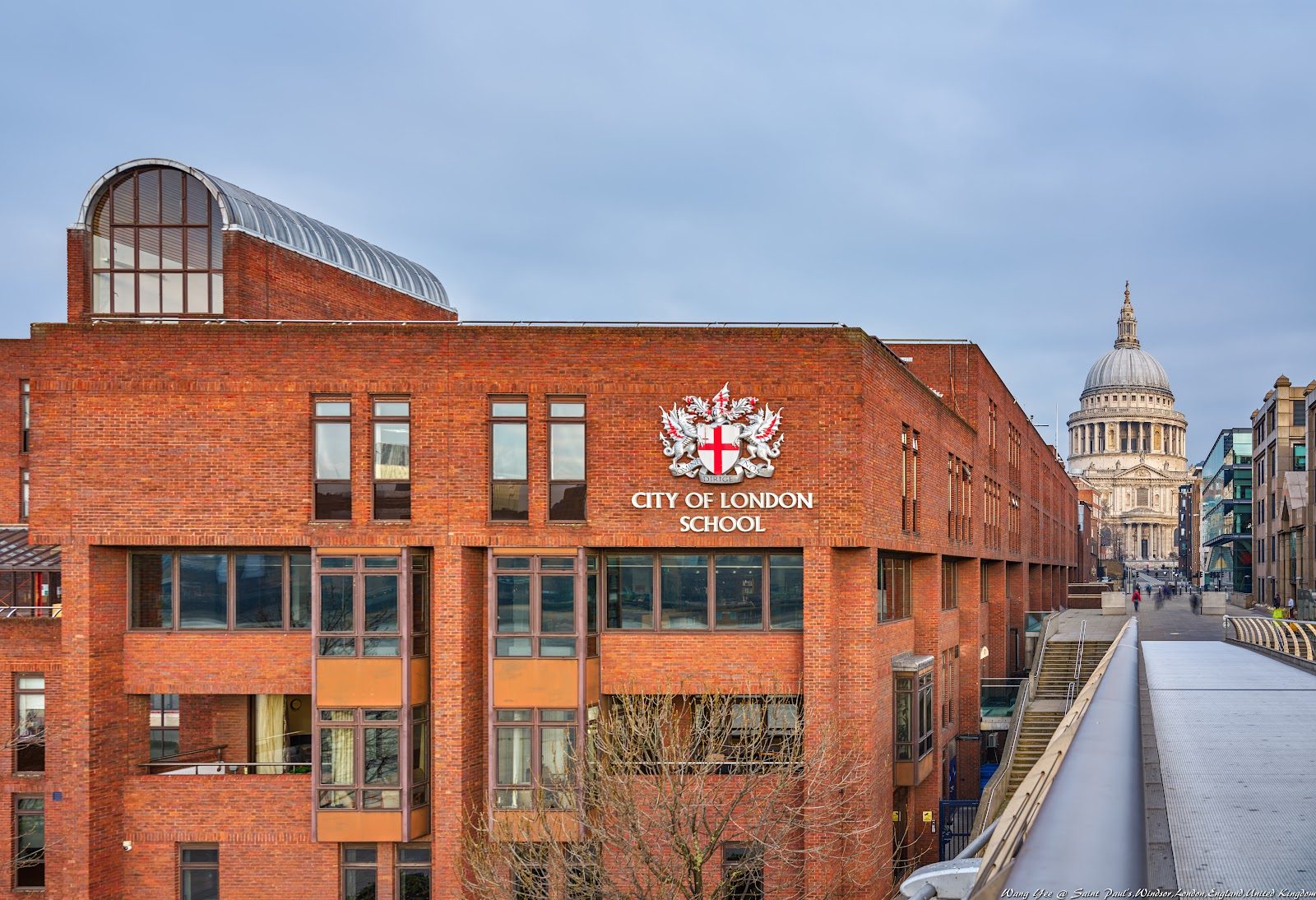
City of London School
London · United Kingdom
A 1442 bequest from the City's own Town Clerk still funds this rigorous day school perched on the Thames at Blackfriars.
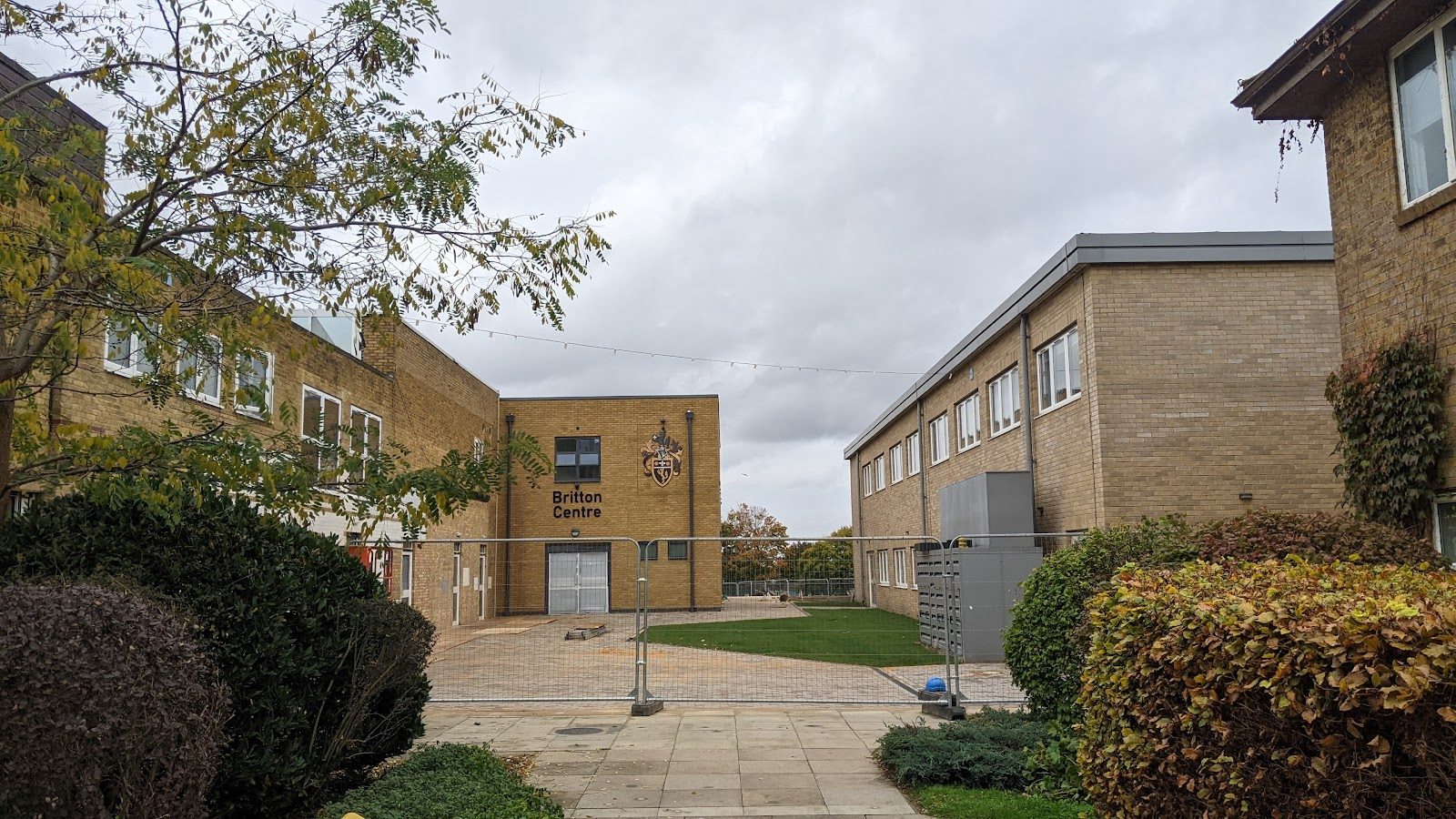
Wilson's School
Sutton · United Kingdom
A 1615 charity foundation turned super-selective grammar, thriving on a former Croydon airfield with a sharp focus on maths and computing.
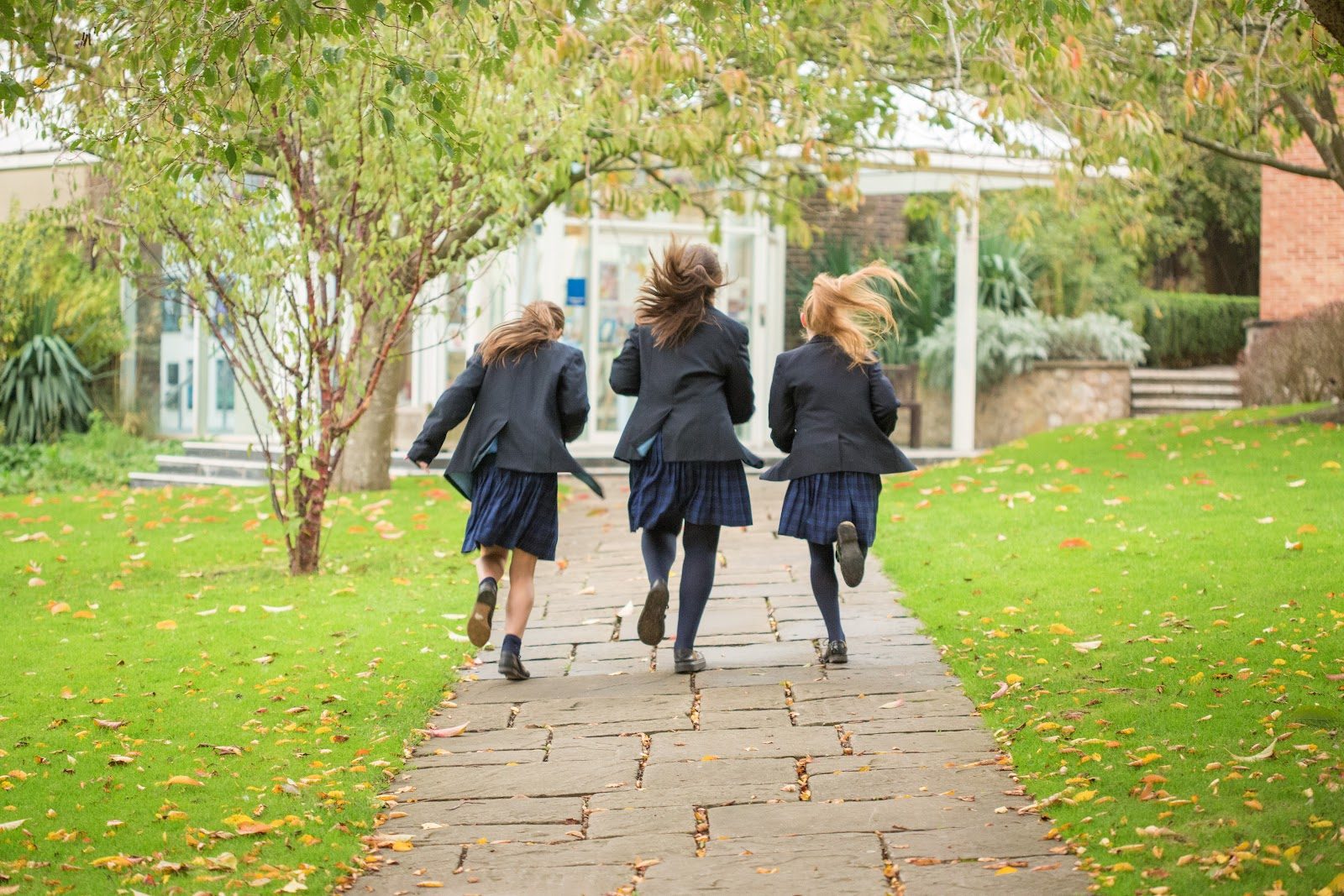
Badminton School
Bristol · United Kingdom
On a Bristol campus where girls have played cricket since 1858, science labs for women followed decades ahead of the curve
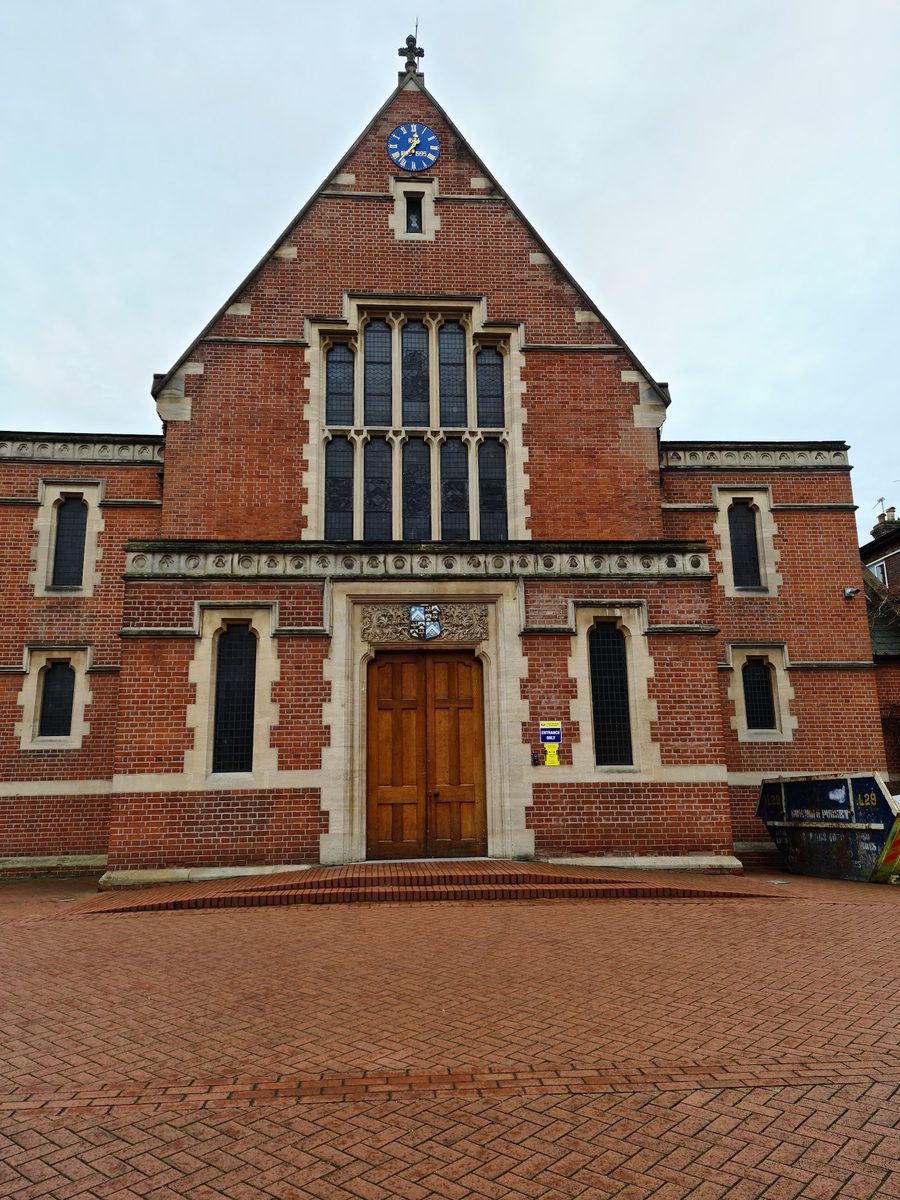
Latymer Upper School
London · United Kingdom
A 1624-founded, non-denominational day school in Hammersmith prized for its stellar Oxbridge and Russell Group outcomes.
Same country and curriculum — closest matches within ±10 points either way