
Hertfordshire
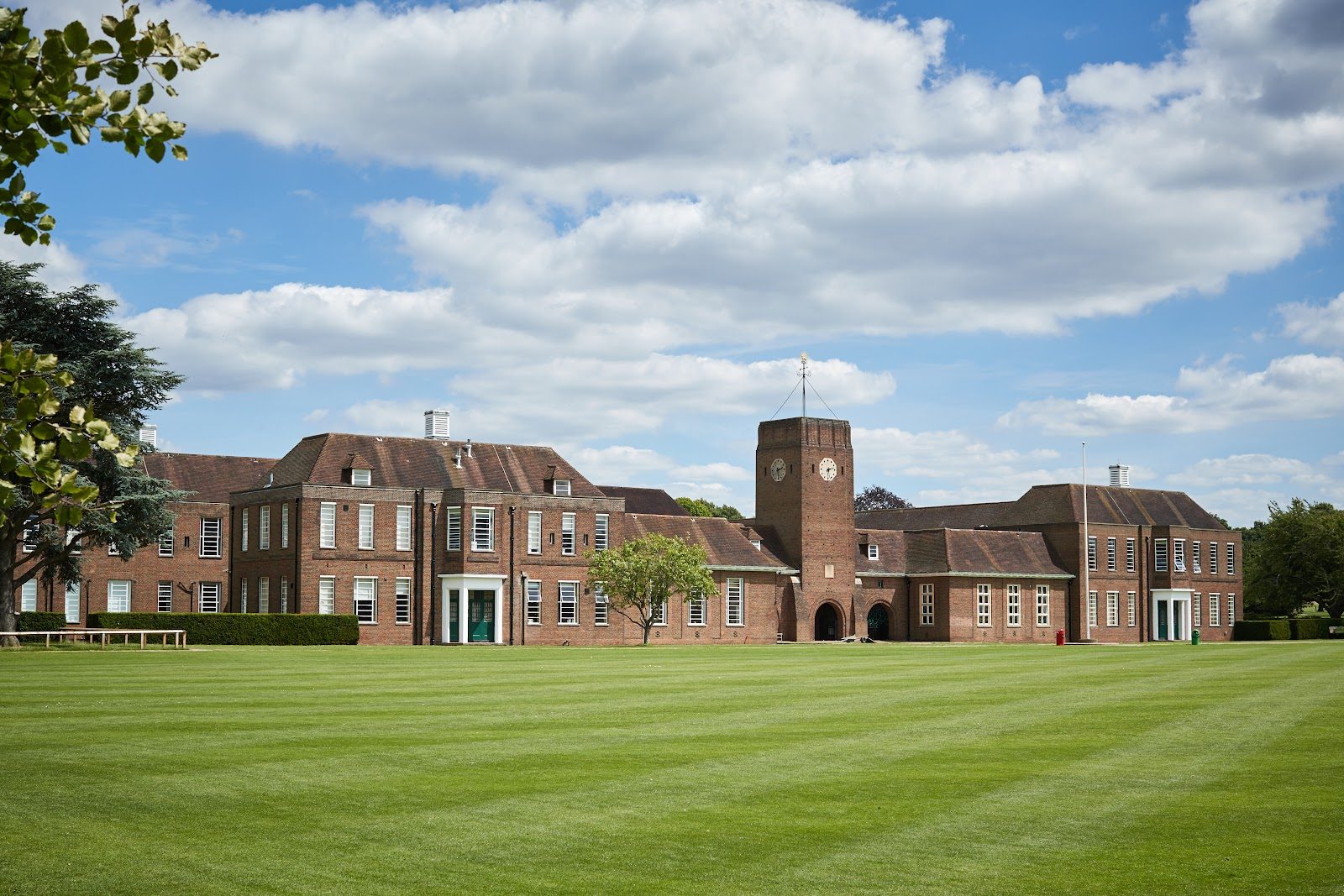
A 104-acre green-belt campus and a 34-route coach network bring rigorous, Oxbridge-focused schooling within reach of London
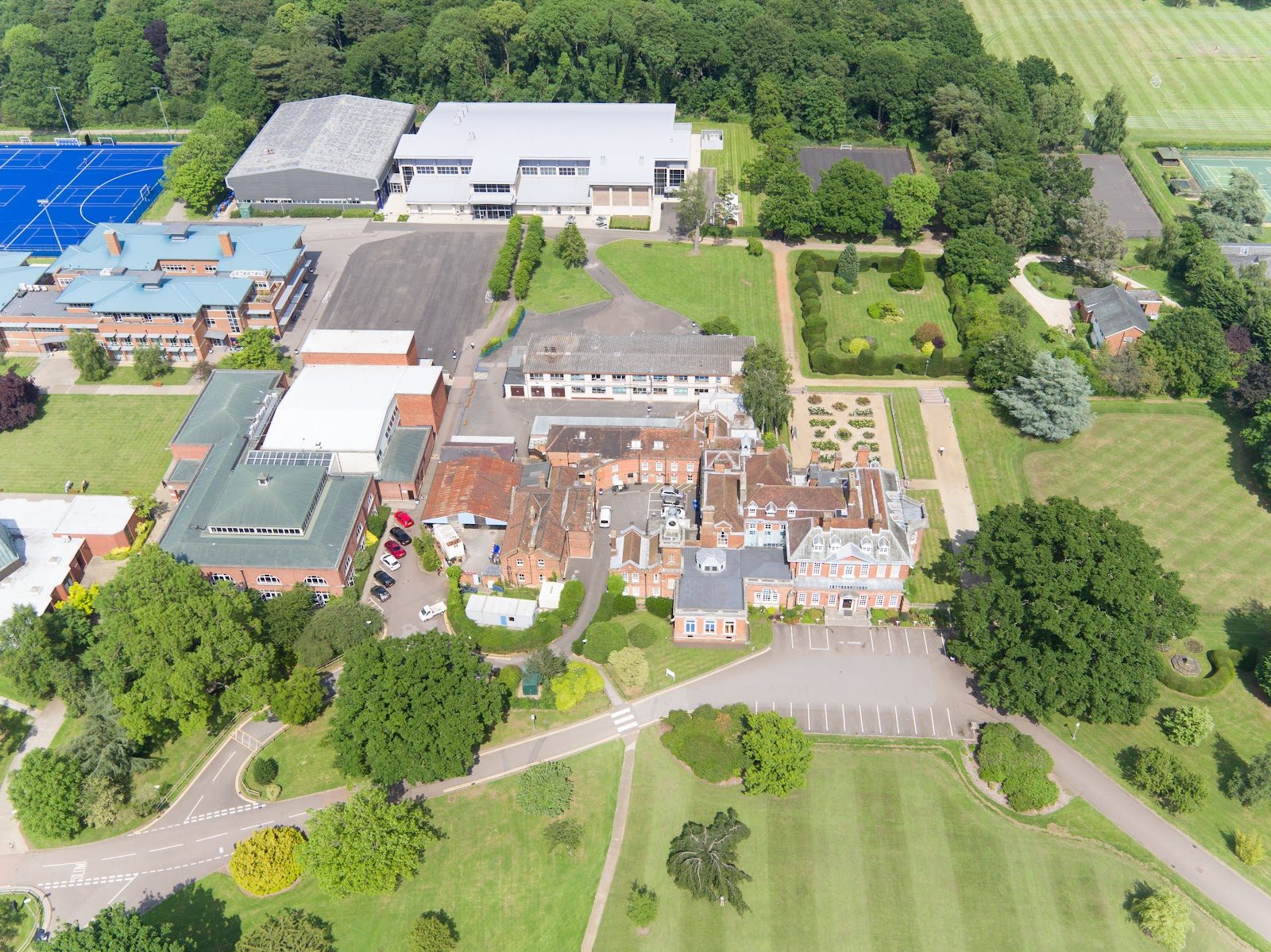
Photo © Haberdashers' Boys' School via Google Maps
Type
Day
Ages
4–18
Curriculum
British
Qualifications
A-Level
Ratio
—
The Verdict
Editor's commitment
Right for
Boys who want a British day school on a 104-acre campus, with 24 Oxbridge offers in a 160-strong 2024 cohort.
Wrong for
Families wanting co-education, boarding or a softer academic culture; this is boys-only, Anglican, and 90% of leavers went to top-100 universities.
Watch out for
The coach network spans 34 routes, but the school still costs £32,000 a year on average and keeps its sights fixed on Cambridge, Oxford and UCL.
Score history
Haberdashers' Boys' School · 2026
Movement across 2024–2026. Peer average overlaid.
Overall — 2024–2026
79.8/ 100
▲ +21.8 vs 2025
year on year
Peer & Industry Review
How Haberdashers' Boys' School is regarded in the sector
85
Strong · high confidence
Haberdashers' Boys' School sits firmly among Britain's academic powerhouses, an HMC member whose Elstree campus and exam record place it consistently among the country's top-performing day schools. WhichSchoolAdvisor's independent review frames it as an academically successful all-boys school on the outskirts of London that prepares students well for the world beyond school, while noting its long-term move towards a co-educational "single campus" over the next 10 years. The Good Schools Guide is more pointed, describing a school where it is still fiercely academic and unapologetically competitive, but this is no smug Privet Drive or secluded monastery, the fortress has been well and truly breached and the drawbridge is down, and warns that geeks of the world unite, while delicate flowers and boys who need mollycoddling may look elsewhere. A deep bench of Old Haberdashers in entertainment, journalism and public life, alongside its HMC standing, reinforces a peer reputation built on sustained results rather than marketing.
Editors' overview
A 104-acre green-belt campus and a 34-route coach network define Haberdashers' Boys' School as much as its academic record. This is not a tucked-away London day school for families within a short drive; it draws from a wide catchment and turns that reach into an advantage. For parents who want a serious academic culture without boarding, that matters. So do the outcomes: in 2024, 160 leavers produced 24 Oxbridge places, 49 Russell Group destinations and 90% progression to top-100 universities, with Cambridge, Oxford and UCL the most frequent destinations. The average annual day fee across ages 4 to 18 is £32,487, which places Habs in the upper tier of the day-school market, but not at the very top of London fee inflation.
The school’s market position is clear: fiercely academic, traditional in structure, and unapologetically selective in tone. The British curriculum, Anglican foundation and HMC membership put it squarely in the old-established independent-school mainstream, but the campus scale gives it a different shape from many urban competitors. Families choosing Habs are buying reach, space and a long institutional memory alongside exam ambition. The large number of verified notable alumni — 135 catalogued in Wikidata, spanning politics, science, writing, business and the arts — reinforces that sense of a school with real cultural weight, not just strong annual results.
What is special here is the combination of logistical breadth and intellectual pressure. A school with this size of site, this commuter infrastructure and this level of university placement can serve able boys from a much wider geography than the usual north London cluster. That makes it attractive to families who want a high-pressure academic track without the compromises of central-city schooling or full boarding. It belongs on a shortlist for boys who are bright, organised and comfortable in competitive company; boys who will use the grounds, absorb a traditional academic rhythm and aim high at university level. It is not for the faint-hearted, and that is exactly its draw.
Academic Performance
Academic performance sits at the centre of this school’s offer. The headline university destinations already tell part of the story, but the deeper point is competitive position: this is a results-driven boys’ school operating in the same conversation as the strongest London and Hertfordshire independents. The academic culture is hard-edged and selective, and the destination profile confirms that pupils convert that pressure into places at the most demanding universities. A leavers’ cohort sending 24 boys to Oxbridge and 90% to top-100 universities puts Habs firmly in the top bracket of academically ambitious day schools. That does not make it unique; plenty of elite London schools produce similar outcomes. What distinguishes Habs is that it delivers them at scale, with a broad commuter intake rather than a purely local catchment.
There is one important caveat. The school does not publish aggregate GCSE or A-level score data here, so parents cannot test the destinations story against a full public set of exam tables. That opacity matters, because the strongest peers now give clearer statistical disclosure, whether through grade distributions, subject performance or national benchmarking. Even so, the pattern of university destinations is strong enough to place Habs in the serious academic elite of the day-school sector. For able boys who thrive under constant intellectual pressure and are aiming at high-status universities, the academic proposition is clear and exacting.
Facilities
The facilities story starts with land. A 104-acre site gives Haberdashers’ Boys’ School something many London-linked day schools cannot match: room for sport, circulation and separation between age groups without the cramped, stacked feel of urban campuses. Against direct peers in north London and Hertfordshire, that is a material advantage. Families get a school day that does not unfold in converted townhouses, narrow playgrounds or shared municipal pitches. For boys who spend long days on site, that matters. It changes break times, games provision and the basic texture of school life. The coach network adds a second practical asset: the campus works for commuters at scale, rather than only for families close enough to absorb punishing daily drives. In this market, that is genuinely distinctive.
The trade-off is equally clear. Habs offers breadth of space and operational reach, but the public record here is thin on the detail many top schools now provide about specialist interiors — theatres, labs, design workshops, sixth-form centres or high-performance sports facilities. That does not weaken the campus itself; it does limit scrutiny. Some competitors are more explicit and therefore easier to benchmark room by room. Even so, the combination of substantial grounds and serious transport infrastructure places Habs in the upper tier of day-school estates. Parents choosing between academically selective boys’ schools will find stronger campuses in the boarding sector; within the day market, this is a commanding physical footprint.
A 104-acre green-belt campus and a 34-route coach network define Haberdashers' Boys' School as much as its academic record
Prestige
Haberdashers’ Boys’ School carries old-established prestige with present-day force. The name lands immediately in British independent-school circles, and not through branding gloss: it has long fed demanding universities, kept a place in the top conversation for academically selective boys’ schools, and built an alumni record with real public weight. The verified notable-alumni count alone — 135 catalogued figures across politics, science, letters, business and the arts — marks depth, not a handful of famous outliers. HMC membership matters here too. It places the school within the country’s most established fee-paying network and signals peer recognition among heads who know the market well. This is institutional prestige, not social-media prestige.
That status rests on a clear proposition. Habs carries cachet because it is unapologetically serious about scholarship, selection and destination power, while remaining a day school rather than a boarding institution trading on mystique. The recent Oxbridge tally of 24 keeps it in elite company, but prestige here also comes from durability: families, universities and employers know what the school is and what kind of pupil it produces. There is no need for reinvention. The caveat is that public exam disclosure is thinner than the strongest peers now offer, which blunts full external scrutiny. Even so, the school’s reputation remains formidable, high-status and fully earned within the segment that values academic toughness over polish.
A leavers’ cohort sending 24 boys to Oxbridge and 90% to top-100 universities puts Habs firmly in the top bracket of academically ambitious day schools
Communications
Parent communication has to do a hard job here. This is a school with a wide-draw intake, a dispersed daily transport pattern and families who cannot all rely on informal gate-chat to pick up the mood, the timetable or the practical changes. In that context, clarity and regularity are not optional extras; they are basic operating requirements. Habs benefits from being an old, well-drilled institution with a clearly defined identity, and that usually translates into communication that is orderly rather than chatty. Parents choosing this kind of school are not looking for warmth-first lifestyle messaging. They need timetables, expectations, deadlines, route information and academic signals delivered cleanly and without fuss. That style suits a serious, commuter-heavy school.
The limitation is transparency at the sharper end. Public-facing communication gives a strong sense of institutional confidence, but less granular disclosure than the best independent-school operators now provide in areas such as whole-school performance data and detailed benchmarking. That matters because confident tone is not the same thing as full candour. For existing parents, day-to-day communication is the more important test, and the school’s scale means systems have to carry a lot of weight across 34 coach routes and a large parental body. The fact that the operation sustains a complex daily movement pattern and still projects coherence counts in its favour. The verdict: effective, disciplined and purpose-built for a demanding school community, but not a model of maximum openness.
Uniqueness
What sets Habs apart is not one headline attribute but a rare operating model: a serious academic machine built as a day school on a scale that many boarders would envy. Most high-performing London-linked boys’ schools ask families to trade something away — space, daily convenience, or breadth of intake. Habs does not. It combines a big-territory catchment with a settled campus life and a selective academic culture that wastes no time pretending every boy learns at the same pace. The 34-route coach system matters here as much as the teaching. It turns a demanding independent school into a workable daily proposition for families well beyond the immediate postcode, and that widens the social and geographic mix inside the school. For students, that means classmates drawn from a larger radius, not a single local enclave.
The student experience that follows is high-pressure, structured and unusually expansive for a non-boarding school. Boys get the institutional depth of an old foundation, the practical freedom of a large estate, and the expectation that ambition is normal rather than exceptional. That combination produces a school with a distinctly adult rhythm: long days, serious peers, strong habits of self-management, and constant comparison with able contemporaries. The benefit is obvious for boys who want stretch without boarding. The drawback is obvious too. This environment rewards resilience, organisation and appetite for competition; it punishes drift. For the right child, that mix is hard to replicate in the day-school market.
That does not make it unique; plenty of elite London schools produce similar outcomes
Student Profile
The boy who fits here is bright, fast-moving and comfortable with pressure from peers as well as teachers. This is not a school for coaxing along hesitant learners or cushioning fragile confidence. It suits boys who like argument, can keep pace with a demanding timetable and do not need constant hand-holding to stay organised. A strong independent streak helps, but so does the ability to work within a clear institutional structure. The academic culture is competitive, high-expectation and unsentimental; boys who enjoy being surrounded by other able pupils will find that energising rather than oppressive. The daily reality also matters: with a coach system built on 34 routes and a catchment that stretches well beyond one neighbourhood, pupils need stamina, punctuality and the maturity to manage long school days.
Socially, the best fit is a boy who will use the place rather than just attend it. The grounds, the scale and the depth of the institution reward boys who throw themselves into school life and build routines quickly. There is room here for intellectual boys who are not showy, but less room for those who need a softer, more pastoral-first environment or a looser culture. Ambition is normalised. Comparison with strong contemporaries is constant. For the right student, that is sharpening and formative. For the wrong one, it is wearing. Habs works best for boys with genuine academic appetite, solid self-management and the resilience to hold their own in a hard-driving crowd.
The student experience that follows is high-pressure, structured and unusually expansive for a non-boarding school
Co-curricular strengths
Arts & sport, on a separate axis
Overall 8.02/10
Scored 0-10 from the school's own published evidence. This axis is editorial-only — it does not feed the main WTS ranking.
Sports
8.8/10
Powerful independent day athletic pipeline, fielding dominant varsity teams in rugby, hockey, and cricket across expansive Hertfordshire grounds.
Drama
8.8/10
Ambitious theater curriculum staging large-scale classical and contemporary plays inside their primary performing arts spaces.
Dance
5.5/10
Kept primarily as an ensemble component to support physical performance blocks inside their large-scale theater tracks.
Music
9/10
Outstanding chamber orchestras, wind ensembles, and choral troupes that routinely headline major regional youth music festivals.
Visual Arts
8/10
Studio-intensive fine arts focus housed within custom studio environments, prioritizing landscape painting and portfolio layout.
Editor-verified · 8/7/2026
Outcomes & destinations
Where students go next
Editorial estimateClass of 2024
160 graduates
A-Level distribution
99% covered
- A*45%
- A31%
- B19%
- C4%
Top destinations
73 placements
- Cambridge· 14
- Oxford· 10
- UCL· 14
- Imperial College London· 12
- Durham· 8
- Warwick· 6
- Bristol· 5
- LSE· 4
Elstree boys' day school with heavy Imperial + UCL flow.
Editor-approximated from the school's own leavers report. Awaiting school-attested figures.
Notable alumni · Wikidata
135notable alumni
31 historic (born pre-1930) · 23 modern (born post-1970)wikidata:2026-07-28 How we source this
The story in one line
69% achieved ≥ AAB in 2+ facilitating subjects·ISI Routine Inspection 2025
AAB with 2 facilitating subjects is the Department for Education's published predictor of admission to a top-third UK university: the pupil has scored high grades in at least two of the classic Russell-Group subjects (maths, sciences, English, history, geography, or a modern language). Independent schools don't appear in the state-only HE-destinations dataset, so this is the strongest DfE-verified sixth-form signal available. Source: DfE 16-18 school and college performance data · 2023/24. Value-added +0.25
DfE-verified statistics
Official GCSE data · 2024/2025
Progress 8
—
Value-added score. State-schools only; 0 = expected progress, +1 = one grade above.
Attainment 8
41
Average grade across 8 GCSEs (score out of 90). National ≈ 46.
EBacc average score
2.68
Avg grade across the 5 EBacc pillars (English, Maths, Sciences, Language, Humanity).
EBacc slots filled
1
How many of the 5 EBacc pillars pupils typically enter (max 5).
A-Level attainment
Cohort · 2023/24
Avg A-Level grade
A
APS per entry: 50.69
Best 3 grade
A
Best-3 APS: 51.33
≥ AAB + 2 fac.
68.9%
Russell-Group predictor.
Progress (value-added)
+0.25
Above average
Read with care. Independent schools frequently sit IGCSEs or Pre-U qualifications instead of standard GCSEs — DfE data only counts standard GCSEs, so these numbers may reflect a partial cohort. For a fuller picture, cross-check with the school's own annually-published results.
URN 117648Verified · DfE 2024/2025
Official inspection
ISI report · 2025
Inspectorate
Independent Schools Inspectorate
The Government-approved inspectorate for English independent schools.
Latest report
11 February 2025
Routine Inspection
Report history
Verified · Independent Schools InspectorateSource-of-truth

WTS 300 badge
2026/27 editionHaberdashers' Boys' School is one of the World's Top 300 Schools for 2026/27. Claim your listing to add it to your site →
Strengths
- +The February 2025 ISI inspection found all standards met, with the school reporting two significant strengths under the current framework.
- +Co-curricular provision is strong across the board, with world-class music (9.0), elite sport and drama (both 8.8) and outstanding visual arts (8.0).
- +Around 10 per cent of pupils receive means-tested financial support, with some bursaries covering close to full fees for lower-income families.
- +The senior school sits on a 104-acre green-belt campus in Elstree that includes a Grade II* listed building, alongside purpose-built science and geography facilities.
- +2024 A-level results were strong, with 45% of grades at A* and 76% at A*–A, feeding 90% of leavers to top-100 universities and 24 to Oxbridge.
- +Entry is via a school-specific competitive examination rather than the Common Entrance paper, with intake points at 11+ and 13+ (and 4+/7+ into the linked prep school).
Considerations
- −It is a single-sex boys' school, so it will not suit families wanting a co-educational environment, though sixth-form teaching is now shared in some subjects with the adjacent Haberdashers' Girls' School.
- −Entry is highly selective and competitive; a bespoke exam and interview mean many academically able applicants are not offered a place.
- −As a day school without boarding, families outside the catchment area depend on the school's extensive coach network or a significant daily commute to Elstree, Hertfordshire.
- −Fees rose further from January 2025 once 20% VAT was applied to school fees nationally, increasing the cost for parents not covered by bursary support.
Availability
Primary entry gate & tests
Written Exams + Interview
Gallery
Photo © Mike 45B via Google Maps
Photo © Pawana Porter via Google Maps
Photo © Mike 45B via Google Maps
Photo © Mike 45B via Google Maps
Photo © Mike 45B via Google Maps
Photo © Mike 45B via Google Maps
Photo © Shyan Shah via Google Maps
Photo © Mike 45B via Google Maps
Photo © Mike 45B via Google Maps
Recommended reading
Independent write-ups of this school from editorial outlets we trust.
- Haberdashers' Boys' SchoolGood Schools Guide
Parent reviews
Have you sent your child here?
Voice reviews carry the strongest trust badge — we transcribe them for you to tidy up before they go live. Prefer to type? A written review is fine too.
Add your voice
In 60 seconds, tell other parents: what's the best thing about Haberdashers' Boys' School, and what surprised you when your child joined?
We ask for a Google sign-in so every review has a real face behind it — no anonymous drive-by attacks on schools, and no faked positive reviews. Your email is never shown publicly.
Send this profile to a friend
International parents rely on word-of-mouth. Share this review with someone weighing the same decision.
Schools with places
Similar schools to Haberdashers' Boys' School with places available now.
Merchant Taylors' School
Northwood · United Kingdom
- 2026-27
- CLOSEDStandard route
- 2027-28
- PLACES OPEN11+/16+ Active (Closes Oct 31)
Haileybury
Hertford · United Kingdom
- 2026-27
- CLOSEDStandard route
- 2027-28
- PLACES OPEN16+ Active; 13+ Std Closed; 13+ Late enquire
Availability first, then country, area, curriculum, price, co-curricular
Consider also
Also worth looking at alongside Haberdashers' Boys' School.
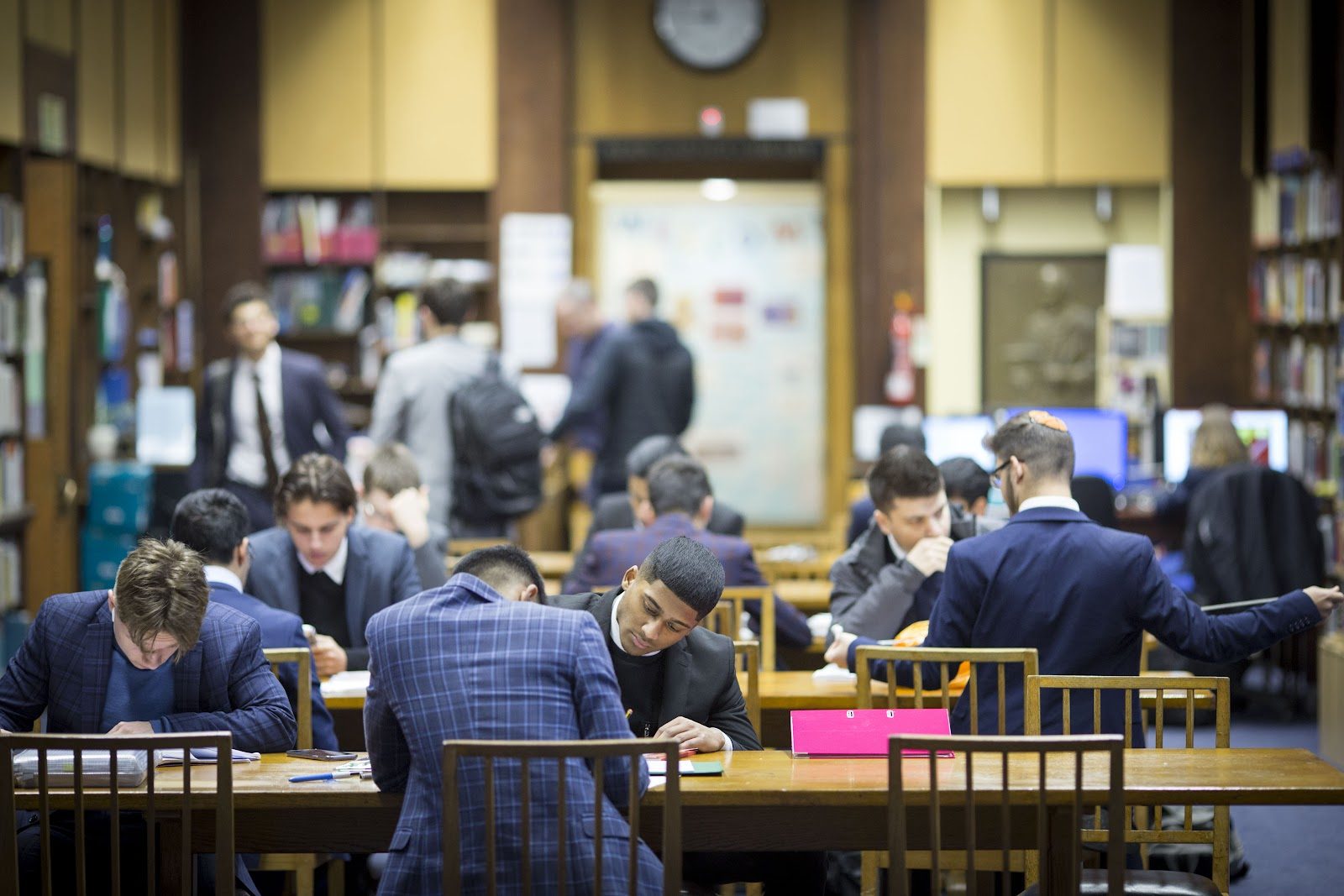
Manchester Grammar School
Manchester · United Kingdom
Founded in 1515 as a free grammar school, this Rusholme day school still funds over 200 bursary places every year.
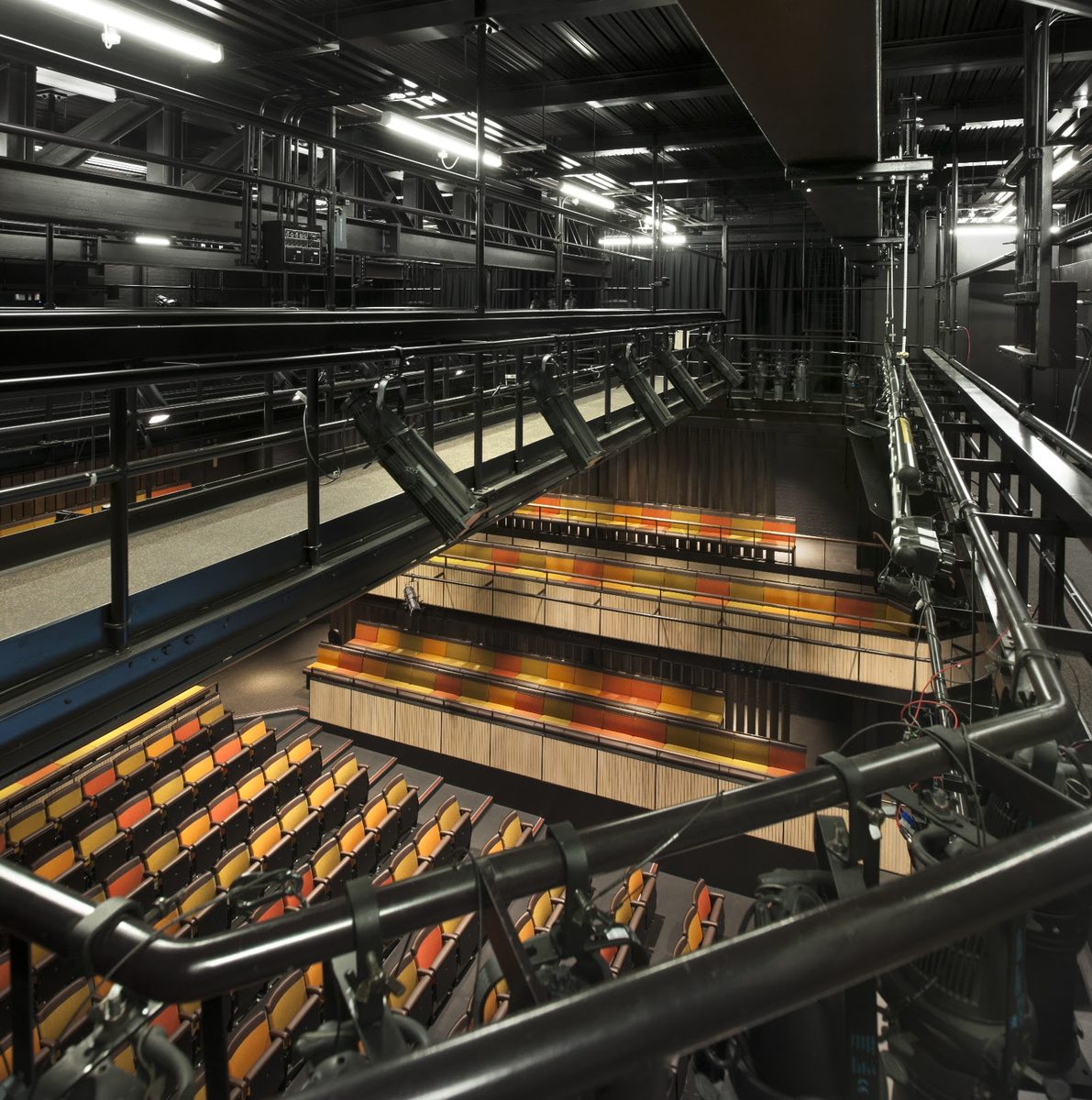
The Perse School
Cambridge · United Kingdom
Founded in 1615 as a free grammar school, Cambridge's oldest secondary keeps classics and coding on equal footing en route to Oxbridge.
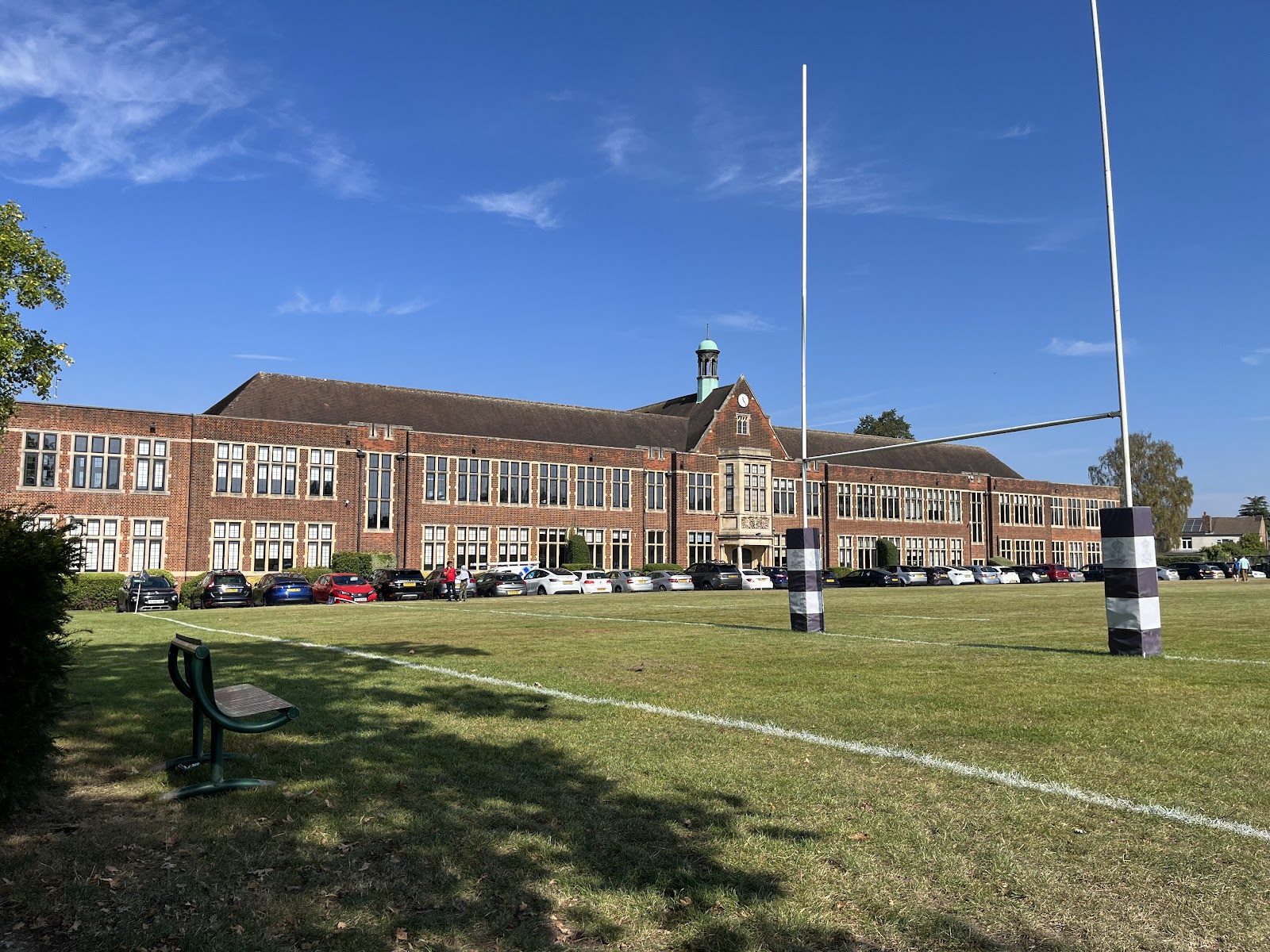
Queen Elizabeth's School, Barnet
Barnet · United Kingdom
A 1573 royal charter grammar school that still tops England's grammar-school A-level tables -- and is now exporting its model to Dubai.
Merchant Taylors' School
Northwood · United Kingdom
A 1561 City livery-company foundation now spans 285 Art Deco acres near Northwood, its GCSE grades among England's top one percent.
Same country and curriculum — closest matches within ±10 points either way