
Greater Manchester
Founded in 1515 as a free grammar school, this Rusholme day school still funds over 200 bursary places every year.

Photo © Manchester Grammar School via Google Maps
Type
Day
Ages
7–18
Curriculum
British
Qualifications
A-Level
Ratio
10:1
The Verdict
Editor's commitment
Right for
Academically ambitious boys: founded in 1515, 89% of 200 leavers reached top-100 universities, with 26 to Oxford or Cambridge.
Wrong for
Families wanting co-education, boarding or a softer pace; this is an Anglican day school for boys aged 7-18.
Watch out for
The average annual fee is £19,809, and 200+ bursaries matter because demand for a 10:1 school runs hard.
Ranking breakdown
Manchester Grammar School · #38 of 1591
Composite score 79.8. 8 weighted criteria.
By criterion
Academic Outcomes
Weight 20%
#91
of 1529 scored
University Placement
Weight 16%
#59
of 1529 scored
Prestige & Heritage
Weight 12%
#53
of 1571 scored
Alumni Network
Weight 12%
#25
of 1530 scored
Facilities
Weight 12%
#329
of 1534 scored
Transparency & Communications
Weight 8%
#153
of 1532 scored
Peer & Industry Review
Weight 10%
#116
of 1548 scored
Admissions Selectivity & Demand
Weight 8%
#120
of 1529 scored
Score history
Manchester Grammar School · 2026
Movement across 2024–2026. Peer average overlaid.
Overall — 2024–2026
79.8/ 100
▲ +20.8 vs 2025
year on year
Peer & Industry Review
How Manchester Grammar School is regarded in the sector
88
Strong · high confidence
Manchester Grammar School sits among the handful of independent schools with a genuinely national, rather than merely regional, reputation, with the Good Schools Guide describing it as one of the UK's top independent schools for boys with a global reputation for academic excellence. WhichSchoolAdvisor's review confirms it attracts some of the most academic and bright male students in Northern England, while highlighting a bursary programme supporting roughly 220 boys as evidence of genuine social breadth rather than marketing gloss. Its five-century history, a strong Oxbridge pipeline, and an alumni roll running from Sir Ben Kingsley to Nobel laureate John Polanyi give it the kind of peer recognition that smaller independents lack. Coverage is consistently positive across specialist school-review outlets, though much of it reads more as descriptive profiling than critical appraisal.
Editors' overview
Manchester Grammar School earns its place on a shortlist for one reason above all: it still operates at the point where academic ambition, intellectual range and social purpose meet. This is a boys’ day school in Rusholme, founded in 1515, with a British curriculum, a 10:1 student-teacher ratio and average classes of 18. Those numbers matter. They support close teaching without the hothouse smallness that can narrow a school’s life. The school’s public story is unapologetically academic, and the outcomes support it: in the 2024 leavers’ cohort of 200, 89% went to top-100 universities, with 26 to Oxbridge and 70 to Russell Group institutions. That is a hard-driving destination profile. It suits boys who want scholarship taken seriously and who are happy to be measured against a strong peer group.
What separates MGS from many academically selective independents is that the bursary tradition is not decorative. The school states that it funds 200+ full-fee bursaries every year, and that shapes the institution’s market position as much as the exam culture does. At an average annual day fee of £19,809 across ages 7 to 18, it is expensive, but not at the outer edge of the independent day-school market; the bursary commitment also gives it a credible social-mobility claim that many rivals cannot match. The alumni bench is deep, with at least 321 notable former pupils catalogued in Wikidata across politics, science, journalism, business and the arts. Parents looking for a school with cultural reach as well as academic muscle will clock that quickly.
This is not the right fit for every boy. MGS is for the restlessly able, the boy who enjoys ideas, copes well with competition and wants a school where academic seriousness is normal rather than niche. The school also advertises breadth with 300+ trips a year and strong activity in music, drama and sport, which matters because a place this academic needs outlets beyond the timetable. Families wanting a gentler, less selective atmosphere, or a co-educational setting, will find better options elsewhere. Families who want a fiercely academic boys’ school with real teaching density, strong university outcomes and a bursary programme that still carries weight will find MGS one of the clearest propositions in the north of England.
Academic Performance
Academic performance is the engine here, not a side benefit. The published exam profile places MGS in the top tier of academically selective day schools: at GCSE, 46% of grades hit 9, and 84% landed in the 9–7 range; at A level, 69% of grades were A–A and 92% were A–B. Those are elite numbers by any serious benchmark, and they matter more than glossy claims about “all-round excellence”. They show a school that converts selective intake into hard public outcomes. The Oxbridge offer count reinforces that point, but the stronger academic signal is breadth: high performance across the grade distribution, not just a handful of stars at the top.
Relative to peers, MGS sits with the country’s hard-driving independent academic schools rather than the merely good regional favourite. It does not publish the kind of forensic contextual breakdown that would let parents test value added in detail, and that is a gap. Even so, the public results are strong enough to place it in the national conversation, not just a Manchester one. The risk is obvious: a school with this level of academic pressure will suit boys who thrive on pace, competition and external measurement, and will jar with those who need a looser or more nurturing rhythm. For the right pupil, though, the examination record is seriously convincing.
Facilities
The school foregrounds two facility strengths: scale of enrichment and the infrastructure to sustain it. More than 300 trips a year is not a decorative add-on; it points to serious organisational capacity and to departments that work beyond the classroom. Music, drama and sport also sit high in the school’s own account of pupil life, and recent notices reinforce that those areas are active rather than token. For a school this academically intense, that matters. The practical test of facilities is not whether there is a theatre, a hall or a sports pitch on a map, but whether pupils are using them hard and often. On that measure, MGS reads as well-equipped for busy boys and *far broader than the exam factory caricature*.
Against close peers in the independent day-school market, the picture is strong but not fully transparent. We have clear signs of serious provision in performance, sport and academic extension, plus evidence of conference hosting and free online courses, which points to a campus with enough specialist space and technical support to do more than run lessons. What the school does not publish here is a clean, parent-facing breakdown of buildings and specialist rooms in the way some rivals do. That is a weakness in communication, not a sign of thin provision. Parents comparing top academic day schools will still put MGS in the properly resourced bracket, though schools with more explicit estate detail make the comparison easier.
Manchester Grammar School earns its place on a shortlist for one reason above all: it still operates at the point where academic ambition, intellectual range and social purpose meet
Prestige
MGS carries serious national prestige. That status does not rest on old stone, blazers or self-congratulation; it rests on durable proof that the school has influenced British public life for generations and still sends boys into the country’s most competitive universities in force. The alumni roll is the clearest signal. A school that can point to 321 notable former pupils across politics, science, journalism, business and the arts has institutional reach far beyond its own gates. That breadth matters. Some schools produce a narrow strip of City and Oxbridge success; MGS has a deeper intellectual footprint, with scholars, writers, ministers and cultural figures in the mix. For parents, that translates into a school name that carries weight in admissions rooms, interview settings and professional networks.
The second reason for the rating is that MGS combines prestige with earned authority. Its university destinations are not anecdotal, and the school’s public exam record confirms that this is a place where high reputation is backed by hard attainment. Add the scale of its bursary provision — more than 200 fully funded places each year — and the prestige sharpens rather than softens. This is not just inherited status for the already affluent; it is a school that still links academic selection with social mobility in a way many famous independents no longer do. That gives MGS a rarer kind of prestige: not just historic, not just academic, but morally credible too.
This is a boys’ day school in Rusholme, founded in 1515, with a British curriculum, a 10:1 student-teacher ratio and average classes of 18
Communications
MGS communicates with parents in a disciplined, institutional way. The website is busy but informative: news is updated constantly, results are published with real grade detail, and the school does not hide behind vague congratulation when it has hard outcomes to show. That matters. Parents can track the life of the school through frequent items on academic results, performances, charity events, leadership appointments and pupil achievement beyond the classroom. The social feed adds immediacy, with rapid posting around public examinations and co-curricular success. The volume of activity on show — including 300+ trips a year and 200+ full-fee bursaries — also tells parents something important about communication inside the school: a programme that complex needs tight operational messaging to function.
The weakness is tone. MGS writes with institutional confidence and sometimes with high-polish school-speak, which can blur into self-congratulation. There is a lot of celebrating success, and less plain-English explanation of day-to-day parent essentials than some rivals now provide. We have not seen a sharply organised parent-information architecture in the public-facing pages: things are active, but not always cleanly signposted. Nor does the school publish enough granular breakdown on areas such as academic value added or facilities detail, which leaves some parent questions unanswered. Even so, the overall standard is strong and credible. This is not chaotic communication. It is the communication style of a fast-moving, academically exacting school that expects parents to keep up.
Uniqueness
What marks MGS out is the way it still binds selective academic intensity to a live social mission. Plenty of famous boys’ schools trade on scholarship; far fewer still put substantial fee remission at the centre of the model. Here, more than 200 boys hold full-fee bursaries each year. That changes the internal culture. It widens the range of backgrounds in classrooms, checks some of the complacency that money can breed, and gives able pupils a sharper sense that admission is earned. For students, the benefit is not just access for bursary holders. It is a school atmosphere with *more edge, more seriousness and more social range* than the polished comfort of many independent rivals.
The other distinguishing feature is scale without dilution. MGS is a big-hitting boys’ day school with a national profile, yet it still runs on close teaching and a strong departmental life rather than anonymous mass. The flow of 300+ trips a year captures that well: this is a school that expects boys to do more than sit exams, and has the machinery to move them into competitions, performances, fieldwork and wider intellectual life. Add the steady stream to top universities and the alumni depth across public life, science and culture, and students get something concrete: a serious peer group, demanding adult expectations, and a network that stretches well beyond school. The price of that distinctiveness is obvious. This is not a soft landing for diffident children or boys who need constant hand-holding.
They support close teaching without the hothouse smallness that can narrow a school’s life
Student Profile
The boy who thrives here is bright, self-propelled and comfortable in a room full of other able boys. MGS suits pupils who enjoy argument, read beyond the syllabus and treat hard work as normal rather than punitive. It is not for the faint-hearted. This is a selective boys’ school with a strong competitive current, and that shapes the peer group as much as any mission statement does. Students who need constant reassurance, softer pacing or a less comparative culture will find the atmosphere wearing. Students who like intellectual pressure and want classmates who raise the bar will fit. The school’s class sizes and staffing profile support real teacher contact, but the emotional weather still runs demanding rather than cosseting.
There is a second side to the student profile, and it matters. The bursary commitment means the intake is not just a fee-paying enclave; the school draws boys whose places rest on academic merit and family means as well as those from affluent households. That mix gives MGS more social range than many prestigious independents and checks some of the complacency that can creep into old, high-status schools. The result is a student body with serious academic intent and a sharper sense of earned place. Boys who will use the school well are the ones who want a full life, not just top grades: the culture prizes service, performance, sport and intellectual stretch alongside classroom achievement. For the right child, that mix is formidable.
It suits boys who want scholarship taken seriously and who are happy to be measured against a strong peer group
Co-curricular strengths
Arts & sport, on a separate axis
Overall 7.6/10
Scored 0-10 from the school's own published evidence. This axis is editorial-only — it does not feed the main WTS ranking.
Sports
8.5/10
Elite regional day athletic pipeline anchored by the massive, professional-grade Mike Atherton Sports Hall.
Drama
8.5/10
Dedicated on-campus public theater with a permanent tech crew; famous for producing a long lineage of BAFTA-winning talent.
Dance
4/10
Addressed strictly as an auxiliary tool for physical performance inside drama clubs rather than an independent elective.
Music
9/10
Deeply institutionalized wind orchestras and traditional choirs that perform at premier Manchester civic music venues.
Visual Arts
8/10
Highly academic studio layouts tracking advanced student portfolios in fine oils and heavy pottery.
Editor-verified · 8/7/2026
Outcomes & destinations
Where students go next
Editorial estimateClass of 2024
200 graduates
A-Level distribution
98% covered
- A*44%
- A30%
- B20%
- C4%
Top destinations
96 placements
- Oxford· 14
- Cambridge· 12
- Manchester· 24
- Leeds· 14
- Sheffield· 10
- Warwick· 8
- Durham· 8
- UCL· 6
The largest independent day school in the UK; strong North-of-England Russell Group flow.
Editor-approximated from the school's own leavers report. Awaiting school-attested figures.
Notable alumni · Wikidata
321notable alumni
209 historic (born pre-1930) · 21 modern (born post-1970)wikidata:2026-07-28 How we source this
The story in one line
61% achieved ≥ AAB in 2+ facilitating subjects·ISI Routine Inspection 2024
AAB with 2 facilitating subjects is the Department for Education's published predictor of admission to a top-third UK university: the pupil has scored high grades in at least two of the classic Russell-Group subjects (maths, sciences, English, history, geography, or a modern language). Independent schools don't appear in the state-only HE-destinations dataset, so this is the strongest DfE-verified sixth-form signal available. Source: DfE 16-18 school and college performance data · 2023/24. Value-added +0.22
DfE-verified statistics
Official GCSE data · 2024/2025
Progress 8
—
Value-added score. State-schools only; 0 = expected progress, +1 = one grade above.
Attainment 8
42.9
Average grade across 8 GCSEs (score out of 90). National ≈ 46.
EBacc average score
2.43
Avg grade across the 5 EBacc pillars (English, Maths, Sciences, Language, Humanity).
EBacc slots filled
1.7
How many of the 5 EBacc pillars pupils typically enter (max 5).
A-Level attainment
Cohort · 2023/24
Avg A-Level grade
A
APS per entry: 48.41
Best 3 grade
A
Best-3 APS: 49.65
≥ AAB + 2 fac.
60.6%
Russell-Group predictor.
Progress (value-added)
+0.22
Above average
Read with care. Independent schools frequently sit IGCSEs or Pre-U qualifications instead of standard GCSEs — DfE data only counts standard GCSEs, so these numbers may reflect a partial cohort. For a fuller picture, cross-check with the school's own annually-published results.
URN 105591Verified · DfE 2024/2025
Official inspection
ISI report · 2024
Inspectorate
Independent Schools Inspectorate
The Government-approved inspectorate for English independent schools.
Latest report
23 January 2024
Routine Inspection
Report history
Verified · Independent Schools InspectorateSource-of-truth

WTS 300 badge
2025/26 editionManchester Grammar School is one of the World's Top 300 Schools for 2025/26. Claim your listing to add it to your site →
Strengths
- +Strong published results: the 2025 A-Level cohort achieved 74.4% A*-A and 37.4% A*, while at GCSE 87.9% of grades were 9-7 and 73.5% were 9 or 8 (school website).
- +The January 2024 ISI inspection found the school compliant against all regulatory standards, with pupils consistently achieving public-examination results far above national averages.
- +Distinguished alumni include Nobel laureate John Charles Polanyi, mathematician Sir Michael Atiyah, actors Sir Ben Kingsley and Robert Powell, and screenwriter Robert Bolt.
- +Means-tested bursaries offer substantial support, with around 200 full-fee bursaries awarded each year and full remission for households on the lowest incomes.
- +One of England's oldest schools, founded by Hugh Oldham in 1515, and today the largest independent day school for boys in the United Kingdom.
Considerations
- −MGS is a single-sex school for boys only, so it is not an option for families seeking co-education.
- −Entry is competitive, with successful candidates generally scoring in the top quartile nationally, meaning unprepared applicants are unlikely to succeed.
- −There is no merit-based route to reduced fees, as academic scholarships are not available; financial help is restricted to means-tested bursaries.
- −As a large day school with over 1,600 boys, the environment may feel less intimate than smaller independent day schools in the region.
Availability
Primary entry gate & tests
Entrance Exam + Interview
Gallery
Photo © Manchester Grammar School via Google Maps
Photo © Manchester Grammar School via Google Maps
Photo © Manchester Grammar School via Google Maps
Photo © Manchester Grammar School via Google Maps
Photo © Jacob Yau via Google Maps
Photo © Divine Star via Google Maps
Photo © Dj Tetro via Google Maps
Photo © Mars Denique Victor Est via Google Maps
Photo © Mars Denique Victor Est via Google Maps
Recommended reading
Independent write-ups of this school from editorial outlets we trust.
- Manchester Grammar SchoolGood Schools Guide
Parent reviews
Have you sent your child here?
Voice reviews carry the strongest trust badge — we transcribe them for you to tidy up before they go live. Prefer to type? A written review is fine too.
Add your voice
In 60 seconds, tell other parents: what's the best thing about Manchester Grammar School, and what surprised you when your child joined?
We ask for a Google sign-in so every review has a real face behind it — no anonymous drive-by attacks on schools, and no faked positive reviews. Your email is never shown publicly.
Send this profile to a friend
International parents rely on word-of-mouth. Share this review with someone weighing the same decision.
Schools with places
Similar schools to Manchester Grammar School with places available now.
Haberdashers' Boys' School
Elstree · United Kingdom
- 2026-27
- CLOSEDStandard route
- 2027-28
- PLACES OPENCloses Nov
The Perse School
Cambridge · United Kingdom
- 2026-27
- CLOSEDStandard route
- 2027-28
- PLACES OPEN11+/13+/16+ Active
Merchant Taylors' School
Northwood · United Kingdom
- 2026-27
- CLOSEDStandard route
- 2027-28
- PLACES OPEN11+/16+ Active (Closes Oct 31)
St Mary's School Ascot
Ascot · United Kingdom
- 2026-27
- CLOSEDStandard route
- 2027-28
- PLACES OPEN11+ Active; 13+ Closed
Availability first, then country, area, curriculum, price, co-curricular
Consider also
Also worth looking at alongside Manchester Grammar School.
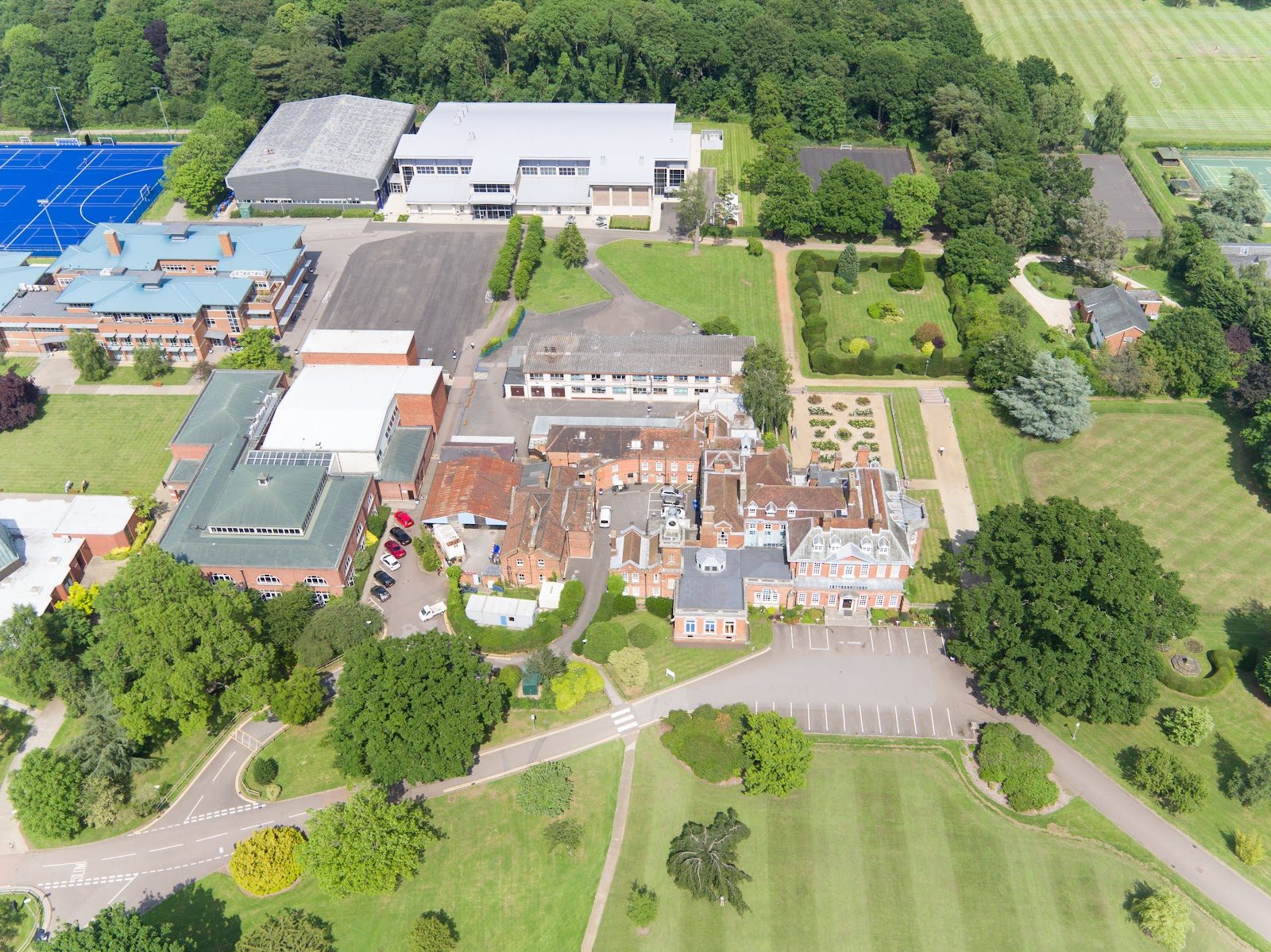
Haberdashers' Boys' School
Elstree · United Kingdom
A 104-acre green-belt campus and a 34-route coach network bring rigorous, Oxbridge-focused schooling within reach of London
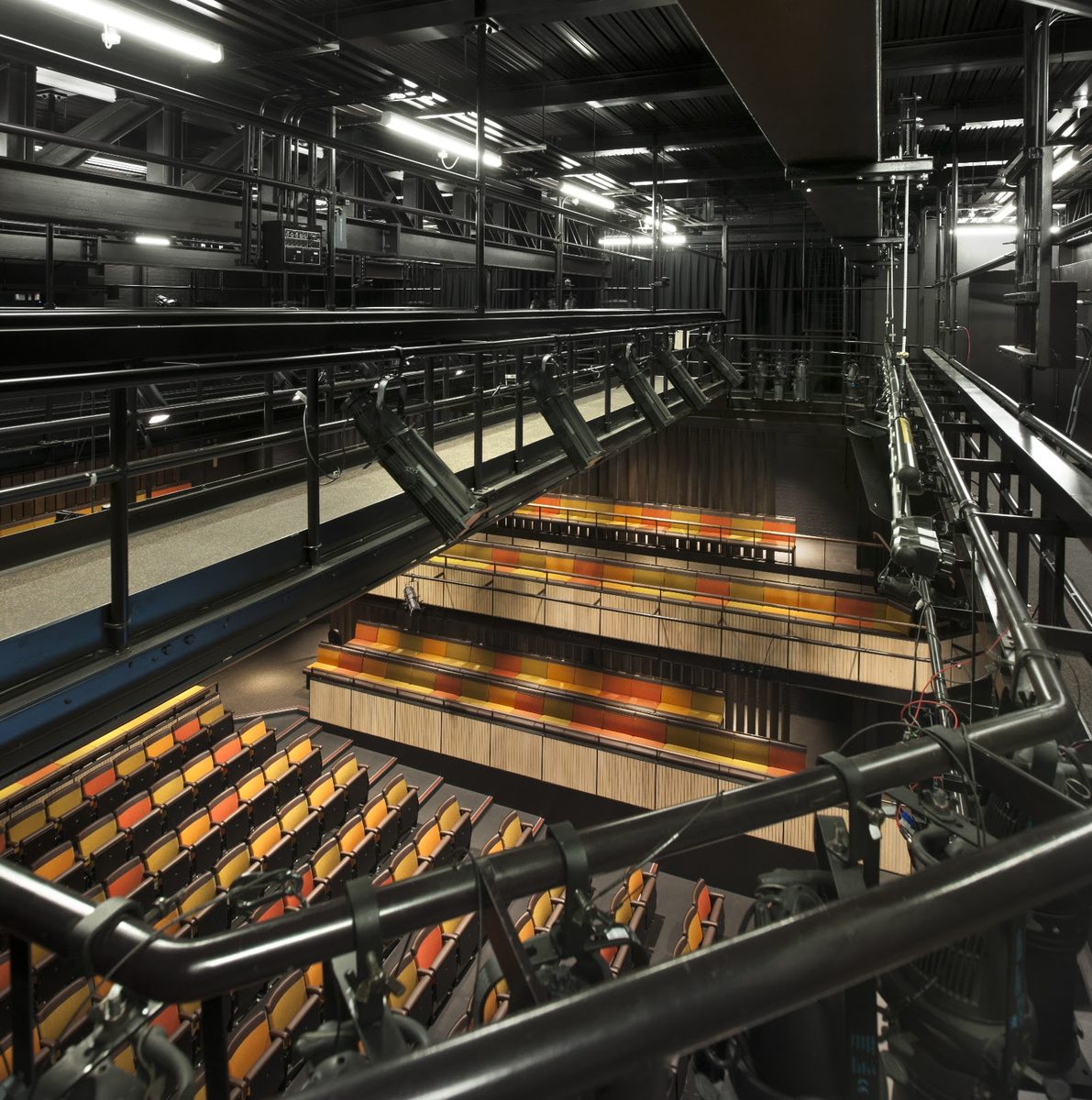
The Perse School
Cambridge · United Kingdom
Founded in 1615 as a free grammar school, Cambridge's oldest secondary keeps classics and coding on equal footing en route to Oxbridge.
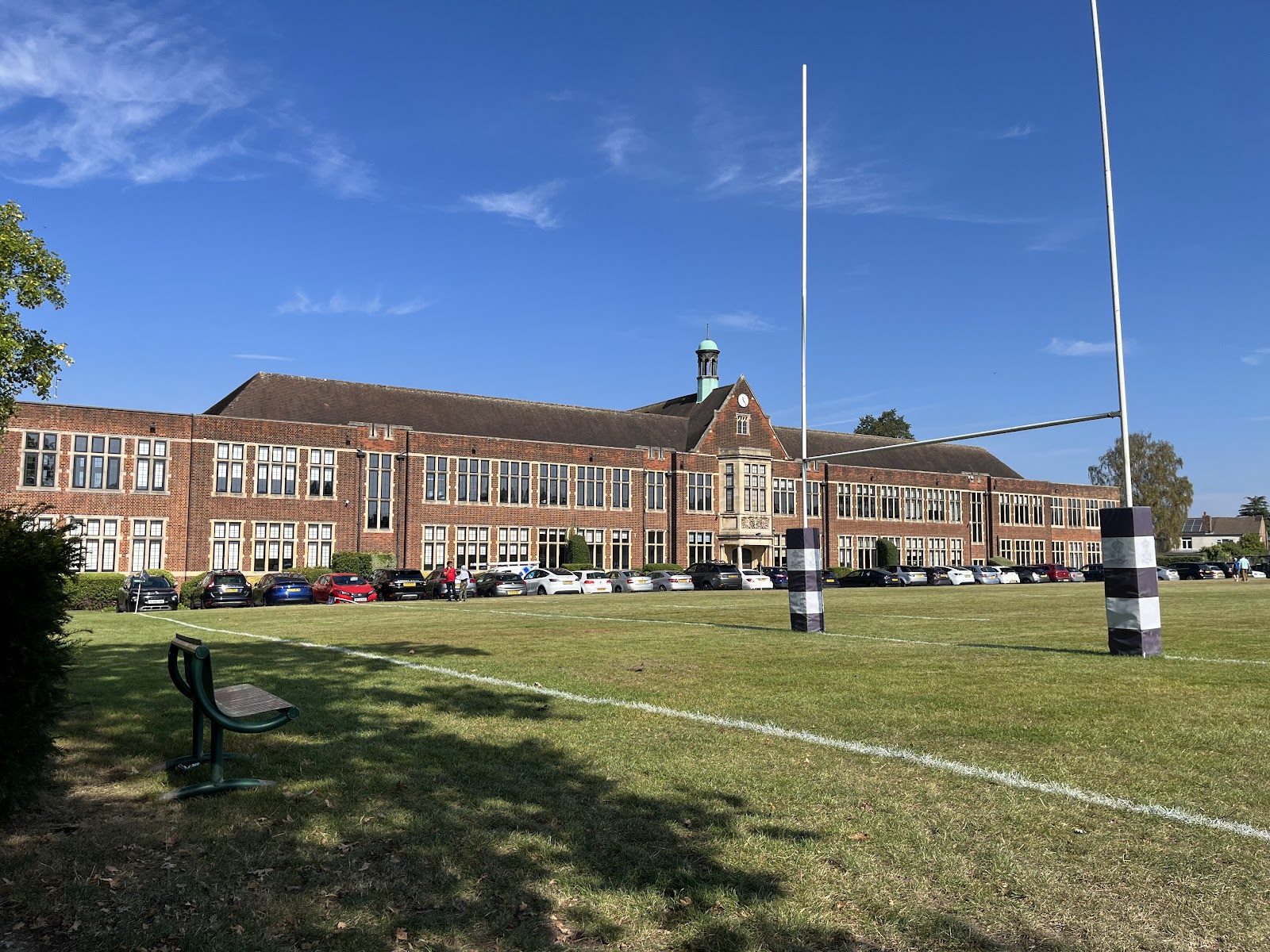
Queen Elizabeth's School, Barnet
Barnet · United Kingdom
A 1573 royal charter grammar school that still tops England's grammar-school A-level tables -- and is now exporting its model to Dubai.
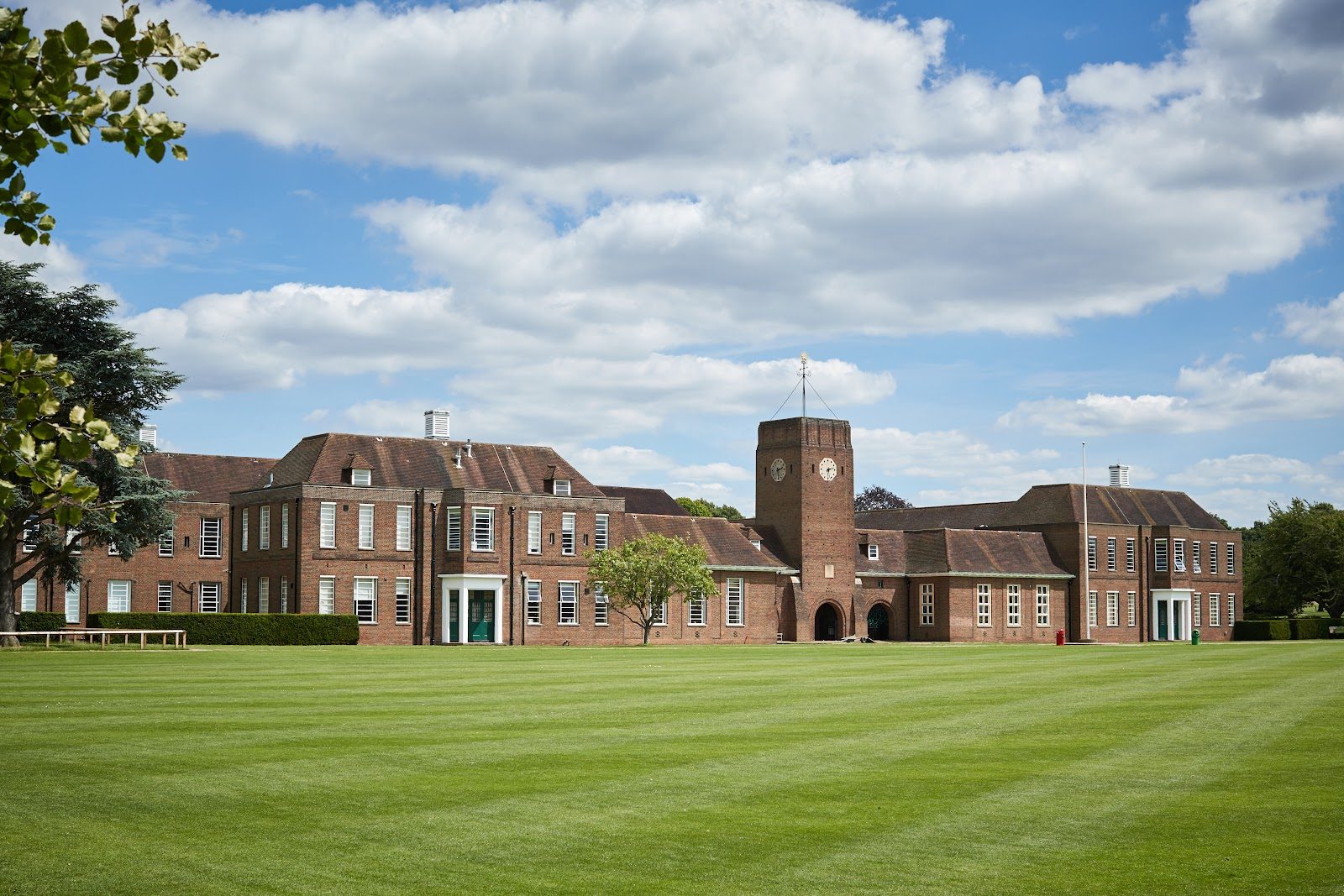
Merchant Taylors' School
Northwood · United Kingdom
A 1561 City livery-company foundation now spans 285 Art Deco acres near Northwood, its GCSE grades among England's top one percent.
Same country and curriculum — closest matches within ±10 points either way