
Hong Kong
Since 1860, this Kowloon institution has topped Hong Kong's Outstanding Student Awards tally for decades.
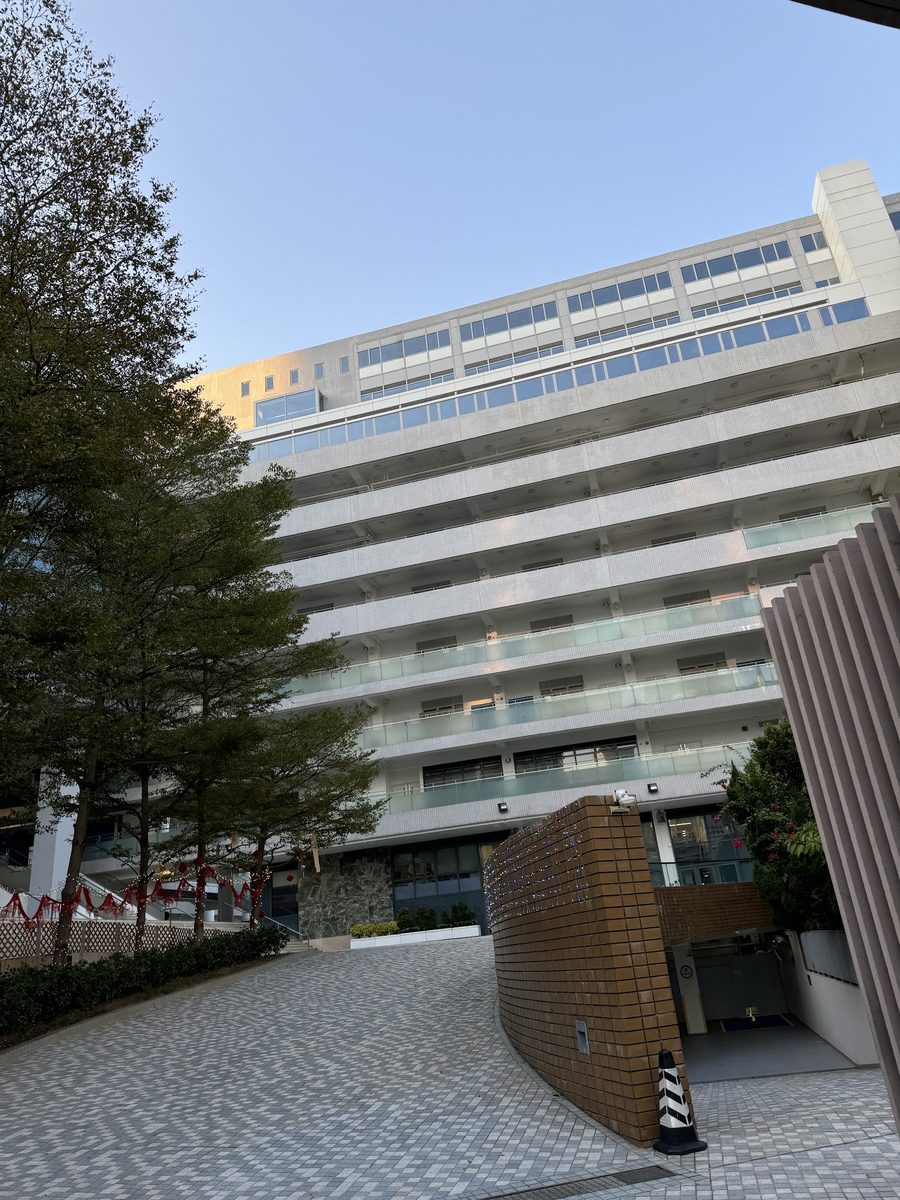
Photo © Yat Ching Lau via Google Maps
Type
Day
Ages
3–18
Curriculum
HKDSE
Qualifications
IB Diploma · HKDSE
Ratio
—
The Verdict
Editor's commitment
Right for
Girls who want a serious English-medium Anglican day school: founded in 1860, accredited by CIS and IBO, with Cambridge among recent destinations.
Wrong for
Families chasing a broad international curriculum menu; DGS declares HKDSE, not multiple pathways, and runs as a day school only.
Watch out for
Hong Kong prestige brings competition: 2026 produced straight 5** DSE scorers and 11 students with straight A* across four A Levels.
Ranking breakdown
Diocesan Girls' School · #42 of 1591
Composite score 79.9. 8 weighted criteria.
By criterion
Academic Outcomes
Weight 20%
#66
of 1529 scored
University Placement
Weight 16%
#59
of 1529 scored
Prestige & Heritage
Weight 12%
#92
of 1529 scored
Alumni Network
Weight 12%
#48
of 1529 scored
Facilities
Weight 12%
#352
of 1529 scored
Transparency & Communications
Weight 8%
#83
of 1529 scored
Peer & Industry Review
Weight 10%
#100
of 1529 scored
Admissions Selectivity & Demand
Weight 8%
#120
of 1529 scored
Score history
Diocesan Girls' School · 2026
Movement across 2024–2026. Peer average overlaid.
Overall — 2024–2026
79.9/ 100
▲ +21.8 vs 2025
year on year
Peer & Industry Review
How Diocesan Girls' School is regarded in the sector
87
Strong · high confidence
Diocesan Girls' School stands among Hong Kong's most consistently benchmarked academic institutions, a 165-year-old Anglican foundation whose standing is measured in hard numbers rather than marketing claims. Wikipedia's sourced entry notes DGS accounted for a total of 54 winners of the Hong Kong Outstanding Students Awards, ranking first among all secondary schools in Hong Kong, and outnumbering the combined number of winners of the next two schools, while its membership of the G20 Schools group formalises its place among the territory's recognised elite peer group. WhichSchoolAdvisor's review characterises it as a well-established all-girls school in Kowloon City that has been teaching the local curriculum for more than 140 years, and the Good Schools Guide (via South China Morning Post) confirms DGS students consistently achieve high academic results, with graduates pursuing tertiary education and many receiving scholarships and places at prestigious universities around the world. Its reputation is overwhelmingly local-academic rather than expat-international in character, which caps rather than diminishes its standing among specialist reviewers.
Editors' overview
The first thing to know about Diocesan Girls' School is that it still produces at the very top end of Hong Kong academic life. In 2026, two pupils took straight 5** across six HKDSE subjects, and 11 took straight A* across four GCE A Level subjects. That dual exam profile matters: the school context lists HKDSE as the declared curriculum, yet DGS still publicises A Level results alongside DSE results, which tells parents something important about the school’s academic culture. This is a campus built for hard-driving girls with serious examination range, not a soft, progressive experiment. The school’s record in Hong Kong’s Outstanding Student Awards, referenced in its own tagline, reinforces that picture: DGS has long turned out girls who win public honours, not just good transcripts.
There is more here than grades, though the ambition is unmistakable. The school is Anglican, English-medium, day-only, and spans ages 3 to 18, which gives families a single through-school in Kowloon rather than a sequence of admissions hurdles. It also holds both IBO and CIS accreditation, a useful marker of international credibility even though this is not an international school in the usual expatriate sense. Recent destinations are sparse but solid: the University of Cambridge, the University of Toronto, and the Bocconi–HEC Paris business dual degree. Add a verified minimum of 37 notable alumni in Wikidata, including 15 elite athletes, and the picture sharpens: this is a school with real civic and cultural heft in Hong Kong, not just a strong exam factory.
Parents should shortlist DGS if they want a girls’ school with serious competitive energy, deep local prestige, and a proven route into selective universities. They should also go in clear-eyed. This is not a gentle fit for a child who needs constant hand-holding, loose structure, or an anti-competitive ethos. The average annual day fee is HK$60,000, which places it in strikingly good-value territory for a school of this standing in Hong Kong. The pupil who thrives here is bright, resilient, disciplined and comfortable among other high achievers — a girl who wants stretch, expects standards, and will not be rattled by a demanding peer group.
Academic Performance
DGS sits in Hong Kong’s top academic tier. The school publishes individual top-end outcomes rather than full cohort tables, but even that partial picture is enough to place it among the territory’s hardest-driving girls’ schools. In the latest cycle, 11 pupils took straight A* grades across four GCE A Level subjects, and 2 took straight 5** across six HKDSE subjects. Those are not decorative prize anecdotes. They indicate genuine depth at the sharp end, with students posting clean, elite score profiles across two separate external examination routes. Relative to peers, that matters: many strong schools can point to a handful of top scorers in one system; fewer sustain serious examination breadth across both.
There is, however, one important limit. DGS does not publish the aggregate data that would let parents judge distribution across the whole cohort: no overall A Level grade profile, no full HKDSE subject breakdown, no share of candidates hitting the top local university threshold. That opacity stops short of weakening the school’s standing, but it does block a more forensic comparison with Hong Kong rivals that release fuller tables. Even with that caveat, the public results place DGS firmly in the exam-heavy elite: a school for girls who can handle sustained pressure, high internal competition and the expectation of converting ability into public results.
Facilities
The public picture on facilities is thinner than it should be for a school of this stature. DGS does not publish a clean, parent-facing overview of major specialist spaces, laboratories, theatres, sports provision or campus plan. What it does publish points to a school that uses outside high-grade venues intelligently and keeps pupils moving through serious academic, cultural and sporting settings: a musical performance at HKUST’s Shaw Auditorium, literary events under the Hong Kong International Literary Festival umbrella, an entrepreneurship tour through Shenzhen and HKUST Guangzhou, and exchange activity with schools from Australia, Singapore and Russia. That reads less like a self-contained resort campus and more like an urban academic engine that treats the city and the region as an extension of the school day. For ambitious older pupils, that is a real asset. For parents who want glossy, all-on-site abundance, it is a gap.
Against Hong Kong peer schools, that matters. Top-tier local independents and DSS rivals increasingly spell out their facilities in forensic detail because families expect to know exactly what they are paying for. DGS leaves too much unsaid. The sport record and performing arts activity indicate serious functional provision, not a token offer, and the cross-country results point to training structures that work. But without published detail on indoor sports space, aquatic facilities, dedicated arts venues or STEM infrastructure, DGS concedes ground on transparency to better-documented competitors. The school’s facilities case rests on outcomes and programme use rather than a showpiece campus narrative.
The first thing to know about Diocesan Girls' School is that it still produces at the very top end of Hong Kong academic life
Prestige
A Diocesan Girls’ School education carries first-rank local prestige. The name lands immediately in Hong Kong because it sits inside a small club of old, academically severe girls’ schools that feed the city’s professions, public life and cultural institutions. That standing is not nostalgia. It is renewed in public competition year after year. The school does not just collect strong exam outcomes; it places girls in visible, selective arenas where performance is judged outside the campus gates. In one recent awards cycle alone, pupils placed across sport, languages, performing arts and community contribution, with 6 named at the SCMP Student of the Year Awards. That breadth matters. It marks a school whose status rests on public accomplishment, not branding.
The prestige also has depth beyond school-age achievement. DGS has a verified minimum of 37 notable alumni catalogued in Wikidata, including a striking concentration in elite sport as well as the arts. That gives the school real social reach across Hong Kong life. Add regular international exchanges, external forums and institutional links with universities and visiting schools overseas, and the picture is clear: this is a high-status, high-expectation education with recognition well beyond its own parent body. The only check on the rating is transparency. DGS publishes enough to confirm elite standing, but not enough whole-cohort data to make the prestige fully evidence-rich on outcomes. Even so, in market terms this remains a blue-chip school name with enduring cachet.
Relative to peers, that matters: many strong schools can point to a handful of top scorers in one system; fewer sustain serious examination breadth across both
Communications
DGS communicates in a formal, news-bulletin style that tells parents what happened, who excelled and where pupils were taken. The website carries a steady stream of dated notices on exam outcomes, award wins, trips, exchanges, visiting schools and public events. That gives families a clear read on the school’s priorities: public achievement, academic seriousness, and a calendar packed with external engagement. There is no fluffy lifestyle copy. The tone is institutional, high-control and old-school. For existing parents, that can work well. You know when the school wants to mark success, and you get concrete names, categories and destinations rather than vague celebration. The cadence of updates across the school year also signals a disciplined administrative culture.
The weakness is breadth. This is not a richly explanatory parent-information operation. DGS says plenty about honours and activities, but much less about the everyday mechanics parents often care about: pastoral systems, routine academic reporting, learning support structures, facilities detail, or the full shape of cohort outcomes. The communication style is strong on announcements and weaker on interpretation. That suits a school with a self-confident reputation and a parent body that does not need hand-holding. It is less helpful for families trying to interrogate the school before applying. In practice, DGS communicates effectively if you want evidence of standards and momentum; it communicates less effectively if you want forensic transparency about how the place works day to day. The public-facing message is clear. The deeper parent brief is too thin.
Uniqueness
What sets DGS apart is not one programme or one glossy specialism. It is the school’s rare ability to operate as a local grammar school and an outward-facing international institution at the same time, without diluting either side. The recent calendar is telling: a girls’ education symposium tied to the school’s anniversary, a Greater Bay Area entrepreneurship tour with HKUST, literary festival sessions with overseas and Hong Kong authors, science forum participation in Singapore, and exchanges with schools in Melbourne and Singapore. This is not enrichment bolted onto an exam machine. It is a disciplined widening of horizon for academically strong girls who need more than classroom drill. The result for students is breadth with edge: exposure to public speaking, cross-border travel, intellectual culture, and high-level peer comparison beyond their own year group.
The second point of difference is the school’s *institutional seriousness about female achievement* as a public matter, not a private confidence-building exercise. The anniversary symposium on girls’ education made that explicit, and the school’s public celebration of external awards across sport, languages, arts and community contribution reinforces it. For a pupil, that brings a powerful message: excellence here is expected to travel beyond exams and beyond campus. The upside is formidable stretch, ambition and self-command. The trade-off is clear too. This is a school that rewards girls who want to test themselves in public, compete hard, and hold their nerve among other high performers. For the right child, that is 165 years of institutional memory turned into daily expectation.
That opacity stops short of weakening the school’s standing, but it does block a more forensic comparison with Hong Kong rivals that release fuller tables
Student Profile
The girl who fits DGS is bright, self-propelled and calm under pressure. She does not need constant reassurance, and she will not wilt in a room full of other able pupils. This is a place for students who take competition in stride, convert correction into improvement and keep going when the pace hardens. The school’s public life gives the clue: pupils are pushed into external arenas, from high-level science forums and literary events to exchange programmes and major student awards. A girl who enjoys testing herself in public, not just doing well in class, will find that deeply energising. A girl who prefers anonymity, soft edges or a low-pressure culture will not.
The strongest fit is an all-rounder with stamina. DGS rewards girls who can sustain academic effort while carrying music, sport, languages, public speaking or service without drama. The recent pattern of recognition across cross-country, performing arts, linguistics and community contribution points to a student body with serious range, not one built around a single narrow type of high achiever. The social environment will suit pupils who are disciplined, articulate and comfortable with institutional formality. It will not suit families looking for heavy pastoral cushioning or a school that normalises underperformance. In blunt terms: this is a high-expectation school for girls who want stretch, can handle scrutiny, and are ready to measure themselves against the best.
In 2026, two pupils took straight 5 across six HKDSE subjects, and 11 took straight A across four GCE A Level subjects
Co-curricular strengths
Arts & sport, on a separate axis
Overall 8.6/10
Scored 0-10 from the school's own published evidence. This axis is editorial-only — it does not feed the main WTS ranking.
Sports
8.8/10
Fierce competitor in Hong Kong's inter-school leagues, maintaining a legendary decades-long dominance in swimming and athletics.
Drama
8.5/10
Ambitious bilingual theater department producing intellectually complex, high-production plays in English and Chinese.
Dance
8/10
Exceptionally high standard; the Chinese and contemporary dance troupes routinely capture gold awards at the Hong Kong Schools Dance Festival.
Music
9/10
World-class musical giant; its symphony orchestra, string orchestra, and multiple choirs consistently win international competitions.
Visual Arts
8.7/10
Highly academic visual arts tracking combining traditional fine art techniques with advanced digital design and portfolio curation.
Editor-verified · 8/6/2026
Outcomes & destinations
Where students go next
Class of 2026
Top destinations
19 placements
- University of Toronto· 1
- Università Bocconi & HEC Paris Business School dual degree· 1
- University of Cambridge· 1
- University of Edinburgh· 1
- Imperial College London· 1
- King's College London· 1
- London School of Economics· 1
- University of Oxford· 1
- Royal Veterinary College· 1
- University College London· 1
- Boston College· 1
- Bowdoin College· 1
- Columbia University· 1
- Duke University· 1
- UC Berkeley· 1
- UCLA· 1
- UC San Diego· 1
- University of Michigan· 1
- University of Southern California· 1
Reported by the school. Confirm with admissions.
Notable alumni · Wikidata
37notable alumni
1 historic (born pre-1930) · 25 modern (born post-1970)wikidata:2026-07-28 How we source this
WTS 300 badge
2025/26 editionDiocesan Girls' School is one of the World's Top 300 Schools for 2025/26. Claim your listing to add it to your site →
Strengths
- +Founded in 1860, DGS is one of the oldest girls' schools in Hong Kong, giving it deep alumni networks and institutional history.
- +By 2025 the school accounted for 54 winners of the Hong Kong Outstanding Students Awards, ranking first among all secondary schools in the territory.
- +Students may follow either the HKDSE or the GCE A-Level pathway from Secondary Five, giving families a dual-curriculum exit route toward local or overseas universities.
- +As a Direct Subsidy Scheme school, annual local tuition is a fraction of international-school fees, with no debenture or capital levy required.
- +Facilities include an indoor swimming pool, gymnasium, 1,400-seat auditorium and dedicated music spaces, supporting a strong choir, orchestra and ensemble programme.
Considerations
- −It is a single-sex school, which will not suit families seeking co-education for their daughters.
- −Entry is highly selective and competitive, based on academic performance, interviews and portfolio review rather than automatic local intake, making places hard to secure mid-cycle.
- −Non-local (expat) tuition fees are substantially higher than the local rate, running to over HKD 118,000-131,000 a year depending on form, reducing the DSS cost advantage for relocating families.
- −Core teaching leans heavily on the local HKDSE system and Cantonese/Chinese-language subjects, which can be a steep adjustment for children arriving with no Chinese-language background.
Availability
Primary entry gate & tests
Academic + Multi-Interview
Gallery
Photo © PinkBloxtern YT (Bloxtern) via Google Maps
Photo © Svart Ryokōsha via Google Maps
Photo © PinkBloxtern YT (Bloxtern) via Google Maps
Photo © Wai Ki Wong via Google Maps
Photo © Wai Ki Wong via Google Maps
Photo © Wai Ki Wong via Google Maps
Photo © Tang Enzzo via Google Maps
Photo © Wai Ki Wong via Google Maps
Photo © Wai Ki Wong via Google Maps
Recommended reading
Independent write-ups of this school from editorial outlets we trust.
- Diocesan Girls' School — review on WhichSchoolAdvisorWhichSchoolAdvisor
Parent reviews
Have you sent your child here?
Voice reviews carry the strongest trust badge — we transcribe them for you to tidy up before they go live. Prefer to type? A written review is fine too.
Add your voice
In 60 seconds, tell other parents: what's the best thing about Diocesan Girls' School, and what surprised you when your child joined?
We ask for a Google sign-in so every review has a real face behind it — no anonymous drive-by attacks on schools, and no faked positive reviews. Your email is never shown publicly.
Send this profile to a friend
International parents rely on word-of-mouth. Share this review with someone weighing the same decision.
Schools with places
Similar schools to Diocesan Girls' School with places available now.
Hong Kong International School
Hong Kong · Hong Kong
- 2026-27
- WAITPOOLVacancy-dependent
- 2027-28
- PLACES OPENPriority 1 Oct/1 Nov
German Swiss International School
Hong Kong · Hong Kong
- 2026-27
- PLACES OPENRolling
- 2027-28
- PLACES OPENRolling
Kellett School
Hong Kong · Hong Kong
- 2026-27
- WAITPOOLSpace-dependent
- 2027-28
- PLACES OPENRolling
Harrow International School Hong Kong
Hong Kong · Hong Kong
- 2026-27
- WAITPOOLSpace-dependent
- 2027-28
- OPENS SOONOpens 1 Sept '26
Availability first, then country, area, curriculum, price, co-curricular
Consider also
Also worth looking at alongside Diocesan Girls' School.
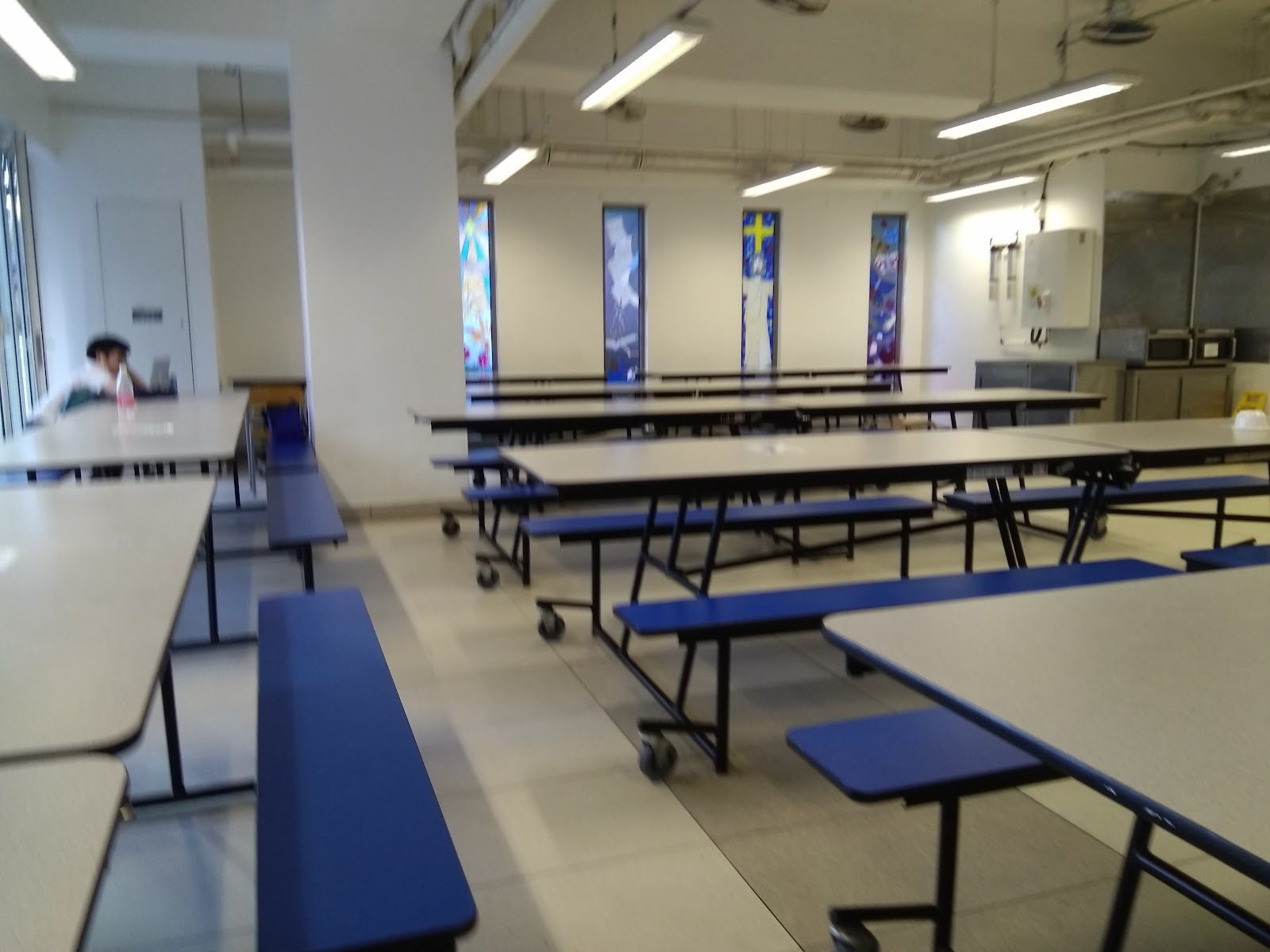
St. Paul's Co-educational College
Hong Kong · Hong Kong
Hong Kong's first co-educational school runs DSE and IB side by side on its Mid-Levels campus, posting the city's top IB averages.
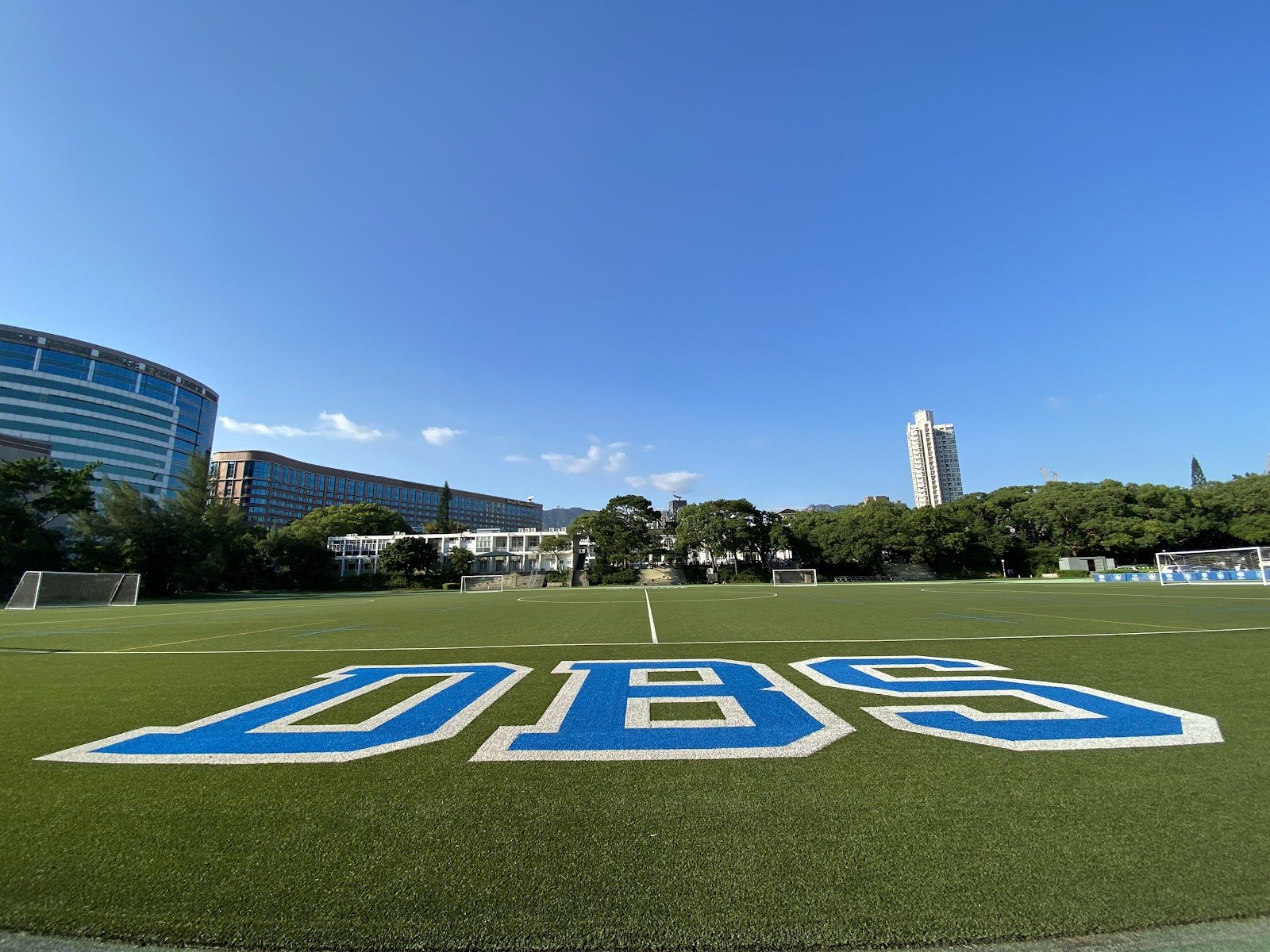
Diocesan Boys' School
Hong Kong · Hong Kong
Founded in 1869 on Kadoorie Hill, this Anglican foundation runs parallel IB and HKDSE tracks around a rare full-size sports field in Kowloon.
Chinese International School
Hong Kong · Hong Kong
Equal parts English and Mandarin from day one, capped by a mandatory immersion year in Hangzhou before the IB Diploma.
La Salle College
Kowloon City · Hong Kong
Rebuilt after wartime requisition as a hospital, this Kowloon City boys' school still runs on Lasallian discipline and DSE top-scorers.
Same country and curriculum — closest matches within ±10 points either way