
Minato-ku
Azabu Junior and Senior High School
low confidence· 6/6 cats · 1.33 avg sourcesNo uniforms, no rulebook, just self-directed rigor on a Minato hilltop that sends a third of graduates to Tokyo University.
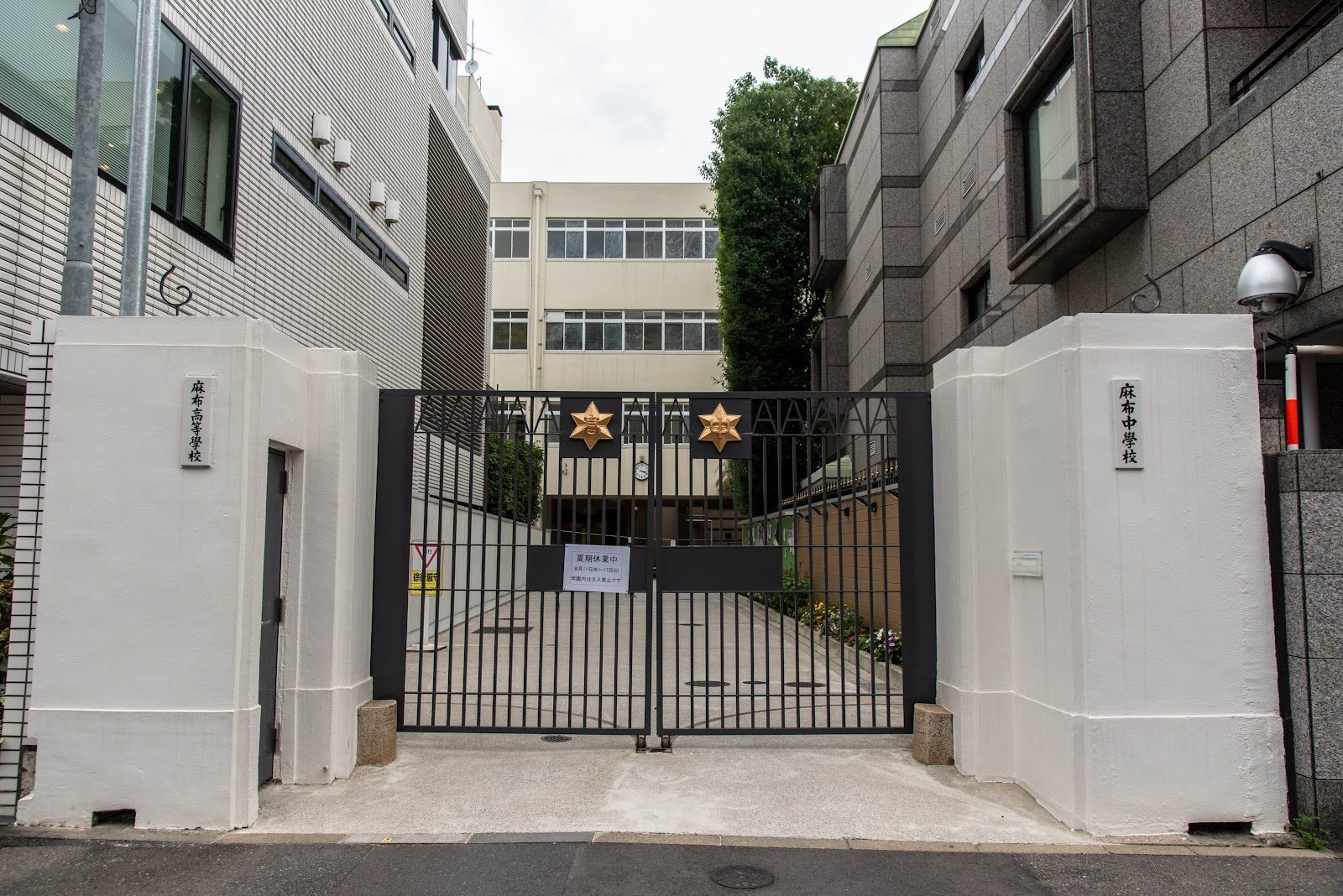
Photo © Masahiko Motono via Google Maps
Type
Day
Ages
12–18
Curriculum
Japanese National
Ratio
—
The Verdict
Editor's commitment
Right for
Boys aged 12–18 who relish six years of Japanese-medium, self-directed study; Azabu has run its junior-senior model since 1947–48.
Wrong for
Families wanting co-education, boarding or close supervision: this is a boys' day school in Minato with average classes of 40.
Watch out for
Founded in 1895, Azabu prizes freedom and autonomy; that culture rewards initiative and exposes any child who needs firm daily structure.
Ranking breakdown
Azabu Junior and Senior High School · #45 of 1591
Composite score 79.8. 8 weighted criteria.
By criterion
Academic Outcomes
Weight 20%
#31
of 1529 scored
University Placement
Weight 16%
#41
of 1529 scored
Prestige & Heritage
Weight 12%
#92
of 1529 scored
Alumni Network
Weight 12%
#43
of 1529 scored
Facilities
Weight 12%
#741
of 1529 scored
Transparency & Communications
Weight 8%
#204
of 1529 scored
Peer & Industry Review
Weight 10%
#175
of 1529 scored
Admissions Selectivity & Demand
Weight 8%
#51
of 1529 scored
Peer & Industry Review
How Azabu Junior and Senior High School is regarded in the sector
84
Strong · medium confidence
Azabu is consistently ranked among Japan's top three private boys' schools (alongside Kaisei and Toko) in Tokyo University entrance-rate league tables published annually by Weekly Diamond, Toyo Keizai, and Sunday Mainichi, and is routinely cited in Japanese specialist education press as a benchmark 'elite' secondary school. Its alumni network includes prominent business and political figures, reinforcing strong peer and domestic media reputation, though it has limited visibility in Western expat-parent guides (Tatler/Good Schools Guide) since it is a Japanese-only, non-international school.
Evidence sources
Editors' overview
Azabu occupies a rare niche in Tokyo: an elite boys’ day school that rejects the machinery of visible control. No uniforms, no obsession with polishing behaviour into a brand asset, no appetite for spoon-feeding. Founded in 1895, it has had more than a century to refine a culture built around 自主自立 — self-direction and independence — and that principle still defines the place. The school runs a six-year junior-senior structure under the Japanese National curriculum, with teaching in Japanese, and it states plainly that “rich human development” sits at the centre of its secondary education. That matters. Plenty of academically strong schools talk about character; Azabu ties it to a freewheeling intellectual culture, a *deep-rooted trust in adolescent judgement*, and a timetable designed to draw out motivation, thought, creativity and sensitivity.
What puts Azabu on a shortlist is the combination of status and restraint. This is a private preparatory school for boys aged 12–18 in Minato, with average classes of 40, yet the public identity is strikingly unvarnished. The school’s own account stresses a large full-time teaching body and year teams of 14 staff members, covering both academic and pastoral oversight. That staffing model supports a system that gives boys room without abandoning them to chaos. Parents looking for a school that engineers every hour of a child’s life should look elsewhere. Azabu’s appeal lies in disciplined freedom, *serious academic intent without institutional fuss*, and a long-standing refusal to confuse education with compliance. The editorial tagline’s claim that a third of graduates head to Tokyo University captures the school’s market position: this is a top-tier route into the Japanese academic establishment, delivered without the usual varnish of control.
The right student for Azabu is bright, self-propelled and hard to reduce to a neat profile. He does not need constant monitoring to work; he benefits from latitude and uses it well. He is curious enough to thrive in a school that values thinking over performance theatre, and resilient enough to handle a culture that expects him to regulate himself. Boys who need rigid external structure, heavy pastoral scaffolding or a highly managed social environment will struggle. Boys who want high trust, high consequence schooling, and parents who can tolerate a school that does not choreograph every step, will find Azabu unusually compelling. In a market crowded with polished promises, Azabu offers something harder to manufacture: institutional confidence and self-directed rigour.
Academic Performance
Azabu’s academic reputation sits at the hard-edged end of the Tokyo private-school market. This is a preparatory school, and its standing rests less on glossy score publication than on where pupils progress next. The school does not publish aggregate external examination results, and that opacity matters: parents do not get the clean data tables that many international schools now treat as standard. Even so, Azabu’s market position is clear. It belongs to the small group of boys’ schools treated as a direct route into Japan’s top universities, with the editorial benchmark of roughly one-third of graduates advancing to the University of Tokyo placing it in elite company. Relative to peers, that is not mass-market “strong performance”; it is upper-tier academic conversion.
What distinguishes Azabu is that these outcomes are delivered through a culture of freedom rather than visible exam choreography. The school’s own account stresses drawing out motivation, thinking, creativity and sensitivity, not drilling pupils into compliance. That makes the results more striking, not less. Against heavily managed competitors, Azabu offers a high-trust, high-pressure model: boys are expected to carry their own academic weight, and the school’s reputation depends on the fact that many do. The trade-off is straightforward. Families who want published score distributions and constant performance reporting will find the picture frustratingly opaque. Families who judge schools by selective university destination and intellectual seriousness will place Azabu near the top of its field.
Facilities
Azabu does not trade on facilities, and that fact itself tells you something. The school highlights its educational philosophy, staffing structure and pastoral oversight; it does not publish the kind of estate showcase that many fee-paying peers now treat as mandatory. We have not seen a public inventory of specialist spaces, performance venues, sports provision or laboratories, and that absence leaves parents with a thin factual picture of the campus itself. What is clear is that the school operates a full six-year programme on a single urban site in the Azabu district, with year teams of 14 staff overseeing both class and daily life. That points to a campus organised for close adult coverage rather than spectacle.
Against peer schools in Tokyo’s top private bracket, that puts Azabu at a disadvantage on disclosure, not prestige. Rivals with newer websites and more exhibitionist estates make it easier to judge theatre, music, sport and science infrastructure from afar. Azabu does not. Parents therefore need to visit and inspect the basics with care: classroom condition, science rooms, library stock, indoor sports space, circulation, lunch arrangements and how well a dense city campus absorbs adolescent energy. The school’s reputation does not rest on architectural theatre or amenity inflation. It rests on culture and academic seriousness. For some families, that is refreshingly unsentimental. For others, the lack of published detail is a real weakness.
Families who judge schools by selective university destination and intellectual seriousness will place Azabu near the top of its field
Prestige
Azabu carries serious domestic prestige in the part of the market that matters most to academically ambitious Tokyo families: selective boys’ schools with a direct line into the country’s top universities. Its name has weight because admission is competitive, the intake is bright, and the school has kept that status without leaning on the usual props of institutional display. No uniform, no obvious appetite for behavioural polishing, no corporate-style messaging — that restraint strengthens the brand rather than weakening it. In Japan, schools that can afford to be this unshowy are the ones with confidence in their standing. The six-year structure adds to that pull: families are buying into a settled academic culture, not a short senior-school sprint.
We rate Azabu highly on prestige because it combines elite university traction with a distinct internal code. The benchmark figure of one-third of leavers progressing to Tokyo University places it in rarified company. Just as important, the school’s reputation does not rest on mere exam-cram efficiency. It rests on a long-established idea of what an educated boy should become: intellectually independent, self-regulating and able to think without constant supervision. That gives Azabu a harder-edged cachet than schools whose status relies on polish, facilities or international branding. The downside is clear. This prestige is legible inside Japan’s academic establishment far more than in the global international-schools circuit. For families targeting that establishment, Azabu is a top-tier name.
Against peer schools in Tokyo’s top private bracket, that puts Azabu at a disadvantage on disclosure, not prestige
Communications
Azabu’s parent communication is *spare, old-school and unapologetically institutional*. The public-facing website does the minimum required to establish identity and structure: educational philosophy, history, basic organisational detail and a few fixed entry points. It does not work hard to court families, and that is the first thing parents need to grasp. There is no glossy narrative of student life, no expansive disclosure on outcomes, facilities or day-to-day routines, and little sign of a school trying to reassure every question before it is asked. Even the staffing detail it does publish — year teams built from 14 teachers — tells you more about internal oversight than about outward communication style. This is a school that expects parents to accept its terms, not one that lavishes attention on audience management.
How effective is that? For families already fluent in the Japanese selective-school world, effective enough. Azabu communicates its central message with hard clarity: freedom, self-direction, serious education, close adult responsibility. That message is coherent across what the school does publish. For internationally mobile parents or anyone expecting transparent dashboards, frequent updates and a polished admissions information architecture, the standard is plainly weak. Key practical disclosures are thin, and the school leaves too much unsaid in public. That does not signal confusion; it signals confidence, tradition and a *low tolerance for performative transparency. Parents who need constant informational hand-holding* will find it frustrating.
Uniqueness
Azabu is unusual because it treats adolescent freedom not as a reward for compliance but as the operating system of the school. The public idea is clear: self-direction first, institutional trust second, and visible control pushed into the background. In a sector where many selective schools tighten rules as stakes rise, Azabu has kept a deliberately loose grip. No uniform is the obvious symbol, but the deeper difference sits in the school’s internal logic. It builds around independent judgement, not behavioural choreography. The year-group structure, with 14 staff attached to each grade, matters here: this is not laissez-faire neglect. It is closely watched freedom backed by adult oversight, with boys expected to manage work, conduct and relationships without endless prompting.
That brings a distinct kind of education. Students get room to test ideas, form habits and make mistakes without a school rushing to script every move. The benefit is intellectual backbone: boys learn to think, organise themselves and carry responsibility before university forces the issue. The cost is just as clear. This model is not forgiving of passivity, dependency or a need for constant reassurance. Some pupils will find that exhilarating; others will flounder. At its best, Azabu produces young men who are not just exam-ready but hard to overmanage — independent in mind, resistant to herd behaviour and able to function without institutional hand-holding.
For families targeting that establishment, Azabu is a top-tier name
Student Profile
The boys who thrive at Azabu are not the ones who need adults to organise their willpower for them. This school suits students with strong internal drive, a tolerance for ambiguity and the confidence to work without constant checking. Large classes of 40 raise the bar further: a boy who waits to be noticed, rescued or repeatedly prompted will get lost. The fit is best for students who enjoy thinking for themselves, can absorb pressure without theatrical distress and do not need a school to turn every expectation into a rule. Socially, the place favours boys who can handle a free-moving, high-trust environment without mistaking freedom for licence.
It is also a school for families willing to live with a hard-edged bargain. Azabu gives students room, but it also demands self-command, intellectual seriousness and a capacity to recover from mistakes without institutional cushioning. Boys who are curious, idiosyncratic, academically ambitious and resistant to herd behaviour will find that liberating. Boys who need heavy pastoral scaffolding, frequent praise or a tightly managed behavioural framework will struggle. The year-group oversight structure — 14 staff attached to each year — provides adult presence, but not the kind of hand-holding some parents want. In blunt terms, Azabu fits the boy who wants to become self-governing, not the boy who needs to be carried.
Azabu occupies a rare niche in Tokyo: an elite boys’ day school that rejects the machinery of visible control
Co-curricular strengths
Arts & sport, on a separate axis
Overall 7.7/10
Scored 0-10 from the school's own published evidence. This axis is editorial-only — it does not feed the main WTS ranking.
Sports
8.5/10
Drama
7.5/10
Dance
7/10
Music
8.5/10
Visual Arts
7/10
Editor-verified · 8/7/2026

WTS 300 badge
Azabu Junior and Senior High School is one of the World's Top 300 Schools. Claim your listing to add it to your site →
Strengths
- +One of Tokyo's historic 'Three Houses for Boys' alongside Kaisei and Musashi, with a long-standing reputation for sending large numbers of graduates to the University of Tokyo each year.
- +Distinctive liberal ethos: the school has no compulsory uniform, minimal formal rules, and no 'study-compelling' atmosphere, giving students unusual autonomy for a Japanese academic school.
- +Entry is exclusively through the junior-high (age 12) entrance examination, so families avoid a second high-stakes exam at age 15 as the school does not recruit externally at senior-high level.
- +Extracurricular life is genuinely student-run, including a large, famous school festival with its own student-managed budget, plus clubs such as shogi and go with national competition pedigrees.
- +Long institutional history (founded 1895) with an established academic culture and around 1,800 students taught by roughly 100 faculty, giving it scale and continuity.
Considerations
- −Boys-only day school, which automatically excludes families seeking co-education or boarding options.
- −Entrance is highly selective and Japanese-medium only: recent cycles show an actual competition ratio of around 2.0-2.2x among roughly 700+ applicants for about 300-360 places, with entry requiring strong Japanese literacy and no allowance for international or non-Japanese-fluent applicants.
- −The Japanese National curriculum with no stated English-medium or International Baccalaureate stream limits suitability for expatriate children not already fluent in Japanese.
- −As entry is possible only at the age-12 junior-high intake, families arriving in Tokyo after that point have no route in via a later senior-high entrance exam.
Availability
Primary entry gate & tests
High-Stakes Winter Exam (Boys)
Gallery
Photo © taichiro oda via Google Maps
Photo © だだんダン via Google Maps
Photo © 入内島健 via Google Maps
Photo © だだんダン via Google Maps
Photo © 入内島健 via Google Maps
Parent reviews
Have you sent your child here?
Voice reviews carry the strongest trust badge — we transcribe them for you to tidy up before they go live. Prefer to type? A written review is fine too.
Add your voice
In 60 seconds, tell other parents: what's the best thing about Azabu Junior and Senior High School, and what surprised you when your child joined?
We ask for a Google sign-in so every review has a real face behind it — no anonymous drive-by attacks on schools, and no faked positive reviews. Your email is never shown publicly.
Send this profile to a friend
International parents rely on word-of-mouth. Share this review with someone weighing the same decision.
Schools with places
Similar schools to Azabu Junior and Senior High School with places available now.
The American School in Japan
Tokyo · Japan
- 2026-27
- WAITPOOLSpace-dependent
- 2027-28
- PLACES OPENRolling
K. International School Tokyo
Tokyo · Japan
- 2026-27
- WAITPOOLSpace-dependent
- 2027-28
- PLACES OPENRolling
International School of the Sacred Heart
Tokyo · Japan
- 2026-27
- WAITPOOLSpace-dependent
- 2027-28
- PLACES OPENRolling
The British School in Tokyo
Tokyo · Japan
- 2026-27
- WAITPOOLSpace-dependent
- 2027-28
- PLACES OPENRolling
Availability first, then country, area, curriculum, price, co-curricular
Consider also
Also worth looking at alongside Azabu Junior and Senior High School.
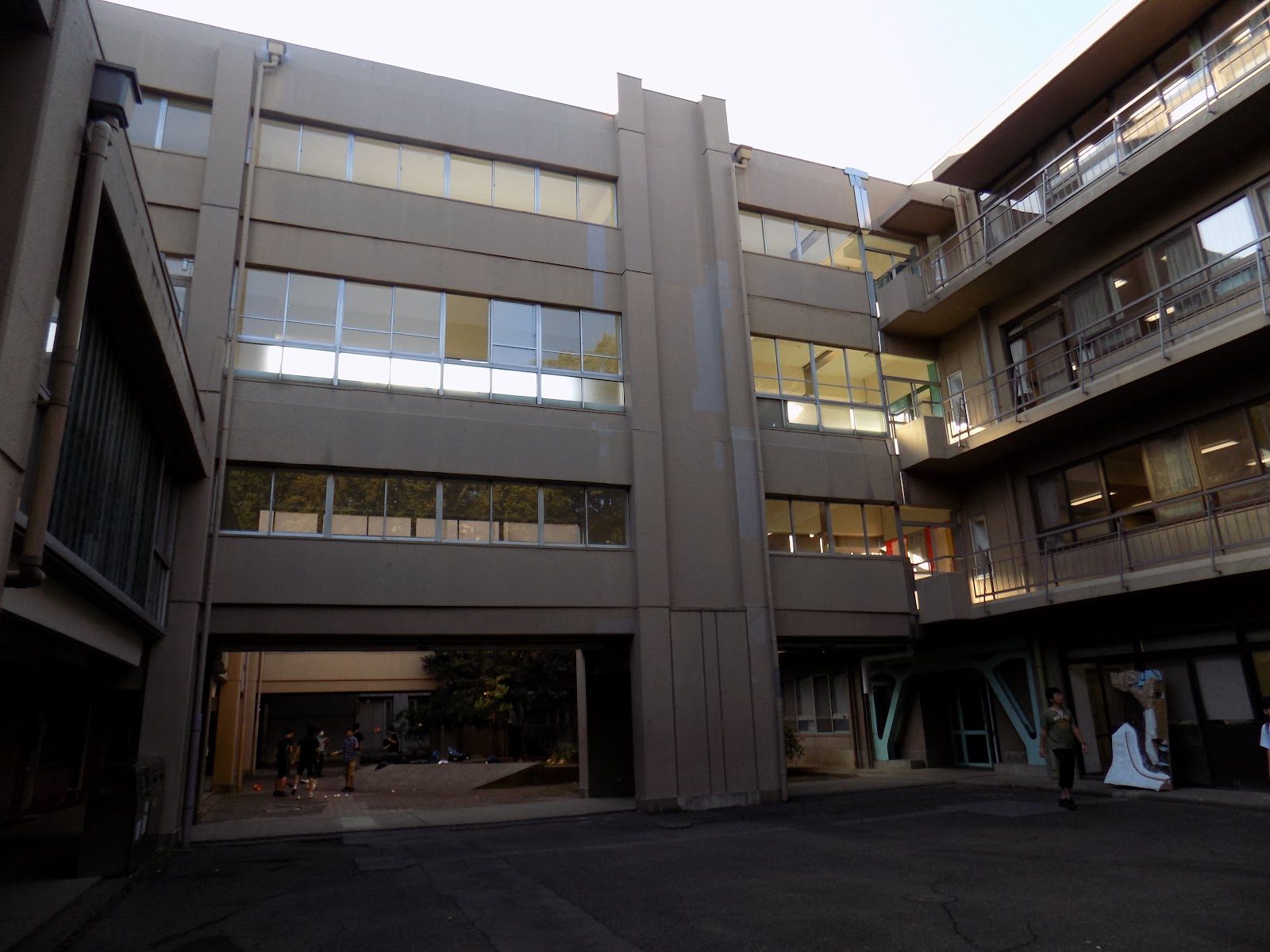
Musashi High School
Tokyo · Japan
No uniform, no hairstyle rules, no dress code -- just a century-old Nerima campus where boys pursue funded independent research projects
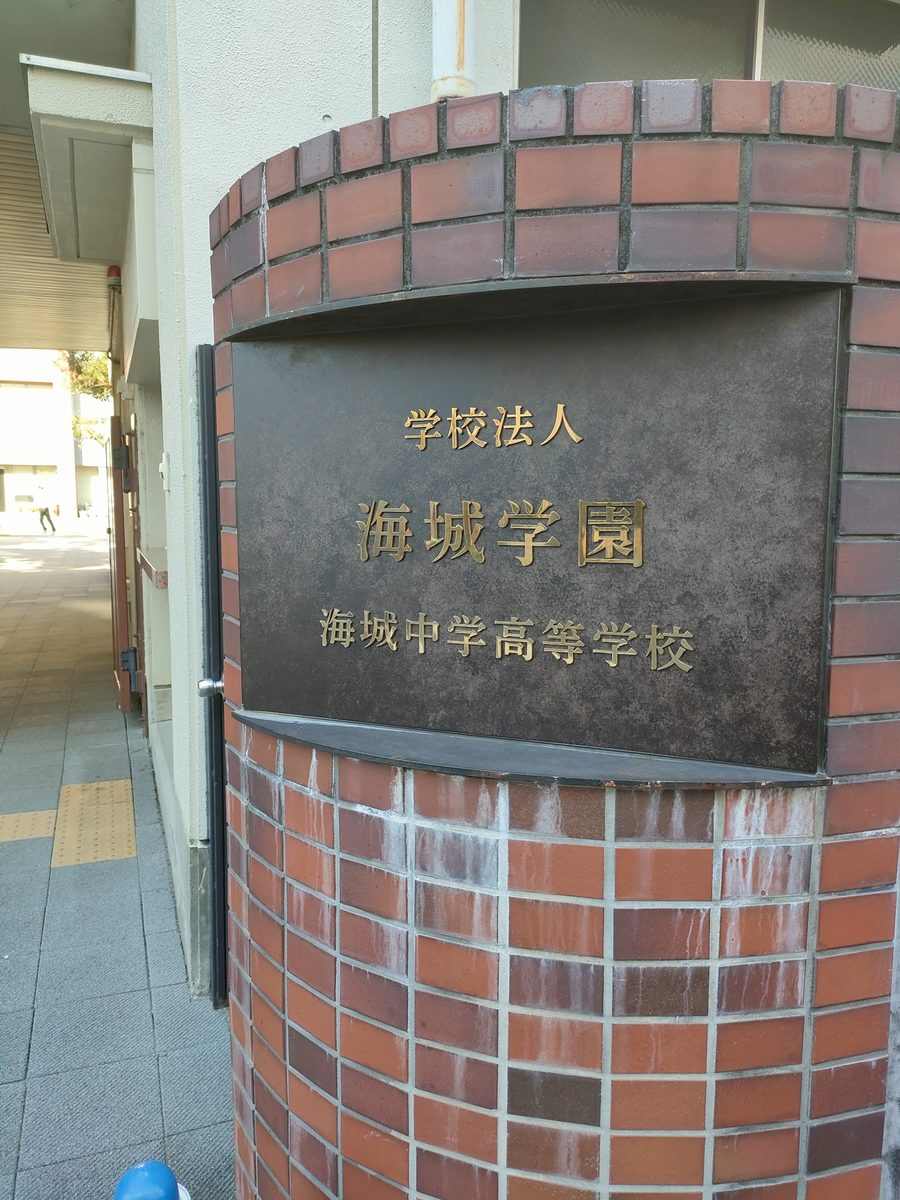
Kaijo Junior and Senior High School
Tokyo · Japan
A former naval officers' academy in Shinjuku, now a boys' school whose deliberately non-streamed classrooms feed a steady stream into Tokyo University.
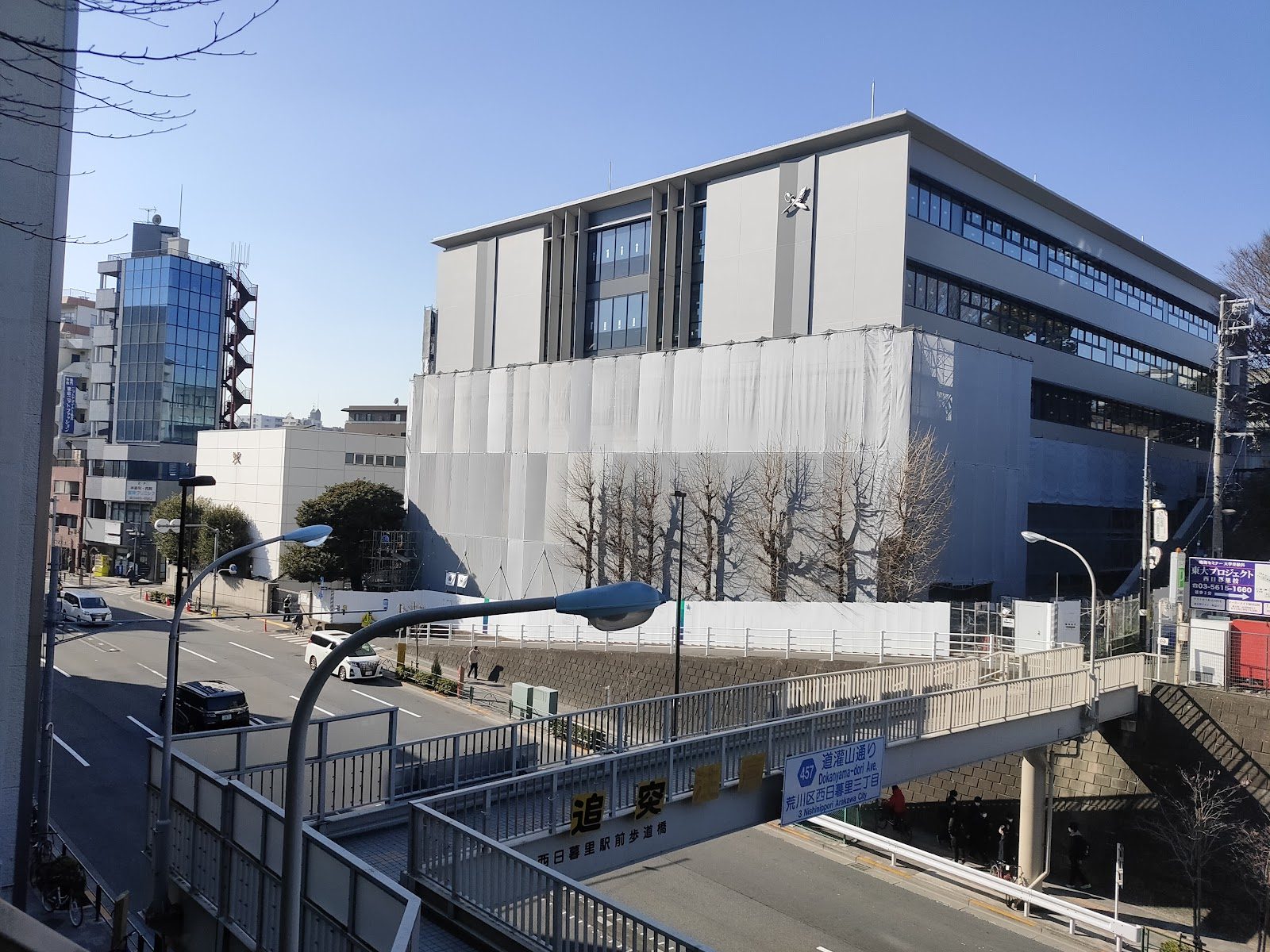
Kaisei Academy
Tokyo · Japan
An 1871 all-boys day school in one of Tokyo's densest wards, a perennial University of Tokyo feeder now adding IB and AP tracks abroad.
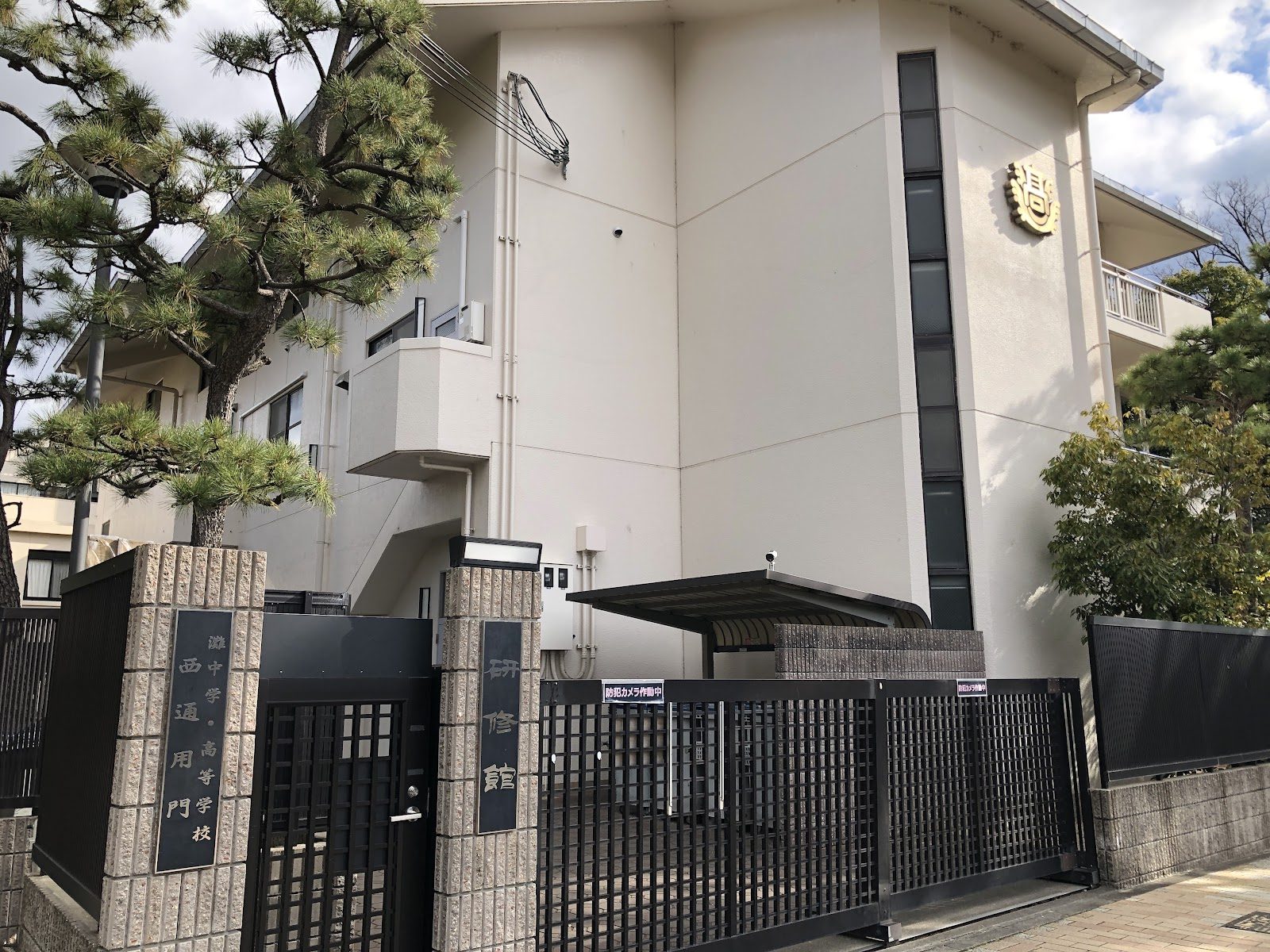
Nada High School
Kobe · Japan
Founded by Kobe sake brewers with judo's creator as an advisor, this uniform-free campus channels students straight into Tokyo and Kyoto University.
Same country and curriculum — closest matches within ±10 points either way