
Tokyo
The British School in Tokyo
high confidence· 5/6 cats · 2.89 avg sourcesA Heatherwick-designed Azabudai Hills campus anchors Japan's only full English National Curriculum, steps from Tokyo Tower.
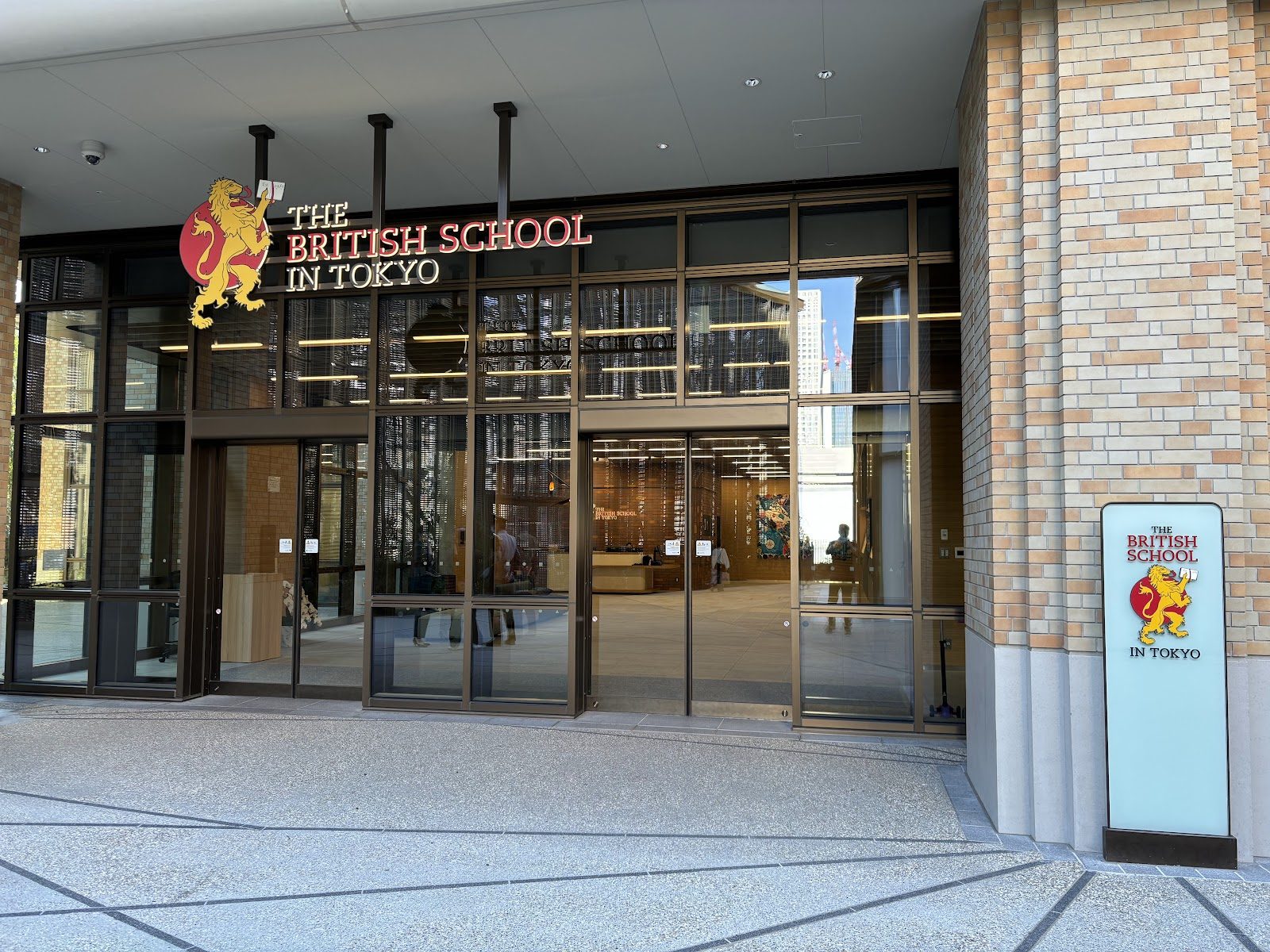
Photo © Ming Zhang via Google Maps
Type
Day
Ages
3–18
Curriculum
British
Ratio
—
The Verdict
Editor's commitment
Right for
Families wanting Japan’s only full English National Curriculum school, ages 3–18, with COBIS, BSO and CIS accreditation in central Tokyo.
Wrong for
Parents chasing lower-cost Tokyo options: the average annual fee is JPY 3,015,555, and recent destinations list just two Durham places.
Watch out for
BST touts academic excellence, yet public destination data here names City, Doshisha and Durham only; scrutiny matters at JPY 3,015,555.
Ranking breakdown
The British School in Tokyo · #505 of 1591
Composite score 69.0. 8 weighted criteria.
By criterion
Academic Outcomes
Weight 20%
#586
of 1529 scored
University Placement
Weight 16%
#584
of 1529 scored
Prestige & Heritage
Weight 12%
#608
of 1571 scored
Alumni Network
Weight 12%
#394
of 1530 scored
Facilities
Weight 12%
#666
of 1533 scored
Transparency & Communications
Weight 8%
#688
of 1532 scored
Peer & Industry Review
Weight 10%
#645
of 1548 scored
Admissions Selectivity & Demand
Weight 8%
#438
of 1529 scored
Score history
The British School in Tokyo · 2026
Movement across 2024–2026. Peer average overlaid.
Overall — 2024–2026
69.0/ 100
▲ +30.5 vs 2025
year on year
Peer & Industry Review
How The British School in Tokyo is regarded in the sector
65
Respected · medium confidence
The British School in Tokyo is featured in the Good Schools Guide International, which describes it as a well-established, popular choice among Tokyo's British and international expat community, and it holds COBIS (Council of British International Schools) accreditation with positive inspection outcomes. It is regularly mentioned in expat parent forums (e.g., Tokyo-focused expat forums like GaijinPot and InterNations discussions) as a solid, respected option, though it does not consistently appear in top-tier 'best schools in Asia' rankings alongside schools like ASIJ or Nishimachi.
Evidence sources
Editors' overview
The Heatherwick-designed Azabudai Hills campus gives The British School in Tokyo a level of architectural theatre that few city schools can match, but the sharper point is curricular. BST offers Japan’s only full English National Curriculum from age 3 to 18, a rare proposition in a market full of hybrids, partial British pathways and international programmes that drift away from England’s structure long before sixth form. That clarity matters for families who need a clean transfer in or out of the UK system. It is a day school, secular, teaches in English, and carries COBIS, BSO and CIS accreditation: a serious set of external badges for a school that trades on being the British option in Tokyo rather than merely borrowing the label.
What puts BST on a shortlist is the combination of structural certainty and metropolitan ambition. The school states that academic results and university destinations are a core feature of school life, and its recent destinations include Durham University, City University London and Doshisha University. That is a small published snapshot, not a sweeping outcomes table, and parents should note that the school does not publish aggregate public exam results in the information we have seen. Still, the broad shape is clear: this is a school built for internationally mobile families who want a recognisable British track with serious co-curricular weight in music, sport, art and drama. The average annual day fee across the full ladder is 3015555 JPY, which places BST in the expensive end of the Tokyo market and demands confidence in the fit.
The pupil who will thrive here is academically steady, comfortable in a dense international city, and keen to use school as more than a classroom pipeline. BST talks about critical thinking, creativity and independent learning, and that aligns with a school trying to produce self-directed students rather than narrow exam machines. It will suit children who want the discipline and familiarity of the English system without sacrificing breadth, and whose families value a central Tokyo location near Tokyo Tower over a sprawling suburban campus. It is less compelling for parents who want published outcome data in depth, boarding, or a bilingual Japanese-English model. For the right child, though, BST offers a clean, coherent proposition: 3–18 British education in Tokyo, backed by 1989 roots and a campus that signals institutional confidence rather than stopgap expatriate schooling.
Academic Performance
BST talks confidently about examination success, but the public record is thin where it matters most. We have not seen aggregate GCSE or sixth-form results, no cohort-wide pass rates, no top-grade breakdowns, and no subject-by-subject profile. That leaves parents without the standard datapoints used to place a British international school against serious peers. The destination list published here is also too narrow to carry the full argument: 2 places at Durham, and single places at City University London and Doshisha, tell you that students progress to credible universities, but not how deep the bench runs across a year group. In a market where stronger operators publish headline exam outcomes cleanly, BST’s silence is a material weakness.
That does not mean weak academics. The school’s structure, age range and commitment to external examinations point to a properly academic senior school rather than a loose international programme. The intake is also selective in practice through fluency in English, even without formal entry hurdles, which shapes the attainment profile. Relative to Tokyo peers, BST fits the category of schools with a serious British spine and clear university intent, but not the category of schools that prove academic strength through transparent annual results reporting. For parents who need evidence, not atmosphere, that distinction is decisive.
Facilities
Facilities are split across two central campuses, and the primary headline is the newer Azabudai Hills site beside Tokyo Tower. That building gives BST something many city schools struggle to secure: a purpose-built urban campus rather than improvised floors in an office block or retrofitted premises with educational branding laid on top. The school itself pushes the indoor and outdoor learning environment as a point of difference, and the consolidation of younger pupils onto one site matters operationally as much as aesthetically. For secondary, the Showa campus houses 500+ students and gives the older years a dedicated base rather than a token senior annexe. Against Tokyo peers, that is a meaningful advantage: central, high-profile, and clearly designed to project permanence. What we do not get is a clean public inventory of specialist rooms, theatre capacity, lab stock or sports provision, so parents cannot benchmark BST room by room against the strongest all-through competitors.
Where BST’s facilities case strengthens is beyond the campus walls. The residential and outdoor programme is extensive, with regular use of Hakuba, Minakami, Okutama and Lake Kawaguchi for skiing, rafting, canyoning, kayaking, hiking, canoeing and fieldwork. That breadth gives pupils access to real outdoor education, not the perfunctory activity-week version some international schools package as character building. It also compensates for the limits of a dense metropolitan footprint. The trade-off is obvious: families wanting sprawling playing fields on site will find a compressed city-school model; families happy to exchange acreage for location and organised access to Japan’s outdoor assets get a more serious and imaginative offer.
We have not seen aggregate GCSE or sixth-form results, no cohort-wide pass rates, no top-grade breakdowns, and no subject-by-subject profile
Prestige
BST carries real prestige within its niche, but it is specialist prestige, not universal cachet. In Tokyo’s international market, the school’s force comes from clarity and scarcity: a full English-school route under one roof, in a city where many rivals mix systems, stop short, or drift into a broader international model. For families who need continuity between postings, that matters more than glossy branding. The school’s central campuses, with the newer primary site beside Tokyo Tower, add a layer of urban status that parents and pupils will feel daily. Scale helps too: more than 1,300 students from over 65 nationalities gives BST a substantial institutional footprint rather than the feel of a small expatriate outpost.
That said, prestige here rests more on position and audience than on publicly demonstrated academic supremacy. The school has the external inspection and membership markers serious parents look for, and it has enough market longevity to command confidence. It also benefits from a scarcity premium: there is only one BST in this city, and for a certain internationally mobile professional class that matters. But prestige at the top end of international education also depends on hard outcome data, and BST does not publish the exam detail that elite comparator schools use to prove dominance. So the verdict is high-status but not untouchable: a school with genuine standing, strong social recognition and clear demand, but without the published results record that would lift it into the indisputable top tier.
The pupil who fits BST is fluent, adaptable and comfortable in a school where British structure sits inside an unusually international peer group
Communications
Parent communication looks organised, centralised and built for a busy international community. The homepage gives direct routes to a parent portal, SchoolsBuddy, a calendar and the BST Hub, which tells you the school has invested in practical infrastructure rather than relying on scattered email chains and ad hoc updates. That matters in a split-campus school with a large parent body and frequent activity beyond the classroom. The site architecture is also clean: academics, campuses, outdoor learning and key school functions sit where parents expect them. Nothing about the public-facing communication feels ramshackle or improvised. The school also gives parents a clear sense of operational life through detailed descriptions of residentials and outdoor programmes, which helps families understand what pupils actually do, not just what the prospectus claims.
The limitation is depth and candour. BST communicates confidently about ethos, breadth and student experience, but it is less strong when parents want hard comparative information. We do not get a rich public picture of exam outcomes, nor a detailed facilities inventory, and that weakens trust at the exact point where expensive schools need full disclosure. For current parents, the internal systems are likely efficient; for prospective parents, the external communication is polished but selective. In plain terms: strong on logistics, strong on atmosphere, weaker on proof. In a school serving more than 1,300 pupils from over 65 nationalities, that distinction matters because volume and complexity demand communication that is not just smooth, but forensically transparent.
Uniqueness
BST’s distinctiveness starts with system fidelity. In Japan, plenty of international schools borrow British elements; BST runs the full route in a single institution and keeps that structure intact from the nursery years to university application. For families who move between countries, that is not branding. It is operational clarity. Children enter a school where assessment rhythms, year-group progression and expectations stay legible all the way through. The admissions profile adds another layer: with no stated barriers beyond fluency in English, and a student body drawn from over 65 nationalities, BST delivers a genuinely international version of British schooling rather than a narrow enclave for one passport group. That gives students daily practice in navigating difference inside a framework that stays academically familiar.
The second point of difference is place. This is not a campus on the edge of a city with occasional urban access; it is a deeply metropolitan school embedded in central Tokyo, with a primary site beside one of the city’s defining landmarks and a secondary base tied into a university campus. That shapes the student experience. Pupils grow up with the tempo, density and independence of a major capital, then counterbalance it with a residential programme that pushes them into mountains, rivers and forests. More than 1,300 students gives the school enough scale to support breadth in music, sport, art and drama without losing the coherence of a single-school journey. The result is a rare combination: English-school continuity, big-city adulthood and outdoor stretch in one package.
The Heatherwick-designed Azabudai Hills campus gives The British School in Tokyo a level of architectural theatre that few city schools can match, but the sharper point is curricular
Student Profile
The pupil who fits BST is fluent, adaptable and comfortable in a school where British structure sits inside an unusually international peer group. With students drawn from more than 65 nationalities and a sizeable share coming from neither British nor Japanese backgrounds, this is not a monoculture expatriate enclave. It suits children who can move easily between cultures, make friends across national lines and handle the social churn that follows globally mobile families. Entry hinges on fluency in English rather than formal academic gatekeeping, so the intake is not defined by hyper-selective testing. That widens the range of personalities and attainment, but it still favours pupils who can land quickly in class discussion, reading-heavy lessons and a school day conducted at pace.
The strongest fit is a child who wants breadth alongside academics: someone happy to commit to music, sport, art or drama, and willing to throw themselves into residentials, outdoor trips and the wider life of the school. BST talks a great deal about critical thinking, creativity and independent learning, and that points to a student profile that is self-propelled rather than spoon-fed. Children who need heavy hand-holding, a softer bilingual bridge into Japan, or a more sheltered local community will find the environment demanding. Children who enjoy a cosmopolitan social mix, urban independence and a school culture that expects them to get involved will fit well.
That clarity matters for families who need a clean transfer in or out of the UK system
Co-curricular strengths
Arts & sport, on a separate axis
Overall 8.98/10
Scored 0-10 from the school's own published evidence. This axis is editorial-only — it does not feed the main WTS ranking.
Sports
9.2/10
Sport is explicitly listed in extracurriculars through football, basketball, swimming, athletics, rugby and netball, and the review repeatedly names sport as a significant area of strength supported by extensive facilities across both campuses.
Drama
9/10
Drama is both explicitly listed as an extracurricular and repeatedly singled out in the review as one of the school's significant strengths, with facilities supporting broader co-curricular life across the campuses.
Dance
8.5/10
Music
9.2/10
Music is evidenced by choir and orchestra in the extracurriculars, and the review repeatedly describes music as a significant area of strength with facilities supporting it across both campuses.
Visual Arts
9/10
Art is repeatedly identified in the review as a significant area of strength, and the school says it has extensive facilities across both campuses supporting art within a broad co-curricular programme.
Editor first-pass · editor-reviewable · 7/28/2026
Outcomes & destinations
Where students go next
Class of 2025
Top destinations
37 placements
- City University London· 1
- Doshisha University· 1
- Durham University· 2
- Imperial College London· 3
- Kyoto University of Advanced Science· 1
- Loughborough College· 1
- McGill University· 1
- Queen Mary University of London· 1
- SKEMA Business School· 1
- Sophia University· 1
- The London School of Economics and Political Science· 1
- The Northern School of Art· 1
- The University of British Columbia· 1
- The University of Manchester· 1
- The University of Osaka· 1
- The University of Twente· 1
- University College London· 10
- University of Bath· 2
- University of Cambridge· 1
- University of Toronto· 2
- University of York· 1
- Waseda University· 2
Reported by the school. Confirm with admissions.
Strengths
- +British curriculum clearly stated
- +Separate primary and secondary campuses
- +Indoor and outdoor learning spaces emphasised
- +Music, sport, art and drama are notable strengths
Considerations
- −No fees published in provided sources
- −No accreditations stated in provided sources
- −Academic results not detailed in provided sources
Availability
Primary entry gate & tests
Academic Record
Gallery
Photo © T S via Google Maps
Photo © erika via Google Maps
Photo © erika via Google Maps
Photo © erika via Google Maps
Photo © erika via Google Maps
Photo © erika via Google Maps
Photo © erika via Google Maps
Photo © erika via Google Maps
Photo © Silvers Rayleigh via Google Maps
Parent reviews
Have you sent your child here?
Voice reviews carry the strongest trust badge — we transcribe them for you to tidy up before they go live. Prefer to type? A written review is fine too.
Add your voice
In 60 seconds, tell other parents: what's the best thing about The British School in Tokyo, and what surprised you when your child joined?
We ask for a Google sign-in so every review has a real face behind it — no anonymous drive-by attacks on schools, and no faked positive reviews. Your email is never shown publicly.
Send this profile to a friend
International parents rely on word-of-mouth. Share this review with someone weighing the same decision.
Schools with places
Similar schools to The British School in Tokyo with places available now.
Seisen International School
Tokyo · Japan
- 2026-27
- WAITPOOLSpace-dependent
- 2027-28
- PLACES OPENRolling
International School of the Sacred Heart
Tokyo · Japan
- 2026-27
- WAITPOOLSpace-dependent
- 2027-28
- PLACES OPENRolling
Aoba-Japan International School
Tokyo · Japan
- 2026-27
- WAITPOOLSpace-dependent
- 2027-28
- PLACES OPENRolling
K. International School Tokyo
Tokyo · Japan
- 2026-27
- WAITPOOLSpace-dependent
- 2027-28
- PLACES OPENRolling
Availability first, then country, area, curriculum, price, co-curricular
Consider also
Also worth looking at alongside The British School in Tokyo.
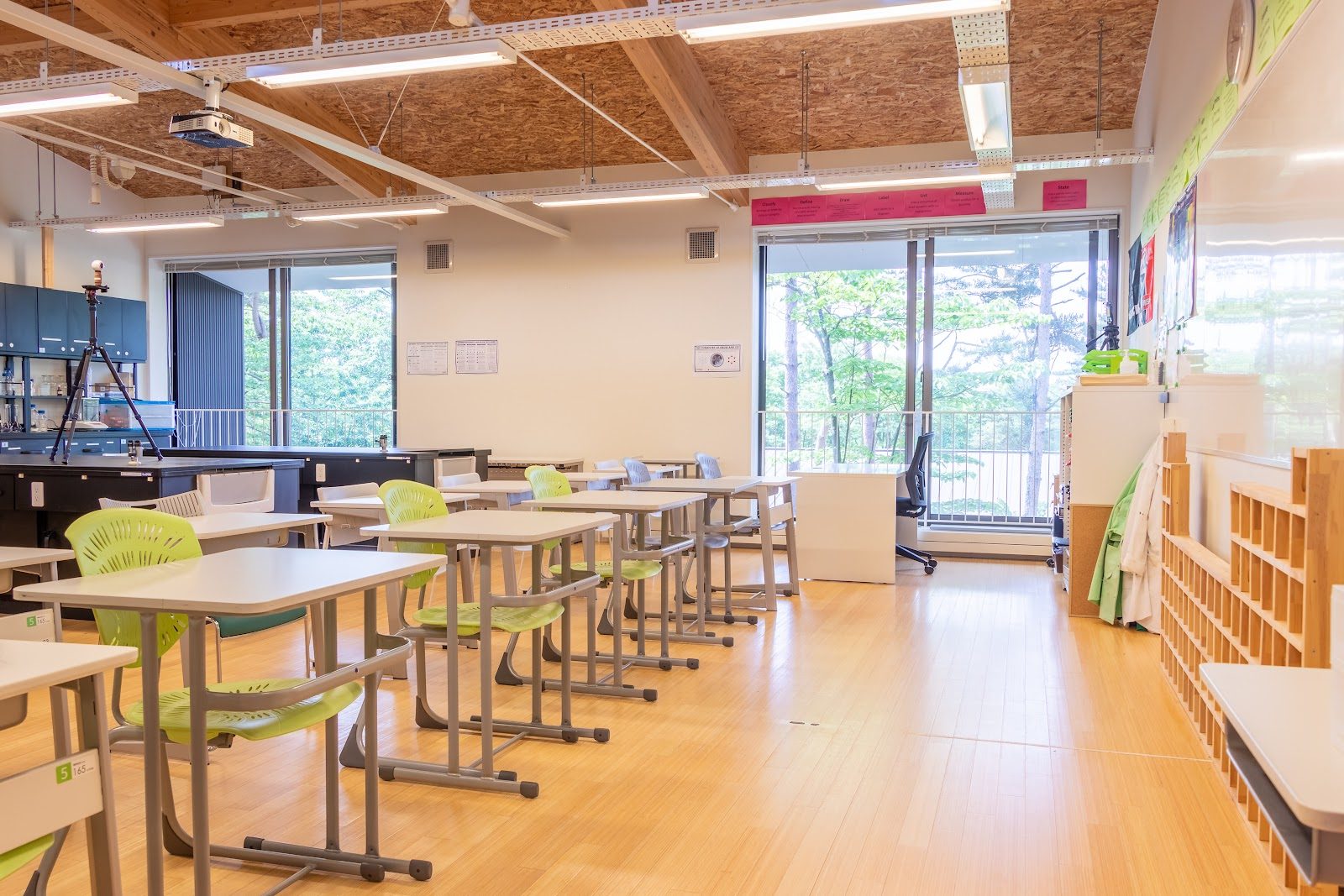
UWC ISAK Japan
Karuizawa · Japan
Japan's only UWC campus, tucked on Mount Asama, where seven in ten students study on need-based scholarship.
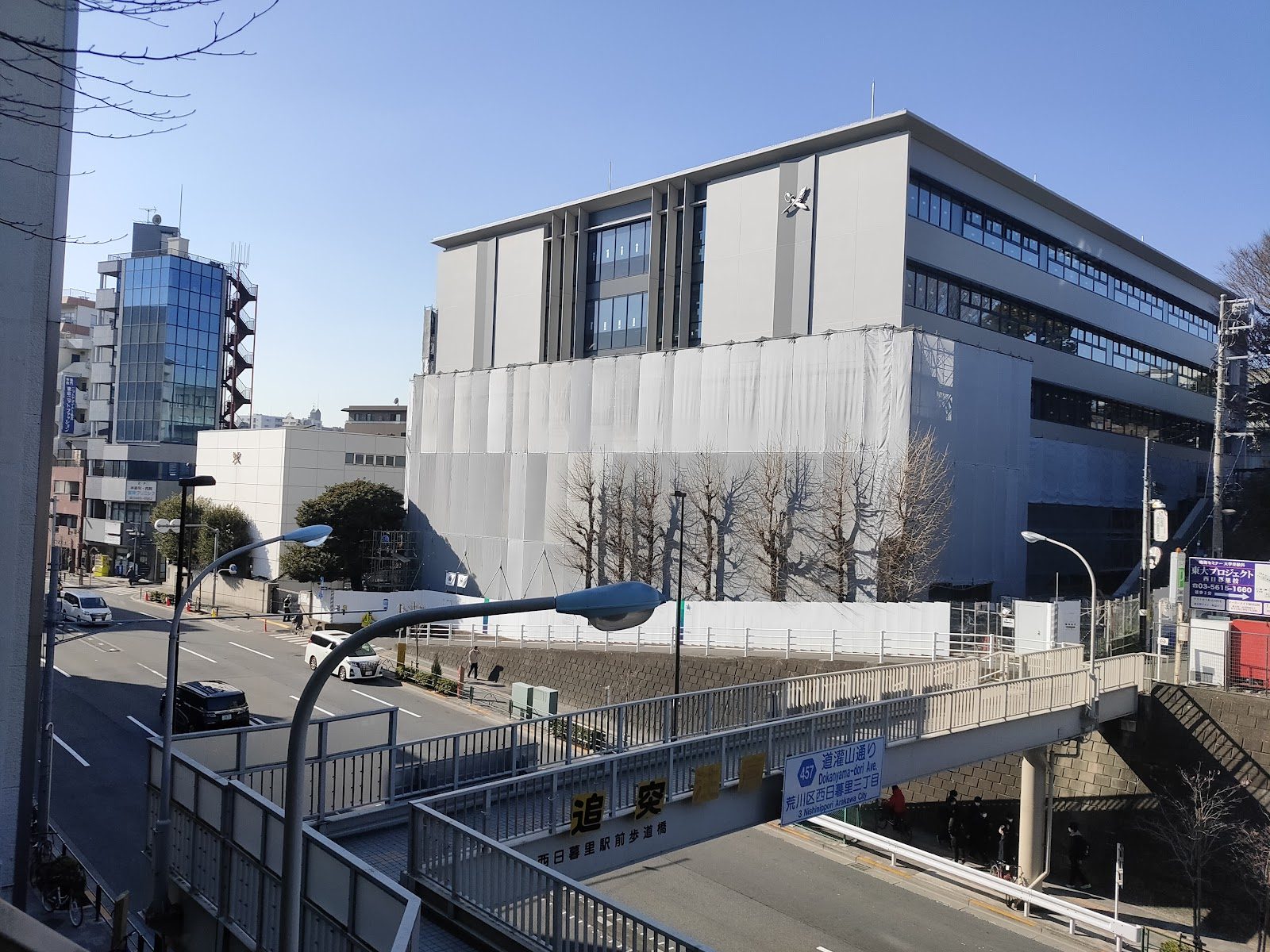
Kaisei Academy
Tokyo · Japan
An 1871 all-boys day school in one of Tokyo's densest wards, a perennial University of Tokyo feeder now adding IB and AP tracks abroad.
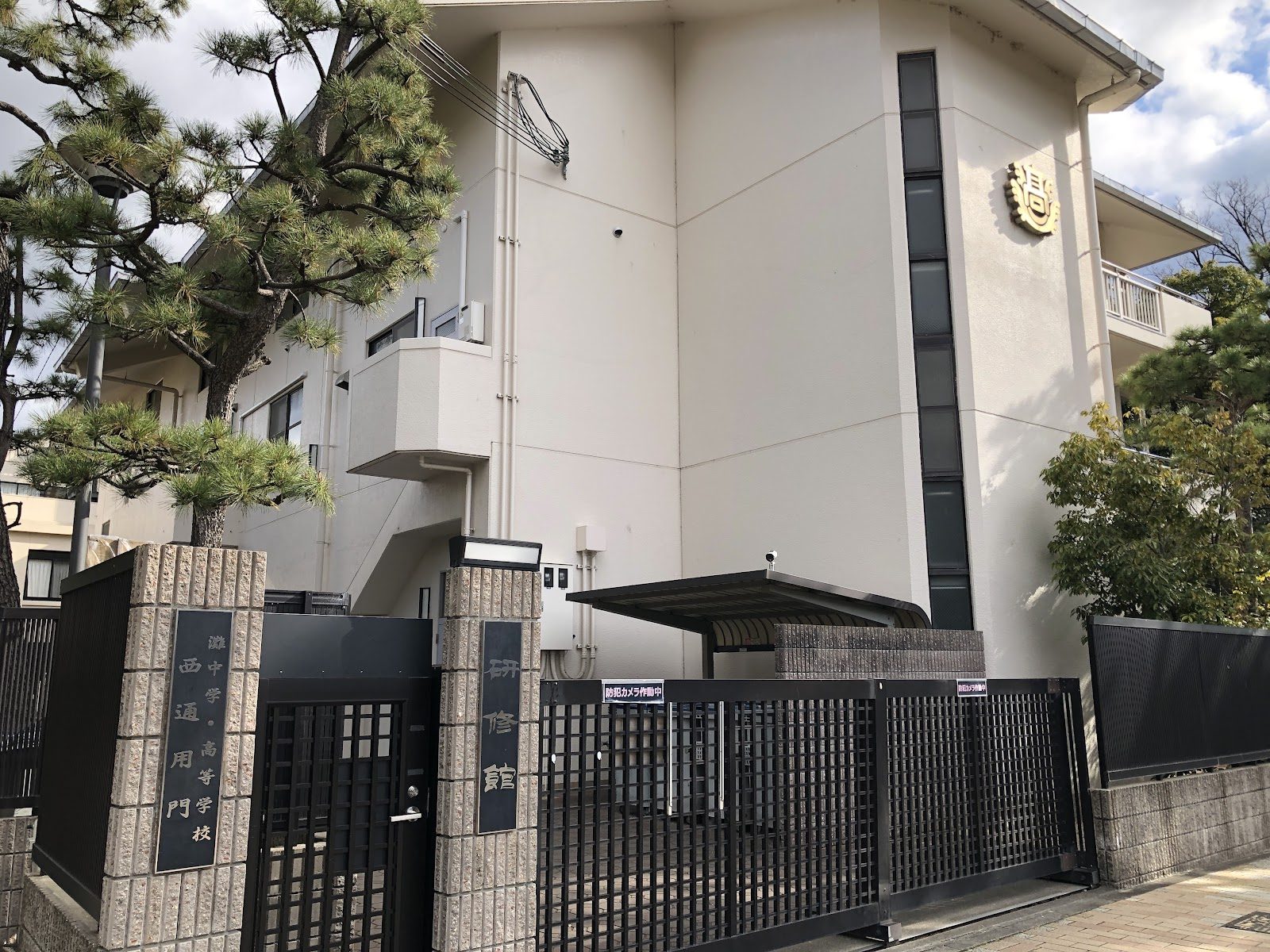
Nada High School
Kobe · Japan
Founded by Kobe sake brewers with judo's creator as an advisor, this uniform-free campus channels students straight into Tokyo and Kyoto University.
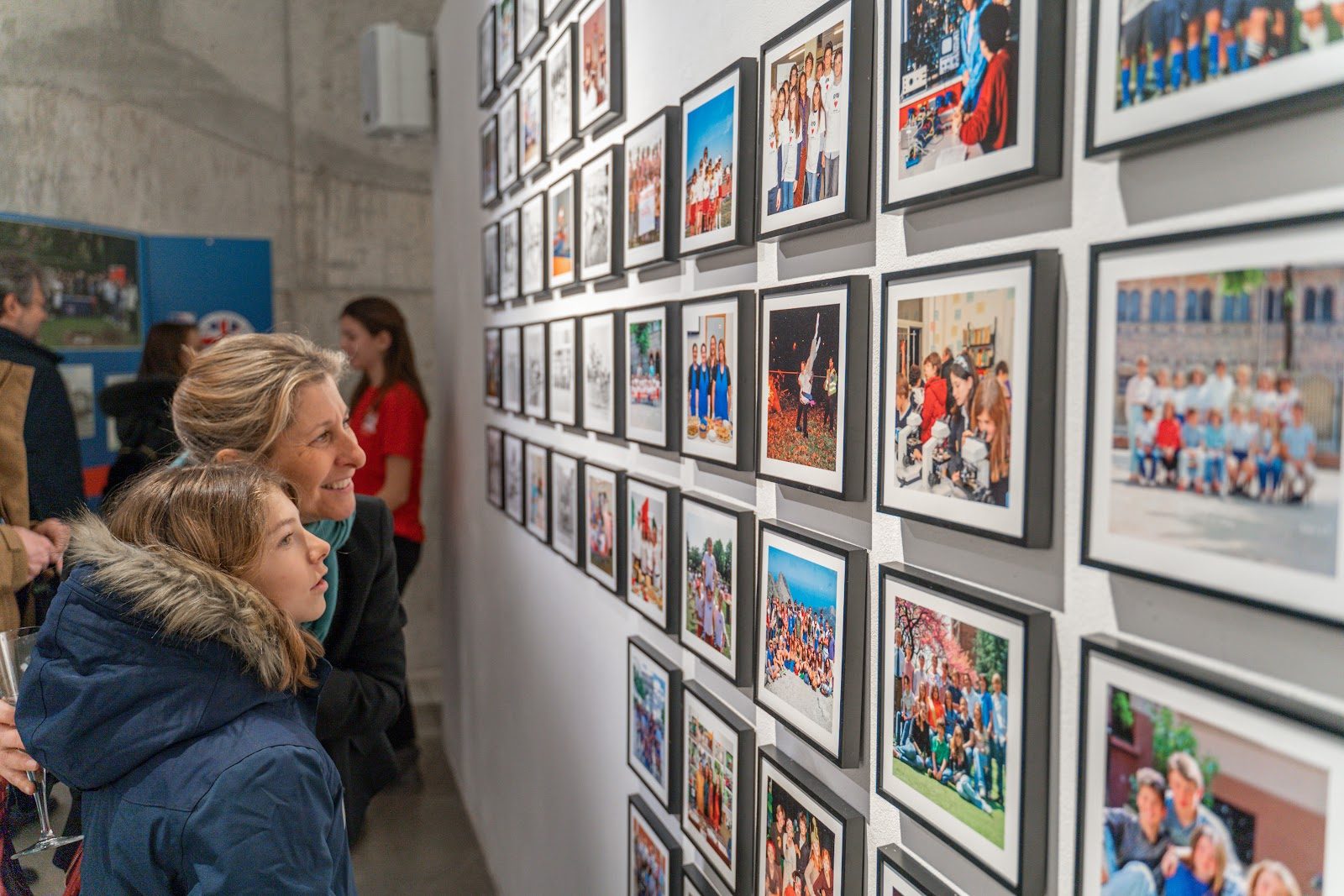
The British School of Milan
Milan · Italy
Since 1969, the only Milan school rated Excellent by UK inspectors, pairing IGCSE rigor with a close-knit IB Sixth Form.
Same country and curriculum — closest matches within ±10 points either way