
Western Australia
Founded in 1911 as WA's first government high school, this Subiaco campus admits students solely through a competitive entrance exam.
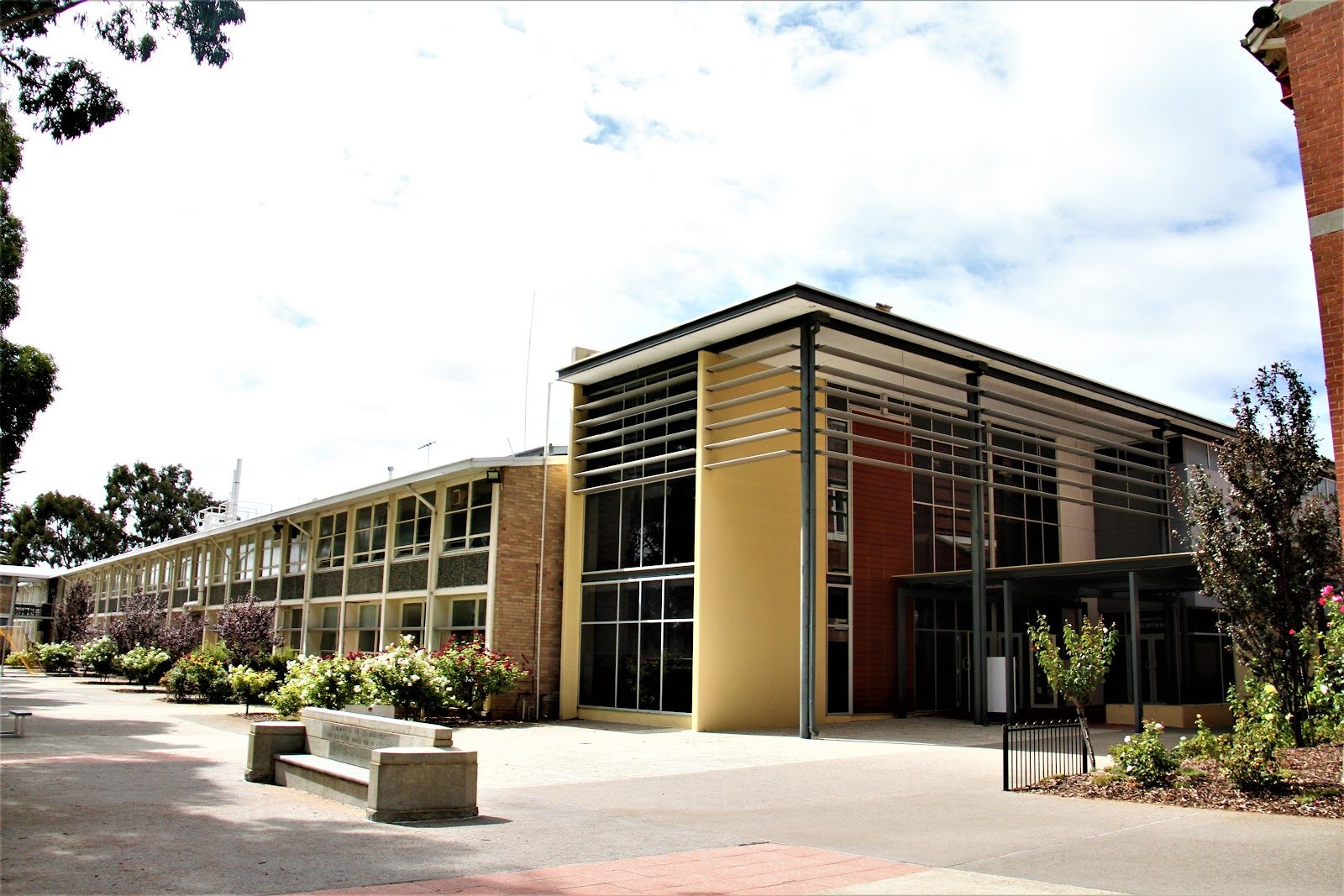
Photo © n_v5 via Google Maps
Type
Day
Ages
5–18
Curriculum
Western Australian Certificate of Education (Selective)
Ratio
14:1
The Verdict
Editor's commitment
Right for
High-attaining children who can win entry to Western Australia’s only fully academically selective public school, founded in 1911 in Subiaco.
Wrong for
Families wanting an all-through 5–18 school should look elsewhere: Perth Modern is a public co-educational academically selective high school, day-only.
Watch out for
Selection defines the place: average class size is 28, student-teacher ratio 14:1, and the curriculum is the Western Australian Certificate of Education.
Ranking breakdown
Perth Modern School · #159 of 1591
Composite score 75.5. 8 weighted criteria.
By criterion
Academic Outcomes
Weight 20%
#92
of 1529 scored
University Placement
Weight 16%
#136
of 1529 scored
Prestige & Heritage
Weight 12%
#446
of 1571 scored
Alumni Network
Weight 12%
#293
of 1530 scored
Facilities
Weight 12%
#857
of 1533 scored
Transparency & Communications
Weight 8%
#153
of 1532 scored
Peer & Industry Review
Weight 10%
#335
of 1548 scored
Admissions Selectivity & Demand
Weight 8%
#113
of 1529 scored
Peer & Industry Review
How Perth Modern School is regarded in the sector
68
Respected · medium confidence
Perth Modern School is consistently ranked as Western Australia's top-performing public school in independent ATAR league tables (e.g., Better Education's WA school rankings), and its selective-entry status is frequently cited in Australian education press coverage of academic selective schools. Its alumni network includes former Prime Minister Bob Hawke, giving it recognisable public profile, though it lacks the international 'best schools' list presence (Tatler, Good Schools Guide) that a private/independent school might have.
Evidence sources
Editors' overview
Perth Modern School occupies a singular position in Western Australia: the state’s only fully academically selective public school, founded in 1911 and still operating as a day school in Subiaco. That matters. Selective schools are common enough in parts of Asia and the UK; in WA, this one stands alone. Parents looking for a government school with a clear academic filter, a long institutional memory and a student body built around examination entry will find Perth Modern hard to ignore. It carries the weight of history, but its real distinction is structural: admission is competitive, the peer group is strong, and the academic culture is not diluted by a comprehensive intake. This is a serious academic environment.
The appeal is plain. Students enter a school where high attainment is normal, not exceptional, and where intellectual pace is set by a selective cohort rather than dragged into compromise. The published 14:1 student–teacher ratio and average class size of 28 give a mixed picture: staffing is respectable, but classes are not small by private-school standards. This is not an intimate boutique setting. It is a public school with scale, pressure and expectations. For many families, that is the point. Perth Modern offers *academic concentration without private-school fees, a rare public-sector pathway for ambitious students, and a peer group that values attainment*.
It belongs on a shortlist for students who actively want competition, structure and a campus culture shaped by exam success. The best fit is a child who enjoys being stretched, tolerates comparison well and does not need heavy pastoral cushioning to stay steady. A bright student who has felt under-challenged elsewhere will find more traction here. A child who wants broadability without academic urgency will not. Nor is this the right choice for families chasing tiny classes, a soft landing or a school that treats selectivity as a light touch. Perth Modern’s central promise is sharper than that: *high expectations, earned entry, and an unapologetically academic peer culture*.
Its market position is therefore exact. Perth Modern sits between the private college sector and the standard state system, offering prestige without gilded excess and merit-driven access in a public setting. That makes it unusual, and for the right student, compelling. If your child wants to be surrounded by other high performers and is motivated by standards rather than protected from them, Perth Modern merits close attention. If your child needs a gentler, more flexible or more personalised school experience, keep looking.
Academic Performance
Perth Modern sits at the top end of the Western Australian state sector on raw academic intent alone: entry is selective, the cohort is screened, and external exam performance carries more weight here than at a standard comprehensive. That does not make every published result self-evident. We have not seen aggregate WACE outcome data in the public domain in the source set here, so any parent looking for hard proof on ATAR distribution, subject distinctions or median scores will need to press the school for current figures. That gap matters. Selective schools trade on outcomes, and serious families are entitled to more than reputation. Still, relative position is clear enough: among public schools in the state, Perth Modern occupies the sharpest academic niche and competes for students who would otherwise look at high-performing private colleges.
The comparison point is therefore not the average government school but the strongest exam-driven schools in Perth. On that measure, Perth Modern’s advantage is structural rather than decorative: a high-pressure intake, a self-selecting peer group and a school culture built around attainment. Results in that environment should be strong; anything less would count as underperformance. The school’s academic standing rests on exactly that expectation. Parents who want a clean read on outcomes should ask for recent WACE and ATAR summaries, university destinations and subject-by-subject performance. If the school produces robust figures, it belongs in the top academic conversation without qualification.
Facilities
Perth Modern’s facilities matter less as a luxury signal than as working infrastructure for a selective public school. That distinction is important. Families comparing it with Perth’s top private colleges need to calibrate expectations: this is not the sector for indoor pools, equestrian centres or architectural showpieces built to impress on open day. The published average class size of 28 points instead to a campus designed for throughput and academic delivery. In that context, the priority facilities are the ones that support serious teaching at scale: capable classrooms, science spaces that can handle full cohorts, a library that functions as a real study base, and arts and sports provision strong enough to serve a broad secondary programme without pretending to be the school’s defining asset. What we have not seen is a detailed public inventory of specialist spaces, recent capital upgrades or standout signature buildings. That opacity is a weakness.
Against peer schools, Perth Modern’s edge does not rest on lavish infrastructure; it rests on the concentration of able students using standard state-school facilities at a higher intellectual pitch. The benchmark therefore splits in two. Against mainstream government schools, the campus only needs to be competent and well run. Against elite independents, it needs to prove that labs, performance spaces, sporting areas and study environments are more than merely serviceable. Parents should ask blunt questions about refurbishment, specialist teaching rooms, music and drama facilities, and access to quiet study space. If the answer is solid but unspectacular, that fits the school. If you want private-school polish, look elsewhere.
Perth Modern School occupies a singular position in Western Australia: the state’s only fully academically selective public school, founded in 1911 and still operating as a day school in Subiaco
Prestige
Perth Modern carries real public-sector prestige because its status rests on selection, scarcity and historical weight, not branding. In Western Australia, no other government school occupies the same ground. That matters more than glossy facilities or cultivated image. Admission by competitive examination gives the school a hard-edged credibility that parents and students both understand: entry is earned, not bought. In a market crowded with private colleges selling aspiration at high fees, Perth Modern offers a different form of status — merit-driven distinction inside the state system. That gives it social cachet far beyond an ordinary public school and puts it in direct competition with the city’s more established fee-charging academic schools.
The prestige also holds because the school’s identity is unusually clear. It does not try to be all things to all families. It serves high-attaining students, attracts ambitious households, and benefits from the reputational loop that selective schools generate: strong applicants reinforce standards, and standards reinforce demand. The public nature of the school sharpens that effect. A place at Perth Modern carries the message that a student cleared a meaningful academic bar, and that message lands. The published 14:1 staffing ratio supports seriousness without implying luxury; the average class size of 28 confirms this is a high-performing public institution, not a cosseting enclave. Prestige here is earned, exacting and durable.
If the school produces robust figures, it belongs in the top academic conversation without qualification
Communications
Perth Modern’s parent communication needs to do one thing well: run a selective public school with clarity and discipline. The baseline facts help. The school is not tiny, classes average 28, and the student body is academically filtered. In that setting, vague messaging creates friction fast. What we can verify publicly is narrow: the school’s identity is clear, its admissions model is easy to grasp, and its core proposition is stated without fluff. That counts in its favour. Parents are not forced to decode a muddled mission statement. The drawback is depth. We have not seen a rich public picture of how the school keeps current families informed day to day — whether through a robust parent portal, regular newsletters, calendar discipline, prompt policy updates or transparent academic reporting. That absence leaves a real information gap.
So the verdict is mixed. Strategic communication — who the school is, whom it serves, why entry matters — is crisp and hard to misread. Operational communication is harder to judge, and that is where strong schools earn trust. At a place with high-pressure expectations and a peer culture built around performance, parents need timely information on assessment, wellbeing, subject choices and key deadlines. If those systems are tight, communication will feel brisk, functional and fit for purpose. If they are loose, the school’s academic seriousness will be undercut by administrative drag. Ask current parents one blunt question: when something important changes, do families hear early, clearly and in full?
Uniqueness
Perth Modern’s uniqueness is structural, not cosmetic. It is the state’s only fully academically selective public school, and that single fact changes the entire experience. The intake arrives through a competitive academic filter, so teachers work with a cohort that can move faster, read deeper and tolerate a heavier intellectual load than a mixed-ability comprehensive intake. For students, that brings a rarer kind of public-school seriousness: less time spent waiting for the class to catch up, more time spent in genuine academic stretch. It also creates a clear meritocratic edge. A place carries meaning because entry had to be won.
That concentration of attainment brings benefits and costs. The benefit is a peer group where effort is normal, ambition is socially safe and strong performance does not need disguising. For able students, that is liberating. They get pace, competition and classmates who raise the floor as well as the ceiling. The cost is pressure. In a school with an average class size of 28, selectivity does not translate into hand-holding or boutique attention; it translates into a high-expectation mainstream where students need resilience as much as raw ability. That makes Perth Modern distinctive in the Australian market: a government school with elite academic selection, public-sector economics and a student culture shaped by examination success rather than private-school theatre.
The prestige also holds because the school’s identity is unusually clear
Student Profile
The right student for Perth Modern is not just bright but actively scholastic. This is a school for children who enjoy being measured against strong peers, who gain energy from fast lessons rather than intimidation, and who treat academic challenge as the point of school rather than an inconvenience around it. A child who reads beyond the assignment, cares about marks, likes structured expectations and can recover quickly from setbacks will fit. So will the student who has outgrown a mixed-ability classroom and wants a more demanding intellectual crowd. The published 14:1 staffing ratio does not point to intensive individual shepherding, and the average class size of 28 confirms the same truth: students need a degree of self-management.
The weaker fit is just as clear. Children who need constant reassurance, heavy differentiation, or a very broad definition of success may find the culture tight, competitive and not for the faint-hearted. The social centre of gravity sits with attainment. That does not mean every pupil is narrow, joyless or one-dimensional; it means academic seriousness carries status here. Families need to be comfortable with pressure, comparison and a school identity built around selection. If your child wants warm encouragement wrapped around challenge, there are better environments. If your child wants hard-edged academic company in a public setting and does not need to be protected from pace, Perth Modern is a strong fit.
Selective schools are common enough in parts of Asia and the UK; in WA, this one stands alone
Co-curricular strengths
Arts & sport, on a separate axis
Overall 8.46/10
Scored 0-10 from the school's own published evidence. This axis is editorial-only — it does not feed the main WTS ranking.
Sports
8/10
Drama
8/10
Dance
8.5/10
Music
9.3/10
Visual Arts
8.5/10

WTS 300 badge
Perth Modern School is one of the World's Top 300 Schools. Claim your listing to add it to your site →
Strengths
- +Western Australia's only fully academically selective public high school, drawing top performers statewide via a merit-based entrance test.
- +Consistently ranks first or near the top of WA's WACE academic league tables, with dozens of students achieving ATARs of 99 or above in recent years.
- +As a government school it charges no tuition fees, only capped voluntary contributions, making elite academic selection accessible regardless of family income.
- +Long, well-documented history dating to 1911 as WA's first government high school, with heritage-listed buildings and a large, active alumni network including a former Prime Minister.
- +Compact inner-city Subiaco campus close to the University of Western Australia and central Perth, useful for families wanting proximity to the city.
Considerations
- −Entry depends entirely on a single competitive test (GATE/ASET) typically sat in Year 6, with far more applicants than places across the state's selective schools.
- −As a fully selective cohort, the academic and social environment is intensely competitive, which can be stressful for students without established study habits.
- −The school does not publish a median ATAR despite its results, which limits like-for-like comparison with other schools that do disclose this figure.
- −Being a day school with no boarding option, it is not a fit for relocating families who need residential accommodation for their child.
Availability
Primary entry gate & tests
WA Selective Entrance Test (ASET)
Gallery
Photo © n_v5 via Google Maps
Photo © n_v5 via Google Maps
Photo © n_v5 via Google Maps
Photo © Trieu Truong via Google Maps
Photo © Rex Croft via Google Maps
Photo © Tristan Croft via Google Maps
Photo © n_v5 via Google Maps
Photo © n_v5 via Google Maps
Photo © Office Line Educational Furniture via Google Maps
Parent reviews
Have you sent your child here?
Voice reviews carry the strongest trust badge — we transcribe them for you to tidy up before they go live. Prefer to type? A written review is fine too.
Add your voice
In 60 seconds, tell other parents: what's the best thing about Perth Modern School, and what surprised you when your child joined?
We ask for a Google sign-in so every review has a real face behind it — no anonymous drive-by attacks on schools, and no faked positive reviews. Your email is never shown publicly.
Send this profile to a friend
International parents rely on word-of-mouth. Share this review with someone weighing the same decision.
Schools with places
Similar schools to Perth Modern School with places available now.
Geelong Grammar School
Corio, Victoria · Australia
- 2026-27
- WAITPOOLSpace-dependent
- 2027-28
- PLACES OPEN
The King's School (Parramatta)
Parramatta · Australia
- 2026-27
- WAITPOOLVacancy-dependent
- 2027-28
- PLACES OPEN
Methodist Ladies' College
Melbourne · Australia
- 2026-27
- WAITPOOLVacancy-dependent
- 2027-28
- PLACES OPEN
Wesley College
Melbourne · Australia
- 2026-27
- WAITPOOLVacancy-dependent
- 2027-28
- PLACES OPEN
Availability first, then country, area, curriculum, price, co-curricular
Consider also
Also worth looking at alongside Perth Modern School.
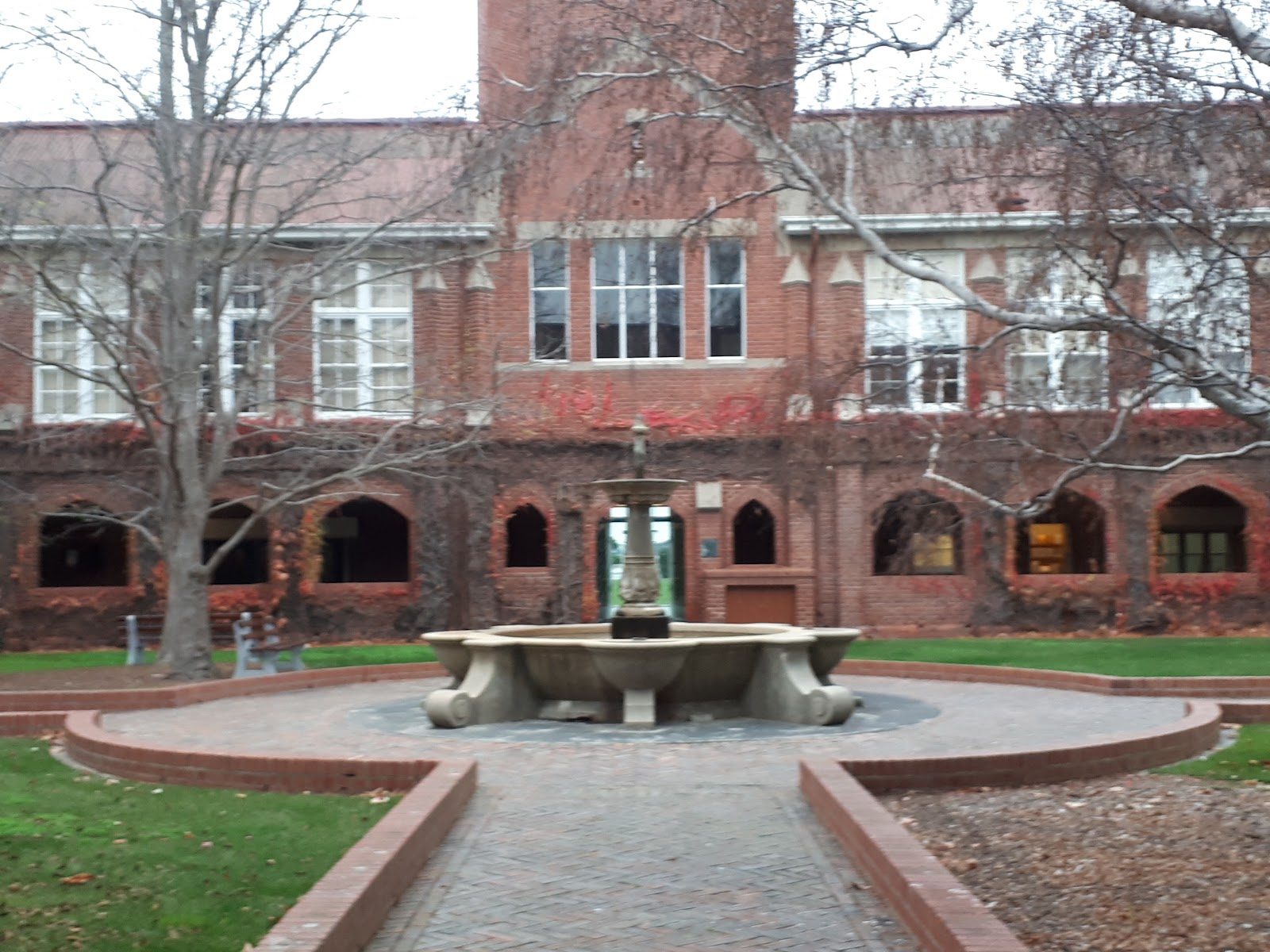
Geelong Grammar School
Corio, Victoria · Australia
Sends every Year 9 to a remote alpine campus, then blends IB and VCE with the wellbeing model it pioneered.
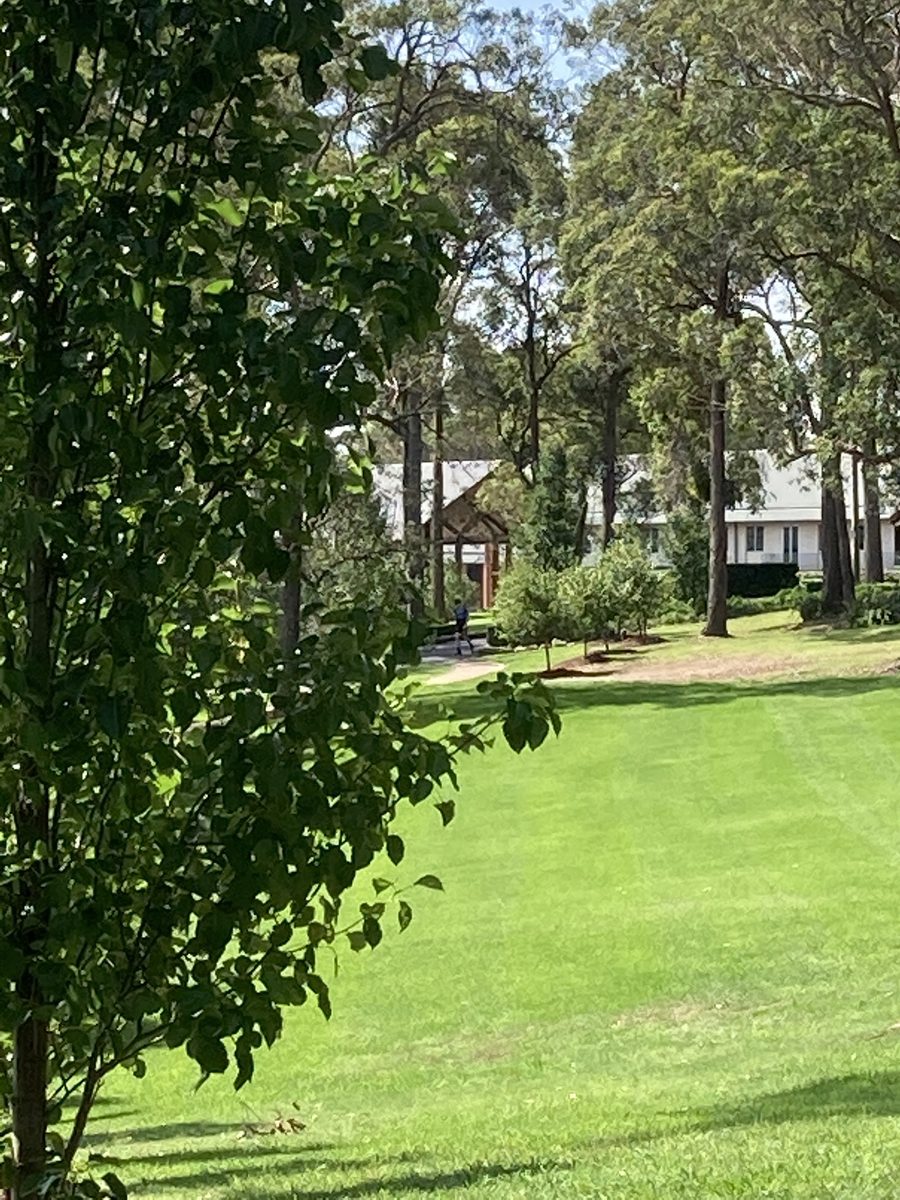
The King's School (Parramatta)
Parramatta · Australia
Australia's oldest independent school, where an 1831 foundation still marches in the country's oldest surviving military uniform and cadet corps.
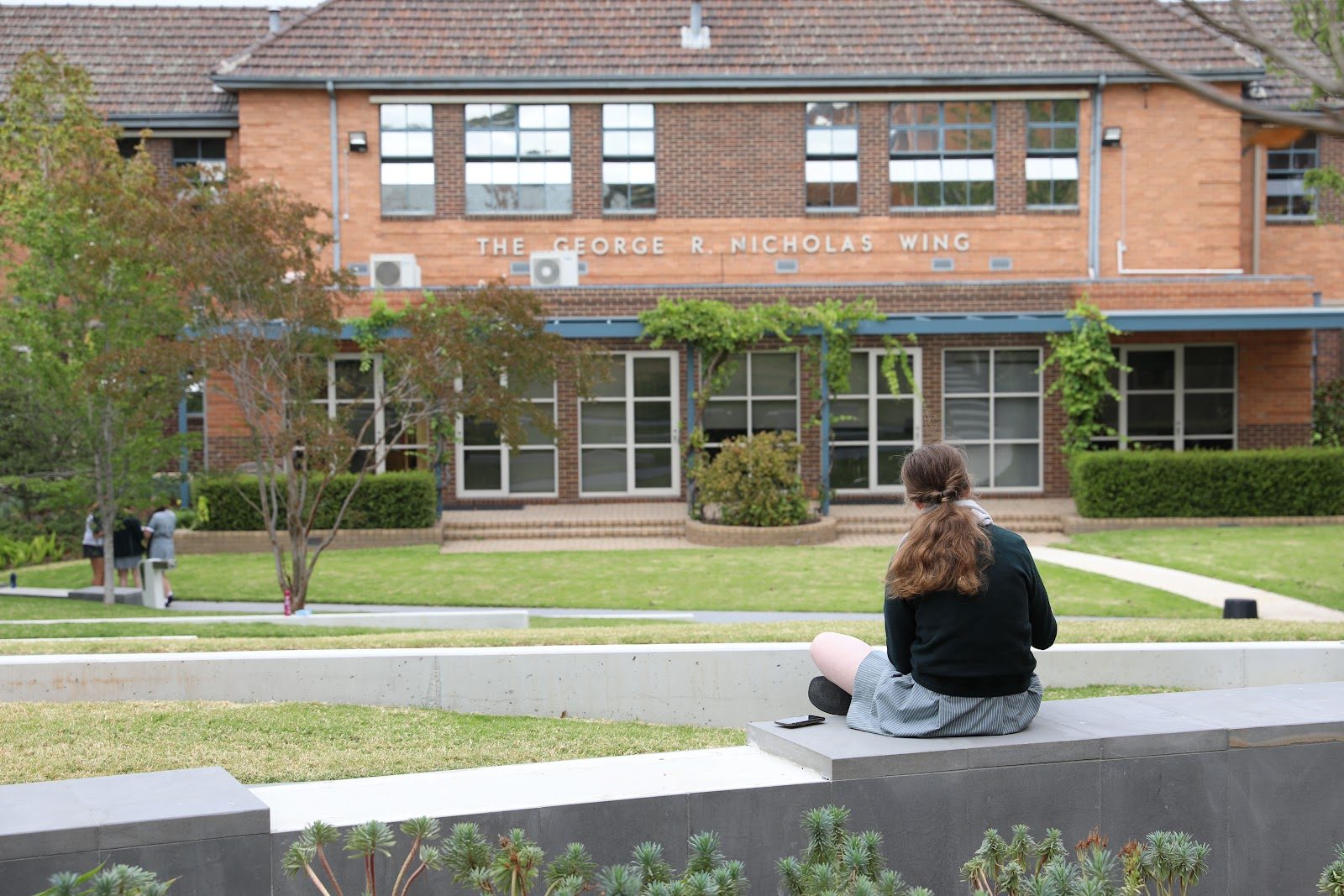
Methodist Ladies' College
Melbourne · Australia
First school worldwide to put laptops in every student's hands in 1990, now pairing deep VCE-IB choice with an eight-week Marshmead wilderness term.
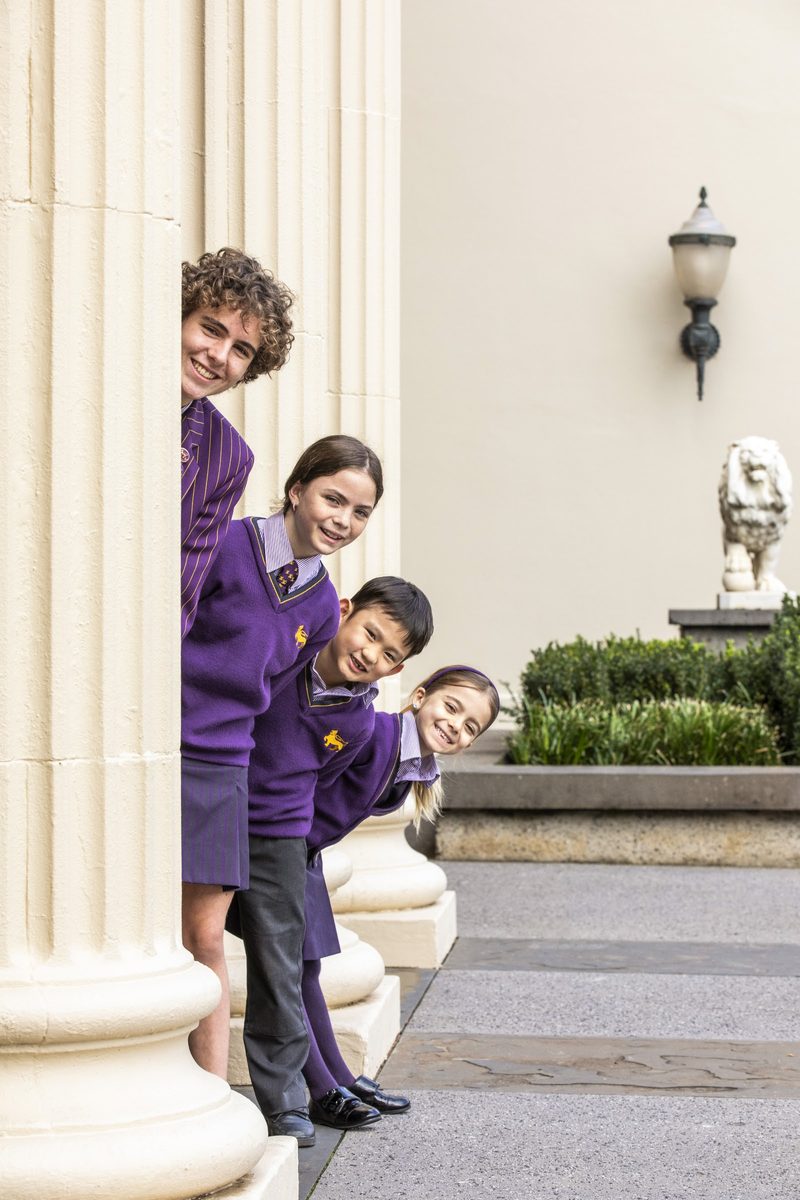
Wesley College
Melbourne · Australia
Runs the full IB continuum alongside VCE across three Melbourne campuses, reaching all the way to a studio school in the Kimberley outback.
Same country and curriculum — closest matches within ±10 points either way