
Provence-Alpes-Côte d'Azur
Centre International de Valbonne
low confidence· 6/6 cats · 0 avg sourcesIn Sophia Antipolis's tech park, five language sections converge around the OIB, feeding a boarding lycee's grandes ecoles prep classes.
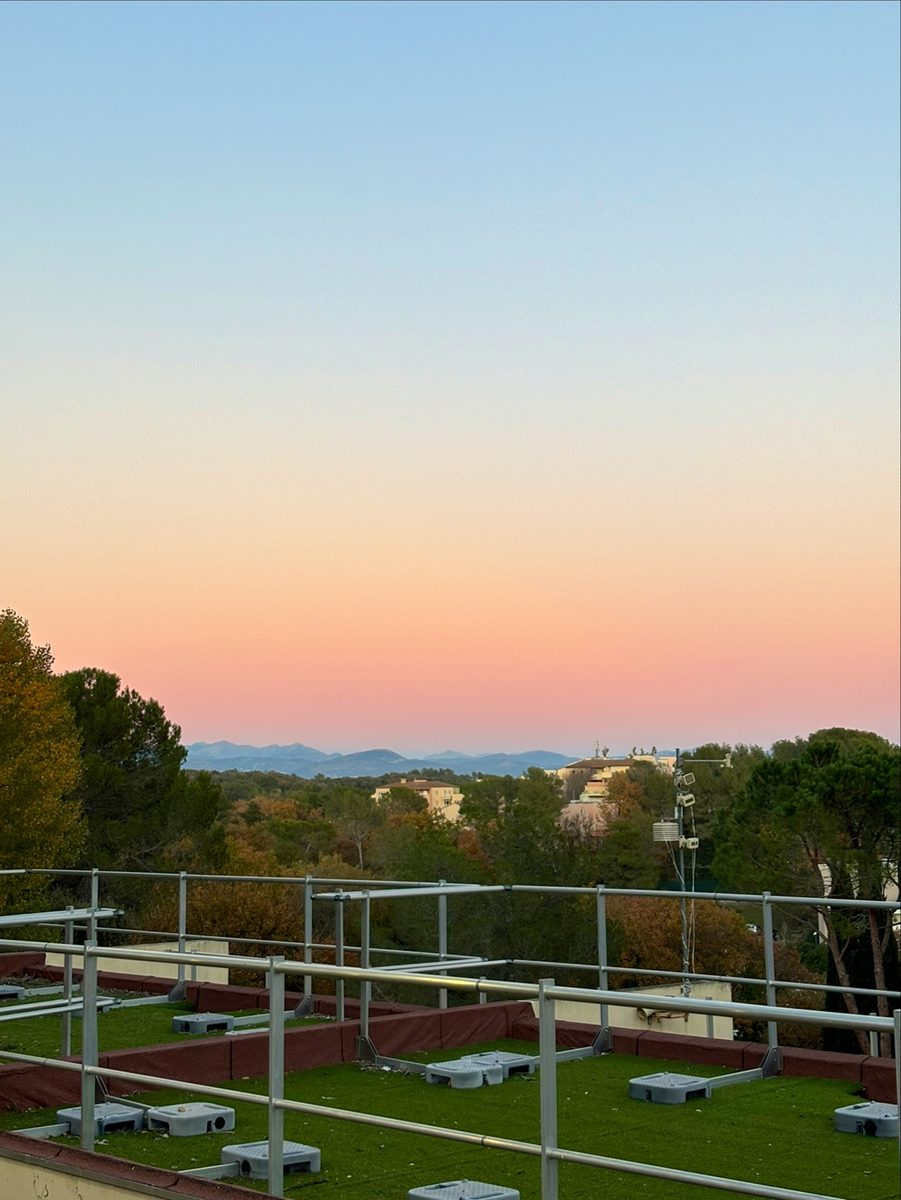
Photo © [E][NILS] via Google Maps
Type
Both
Ages
11–18
Curriculum
French Baccalauréat (OIB) · British (A-Level)
Ratio
13:1
The Verdict
Editor's commitment
Right for
Families in Sophia Antipolis who want ages 11–18, English instruction and a French Baccalauréat OIB with A-Level on the table.
Wrong for
Parents expecting boutique attention: average class size is 28, and a 13:1 ratio does not buy much hand-holding.
Watch out for
Founded in 1979 and tagged as both day and boarding, CIV sells range; check how the A-Level strand works in practice.
Ranking breakdown
Centre International de Valbonne · #468 of 1591
Composite score 70.8. 8 weighted criteria.
By criterion
Academic Outcomes
Weight 20%
#385
of 1529 scored
University Placement
Weight 16%
#459
of 1529 scored
Prestige & Heritage
Weight 12%
#552
of 1571 scored
Alumni Network
Weight 12%
#368
of 1530 scored
Facilities
Weight 12%
#678
of 1533 scored
Transparency & Communications
Weight 8%
#553
of 1532 scored
Peer & Industry Review
Weight 10%
#646
of 1548 scored
Admissions Selectivity & Demand
Weight 8%
#308
of 1529 scored
Peer & Industry Review
How Centre International de Valbonne is regarded in the sector
68
Respected · medium confidence
CIV is consistently cited in French education press and expat-parent forums (e.g. Expat.com, Internations, French Local government reports) as one of the most prestigious public international schools in France, known for its selective 'sections internationales' and strong Baccalauréat/OIB results. It lacks the international boarding-school press coverage (Tatler, Good Schools Guide) typical of private schools, but enjoys a solid regional and expat reputation as a top choice near Sophia Antipolis.
Evidence sources
Editors' overview
Centre International de Valbonne occupies a niche few schools can match. It sits in Sophia Antipolis, France’s technology park, and it serves pupils from 11–18 in an international state-school setting built around the French Baccalauréat with the OIB, alongside a British A-Level track. Founded in 1979, it combines the academic seriousness of the French system with a multilingual, outward-looking intake. The draw is clear: this is not an international school built on lifestyle branding, but a school built on examination routes, language sections and intellectual range. For parents who want academic substance over campus theatre, CIV earns a place on the shortlist.
What sets it apart is structure. Five language sections feeding into the OIB create a school with a stronger scholarly identity than many international competitors. That matters. The OIB is demanding, and students who thrive here need stamina, fluency and a high tolerance for parallel expectations across subjects and languages. The attached boarding lycée and its grandes écoles preparation add another layer of seriousness; the school’s horizon extends beyond pleasant internationalism to hard-edged academic ambition. Class sizes average 28, so this is not a boutique environment, but the 13:1 student-teacher ratio still points to workable access to staff. Families looking for hand-holding, lavish pastoral packaging or a soft landing into French education will find sterner conditions here.
CIV suits bright, self-directed students who want a properly international peer group without stepping outside the French public tradition. It will appeal to children of mobile professional families in Sophia Antipolis, bilingual or multilingual pupils, and academically confident students who want routes into French higher education while keeping an English-language dimension in play. The best-fit child is resilient, organised and comfortable in a school that values attainment over performance. For that student, CIV offers intellectual stretch, linguistic depth and a rare cross-border academic identity. For everyone else, it can feel exacting, impersonal and uncompromising.
Academic Performance
CIV’s public exam profile is hard to judge because the school does not publish a clear, consolidated results set for either of its main senior pathways. That is a real weakness. For a school built around serious examination routes and attracting families who care about university outcomes, the absence of headline pass rates, top-grade distributions and destination data leaves too much in the dark. We have not seen aggregate figures for the French Baccalauréat with OIB, nor a full A-Level results summary. That places CIV behind the best-run international competitors on transparency alone. Parents can infer academic ambition from the structure of the school and the demands of its courses, but inference is not evidence.
Relative to peers, CIV sits in an unusual bracket: academically more exacting than many lifestyle-led international schools, but less legible in published outcomes than the strongest exam-driven operators. The OIB route is inherently demanding, and the coexistence of national and international tracks raises the academic ceiling for able pupils. That matters, but published results matter more. Without them, CIV cannot claim the same public accountability as schools that place their exam profile in plain view year after year. The fit here remains clear: this is for students ready for a *high-pressure, intellectually disciplined* environment. The academic promise is credible; the measurable proof is too opaque.
Facilities
The physical offer at CIV is functional rather than showy. The key asset is the setting within Sophia Antipolis itself: a school embedded in a research and technology environment gains day-to-day proximity to laboratories, higher education links and a more serious intellectual atmosphere than the average standalone campus. That matters more here than ornamental architecture. Families should not expect the polished spectacle of a premium private international school. CIV operates on a more public-sector logic, and the facilities profile follows suit: serviceable classrooms, core science provision, sports infrastructure and the practical spaces required for a large secondary school with multiple academic pathways. The average class size of 28 also tells its own story: this is a campus built for throughput, not for boutique comfort or designer intimacy.
Against peer schools, that places CIV in a clear middle ground. It offers more academic utility than many smaller international schools with lighter specialist provision, but less physical luxury than fee-heavy competitors on the Riviera. For students whose priority is hard academic use of labs, libraries and study space, that is enough. For parents shopping for theatre-level performing arts centres, immaculate indoor sports complexes or resort-style gloss, it is not. The attached wider lycée environment strengthens the sense of an institution with purpose rather than a lifestyle campus. In facilities terms, CIV is serious, adequate and unsentimental—strong where teaching needs support, weaker where branding schools spend to impress.
Centre International de Valbonne occupies a niche few schools can match
Prestige
CIV carries real prestige, but it is a specific kind of prestige. This is not the polished, fee-heavy status of a Swiss finishing school or a brand-name global chain. Its standing rests on academic seriousness, selective fit and a strong reputation among internationally minded families who want access to the French system without giving up an English-language route. The school’s mix of language sections gives it a distinct intellectual cachet that many international schools lack. In the local market, that matters. Among families in Sophia Antipolis and beyond, CIV has long held the status of a school for students who can cope with pressure, complexity and multilingual expectations. The average class size of 28 tempers any illusion of exclusivity, but prestige does not depend on small seminars alone.
We rate its prestige as high but not universal. It holds weight with parents who value scholarship, examination discipline and routes into demanding universities. It carries less glamour with families chasing luxury facilities, extensive hand-holding or a softer social atmosphere. The opacity around published outcomes also caps its stature. A school cannot claim the top tier of international prestige while leaving exam performance and destinations insufficiently clear. Even so, the combination of a 13:1 staffing ratio, serious peer culture and an uncompromising academic identity gives CIV more substance than many louder competitors. This is earned prestige, not decorative prestige.
A school cannot claim the top tier of international prestige while leaving exam performance and destinations insufficiently clear
Communications
CIV’s parent communication has the strengths and weaknesses of a school run on institutional purpose rather than customer-service choreography. The public-facing basics are in place: parents can find the main school structure, practical contacts and key administrative information without much trouble. That matters in a complex school with multiple pathways and language communities. The problem sits one level deeper. The school does not publish the kind of crisp, decision-useful performance communication ambitious international families expect: clear exam summaries, destination lists, comparative context or a consistently sharp account of what pupils gain at each stage. For a school with five language sections and a reputation built on academic seriousness, that gap is more than cosmetic. It leaves parents to do too much interpretation themselves.
Effectiveness, then, is mixed. Day-to-day operational communication reads as functional, while strategic communication to prospective and current families lacks editorial discipline. Schools serving internationally mobile parents need to explain themselves with precision, because families are comparing systems as much as schools. CIV has a more complicated story to tell than a standard private international school, and complexity raises the bar. The school clears the practical bar; it does not clear the transparency bar. That distinction matters. Parents who value plain speaking and published proof will find the communication serviceable but incomplete. Parents already familiar with French public-sector culture will tolerate it more easily.
Uniqueness
What makes CIV unusual is not a glossy international-school formula but an academic architecture that is hard to replicate. The school brings together five language sections inside a French public framework while also keeping a British senior route in play. That creates a student body with more intellectual friction, and more benefit, than the smoother monocultures found elsewhere. Pupils work in a setting shaped by multiple national traditions at once: different literary canons, different historical lenses, different classroom habits, different expectations of argument and precision. For the right student, that is genuinely rare. It produces linguistic range, sharper cultural literacy and a stronger tolerance for complexity than schools where “international” means little more than passports and flags.
The other point of difference is seriousness of purpose. CIV sits inside a professional ecosystem built around science, engineering and research, and that context gives the school a less performative, more workmanlike identity. Students benefit from a peer group tied to mobile, highly educated families and from an environment that treats academic effort as normal rather than exceptional. The result is bracingly adult: pupils learn to operate across systems, manage demanding workloads and hold their own in multilingual discussion without much spoon-feeding. That brings real advantages for university and beyond. It also narrows the fit. CIV is not for the faint-hearted, and its distinctiveness serves resilient, high-agency students far better than those who need a softer, more curated experience.
Founded in 1979, it combines the academic seriousness of the French system with a multilingual, outward-looking intake
Student Profile
CIV suits students who enjoy pressure, structure and intellectual competition rather than those who need constant reassurance. The strongest fit is the pupil who is already comfortable moving between cultures, expectations and peer groups without much fuss. Children from internationally mobile families will recognise the rhythm quickly, but passport diversity alone is not enough. This school rewards fluency of thought, self-management and a willingness to get things right, not just get things done. With five language sections in the mix, the social and academic atmosphere has more edge than at softer international schools. The students who do best here are mentally agile, linguistically confident and hard to rattle.
It is a weaker fit for children who need heavy pastoral cushioning, lots of classroom intimacy or a highly choreographed sense of belonging. Large classes demand patience, resilience and the confidence to speak up without waiting for an invitation. That can be invigorating for the right child and wearing for the wrong one. Families should picture a student who is curious, organised and ready to work alongside peers from ambitious professional households, many with high expectations around attainment. Socially, the culture will suit pupils who value substance over display and can tolerate a setting that is brisk, demanding and not for the faint-hearted. For the resilient student with strong academic habits, CIV offers a peer group with real ballast.
For parents who want academic substance over campus theatre, CIV earns a place on the shortlist
Co-curricular strengths
Arts & sport, on a separate axis
Overall 6.9/10
Scored 0-10 from the school's own published evidence. This axis is editorial-only — it does not feed the main WTS ranking.
Sports
7/10
Drama
6/10
Dance
5.5/10
Music
8/10
Visual Arts
8/10
Strengths
- +Runs the OIB (Option Internationale du Baccalaureat), letting pupils sit the French Baccalaureat with an added International Option in English language and literature. Students at the Lycee International of Valbonne (LIV) work towards the prestigious OIB examination, which is the French Baccalaureate with an additional International Option where students can study English language and literature.
- +The lycee runs six parallel international sections drawing a genuinely mixed pupil body. Additionally the schools offer Italian, Spanish, German and Chinese sections, with students from nearly 40 different nationalities.
- +Le Figaro placed the college among the strongest in the country and the top state (public) school in its ranking. En septembre 2021, Le Figaro classe le college du CIV a la 6e place des meilleurs colleges de France (1er etablissement public du classement).
- +On-site boarding supports the CPGE (post-bac prep classes) cohort, with the great majority of those students resident during term. L'internat, ouvert 7 jours sur 7 et ou resident 90 % des etudiants, facilite l'apprentissage dans cette CPGE ou de nombreux conferenciers exterieurs viennent a leur rencontre.
- +The campus offers a rare full continuum from middle school through to elite exam-prep classes on one state-run site. Le Centre international de Valbonne (CIV), est un college et lycee avec des classes preparatoires aux grandes ecoles, situe sur la commune de Valbonne, dans la technopole de Sophia Antipolis, en France.
Considerations
- −Entry into the international sections is by competitive placement test, and a successful candidate may be assigned to a partner college rather than CIV itself. Des tests sont organises pour les eleves qui souhaitent rentrer dans une section internationale. En fonction des resultats, ils peuvent etre admis au CIV ou dans les sections internationales du college de l'Eganaude de Biot, du college Niki de Saint Phalle de Valbonne ou du college Cesar de Roquefort-les-Pins.
- −As a French Ministry-run public school, prospective anglophone families are advised its own admissions channel is in French only. Admissions information can be found on the school's website, which is in French only.
- −The site is large rather than boutique, with close to 700 pupils in the college and around 1,200 in the lycee, a scale that can feel less personal than small private international schools. Le college international compte un peu moins de sept cents eleves. Le lycee international compte environ mille deux cents eleves sur les niveaux du secondaire (2e, 1re et Terminale).
- −Public reporting on the school consistently documents the OIB and CPGE tracks; no independently verifiable source confirms a distinct, separately examined British A-Level stream, so families should verify current provision directly with the school before assuming a full A-Level programme exists.
Availability
Primary entry gate & tests
Affelnet / Academic Dossier
Gallery
Photo © Lucas BMA via Google Maps
Photo © Lucas BMA via Google Maps
Photo © Lucas BMA via Google Maps
Photo © Lucas BMA via Google Maps
Photo © Lucas BMA via Google Maps
Photo © lucas Berti via Google Maps
Photo © Bruno Buisson via Google Maps
Photo © Bruno Buisson via Google Maps
Photo © Hubert HAINAULT via Google Maps
Parent reviews
Have you sent your child here?
Voice reviews carry the strongest trust badge — we transcribe them for you to tidy up before they go live. Prefer to type? A written review is fine too.
Add your voice
In 60 seconds, tell other parents: what's the best thing about Centre International de Valbonne, and what surprised you when your child joined?
We ask for a Google sign-in so every review has a real face behind it — no anonymous drive-by attacks on schools, and no faked positive reviews. Your email is never shown publicly.
Send this profile to a friend
International parents rely on word-of-mouth. Share this review with someone weighing the same decision.
Schools with places
Similar schools to Centre International de Valbonne with places available now.
International School of Paris
Paris · France
- 2026-27
- WAITPOOLSpace-dependent
- 2027-28
- PLACES OPENRolling
American School of Paris
Saint-Cloud · France
- 2026-27
- WAITPOOLSpace-dependent
- 2027-28
- PLACES OPENRolling
The British School of Paris
Paris · France
- 2026-27
- WAITPOOLSpace-dependent
- 2027-28
- PLACES OPENRolling
École Saint-Louis de Gonzague
Paris · France
- 2026-27
- CLOSEDStandard route
- 2027-28
- OPENS SOONOpens Oct/Nov '26
Availability first, then country, area, curriculum, price, co-curricular
Consider also
Also worth looking at alongside Centre International de Valbonne.
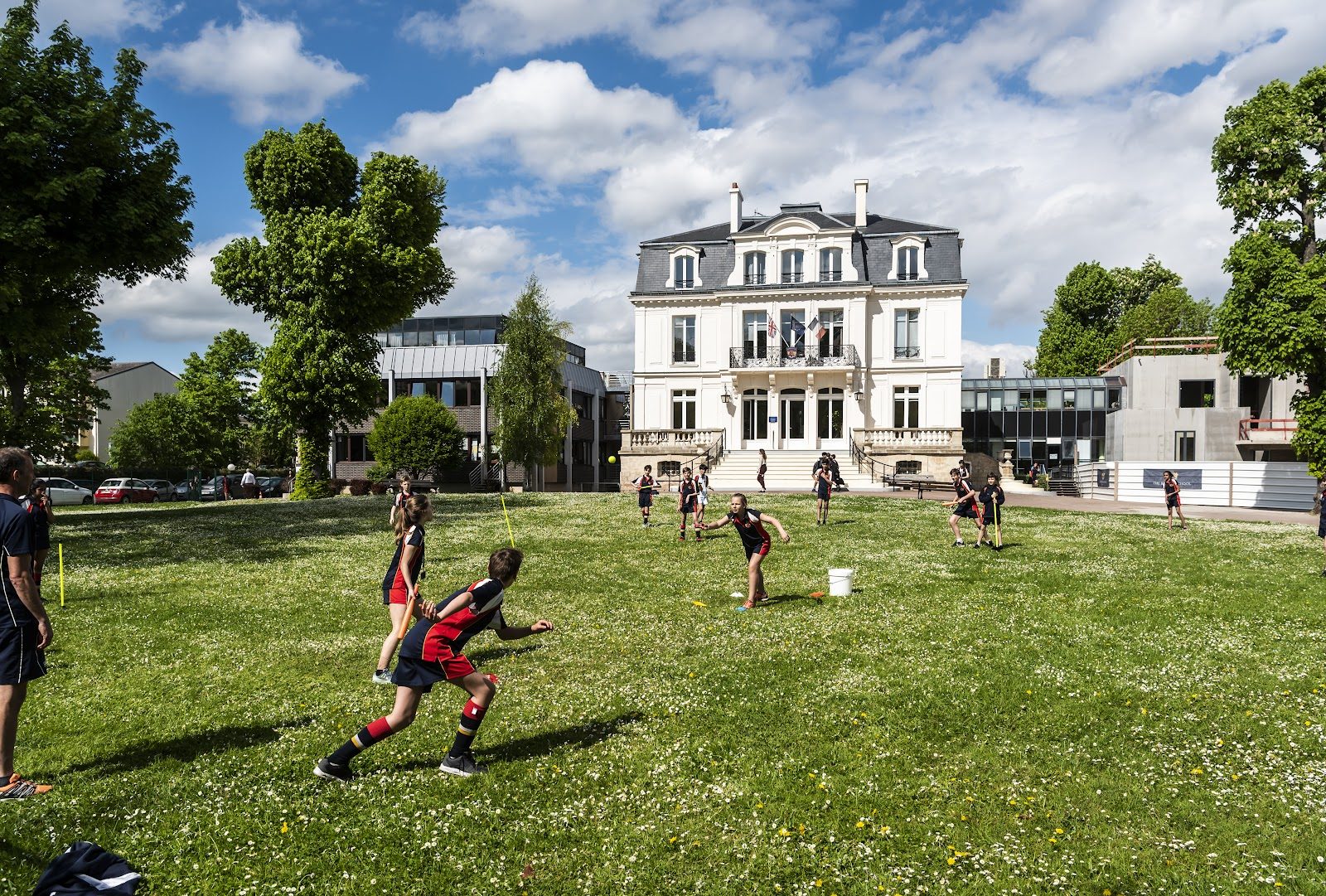
The British School of Paris
Paris · France
The only UK-government-accredited British School Overseas in France, pairing A-Levels and IB on the Seine west of Paris
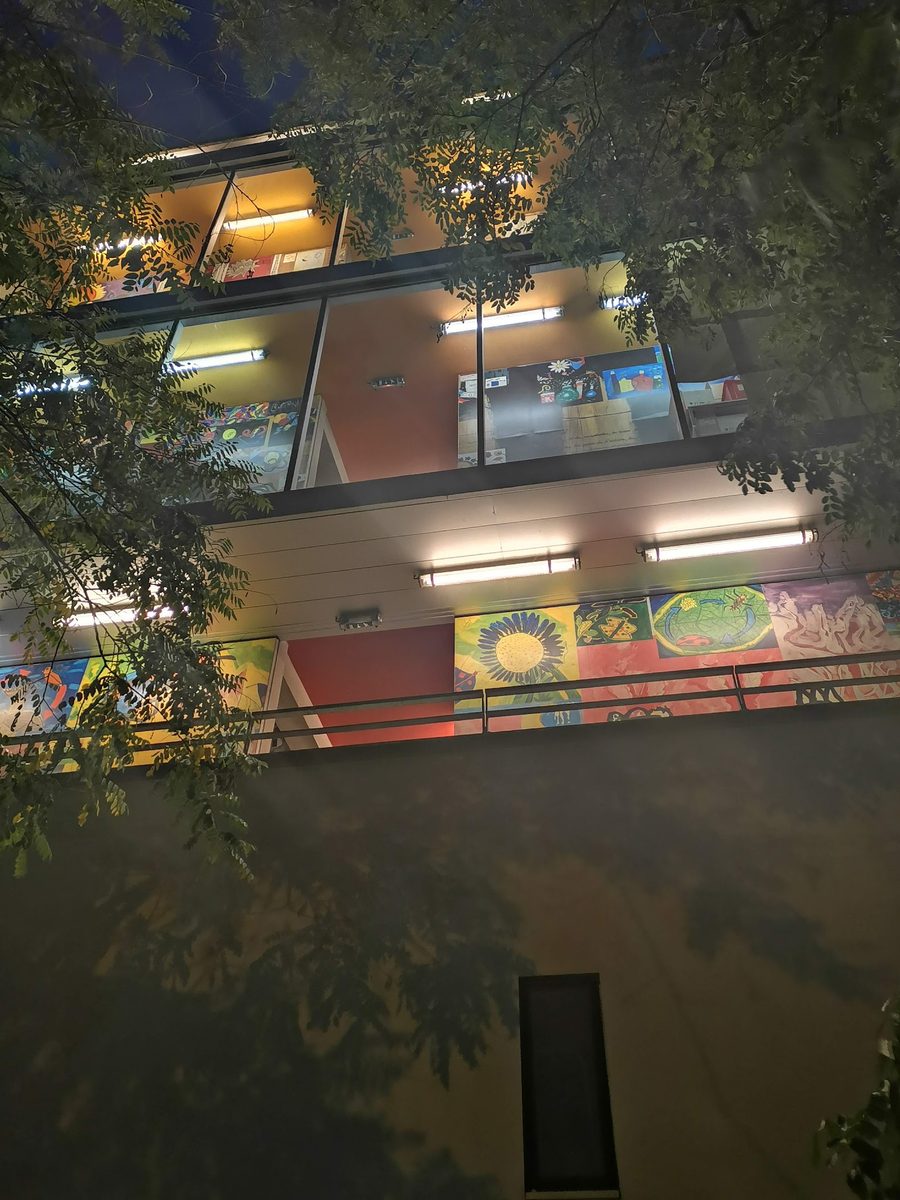
École Jeannine Manuel
Paris · France
Founded by a Resistance veteran, this Left Bank lycee teaches core subjects bilingually and has topped France's rankings for a decade.
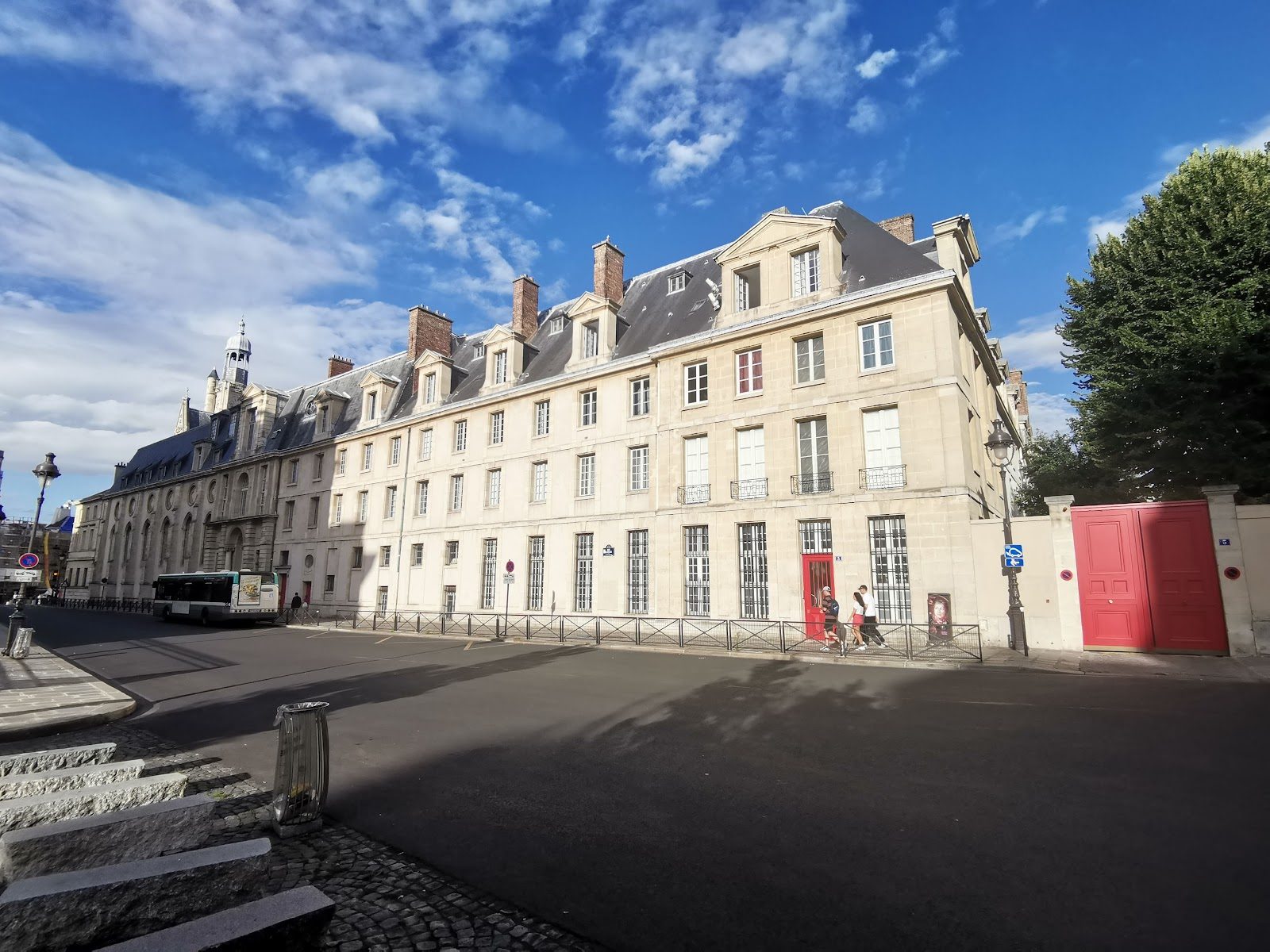
Lycée Henri-IV
Paris · France
Storied Left Bank lycée prizing the French Bac and its feeder classes préparatoires to France's grandes écoles.
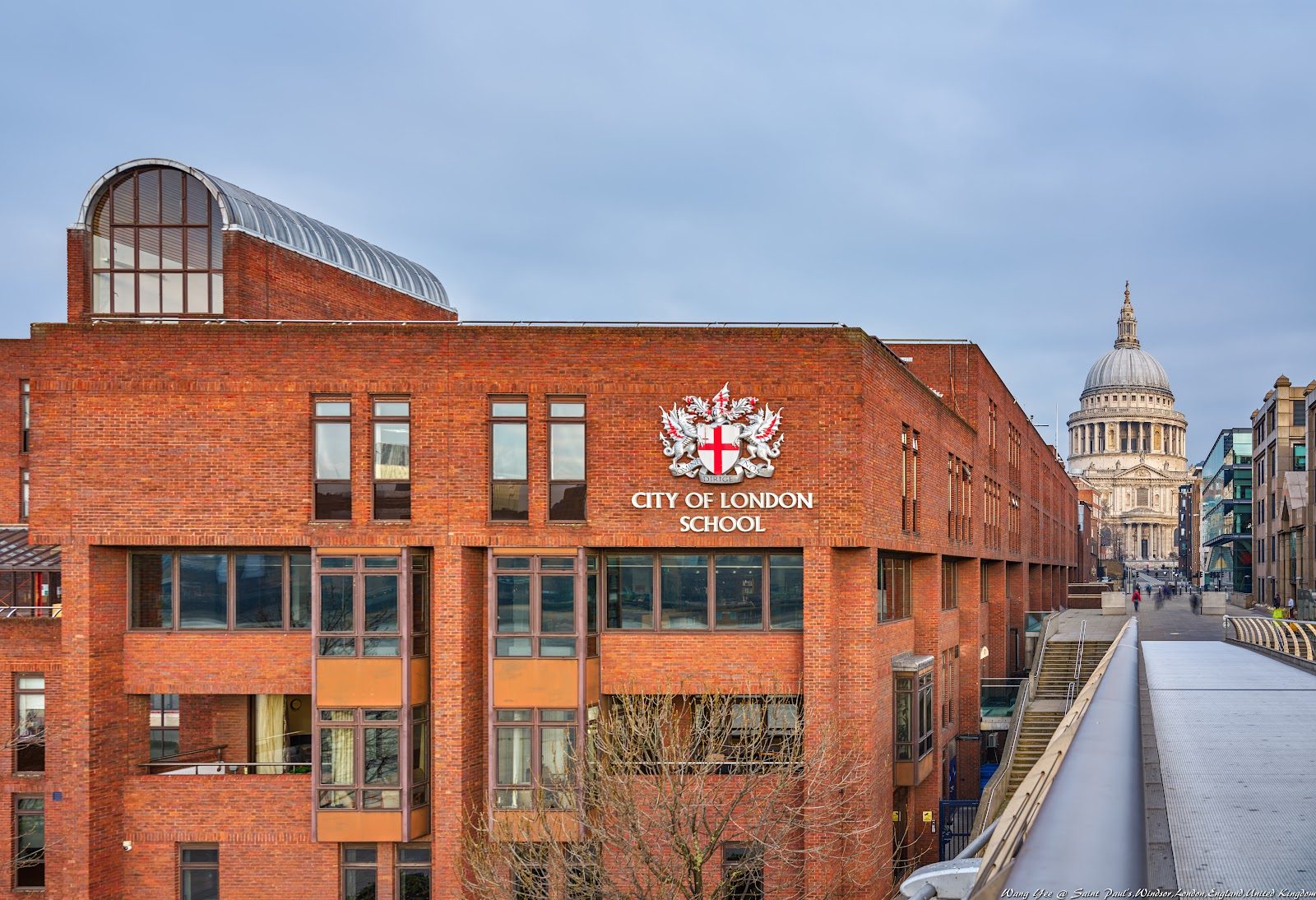
City of London School
London · United Kingdom
A 1442 bequest from the City's own Town Clerk still funds this rigorous day school perched on the Thames at Blackfriars.
Same country and curriculum — closest matches within ±10 points either way